Top 11 Castles in Oxfordshire
Castles in Oxfordshire offer a journey through centuries of English history, from Norman fortifications to grand country estates. The region, characterized by its rolling hills, river valleys, and historic market towns, provides a diverse backdrop for these architectural landmarks. Many sites are set within extensive parklands or alongside waterways like the River Thames. Oxfordshire's cultural significance is deeply intertwined with these historic structures, reflecting periods of conflict, aristocracy, and architectural evolution.
Best castles in Oxfordshire
- The most popular castles is Blenheim Palace — UNESCO World Heritage Site, a historical site that is a monumental country house and the principal residence of the Dukes of Marlborough. It is the only non-royal, non-episcopal country house in England to hold the title of palace and was designated a UNESCO World Heritage Site in 1987.
- Another must-see spot is Greys Court, a historical site with a castle. Visitors can explore its charming gardens, which feature mazes, a great tower, and a donkey-powered well.
- Visitors also love Minster Lovell Hall Ruins, a historical site situated by the River Windrush. These picturesque ruins were once a main residence for the Lovell family, built around 1440.
- Oxfordshire is known for its variety of historic sites, including fortified manor houses, castle ruins, and grand palaces. Visitors can explore motte-and-bailey earthworks, medieval strongholds, and 17th-century country houses.
- The castles in Oxfordshire are appreciated by the komoot community, with more than 70 upvotes and 95 photos shared across the highlights.
Last updated: October 9, 2026
Blenheim Palace — UNESCO World Heritage Site
Highlight • Historical Site
The palace, one of England's largest houses, was built between 1705 and circa 1722. It was designated a UNESCO World Heritage Site in 1987.
blenheimpalace.com
Tip by

Wallingford Bridge
Highlight • Historical Site
Tip by

Sign up now to discover places like this
Get recommendations on the best single tracks, peaks, & plenty of other exciting outdoor places.
Greys Court
Highlight • Historical Site
Tip by

Minster Lovell Hall Ruins
Highlight • Historical Site
Minster Lovell Hall was built by William Lovell around 1440. As Minster Lovell was one of the earliest estates held by the Lovell family and one of their main residences it was at least the second building occupying this site.
In 1747 large parts of the buildings were dismantled. By the early nineteenth century, the ruins of Minster Lovell Hall were thought to have been the buildings of an alien priory.
Legend
According to one report, a skeleton was discovered in the basement of Minster Lovell Hall in 1718 and was thought to be that of Francis Lovell who had hidden there after the Battle of Stoke and had died of starvation. Unfortunately, it seems unlikely this is the case. Francis Lovell spent little time in Minster Lovell and therefore would have no faithful servant there who could hide and feed him for years.
en.wikipedia.org/wiki/Minster_Lovell_Hall
Tip by
Ashdown House
Highlight • Monument
Tip by

Greys Court
Highlight • Historical Site
As "Redrefield" it was the principal manor of the six manors held in 1086 (as listed in the Domesday Book) by the Norman knight Anchetil de Greye (c.1052- post-1086), ancestor of the prominent Grey family.
The mainly Tudor-style house has a courtyard and gardens. The walled gardens contain old-fashioned roses and wisteria, an ornamental vegetable garden, maze (laid to grass with brick paths, dedicated by Archbishop Robert Runcie on 12 October 1981) and ice house. Within its grounds are the fortified tower built circa 1347, the only remains of the medieval castle, overlooking the gardens and surrounding countryside, as well as a Tudor wheelhouse.
The house remains furnished as a family home, with some outstanding 18th-century plasterwork interiors. It is a Grade I listed building.
Cit. en.wikipedia.org/wiki/Greys_Court
The house is now owned by the National Trust and is open to the public.
It has been used as a filming location for TV series like "Downton Abbey", "Agatha Christie's Poirot" and as "Midsomer Priory" in the "Midsomer Murders" series.
Tip by

St Nicholas College Ruins, Wallingford Castle
Highlight • Historical Site
Translated by Google •
Tip by

Broughton Castle
Highlight • Historical Site
The core of the house was built in 1306 and the gatehouse in the early fifteenth century, but most of what you see today dates from the 1550’s. It was a centre of opposition to Charles I and was besieged and damaged after the Battle of Edgehill in 1642.
Broughton Castle is home to the 21st Lord and Lady Saye & Sele, whose family name is Fiennes. The ownership of the Castle has remained in the same family since 1447.
The house, garden and tearoom are open on Wednesdays, Sundays and Bank Holiday Mondays from 1st April until 30th September from 2-5pm with last admission at 4.30pm.
There is no entry fee if you are just visiting the tearoom on an open day.
broughtoncastle.com
Tip by
Segsbury Camp Iron Age Hill Fort
Highlight • Historical Site
Tip by
Buscot Park
Highlight • Historical Site
Buscot Park is the family home of Lord Faringdon, who looks after the property on behalf of the National Trust, as well as the family collection of pictures, furniture, ceramics and objets d'art, known as the Faringdon Collection, which is displayed in the house.
Built between 1780 and 1783 for a local landowner, Edward Loveden Townsend. In 1859 his great-grandson sold the estate to an Australian tycoon, Robert Tertius Campbell. He died in 1887 after spending a fortune turning Buscot into a model agricultural estate. In 1889 the estate was purchased by Lord Faringdon's great-grandfather, Alexander Henderson, a financier of exceptional skill and ability, who in 1916 was created the 1st Lord Faringdon. He greatly enlarged the house, commissioned Harold Peto to design the famous Italianate water garden, and laid the foundations of the Faringdon Collection. Among his many purchases were Rembrandt's portrait of Pieter Six, Rossetti's portrait of Pandora, and Burne-Jones's famous series, The Legend of the Briar Rose.
His grandson and heir, Gavin Henderson, added considerably to the Collection, acquiring important furniture designed by Robert Adam and Thomas Hope, and was instrumental in returning the house to its late eighteenth century appearance.
The present Lord Faringdon, Gavin's nephew, together with his fellow Trustees, continues to add to the Collection, to improve its display, and to enliven the gardens and grounds, in the hope that visitors might gain more enjoyment from Buscot whilst ensuring that it still feels very much a family home.
buscot-park.com/house
en.wikipedia.org/wiki/Buscot_Park
Tip by
Sign up for free to discover even more castles in Oxfordshire.
Already have an account?
Start today with a free account
Your next adventure awaits.
Popular around Oxfordshire
King Alfred's Way — History, chalk, grassland and forest
Jurassic Way — A hiking trail 150 million years in the making
Hiking the Oxford Green Belt Way — Rivers, abbeys, manors and woods
Hiking the Greater Ridgeway — Following Roman roads across England
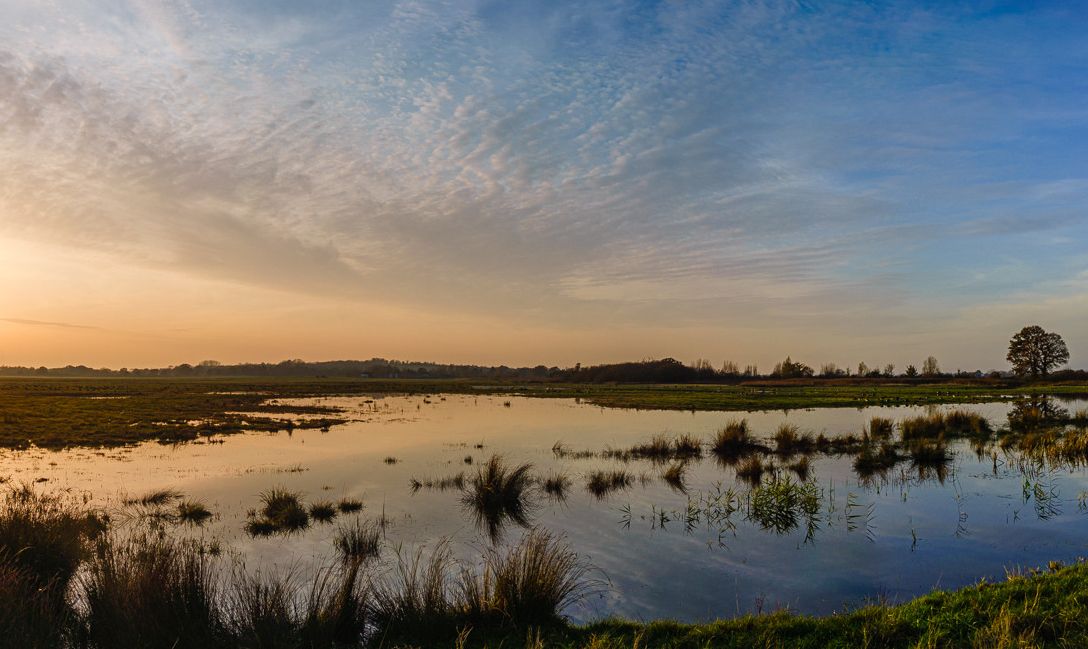
Oxfordshire Way — An idyllic walk in the heart of rural England
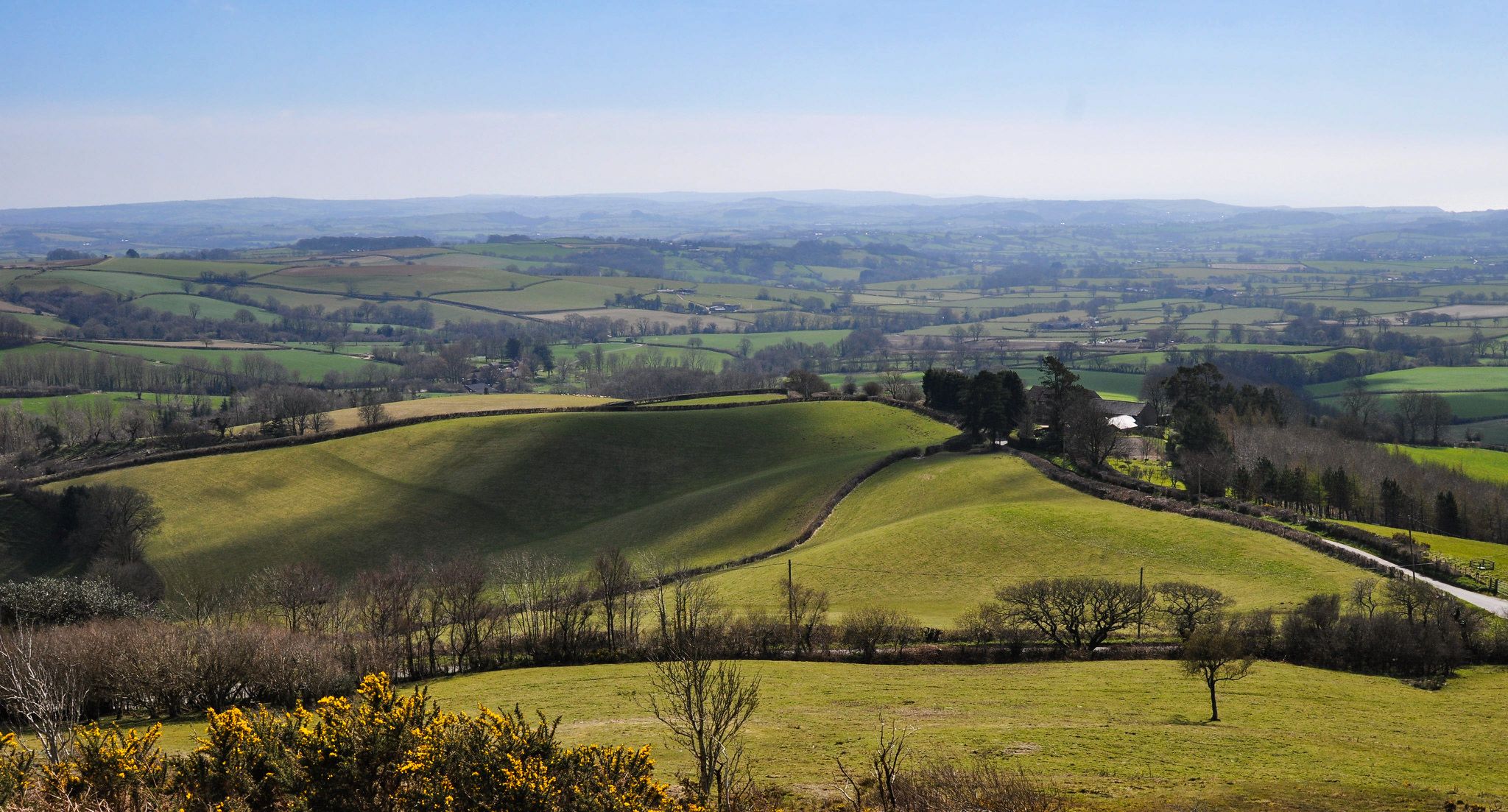
Hiking the Orange Way — Southern England in the footsteps of a king
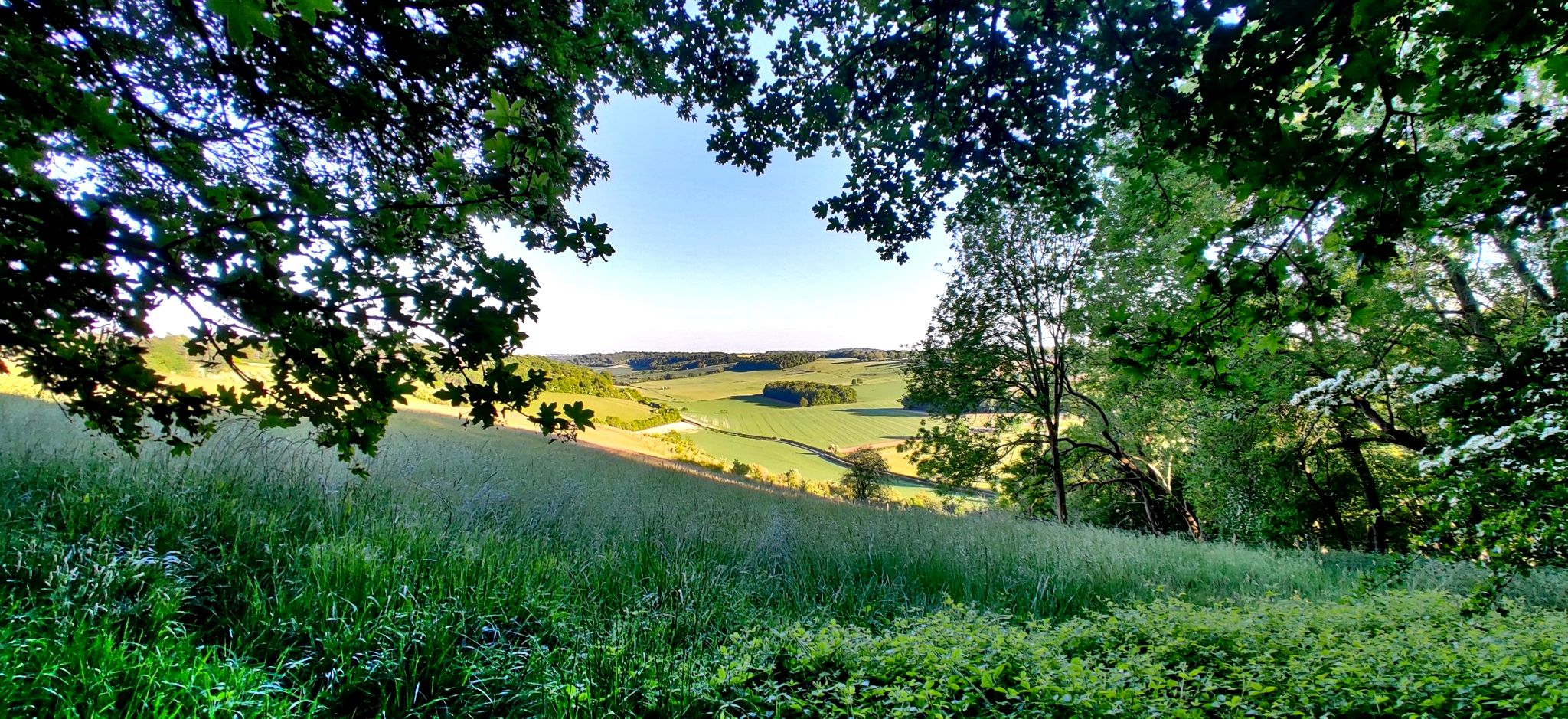
Chiltern Way — Hike some of the prettiest scenery in England
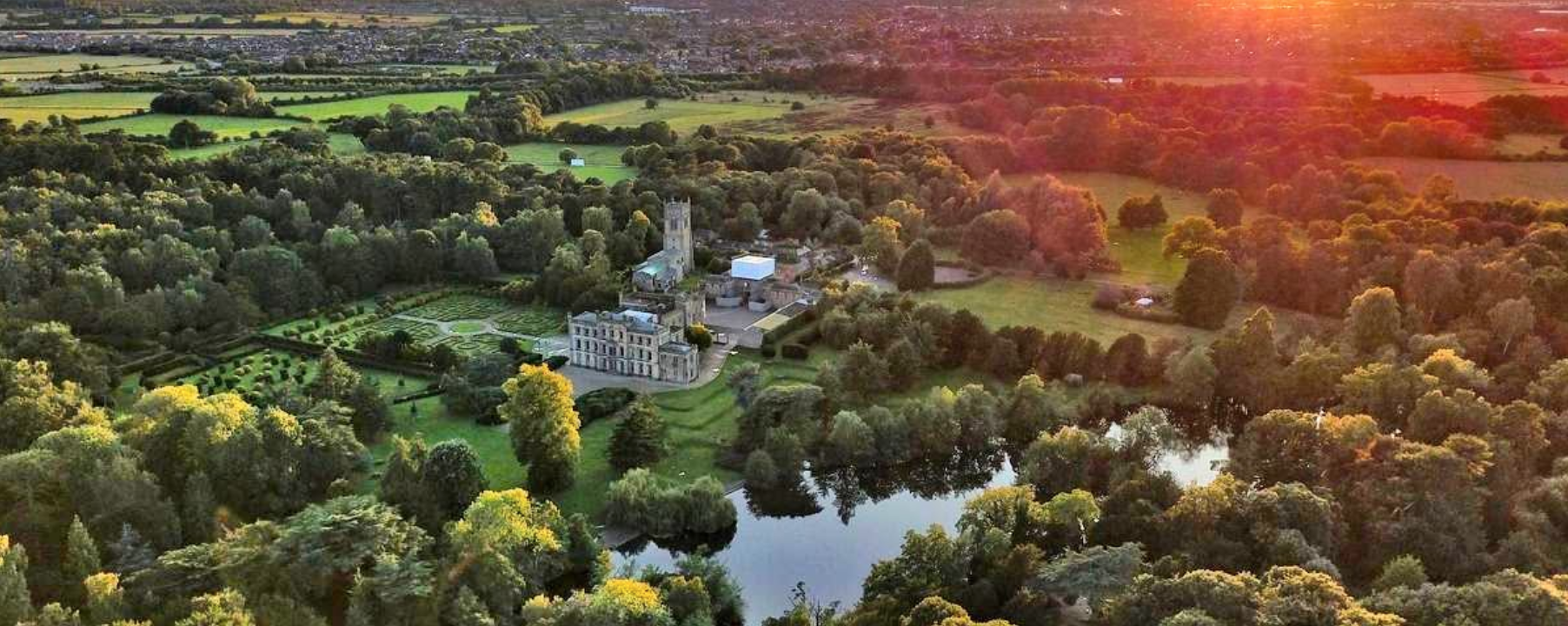
South Midlands Cycleway – Explore the heart of England by bike
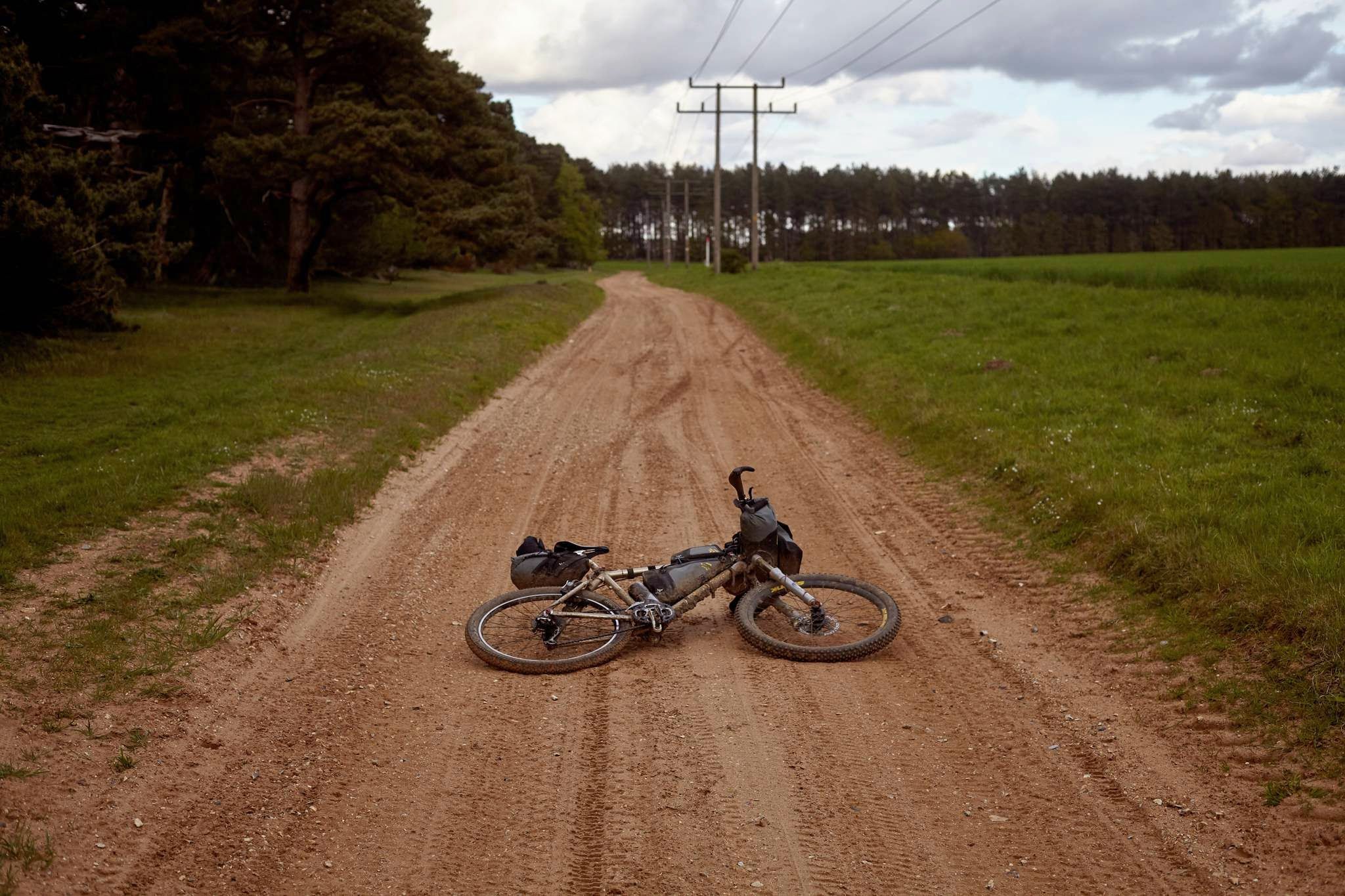
Cycle the Greater Ridgeway Trail — English Channel to North Sea
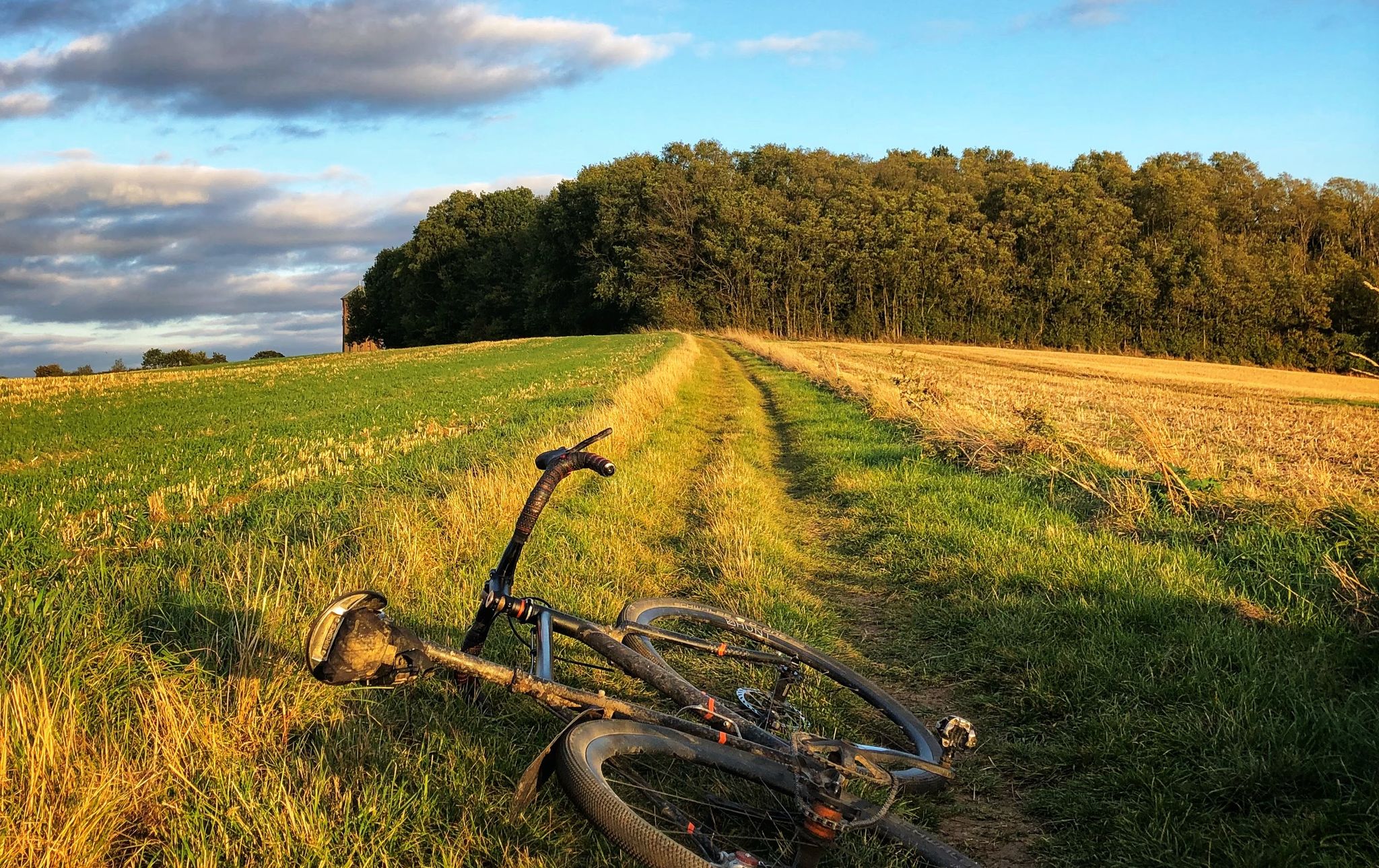
Icknield Way Trail — Ancient bridleways of Central England
Other adventures in Oxfordshire


Tips from the Community

Broughton Castle is a stunning medieval manor house surrounded by a moat and has been home to the Fiennes family since 1447. Known for its beautiful gardens and historic interiors, the castle also served as a filming location for movies like "Shakespeare in Love" and "Wolf Hall.
0
0

In addition to a tour of the baroque-style castle, there is also an interesting and recommendable exhibition about the British politician Winston Churchill.
3
0

This is amazing love place. I love to go this kind of place. https://www.health-insurancemarket.com
0
0

Ashdown House (also known as Ashdown Park) is a 17th-century country house in the civil parish of Ashbury in the English county of Oxfordshire. Until 1974 the house was in the county of Berkshire, and the nearby village of Lambourn remains in that county. It is a Grade I listed building and the grounds are included in the Register of Historic Parks and Gardens at Grade II*. The house features 8,000 square feet of living space, a large central staircase, reception rooms, interlinking drawing and sitting rooms, a kitchen, a dining room and eight bedrooms. The property includes two lodges, three cottages and a hundred acres of land. The house was originally built at the junction of the four rides in Craven's hunting park – the four avenues no longer survive as they once did, but portions of them remain. The house is isolated, and the view from the roof includes park-like grounds and gardens, and beyond, woods and pastures. At least one of the woods of Ashdown Park predates the house. Glastonbury Abbey held the manor of Ashbury until the Dissolution of the monasteries in 1539. A deer park was established for the Abbey in the south of the parish. It is bounded by an ancient embankment enclosing a rounded area characteristic of Medieval deer parks. The embankment would have been topped by a park pale, probably of cleft oak stakes. The park may equate to the Aysshen Wood that a terrier of the parish in 1519 recorded as covering 415 acres. The former deer park is now the Upper Wood of Ashdown Park. Ashdown Park is a Site of Special Scientific Interest. Although a few alterations were made to the house, the building remained largely as-built until it was requisitioned for use by the army during World War II. The occupation left it in a near derelict state. The National Trust has owned Ashdown House since 1956 when it was donated to the trust by Cornelia, Countess of Craven (wife of William Craven, 4th Earl of Craven). The house is tenanted, and has been renovated by recent lease holders. In 2010 Pete Townshend bought a 41-year lease on the property and in 2011 a structural renovation was begun. Public access is restricted to the stairs and roof, with broad views of Berkshire Downs. There is also public access to the neighbouring Ashdown Woods. Admission to the house is by guided tour on Wednesdays and Saturdays from April to October.
2
1

Broughton Castle is now open until September. They also have events such as 'Shakespeare in the Garden'. See web link below. "Broughton Castle is a moated and fortified manor house near Banbury in North Oxfordshire. Set in parkland and built of the rich local Hornton ironstone, it was selected by Simon Jenkins as one of only twenty to be awarded five stars in his book England’s Thousand Best Houses. The core of the house was built in 1306 and the gatehouse in the early fifteenth century, but most of what you see today dates from the 1550’s. It was a centre of opposition to Charles I and was besieged and damaged after the Battle of Edgehill in 1642. Broughton Castle is the home of Martin Fiennes and his family. The ownership of the Castle has been in the family in the female line since 1377, and in the male line since 1447" Source: https://www.broughtoncastle.com/
0
0

Wallingford Castle is a typical Norman tower hill castle. One of the castle's most famous residents was the Empress Matilda, who was the only legitimate daughter of King Henry I.
5
0

Buscot Park is a country house at Buscot near the town of Faringdon in Oxfordshire within the historic boundaries of Berkshire. It is a Grade II* listed building. It was built in an austere neoclassical style between 1780 and 1783 for Edward Loveden Loveden. It remained in the family until sold in 1859 to Robert Tertius Campbell, an Australian. Campbell's daughter Florence would later be famous as Mrs Charles Bravo, the central character in a Victorian murder case that remains unsolved to this day. On Campbell's death, in 1887, the house and its estate were sold to Alexander Henderson a financier, later to be ennobled as Baron Faringdon. Following the death of the 1st Baron in 1934, the house was considerably altered and restored to its 18th-century form, by the architect Geddes Hyslop, for his grandson and successor, Gavin Henderson, 2nd Baron Faringdon, during this era, the art collection founded by the 1st Baron was considerably enlarged, although many of the 1st Baron's 19th-century works of art were sold immediately following his death. The house and estate was bequeathed to the National Trust in 1956. The contents (which include works of art by Rembrandt and Burne-Jones) are owned by the Faringdon Collection Trust. The house is occupied and managed by the present Lord Faringdon. The mansion and its extensive formal and informal gardens and grounds are open to the public each summer. Source: Wikipedia
0
0

The charming gardens of Grey's Court estate offer plenty to discover. Enjoy mazes, a great tower, a donkey-powered well, a cafe, and the most pristine gardens featuring cherry trees and wisteria.
1
0
Frequently Asked Questions
What unique historical experiences do Oxfordshire's castles offer?
Oxfordshire's castles provide diverse historical experiences. At Blenheim Palace, you can explore a monumental country house and UNESCO World Heritage Site, birthplace of Winston Churchill. Broughton Castle, a moated fortified manor, offers insight into the English Civil War. Oxford Castle & Prison provides guided tours, including climbing St. George's Tower for city views and exploring an 18th-century prison.
Which castles in Oxfordshire are suitable for families with children?
Several castles in Oxfordshire are family-friendly. Blenheim Palace has extensive parkland and gardens for children to explore. Greys Court features charming gardens with mazes and a donkey-powered well. Broughton Castle is considered small enough to navigate without boring younger children, and Oxford Castle & Prison offers interactive activities like jailbreak escape games.
Are there castles in Oxfordshire with notable gardens or extensive parklands?
Yes, Blenheim Palace is renowned for its vast parkland and formal gardens, a UNESCO World Heritage Site. Greys Court boasts beautiful gardens with mazes and cherry trees. Broughton Castle is set within picturesque parkland, and the ruins of Wallingford Castle are now a scenic spot for picnics with colorful blooms.
Can I combine a castle visit with outdoor activities like walking or cycling in Oxfordshire?
Absolutely. Many castles are situated in areas ideal for outdoor activities. For instance, the ruins of Wallingford Castle are near the Thames footpath, perfect for walks. You can find various running trails, MTB trails, and cycling routes throughout Oxfordshire that can be combined with visits to these historic sites.
What are some lesser-known or ruined castles in Oxfordshire worth exploring for their historical significance?
For those interested in ruins and less-preserved history, Minster Lovell Hall Ruins by the River Windrush offer an evocative glimpse into a 15th-century residence. Deddington Castle, though only extensive earthworks remain, marks the site of an 11th-century motte-and-bailey castle, once the base of William the Conqueror's half-brother. Wallingford Castle's ruins also provide a picturesque historical site.
Which castles in Oxfordshire offer panoramic views?
Oxford Castle & Prison features the historic Saxon St. George's Tower, which you can climb for panoramic views of Oxford's 'dreaming spires.' Ashdown House also offers views from its roof over park-like grounds, gardens, woods, and pastures. Segsbury Camp Iron Age Hill Fort, while not a traditional castle, provides excellent viewpoints over the surrounding landscape.
What is the best time of year to visit castles in Oxfordshire?
Spring and summer are generally ideal for visiting Oxfordshire castles, as the weather is pleasant for exploring extensive grounds and gardens, such as those at Blenheim Palace and Greys Court. The ruins, like Minster Lovell Hall and Wallingford Castle, are also particularly picturesque in warmer months with blooming flora.
Are there options for food and drink near the castles?
Yes, many castle sites or nearby towns offer dining options. Greys Court has an on-site cafe. The market town of Wallingford, home to Wallingford Castle ruins, has a good range of eating places. Similarly, Woodstock, near Blenheim Palace, and Oxford, near Oxford Castle & Prison, offer numerous cafes, pubs, and restaurants.
How long should I plan for a typical castle visit in Oxfordshire?
The duration of a visit varies greatly depending on the castle. For a comprehensive experience at a large site like Blenheim Palace, including the palace, gardens, and parkland, you could easily spend a full day. Smaller sites like Minster Lovell Hall Ruins or Deddington Castle's earthworks might only require an hour or two. Oxford Castle & Prison tours typically last about an hour, plus time for independent exploration.
What is the history behind Broughton Castle?
Broughton Castle, near Banbury, is a stunning moated and fortified manor house with its core dating back to 1306. It has been home to the Fiennes family for 22 generations and played a significant role during the English Civil War as a center of opposition to Charles I, suffering damage after the Battle of Edgehill in 1642. You can learn more about its history on the Historic Houses website.
What makes Blenheim Palace a UNESCO World Heritage Site?
Blenheim Palace was designated a UNESCO World Heritage Site in 1987 due to its exceptional English Baroque architecture and its historical significance. It is the only non-royal, non-episcopal country house in England to hold the title of palace, built as a reward for the 1st Duke of Marlborough's military triumphs. It is also notable as the birthplace and ancestral home of Sir Winston Churchill. For more details, visit Wikipedia.
Are there any castles in Oxfordshire that are particularly well-preserved or still inhabited?
Broughton Castle is a remarkably well-preserved moated and fortified manor house that has been continuously inhabited by the Fiennes family for centuries. Blenheim Palace, while a monumental country house, is also a principal residence and exceptionally maintained, offering a glimpse into aristocratic life.
Most popular routes in Oxfordshire
Most popular attractions in Oxfordshire

Get inspired with the komoot mobile app


Didn’t find what you were looking for?
Explore Oxfordshire’s best castles region by region:
Explore more
Looking for the best castles somewhere else? Discover other guides in Oxfordshire:
