Top 20 Natural Monuments in Dorset
Best natural monuments in Dorset are primarily found along its southwestern coast, a region recognized as part of the UNESCO World Heritage Site, the Jurassic Coast. This area is characterized by its unique geological features, including dramatic cliffs, natural arches, and coves, shaped by millennia of natural processes. Dorset's landscape offers a diverse range of natural attractions, from ancient hillforts to extensive shingle beaches. These sites provide opportunities to observe significant geological formations and explore varied natural environments.
Best natural…
Last updated: October 13, 2026
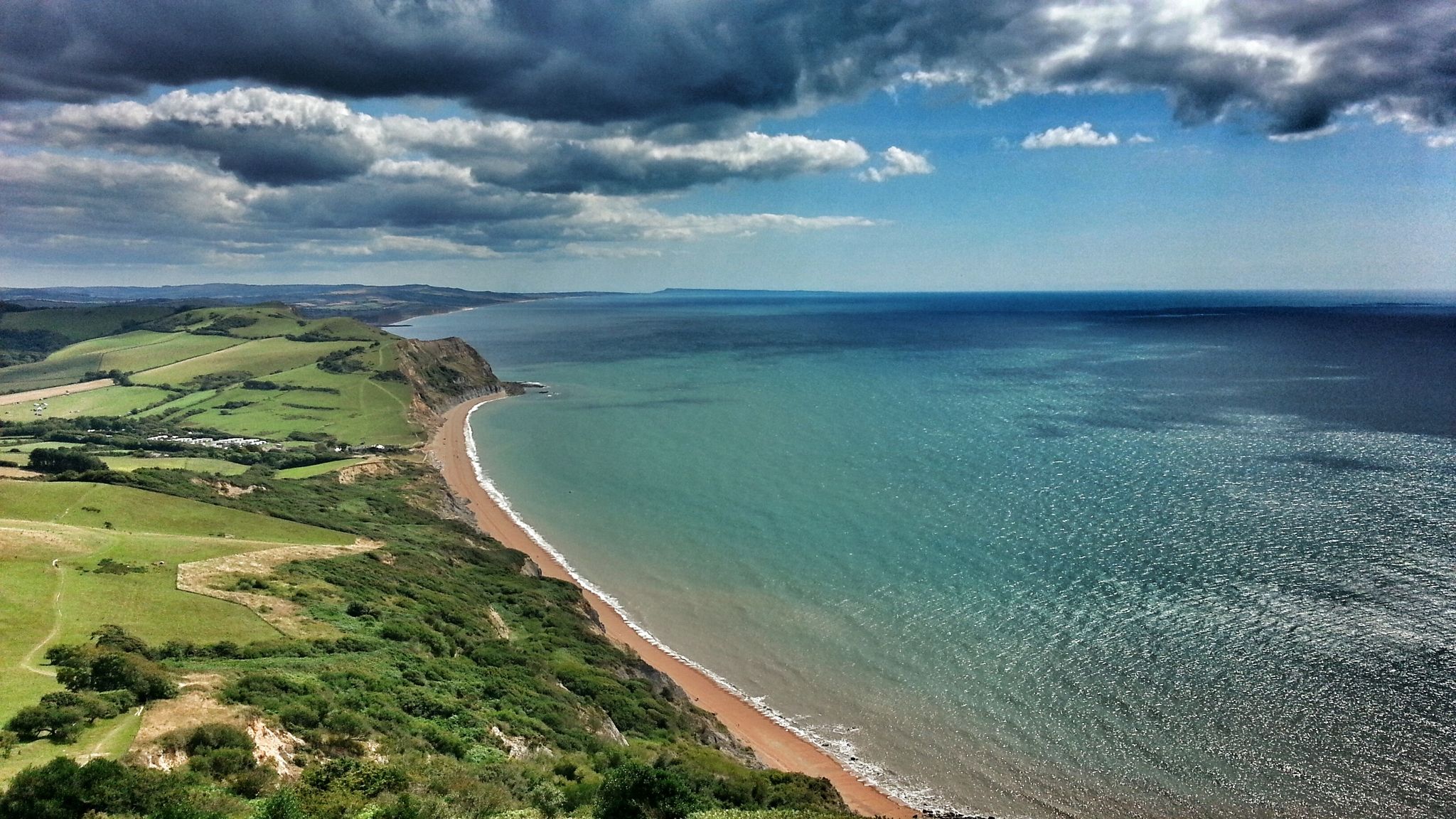
Golden Cap Summit
Highlight • Summit
Tip by

Durdle Door — natural limestone arch
Highlight • Natural Monument
Tip by
Sign up now to discover places like this
Get recommendations on the best single tracks, peaks, & plenty of other exciting outdoor places.
Pilsdon Pen Summit and Trig Point
Highlight • Natural Monument
Tip by
Lulworth Cove to Durdle Door Coastal Path
Highlight • Viewpoint
Tip by

Old Harry Rocks
Highlight • Natural Monument
Translated by Google •
Tip by

Lulworth Cove
Highlight • Viewpoint
Tip by
Stair Hole rock arches
Highlight • Natural Monument
Tip by
Winspit Quarry Caves
Highlight • Cave
Winspit is a disused quarry on the cliffs near Worth Matravers in the Isle of Purbeck, Dorset, England that is no longer in use. To the west and …
Tip by

Dancing Ledge
Highlight • Natural
Tip by

Bat's Head and Butter Rock
Highlight • Natural Monument
Translated by Google •
Tip by
Sign up for free to discover even more natural monuments in Dorset.
Already have an account?
Start today with a free account
Your next adventure awaits.
Popular around Dorset
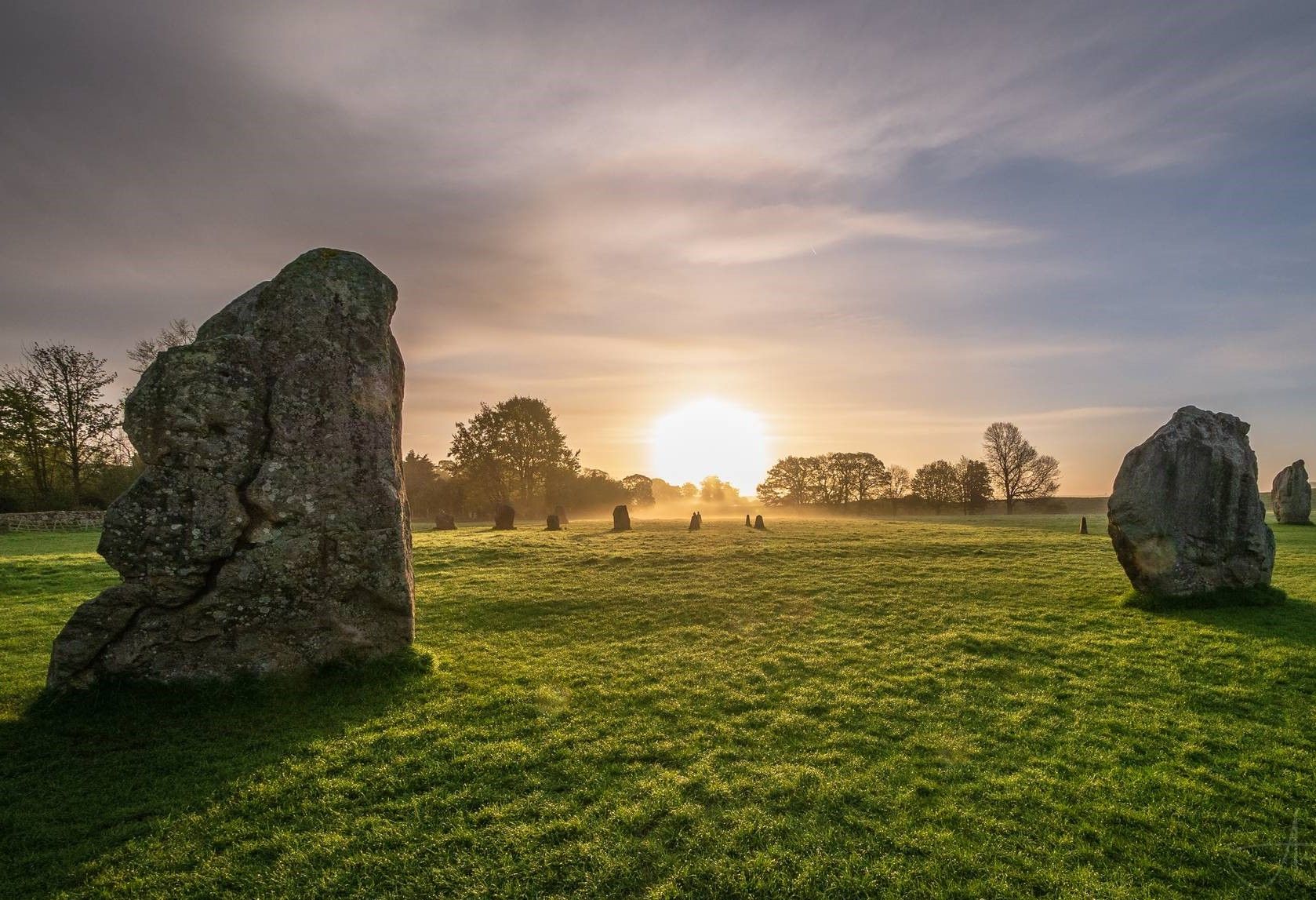
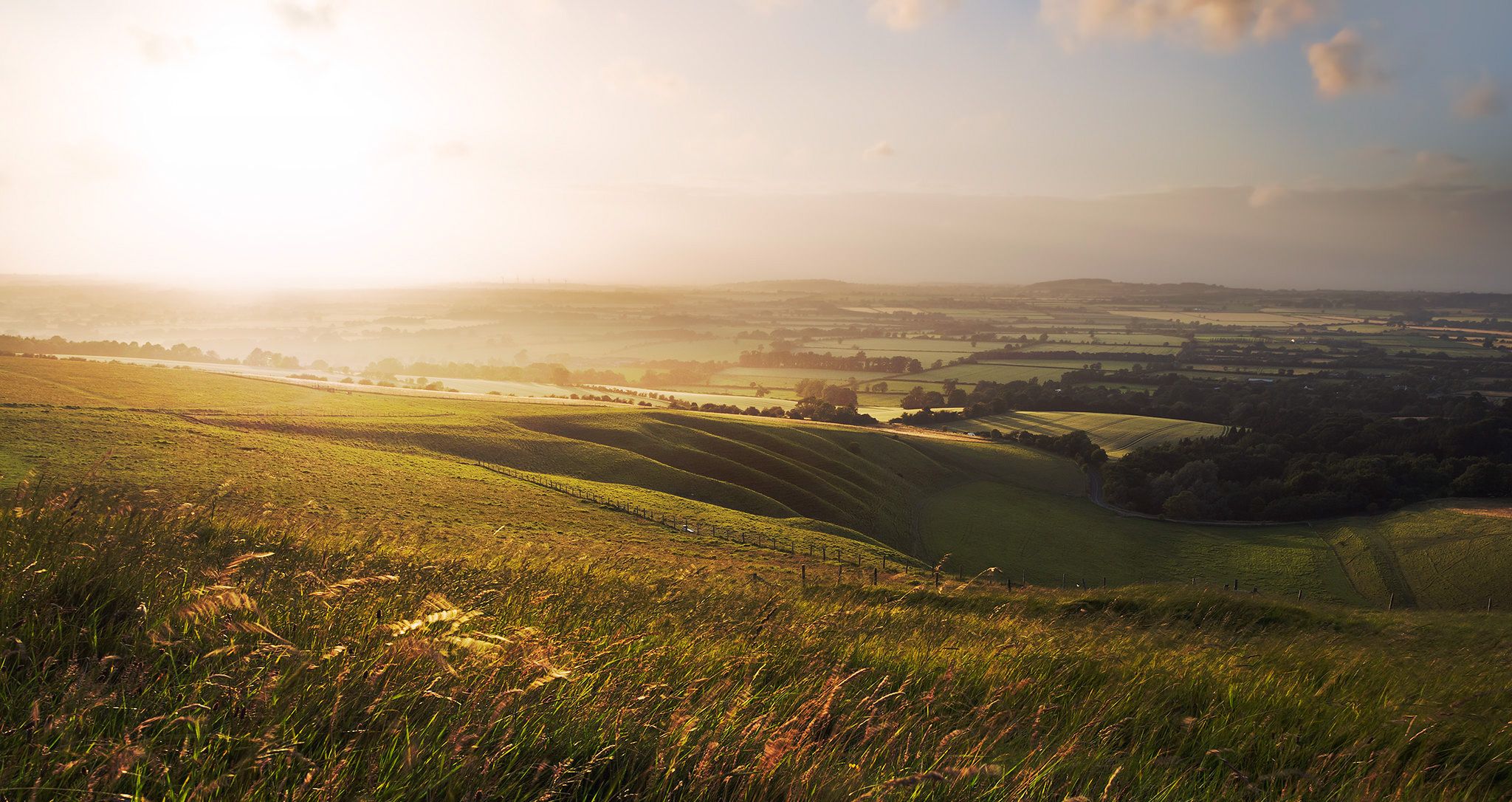
Celtic Way — An epic pilgrimage through prehistory and wild beauty
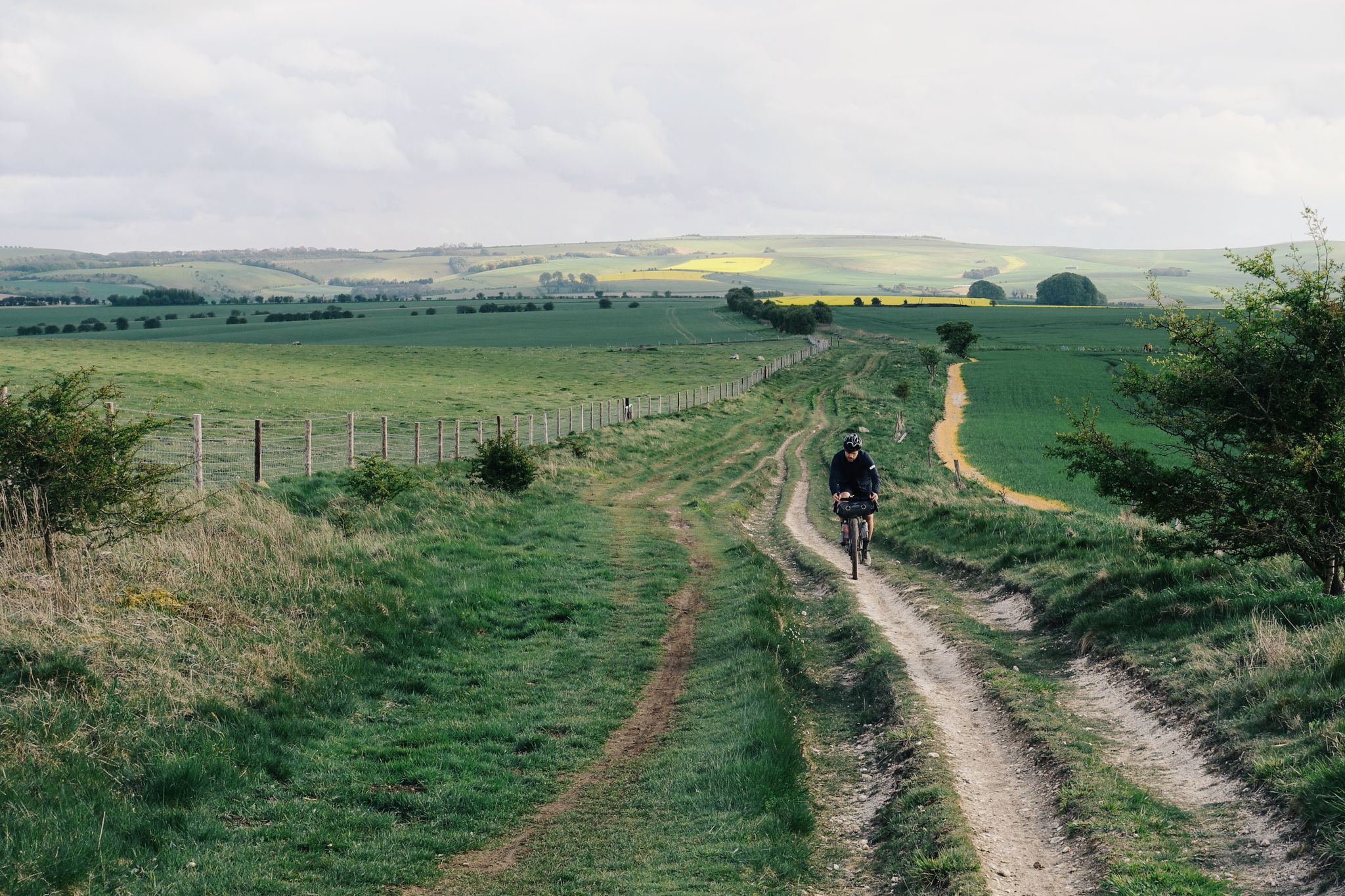
The Old Chalk Way
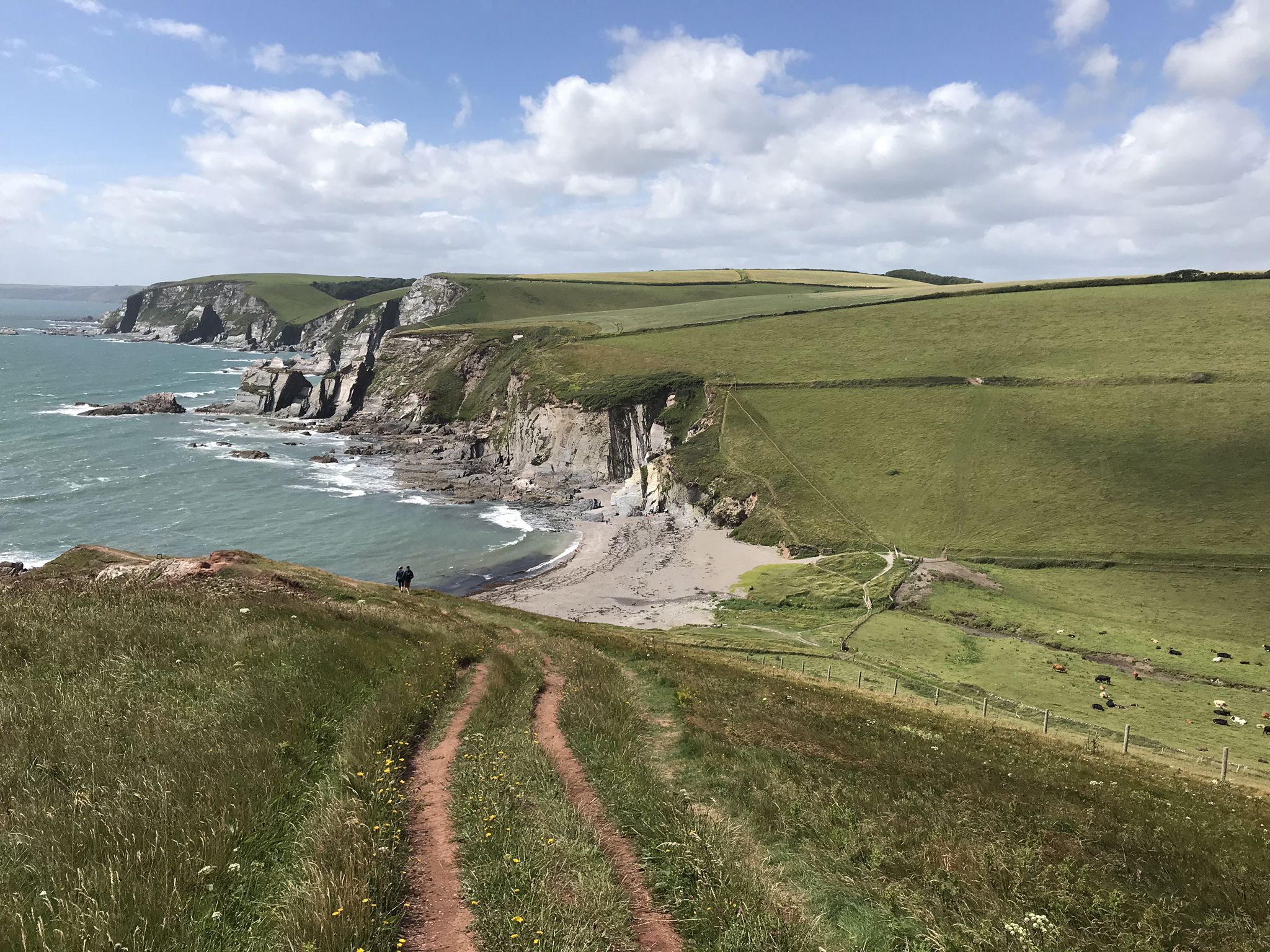
E9 Plymouth to Dover — An epic exploration of England's south coast
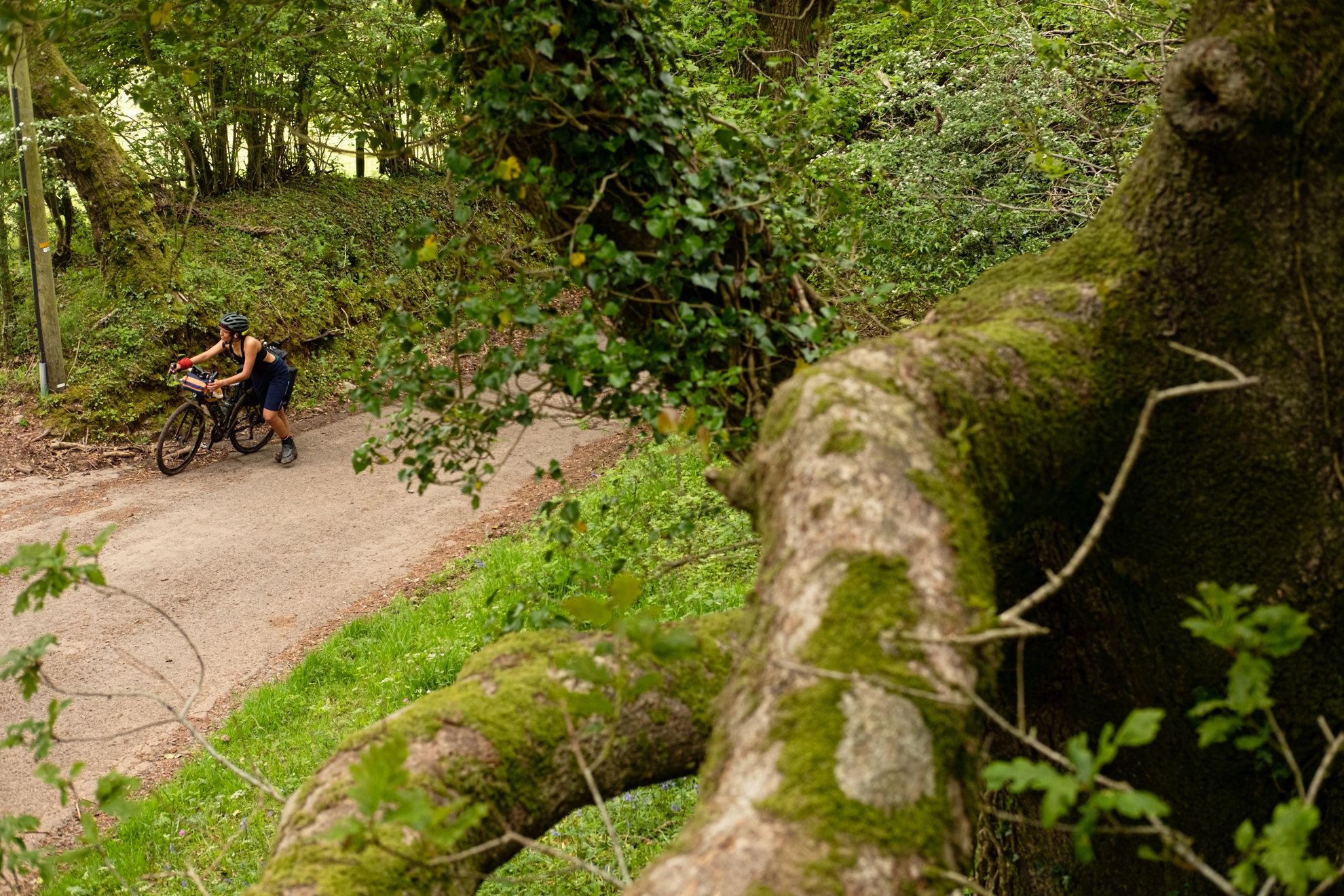
Just Around The Corner — exploring the best of the South West by bike
Hiking the Greater Ridgeway — Following Roman roads across England
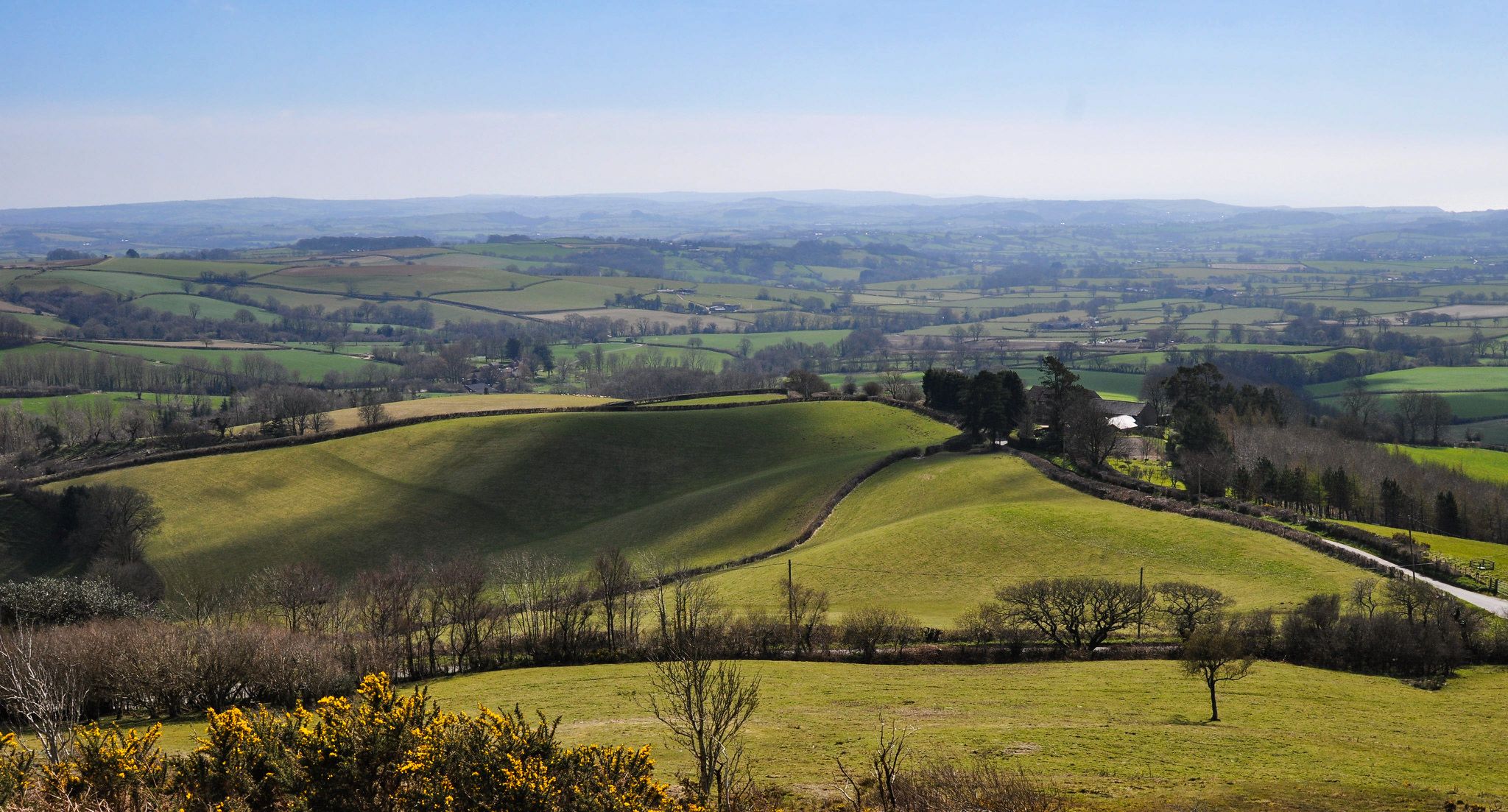
Hiking the Orange Way — Southern England in the footsteps of a king

Cycle the Greater Ridgeway Trail — English Channel to North Sea
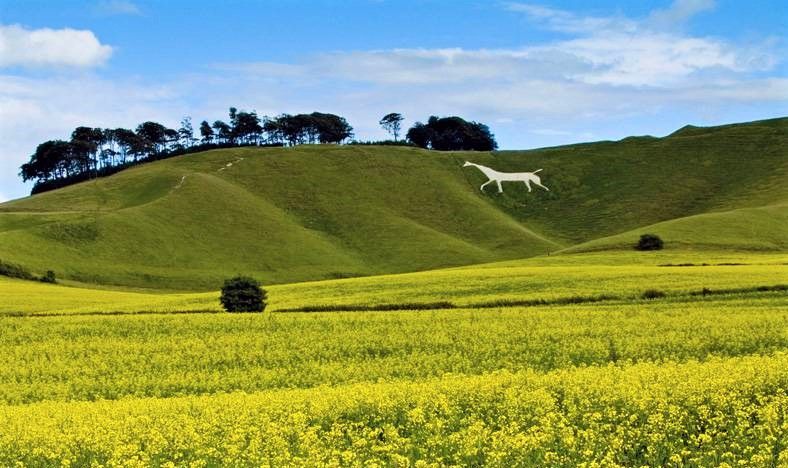
Wessex Ridgeway — An ancient and beautiful ridge hike
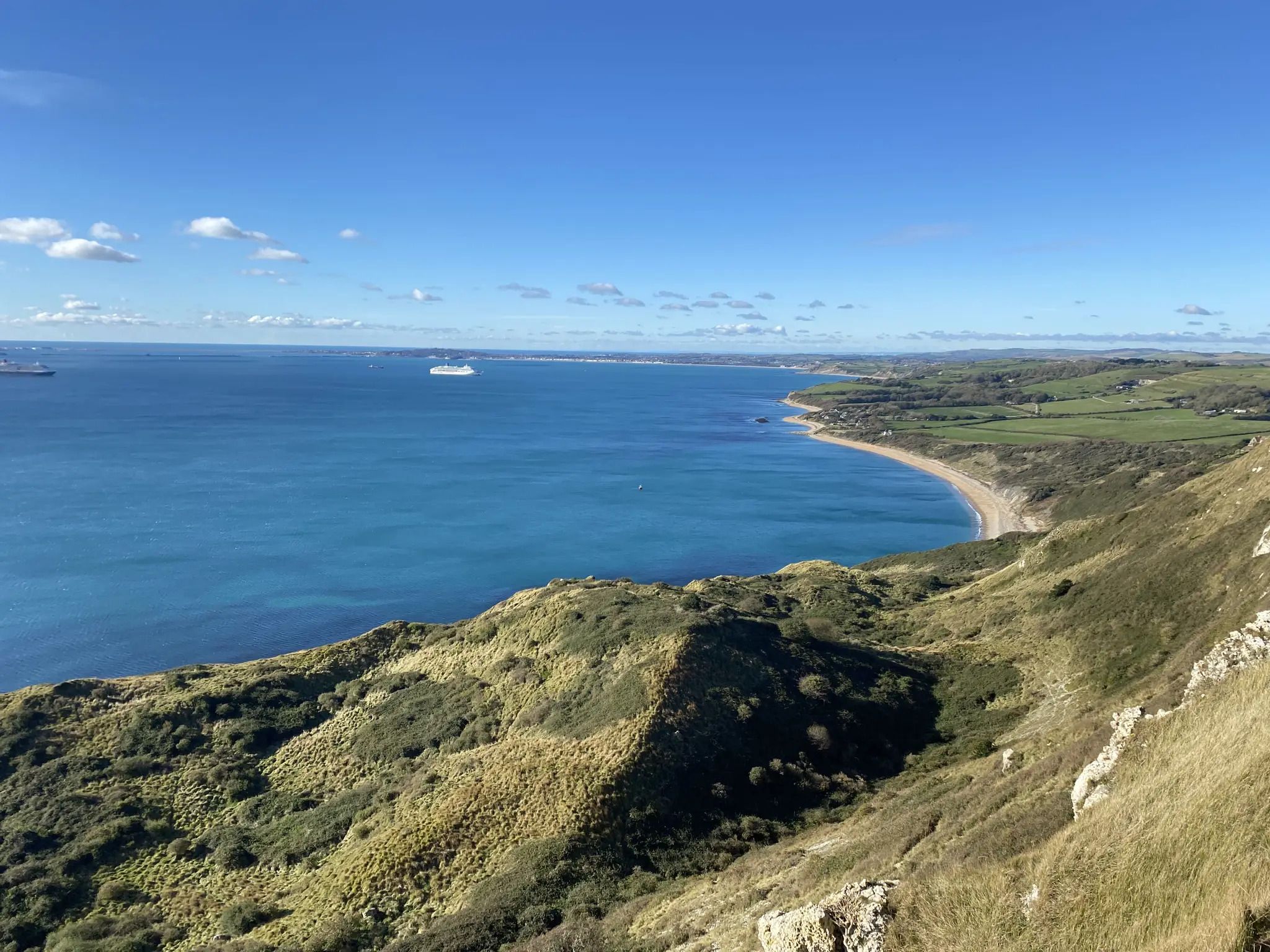
Jurassic Coast – Long Distance Walking in the South of England
Monarch's Way: Part 3 — Conquer the longest inland trail in England
Other adventures in Dorset


Tips from the Community

A very beautiful and much-traveled coastal path.
0
0

From the trig point at Pilsdon Pen summit, you get spectacular, wide-open views across Dorset. Looking south, the eye sweeps over the lush farmlands and rolling hills of the Marshwood Vale, extending all the way down to Bridport and the dramatic cliffs of the Jurassic Coast.
0
0

A short detour to Stair Hole is worthwhile. The bizarrely shaped rock blocks and the limestone formation eroded by the sea offer a fascinating insight into the forces of erosion. The viewpoints also offer beautiful photo opportunities of the rugged coast and the turquoise water.
2
0
The coastal path from Lulworth Cove to Durdle Door is one of the most beautiful sections of the Jurassic Coast. Again and again, impressive views of the sea, the white cliffs, and the spectacular coastal landscape open up. However, the path is not level: it goes uphill and downhill several times, so some fitness is required. The effort, however, is richly rewarded – with magnificent panoramic views of the picturesque bay of Lulworth Cove and the famous rock arch of Durdle Door. This way, every climb is quickly forgotten.
1
0

A great space for lunch and to explore for heading back up onto the coast path
0
0

There is a slight climb down to the pool but doable, just watch your footing.
0
0

Stair Hole is a fascinating and impressive place on the Jurassic Coast in southern England that is definitely worth a visit. The cliffs and rocks that jut out into the sea here are breathtakingly beautiful and provide a dramatic backdrop for photographers and nature lovers. Particularly impressive is the natural rock formation that leads into the water like a staircase (hence the name) – a real highlight for any visitor. The area is perfect for coastal walks, where you can enjoy the fresh sea air and admire the impressive natural surroundings. Stair Hole is a place that combines tranquility and beauty and leaves a lasting impression. An absolute must for anyone who wants to experience the wild beauty of the English coast!
3
0

A wonderful area. Breathtaking views of the cliffs and the sea; it's worth coming here for hiking and, in the summer, definitely for swimming. I recommend staying at the nearby Durdle Door Holiday Park.
0
0
Frequently Asked Questions
What are the most popular natural monuments to visit in Dorset?
Dorset is home to many iconic natural monuments, particularly along its Jurassic Coast. Among the most popular are Durdle Door — natural limestone arch, famous for its distinctive archway and beach, and Lulworth Cove, known for its unique horseshoe shape and geological formations. Old Harry Rocks, with its dramatic chalk stacks, also draws many visitors for its breathtaking views.
Are there family-friendly natural monuments in Dorset?
Yes, several natural monuments in Dorset are great for families. Lulworth Cove is particularly family-friendly, offering a safe beach for swimming and rock pooling at low tide, with an information centre to learn about its geology. The walk down to Durdle Door is also popular with families, though the path to the beach is steep.
What kind of geological features can I expect to see along the Jurassic Coast in Dorset?
The Jurassic Coast in Dorset is a geologist's dream. You'll encounter a diverse range of features, including natural arches like Durdle Door, horseshoe-shaped coves such as Lulworth Cove, and dramatic chalk stacks like Old Harry Rocks. Other notable formations include the impressive rock arches at Stair Hole and the golden-hued cliffs of Golden Cap Summit, the highest point on the south coast.
What are some good hiking trails near Dorset's natural monuments?
Dorset offers excellent hiking opportunities, often incorporating its natural monuments. The Lulworth Cove to Durdle Door Coastal Path is a stunning walk along the cliffs of the Jurassic Coast. For a different experience, consider the Old Harry Rocks Loop or the Lulworth Cove and Durdle Door Loop, both listed as easy hikes. The South West Coast Path also runs through many of these areas, offering varied terrain and spectacular views.
Are there any natural monuments in Dorset with historical significance?
Yes, several natural monuments in Dorset also hold historical importance. Pilsdon Pen Summit and Trig Point is an Iron Age hillfort with archaeological findings dating back 10,000 years. Winspit Quarry Caves and Dancing Ledge are former sea quarries that played a significant role in the Purbeck stone industry.
What is the best time of year to visit the natural monuments in Dorset?
The natural monuments in Dorset can be enjoyed year-round, but spring (April-May) and autumn (September-October) often offer pleasant weather for walking and fewer crowds than the peak summer months. Summer (June-August) is ideal for beach activities and swimming, but popular spots like Durdle Door and Lulworth Cove can get very busy. Winter provides a rugged beauty, though paths can be muddy and weather unpredictable.
Can I find less crowded viewpoints along the Dorset Jurassic Coast?
While popular sites like Durdle Door and Lulworth Cove attract many visitors, you can find quieter spots. Consider exploring areas around Golden Cap Summit for expansive views, or the paths leading to Dancing Ledge and Winspit Quarry Caves, which require a bit more effort to reach but offer stunning, less-frequented coastal scenery.
Are there any natural monuments in Dorset that are wheelchair accessible?
While many of Dorset's natural monuments involve uneven terrain and cliff paths, Stair Hole rock arches, located near Lulworth Cove, is noted as being wheelchair accessible. The Lulworth Cove Visitor Centre also provides good access and information about the area.
What outdoor activities, besides hiking, can I do near Dorset's natural monuments?
Beyond hiking, Dorset offers a variety of outdoor activities. You can enjoy cycling on routes like the Studland Bay & Old Harry Rocks loop, or explore gravel biking trails such as the Hodway Lane Trail Intersection – North Dorset Trailway loop. Many beaches, including those near Durdle Door and Lulworth Cove, are suitable for swimming and rock-pooling. Kayaking and boat trips are also popular ways to see formations like Old Harry Rocks from the water.
What do visitors enjoy most about the natural monuments in Dorset?
Visitors consistently praise the breathtaking views and unique geological formations found across Dorset's natural monuments. The sheer scale and beauty of sites like Durdle Door and Old Harry Rocks are frequently highlighted. Many also appreciate the excellent hiking opportunities along the Jurassic Coast and the chance to connect with nature in such a dramatic landscape.
Are dogs allowed at the natural monuments and beaches in Dorset?
Dog policies vary by location and time of year. Many coastal paths, including those around Old Harry Rocks and Golden Cap Summit, are dog-friendly, often requiring dogs to be on leads. Some beaches have seasonal restrictions, particularly during peak summer months. It's always best to check specific signage at each site for the most up-to-date information on dog access.
Where can I find information about parking and public transport for Dorset's natural monuments?
Parking is available at or near most major natural monuments, such as Durdle Door, Lulworth Cove, and Old Harry Rocks, though charges often apply and spaces can fill up quickly during peak times. Public transport options, including local bus services, connect many of these sites, especially during the summer. For detailed travel information, it's advisable to consult local transport websites or visitor information centers.
Most popular routes in Dorset
Most popular attractions in Dorset

Get inspired with the komoot mobile app


Didn’t find what you were looking for?
Find even more amazing natural monuments in Dorset by checking out the top Highlights region by region:
Explore more
Extend your search for the best caves by checking out these guides of the top ones in Dorset:
