Top 13 Caves in Cornwall
Caves in Cornwall are primarily found along its extensive coastline, a region characterized by rugged cliffs, sandy beaches, and a rich geological history. The peninsula's unique rock formations and coastal erosion have created numerous sea caves and natural arches. Many of these sites are accessible at low tide, offering opportunities for exploration. Cornwall's landscape also features historical sites with associated cave formations.
Best caves in Cornwall
- The most popular caves is The Devil's Frying Pan, a natural monument that formed when the roof of a sea cave collapsed, leaving an impressive stone arch and a 100 m deep hole. Depending on conditions, it may show a calm pool or a bubbling sea.
- Another must-see spot is Tintagel Castle and Merlin's Cave, a castle and historical site linked to Arthurian legends. It offers views onto the craggy coast and includes Merlin's Cave, a notable geological feature.
- Visitors also love Porthgwarra Beach, a cave and beach with interesting rock pools. This remote cove is known for its fishing past and a small beach accessible at low tide, making it a family friendly caves Cornwall option.
- Cornwall is known for sea caves, collapsed sea caves forming natural arches, and historical caves. These geological features of Cornwall caves provide a variety of sites to see and explore.
- The caves in Cornwall are appreciated by the komoot community, with over 230 upvotes and more than 210 photos shared.
Last updated: August 31, 2026
Tintagel Castle and Merlin's Cave
Highlight • Castle
For opening times of the café, exhibitions, further details and admission fees see here: english-heritage.org.uk/daysout/properties/tintagel-castle
Tip by

The Devil's Frying Pan
Highlight • Natural Monument
Tip by

Sign up now to discover places like this
Get recommendations on the best single tracks, peaks, & plenty of other exciting outdoor places.
Sign up for free
Porthgwarra Beach
Highlight • Cave
There is a small beach at low tide with an array of interesting rock pools and caves. There are many reminders of Porthgwarra's fishing past.
Translated by Google •
Tip by

Merlin's Cave and Merlin's Face Carving
Highlight • Cave
Tip by
Trevone Bay
Highlight • Natural
There are toilets, a cafe and a shop at the beach and just a short step inland Trevone has plenty more facilities to offer. It is a good place to park and walk round the coastline to Padstow.
Tip by

Chapel Porth Beach
Highlight • Beach
Tip by

Holywell Cave
Highlight • Beach
Tip by
Ralph's Cupboard
Highlight (Segment) • Gorge
The eastern side of the bay shows a typical cliff with dark gray shales and greywackes at the lower end and periglacial deposits at the upper part of the cliff.
Translated by Google •
Tip by

Lundy Hole Natural Rock Arch
Highlight • Viewpoint
Lundy Hole can be reached after a short walk (about 15 - 20 minutes) from the car park of the same name. On the way you still pass Markham's Quay, a bay visible from above.
Translated by Google •
Tip by

Daniel Gumb's Cave Memorial
Highlight • Natural Monument
Sadly this isn't his cave, dug in the early 1700s but a memorial to him created by local stone workers when his cave was destroyed by mining in the quarry. Daniel Gumb lived here until he died age 70. He had 13 children and three wives, a large number of people to fit in a cave of just 9m by 4m.
Tip by
Sign up for free to discover even more caves in Cornwall.
Sign up for free
Already have an account?
Start today with a free account
Your next adventure awaits.
Login or Signup
Popular around Cornwall
Scenic hikes to stand-up paddleboarding locations in the UK
National Cycle Network Route 3 — Land's End to Bristol
Celtic Way — An epic pilgrimage through prehistory and wild beauty
West Kernow Way — Bikepacking the rugged wild west of Cornwall
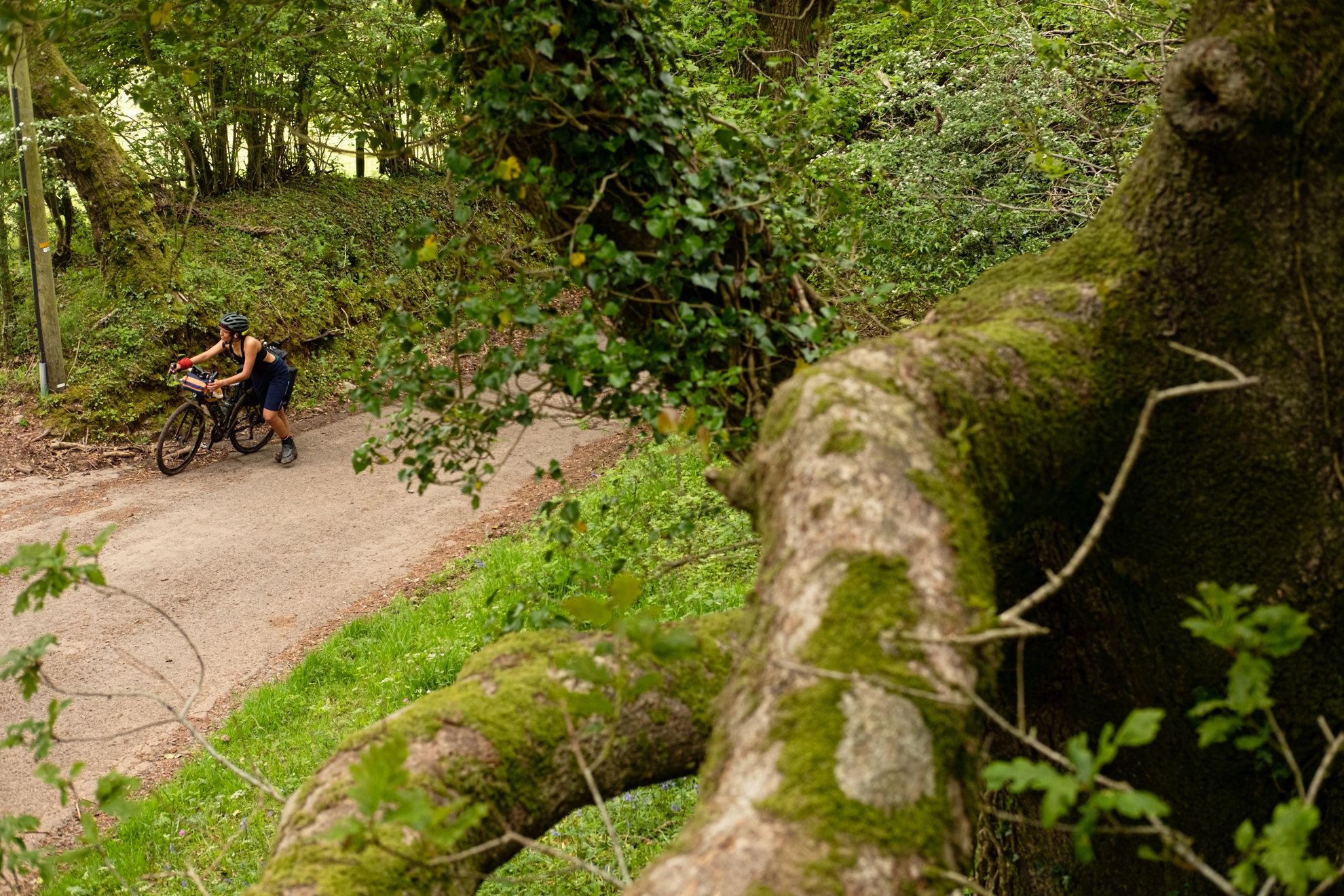
Just Around The Corner — exploring the best of the South West by bike
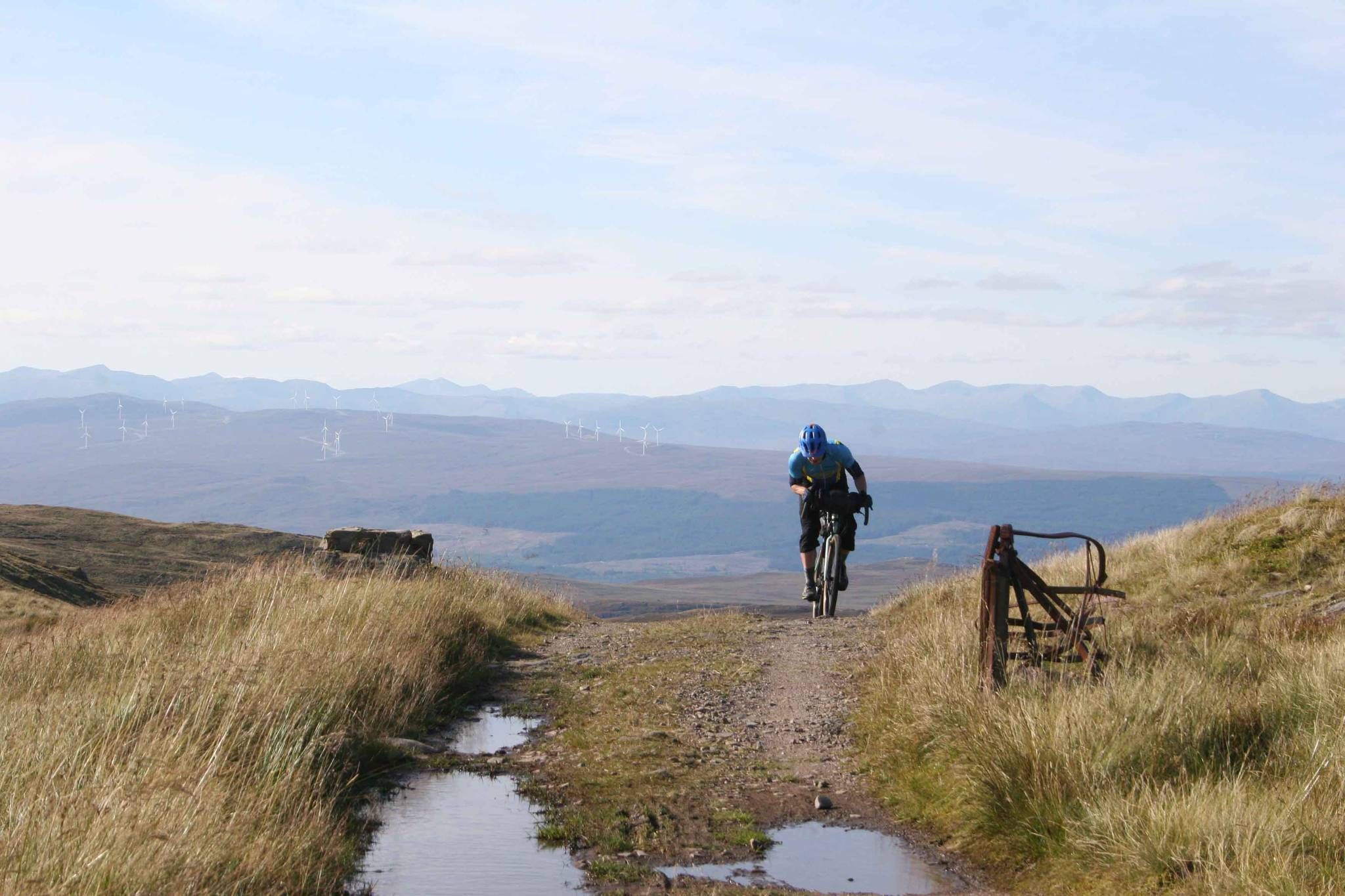
GB Divide — Great Britain end to end off-road on GBDURO
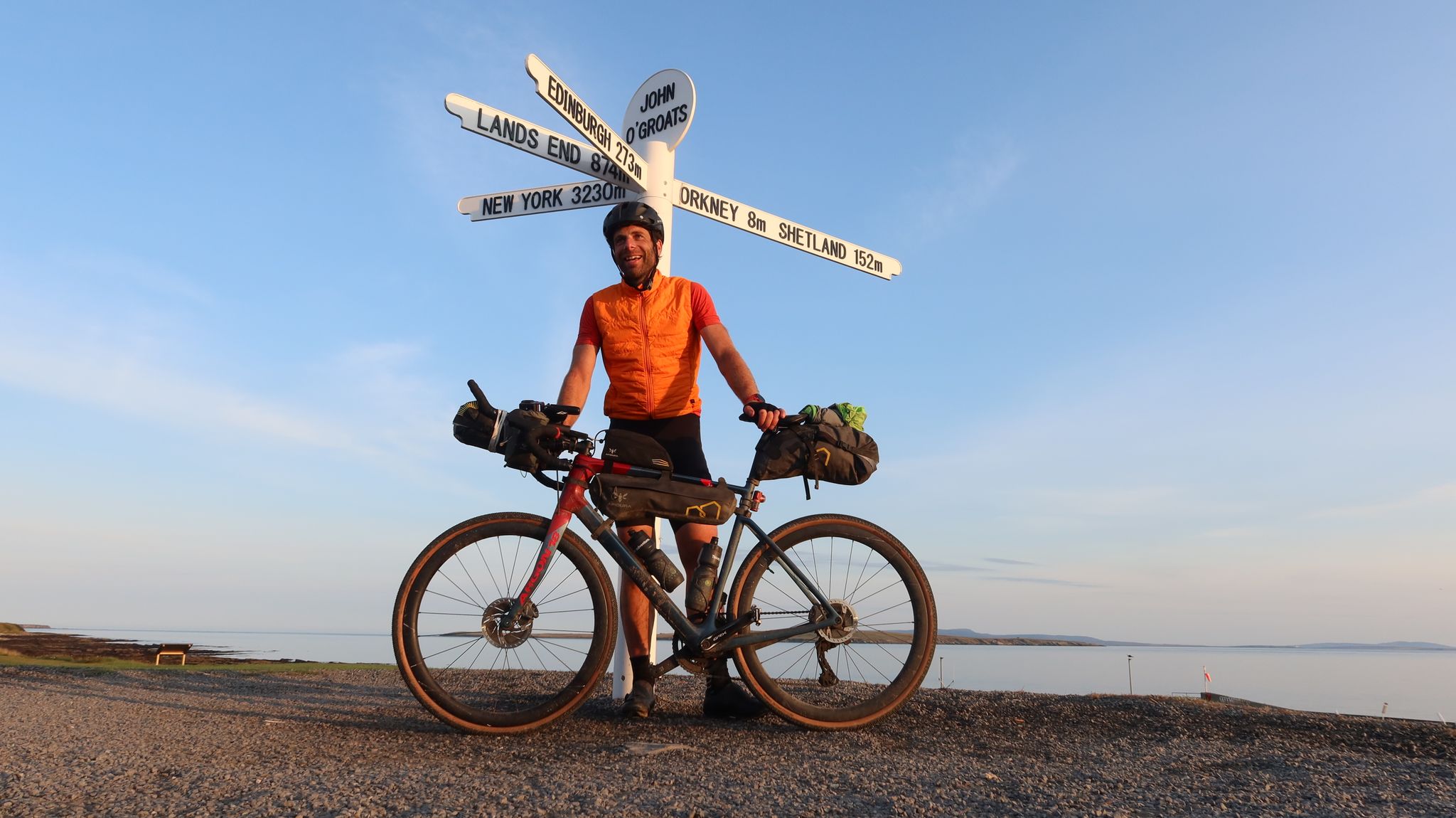
GBDURO 2021 — Gravel racing Land's End to John O'Groats
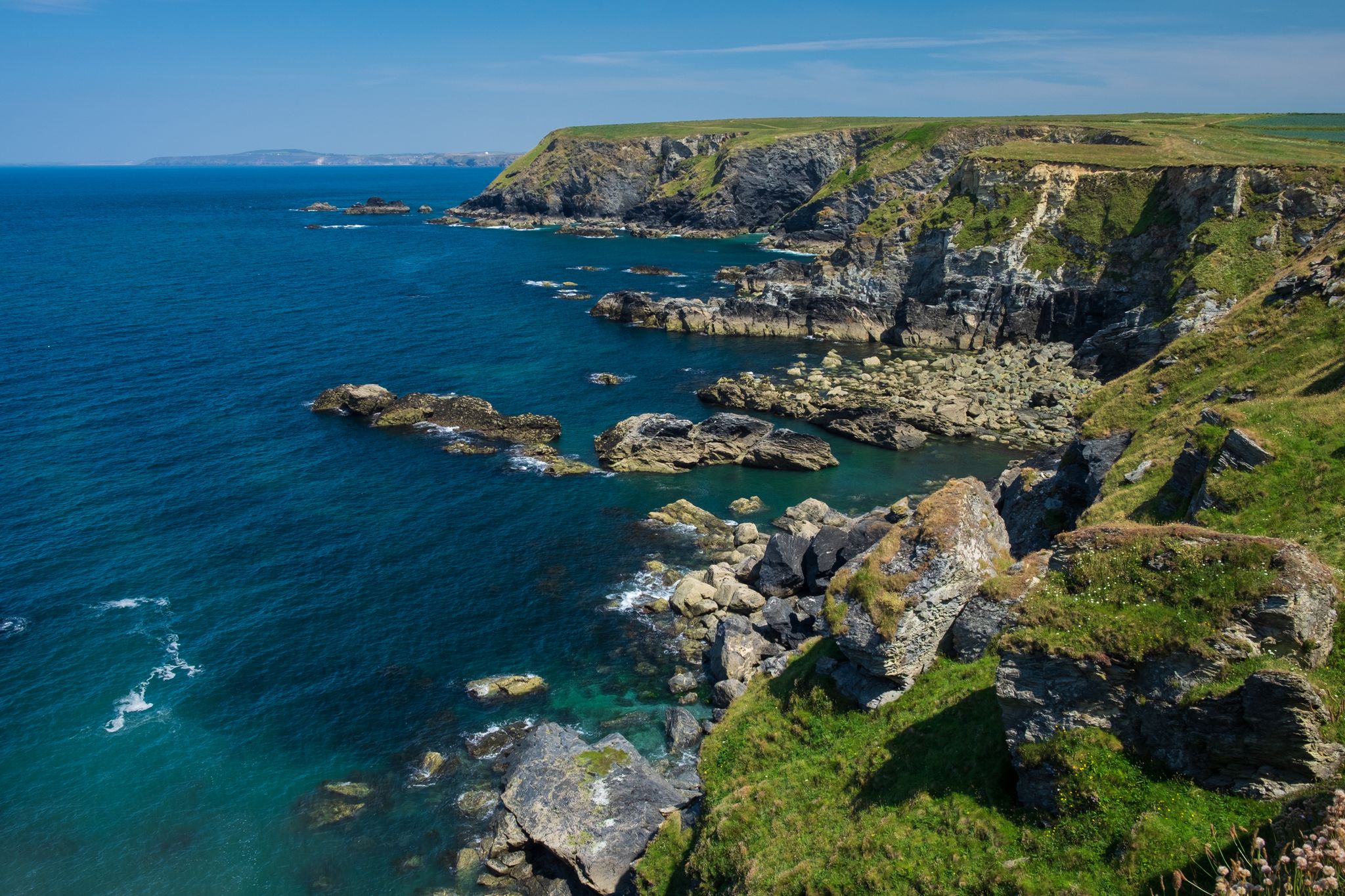
Cycling the Cornish Way – Dramatic cliffs, fishing villages & pasties
Land's End to John O'Groats – an unforgettable ride
South West Coast Path — Part 3 — Conquer Britain's longest trail
Other adventures in Cornwall


Tips from the Community


Even at low tide, there is still water in the cave. In some places you can balance along the edge and you may have to take your shoes off. A group played and sang mystical/Celtic music for us. It suited this place perfectly 👍.
8
0

"Merlin's Face" The carving was completed in February 2016 by local craftsman Peter Graham, who described the work as a "temporary intervention" that would be eroded by the weather. Mr Graham hoped the carving would capture people's imagination and said he had received "overwhelming support" from visitors to the site.
3
0

How much poorer would European literature be if he didn't exist: MERLIN (according to Wikipedia, the Welsh origin of the name is Myrddin or Merddin) is one of the biggest stars in the sky of mythology. Together with the heroic King Arthur, he has conquered a permanent place in the collective memory of people - at least in the fantasy world of countless authors who have told his story over and over again for centuries, and above all in their ever-fascinating readers or listeners. Daniela has already briefly mentioned in her article the historical connection between this hiking highlight with the beautiful name "Merlin's Cave" and the person of the legendary magician. And the main thing is, of course: the myth lives on!
6
1

Dogs are allowed on most Cornish beaches in the off season. For exact dates go to https://www.cornwall.gov.uk/environment/animal-welfare-and-enforcement/dogs-on-beaches/.
0
0

Frequently Asked Questions
Are there family-friendly caves to visit in Cornwall?
Yes, several caves in Cornwall are suitable for families. Porthgwarra Beach is known for its small beach, interesting rock pools, and caves accessible at low tide, making it a great family option. Trevone Bay and Chapel Porth Beach also offer family-friendly beaches with nearby caves and facilities.
What are the geological features of Cornwall's caves?
Cornwall's caves are primarily sea caves, formed by coastal erosion along its rugged coastline. Many are natural arches or collapsed sea caves, like The Devil's Frying Pan, which is a collapsed sea cave forming a deep hole and impressive stone arch. Other examples include natural rock arches such as Lundy Hole Natural Rock Arch and the Natural Arch at Porthcothan Bay.
Are there any historical caves or sites with historical significance in Cornwall?
Yes, Tintagel Castle and Merlin's Cave is a prominent historical site linked to Arthurian legends, featuring a notable geological cave. Another site with historical context is Daniel Gumb's Cave Memorial, which marks a historical dwelling.
What is the best time to visit the caves in Cornwall?
Many of Cornwall's sea caves are best visited at low tide for safe access and exploration. Coastal paths leading to caves can be steep, and some sections may close in winter due to erosion. Therefore, spring and summer generally offer more favorable weather and tidal conditions for visiting.
What should I wear when exploring caves in Cornwall?
When exploring coastal caves, wear sturdy footwear with good grip, as surfaces can be wet and slippery. Depending on the cave, you might encounter water, so waterproof clothing or quick-drying layers are advisable. Always check tide times before visiting sea caves.
Are there any hidden or less-known caves in Cornwall worth exploring?
While many coastal caves are well-known, some, like those found at Porthgwarra Beach, are in more remote coves, offering a sense of discovery. Exploring the extensive coastline often reveals smaller, less frequented sea caves, especially at low tide.
What outdoor activities can I do near the caves in Cornwall?
Cornwall offers a wide range of outdoor activities near its caves. You can find numerous hiking opportunities, from easy walks to moderate coastal paths. Explore easy hikes in Cornwall or more challenging hiking trails. Mountain biking is also popular, with various MTB trails available across the region.
Are there any cafes or facilities near the caves?
Some popular cave locations are near facilities. For example, Chapel Porth Beach has a cafe, and Porthgwarra Beach also features a small cafe with outdoor seating. Trevone Bay also offers facilities.
Are there any caves in Cornwall that are wheelchair accessible?
Due to the rugged coastal terrain and the nature of sea caves, most caves in Cornwall are not wheelchair accessible. Access often involves navigating uneven ground, steep paths, or tidal conditions. It's best to check specific site information for accessibility details before visiting.
Can I find caving tours or guided experiences in Cornwall?
While specific caving tours for deep exploration might be limited to specialized adventure providers, many coastal areas offer guided walks that include visits to sea caves at low tide. These often focus on the geology and history of the coastline. For more adventurous caving, it's recommended to seek out local outdoor activity centers.
What are some of the most scenic cave locations in Cornwall?
Cornwall boasts many scenic cave locations. The Devil's Frying Pan offers dramatic views of a collapsed sea cave. Tintagel Castle and Merlin's Cave provides breathtaking views of the craggy coast. Other picturesque spots include Porthgwarra Beach and Chapel Porth Beach, both known for their beautiful coastal settings and caves.
Are there any caves in Cornwall that are particularly good for photography?
Many of Cornwall's caves offer unique photographic opportunities. The dramatic rock formations of The Devil's Frying Pan, the mystical atmosphere of Merlin's Cave at Tintagel, and the picturesque coastal settings of Porthgwarra Beach and Holywell Cave are popular choices for photographers, especially during low tide or golden hour.
Most popular routes in Cornwall
Most popular attractions in Cornwall

Get inspired with the komoot mobile app


Didn’t find what you were looking for?
Discover more caves in Cornwall region by region:
Explore more
Extend your search for the best caves by checking out these guides of the top ones in Cornwall:
