Top 11 Castles in Warwickshire
Castles in Warwickshire offer a captivating glimpse into England's past, with a rich history spanning over a millennium. This county is home to a diverse collection of historic fortifications, from medieval strongholds to well-preserved motte-and-bailey structures. Visitors can explore these sites, which are often set within extensive grounds and offer insights into architectural evolution and historical events. The landscape provides a backdrop for these significant landmarks, making them notable points of interest for those exploring the region.
Best castles in Warwickshire
- The most popular castles is Kenilworth Castle, a castle that features an impressive 12th-century Norman keep with 14-foot-wide walls. This former medieval stronghold and royal palace is famed for its association with Queen Elizabeth I and Robert Dudley.
- Another must-see spot is Brinklow Castle (the Tump), a castle and historical site. This Norman motte-and-bailey castle is considered one of the best-preserved of its type in the country.
- Visitors also love Coughton Court, a historical site with a Tudor Gatehouse. This property has been owned by the Throckmorton family since 1409 and holds historical significance for its role in events like the Gunpowder Plot.
- Warwickshire is known for its medieval castles, moated manor houses, and motte-and-bailey fortifications. The region offers a variety of historical sites, from grand fortresses to well-preserved ruins, providing diverse exploration opportunities.
- The castles in Warwickshire are appreciated by the komoot community, with 11 highlights, 75 photos, and 195 upvotes.
Last updated: October 11, 2026
Kenilworth Castle Ruins
Highlight • Castle
Tip by

Baddesley Clinton Manor House and Gardens
Highlight • Settlement
Tip by

Sign up now to discover places like this
Get recommendations on the best single tracks, peaks, & plenty of other exciting outdoor places.
Coughton Court
Highlight • Historical Site
The house has a long crenelated façade directly facing the main road, at the centre of which is the Tudor Gatehouse, dating from 1530; this has hexagonal turrets and oriel windows in the English Renaissance style. The gatehouse is the oldest part of the house and is flanked by later wings, in the Strawberry Hill Gothic style, popularised by Horace Walpole.
The Coughton estate has been owned by the Throckmorton family since 1409. The estate was acquired through marriage to the De Spinney family.Coughton was rebuilt by Sir George Throckmorton, the first son of Sir Robert Throckmorton of Coughton Court by Catherine Marrow, daughter of William Marrow of London. The great gatehouse at Coughton was dedicated to King Henry VIII by Throckmorton, a favourite of the King. Throckmorton would become notorious due to his almost fatal involvement in the divorce between King Henry and his first wife Catherine of Aragon.Throckmorton favoured the queen and was against the Reformation. Throckmorton spent most of his life rebuilding Coughton. In 1549, when he was planning the windows in the great hall, he asked his son Nicholas to obtain from the heralds the correct tricking (colour abbreviations) of the arms of his ancestors' wives and his own cousin and niece by marriage Queen Catherine Parr (see gallery drawing). The costly recusancy (refusal to attend Anglican Church services) of Robert Throckmorton and his heirs restricted later rebuilding, so that much of the house still stands largely as he left it.
After Throckmorton's death in 1552, Coughton passed to his eldest son, Robert. Robert Throckmorton and his family were practicing Catholics therefore the house at one time contained a priest hole, a hiding place for priests during the period when Catholics were persecuted by law in England, from the beginning of the reign of Elizabeth I of England. The Hall also holds a place in English history for its roles in both the Throckmorton Plot of 1583 to murder Queen Elizabeth, and the Gunpowder Plot of 1605, although the Throckmorton family were themselves only indirectly implicated in the latter, when some of the Gunpowder conspirators rode directly there after its discovery.
The house has been in the ownership of the National Trust since 1946. The family, however, hold a 300-year lease and previously managed the property on behalf of the Trust. In 2007, however, the house reverted to management by the National Trust. The management of the property is renewed every 10 years. The family tenant until recently was Clare McLaren-Throckmorton, known professionally as Clare Tritton QC, until she died on 31 October 2017.
The house, which is open to the public all year round, is set in extensive grounds including a walled formal garden, a river and a lake.
Tip by
Tiltyard Dam at Kenilworth Castle
Highlight (Segment) • Monument
At the end of the Civil War in 1649, Cromwell’s Parliamentarians were determined to ensure that the former Royalist strongholds would never again provide a safe haven for those who opposed the new republican parliament’s powers. So, Colonel Joseph Hawkesworth, MP was appointed to ‘slight’ or damage the castle beyond repair and it is said he breached the Tiltyard to drain the mere as part of the slighting.
Tip by

Astley Church and Castle
Highlight • Historical Site
There is a sign saying "Please respect the Residents Privacy" It is now a holiday let and the ladies doing the hollering were the cleaning crew.
There are open days, you can book through the web site - which also confusing details where you can and cannot go.
Be prepared for a hollering - as its worth a close look.
Tip by

Bagot's Castle
Highlight • Castle
The original building is believed to have been constructed on the site in the 11th century, at the time of King Henry I. It was rebuilt as the current castle in the late thirteen hundreds by Sir William Bagot, a distinguished nobleman of the time. He is thought to have entertained many distinguished guests there, including the Duke of Hereford (later Henry IV).
The castle subsequently passed through several hands, and eventually became derelict in the 16th Century. It remains so to this day, but in the middle of the last century excavation work was carried out to expose the remains.
In the last few years there has been renewed interest in the castle. The remains have been consolidated and the whole site opened up to expose other historic features. An education visitor centre has been built, a picnic area added and woodland walks constructed for the many visitors who have visited the castle since it was opened to the public 2009.
Tip by
Brinklow Castle (the Tump)
Highlight • Castle
Accommodation and a hot meal can be sought at the Bull's Head. Other tasty eateries include Pumpkins Deli and the Brinklow Fish Bar.
Tip by

The Castle at Edgehill
Highlight • Viewpoint
Tip by

Tudor Gatehouse, Charlecote
Highlight • Historical Site
The Gatehouse is the best example of Tudor architecture at Charlecote. Most of the brick and stonework is more than 400 years old. It was built for show rather than defence though. The clock is Victorian and you'll hear it striking during your walk. In the past, the chimes encouraged the estate workers to arrive at work on time.
Tip by

Guy's Tower, Warwick Castle
Highlight • Castle
Tip by
Sign up for free to discover even more castles in Warwickshire.
Already have an account?
Start today with a free account
Your next adventure awaits.
Popular around Warwickshire
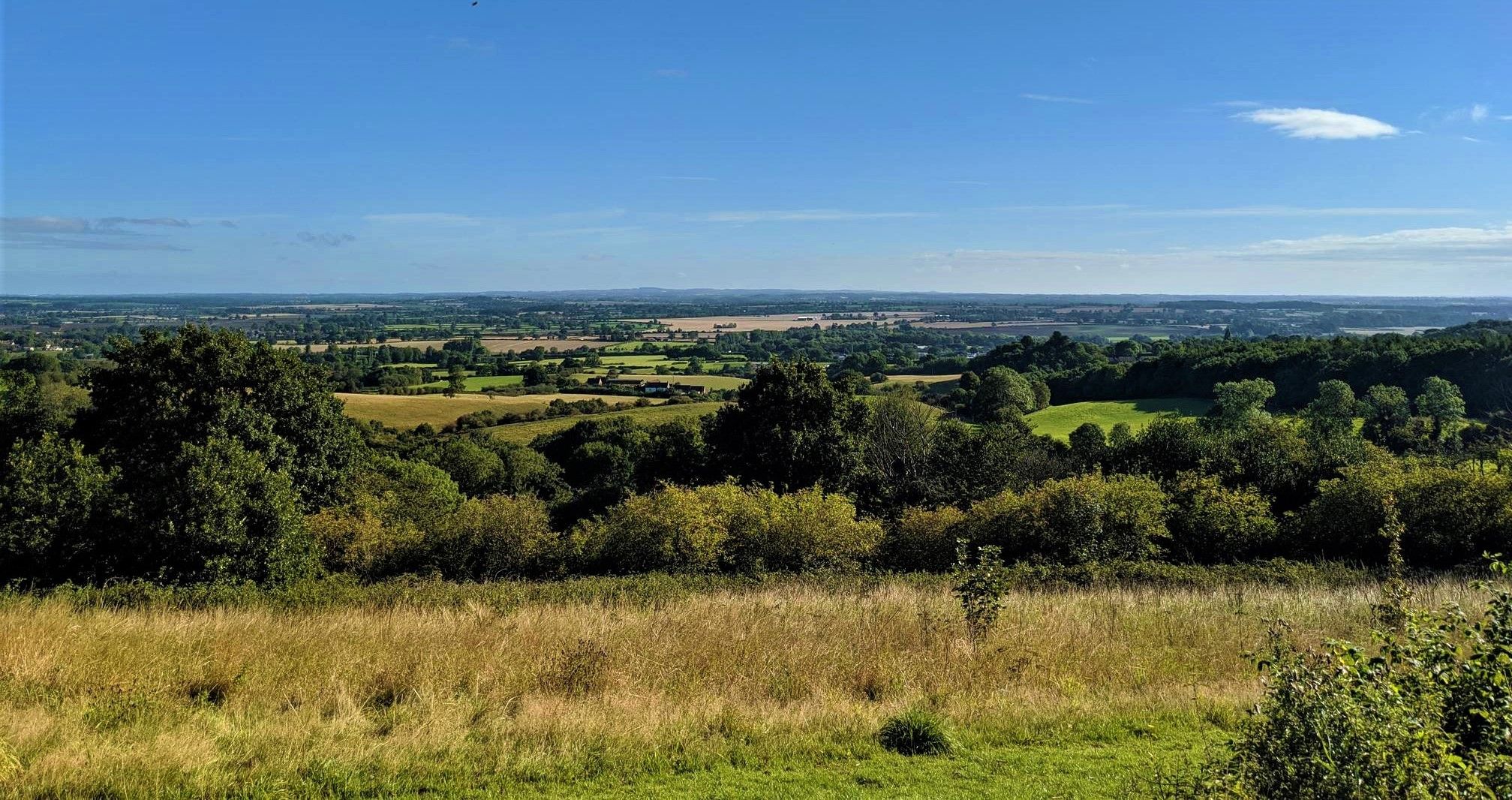
Centenary Way — Hike through a millennium of enchanting history
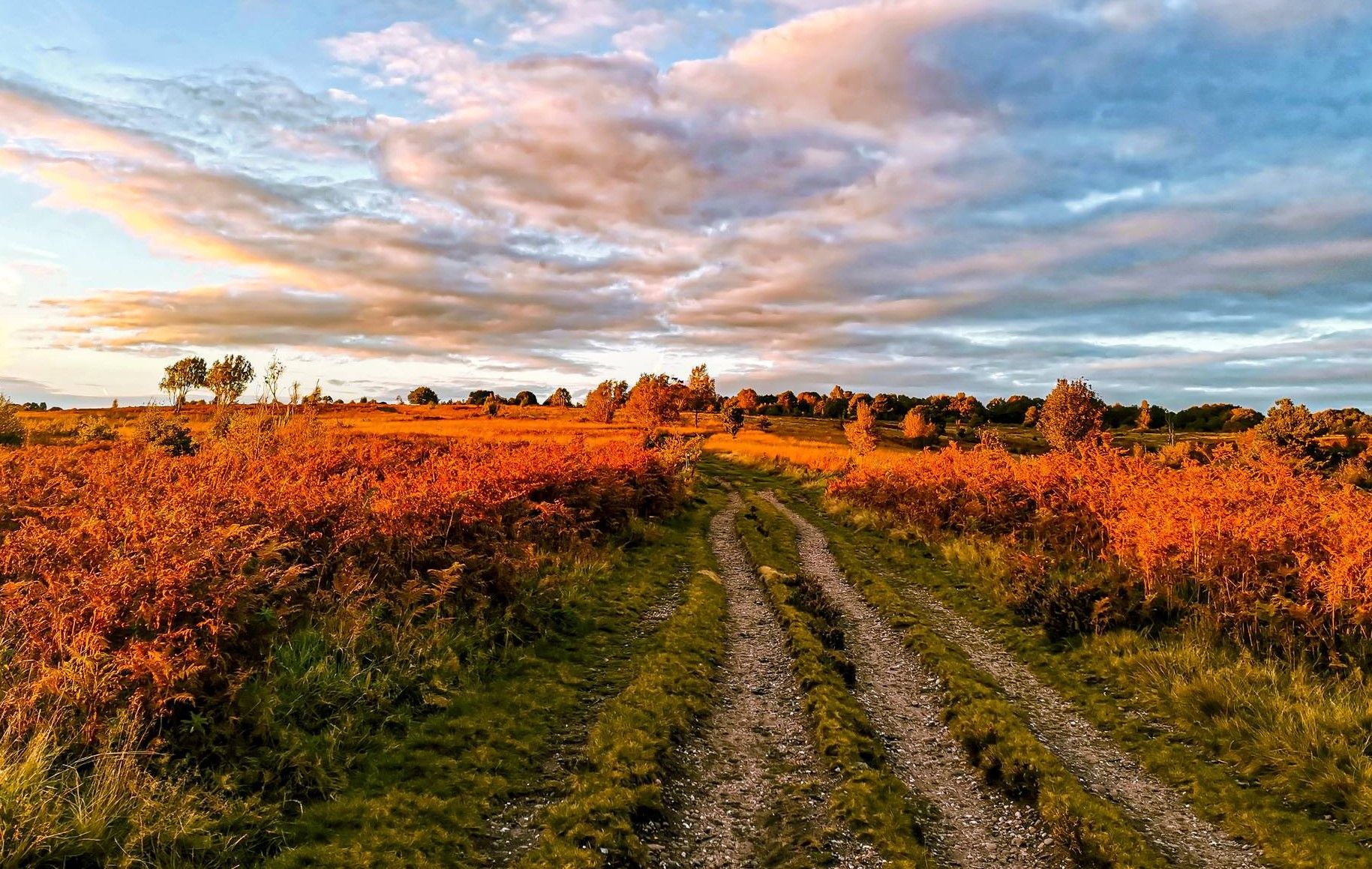
Heart of England Way — A historic hike filled with wildlife and beauty
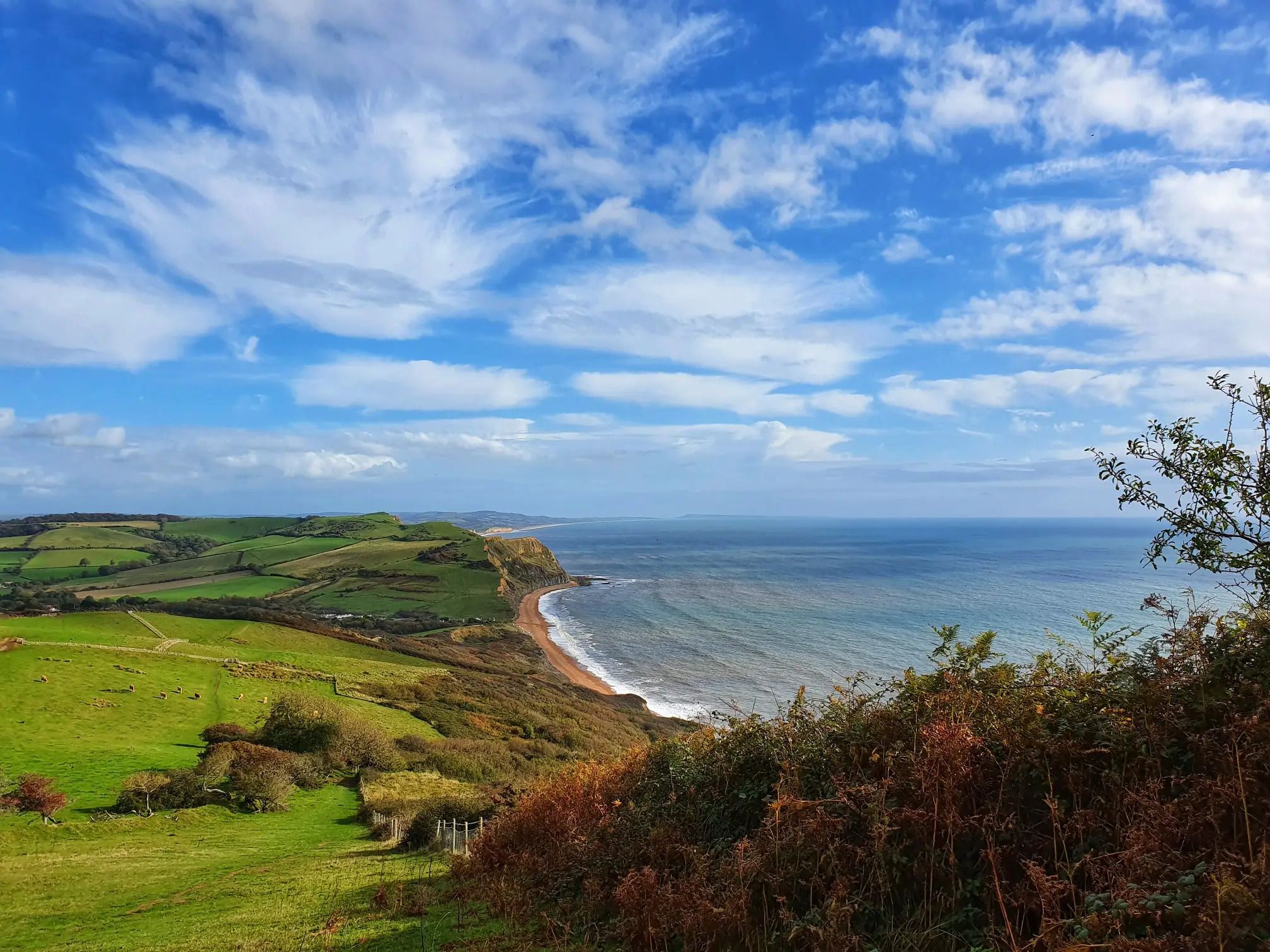
Monarch's Way: Part 2 — Conquer the longest inland trail in England
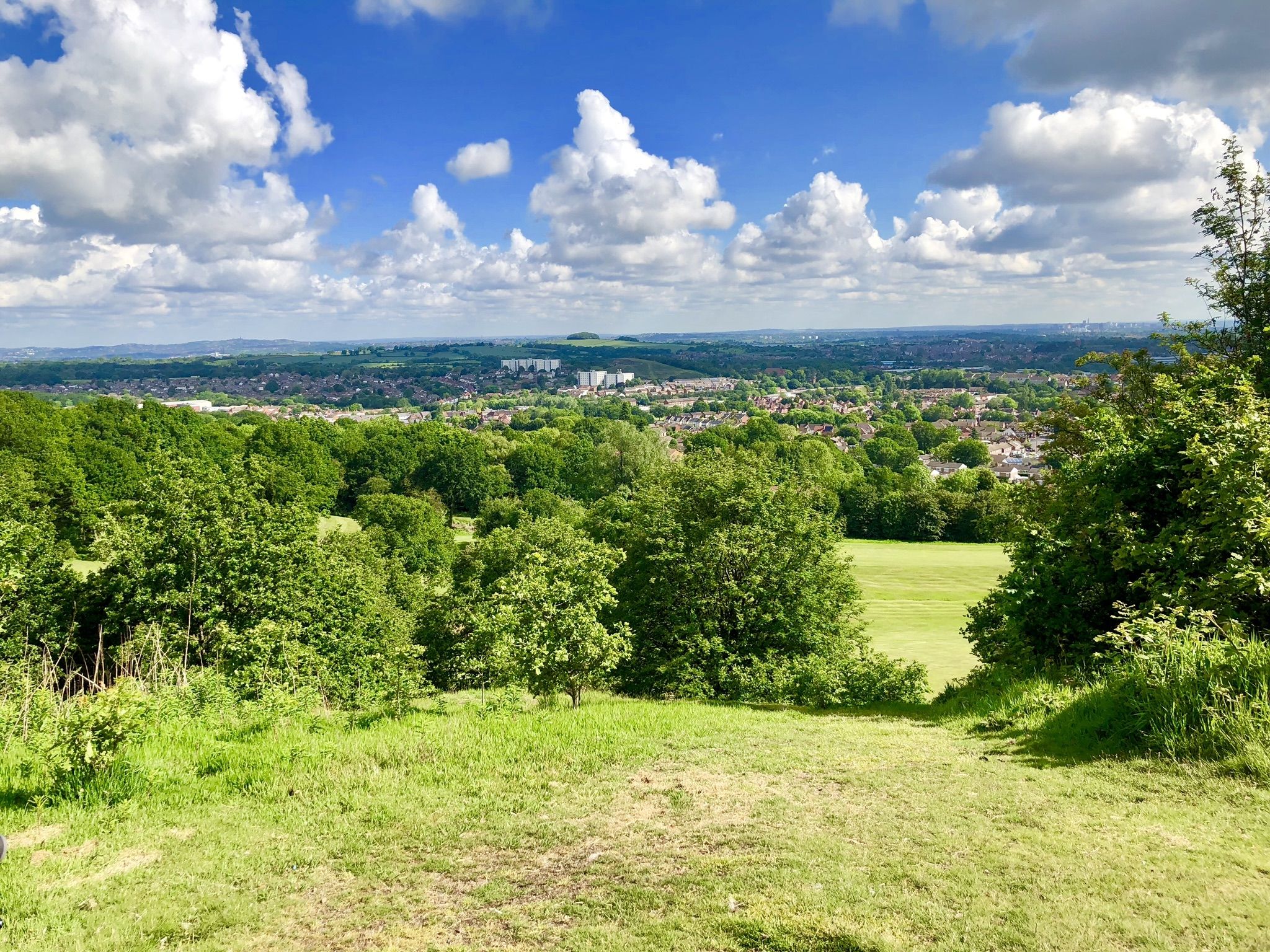
Monarch's Way: Part 1 — Conquer the longest inland trail in England
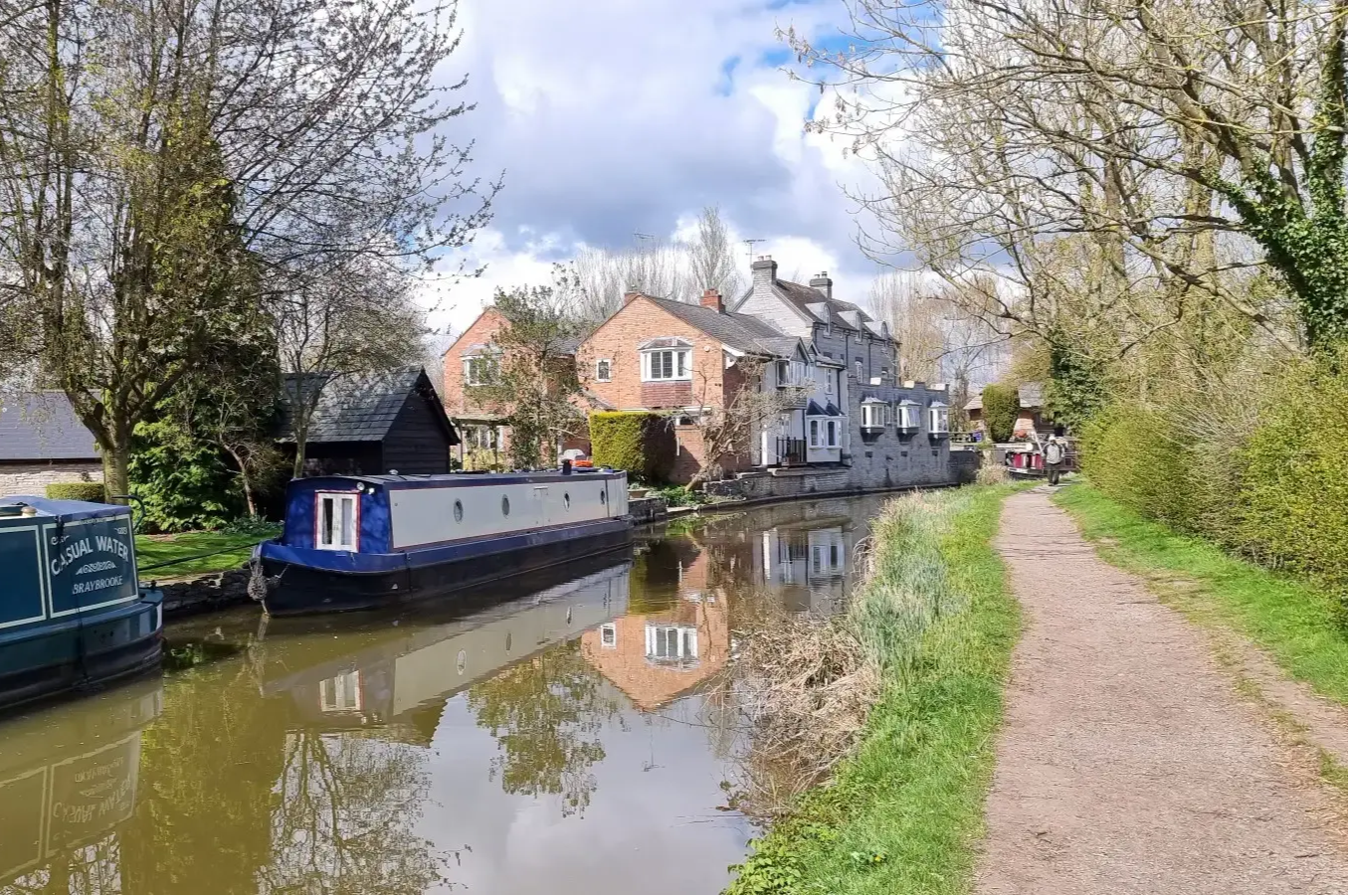
Industrial heartlands on NCN Route 5 – Reading to North Wales
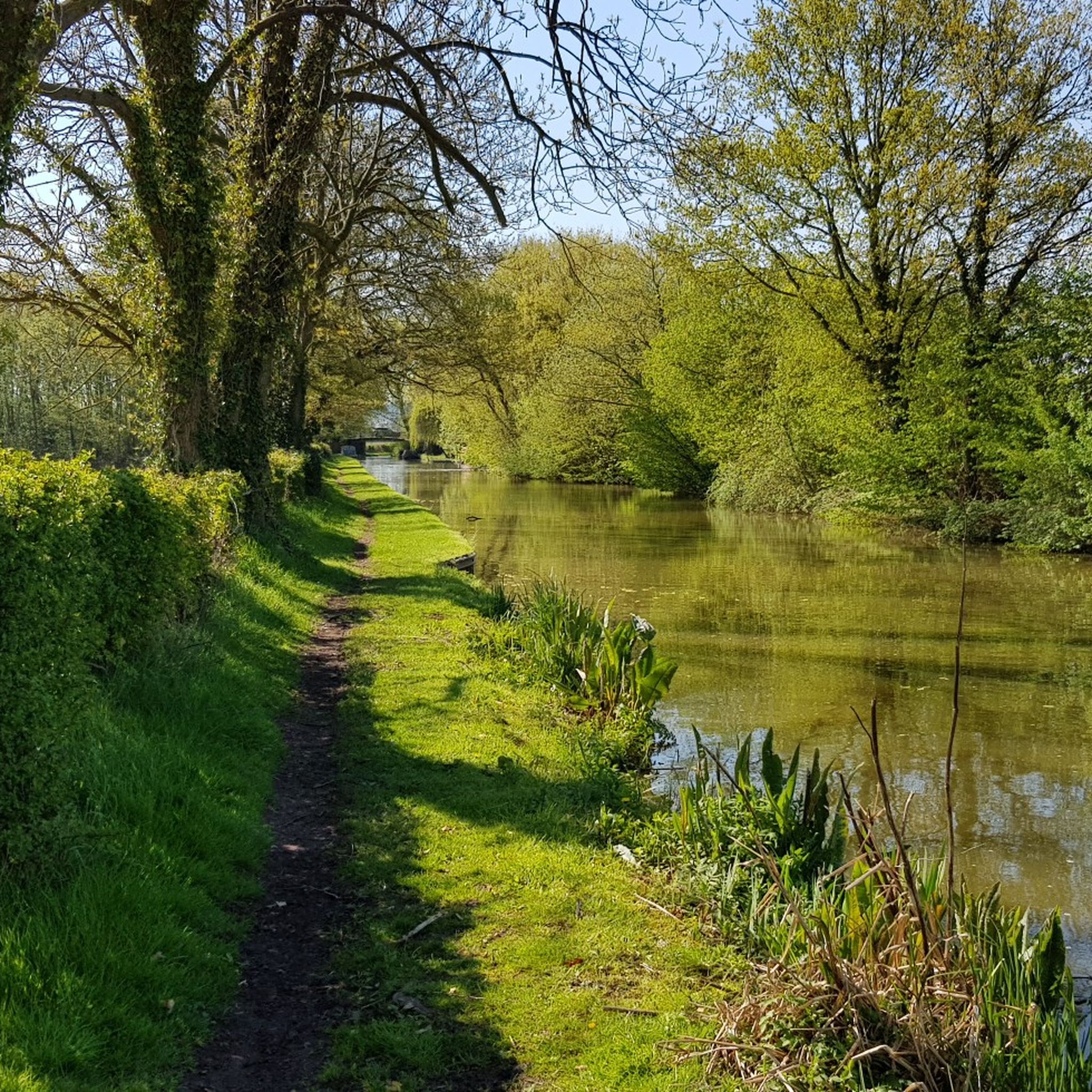
Hiking in Warwickshire
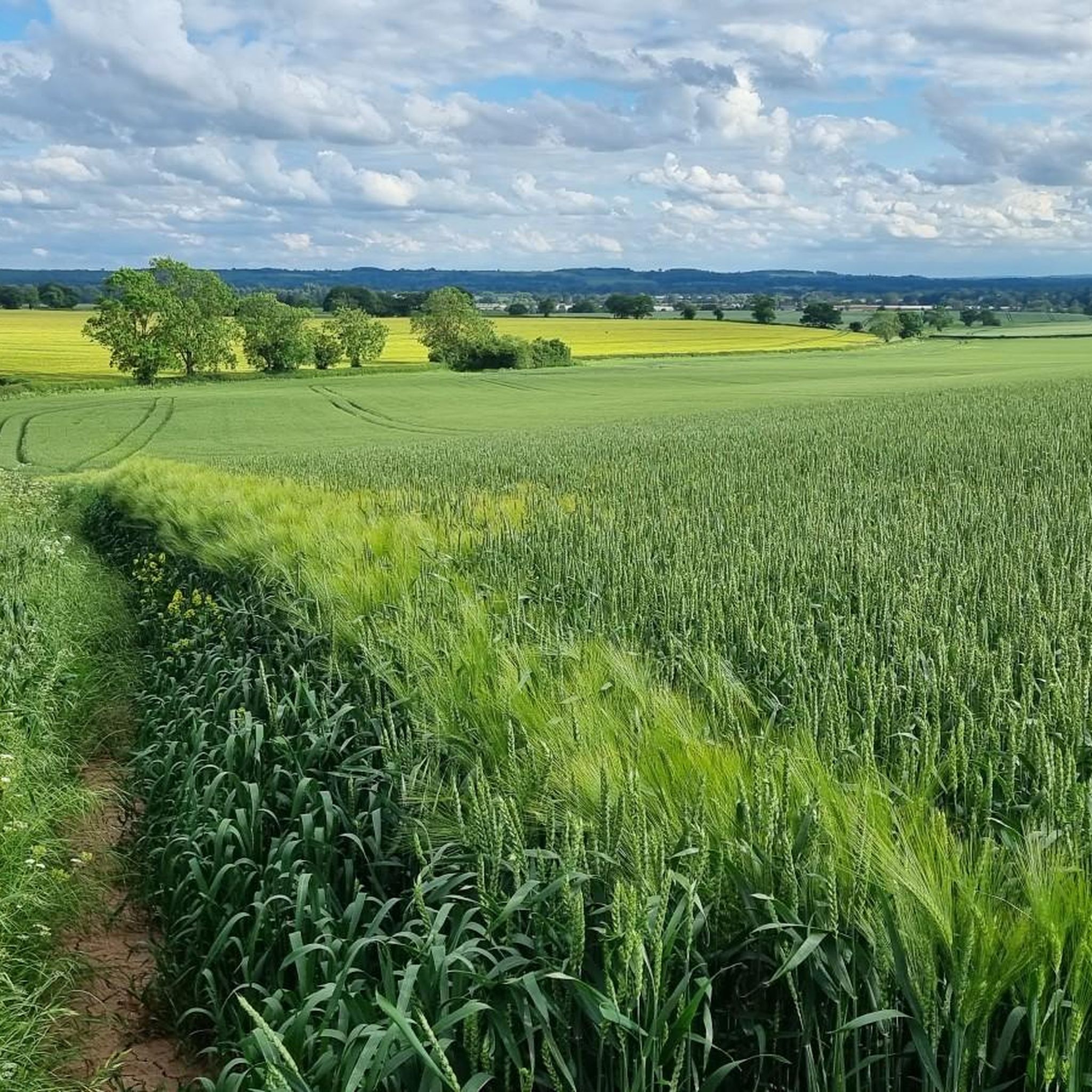
Running Trails in Warwickshire
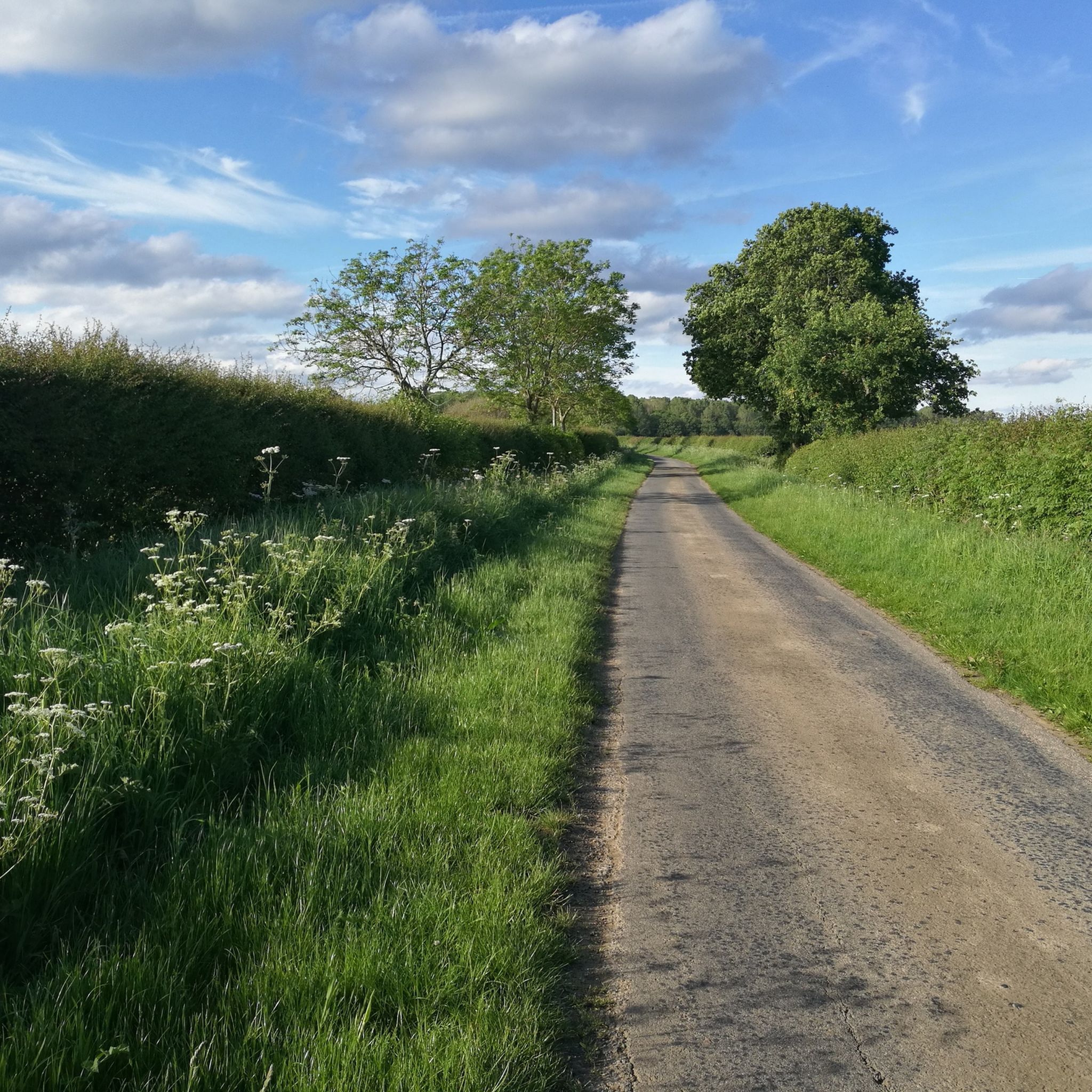
Road Cycling Routes in Warwickshire
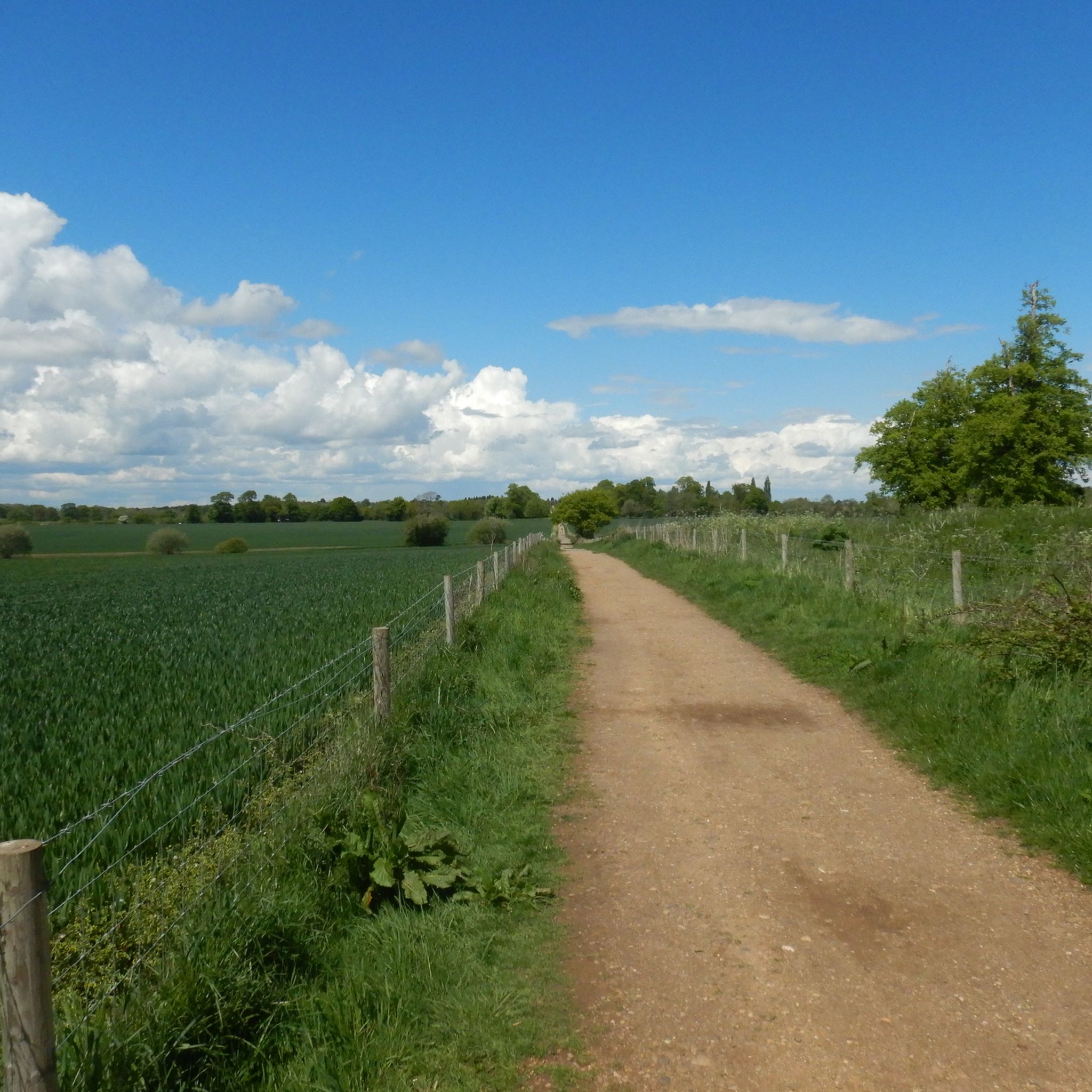
Cycling in Warwickshire
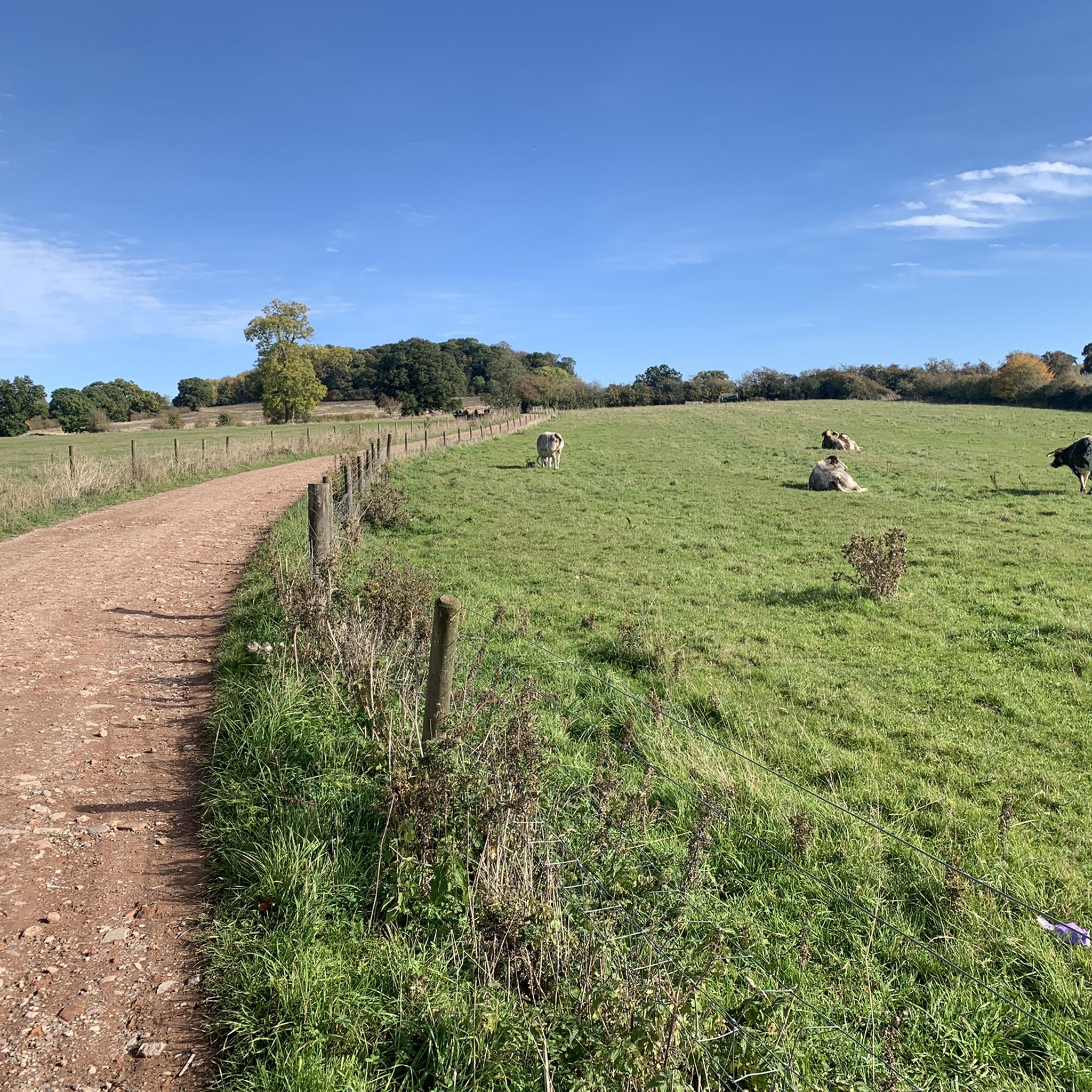
MTB Trails in Warwickshire
Other adventures in Warwickshire


Tips from the Community

Hard to tell if how far you can investigate. There are information boards, footpath arrows and no "private signs" but I quickly got hollered at by cleaners as I got close to the ruins. There is a sign saying "Please respect the Residents Privacy" It is now a holiday let and the ladies doing the hollering were the cleaning crew. There are open days, you can book through the web site - which also confusing details where you can and cannot go. Be prepared for a hollering - as its worth a close look.
1
0

The area surrounding Castle Green offers picturesque views of the castle ruins and a greenery for visitors interested in England's rich history and architecture
0
0

Robert Langham (C16) - "The Castle has the name of Killingwoorth, but if truth grounded upon faithful story, Kenelwoorth [Kenilworth]. It stands in Warwickshire, a 74 mile North-West from London, and as it were in the navel of England, four mile somewhat South from Coventry a proper city, and a like distance from Warwick, a fair Shire town on the North. In air sweet and wholesome, raised on an easy-mounted hill, is set evenly coasted with the front straight into the East, has the tenants and town about it, that pleasantly shifts from dale to hill, sundry wherewith sweet springs burst forth; and is so plentiful and well sorted on every side into arable, meadow, pasture, wood, water, and good air, as it appears to have need of nothing that may pertain to living or pleasure."
1
0
The dam was probably constructed in three phases; initially circa 1125, then subsequently raised by King John and lastly the western lane and bridge possibly 17th century. It is not known when the castle’s great defensive lake, created by the dam, was first called a Mere nor when the breach, shown here being repaired in 1964, was first called Hawkesworth’s Gap. At the end of the Civil War in 1649, Cromwell’s Parliamentarians were determined to ensure that the former Royalist strongholds would never again provide a safe haven for those who opposed the new republican parliament’s powers. So, Colonel Joseph Hawkesworth, MP was appointed to ‘slight’ or damage the castle beyond repair and it is said he breached the Tiltyard to drain the mere as part of the slighting.
0
0

Edgehill Castle (Tower) which is now a rather nice pub/restaurant. The castle was built in the 18th Century as a 'sham' castle reputedly on the exact spot where Charles I raised his standard before the Battle of Edgehill during the first English Civil War. Apparently Cromwell got there too late for the battle.
1
0


Visited to see Dragonslayer show fantastic castle and grounds
0
0

Although much of it is still in ruins, it is definitely worth the visit, very accessible from the centre and with a good car park (paid) next to it. The castle, which was built between the beginning of Norman rule in England and the Tudor period, played a significant role in history.
1
0
Frequently Asked Questions
What are the most historically significant castles in Warwickshire?
Warwickshire boasts several castles with deep historical roots. Kenilworth Castle, a former medieval stronghold, is famed for its association with Queen Elizabeth I and Robert Dudley, and played a role in one of England's longest sieges. Warwick Castle, though not explicitly in the provided highlights, is a major historical site in the region with over 1,100 years of history. Coughton Court, with its Tudor Gatehouse, has been owned by the Throckmorton family since 1409 and is significant for its role in events like the Gunpowder Plot.
Are there family-friendly castles in Warwickshire with activities for children?
Yes, several castles in Warwickshire offer family-friendly experiences. Kenilworth Castle, managed by English Heritage, hosts jousts and re-enactments. Warwick Castle is known for its rich blend of history and entertainment, including live shows like jousting tournaments, falconry displays, and re-enactments, as well as interactive experiences like a Princess Tower and the Horrible Histories Maze. Coughton Court and Baddesley Clinton Manor House are also listed as family-friendly highlights.
What unique architectural features can I expect to see at Warwickshire castles?
Warwickshire's castles showcase diverse architectural styles. Kenilworth Castle features an impressive 12th-century Norman keep with 14-foot-wide walls. Warwick Castle boasts defensive structures like Caesar's Tower and Guy's Tower, offering panoramic views. Coughton Court is notable for its Tudor Gatehouse with hexagonal turrets and oriel windows. Brinklow Castle (the Tump) is an excellent example of a well-preserved Norman motte-and-bailey castle.
Are there good walking or hiking routes near Warwickshire castles?
Yes, the region offers various walking and hiking opportunities. For instance, there are several routes near Kenilworth Castle, including the 'Kenilworth Castle Circular Walk — The Millennium Way' and the 'Kenilworth Castle loop via Millennium Way'. You can find more details on these and other routes in the Running Trails in Warwickshire and Hiking in Warwickshire guides.
What natural features or viewpoints can I find around Warwickshire castles?
Many castles are set within beautiful natural surroundings. Warwick Castle's grounds, partly designed by Capability Brown, span 64 acres and include landscaped gardens and a Peacock Garden. Kenilworth Castle features a beautifully recreated Elizabethan Garden. Ragley Hall, a stately home, is set within 450 hectares of rolling countryside with parkland also landscaped by Capability Brown, including woodland walks and a 26-hectare lake. The Castle at Edgehill, a sham castle, offers nice views over the surrounding area.
What is the best time of year to visit castles in Warwickshire?
The best time to visit castles in Warwickshire generally depends on your preferences. Spring and summer (April to September) offer pleasant weather for exploring grounds and gardens, and many sites host outdoor events and reenactments during these months. Autumn brings beautiful foliage, while winter visits can offer a quieter, more atmospheric experience, though some attractions or areas might have reduced opening hours.
How long should I plan for a visit to a Warwickshire castle?
The duration of a visit can vary significantly depending on the castle and your interest level. For major sites like Warwick Castle or Kenilworth Castle, a full day (4-6 hours) is often recommended to explore the interiors, grounds, and enjoy any shows or exhibitions. Smaller sites or ruins might only require 1-2 hours. It's always a good idea to check the specific castle's website for recommended visit times.
Are there options for food and drink near Warwickshire castles?
Yes, most major castles and historical sites in Warwickshire have on-site cafes or restaurants. Additionally, many are located near villages or towns that offer a variety of pubs and eateries. For example, Kenilworth Castle has a café, and The Castle at Edgehill is a pub/restaurant itself. The village of Brinklow, home to Brinklow Castle (the Tump), offers accommodation and eateries like the Bull's Head.
Are there any 'hidden gem' castles or lesser-known historical sites in Warwickshire?
Beyond the well-known fortresses, Warwickshire has some intriguing lesser-known sites. Brinklow Castle (the Tump) is a well-preserved Norman motte-and-bailey castle. Maxstoke Castle, a privately owned 14th-century moated castle, is noted for being almost unchanged since its construction. King John's Castle (Kineton) is a late 12th-century motte and bailey fortification with trails through pleasant woodland. Bagot's Castle also offers a historical experience.
Can I see medieval reenactments or live shows at any Warwickshire castles?
Yes, Warwick Castle is particularly renowned for its medieval reenactments and live shows, including jousting tournaments, falconry displays like 'Flight of the Eagles,' and historical re-enactments such as 'Wars of the Roses Live.' Kenilworth Castle also hosts jousts and re-enactments, especially during peak seasons.
Is parking available at the major castles in Warwickshire?
Most major castles in Warwickshire, including Warwick Castle and Kenilworth Castle, provide dedicated parking facilities for visitors, often for a fee. It is advisable to check the specific castle's official website for details on parking availability, charges, and any pre-booking requirements before your visit.
Are dogs allowed at castles in Warwickshire?
Dog policies vary significantly between different castles and historical sites in Warwickshire. While some may allow dogs in outdoor areas or grounds on a lead, others might restrict them entirely, especially inside buildings or specific garden areas. It is always best to check the individual castle's website or contact them directly for their current dog policy before planning your visit.
Most popular routes in Warwickshire
Most popular attractions in Warwickshire

Get inspired with the komoot mobile app


Didn’t find what you were looking for?
Explore Warwickshire’s best castles region by region:
Explore more
Looking for the best castles somewhere else? Discover other guides in Warwickshire:
