Attractions and Places To See in Dibër - Top 20
Best attractions and places to see in Dibër include a variety of natural landscapes, cultural sites, and historical points of interest. This mountainous region in northeastern Albania features towering peaks, serene lakes, and ancient castles. Visitors can explore national parks, traditional villages, and significant historical monuments. The area offers diverse outdoor activities and insights into local traditions.
Best attractions and places to see in Dibër
- The most popular attractions is Mount Korab Summit, a summit that offers views from Albania's highest peak. This peak is shared with North Macedonia and can be climbed from both sides.
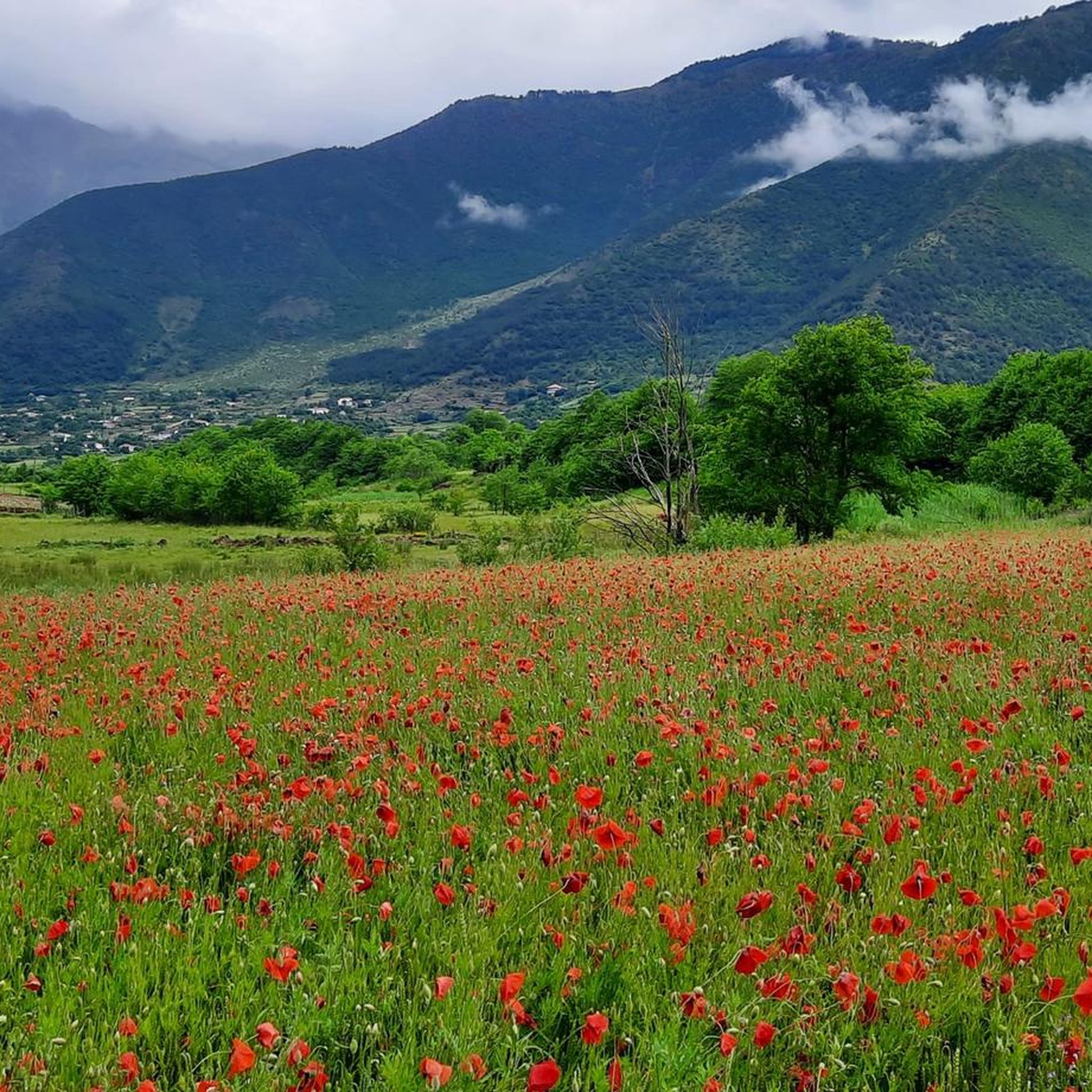
- Another must-see spot is View of the Drin Valley and Korab Mountains, a viewpoint offering panoramic views of the nearby mountains and the green valley of the Black Drin River. This location is close to Mount Korab, providing scenic vistas.
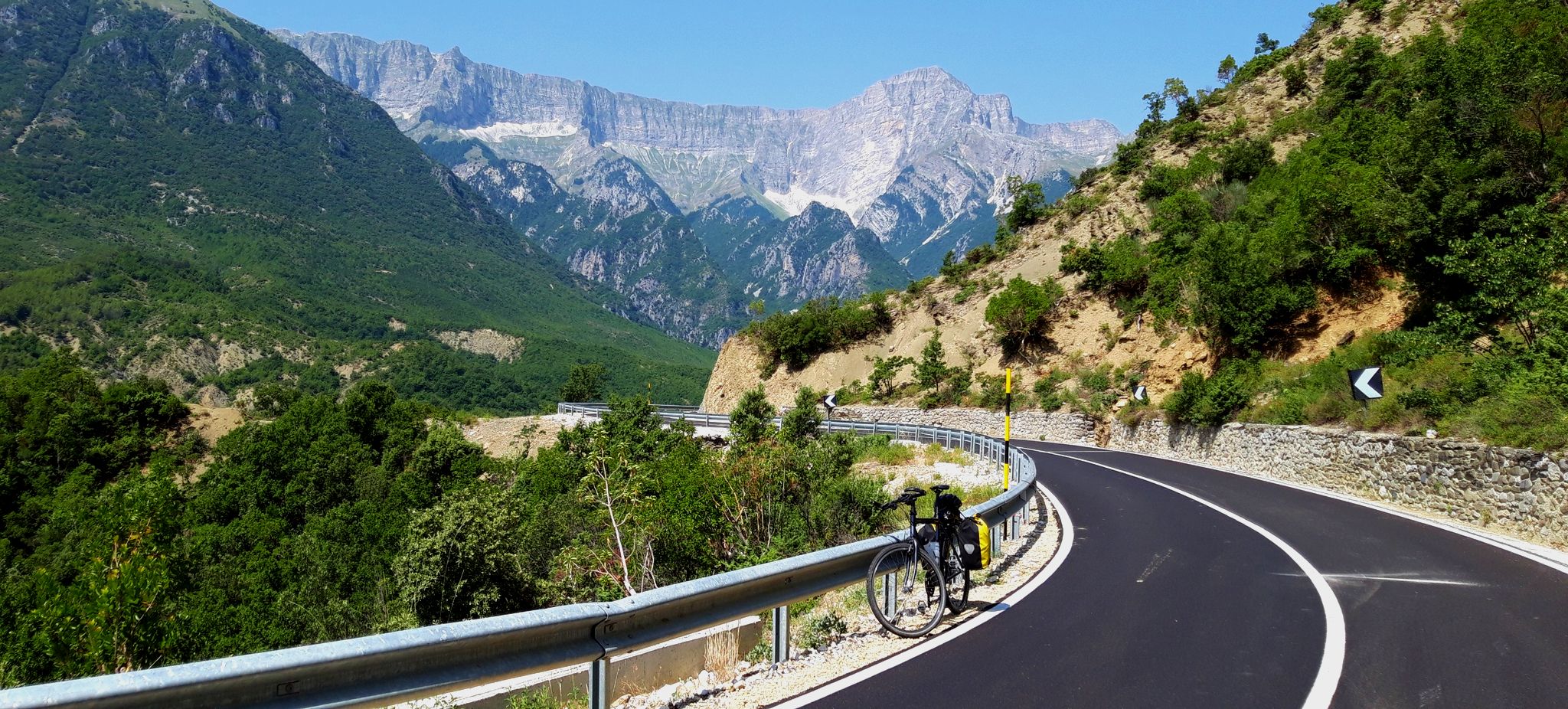
- Visitors also love Rruga e Arbërit Tunnel and Mountain View, a mountain pass with scenic views. This well-paved road offers views of the surrounding landscape.
- Dibër is known for its national parks, historical sites, and traditional villages. The region offers a variety of attractions, from natural monuments to cultural points of interest.
- The attractions in Dibër are appreciated by the komoot community, with 28 upvotes and 24 photos shared by visitors.
Last updated: October 10, 2026
Mount Korab Summit
Highlight • Summit
Showing Translation
Tip by

Rabdisht Village
Highlight • Settlement
Tip by

Sign up now to discover places like this
Get recommendations on the best single tracks, peaks, & plenty of other exciting outdoor places.
Trailhead in Radomirë
Highlight • Trail
Tip by
Koritnik top (2,764 m)
Highlight • Summit
Showing Translation
Tip by
Shkopet Suspension Bridge
Highlight • Bridge
Showing Translation
Tip by
Rock face in Korab-Koritnik Nature Park
Highlight • Natural Monument
Showing Translation
Tip by
View of the Drin Valley and Korab Mountains
Highlight • Viewpoint
Translated by Google •
Tip by

Rruga e Arbërit Tunnel and Mountain View
Highlight • Mountain Pass
Also very nice views and lots of stands where you can buy fruit.
Translated by Google •
Tip by

Klos to Balquize mountain road
Highlight (Segment) • Mountain Pass
Tip by

Sulfur Cold Spring
Highlight • Natural Monument
Tip by
Sign up for free to discover even more attractions in Dibër.
Already have an account?
Start today with a free account
Your next adventure awaits.


Tips from the Community

"Getting to the top is optional, getting down is mandatory." you read on the trig frame.
5
0
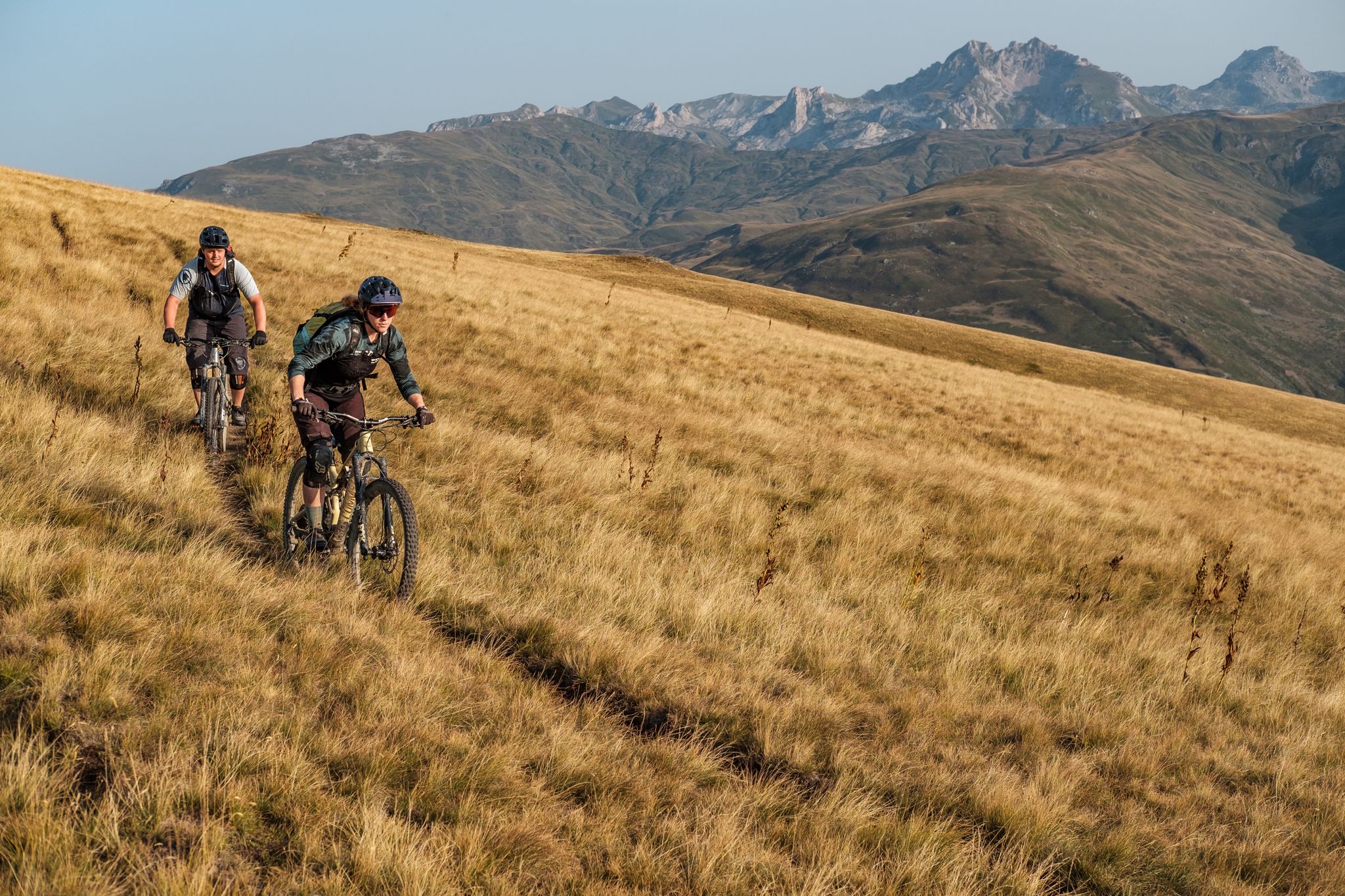
Mount Korab (2,764 m) has two classic ascents: from Albania, a gradual, logically built route runs from Radomirë, through a long valley and over open karst plateaus to the broad border ridge; from North Macedonia, the rougher, steeper variant starts at Strezimir in Mavrovo Park, with less marking and scree slopes, after which both routes converge on the same ridge towards the metal trig frame on the summit.
6
0
Since Mavrovo National Park is located in North Macedonia, I assume he means an entrance ticket for when you climb Korab from North Macedonia.
7
0
The highest peak of both Albania and North Macedonia lies exactly on the border ridge. Modern geodesy gives Korab a height of 2,764 m. Older maps and guides still mention 2,754 m, but that is an outdated Yugoslav measurement.
6
0
Important rock face, especially because you can get fresh, cool water there. Sometimes you have to queue, because again this is a marker from the local guides.
7
0
The signpost of the Polish Alpine Club opposite the hotels in Radomirë, follow the red-yellow-red markings.
4
0
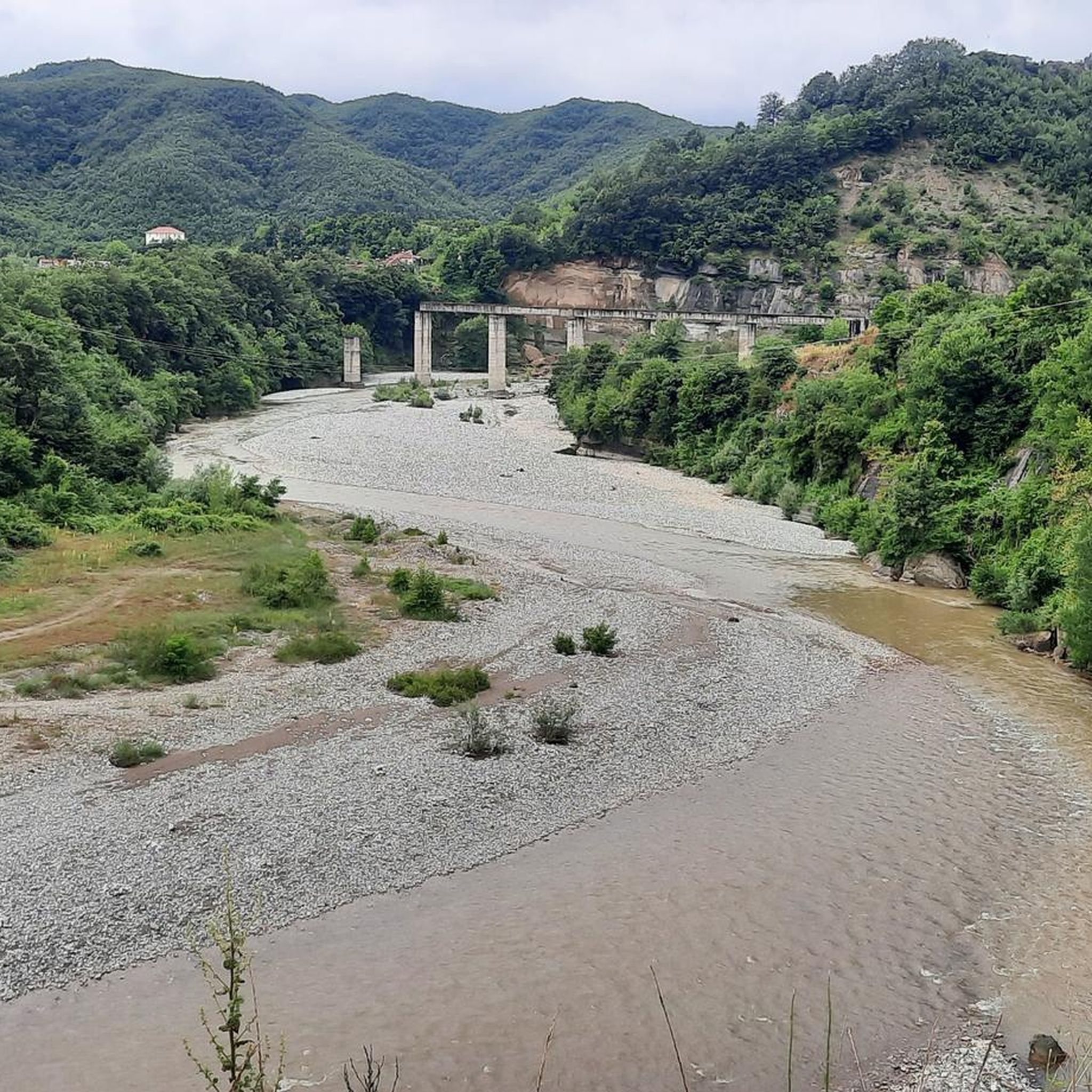
Narrow suspension bridge over the Mat River, with wooden planks and steel cables that sway slightly under your steps. The setting is raw and photogenic: steep rock faces, (fast) flowing water, and a bridge that still carries the atmosphere of an old connection between villages. The crossing feels adventurous but remains short; ideal as a striking point on a route through the Shkopet area.
6
0

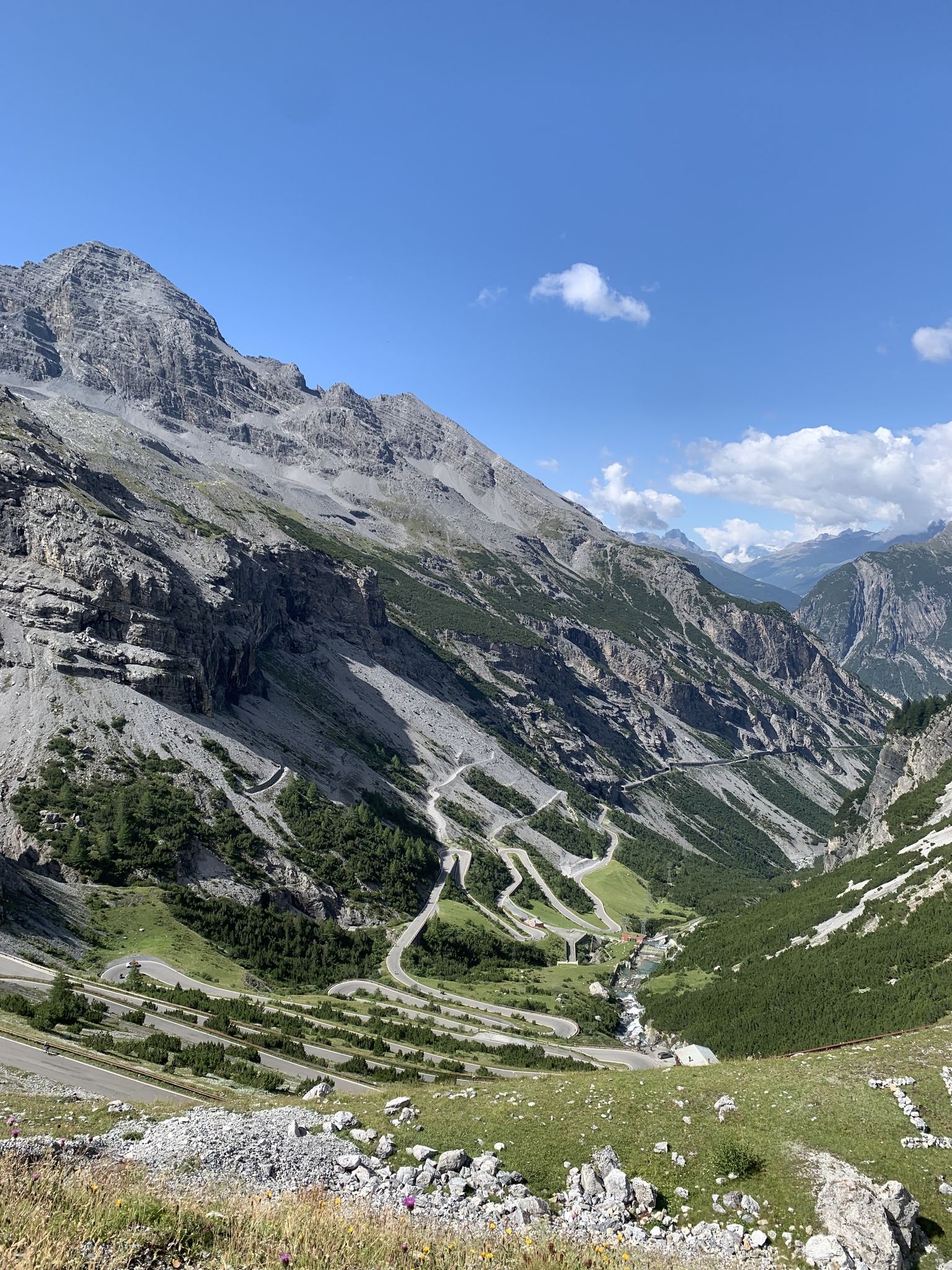
beautiful rolling mountain road that leads to this mining town
0
0
Frequently Asked Questions
What are the best hiking opportunities in Dibër?
Dibër offers diverse hiking experiences, from challenging ascents to more moderate trails. The most prominent is the climb to Mount Korab Summit, Albania's highest peak, which can be accessed from the Albanian side, often starting near Trailhead in Radomirë. You can find various hiking routes, including difficult ones to Mount Korab, and easier options around areas like Duf Waterfall. For more detailed routes, explore the Hiking in Dibër guide.
Are there any national parks to explore in Dibër?
Yes, Dibër is home to several significant national parks. You can explore the rugged terrain and diverse flora and fauna of Korab-Koritnik Nature Park, which includes Mount Korab. Another notable park is Lurë National Park, famous for its picturesque glacial lakes, often called the 'Lura Lakes' or 'Lura Flowers Lake'. Shebenik-Jabllanica National Park also offers untouched scenery and rare wildlife. A specific highlight within the region is Lurë-Dejë Mountain National Park.
Where can I find stunning viewpoints in Dibër?
Dibër is rich in panoramic vistas. A must-see is the View of the Drin Valley and Korab Mountains, offering expansive views of the Black Drin River valley and surrounding peaks. The Rruga e Arbërit Tunnel and Mountain View also provides scenic views along a well-paved road. Additionally, the Klos to Balquize mountain road offers beautiful views into the valley.
What historical sites or ancient monuments can I visit in Dibër?
Dibër boasts a rich history. You can visit Grazhdani Castle, a 4th-century fortress considered the largest ancient monument in Albania. The Monastery of Saint George showcases beautiful Byzantine architecture and frescoes. St. Mary's Church in Kala e Dodës is another ancient religious site. Throughout the region, you'll also find Ottoman Stone Bridges, testaments to the area's cultural influences.
Are there traditional villages to experience local culture?
Absolutely. Dibër is known for its charming traditional villages. Rabdisht Village, often called the 'stone village,' is recognized as a tourist village. Kërçisht i Epërm, near the North Macedonia border, features natural monuments and the historic Church of Cveti Spas from 1270. Fushe-Studë is another village where you can explore traditional Albanian architecture and local life.
Are there family-friendly activities or easy trails in Dibër?
Yes, Dibër offers options for families. Many viewpoints, such as the View of the Drin Valley and Korab Mountains and Picnic spot by the rock in Korab-Koritnik Nature Park, are suitable for all ages. For easy walks, you can find trails around Kukes Lake, perfect for picnicking and boating. The Easy hikes in Dibër guide lists several routes, including short loops around historical sites.
What is the best time of year to visit Dibër for outdoor activities?
The best time to visit Dibër for outdoor activities largely depends on your preferences. Spring and autumn offer pleasant temperatures for hiking and exploring the natural landscapes, with lush greenery in spring and vibrant colors in autumn. Summer is ideal for higher altitude treks and water activities, though it can be warmer. Winter brings snow, making it suitable for winter sports enthusiasts, but some trails may be inaccessible.
Can I go wild swimming or enjoy water activities in Dibër?
Yes, Dibër provides opportunities for water activities. The Black Drin River and its surrounding valley feature enchanting canyons, perfect for adventure sports like rafting and kayaking. Kukes Lake offers a serene setting for picnicking and boating. Additionally, the glacial lakes within Lurë National Park, known as the 'Lura Lakes,' are pristine spots to enjoy nature, though swimming access might vary.
Are there thermal baths for relaxation in Dibër?
Yes, Dibër is known for its therapeutic thermal waters. The Thermal Baths of Peshkopi, located just outside the capital city, are famous for their mineral-rich waters. These baths offer a relaxing experience and are believed to have healing properties, making them a popular spot for wellness and rejuvenation.
Where can I learn about Albania's national hero, Skanderbeg, in Dibër?
You can visit the Skanderbeg Museum in Sinë village, which is dedicated to Albania's national hero, Gjergj Kastrioti Skënderbeu. This museum showcases the history and traditions of the Kastriot family. Additionally, a national monument related to Skanderbeg can be found in Kastriot village, further connecting visitors to his legacy in the region.
What outdoor activities can I do near these attractions?
Beyond exploring attractions, Dibër offers a range of outdoor activities. You can find numerous hiking trails, from easy to difficult, especially around Mount Korab and the national parks. For cyclists, there are road cycling routes available, such as loops around Lake Ulza Nature Reserve or the Accommodation at Korab Trnica. You can find more details on these activities in the Hiking in Dibër and Road Cycling Routes in Dibër guides.
Are there any unique natural features or geological sites to visit?
Dibër is rich in unique natural features. The Soponika Cave, recognized as a natural monument, is part of the scenic Seta Canyon. You can also visit the Sulfur Cold Spring, a natural monument with distinct characteristics. The region's mountainous terrain, including the towering Korab Mountain and the glacial lakes of Lurë National Park, also offers stunning geological formations.
Most popular routes in Dibër
Most popular attractions in Dibër

Get inspired with the komoot mobile app


Didn’t find what you were looking for?
Are you keen on exploring more awesome places nearby? Browse our guides:
Explore more
Still not found the Highlight you’re looking for? See guides of the top attractions in other regions:
