The 20 Most Amazing Peaks in Flanders
Mountain peaks in Flanders, while not towering, feature significant hills and elevated areas that shape the region's landscape and culture. These formations, often called "witness hills" or "bergen," offer unique features and expansive views. The highest point in Flanders is Hagelstein, reaching 296 meters. The region also includes iconic cycling climbs and unique man-made hills from former mining activities.
Best mountain peaks in Flanders
- The most popular mountain peaks is Oude Kwaremont, a climb that is the longest cobblestone climb in Flanders, with 92 meters of elevation gain over 2,200 meters. Its average gradient is 4 percent, increasing to 11.6 percent in the middle of the route.
- Another must-see spot is Paterberg Climb, a short but steep cobblestone climb. This climb has a maximum gradient of 20.33 percent and an average of over 12 percent, making it one of the steepest in the region.
- Visitors also love Taaienberg, a cobbled climb that is 0.63 km long with 31 meters of positive gain. It has an average gradient of 7 percent, reaching a maximum of 16 percent.
- Flanders is known for its witness hills, iconic cobbled climbs, and unique terrils. These diverse elevated areas offer a variety of experiences, from historical sites to challenging cycling routes and panoramic viewpoints.
- The mountain peaks in Flanders are appreciated by the komoot community. Over 529 upvotes and 60 photos highlight the appeal of these locations for outdoor enthusiasts.
Last updated: October 4, 2026
Oude Kwaremont Cobblestone Section
Highlight (Segment) • Climb
Translated by Google •
Tip by

Paterberg Climb
Highlight (Segment) • Climb
Translated by Google •
Tip by

Sign up now to discover places like this
Get recommendations on the best single tracks, peaks, & plenty of other exciting outdoor places.
Taaienberg Cobbled Climb
Highlight (Segment) • Climb
0.63km long
31m positive gain
7% average, max 16%
Tip by

View from Tweelingterril
Highlight • Viewpoint
Translated by Google •
Tip by

Kluisberg - Mont de l'Enclus
Highlight • Monument
Translated by Google •
Tip by

Hill 60 preserved Battlefield (World War I)
Highlight • Historical Site
Source: hiking guide Flanders route GR 128
Translated by Google •
Tip by

Wolvenberg Climb
Highlight (Segment) • Climb
Translated by Google •
Tip by

Bosberg climb via Kapellestraat
Highlight (Segment) • Climb
Translated by Google •
Tip by
Waterschei spoil heap
Highlight • Natural Monument
Translated by Google •
Tip by

Highest point of Neigembos
Highlight • Summit
Translated by Google •
Tip by

Sign up for free to discover even more peaks in Flanders.
Already have an account?
Start today with a free account
Your next adventure awaits.
Popular around Flanders
Belgium’s Hoge Kempen and Meuse Valley – Bram Tankink’s best rides
From Flanders to the Ardennes — GR 5 in Belgium
The Meuse Cycle Route - Follow the Meuse from the hills to the harbor
Streek-GR Hageland – Hollow roads and endless fields
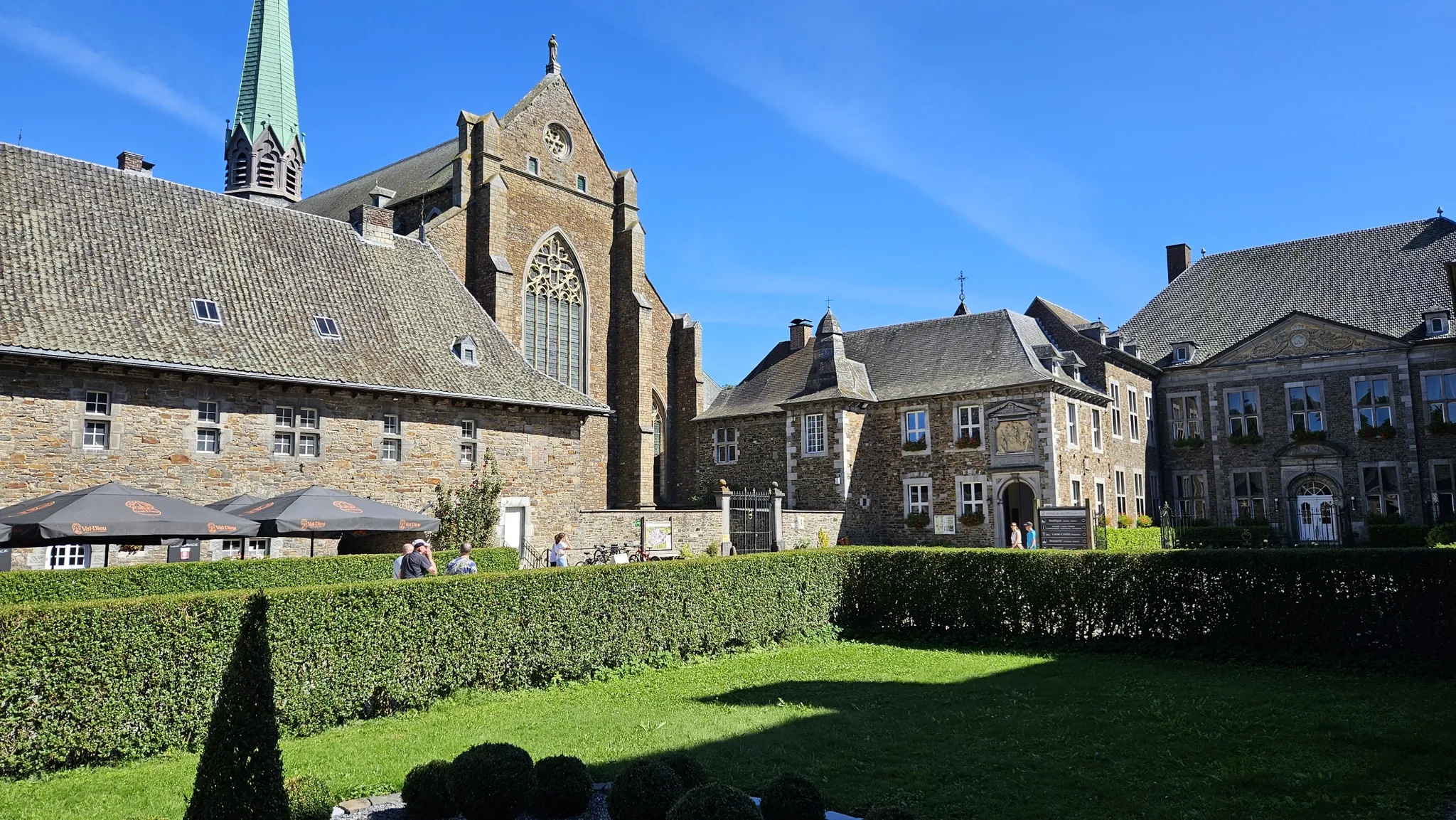
Trappist abbeys cycle route – Between beers and heritage
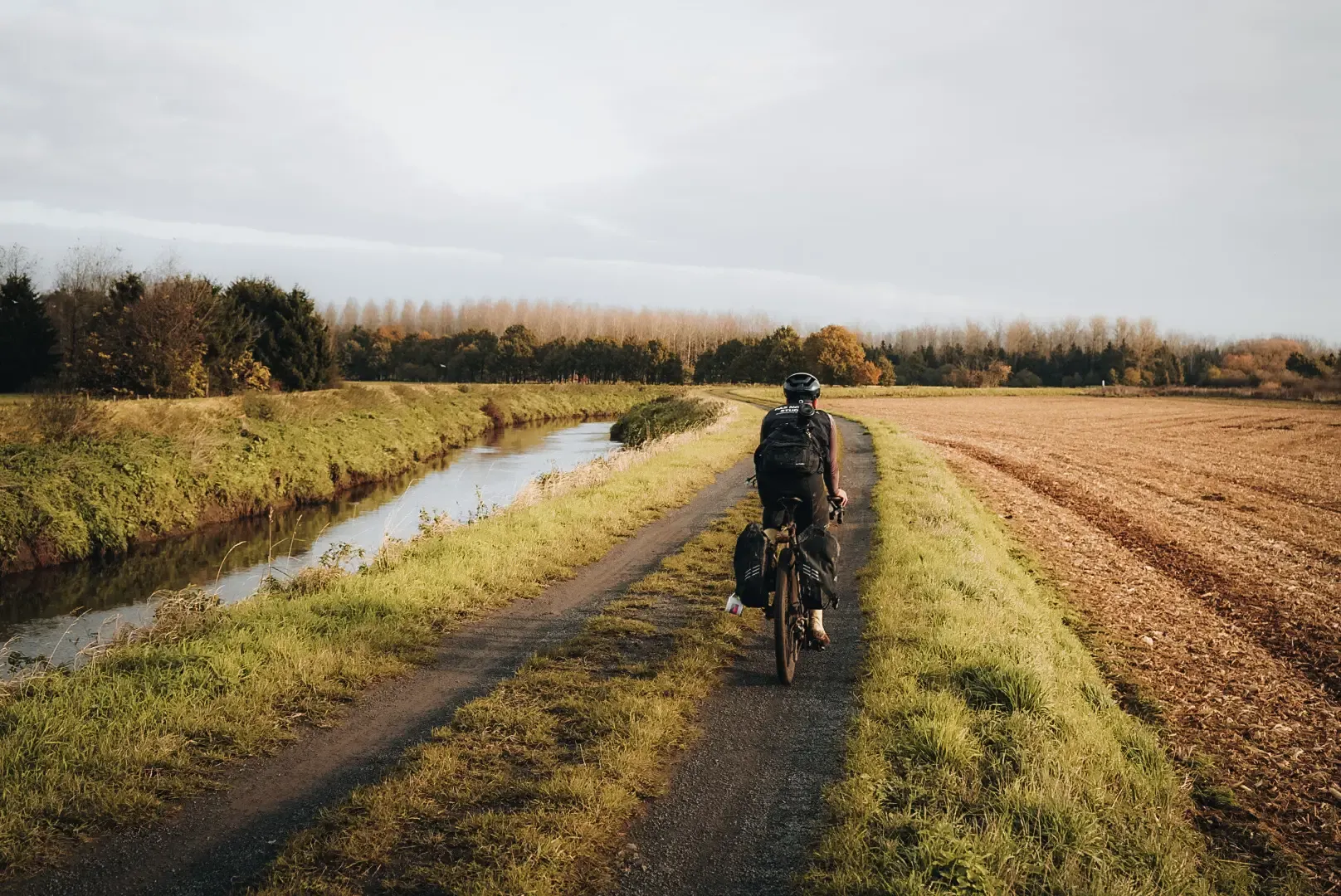
Flanders Divide - Across Flanders
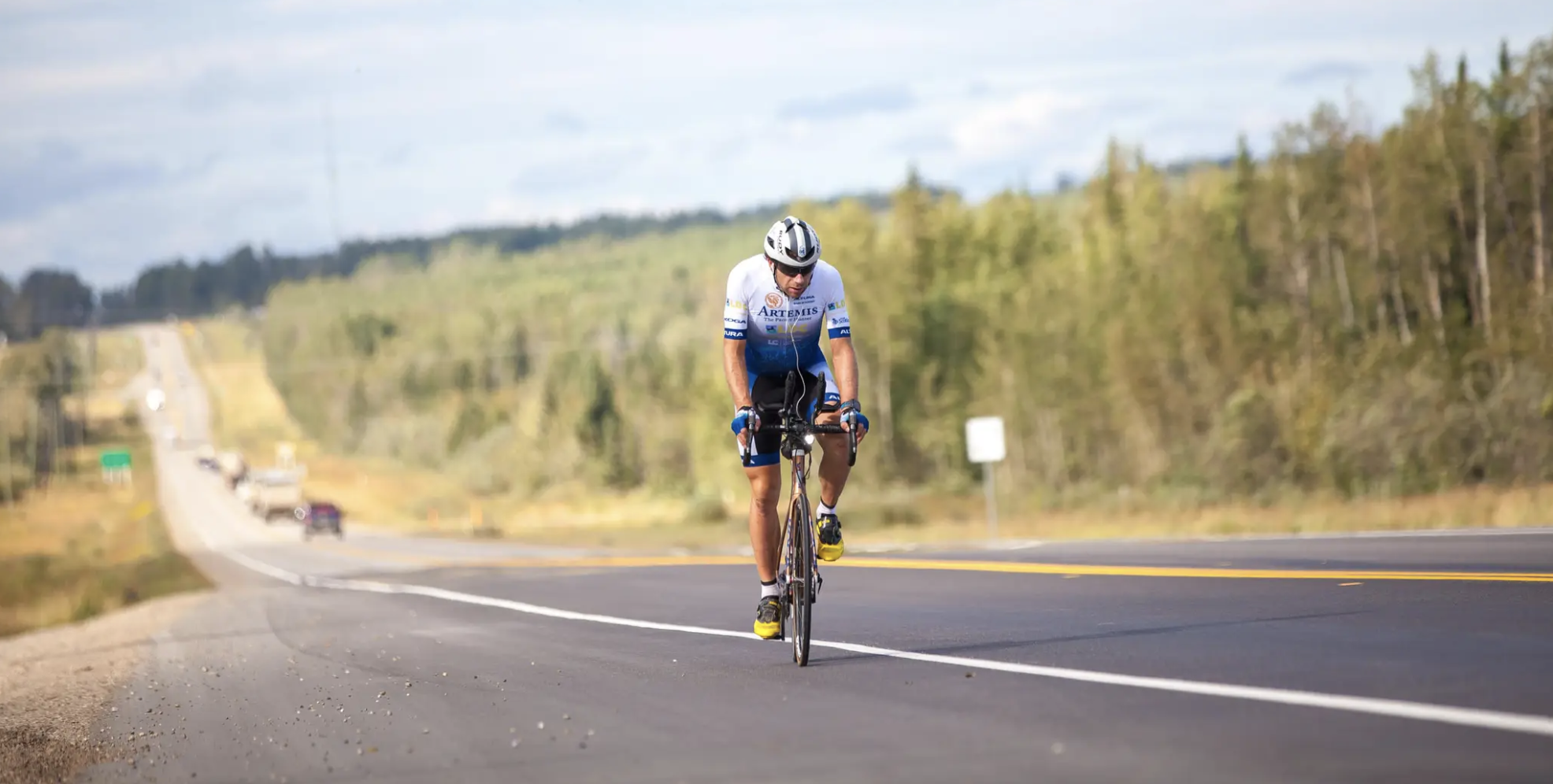
Around the World in 80 Days
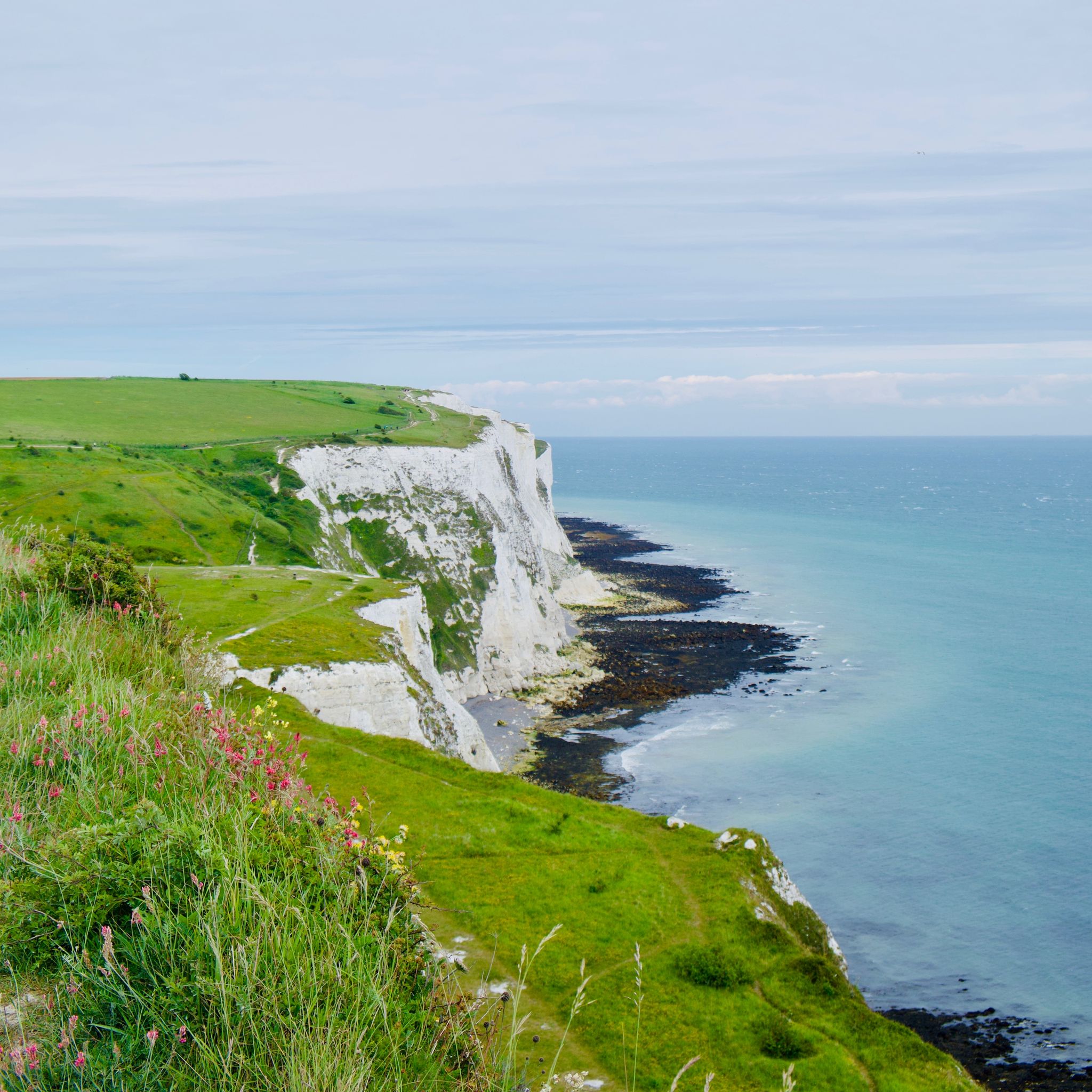
From Amsterdam to London - along the North Sea and across the water
The North Sea Coast Cycle Route — Netherlands and Belgium
Three days through Belgian Limburg – art, heritage and views
Other adventures in Flanders


Tips from the Community

In the Kluisbos - on top of the 141-meter-high Kluisberg - you'll never run out of walking or cycling opportunities. This is the largest forest in the Flemish Ardennes.
5
0

The official climb begins on a concrete and rather flat surface. Suddenly, the forest appears, interspersed with cobblestones; that's where the real climb begins.
5
0
Once an icon in the Tour of Flanders, today an icon in the Omloop het Nieuwsblad.
7
0

The Waterschei spoil heap is one of the most striking remnants of coal mining in Belgian Limburg, located in the Waterschei district of Genk. The spoil heap originated as a waste heap from coal mining – during coal mining, rock material that did not contain usable coal was brought to the surface and piled up into an artificial hill. These centuries-old spoil heaps have since become visible landmarks in the landscape and are now deeply rooted in the region's culture and nature. The former mining area around Waterschei was active between 1924 and 1987 and played a significant role in the economic development of the Kempen coal basin. After the mines closed, the area lost its industrial function, but the spoil heaps remained as immense silent witnesses to that mining past. In 1999, the Waterschei spoil heaps were officially designated a protected landscape, emphasizing the value of these structures, not only historically but also ecologically. Today, the slag heaps are part of Thor Park, a redeveloped nature recreation and heritage area of approximately 30 hectares where industrial history and natural experiences converge. Hiking trails have been laid out around the slag heaps, often marked with small stacked stones—symbolic "cairns"—that invite visitors to climb the slopes and leave their own markings. At the top of the slag heap, you're rewarded with a panoramic view of the former mining site, forest, heathland, and the surrounding landscape. The Waterschei slag heap combines history, nature, and recreation. The hill is not only a monument to the mining industry but also a place where vegetation and biodiversity have developed on the rugged stone. As such, the slag heap offers a fascinating example of how an industrial artifact can transform into an ecologically and recreationally valuable landscape.
0
0

Beautiful climb on Flemish cobblestones!
2
0

The diverse ecosystems of Terril Mijn Waterschei are home to an impressive variety of flora and fauna, offering visitors the opportunity to experience nature up close. Look out for various species of birds and other wildlife that live in this peaceful environment. The reserve is ideal for family outings and offers numerous learning opportunities about the local environment and the importance of conservation. Picnic and rest areas along the trails invite you to enjoy the tranquil atmosphere and take a break. A visit to Terril Mijn Waterschei not only offers the opportunity to appreciate the beauty of nature, but also to connect with the history of the area. The site recalls the mining heritage and shows how an industrial landscape can be transformed into a thriving nature reserve - a testament to successful reclamation projects. Whether you are an experienced hiker or looking for a relaxing retreat, Terril Mijn Waterschei offers a refreshing break in nature and is a worthwhile destination for anyone exploring the area. Source: https://evendo.com/locations/belgium/hoge-kempen-national-park/attraction/terril-mijn-waterschei?currency=eur
1
0

Very nice to have a drink on a terrace and recover from the climb
4
0

Strategic hill called Hill 60 in the First World War.
1
0
Frequently Asked Questions
What are some of the most popular hills and elevated areas in Flanders?
Flanders features several popular elevated areas, many known for their challenging cycling climbs and scenic views. Among the most visited are Oude Kwaremont, famous for being the longest cobbled climb in Flanders, and Paterberg Climb, a short but exceptionally steep cobbled ascent. Other notable spots include Taaienberg and the iconic Koppenberg cobbled climb, both legendary in cycling races.
What makes the 'mountain peaks' of Flanders unique?
The elevated areas in Flanders are unique for several reasons. Many are 'witness hills' (bergen) that stand out in the landscape, offering panoramic views. The region is also famous for its challenging cobbled climbs, integral to cycling classics like the Tour of Flanders. Additionally, in Limburg, you'll find unique man-made 'terrils' – overgrown spoil tips from former coal mining, which now serve as nature reserves and viewpoints.
Are there family-friendly options among Flanders' elevated areas?
Yes, several elevated areas in Flanders offer family-friendly experiences. For instance, the Kluisberg - Mont de l'Enclus features a large forest area, Kluisbos, popular for recreation. The View of the Terrils from the Lake also offers a family-friendly viewpoint, allowing you to appreciate the unique landscape of the former mining region.
Can I find historical sites on or near these hills?
Absolutely. The region's hills are rich in history. Kemmelberg, for example, is located in Flanders Fields and holds immense significance as a major battlefield during World War I, with preserved sites like Hill 60 preserved Battlefield. The Kluisberg also has historical significance, including a historic lookout tower that once served as a refuge.
What kind of views can I expect from Flanders' peaks?
From Flanders' elevated areas, you can expect diverse and often panoramic views. Many hills, like Hotondberg, offer expansive vistas of the undulating Flemish Ardennes countryside. The terrils in Limburg, such as the View from Tweelingterril, provide unique industrial-turned-natural landscapes. Even the cycling climbs often reward with scenic outlooks over the surrounding fields and forests.
Are there good hiking opportunities around Flanders' hills?
Yes, Flanders offers numerous hiking opportunities around its hills. You can find a variety of trails, from easy walks to more challenging routes. For example, you can explore easy hikes in Flanders or more general hiking routes that often incorporate these elevated landscapes. The Koppenberg Forest, for instance, offers beautiful walks, especially when wild bluebells carpet the ground in spring.
What about cycling? Are there routes that include these famous climbs?
Flanders is a cycling paradise, and its hills are central to its cycling culture. Many of the region's elevated areas are iconic cobbled climbs featured in professional races. You can find numerous cycling routes in Flanders that incorporate these challenging ascents, allowing you to experience the legendary roads of the Flemish Ardennes firsthand.
What is the highest point in Flanders?
The highest natural point in Flanders is Hagelstein, reaching 296 meters. While not a towering mountain, it represents the highest elevation in the region.
What is the best time of year to visit Flanders' hills?
The best time to visit Flanders' hills largely depends on your interests. Spring (April-May) is ideal for cyclists wanting to experience the classics or for hikers to see wildflowers, like the bluebells in Koppenberg Forest. Summer offers pleasant weather for outdoor activities, while autumn brings beautiful foliage. Winter can be chilly but offers a different, often quieter, perspective on the landscape.
Are there any hidden gems or less-known elevated areas worth exploring?
Beyond the famous cycling climbs, Flanders has many lesser-known elevated areas that offer unique experiences. The terrils in Limburg, like Terril Waterschei or Terril Zwartberg, are artificial hills that have transformed into unique nature spots with walking trails and panoramic views. Exploring the extensive forest areas around hills like Kluisberg can also lead to tranquil discoveries.
What kind of natural features can I expect to see around these hills?
The hills of Flanders are often surrounded by diverse natural features. You'll find extensive forests, such as the Kluisbos around Kluisberg and the Koppenberg Forest. Many areas offer views over agricultural landscapes and river valleys. In Limburg, the terrils provide a unique ecosystem where industrial history has been reclaimed by nature, offering distinct flora and fauna.
What do visitors enjoy most about exploring Flanders' elevated areas?
Visitors often enjoy the blend of natural beauty, historical significance, and the physical challenge these areas offer. Cyclists relish tackling the iconic cobbled climbs, while hikers appreciate the scenic trails and panoramic views. The unique character of the 'witness hills' and the transformed terrils, along with the rich history of regions like Flanders Fields, provide a diverse and engaging experience for outdoor enthusiasts.
Most popular routes in Flanders
Most popular attractions in Flanders

Get inspired with the komoot mobile app


Didn’t find what you were looking for?
Discover Flanders’s best peaks and summits by region:
Explore more
See even more amazing summits in Flanders with these guides:
