Attractions and Places To See in Flanders - Top 20
Best attractions and places to see in Flanders include a rich array of historical landmarks, cultural sites, and natural features across its Dutch-speaking northern region. The area is characterized by medieval architecture, cobbled streets, and picturesque canals, offering diverse points of interest. Flanders provides both urban exploration and serene natural escapes, from bustling market squares to national parks and coastal areas.
Best attractions and places to see in Flanders
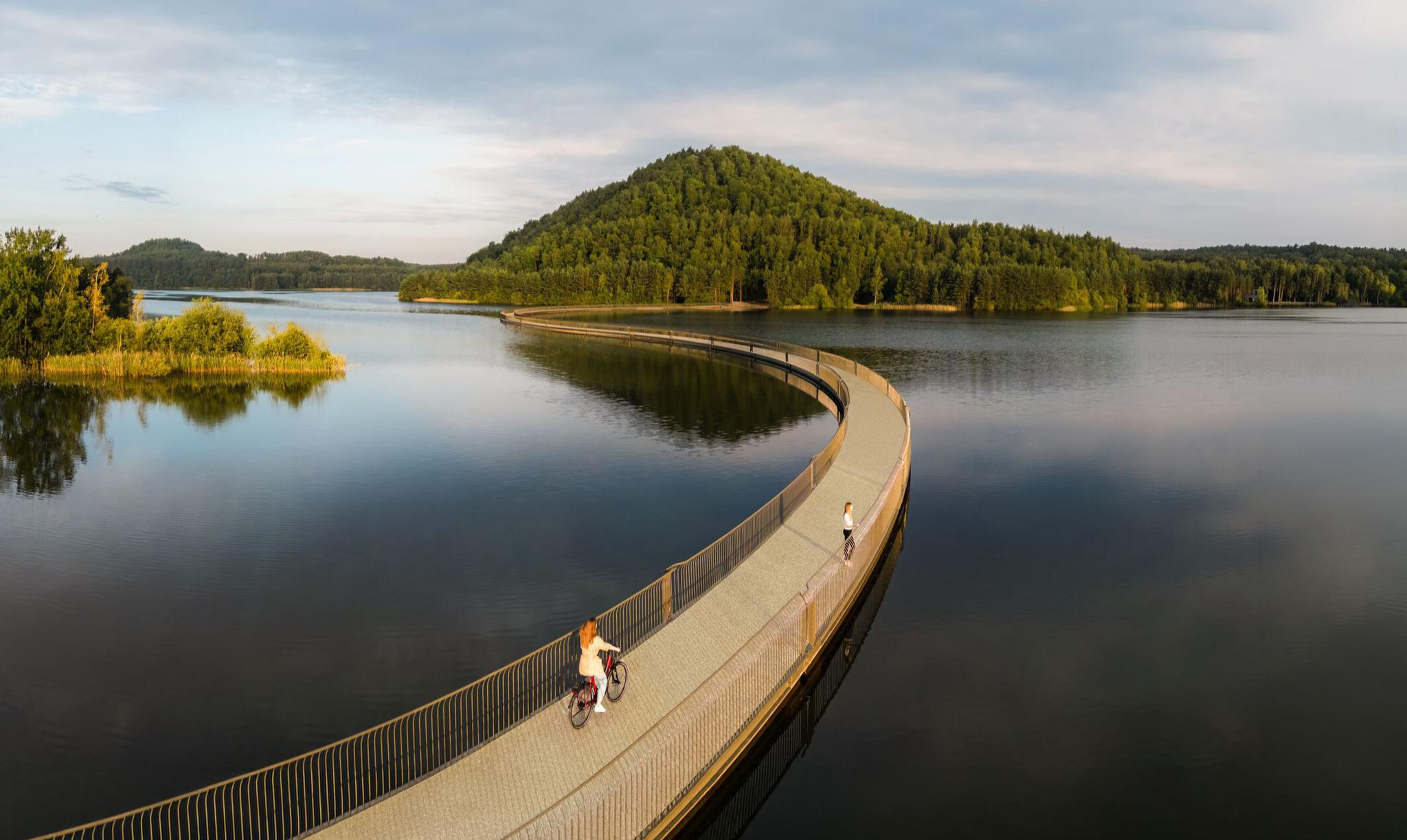
- The most popular attractions is Cycling Through the Water — Fietsen Door Het Water (Bokrijk), a cycle way that offers a unique experience of riding at eye level with the water. This path takes cyclists and walkers through a pond for more than 200 meters, providing a distinct view of nature.
- Another must-see spot is Market Square, Bruges, a historical site that has served as the heart of Bruges for centuries. Visitors can admire the 83-meter-high Belfry, the Provincial Court, and colorful stepped gables surrounding the square.
- Visitors also love Cycling through the Trees, a cycle way that allows riders to experience the forest from a unique perspective. This architectural feature in the Pijnven in Hechtel-Eksel gradually rises to a height of 10 meters, offering views among the treetops.
- Flanders is known for its historical sites, unique cycling experiences, and natural reserves. The region offers a variety of attractions to see and explore, from medieval city centers to expansive forests and coastal areas.
- The attractions in Flanders are appreciated by the komoot community, with more than 3200 upvotes and over 1600 photos shared.
Last updated: October 9, 2026
Cycling Through the Water
Highlight • Bridge
Showing Translation
Tip by

Market Square, Bruges
Highlight • Historical Site
Translated by Google •
Tip by

Sign up now to discover places like this
Get recommendations on the best single tracks, peaks, & plenty of other exciting outdoor places.
Cycling through the Trees
Highlight • Cycleway
Translated by Google •
Tip by

Bruges Town Hall
Highlight • Historical Site
A monumental staircase leads to the Gothic Hall on the first floor, where murals from the early 20th century depict the history of Bruges. The vault with original polychromed consoles from the 14th century also catches the eye. In the adjoining historic room, even more of Bruges' administrative history comes to life through original documents and paintings.
On the ground floor you come face to face with life-size portraits of former rulers: mayors, kings, emperors and even Napoleon. You'll also get an insight into the development of the castle and the square in front of the town hall, once the civic and religious administrative center of the city.
Translated by Google •
Tip by

Maas River Dike Cycling Path
Highlight (Segment) • Cycleway
Translated by Google •
Tip by

Bonifacius Bridge
Highlight • Bridge
Translated by Google •
Tip by
Bruges Canals (Brugse Reien)
Highlight • River
Translated by Google •
Tip by
Old Civil Registry
Highlight • Historical Site
Translated by Google •
Tip by
Schellemolen Windmill, Damme
Highlight • Monument
Source Info: visitdamme.be/schellemolen
Translated by Google •
Tip by

Connecterra, Hoge Kempen National Park
Highlight • Monument
Showing Translation
Tip by
Sign up for free to discover even more attractions in Flanders.
Already have an account?
Start today with a free account
Your next adventure awaits.
Popular around Flanders
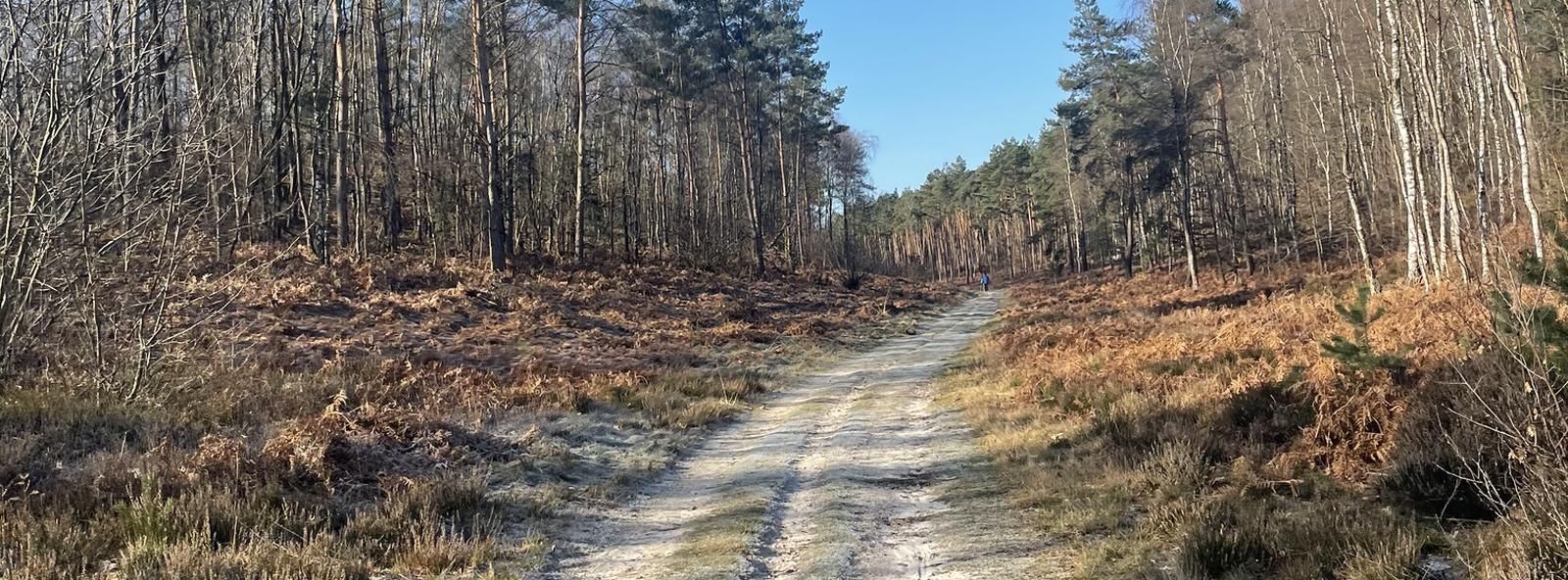
Belgium’s Hoge Kempen and Meuse Valley – Bram Tankink’s best rides
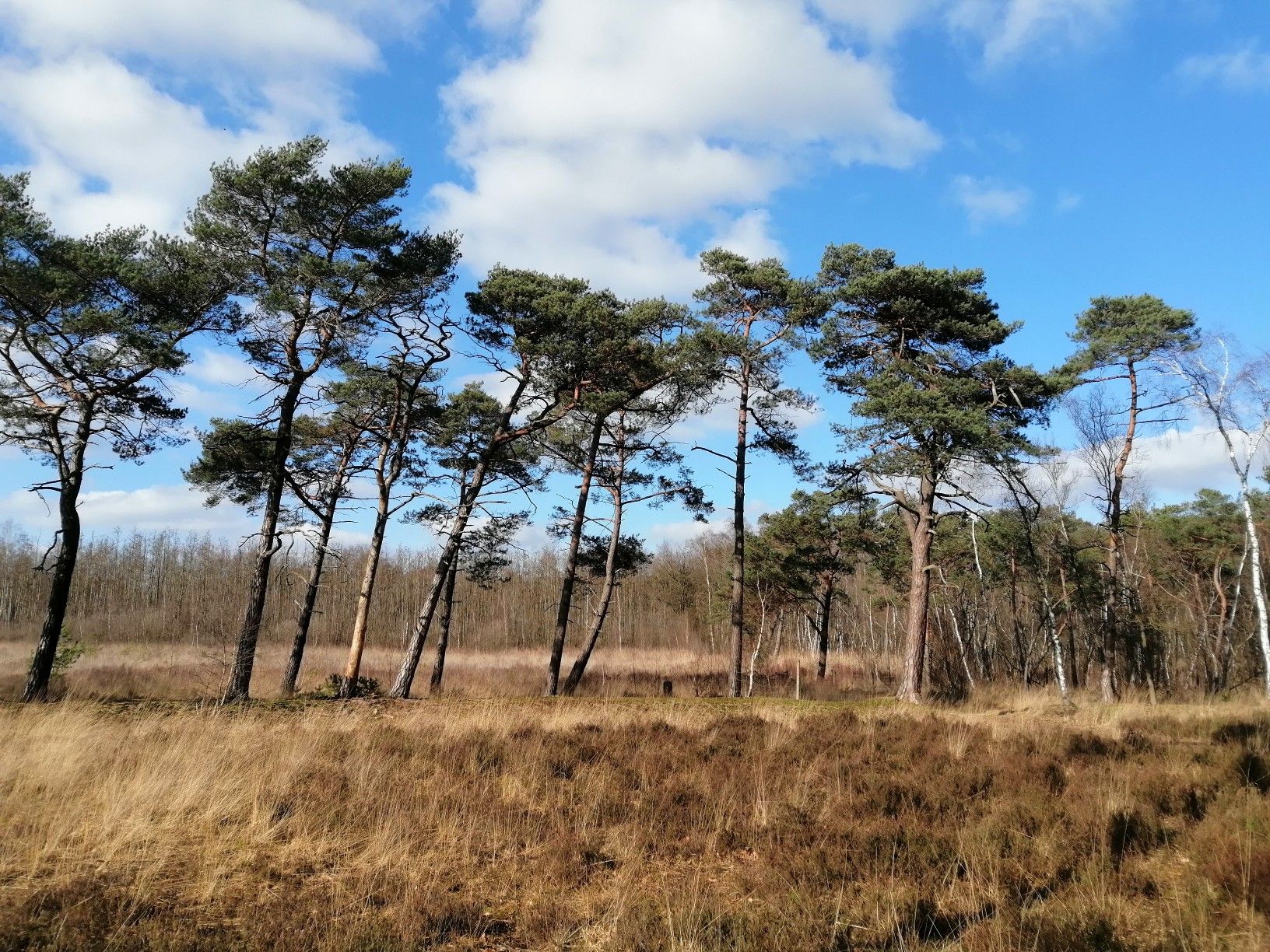
From Flanders to the Ardennes — GR 5 in Belgium
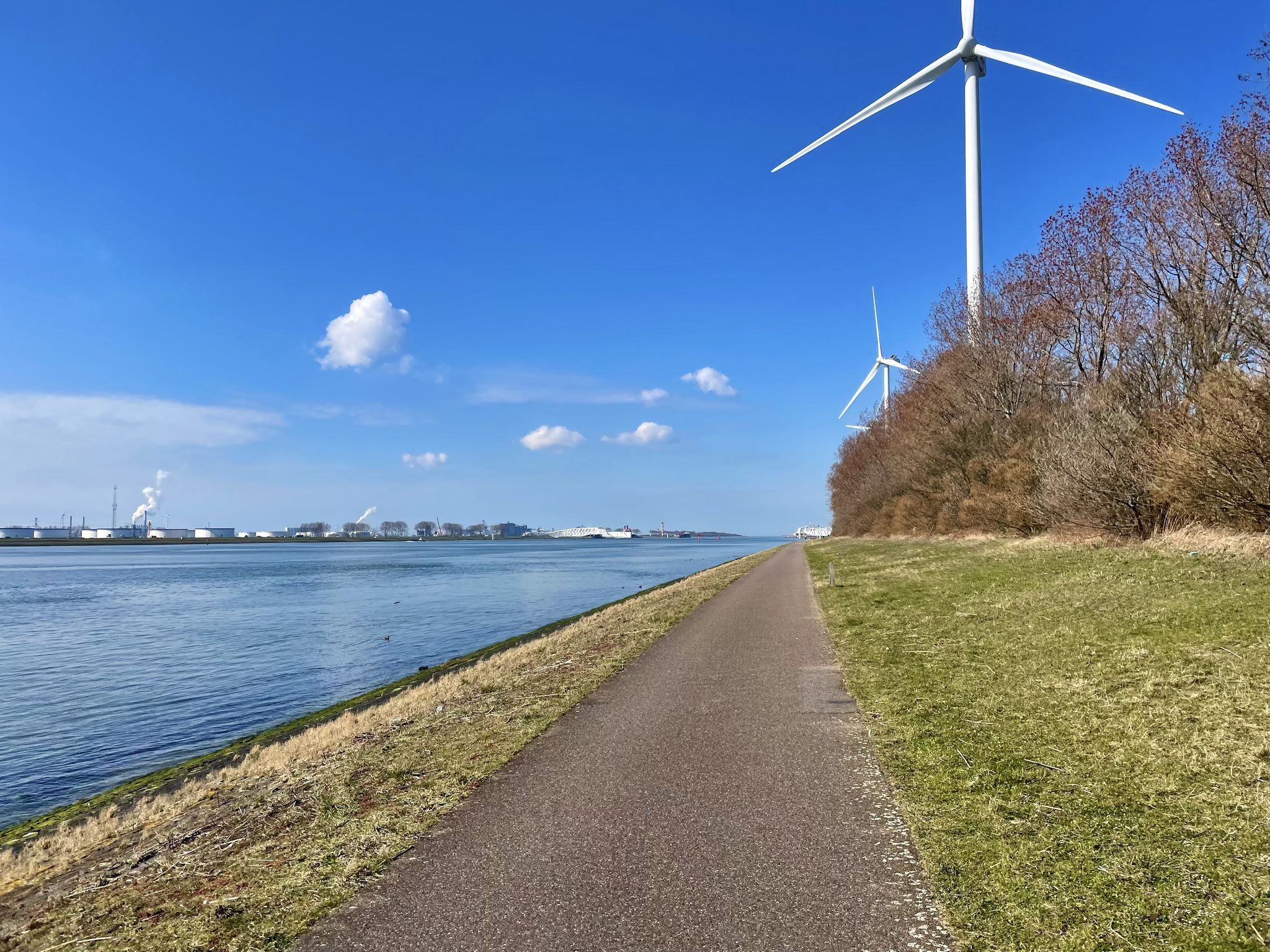
The Meuse Cycle Route - Follow the Meuse from the hills to the harbor
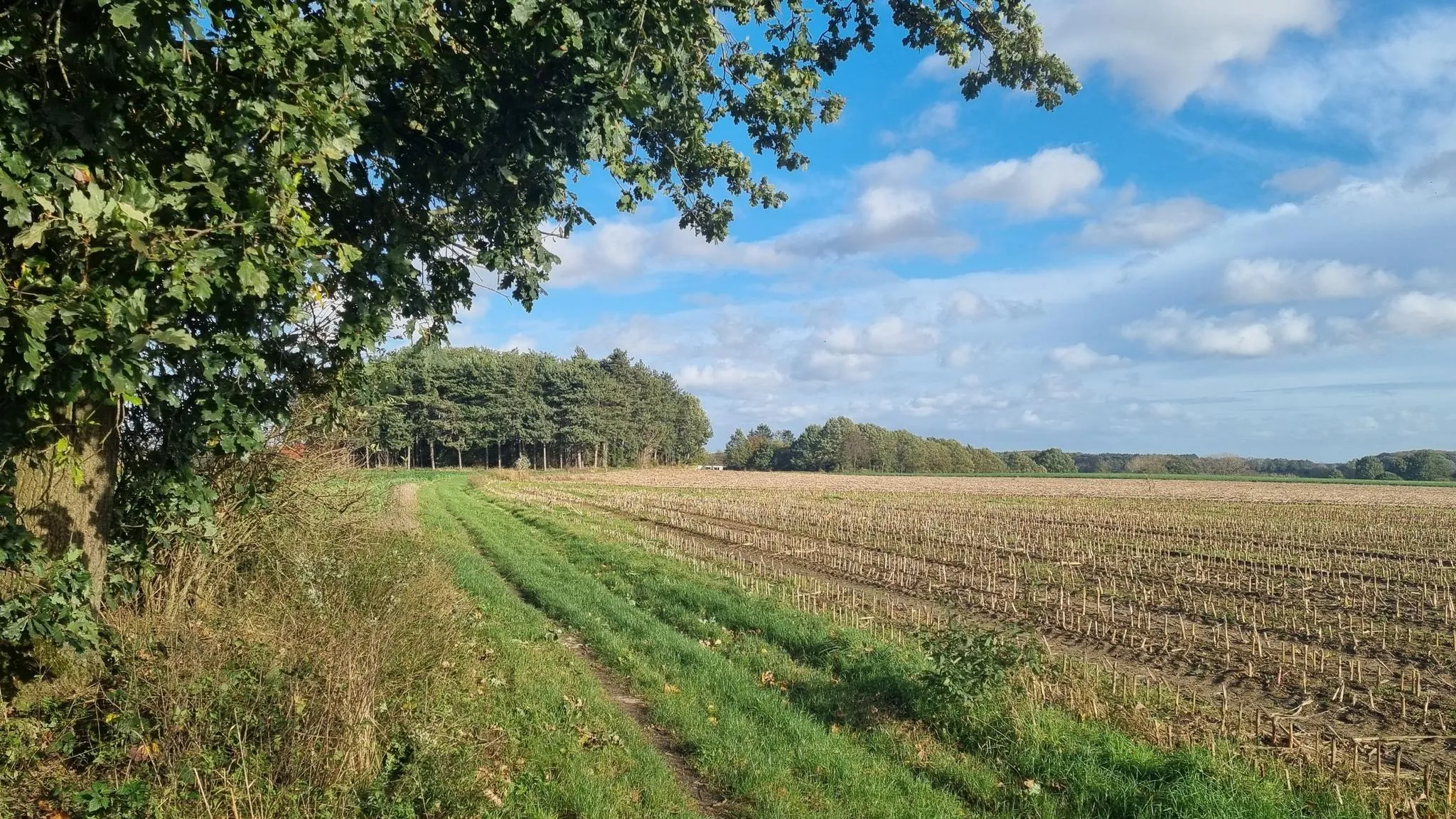
Streek-GR Hageland – Hollow roads and endless fields
Trappist abbeys cycle route – Between beers and heritage
Flanders Divide - Across Flanders
Around the World in 80 Days
From Amsterdam to London - along the North Sea and across the water
The North Sea Coast Cycle Route — Netherlands and Belgium
Three days through Belgian Limburg – art, heritage and views
Other adventures in Flanders


Tips from the Community

Connecterra is the main gateway to Hoge Kempen National Park. This unique area is located on the former mining site of Eisden, bordering Dilsen-Stokkem. A quarter of a century ago, the mine was still operating at full capacity; now it is a true nature paradise. There are big plans for this area in the making for the coming years, respecting both nature and cultural heritage. The hiking area has been developed and the routes offer some of the most beautiful panoramas in Flanders, with a breathtaking scenery of mountains and lakes. In total, five routes will lead you through the area. The hiking area connects to the 'Mechelse Heide' and 'Station As' walking paths. In the new visitor center, you will find information about the national park and can relax with a drink in the tearoom. Outside, children can have fun in the playground. The spiral tower is accessible up to the first floor and offers a glimpse of what Connecterra has to offer.
4
0
The cycle path through the water leads cyclists over a 212-meter-long and three-meter-wide concrete path, with water at eye level on both sides. Swans and other waterfowl swim along the banks, curiously watching the cyclists. Since its opening, interest in this unique cycle path has been enormous. On average, 800 visitors per day explore this unforgettable part of the Limburg cycle network, with peaks on Saturdays and Sundays, and on some days even up to 5,000 cyclists.
6
1

The coal mining past lives on...
9
2

The two winding towers commemorate the history of coal mining. In less than a decade, the history of coal mining in the Hoge Kempen region drastically changed the landscape. The last coal mine (Eisden) closed in 1901. In those 1989 years, the landscape transformed from a "rural" landscape of mainly heathland, moors, and dunes to an "industrial" landscape with winding towers, slag heaps, pine forests for timber harvesting, and quarries for raw materials.
4
1

The western headframe of the former Eisden mine was converted into the Visitor Center of the Hoge Kempen National Park. Those who choose Terhills as a base for exploring the National Park will be guided through the headframe, with a cafeteria, shop and information center on the ground floor. The existing wooden reception building has been preserved but has a different function. https://www.nationaalparkhogekempen.be/nl/schachtbok
11
2

The Schellemolen is a stone windmill in Damme, Belgium. The white-painted mountain mill dates from 1867 and replaced an earlier standard mill. There has been a mill on this spot along the Damse Vaart since 1479. The mill is equipped with two pairs of stones and an oil mill in the basement. The mill operation was stopped in 1963, after which the Schellemolen fell into disrepair. In 1971 the province of West Flanders bought the mill and had it restored. In 1977 it was able to grind again. The mill can be visited every weekend from April 1 to September 20.
3
0

Windmills, just as you would imagine in this area.
6
1
One day at the beginning of the twentieth century, the then owner of the Arentshuis and the garden of the property were expropriated. The city council believed that the garden should be made public and that there should be a museum. In addition, there had to be a connection with the other part of the Arentshof. For this purpose, a simple bridge was built over the Reie in 1911, the Bonifacius Bridge. It became one of the most photogenic bridges in Bruges and much of the rest of the world. Who ever visited Bruges and didn't take pictures?
10
0
Frequently Asked Questions
What unique cycling experiences can I find in Flanders?
Flanders offers innovative cycling experiences that allow you to immerse yourself in nature. You can try Cycling Through the Water — Fietsen Door Het Water (Bokrijk), where you ride at eye level with the water for over 200 meters. Another popular option is Cycling through the Trees in Hechtel-Eksel, an architectural marvel that gradually rises to 10 meters, offering unique views among the treetops.
Are there historical city centers or landmarks worth visiting in Flanders?
Absolutely. Flanders is rich in history. The Market Square, Bruges, is a historical heart with the impressive 83-meter-high Belfry and colorful gabled houses. In Bruges, you can also visit the Bruges Town Hall, one of the oldest in the Low Countries, and explore the picturesque Bruges Canals (Brugse Reien), often referred to as the 'Venice of the North'.
What natural attractions or reserves can I explore in Flanders?
Beyond its cities, Flanders boasts beautiful natural areas. The Hoge Kempen National Park offers extensive pine forests and blooming heather. You can also visit the Zwin Nature Reserve, a coastal area known for its unique ecosystem, or enjoy the serene Maas River Dike Cycling Path for scenic views along the river.
Are there family-friendly attractions in Flanders?
Many attractions in Flanders are suitable for families. The unique cycling experiences like Cycling Through the Water and Cycling through the Trees are popular with all ages. Historical sites such as the Market Square, Bruges, and the Bruges Canals offer engaging experiences for children and adults alike. The Eisden Mine Headframes and Visitor Center also provides an interesting historical and educational outing.
What kind of outdoor activities can I do near these attractions?
Flanders offers a variety of outdoor activities. For running enthusiasts, there are numerous trails like the 'Loop around the water sports course' or 'Exploring in the Kluisbos'. Hikers can enjoy routes such as the 'Duinbossen Trail' or the 'Mechelse Heide Red Triangle Trail'. Cyclists have options like the 'Tour of Flanders cycling route: blue loop' or the 'Flandrien Loop'. You can find more details on these activities in the dedicated guides for Running Trails in Flanders, Hiking in Flanders, and Road Cycling Routes in Flanders.
Are there any notable historical sites related to industry or mining in Flanders?
Yes, you can visit the Eisden Mine Headframes and Visitor Center, located within the Connecterra area of the Hoge Kempen National Park. This site offers a glimpse into the region's industrial past and its transformation into a natural and recreational area.
What are some picturesque spots for photography in Flanders?
Flanders is full of photogenic locations. The Market Square, Bruges, with its Belfry and historic buildings, is a classic. The Bonifacius Bridge in Bruges, despite being one of the city's youngest, offers a mysterious and romantic atmosphere perfect for capturing the essence of the canals and overhanging half-timbered houses. The unique Cycling Through the Water path also provides striking visual opportunities.
Can I find historical windmills in Flanders?
Yes, you can encounter historical windmills that add to the picturesque landscape of Flanders. An example is the Schellemolen Windmill, Damme, which stands as a testament to the region's heritage and offers a charming viewpoint.
What is the best way to experience the canals in Bruges?
To truly experience the 'Venice of the North,' take a boat cruise along the Bruges Canals (Brugse Reien). This offers a unique perspective of the city's medieval architecture, charming bridges like the Bonifacius Bridge, and hidden corners that are not accessible by foot.
Are there any UNESCO World Heritage sites in Flanders?
Yes, Flanders is home to several UNESCO World Heritage sites. The historic Beguinages in cities like Bruges, Leuven, and Lier are recognized for their unique architectural and cultural significance. For a comprehensive list of World Heritage Sites in Belgium, you can refer to Wikipedia.
What are some cultural highlights in Flanders beyond historical buildings?
Flanders offers a rich cultural scene. In Antwerp, you can visit the Rubenshuis, the former home and studio of Peter Paul Rubens, or the MAS Museum. Ghent's museum district is also notable. Bruges features unique experiences like the Historium Brugge, the Bruges Beer Experience, the Frietmuseum, and Choco-Story, a chocolate museum, offering diverse cultural insights.
How can I find information about specific destinations within Flanders?
For more detailed information on various Flemish destinations, including cities like Antwerp, Ghent, and Bruges, you can visit the official tourism website for the region. A good starting point is visitflanders.com.
Most popular routes in Flanders
Most popular attractions in Flanders

Get inspired with the komoot mobile app


Didn’t find what you were looking for?
Are you keen on exploring more awesome places nearby? Browse our guides:
Explore more
Still not found the Highlight you’re looking for? See guides of the top attractions in other regions:
