Top 20 Castles in Harju
Castles in Harju County, Estonia, showcase a rich history through their diverse fortifications and estates. This region features a range of architectural styles, from ancient ruins to well-preserved palaces, reflecting centuries of historical significance. Located near Tallinn, these sites provide insights into Estonia's past rulers and cultural heritage. Visitors can explore these landmarks, which include medieval strongholds, Baroque palaces, and Neo-Gothic manor houses.
Best castles in Harju
- The most popular castles is Toompea Castle (Estonian Parliament), a castle that…
Last updated: October 17, 2026
Alexander Nevsky Cathedral
Highlight • Religious Site
Translated by Google •
Tip by

Toompea Castle (Estonian Parliament)
Highlight • Castle
Translated by Google •
Tip by

Sign up now to discover places like this
Get recommendations on the best single tracks, peaks, & plenty of other exciting outdoor places.
Tallinn City Wall
Highlight • Monument
Translated by Google •
Tip by

Toompea Hill (Domberg)
Highlight • Historical Site
Showing Translation
Tip by

Fat Margaret Tower (Paks Margareeta), Tallinn
Highlight • Monument
Source: Wikipedia
Translated by Google •
Tip by

Hellemann Tower and Town Wall, Tallinn
Highlight • Historical Site
Translated by Google •
Tip by

Danish King's Garden (Taani Kuninga Aed)
Highlight • Historical Site
Translated by Google •
Tip by

Toompea (Upper Town of Tallinn)
Highlight • Historical Site
Translated by Google •
Tip by
Kadriorg Palace
Highlight • Castle
Translated by Google •
Tip by

Tallinn's Old Town
Highlight • Historical Site
Translated by Google •
Tip by

Sign up for free to discover even more castles in Harju.
Already have an account?
Start today with a free account
Your next adventure awaits.
Popular around Harju
Best Cycling Routes in Western Estonia and Matsalu National Park – Coastal Nature, Wetlands & Nordic Heritage
Best of National Cycling Routes in East and North Estonia – Ida-Virumaa County
Hiking in Harju
Cycling in Harju
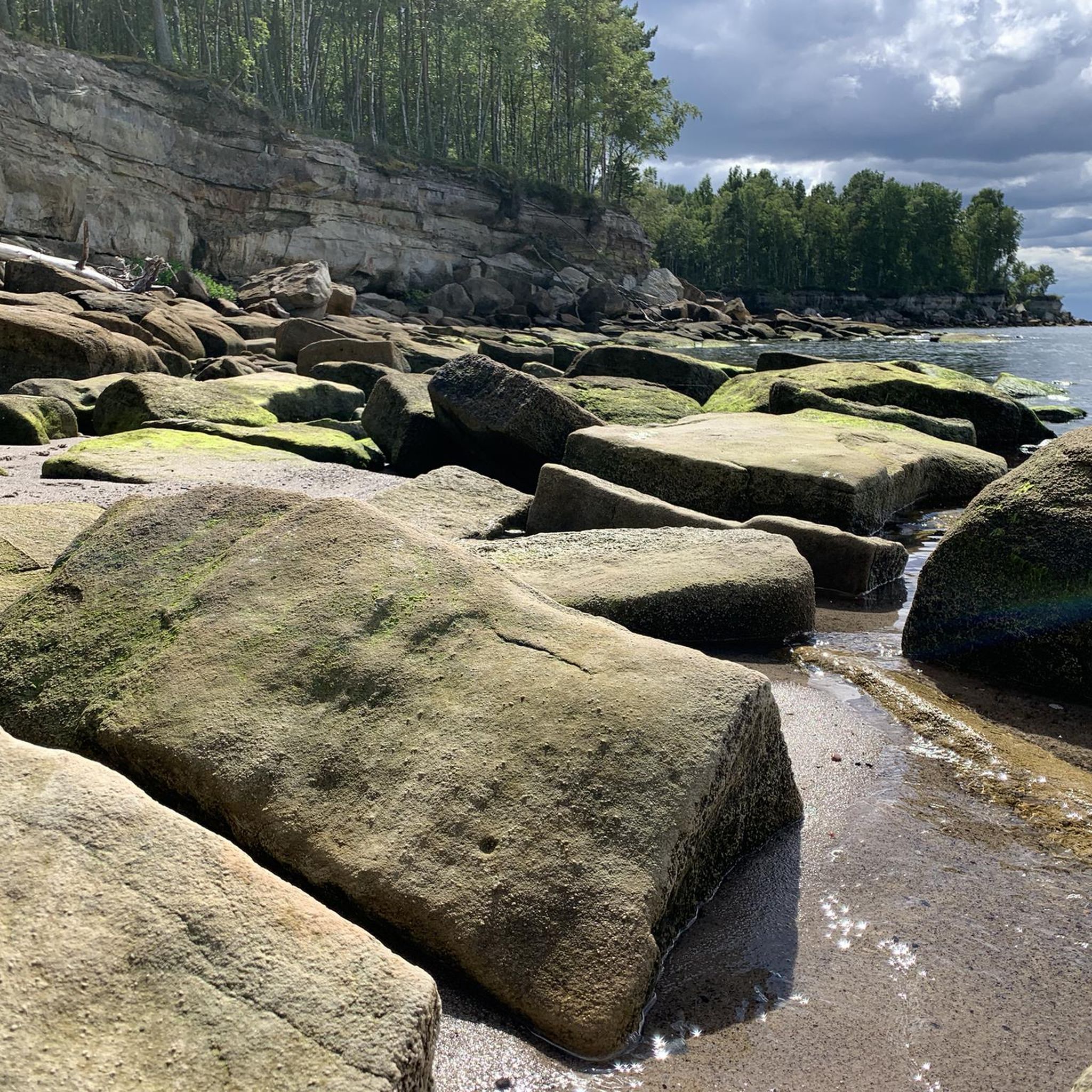
Road Cycling Routes in Harju
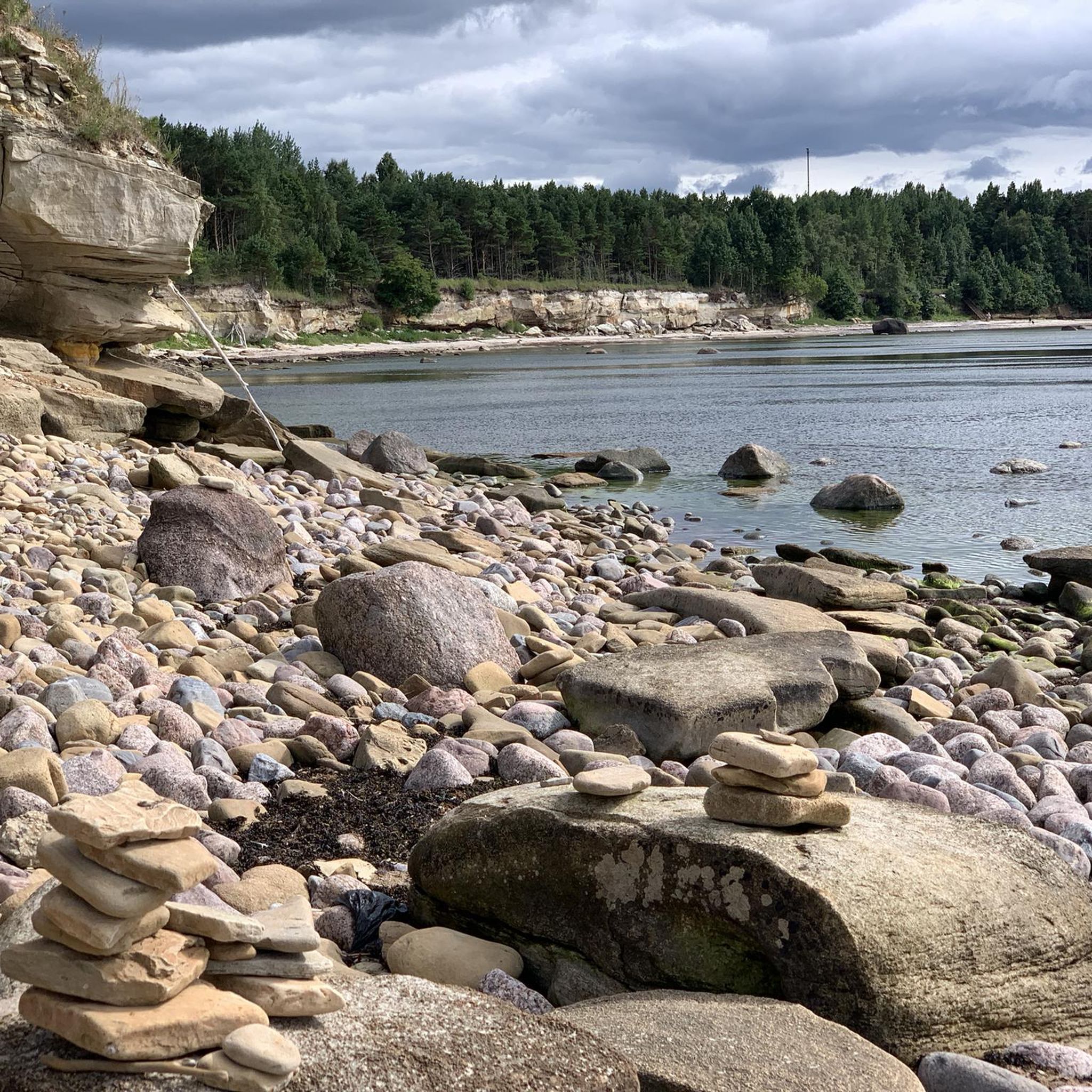
Running Trails in Harju
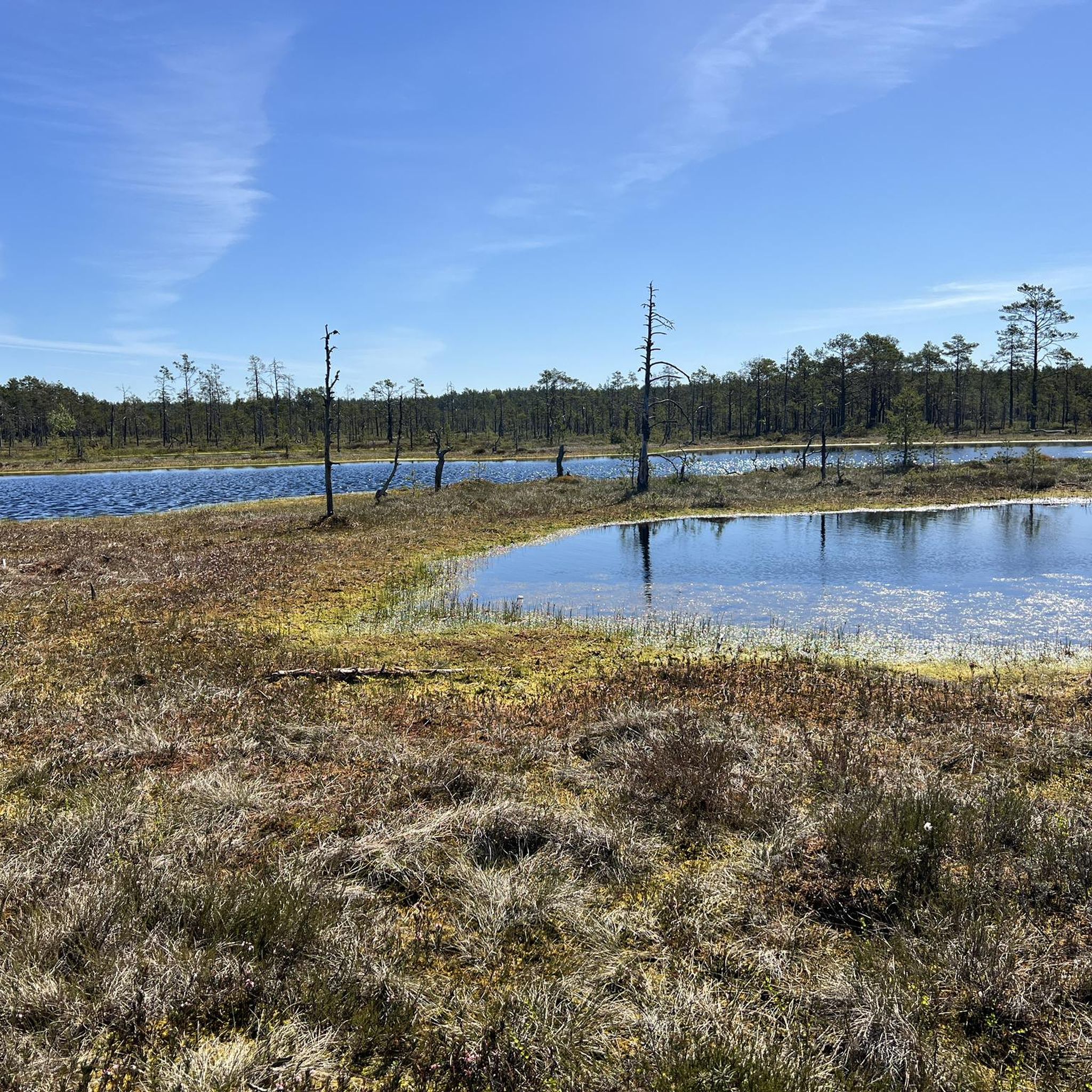
MTB Trails in Harju
Gravel biking in Harju

Tips from the Community

Up here there is a museum, which includes some towers with exhibitions and access to the underground catacombs.
3
0
Kadriorg Park is the most outstanding palace and city park in Estonia, spreading over an area of approximately 70 hectares. The park's construction began in 1718 at the order of Tsar Peter I. In Kadriorg Park, you can see characteristic elements of park design from the 18th, 19th, and 20th centuries. The most popular park paths are found in the area of the Swan Pond, adorned with flowerbeds. The promenade leading from there to the palace is also very popular.
3
0

Where to start here, you spend hours here and still don't see everything.
8
0

The first recorded mention of the gate as a clay gate dates back to 1362. The name derives from the clay pits that existed in this area outside the city wall at that time. In 1454, the gate complex received a foregate. Between the main gate and the foregate stood a fortified water mill, which remained in use until the 19th century. After the gate lost its military function, the five-story main tower was demolished in 1843. The actual gate was demolished in 1888. The secondary towers of the foregate, designed as round towers, survived.
0
0
With the remaining 2 kilometers of the original city walls, Tallinn boasts one of the best-preserved medieval fortifications in Europe. It is largely this system of walls and towers that gives the Old Town its fairytale charm.
2
0

Construction of the new Catherine Palace began on July 25, 1715. Peter and Catherine visited the unfinished residence on several occasions, but after the Tsar's death in 1725, Catherine no longer showed any interest in the seaside estate. The ballroom, bearing Catherine's monogram and its lavish stucco decoration (attributed to Heinrich von Bergen), survived, while many other parts of the interior were redesigned.
5
0
In the Danish King's Garden you will find a beautiful view of the Lower Town, as well as the three monk sculptures, a café in the castle wall, the "Red Lion" cannon and the museum in the Maids' Tower.
5
0

The upper town is well worth seeing and it is fun to stroll along here.
2
2
Frequently Asked Questions
What types of historical sites can I expect to see in Harju County?
Harju County offers a diverse range of historical sites, from ancient ruins to well-preserved palaces. You'll find medieval strongholds, Baroque palaces like Kadriorg Palace, and Neo-Gothic manor houses such as Laitse Castle. These sites reflect centuries of historical significance and various architectural styles.
Are there family-friendly castles or historical sites in Harju County?
Yes, several sites in Harju County are suitable for families. Kadriorg Palace, with its extensive park and art museum, is a great option. The Alexander Nevsky Cathedral and Toompea Castle grounds are also generally accessible and interesting for all ages. Many of the city wall sections, like the Tallinn City Wall, offer engaging walks.
What outdoor activities can I do near the castles in Harju?
Many castles in Harju are close to beautiful natural areas. For instance, you can find various running and hiking trails. Explore routes like the 'Alexander Nevsky Cathedral – Toompea Hill (Domberg) loop from Tallinn' or the 'Glehni Park Stone Statue loop from Nõmme-Mustamäe maastikukaitseala'. For more options, check out the Hiking in Harju or Running Trails in Harju guides.
Which castles in Harju County offer notable viewpoints?
Several historical sites in Harju provide excellent viewpoints. Toompea Hill (Domberg) itself offers panoramic views of Tallinn. The Tallinn City Wall and its towers, including Fat Margaret Tower and Hellemann Tower, also provide elevated perspectives of the city's historic architecture.
What is the best time of year to visit the castles in Harju?
The best time to visit castles in Harju is generally during the warmer months, from late spring to early autumn (May to September). During this period, the weather is pleasant for exploring outdoor grounds and parks, and most attractions have extended opening hours. However, some sites, especially those indoors like museums, are accessible year-round.
Are there any castles in Harju County that are particularly well-preserved or restored?
Yes, Kadriorg Palace is an exceptionally well-preserved imperial summer residence from the early 18th century. Laitse Castle, though a Neo-Gothic manor from 1892, has been fully renovated and now functions as a hotel and event venue, maintaining its historical charm.
Can I visit castles in Harju County using public transport?
Many of the prominent castles and historical sites, especially those within or very close to Tallinn, are easily accessible by public transport. For example, sites on Toompea Hill like Toompea Castle and Alexander Nevsky Cathedral, and Kadriorg Palace, are well-connected by Tallinn's bus and tram network. For sites further afield, local bus services are often available, though planning ahead is recommended.
What is the historical significance of Toompea Castle?
Toompea Castle has been a center of power in Estonia since the 13th century, built under Danish rule. It has been governed by various powers, including the Teutonic Order, Swedes, and the Russian Empire. Today, it serves as the seat of the Estonian Parliament (Riigikogu), with the Estonian flag flying from the Long Hermann tower, symbolizing the independent state.
Are there any castles in Harju County that are less known but still worth visiting?
While not a medieval ruin, Laitse Castle is a notable Neo-Gothic manor house resembling a knight's castle, built in 1892. It's fully renovated and offers a unique experience with its architecture and history. Vasalemma Manor, finished in 1893, also retains its Victorian-era appearance and impressive dolomite construction, though it currently houses a school.
What do visitors enjoy most about the castles in Harju?
Visitors frequently appreciate the rich history and diverse architecture of Harju's castles, from medieval fortifications to grand Baroque palaces. The well-preserved nature of sites like Kadriorg Palace and the historical depth of Toompea Castle are often highlighted. The scenic views from places like Toompea Hill and the charm of the Tallinn City Wall are also popular among the komoot community.
Are there any castle ruins to explore in Harju County?
Yes, the Keila Castle Ruins offer a glimpse into the region's past. These are the remnants of an unimposing fort believed to have been built by the Livonian Order between the 15th and 16th centuries. Today, they stand as a historical site surrounded by green wooded land, providing a different kind of historical exploration compared to the grander palaces.
Which castles in Harju are particularly close to Tallinn?
Many of the most prominent historical sites are located directly within or very close to Tallinn. These include Toompea Castle, Kadriorg Palace, and Maarjamäe Palace. The Tallinn City Wall and its towers are also central. Keila Castle Ruins are situated in the urban municipal town of Keila, which is also close to Tallinn.
Most popular routes in Harju
Most popular attractions in Harju

Get inspired with the komoot mobile app


Explore more
Looking for the best castles somewhere else? Discover other guides in Harju:
