Top 20 Castles in Normandy
Castles in Normandy offer a journey through centuries of architectural and cultural evolution. The region, characterized by its diverse landscapes ranging from coastal areas to inland valleys, is home to a rich collection of historical sites. These structures provide insight into Normandy's past, including its strategic importance and the lives of its former inhabitants. Visitors can explore a variety of castles, from imposing medieval fortresses to elegant Renaissance dwellings.
Best castles in Normandy
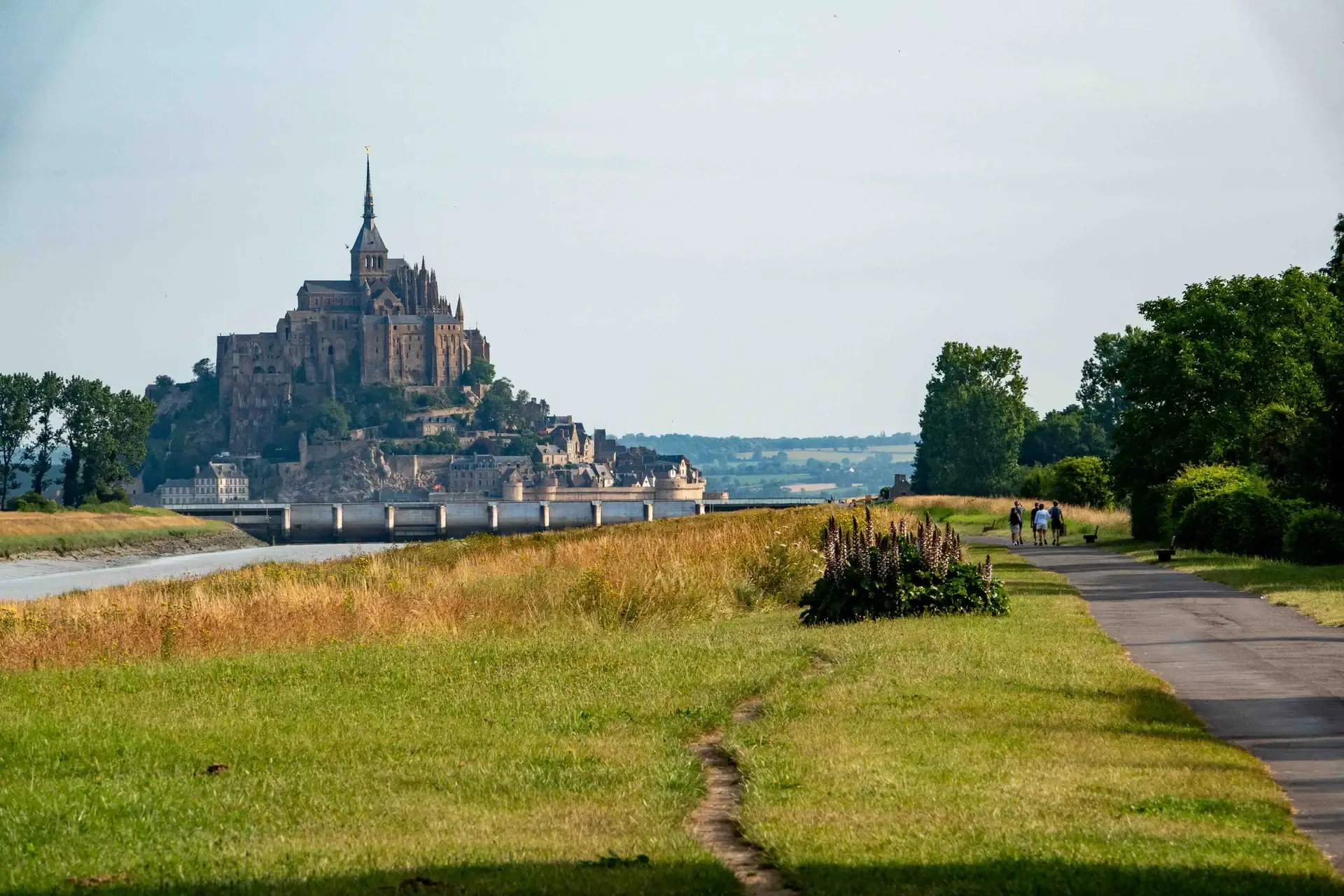
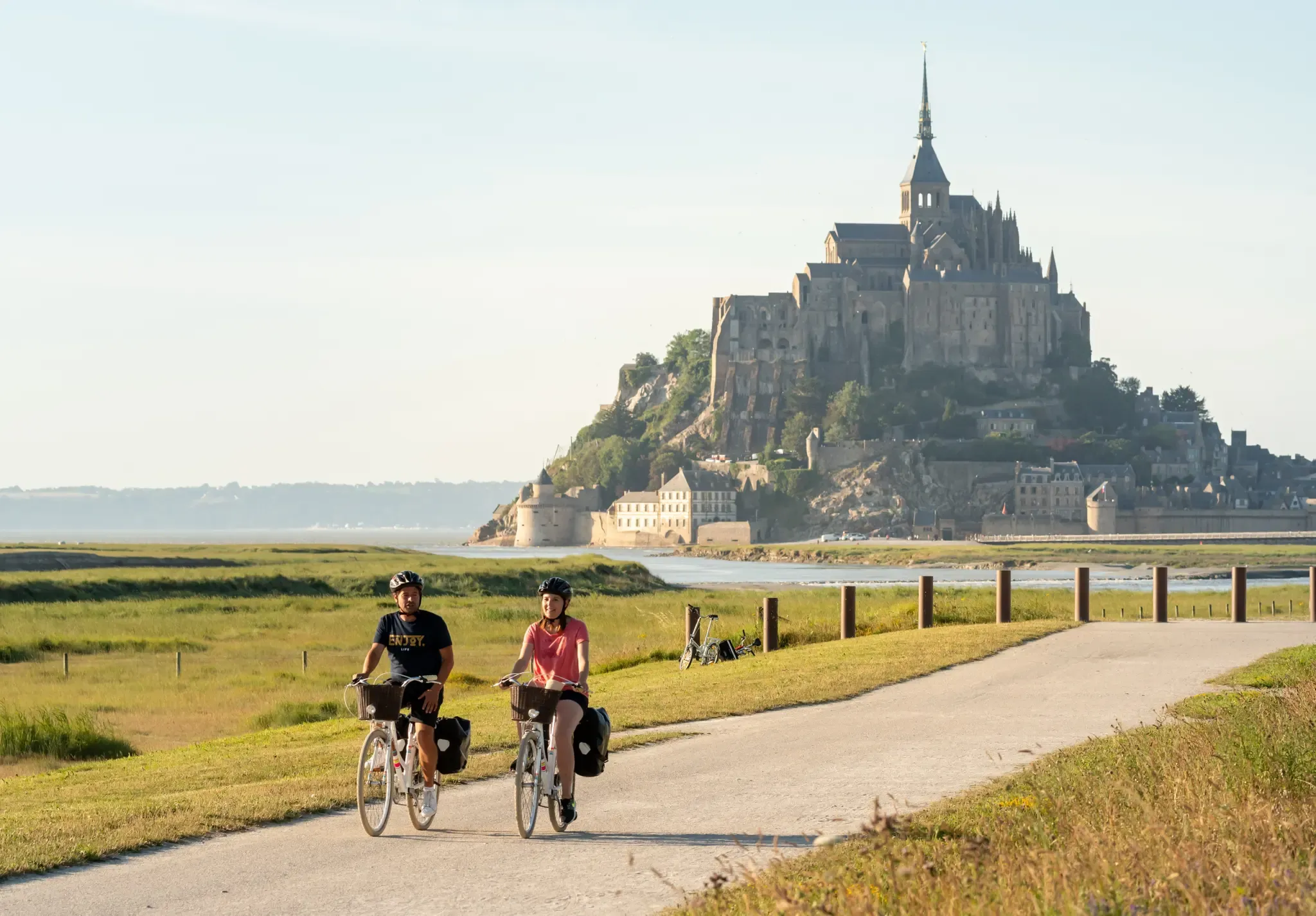
- The most popular castles is Mont Saint-Michel, a religious building and historical site. This sanctuary is famous for its monastery island and is a UNESCO World Heritage Site. Its setting in the bay is known for its fast-moving tides, creating a magical atmosphere.
- Another must-see spot is Château Gaillard, a castle and historical site. Perched on a rocky spur overlooking the Seine River, it is a masterpiece of medieval military architecture built by Richard the Lionheart. Visitors can explore the ruins of the keep, outer walls, and towers, gaining insight into medieval life.
- Visitors also love Dieppe Castle, a historical castle. This former 12th-century fortified castle, rebuilt in the 15th century, stands on the heights of the Norman town. Now transformed into a museum, it offers a view of the city and beaches from its park.
- Normandy is known for its medieval fortresses, Renaissance châteaux, and shell keep designs. The region offers a variety of castles to see and explore, each with distinct histories and architectural styles.
- The castles in Normandy are appreciated by the komoot community, with more than 1600 upvotes and over 2700 photos shared by visitors.
Last updated: October 9, 2026
Mont Saint-Michel
Highlight • Religious Site
The name Michael / Michel (coming from the Hebrew) means "Who is like God?". He is often depicted - in paintings or as a statue - with a flaming sword or lance.
Along with Raphael, Gabriel and Uriel, Michael is one of the four Archangels who (according to human conception) hold the highest rank in the heavenly hierarchy of angelic beings. Their common feast day in the calendar of saints is September 29th.
Translated by Google •
Tip by

Saint-Siméon Chapel (ruins), Omaha Beach
Highlight • Religious Site
Limestone building was built in the 13th or 14th century. It was rebuilt in the 19th century.
The chapel is mentioned in the book Pelut de Bayeux under the name
from “capella sancti simeones”.
The chapel was a place of pilgrimage until it was damaged during the landings in June 1944. Below, on the cliffside, the Saint-Siméon fountain has no longer been accessible since 1960. Until the Second World War, the faithful came to the chapel to implore Saint Simeon for healing from “fevers”: malaria called “trembling fever”, Malta fever, etc. The sick went to drink the water from the fountain, or even soaked their cloths in it. We also bathed rickety children there. The statue of Saint Simeon is preserved today.
in the church of Sainte-Honorine-des-Pertes and continues to be the object of practices
of pilgrimage.
Translated by Google •
Tip by

Sign up now to discover places like this
Get recommendations on the best single tracks, peaks, & plenty of other exciting outdoor places.
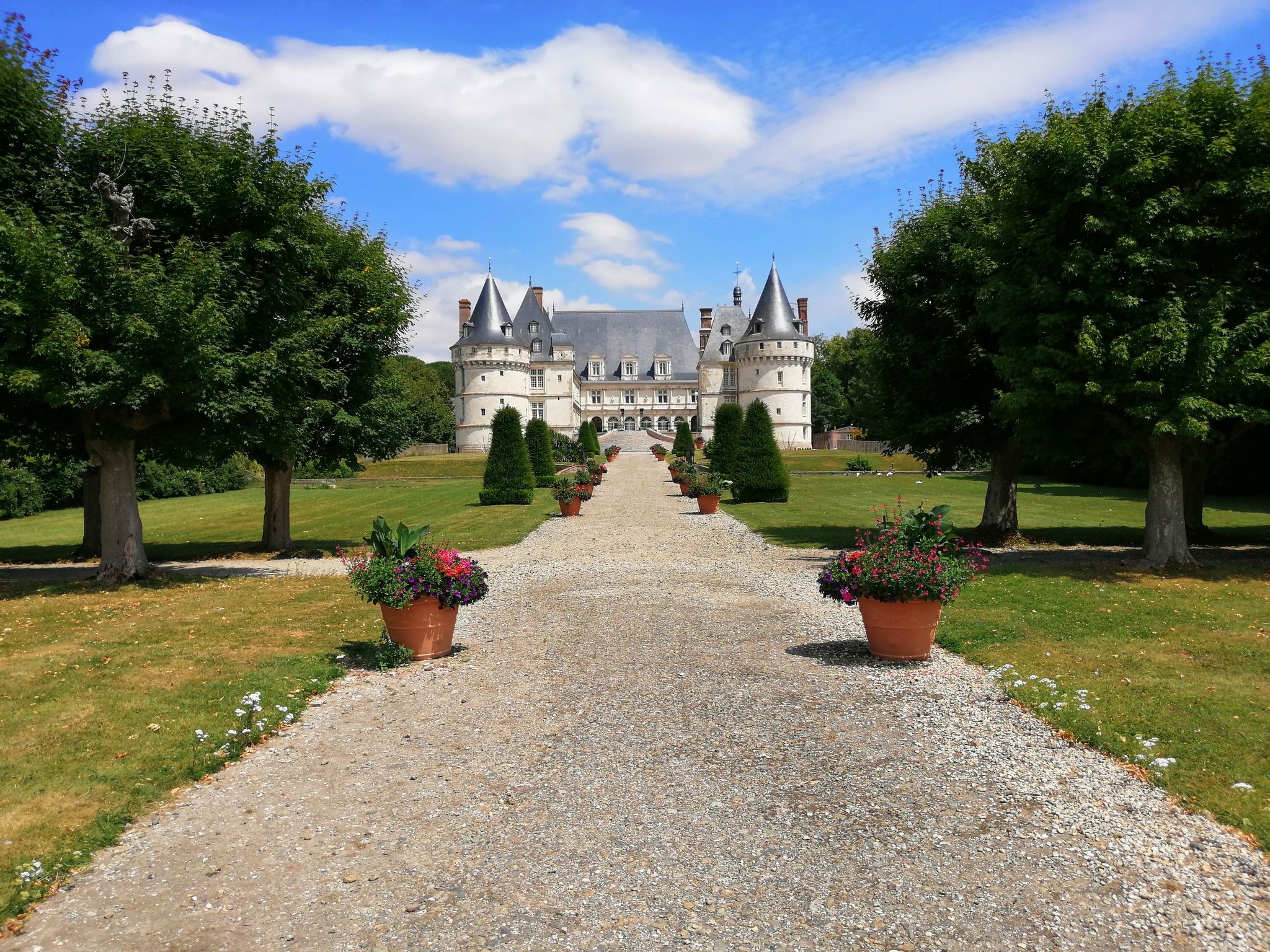
Mesnières-en-Bray Castle
Highlight • Castle
Translated by Google •
Tip by

King's Gate (Porte du Roi), Mont Saint-Michel
Highlight • Historical Site
Translated by Google •
Tip by

Ravalets Castle
Highlight • Castle
Translated by Google •
Tip by

Bénouville Castle
Highlight • Castle
Translated by Google •
Tip by

Bénédictine Palace
Highlight • Monument
You can reserve tickets for a tour online benedictinedom.com
The background: In 1863 wine merchant Alexandre Le Grand developed a recipe for an herbal liqueur flavored with twenty-seven flowers, berries, herbs, roots, and spices, helped by a local chemist, from old medicinal recipes that he had acquired from a religious foundation where a maternal grandparent had held office as a fiscal prosecutor. To market it, he embellished a story of it having been developed by monks at the Benedictine Abbey of Fécamp in Normandy, and produced by them until the abbey's devastation during the French Revolution. He began production under the trade name "Bénédictine", using a bottle with a distinguishing shape and label. To reinforce his myth, he placed the abbreviation "D.O.M." on the label, for "Deo Optimo Maximo" ("To God, most good, most great"), used at the beginning of documents by the Benedictine Order to dedicate their work. en.wikipedia.org/wiki/B%C3%A9n%C3%A9dictine#History
Tip by

Château Gaillard
Highlight • Castle
Translated by Google •
Tip by

Sissi Monument and Château of Sassetot-le-Mauconduit
Highlight • Castle
Translated by Google •
Tip by

Gisors Castle
Highlight • Castle
Translated by Google •
Tip by

Sign up for free to discover even more castles in Normandy.
Already have an account?
Start today with a free account
Your next adventure awaits.
Popular around Normandy
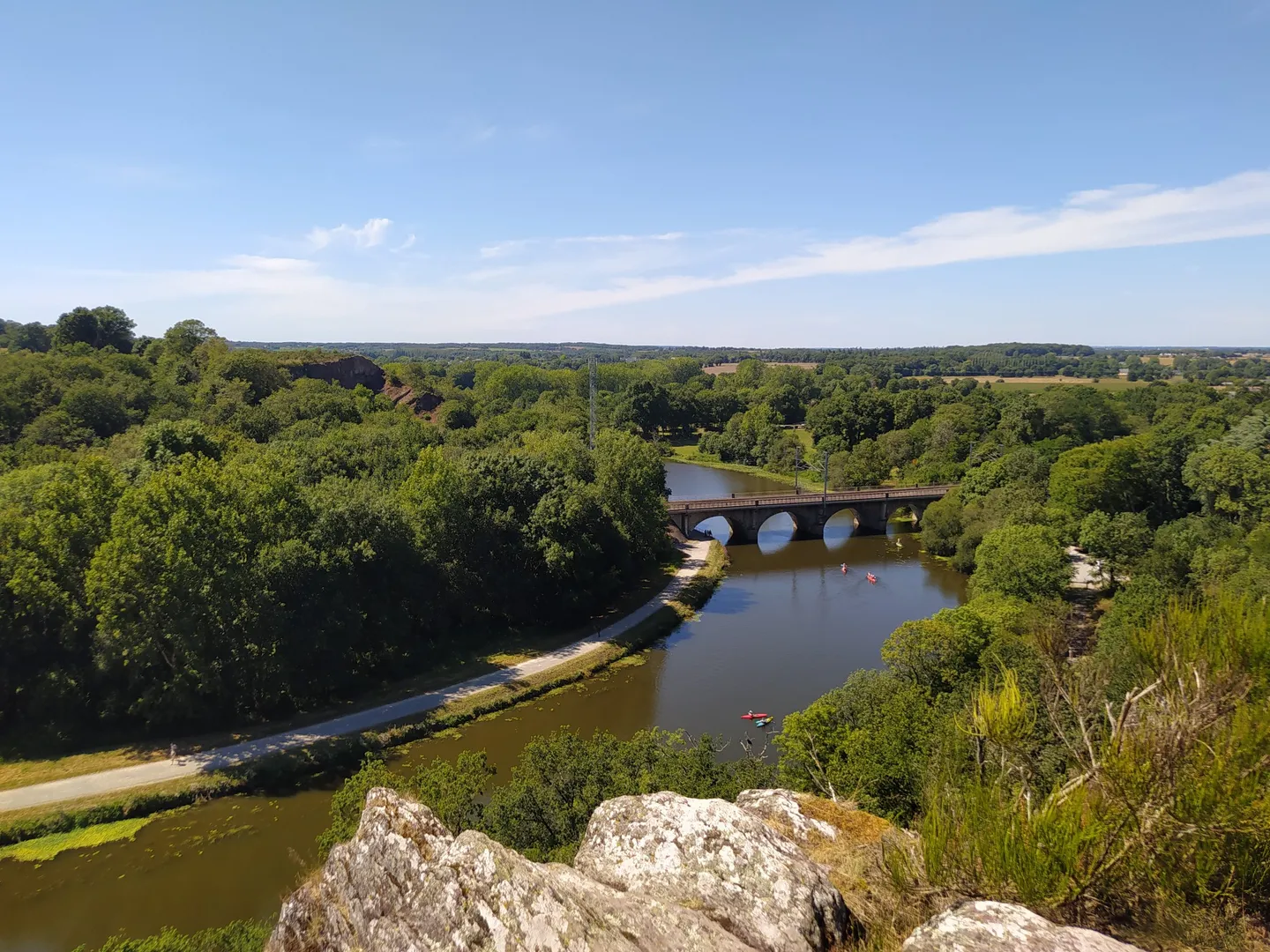
The GR 39 — On the historical traces of Brittany
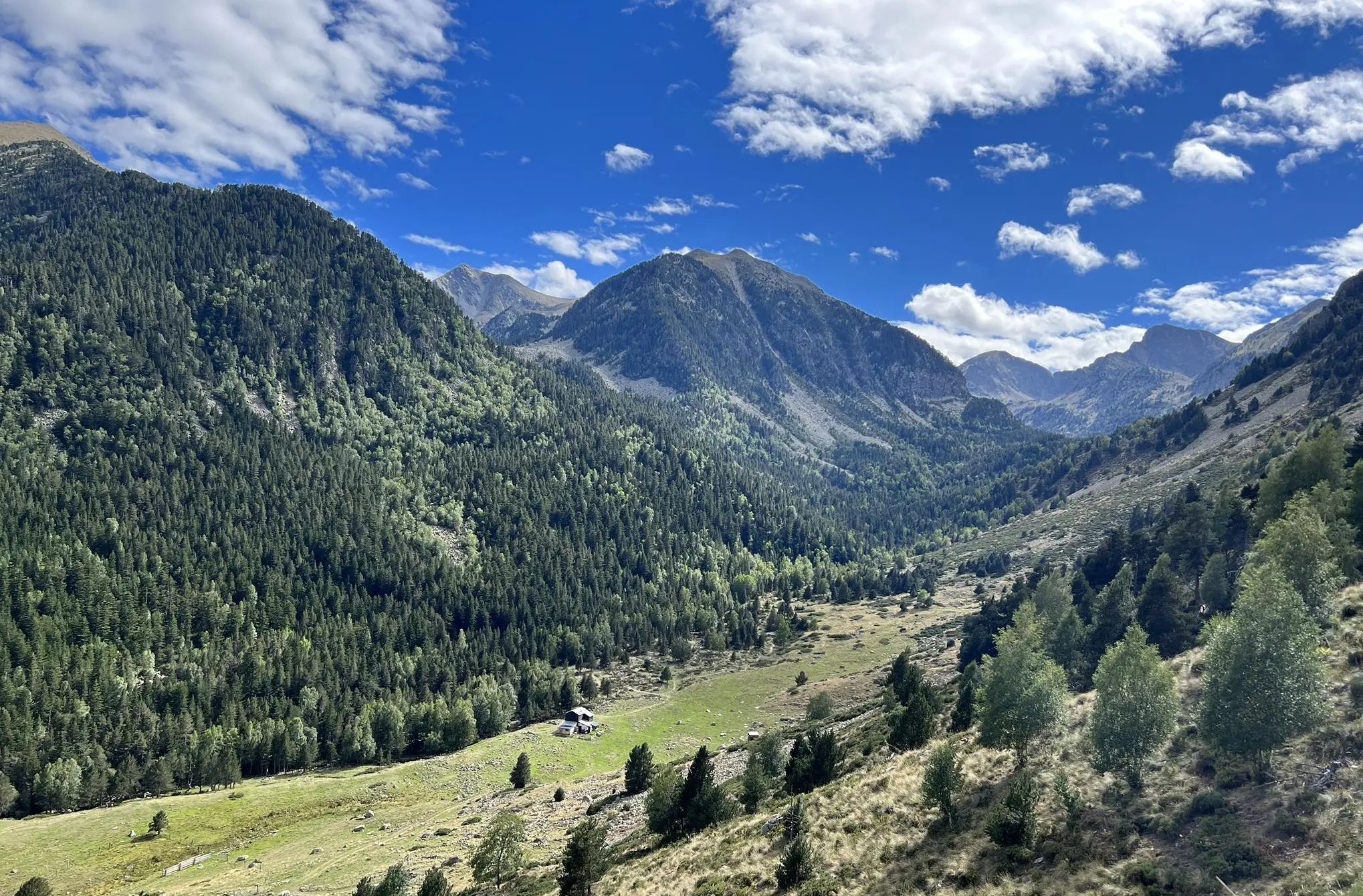
GR 36 long-distance footpath – Cross France from the Channel to the Pyrenees
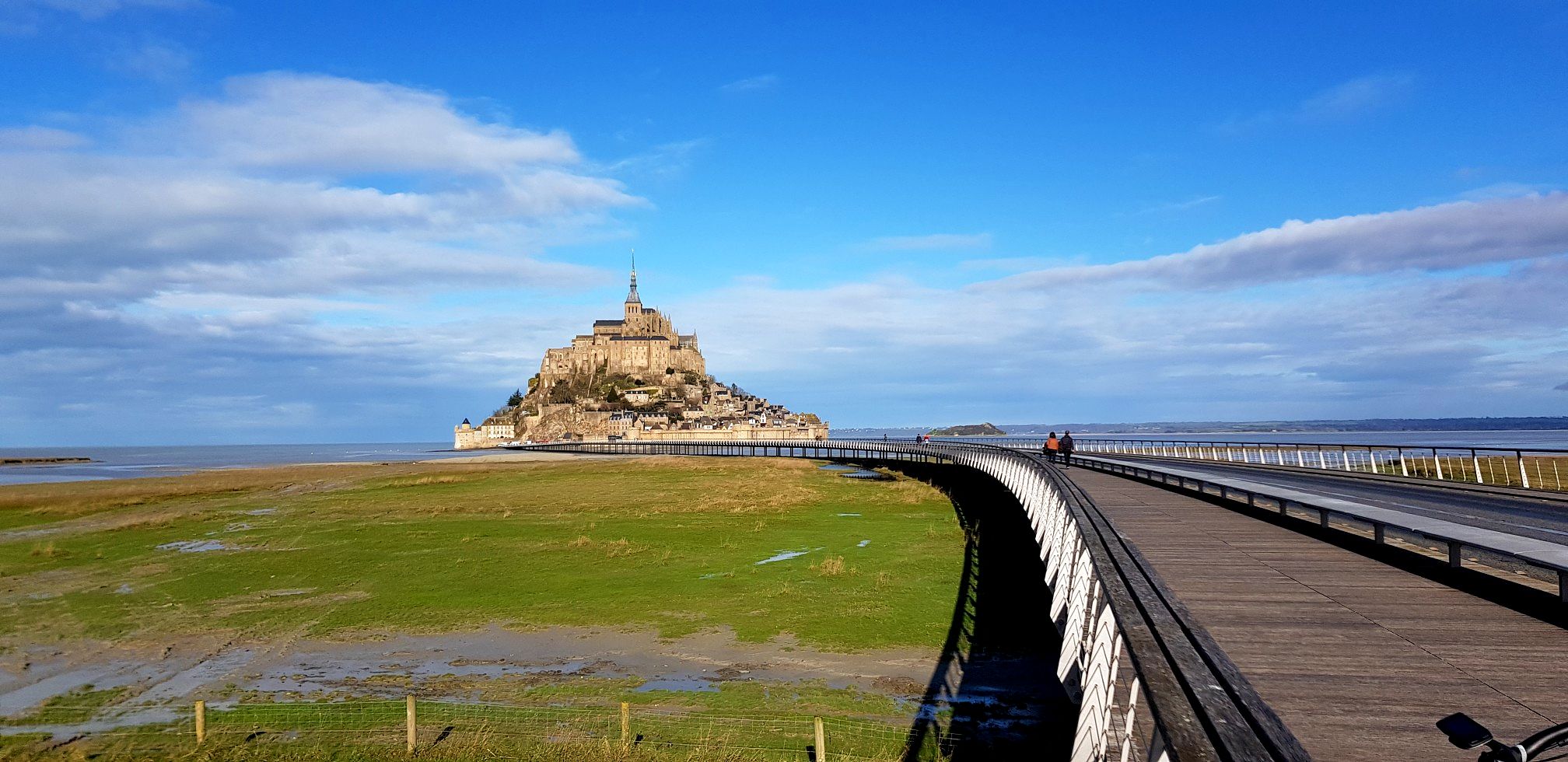
GR 22 to Mont-Saint-Michel – Miquelot's Walk
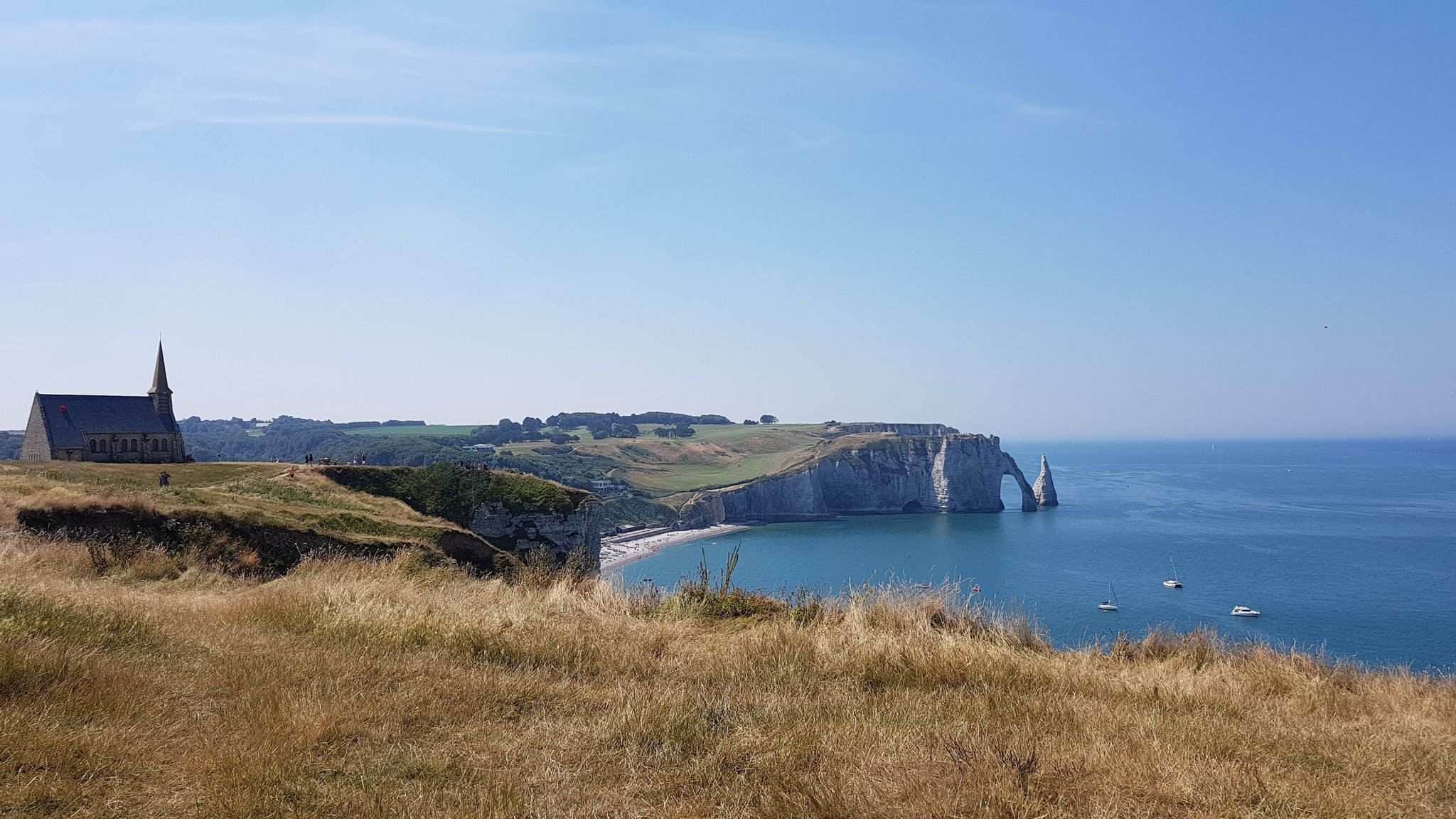
The GR 21 from Le Havre to Le Tréport — Exploring the Normandy coast
Avenue Verte – Cycling a beautiful adventure from London to Paris
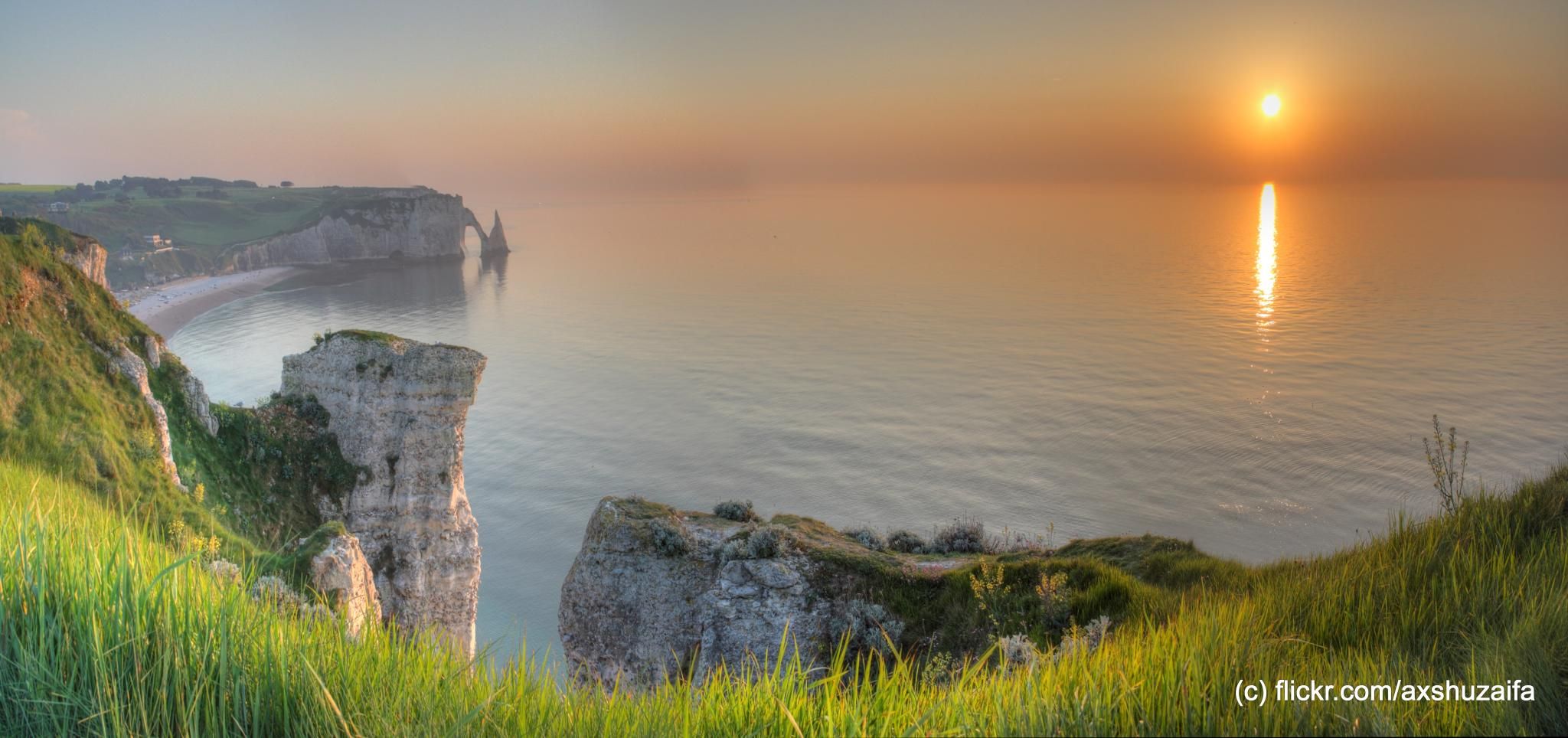
7 days on the tracks of the Impressionists in Normandy
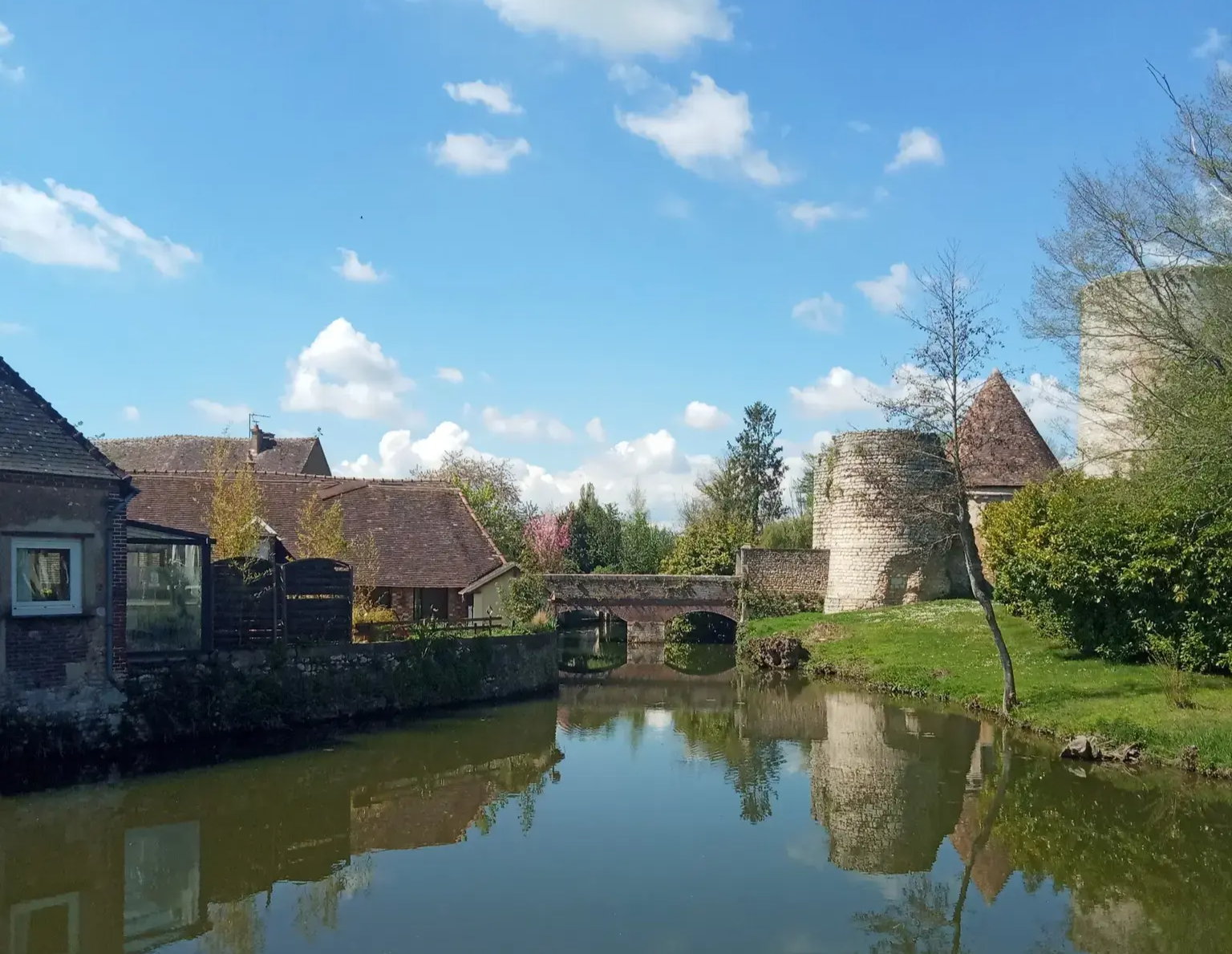
GR 35 — Walk from the Loir to the Loire
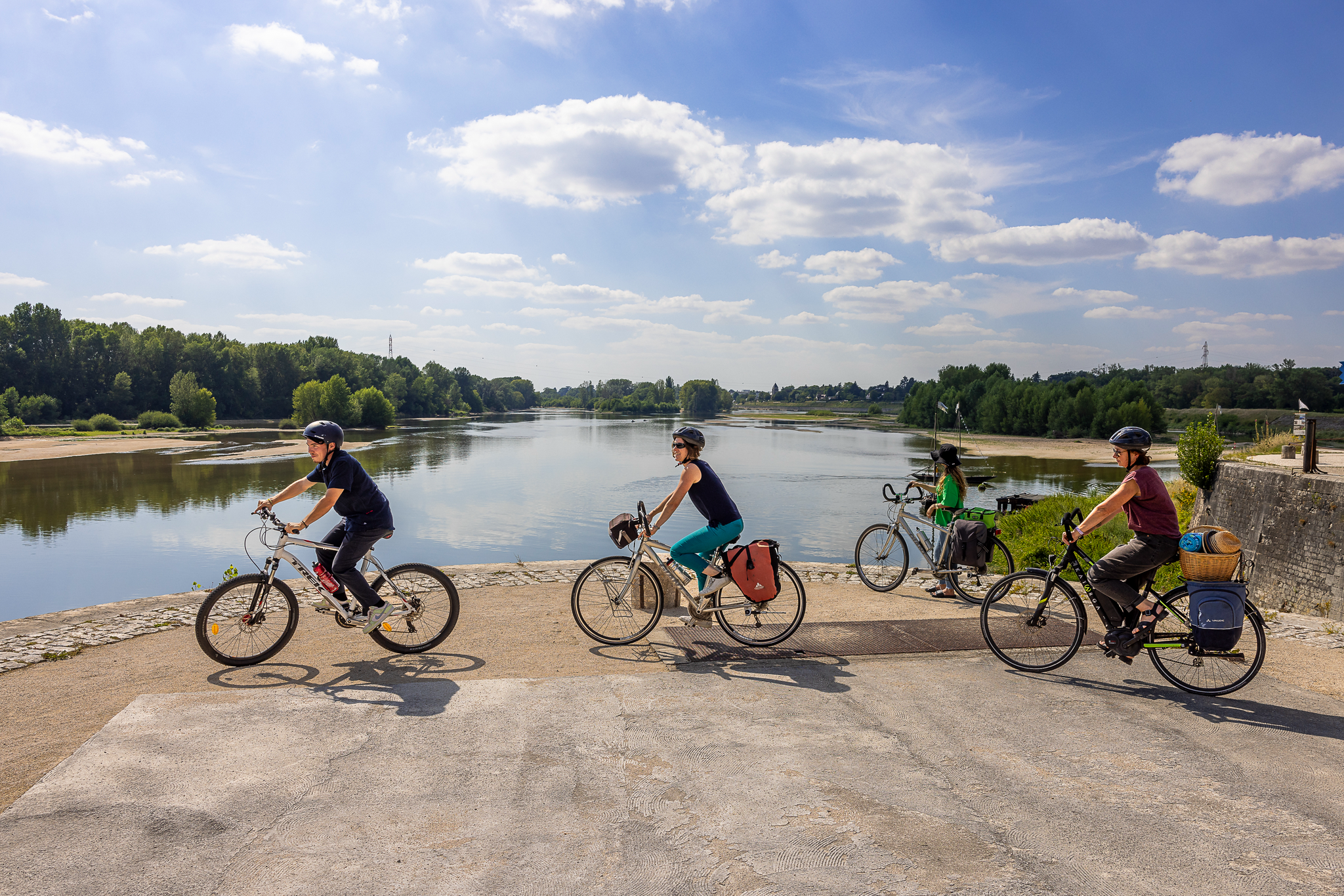
The most beautiful cycling routes in the Loire Valley
History and gastronomy - La Régalante
Cycling in Normandy – 7 station to station routes
Other adventures in Normandy


Tips from the Community

A special place with a special vibe.
0
0

magnificent castle near Cherbourg
0
0

The King's Gate was built in the 15th century as part of the extensive fortifications that made Mont Saint-Michel a virtually impregnable fortress during the Hundred Years' War. Behind the simple stone architecture lies a sophisticated defense system: The gate was once secured by a drawbridge, a portcullis, and several locking mechanisms. Attackers attempting to conquer the Mont had to break through several gates one after the other.
14
0

Castle not open between 12:30 and 2:00 pm. But you can look round outside.
1
0

The access to the abbey and the village is well fortified
0
0


A very beautiful castle to admire from all sides.
0
0

Ironically it stands there, remnants of dark days
1
0
Frequently Asked Questions
Which castles in Normandy are particularly family-friendly?
Several castles in Normandy offer engaging experiences for families. Mont Saint-Michel, while a major pilgrimage site, captivates with its unique island setting and medieval town. The Ravalets Castle and Bénouville Castle are also noted as family-friendly. Additionally, Château de Pirou is known for its guided tours designed for children and the legend of the Pirou geese, making history fun for younger visitors.
What are some of the most historically significant castles in Normandy?
Normandy is rich in historical castles. Château Gaillard, built by Richard the Lionheart, is a masterpiece of medieval military architecture. Château de Falaise is famously the birthplace of William the Conqueror and offers cutting-edge augmented reality displays. Caen Castle, founded by William the Conqueror, is one of Western Europe's largest fortified enclosures. Château de Gisors holds deep connections to the Knights Templar and their legends.
Are there castles in Normandy that offer unique architectural styles?
Absolutely. Château Gaillard showcases advanced medieval military design with its scalloped curtain walls and almond-shaped keep. Château de Saint-Germain-de-Livet is a unique blend of 15th-century timber-framed manor and 16th-century glazed brick and Caen stone dwelling. Château de Pirou is an impressive 'shell keep' design, built on an artificial island.
What outdoor activities can I do near the castles in Normandy?
Many castles are situated in areas perfect for outdoor activities. You can find numerous cycling routes, such as those around Deauville and Honfleur, or the Vélomaritime, which offers coastal views. For hiking enthusiasts, there are trails near waterfalls in the Mortainais region. Explore more options on the Cycling in Normandy or Waterfall hikes in Normandy guide pages.
Which castles offer the best panoramic views of the region?
For breathtaking views, Château Gaillard, perched on a rocky spur, offers stunning panoramas of the Seine Valley. Dieppe Castle, now a museum, provides excellent views of the city and beaches from its park. From the ramparts of Château de Falaise, you can enjoy sweeping vistas of the town and surrounding countryside.
Are there any castles in Normandy with unique cultural exhibits or tapestries?
Yes, Château de Pirou houses the Pirou Tapestry, a 58-meter-long embroidered cloth that tells the story of the Norman conquest of southern Italy and Sicily, in the style of the Bayeux Tapestry. Caen Castle also hosts the Musée de Normandie and the Musée des Beaux-Arts within its grounds, offering cultural insights alongside its historical significance.
What do visitors particularly enjoy about the castles in Normandy?
Visitors frequently highlight the unique atmosphere and historical depth. For instance, Mont Saint-Michel is praised for its magical setting and the awe-inspiring 'wonder' of its cloister. The impressive ruins of Château Gaillard are noted for providing insight into medieval life and warfare. The blend of history and natural beauty, often with panoramic views, is a common theme in visitor feedback.
Which castles are less crowded alternatives to the most popular sites?
While Mont Saint-Michel attracts large crowds, you might find a more tranquil experience at places like Mesnières-en-Bray Castle, a restored Renaissance castle. Château de Saint-Germain-de-Livet, with its elegant architecture and serene gardens, also offers a peaceful visit away from the busiest tourist spots.
Can I visit castles in Normandy during the winter months?
Many castles, especially their grounds, remain accessible year-round. For example, the outer baileys of Château Gaillard are open all year, though the inner bailey is typically accessible from March to November. Caen Castle's grounds are open daily. It's always advisable to check specific opening hours for interiors or guided tours, as these can vary seasonally.
Are there castles in Normandy that are associated with famous historical figures?
Yes, several castles have strong ties to historical figures. Château de Falaise is renowned as the birthplace of William the Conqueror. Château Gaillard was built by Richard the Lionheart. Caen Castle was a principal residence for William the Conqueror and later English kings. Château de Gisors is linked to the Knights Templar and the imprisonment of Jacques de Molay.
What kind of natural features can I expect to see around Normandy's castles?
Normandy's castles are often set amidst diverse natural landscapes. Mont Saint-Michel is famous for its unique island setting in a bay known for fast-moving tides. Château Gaillard overlooks the scenic Seine River. Many castles, like Château de Saint-Germain-de-Livet, are surrounded by picturesque green settings and formal gardens, offering tranquil natural beauty.
Most popular routes in Normandy
Most popular attractions in Normandy

Get inspired with the komoot mobile app


Didn’t find what you were looking for?
Explore Normandy’s best castles region by region:
Explore more
Looking for the best castles somewhere else? Discover other guides in Normandy:
