Top 20 Caves in Occitania
Best caves in Occitania are found within a region of Southern France known for its diverse geological formations and rich prehistoric heritage. This area features subterranean wonders ranging from ancient art sites to extensive underground river systems. Occitania's caves offer insights into natural history and human occupation over millennia.
Best caves in Occitania
- The most popular caves include La Baume Saint-Vérédème Cave and Chapel, a cave and historical site. This site has been occupied by humans since the Paleolithic era, later becoming a pilgrimage site with a chapel at its entrance.
- Another must-see spot is Saint-Marcellin, a historical site built into a cliffside. This troglodyte village preserves remains of rock fortifications and caves converted into sheepfolds.
- Visitors also love Arcs de Saint-Pierre, a natural monument featuring geological curiosities. Erosion has carved majestic arches in the limestone, and a nearby cave-burial site shows evidence of ancient trepanations.
- Occitania is known for its prehistoric art caves, extensive underground river systems, and troglodyte settlements. The region offers a variety of caves to explore, from those with archaeological significance to those showcasing unique geological formations.
- The caves in Occitania are appreciated by the komoot community, with over 240 upvotes and 116 photos shared across 87 highlights.
Last updated: October 4, 2026
Notre-Dame des Auzils Chapel
Highlight • Religious Site
Translated by Google •
Tip by

La Baume Saint-Vérédème Cave and Chapel
Highlight • Cave
Translated by Google •
Tip by

Sign up now to discover places like this
Get recommendations on the best single tracks, peaks, & plenty of other exciting outdoor places.
Saint Anthony Hermitage
Highlight • Religious Site
Translated by Google •
Tip by

Avy Spring
Highlight • Natural Monument
Translated by Google •
Tip by

Salpêtrière Prehistoric Shelter
Highlight • Gorge
It is the eponymous site of the Salpétrien, a Paleolithic culture that dates back to around 19,000 years before the present
Translated by Google •
Tip by

Saint-Marcellin
Highlight • Historical Site
This troglodyte village thus preserves the remains of a rock fortification but also of jasses (caves converted into sheepfolds), a Caussenard house, a chapel, a bread oven...
Translated by Google •
Tip by
Mas-d'Azil Cave
Highlight (Segment) • Cave
Translated by Google •
Tip by

Notre-Dame de Cénaret Chapel
Highlight • Religious Site
Very beautiful buildings ranging from medieval times to the Renaissance are to be discovered all around in the village of Saint-Chély-du-Tarn.
Translated by Google •
Tip by

Grouzade Cave
Highlight • Cave
Translated by Google •
Tip by
Arcs de Saint-Pierre
Highlight • Natural Monument
Between the tall pines that occupy the space, erosion has carved curious shapes in the limestone, opening up majestic arches. Nearby, there is a cave-burial where audacious trepanations were performed 3,500 years before our era.
The shadows cast by the trees make it the perfect place for a break. However, be very respectful of this place considered as an archaeological jewel.
Translated by Google •
Tip by

Sign up for free to discover even more caves in Occitania.
Already have an account?
Start today with a free account
Your next adventure awaits.
Popular around Occitania

Triathlon 360 – my journey around the world
European Divide Trail — 7,600 km across the continent
The Grande traversée du Massif Central by gravel bike
GR 36 long-distance footpath – Cross France from the Channel to the Pyrenees
GR 4 – Crossing the south of France from Atlantic Coast to Provence
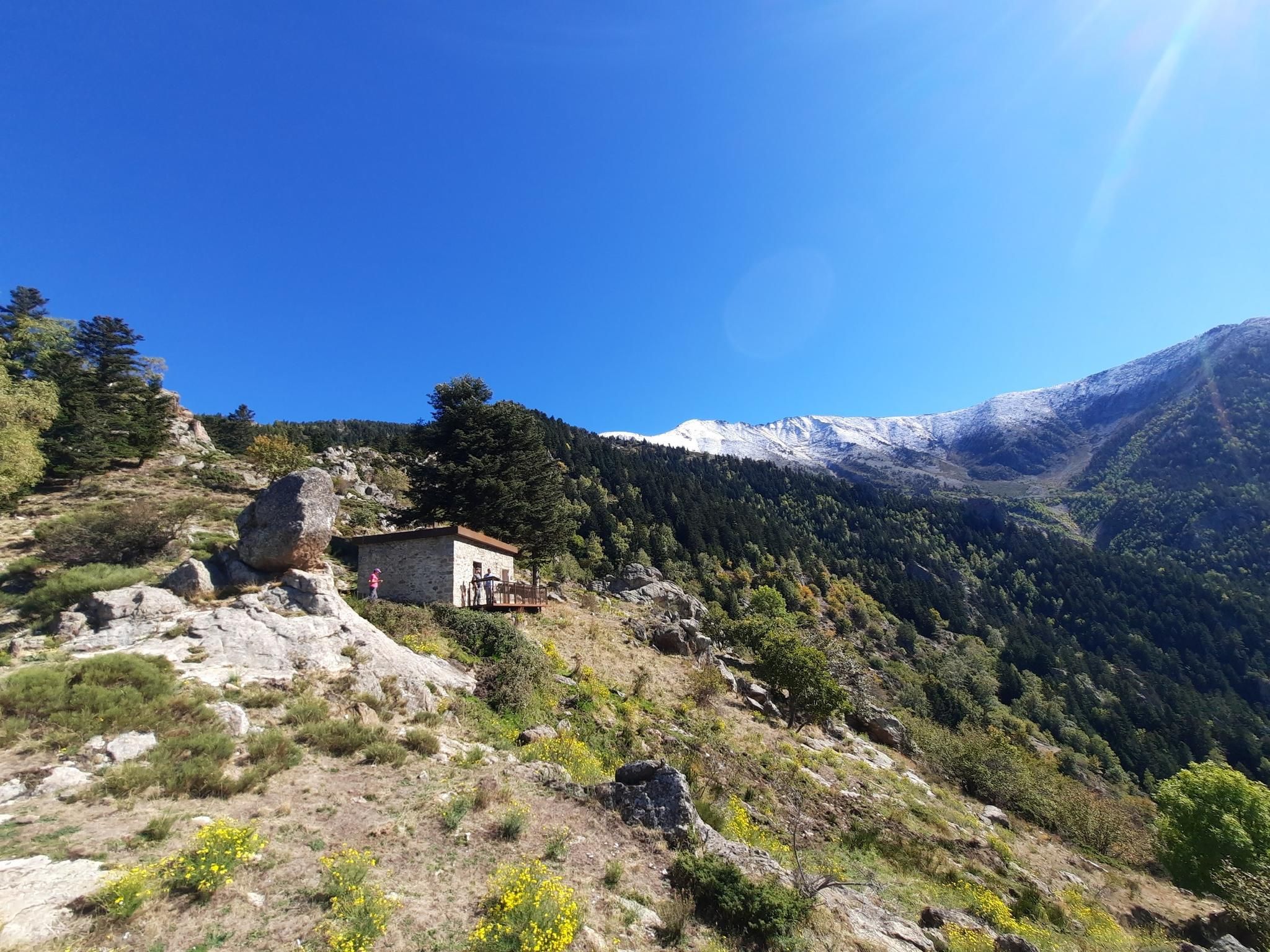
The Crossing of the Pyrenees via the GR 10 — Eastern Pyrenees
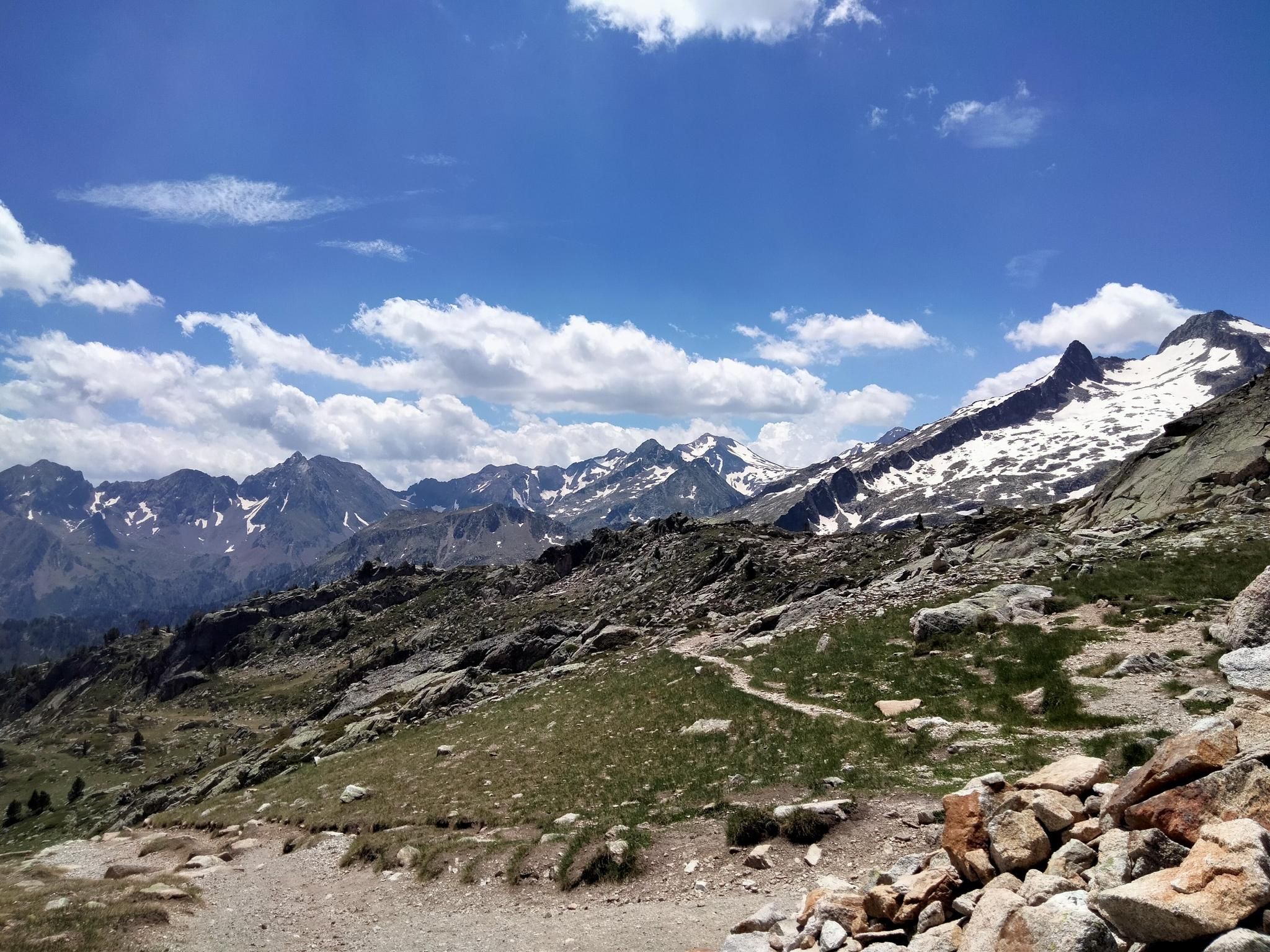
Hexatrek, the western and central Pyrenees – Between mountains and the ocean
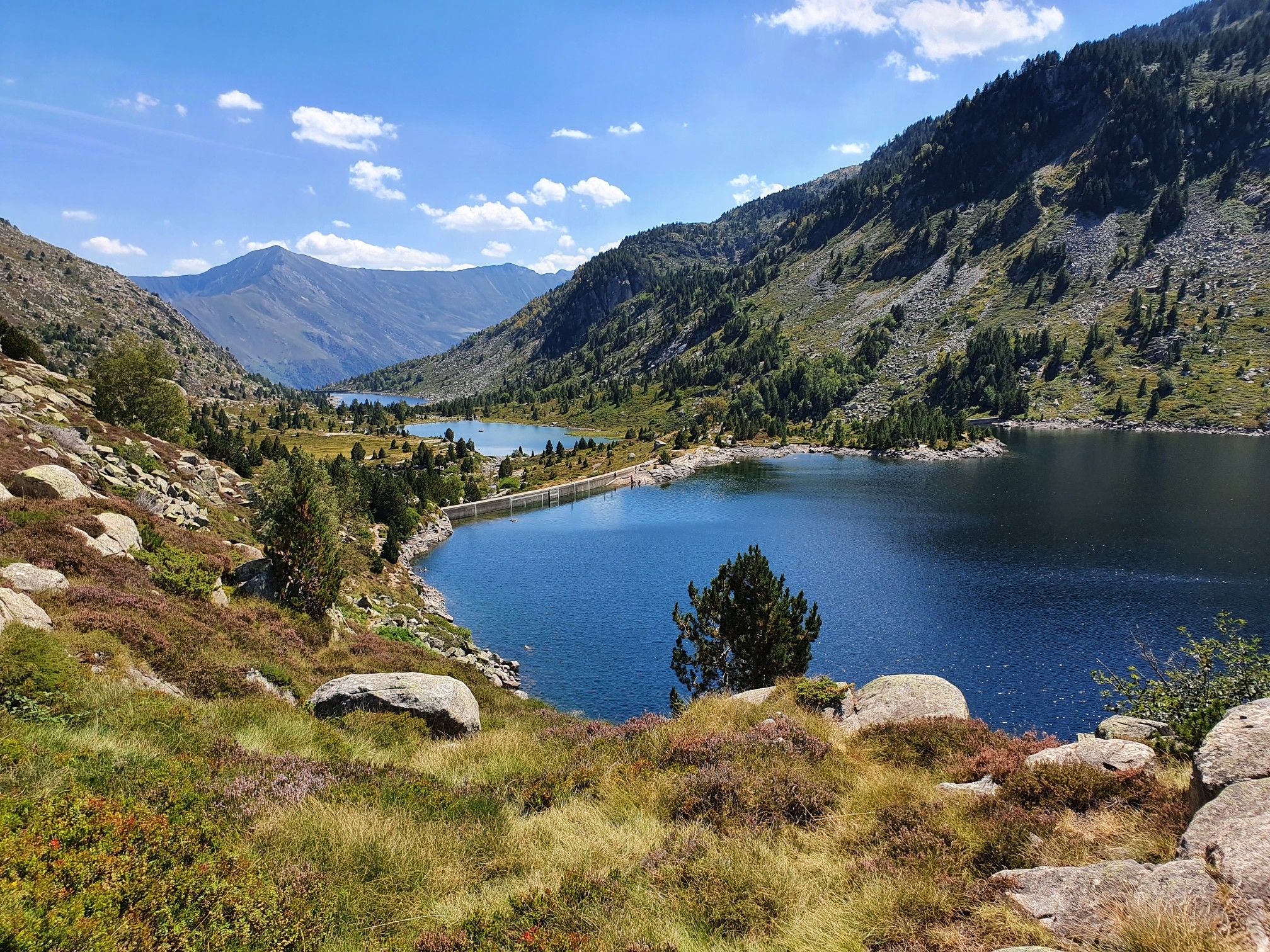
GR 10 – Explore the Ariège Pyrenees crossing the Pyrenees
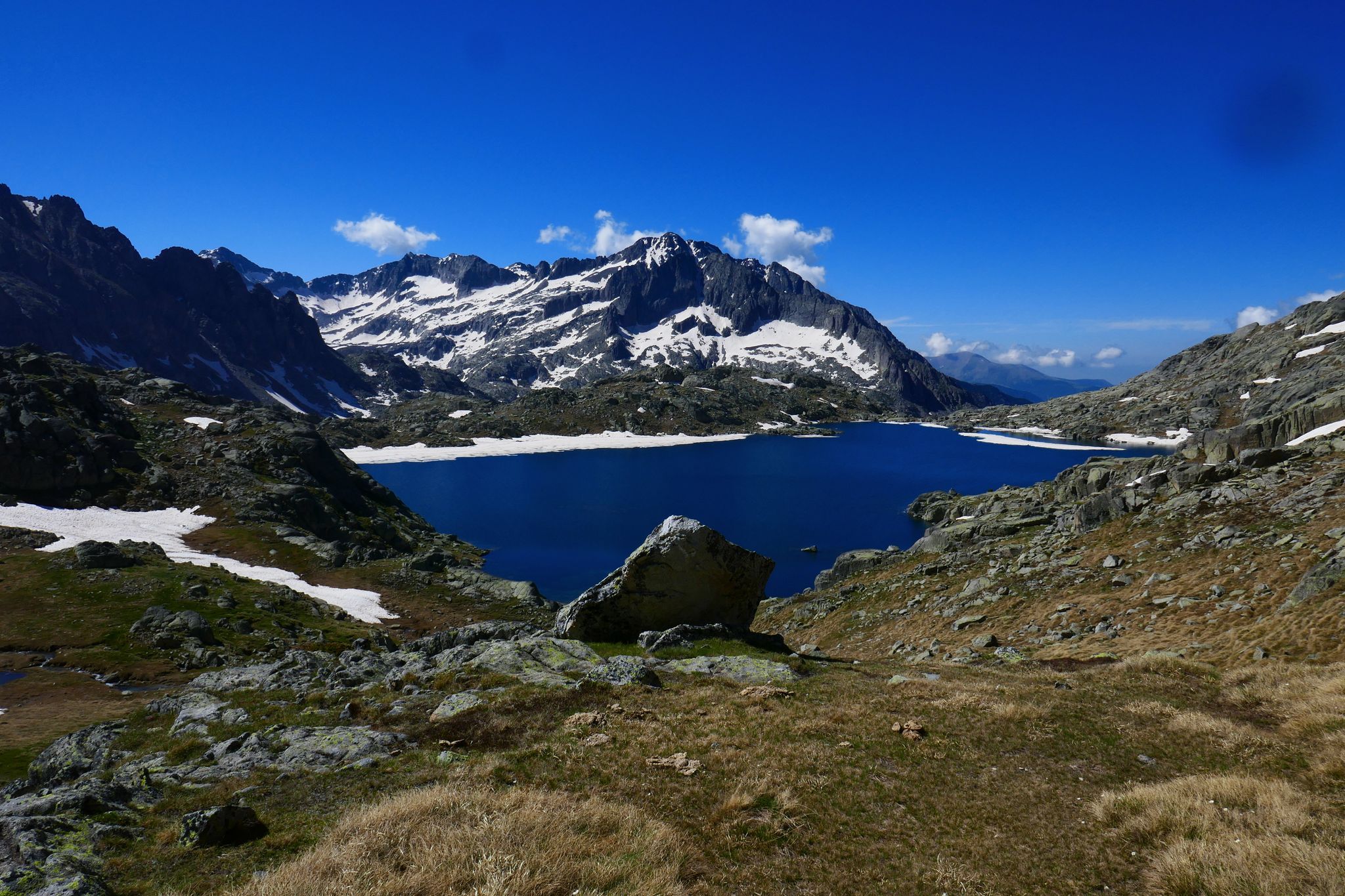
GR 10 – Central Pyrenees crossing the Pyrenees
Tour of the Balaïtous – From passes to lakes
Other adventures in Occitania


Tips from the Community

An impressive hermitage named after the Egyptian desert father St. Antonius. Today it is more of a tourist spot, which can be reached on foot from two parking lots.
0
0

This is the highlight of the show in Ariège! The Grotte du Mas d'Azil is one of the few caves in the world to be entirely crossed by a paved road (the D119) and by a river, the Arize. The visual contrast as you enter under this immense rocky porch is absolutely striking. Whether you are on a bike (road, gravel) or on foot, the atmosphere is grandiose, fresh and enveloped by the sound of water. It is also a major world-renowned prehistoric site that gave its name to the "Azilian" culture.
1
0

Just a few minutes from the famous Pont du Gard lies the prehistoric rock shelter of Salpêtrière – a real insider tip for history and nature lovers. People lived here thousands of years ago, using the natural rock overhang as shelter. Archaeological finds attest to settlement from the Paleolithic to the Neolithic period. The path there is short and leads through a quiet, Mediterranean landscape. Those who visit the Pont du Gard can wonderfully combine the rock shelter with a hike and get an impression of how our ancestors lived in this historically rich place.
0
0

Before reaching Notre-Dame-des-Auzils, the path crosses an amazing alley of marine cenotaphs: monuments erected for fishermen and sailors lost at sea... some of whose bodies were never found.
2
0

Simply beautiful to look at and a great building that has stood for centuries
0
0

Way up to the cave is at least grade medium. Be careful when wet
0
0

From below it looks good, but is walled up and closed
0
0

Access is only available during certain periods of the year, due to the conservation of the small inhabitants that inhabit the area. The cave is open from August 16th to November 14th, and from March 16th to April 30th. Bring a good flashlight, as the crossing can take approximately 5 to 10 minutes. This cave is nothing more than the former underground passage of the Gardon River. Accessible to all, be careful, however, once you have crossed, you will be close to the cliff on the other side. The path beyond (T2/T3) can be daunting for some people. Don't hesitate to turn back if you have any hesitation.
1
0
Frequently Asked Questions
What unique geological formations can I see in Occitania's caves?
Occitania's caves showcase a wide array of geological wonders. For instance, the Gouffre de Padirac features a spectacular chasm and an underground river you can explore by boat, with immense chambers like 'The Great Dome' and the 'Lake of Rain' adorned with impressive stalactites and stalagmites. The Grotte de Lombrives boasts extensive speleothems and a monumental 'Cathedral Chamber'. At Grotte de la Devèze, you'll find delicate concretions, calcites, and aragonites, earning it the name 'The Palace of the Glass Spinner'. Additionally, Aven Armand is known for its nearly 400 towering stalagmites, some reaching 30 meters high, and Arcs de Saint-Pierre displays majestic arches carved by erosion.
Which caves in Occitania are known for prehistoric art and archaeological significance?
Occitania is rich in prehistoric sites. The Grotte de Niaux is world-renowned for its exceptionally preserved Palaeolithic art, including paintings of Magdalenian mammals in the 'Salon Noir'. The Grotte de Foissac is a crucial Late Neolithic archaeological site, often called the 'Pompeii of prehistory', where you can see in situ finds like pottery, tools, and burials. The Grotte de Gargas is famous for its numerous prehistoric handprints. Furthermore, the Grotte du Mas-d'Azil is unique for having a road and river flowing through it, and for its Azilian prehistoric art.
Are there any caves in Occitania that offer a unique exploration experience, like a boat ride?
Yes, the Gouffre de Padirac offers a truly unique experience. After descending into its 103-meter-deep chasm, visitors embark on a boat journey along 500 meters of an underground river, passing through breathtaking chambers and formations.
What are some historical sites or troglodyte villages integrated with caves in Occitania?
Occitania features several fascinating historical sites connected to caves. Saint-Marcellin is a magnificent troglodyte village built into a cliffside, preserving remains of rock fortifications and caves converted into sheepfolds. La Baume Saint-Vérédème Cave and Chapel has been occupied by humans since the Paleolithic era and later became a pilgrimage site with a chapel at its entrance. The Grotte de Lombrives also served as a refuge for prehistoric humans, Cathars, and Huguenots.
What kind of tours or experiences are available at the caves in Occitania?
Many caves offer guided tours to enhance the experience. For example, the Grotte de Niaux provides authentic guided tours using torches, preserving the historical integrity. The Gouffre de Padirac includes a boat tour on its underground river. The Grotte de Lombrives offers diverse tour options ranging from one to six hours, often starting with a scenic train ride, and is known for its exceptional acoustics, sometimes hosting concerts.
Are there family-friendly cave options in Occitania?
While specific family-friendly labels aren't always available, caves like the Gouffre de Padirac, with its boat ride and elevator access, can be a captivating experience for families. The diverse tour options at Grotte de Lombrives might also cater to different age groups. For a more general natural experience that includes a cave element, Avy Spring is listed as family-friendly.
What outdoor activities can I do near the caves in Occitania?
The region around Occitania's caves offers a variety of outdoor activities. You can find numerous hiking trails in Occitania, including routes like 'The cirque de Gavarnie' or 'Pic Saint-Loup Trail'. For cyclists, there are challenging road cycling routes, such as the 'Col du Tourmalet' or 'Hautacam'. If you prefer more strenuous adventures, explore the mountain hikes in Occitania, like the 'Cirque de Gavarnie – Brecha de Rolando loop'.
What should I know about accessibility when visiting caves in Occitania?
Accessibility varies by cave. For instance, the Gouffre de Padirac offers an elevator option for descent into the chasm, alongside a staircase. However, some sites like Grotte de Niaux maintain a raw, historical integrity with no modern lighting or facilities, requiring torch-lit guided tours. Other locations, such as La Baume Saint-Vérédème Cave and Chapel, involve steep climbs and may have steel handrails in places, indicating a more challenging terrain.
What is the best time to visit the caves in Occitania?
Caves generally maintain a cool, stable temperature year-round, making them a good destination in any season. However, visiting during spring or autumn might offer more comfortable weather for outdoor activities and travel to and from the cave sites. Summer can be popular, but also busier. It's always advisable to check specific cave opening hours, as some may have seasonal closures or reduced hours.
Are there any caves in Occitania known for unique natural phenomena like underground rivers or lakes?
Yes, the Gouffre de Padirac is famous for its underground river, which visitors explore by boat, and features the 'Lake of Rain'. The Grotte du Mas-d'Azil is also notable for having a river flowing completely through it, alongside a road.
What do visitors enjoy most about the caves in Occitania?
Visitors frequently appreciate the blend of natural beauty and rich history. The immersive experience of seeing authentic prehistoric art, the awe-inspiring scale of underground chambers, and the unique geological formations are often highlighted. Many also value the opportunity to connect with ancient human history and the diverse tour options available, from boat rides to torch-lit explorations.
Most popular routes in Occitania
Most popular attractions in Occitania

Get inspired with the komoot mobile app


Didn’t find what you were looking for?
Discover more caves in Occitania region by region:
Explore more
Extend your search for the best caves by checking out these guides of the top ones in Occitania:
