Top 20 Castles in Bourgogne-Franche-Comté
Best castles in Bourgogne-Franche-Comté offer a journey through diverse historical periods and architectural styles. This region in France is characterized by its varied landscapes, from rolling vineyards to mountainous areas, providing scenic backdrops for its many historical landmarks. The castles here range from medieval fortresses to Renaissance masterpieces, reflecting centuries of regional history and cultural development.
Best castles in Bourgogne-Franche-Comté
- The most popular castles is Clos de Vougeot Castle, a castle and vineyard that is a significant site for Burgundy's wine heritage. It houses the Confrérie des Chevaliers du Tastevin and is recognized for its historical wine-making facilities.
- Another must-see spot is Citadel of Besançon, a viewpoint and historical site. This masterpiece by Vauban is a UNESCO World Heritage Site, offering impressive views and historical exploration.
- Visitors also love Cormatin Castle, a castle known for its opulent 17th-century interiors and extensive baroque gardens. It provides a glimpse into lavish court life with meticulously restored rooms and ornate grounds.
- Bourgogne-Franche-Comté is known for its medieval fortresses, Renaissance châteaux, and castles with vineyards. Visitors can explore a variety of architectural styles and historical periods across the region's many castles.
- The castles in Bourgogne-Franche-Comté are appreciated by the komoot community, with more than 550 upvotes and 44 photos shared across 182 highlights.
Last updated: July 6, 2026
Citadel of Besançon
Highlight • Viewpoint
Construction of the Citadelle began in 1668 under the direction of the French military engineer Vauban, known for his defense works. The fortress served as an important military stronghold and played a crucial role in the defense of France's eastern borders.
The Citadelle is a masterpiece of military architecture, with bastions, ramparts, underground tunnels and other defenses. The design reflects Vauban's innovative approaches at the time.
UNESCO World Heritage Site: The Citadelle de Besançon is part of the "Fortifications of Vauban", recognized as a World Heritage Site by UNESCO in 2008. This group of fortifications spread across France testifies to Vauban's military designs.
Within the Citadelle there are several museums and attractions, including the Museum of French Resistance and Deportation, the Comtois Museum which highlights regional history, and the Besançon Zoo, one of the oldest zoos in France.
The Citadelle offers breathtaking views over the city of Besançon and the surrounding valley. It is a popular destination for tourists due to its historical importance, architectural splendor and panoramic views.
Translated by Google •
Tip by

Clos de Vougeot Castle
Highlight • Castle
Translated by Google •
Tip by

Sign up now to discover places like this
Get recommendations on the best single tracks, peaks, & plenty of other exciting outdoor places.
Sign up for free
View of the Besançon citadel from the greenway
Highlight • Viewpoint
Translated by Google •
Tip by

Citadel of Besançon
Highlight • Castle
Construction of the Citadelle began in 1668 under the direction of the French military engineer Vauban, who is known for his fortifications. The fortress served as an important military stronghold and played a crucial role in the defense of France's eastern borders.
The Citadelle is a masterpiece of military architecture, with bastions, ramparts, underground tunnels and other defenses. Its design reflects Vauban's innovative approaches at the time.
UNESCO World Heritage Site: The Citadelle de Besançon is part of the "Fortifications of Vauban", which were recognized as a World Heritage Site by UNESCO in 2008. This group of fortifications spread across France bears witness to Vauban's military designs. Within the Citadelle are several museums and attractions, including the Museum of French Resistance and Deportation, the Comtois Museum which highlights regional history, and the Besançon Zoo, one of the oldest zoos in France.
The Citadelle offers breathtaking views of the city of Besançon and the surrounding valley. It is a popular tourist destination for its historical importance, architectural splendor, and panoramic views.
Translated by Google •
Tip by
Meursault Castle
Highlight • Castle
During the Second World War, Meursault was very close to the free zone. It is for this reason that part of the plot of the famous fictional film La Grande Vadrouille is located in Meursault, where the heroes of the film will try to cross the line of demarcation.
fr.wikipedia.org/wiki/Meursault
Translated by Google •
Tip by

Cormatin Castle
Highlight • Castle
Translated by Google •
Tip by

Savigny-lès-Beaune Castle
Highlight • Castle
Source: Wikipedia
Translated by Google •
Tip by

Ballon de Servance
Highlight • Summit
The highest point in the Haute-Saône department, the Ballon de Servance is partly requisitioned by the army but the summit is accessible to the public.
Access roads partially close in winter because the road is not cleared of snow.
Translated by Google •
Tip by

Château de Châteauneuf
Highlight • Castle
Translated by Google •
Tip by

Citadel of Belfort
Highlight • Historical Site
Translated by Google •
Tip by

Sign up for free to discover even more castles in Bourgogne-Franche-Comté.
Sign up for free
Already have an account?
Start today with a free account
Your next adventure awaits.
Login or Signup
Popular around Bourgogne-Franche-Comté

Triathlon 360 – my journey around the world
European Divide Trail — 7,600 km across the continent
The Grande traversée du Massif Central by gravel bike
The Voie Bleue – Moselle-Saône by bike
Via Allier – The Auvergne cycle route
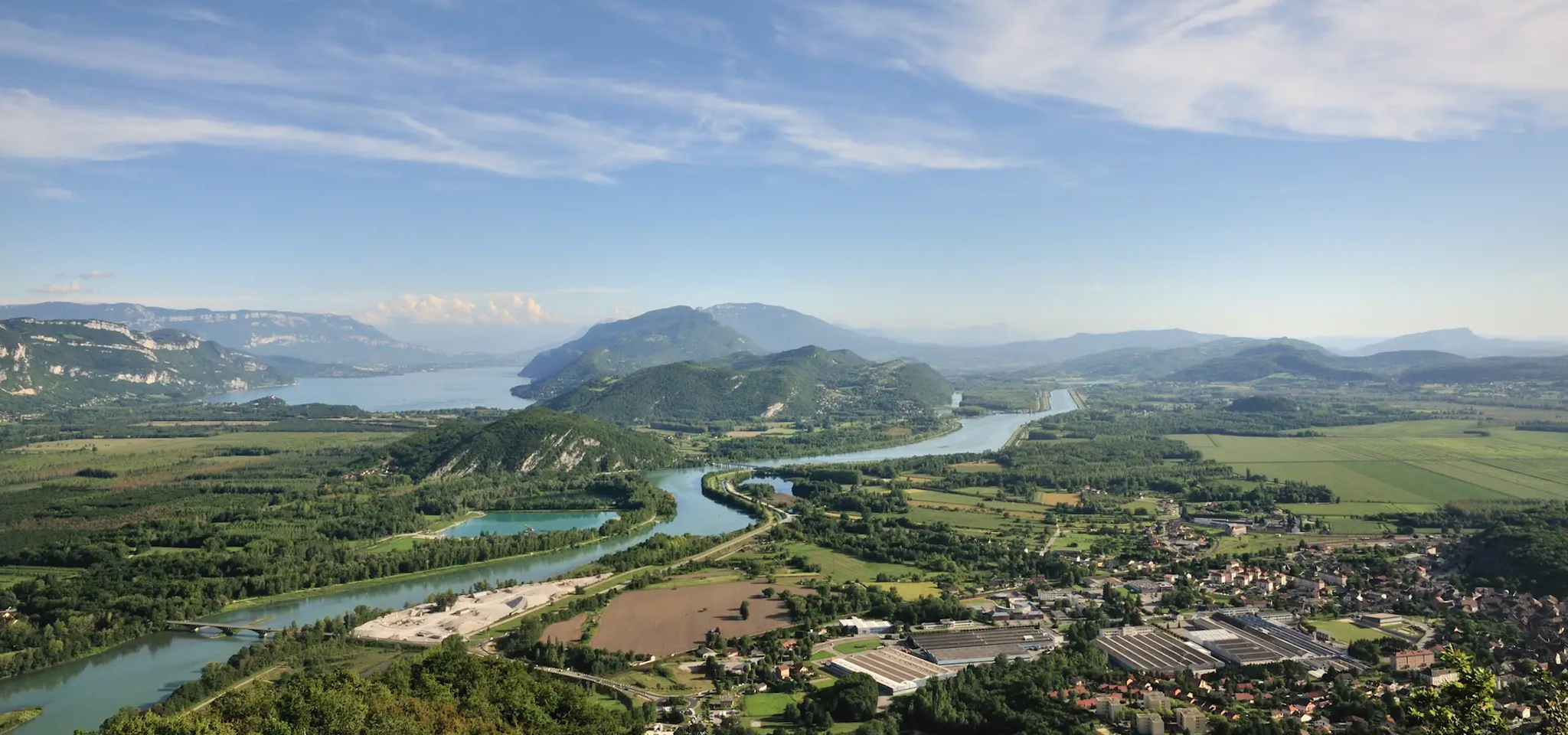
GR 9 from the Jura to the Mediterranean – Crossing contrasts
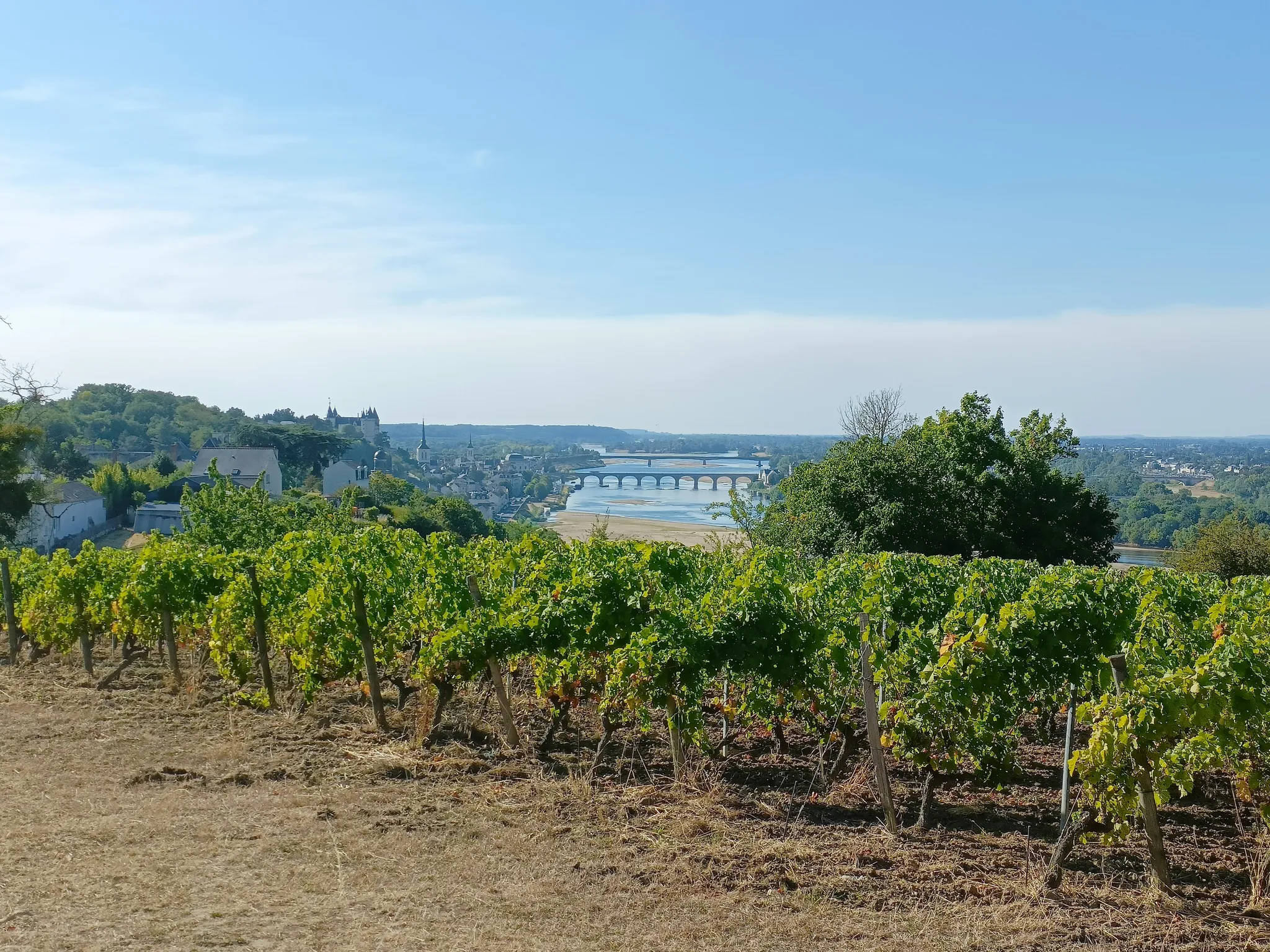
GR3 from the ocean to its source – The Loire, a wild European river
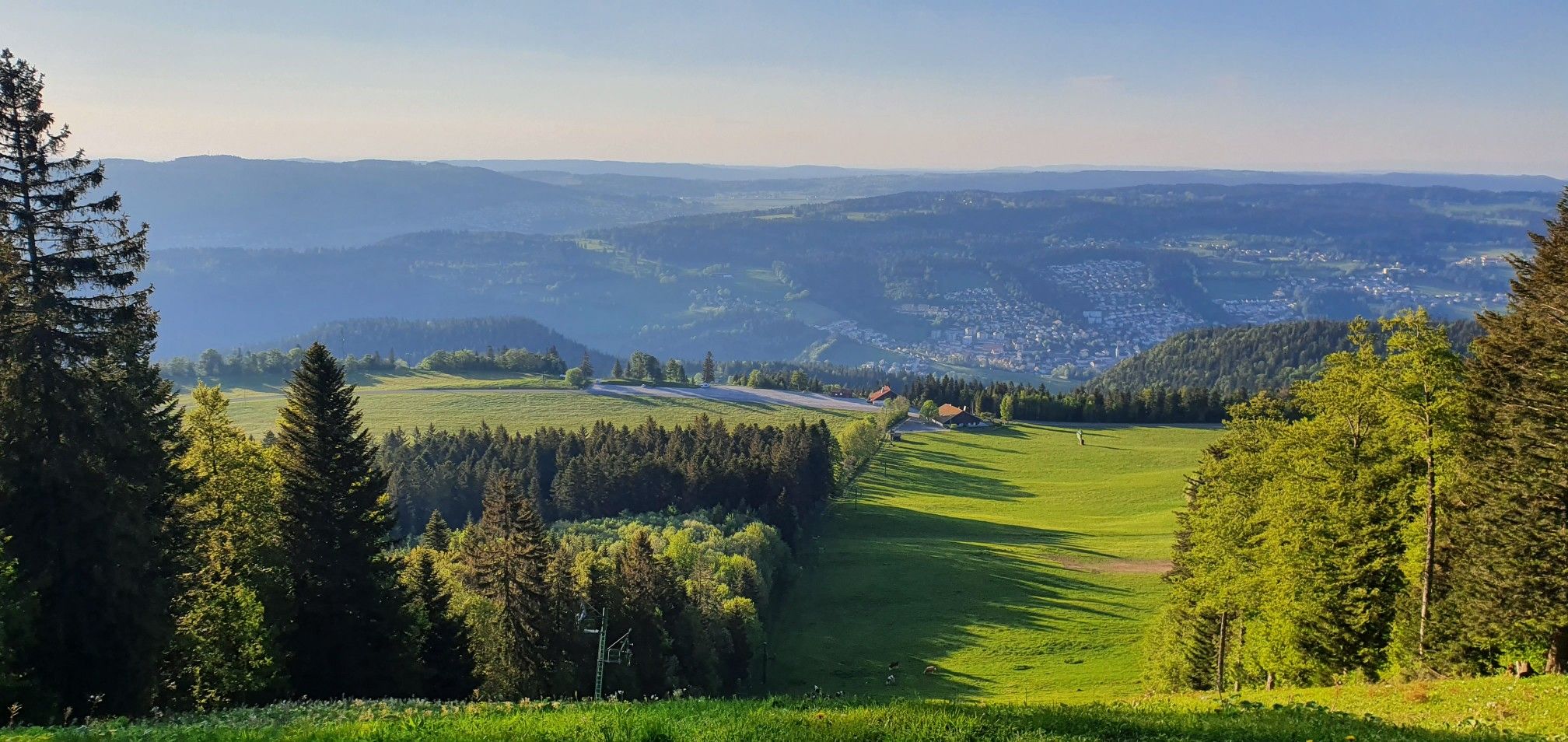
GR 5 – The Europe Trail from the Mediterranean to Germany
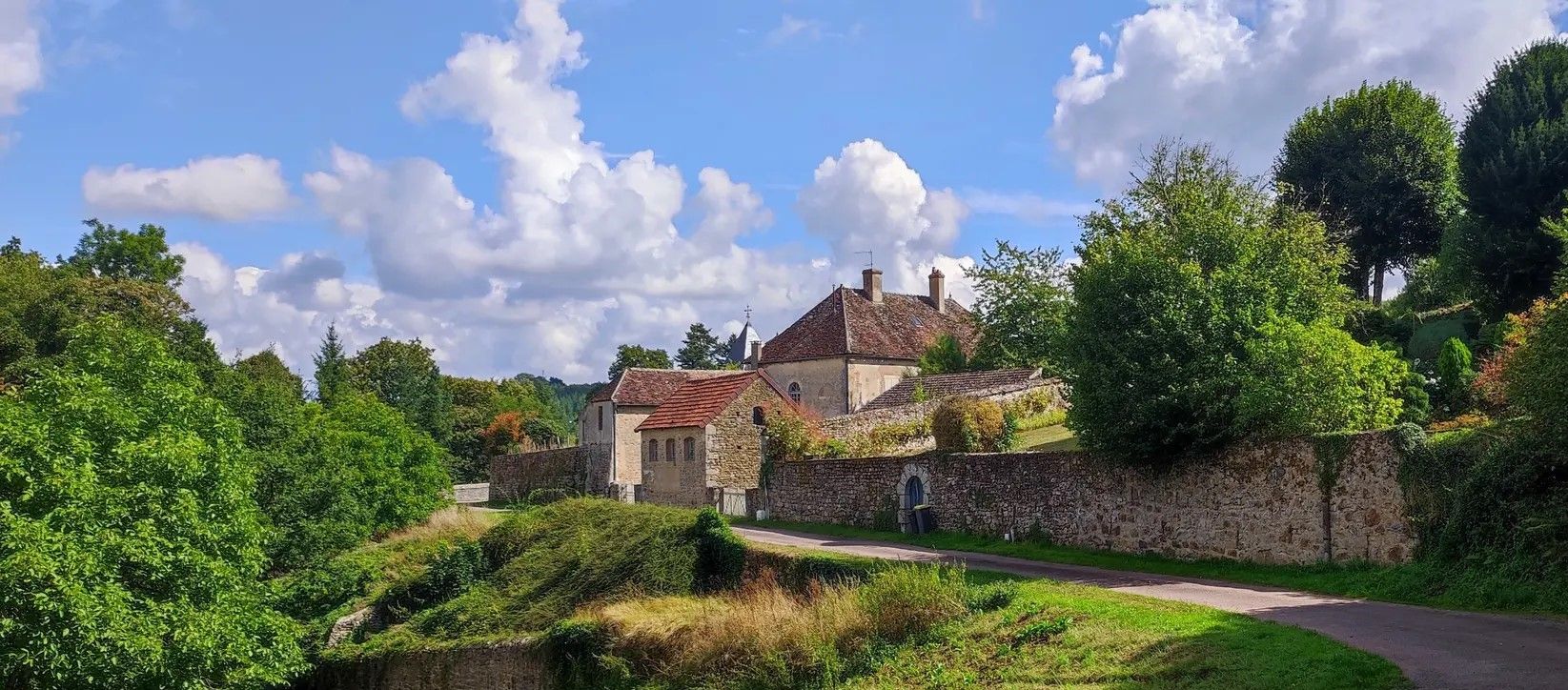
GR 13 from Gâtinais to Morvan — By Fontainebleau and Burgundy
Sentier de l'Europe (GR 5) – Montbéliard to Abreschviller
Other adventures in Bourgogne-Franche-Comté


Tips from the Community

Imposing complex which is worth a visit.
0
0

Superb Renaissance-era castle with magnificent gardens.
1
0

An incredible collection of 95 fighter planes, as well as motorcycles, Abarths, tractors...
0
0

The Citadel of Belfort is a historically complex building, reflecting five centuries of fortifications. It was built after the conquest of the city in 1687, replacing a medieval castle that previously stood on this rocky outcrop.
5
0

Beautiful castle, well-presented, picturesque village, remarkable view
0
0

Absolutely a must see. It is not crowded and you literally have all the space to view the chateau and the other rooms with beautiful collections. A relaxing park where you walk through to see the other collections. To conclude, the castle and a small drink of coffee, wine or ice cream available. Across the street is a catering facility.
0
0

UNESCO World Cultural Heritage
0
0
UNESCO World Heritage, what more can be said except that the Doubs Valley and the splendid ruins of old medieval castles from the top of wild cliffs have watched over the valley for centuries?
0
0
Frequently Asked Questions
What types of castles can I expect to find in Bourgogne-Franche-Comté?
The Bourgogne-Franche-Comté region offers a diverse range of castles, from formidable medieval fortresses like Château de Châteauneuf and Château de Joux, to opulent Renaissance and 17th-century châteaux such as Château de Cormatin and Château d'Ancy-le-Franc. You'll also find castles deeply connected to the region's wine heritage, like Clos de Vougeot Castle.
Are there family-friendly castles to visit in the region?
Yes, many castles in Bourgogne-Franche-Comté are suitable for families. For instance, Cormatin Castle with its extensive gardens and opulent interiors, and Clos de Vougeot Castle, which offers insights into wine-making history, are popular choices. The Citadel of Besançon is also listed as family-friendly and often includes museums that appeal to various ages.
Which castles offer unique historical insights beyond typical fortresses?
For unique historical insights, consider Château de Joux, a military fortress with a thousand-year history, including its role as a state prison for figures like Toussaint Louverture. Château d'Ancy-le-Franc is a Renaissance masterpiece known for its exceptional collection of 16th and 17th-century mural paintings. Château de Bussy-Rabutin offers a captivating look into 17th-century court life through its owner's satirical portraits.
Can I find castles related to Burgundy's famous wine heritage?
Absolutely. The Clos de Vougeot Castle is a prime example, serving as the historical heart of Burgundy wines. Originally a Cistercian monastery's wine-making facility, it's now home to the Confrérie des Chevaliers du Tastevin and offers a deep dive into the region's viticultural history. Meursault Castle and Savigny-lès-Beaune Castle are also located in significant wine regions and offer tasting opportunities.
Are there castles with impressive gardens or natural surroundings?
Yes, several castles boast beautiful gardens and scenic locations. Cormatin Castle is renowned for its magnificent Louis XIII apartments and extensive baroque gardens, featuring labyrinths and ponds. Château de Châteauneuf-en-Auxois, a medieval fortress, offers panoramic views of the Auxois valley and the Burgundy Canal from its hilltop position. Château de Joux, perched on a rocky promontory, provides dramatic views of the surrounding landscape.
What outdoor activities can I do near the castles?
The region around the castles offers various outdoor activities. You can find numerous running trails, such as the 'Lake Kir Circuit' or 'Fort de Chaudanne et la citadelle de Vauban' near Besançon. For mountain hikes, options like 'La Dôle loop from Col de la Givrine' are available. Gravel biking is also popular, with routes like 'Gravel around Dijon'. You can explore these and more on the Komoot guide pages for running, mountain hikes, and gravel biking in Bourgogne-Franche-Comté.
When is the best time of year to visit the castles in Bourgogne-Franche-Comté?
The best time to visit is generally from spring to early autumn (April to October). During these months, the weather is pleasant for exploring castle grounds and gardens, and most sites have extended opening hours. Autumn offers beautiful foliage, especially around vineyard castles like Clos de Vougeot Castle. Some castles may have reduced hours or close certain sections in winter, so it's always best to check individual castle websites.
Are there castles that are easily accessible or suitable for visitors with limited mobility?
While many historic castles have uneven terrain, stairs, and limited accessibility due to their age, some offer better access. The Citadel of Besançon, for example, has areas that are more accessible, and its museums are generally well-equipped. For specific accessibility needs, it's recommended to contact the individual castle directly before your visit. The village of Châteauneuf-en-Auxois, while charming, retains much of its medieval character with cobbled streets that might be challenging.
Which castles offer unique museum experiences?
The Château de Savigny-lès-Beaune stands out for its incredibly diverse museum collection, housing around a hundred fighter planes and helicopters, 30 Abarth racing cars, over 200 motorcycle models, and museums dedicated to firefighters and viticultural equipment. The Citadel of Besançon also hosts several museums within its walls, including a Resistance and Deportation Museum, a Comtois Museum, and a Natural History Museum.
Can I visit medieval fortresses in the region?
Yes, the region is rich in medieval fortresses. Château de Châteauneuf is a well-preserved 12th-century fortress offering a deep immersion into medieval French history. Château de Joux is another formidable military fortress with a thousand years of history and extensive fortifications. Château de Brancion, perched on a rocky outcrop, showcases the evolution of castle architecture from the Carolingian era to the Wars of Religion, with a 20-meter high keep and a medieval village.
Are there castles with panoramic views?
Many castles in Bourgogne-Franche-Comté offer stunning panoramic views. Château de Châteauneuf provides impressive vistas of the Auxois valley. The Citadel of Besançon, a UNESCO World Heritage Site, offers expansive views of the city and the Doubs river, especially from viewpoints like View of the Besançon citadel from the greenway. Château de Brancion's keep provides a 360° panoramic view of the surrounding landscape.
Are there any 'hidden gem' castles worth exploring?
While many castles are well-known, Château de Germolles is considered a well-preserved residence of the Dukes of Burgundy, offering a rare insight into court life on the eve of the Renaissance. Its guided tours, often led by passionate owners, reveal hidden corners and provide a unique historical experience away from the larger crowds. Château de Brancion, with its extensive ruins and medieval village, also offers an immersive journey into the Middle Ages.
Are there options for dining or cafes near the castles?
Most popular castle sites are located near villages or towns that offer dining options. For example, the village of Châteauneuf-en-Auxois, where Château de Châteauneuf is located, is known for its medieval charm and likely has local eateries. Larger towns like Besançon, near its Citadel, will have a wide array of restaurants and cafes. For specific castles like Château de Cormatin, you can often find cafes and restaurants in the nearby area, catering to visitors.
Most popular routes in Bourgogne-Franche-Comté
Most popular attractions in Bourgogne-Franche-Comté

Get inspired with the komoot mobile app


Didn’t find what you were looking for?
Explore Bourgogne-Franche-Comté’s best castles region by region:
Explore more
Looking for the best castles somewhere else? Discover other guides in Bourgogne-Franche-Comté:
