Top 20 Natural Monuments in Drenthe
Best natural monuments in Drenthe include expansive heathlands, dense forests, and ancient hunebedden. Drenthe, a province in the northeastern Netherlands, features a diverse landscape of national parks and unique natural features. The region is known for its well-preserved stream valleys and geological formations shaped by Ice Age glaciers. These natural monuments offer a blend of unique landscapes and rich history.
Best natural monuments in Drenthe
- The most popular natural monuments is Dolmen D53, a historical site that is the…
Last updated: October 13, 2026
Bargerveen Nature Reserve
Highlight • Natural Monument
Translated by Google •
Tip by

Dolmen D10, Gasteren
Highlight • Historical Site
The hunebed is a small and incomplete hunebed. The hunebed is 6.7 meters long and 3.1 meters wide. It still has two …
Translated by Google •
Tip by

Sign up now to discover places like this
Get recommendations on the best single tracks, peaks, & plenty of other exciting outdoor places.
Bargerveen Nature Reserve
Highlight • Natural
Translated by Google •
Tip by

Dolmen D53
Highlight • Historical Site
Translated by Google •
Tip by

Fochteloërveen Cycle Route
Highlight (Segment) • Cycleway
Translated by Google •
Tip by

Bomb Craters on the Havelteberg
Highlight • Historical Site
Translated by Google •
Tip by

The New Heavenly Realm
Highlight • Lake
Translated by Google •
Tip by

Ode to the Sun Sculpture
Highlight • Monument
Translated by Google •
Tip by

Dolmen D54
Highlight • Historical Site
Translated by Google •
Tip by
Drents-Friese Wold
Highlight • Forest
Translated by Google •
Tip by

Sign up for free to discover even more natural monuments in Drenthe.
Already have an account?
Start today with a free account
Your next adventure awaits.
Popular around Drenthe
Tour of Drenthe – In 6 days through the primitive province
Groot Frieslandpad (LAW 14) – Right through the North of the Netherlands
The Pieterpad by bike – From Pieterburen to Sint-Pietersberg
Maarten van Rossumpad – hiking from 's-Hertogenbosch to Steenwijk
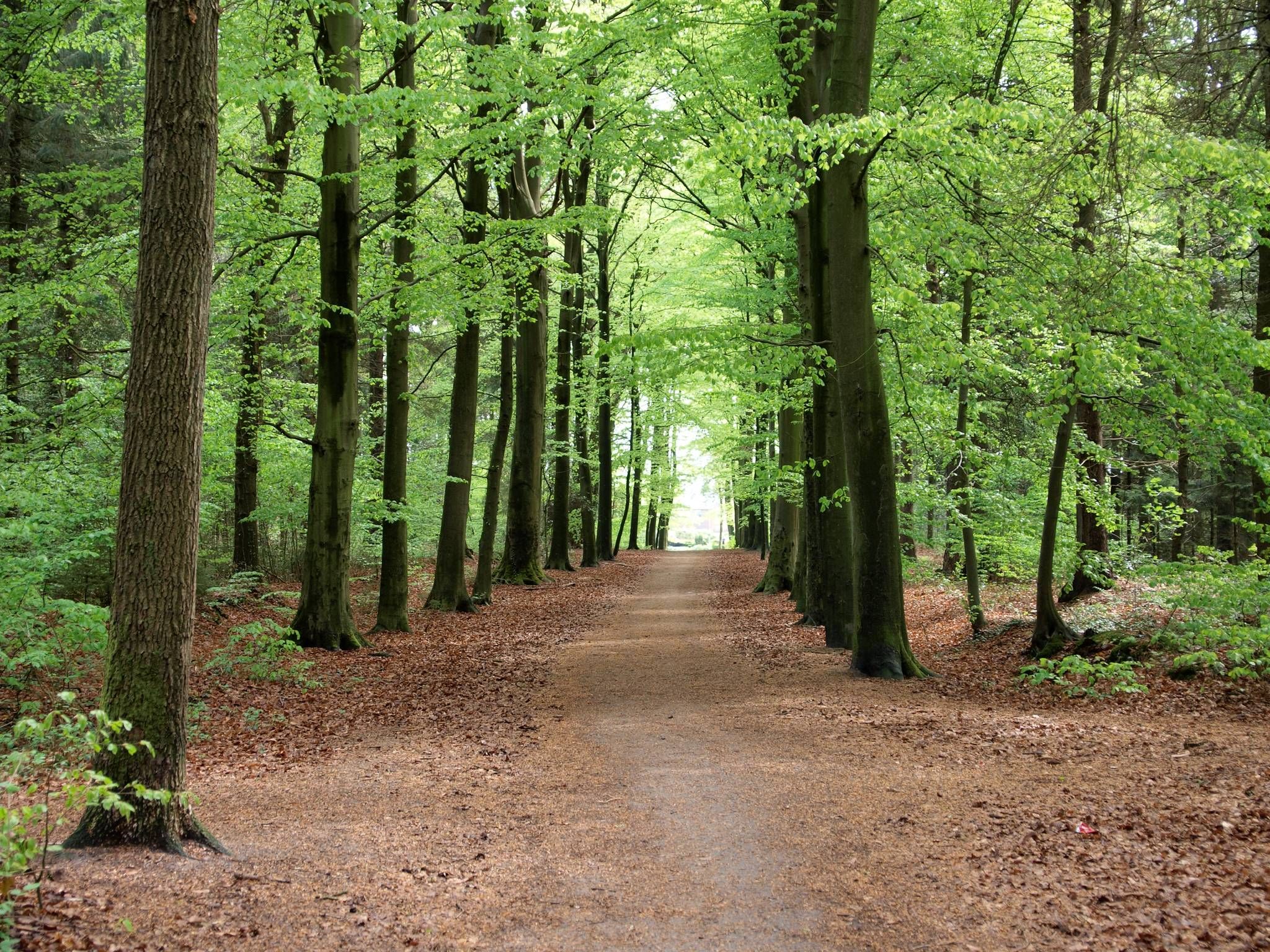
Trans Netherlands MTB Route – The ultimate off-road adventure
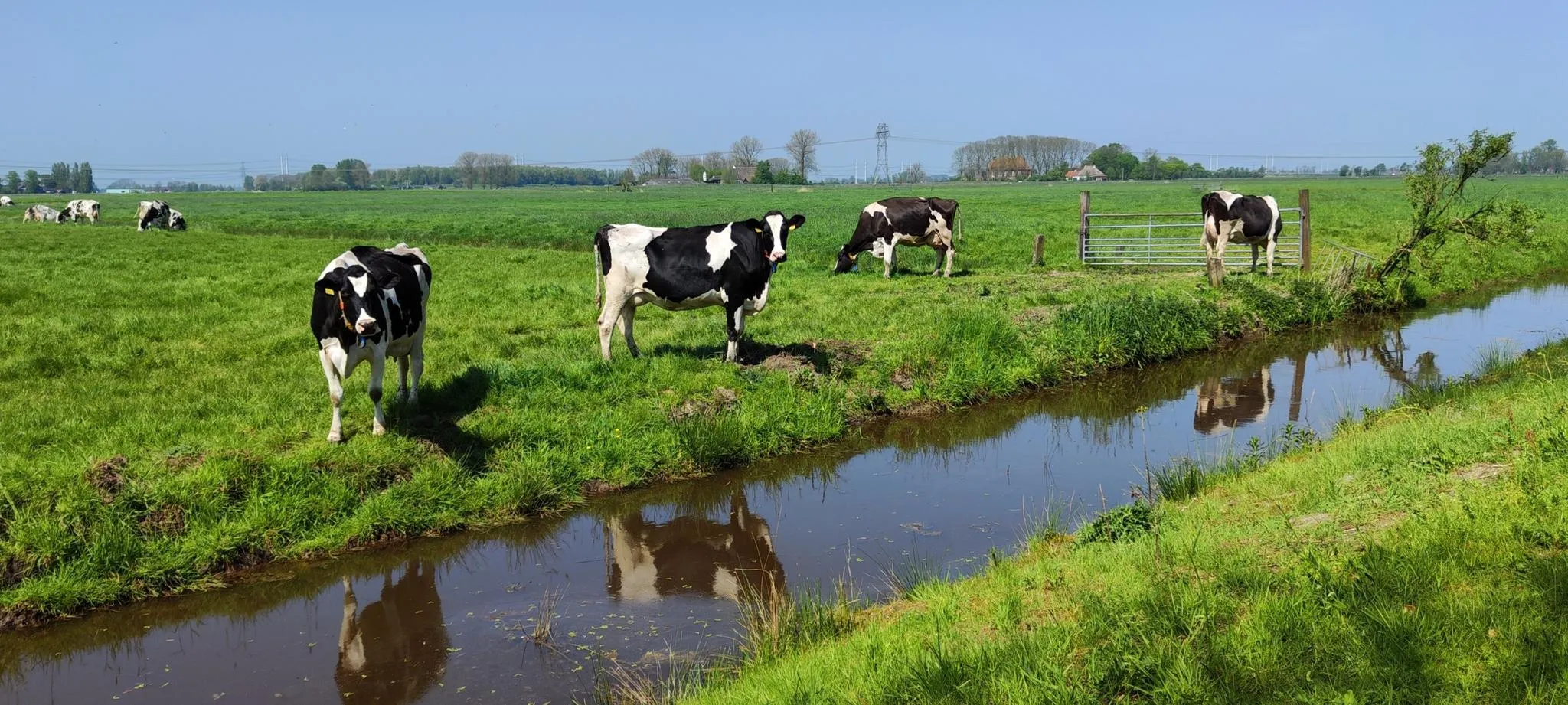
Discover the Milky Way – 9 routes alongside cows and to cheese shops
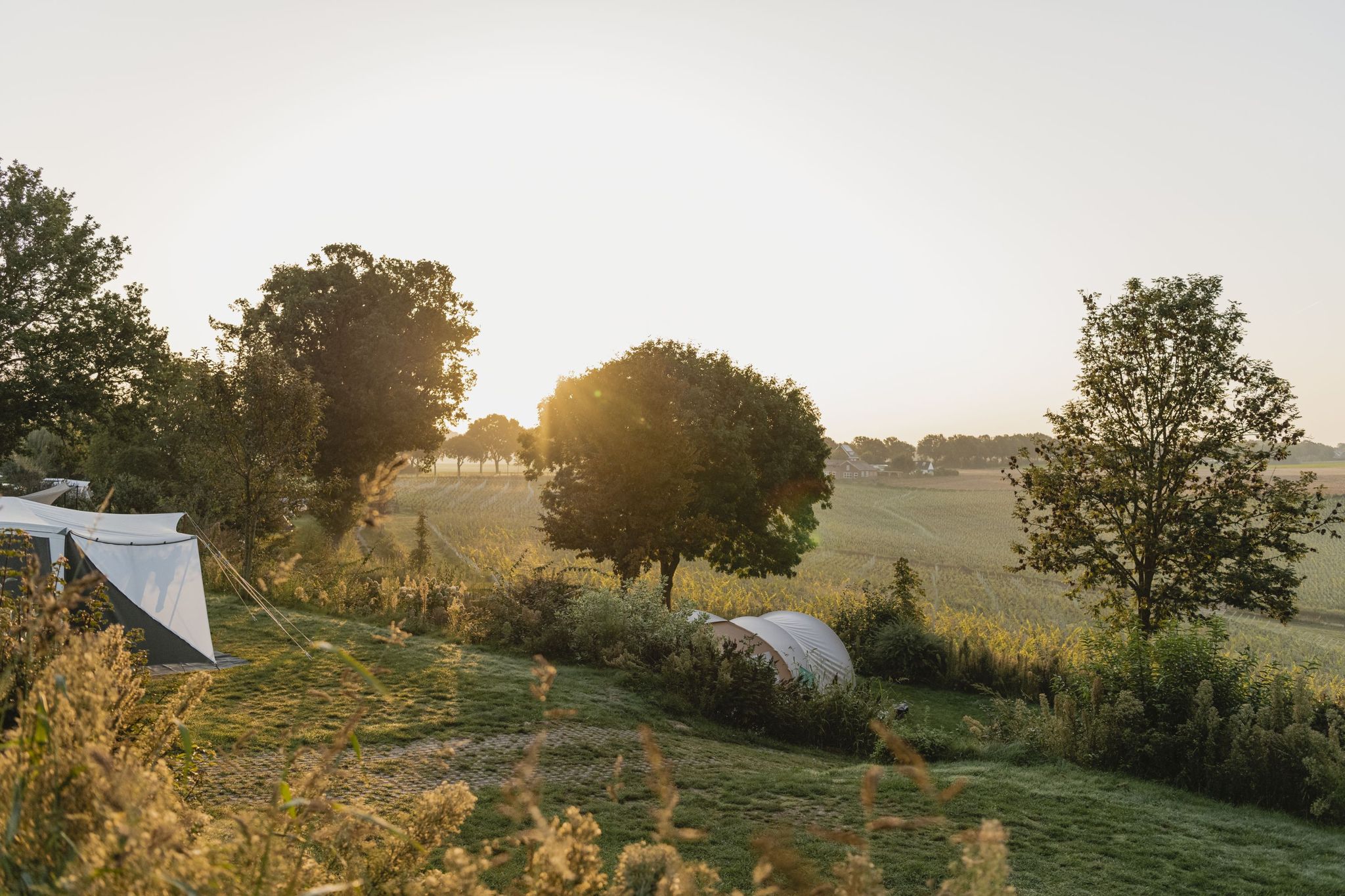
Five beautiful gravel routes from Natural Campsites
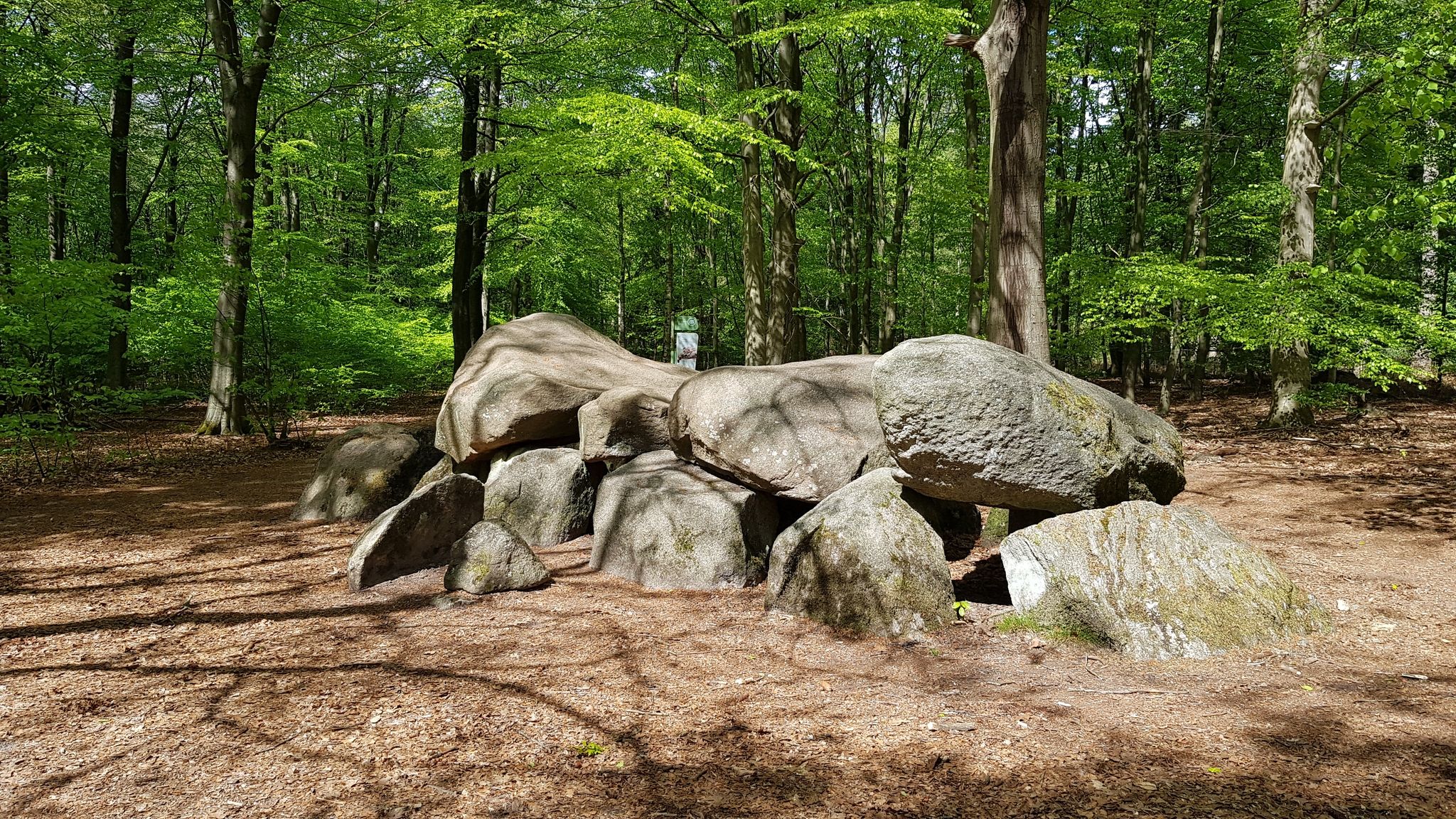
Hunebedden, heath and historic villages – The Drenthepad
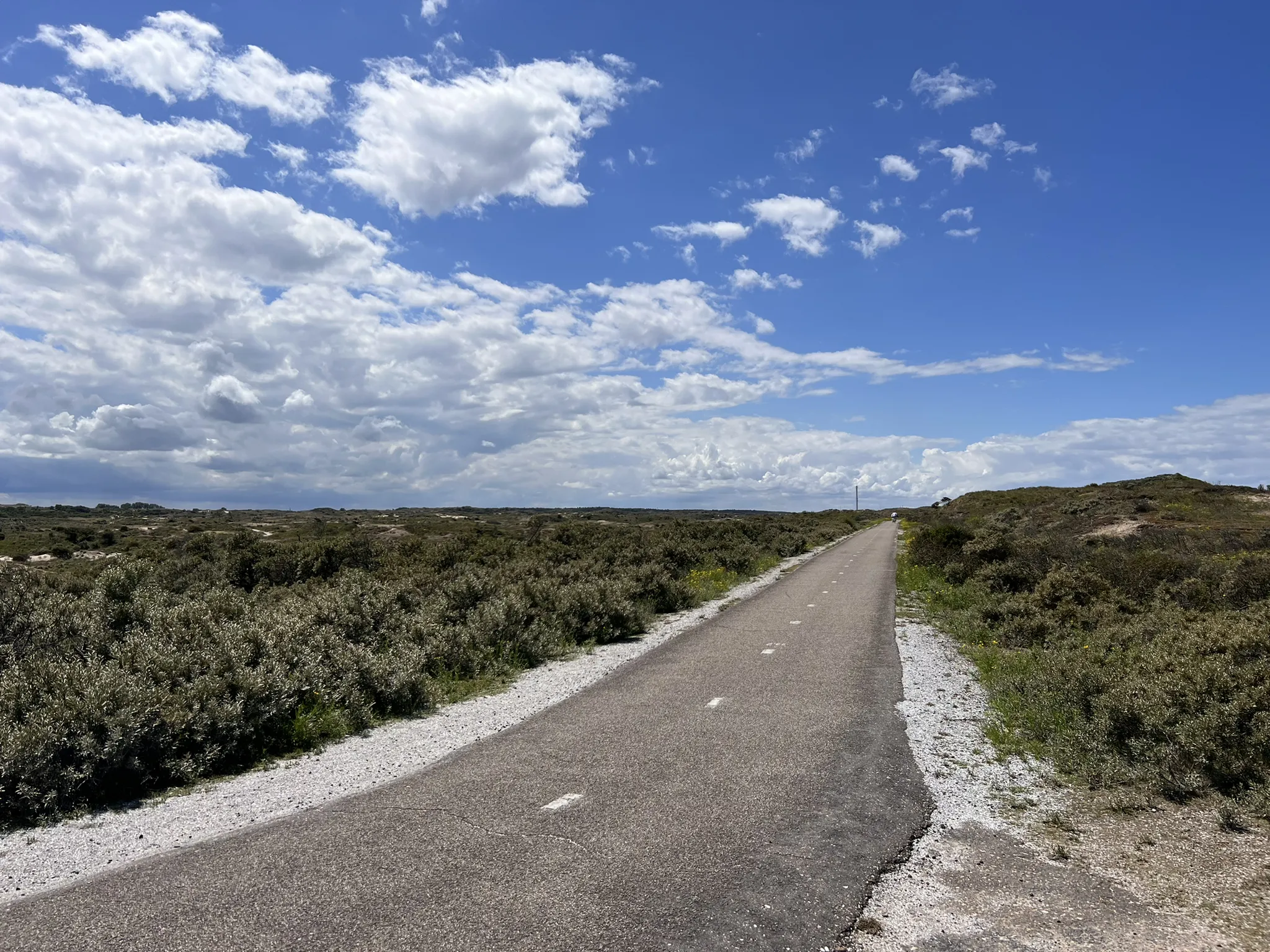
The Tour of the Netherlands – The ultimate cycling route in 21 stages
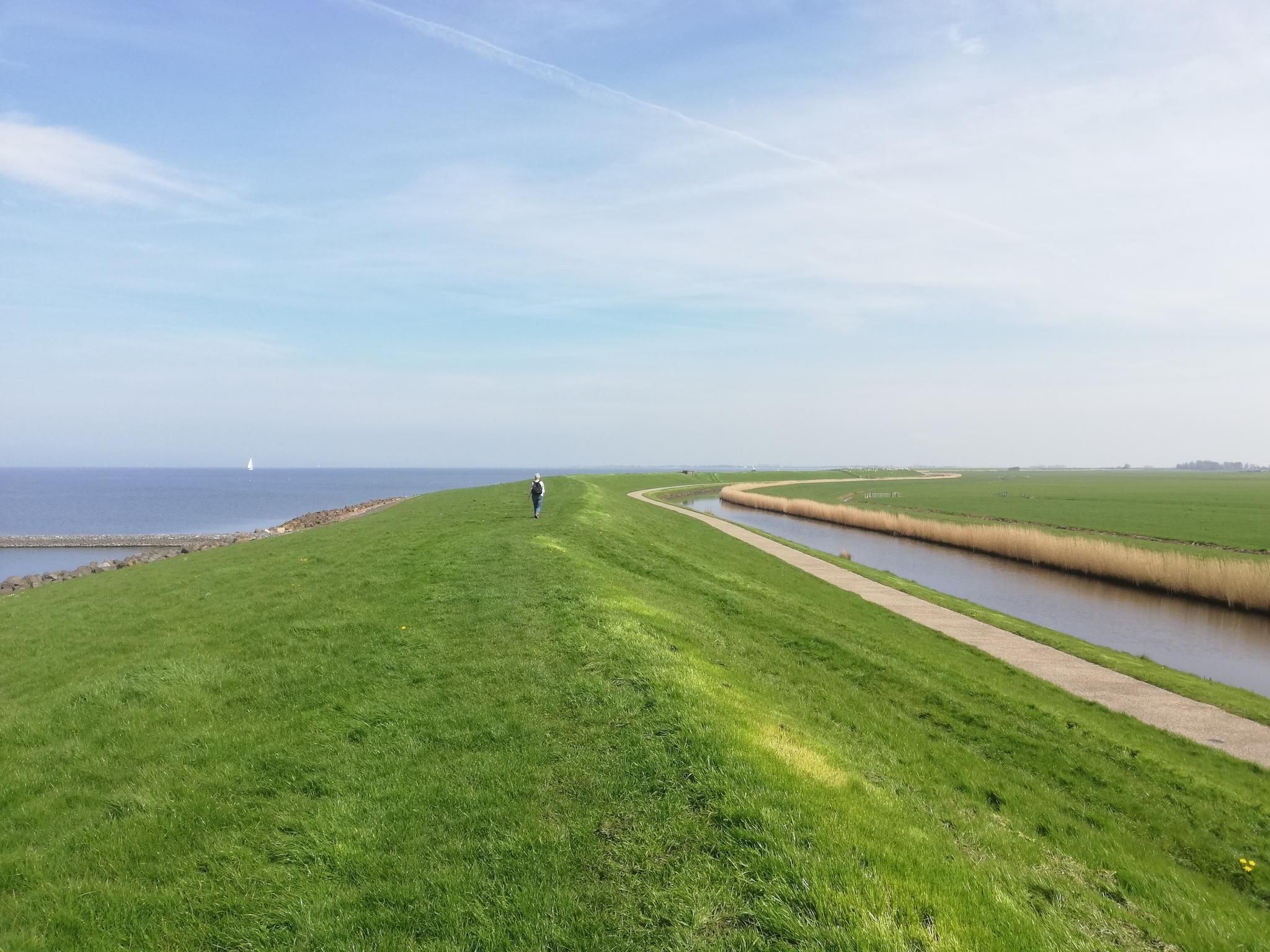
Weekend hike in the north - In two days from station to station
Other adventures in Drenthe


Tips from the Community

The "Nationaal Park Drents-Friese Wold" is a 6150-hectare contiguous nature area on the border of the Dutch provinces of Friesland and Drenthe. The National Park is one of the largest of the 21 existing parks in the Netherlands and consists of forest, heathland, and drifting sand areas. Its closed forest area is the second largest in the Netherlands. It is bordered by Appelscha in the southeast of Friesland and Doldersum, Diever, Hoogersmilde, Wapse, and Vledder in Drenthe. The Drents-Friese Wold area was declared a National Park in 2000. The park is operated by the state forestry administration (Dutch: Staatsbosbeheer), the association for nature monuments (Natuurmonomenten), the Het Drentse Landschap foundation, and the Maatschappij van Weldadigheid foundation. Only a very small part of the area is still privately owned. The National Park has a visitor center in Appelscha and Diever, as well as information boards at the park's six large parking lots. Over 130 kilometers of hiking trails are signposted. The network of very good cycling paths is similarly extensive. Source: partly Wikipedia
0
0

Not only bomb craters but also the remains of the aircraft hangars (ramparts) and the east-west runway are still visible in the landscape. In the nearby Uffelter Binnenveld there are also remnants of German defence works. The largest dolmen was buried in a pit during the war and reconstructed after the war. More bombs were dropped on this airfield than on Rotterdam. It actually never really became operational.
0
0

Beautiful, mostly quite straight cycling paths in the Bargerveen nature reserve that allow a good view of the diverse moor landscape.
2
0

After the peat bog was extracted in the 1960s, the Dutch Forestry Commission began the renaturation of what is now the Bargerveen nature reserve. Today, due to its exceptional diversity of flora and fauna, it enjoys special protection as a European bird sanctuary and an important wetland. You can explore the area on approximately 30 kilometers of hiking trails, enjoy panoramic views of the bog from the observation hill and tower, or experience the unique landscape on guided tours and accessible rides on the Veenland Express train.
1
0

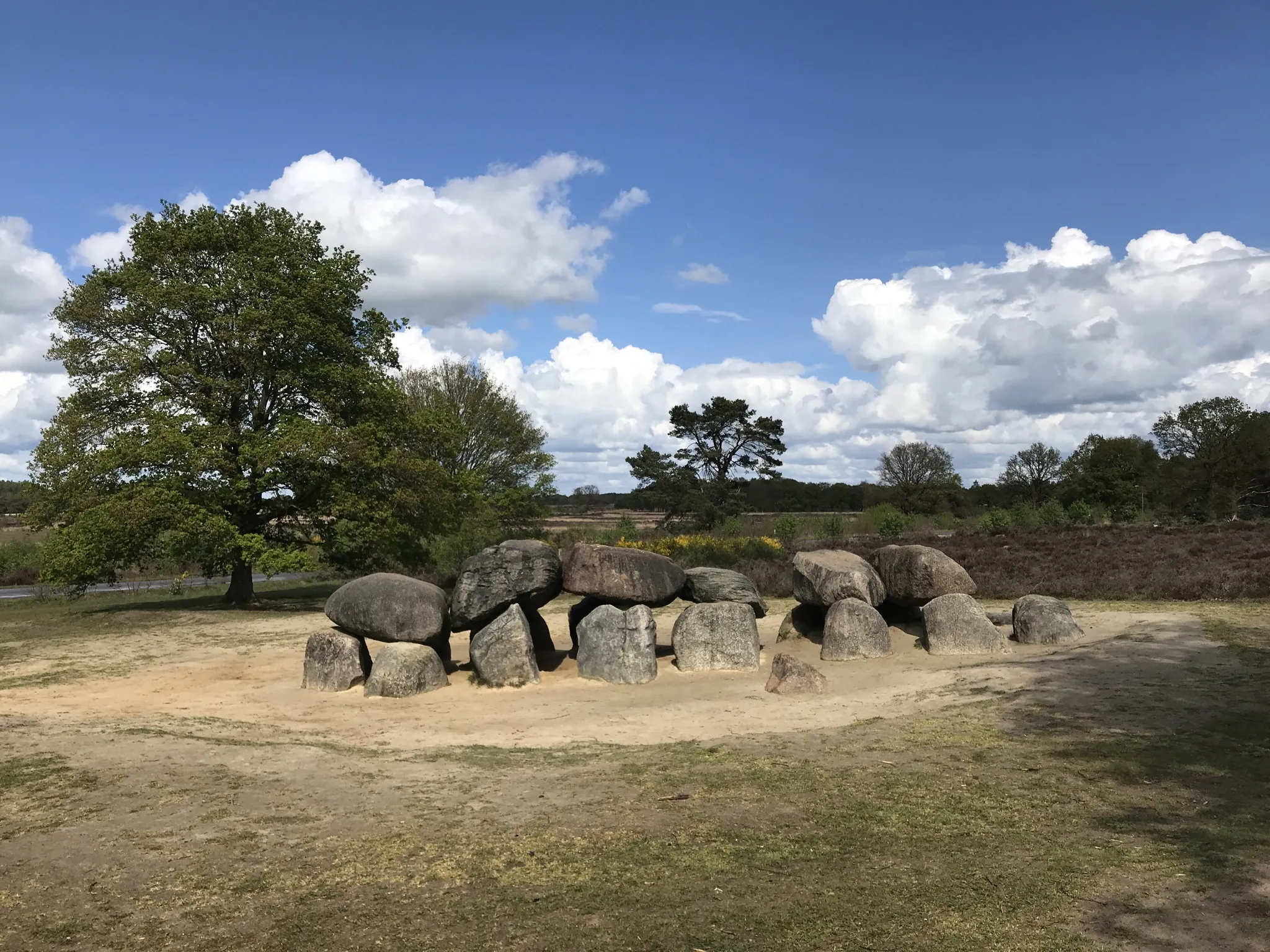
The second-largest dolmen in the Netherlands can be found in Havelte. Dolmen D53 is the only dolmen damaged during the war. The German air force wanted to build an airfield at this location, so the stones were moved. The airfield was bombed to pieces, and the dolmen was excavated and reassembled. The dolmen is approximately 18 meters long, almost complete, and lies on the edge of a heathland. Along with dolmens D54 and D52, it is one of the few in this part of Drenthe. Dolmen D54 is slightly smaller than D53. It lies in the middle of a small sandy plain surrounded by grass. It is a beautiful walking area around these dolmens, as the small sandy plain is surrounded by heathland, small forests, and meadows. Dolmen D53 and D54 are a must-see on your dolmen tour because they are complete, well-maintained, and impressive. If you're coming from Havelte, you can follow the main road, which will take you past a side road. If you take this, the dolmen is almost immediately on your left. Continue driving a little further, and you'll find dolmen D54. Source: https://www.drenthe.nl/locaties/1800662783/hunebed-d53-en-d54-1
1
0
At the end of World War II, several Allied bombings were carried out over the German military airfield on Havelterberg. The numerous bomb craters, visible in the landscape as "round pools," are silent witnesses to this turbulent period. Source: https://www.drenthe.nl/locaties/4065299428/bomkrater
1
0


Beautiful area for cycling or walking
0
0
Frequently Asked Questions
What unique natural features can I explore in Drenthe's natural monuments?
Drenthe is renowned for its diverse natural features. You can discover the vast wet heathlands of Dwingelderveld National Park, the ancient stream valley system of Drentsche Aa National Park, and the unique geological formations of the De Hondsrug UNESCO Global Geopark. The region also features dense forests, sand drifts, and pristine peat bogs, offering a rich variety of landscapes.
Where can I find the ancient hunebedden (dolmens) in Drenthe?
Drenthe is famous for its prehistoric hunebedden. Many are concentrated along the 'Hunebed Highway' (N34). Notable examples include Dolmen D53, the third largest in the Netherlands, and the nearby Dolmen D54, both situated in the Holtingerveld Nature Reserve. You can also visit Dolmen D10, Gasteren, which provides insight into the Funnelbeaker culture.
Are there family-friendly natural monuments in Drenthe?
Yes, many natural monuments in Drenthe are suitable for families. The areas around hunebedden like Dolmen D53 and Dolmen D54 are easily accessible. For recreation, The New Heavenly Realm and Blauwe Meer offer clear blue waters and sandy beaches perfect for swimming and relaxation. National parks like Dwingelderveld and Drents-Friese Wold also have numerous easy trails for all ages.
What is the best time to visit Drenthe's natural monuments?
The best time to visit Drenthe's natural monuments largely depends on your interests. Late August to mid-September is particularly stunning when the heather blooms vibrant purple across areas like Balloërveld and Dwingelderveld. Spring offers lush greenery and birdwatching opportunities, while summer is ideal for swimming at lakes like Blauwe Meer. Autumn provides beautiful fall foliage in the forests.
Are there opportunities for cycling near Drenthe's natural monuments?
Absolutely. Drenthe is a fantastic cycling destination. You can explore the well-preserved bog area of Fochteloërveen on dedicated cycle routes. National parks like Dwingelderveld and Drents-Friese Wold also feature extensive cycling networks. For mountain biking enthusiasts, there are numerous trails, including those in the Drentsche Aa National Park. You can find more cycling routes in our MTB Trails in Drenthe guide.
Where can I go hiking or running near Drenthe's natural monuments?
Drenthe offers excellent options for hiking and running. The Drentsche Aa National Park features well-preserved stream valleys and trails through forests and heathlands, such as the Gasterse Duinen and Oudemolensche Diep Trail. Dwingelderveld National Park is perfect for longer walks across its vast heathlands. For more detailed routes, check out our Hiking in Drenthe guide and Running Trails in Drenthe guide.
Are there any places for wild swimming in Drenthe?
Yes, Drenthe has several beautiful spots for wild swimming. The New Heavenly Realm and Blauwe Meer are popular swimming lakes known for their strikingly clear blue waters and sandy beaches. Another option is Ieberenplas, which also offers a refreshing swim amidst nature.
What historical sites, apart from hunebedden, can be found among Drenthe's natural monuments?
Beyond the ancient hunebedden, Drenthe holds other historical significance. In the Holtingerveld Nature Reserve, you can find the Bomb Craters on the Havelteberg, remnants from Allied bombings during WWII. This area, part of a primeval landscape, also features burial mounds, adding to its archaeological interest.
What do visitors enjoy most about Drenthe's natural monuments?
Visitors frequently praise the tranquility and natural beauty of Drenthe's landscapes. The ancient hunebedden, like Dolmen D53, are often highlighted for their historical significance and atmospheric settings. The clear waters of lakes like The New Heavenly Realm are popular for relaxation, while the extensive heathlands and forests are cherished for hiking and cycling.
Can I observe wildlife in Drenthe's natural monuments?
Yes, Drenthe's diverse ecosystems support a variety of wildlife. Dwingelderveld National Park, as the largest wet heathland in Western Europe, is an excellent destination for birdwatching. The Drentsche Aa National Park is home to the rare wild white lady's slipper orchid. The well-preserved bog area of Fochteloërveen also offers opportunities to observe unique bog wildlife and birds.
Are there viewpoints or scenic spots within Drenthe's natural monuments?
Yes, Drenthe offers several scenic viewpoints. The Bosberg Tower in Appelscha, located within Drents-Friese Wold National Park, provides panoramic views over the forests and heathlands. The Holtveen Bird Hide offers a quiet spot to observe wetland birds. Additionally, the Col du VAM, while man-made, provides the highest point in Drenthe with expansive views.
Most popular routes in Drenthe
Most popular attractions in Drenthe

Get inspired with the komoot mobile app


Didn’t find what you were looking for?
Find even more amazing natural monuments in Drenthe by checking out the top Highlights region by region:
Explore more
Extend your search for the best caves by checking out these guides of the top ones in Drenthe:
