Easy hikes and walks around Lübbenau/Spreewald
4.4
(3954)
16,071
hikers
198
hikes
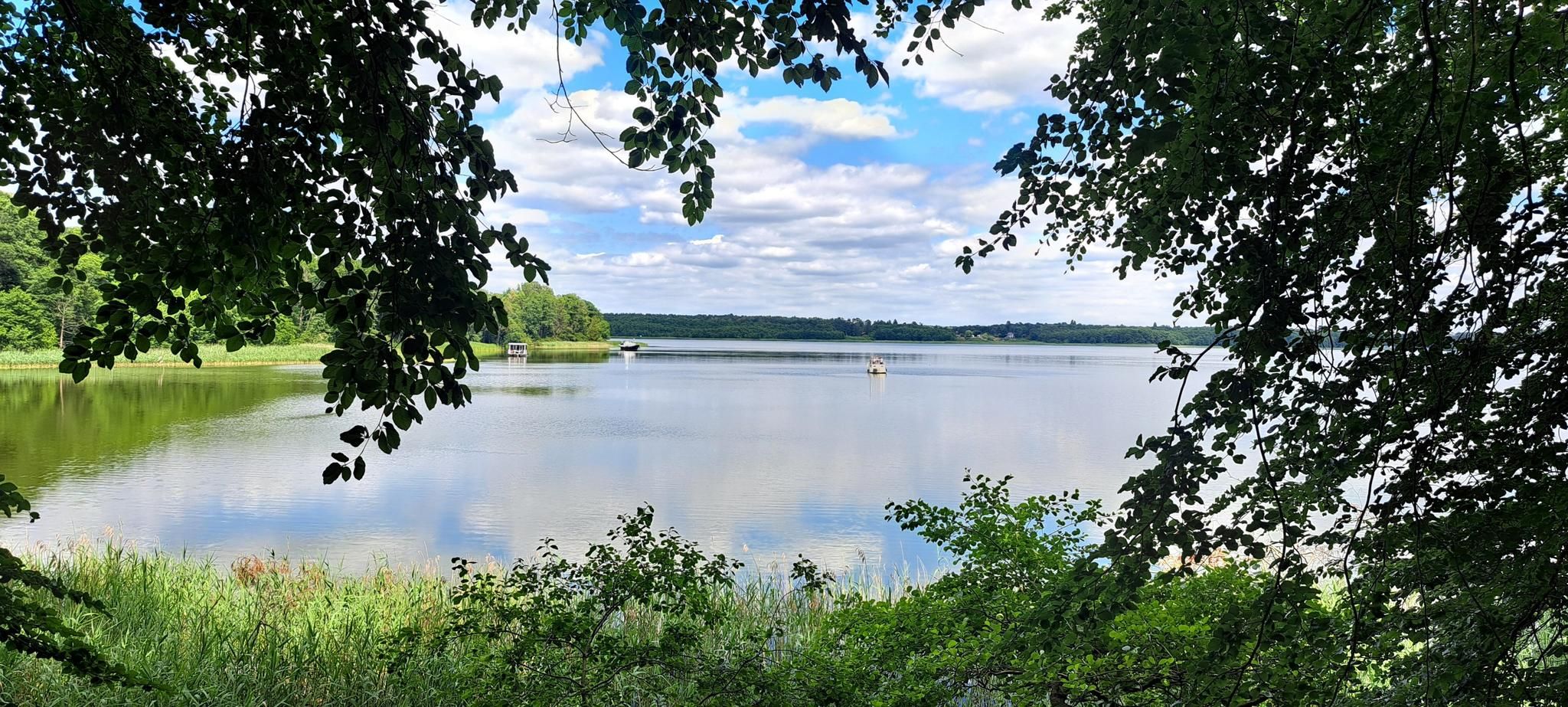
Easy hiking trails around Lübbenau/Spreewald are characterized by a unique water labyrinth and an intricate network of waterways. The flat terrain features alder swamp forests, open pastures, and tranquil moors, reflecting the region's designation as a UNESCO Biosphere Reserve. This landscape provides a serene environment for walking, with many paths running alongside canals and through picturesque scenery.
Best easy hiking trails around Lübbenau/Spreewald
- The most popular easy hiking route is Wooden Bridge to Lehde – Leiper Weggraben loop from Lübbenau/Spreewald…
Last updated: August 24, 2026
4.7
(632)
2,698
hikers
Easy hike. Great for any fitness level. Easily-accessible paths. Suitable for all skill levels.
4.7
(746)
2,934
hikers
Easy hike. Great for any fitness level. Easily-accessible paths. Suitable for all skill levels.

Sign up for free
4.6
(39)
353
hikers
Easy hike. Great for any fitness level. Easily-accessible paths. Suitable for all skill levels.
4.7
(53)
275
hikers
Easy hike. Great for any fitness level. Easily-accessible paths. Suitable for all skill levels.
3.7
(14)
52
hikers
7.38km
01:52
10m
10m
Easy hike. Great for any fitness level. Easily-accessible paths. Suitable for all skill levels.
Get access to more routes and recommendations from other explorers.
Sign up for free
Already have an account?
Our route recommendations are based on thousands of hikes, rides, and runs completed by other people on komoot.
Start today with a free account
Your next adventure awaits.
Login or Signup
Popular around Lübbenau/Spreewald


Tips from the Community


This wooden bridge is on the connecting road to Lehde.
2
0

The bridges are partly very slippery, not so easy with a heavy e-bike, but doable with help
0
0

History The former lordly castle area is the oldest part of Lübbenau. At the park entrance stands a wrought-iron gate with a tower and a crown-adorned serpent. This indicates the last owners of the Lübbenau estate, the Counts of Lynar. The family originally came from Tuscany. The fortress builder Rochus Guerrini, Count of Lynar, was the first of his family to arrive in Germany in 1568. Elisabeth (daughter of Christian Distelmeyer, Chancellor of the Margraviate of Brandenburg), the widow of Count Johann Casimir of Lynar, purchased the Lübbenau estate in 1621. It remained in the possession of one family for more than three hundred years. A medieval moated castle stood on the site of the current building. Around 1600, it was converted into a Renaissance-style castle. The complex received its current appearance largely between 1817 and 1820 by Carl August Benjamin Siegel. The two towers at the rear of the castle were not added until 1839 by Homann. The surrounding nine-hectare park in the English landscape style was created from 1820 onwards and was laid out by H. W. and J. E. Freschke.[1] The plans go back to Peter Joseph Lenné. On October 17, 1928, the previously independent estate district "Schloss Lübbenau" was incorporated into the town of Lübbenau. Count Wilhelm zu Lynar took over the estate of Lübbenau in 1928. The count's family moved their residence to Seese, to the family estate there, in 1930. A museum was opened on May 1, 1932, partly to save on property taxes. The director of the Märkisches Museum Berlin was commissioned to establish it. The exhibition included Lynar family portraits, often created by renowned artists, prehistoric finds, polemics by Martin Luther, a collection of music and weapons, the armor of Count Johannes Siegesmund from the Thirty Years' War, and other art and everyday objects from the history of the castle. With the outbreak of World War II, the collections were relocated to Seese. The Reich Air Force established a cartographic institute in the castle and the orangery. In January 1944, a fire broke out in the right wing of the castle, destroying numerous furnishings. From 1944 onwards, the castle also served as a field hospital. Bust of Rochus, Count of Lynar Memorial plaque for Wilhelm, Count of Lynar
2
0
Frequently Asked Questions
How many easy hiking trails are available in Lübbenau/Spreewald?
Lübbenau/Spreewald offers a wide selection of easy hiking trails, with over 140 routes specifically categorized as easy. In total, there are more than 200 hiking tours in the region, catering to various preferences.
What kind of terrain will I encounter on easy hikes in Lübbenau/Spreewald?
The easy hiking trails in Lübbenau/Spreewald are characterized by flat terrain, making them accessible for all skill levels. You'll walk through unique alder swamp forests, open pastures, and tranquil moors, often alongside the region's intricate network of waterways and canals.
Are there family-friendly easy hikes in Lübbenau/Spreewald?
Yes, many easy trails in Lübbenau/Spreewald are perfect for families. Routes like the Lübbenau Castle – Lehde Open-Air Museum loop are short and offer cultural insights, while the Wooden Bridge to Lehde – Leiper Weggraben loop provides a relaxed pace through beautiful nature, ideal for a family outing.
Are there easy circular routes in Lübbenau/Spreewald?
Absolutely. Many of the easy hikes in the region are circular, allowing you to start and end at the same point. Examples include the Wooden Bridge to Lehde – Leiper Weggraben loop and the Dubkow Mill Inn – Dubkow Moor loop, which offer convenient exploration of the Spreewald's unique landscape.
What can I see along the easy hiking trails in Lübbenau/Spreewald?
Along the easy trails, you can explore charming historic areas and natural features. Highlights include the Great Spreewald Harbor, the picturesque Lübben Castle, and the unique Slavic Castle Raddusch. Many paths also wind through traditional Spreewald villages and past historic haystacks.
When is the best time to go hiking in Lübbenau/Spreewald?
The spring and summer months are particularly recommended for hiking in Lübbenau/Spreewald. During this time, the mild weather allows nature to flourish, enhancing the picturesque scenery of the water labyrinth, canals, and vibrant flower gardens.
Are there places to eat or rest along the easy hiking routes?
Yes, the region offers several traditional inns and restaurants where you can enjoy local specialties. Notable spots include the Dubkow Mill Inn and the Wotschofska Inn, which are often located directly on or near popular hiking paths.
What do other hikers enjoy most about the easy trails in Lübbenau/Spreewald?
The easy trails in Lübbenau/Spreewald are highly rated by the komoot community, with an average score of 4.4 stars from over 2,800 reviews. Hikers often praise the serene atmosphere, the unique water labyrinth landscape, and the well-maintained, flat paths that make for a relaxing outdoor experience.
Can I combine hiking with other activities in Lübbenau/Spreewald?
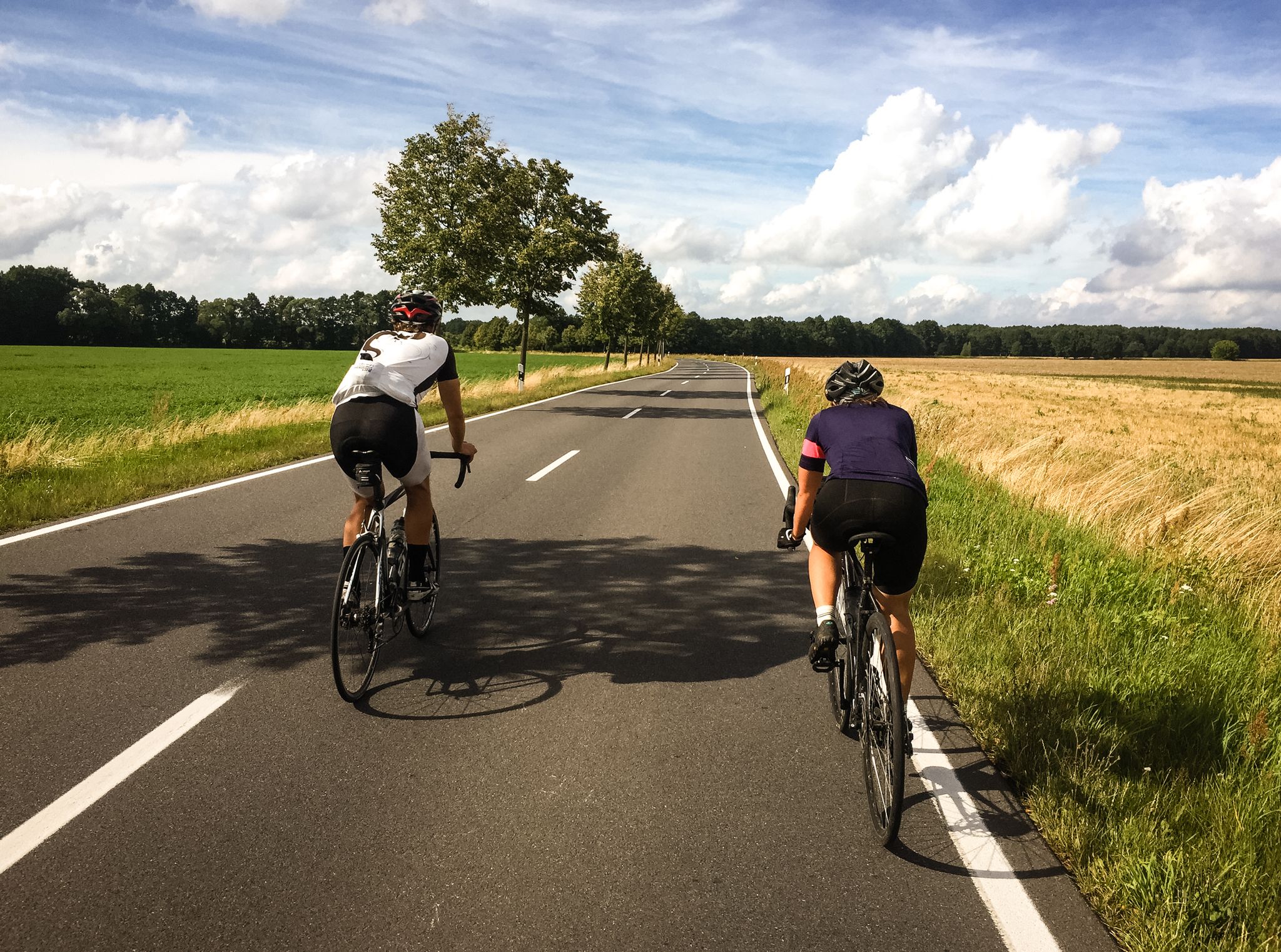
Yes, the Spreewald's unique waterways make it ideal for combining hiking with other activities like paddling or cycling. Many hiking paths run alongside canals, and the famous 'Gurkenradweg' (Cucumber Cycle Path) is also accessible to hikers, offering scenic routes through the landscape.
Are there any easy hikes that offer cultural insights?
For cultural insights, consider the Lübbenau Castle – Lehde Open-Air Museum loop. This route leads through historic areas, including the impressive Lübbenau Castle and its park, and provides access to the Lehde Open-Air Museum, which showcases the life and culture of the Sorbs/Wends.
What is the typical length and duration of easy hikes in this area?
Easy hikes in Lübbenau/Spreewald typically range from 3.5 km to 7.5 km in length. Most can be completed within 1 to 2 hours, offering a pleasant and manageable outdoor experience. For example, the Wooden Bridge to Fontaneweg loop is about 6 km and takes around 1.5 hours.
Are there any viewpoints or scenic spots on the easy trails?
While the terrain is generally flat, the entire region offers continuous scenic beauty with its intricate water labyrinth, alder swamp forests, and open pastures. Many paths run directly alongside the canals, providing picturesque views of the water reflecting the surrounding nature. The historic villages like Lehde also offer charming vistas.
Most popular routes around Lübbenau/Spreewald
Most popular attractions around Lübbenau/Spreewald

Get inspired with the komoot mobile app


Explore more
Browse the best Hikes in other regions.
