Top 20 Castles in Connacht
Castles in Connacht, a province on Ireland's west coast, offer a glimpse into centuries of Irish heritage. The region features a diverse landscape, from the shores of Lough Corrib to the rugged Connemara. These architectural sites are set amidst natural beauty, providing historical insights and scenic views. Connacht's rich history is reflected in its numerous castles, ranging from medieval fortresses to 19th-century estates.
Best castles in Connacht
- The most popular castles is Ashford Castle, a castle that was originally built in the 13th century and later expanded by Benjamin Guinness. Since 1939, it has served as an exclusive five-star hotel, attracting visitors from around the world.
- Another must-see spot is Kylemore Abbey, a castle now housing a Benedictine monastery. Visitors can explore splendidly furnished rooms, a neo-Gothic church, and magnificent Victorian walled gardens.
- Visitors also love Dunguaire Castle, a picturesque 16th-century tower house on Galway Bay. It is known for its romantic appearance and hosts medieval banquets from April to October.
- Connacht is known for its variety of castles, including medieval fortresses, 16th-century tower houses, and 19th-century Gothic Revival structures. These sites offer insights into different periods of Irish history and architecture.
- The castles in Connacht are appreciated by the komoot community, with more than 140 upvotes and 31 photos shared across the highlights.
Last updated: October 9, 2026
Lynch's Castle
Highlight • Castle
Translated by Google •
Tip by

Ashford Castle
Highlight • Castle
In the 19th century, Ashford Castle was purchased and both restored and expanded by Benjamin Guinness, a member of the famous brewing family. His son, Arthur Guinness, 1st Baron Ardilaun, was responsible for creating the extensive gardens and forests, which are now decorated with exotic plants from all over the world. Since 1939, the castle has served as one of Ireland's most exclusive 5-star hotels, attracting guests from all over the world, including numerous celebrities and royalty.
Visiting Ashford Castle is not only a trip back in time, but also an opportunity to experience the luxurious amenities and exceptional service of one of the world's leading hotels. The magnificent gardens and picturesque lake provide ample opportunities for walking and exploring in some of Ireland's most beautiful scenery.
Access to the grounds of Ashford Castle is normally reserved for hotel guests, but there are routes to allow viewing, such as the footbridge at Monk's Fishing House behind the abbey, which offers free entry. However, visitors should inform themselves in advance about the current access conditions and possible restrictions.
Translated by Google •
Tip by

Sign up now to discover places like this
Get recommendations on the best single tracks, peaks, & plenty of other exciting outdoor places.
Kylemore Abbey
Highlight • Castle
After the visit, you can enjoy the beautiful surroundings with a stroll along the lake shore and through the gardens. The tea house offers meals and baked goods based on the nuns' recipes, as well as herbal teas straight from the garden.
Translated by Google •
Tip by

Dunguaire Castle
Highlight • Castle
Translated by Google •
Tip by

O'Brien's Castle (Dún Formna)
Highlight • Castle
en.m.wikipedia.org/wiki/O'Brien's_Castle_(Inisheer)
de.m.wikipedia.org/wiki/Dún_Formna
“… A ringfort once stood on the site, named Dún Formna ... and dated to between the 5th century BC and 1st century AD. …”Wikipedia (List of national monuments in County Galway, 2024-08-09):
en.m.wikipedia.org/wiki/List_of_national_monuments_in_County_Galway
“41.07 … O'Brien's Castle (Great Fort, Furmina Castle) … Cashel”
Tip by

Carrowmore Megalithic Tombs
Highlight • Historical Site
Translated by Google •
Tip by

Portumna Friary Ruins
Highlight • Historical Site
Translated by Google •
Tip by
Easky Castle
Highlight • Castle
Showing Translation
Tip by

Portumna Castle and Gardens
Highlight • Castle
Translated by Google •
Tip by
Clifden Castle Ruins
Highlight • Castle
Translated by Google •
Tip by

Sign up for free to discover even more castles in Connacht.
Already have an account?
Start today with a free account
Your next adventure awaits.
Popular around Connacht
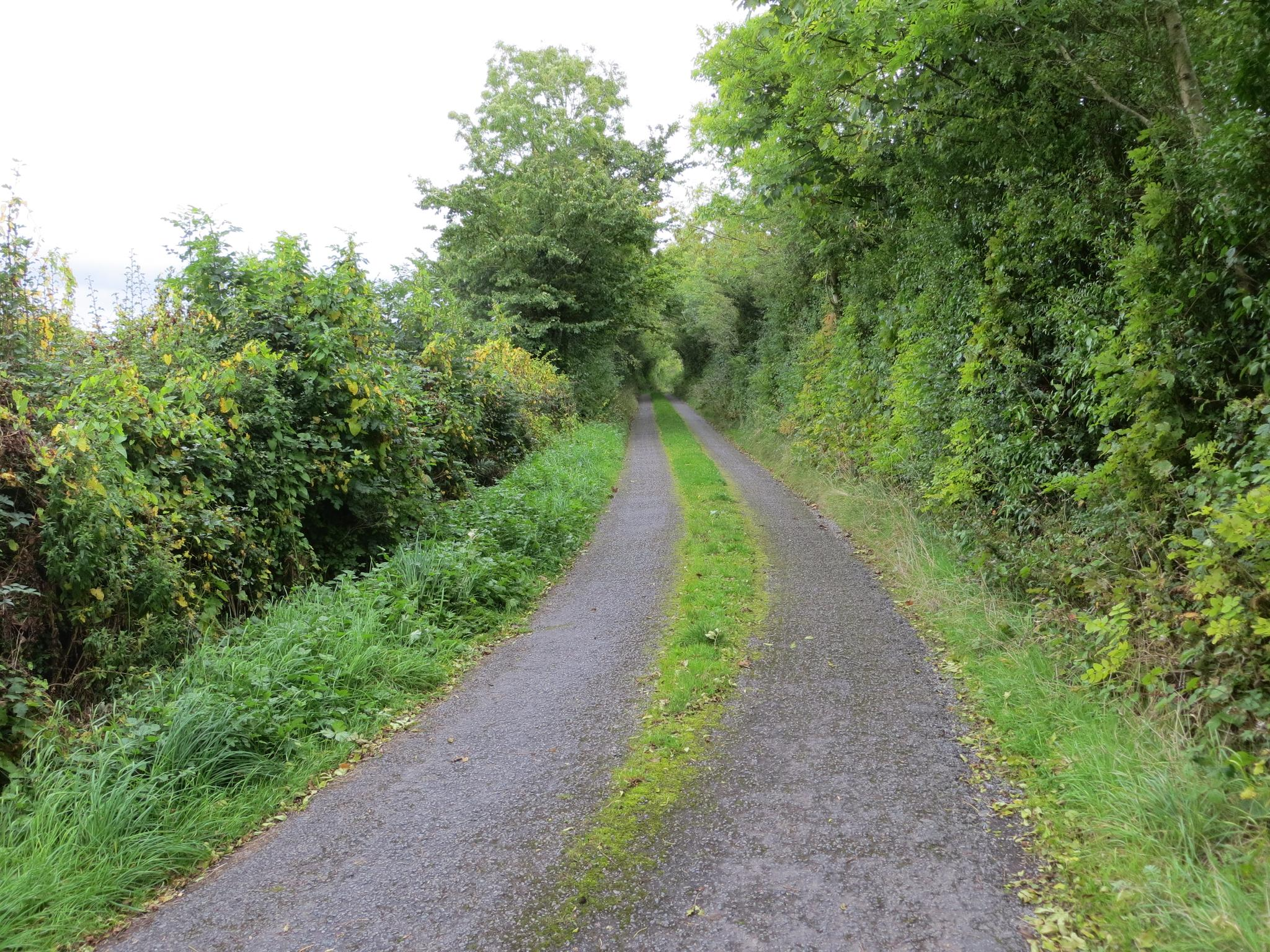
Suck Valley Way — Castles, Rivers & Rural Ireland
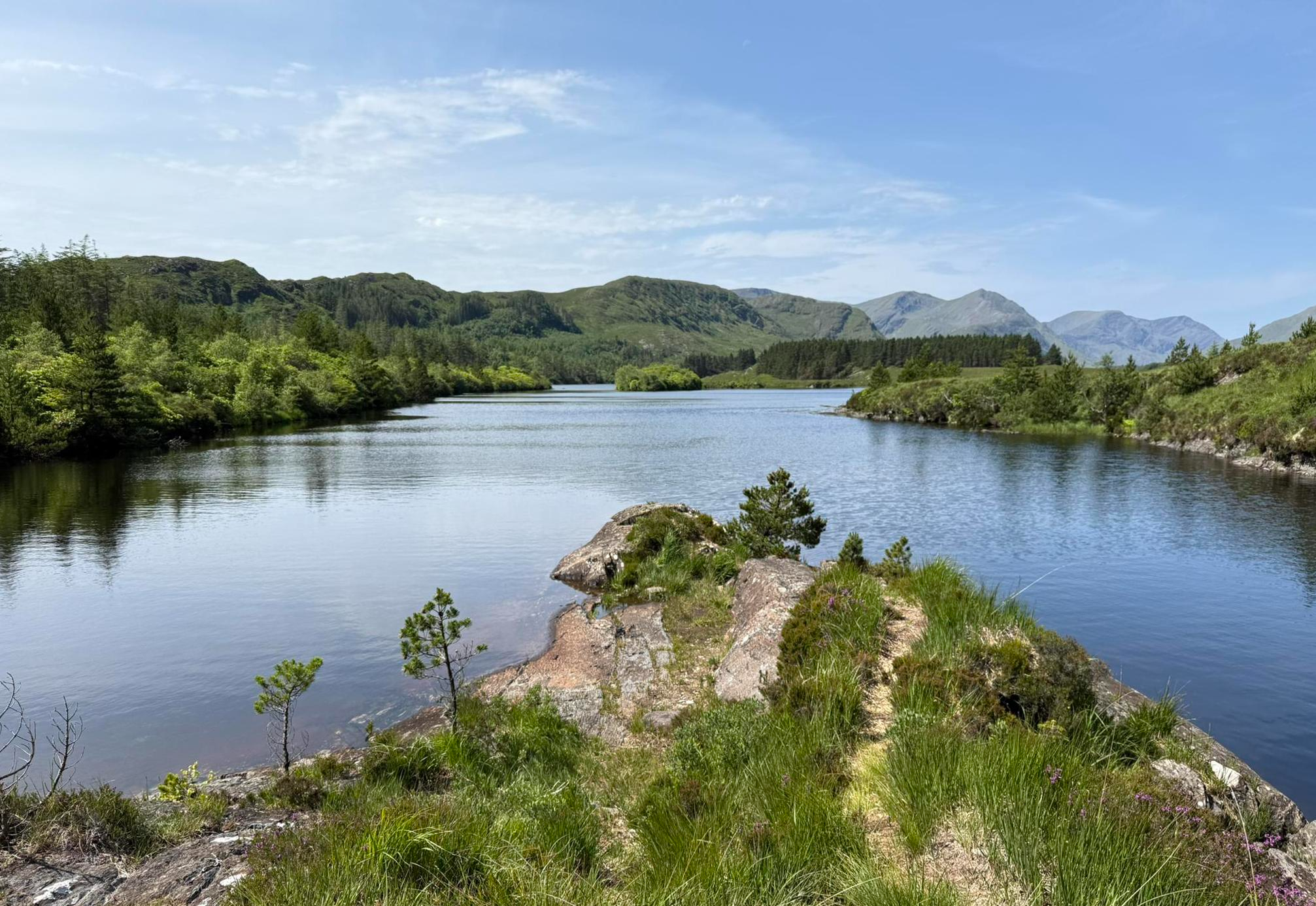
Western Way – Rugged mountains, remote hills and scenic splendour
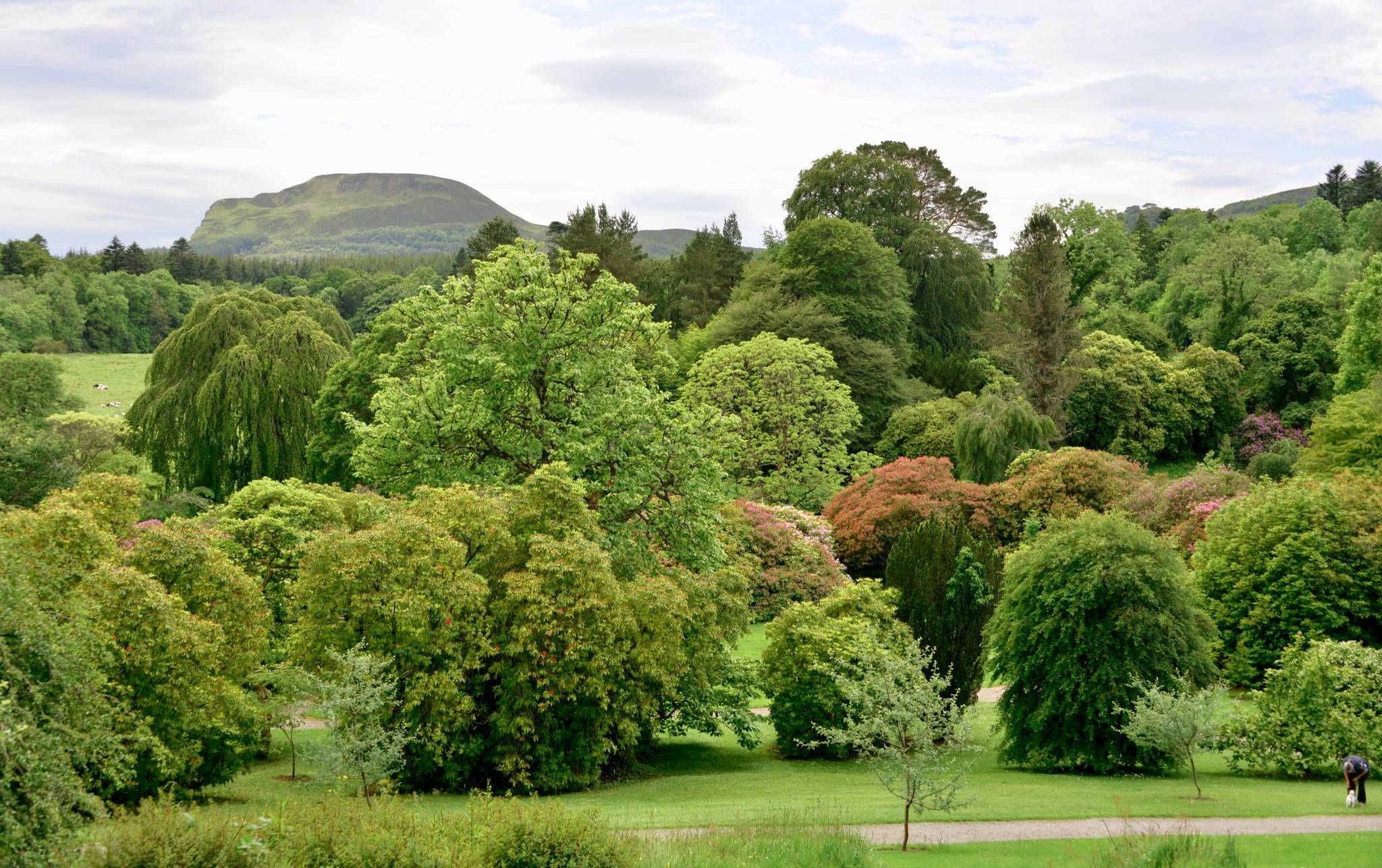
Kingfisher Trail – Explore Ireland's diverse history and nature by bike
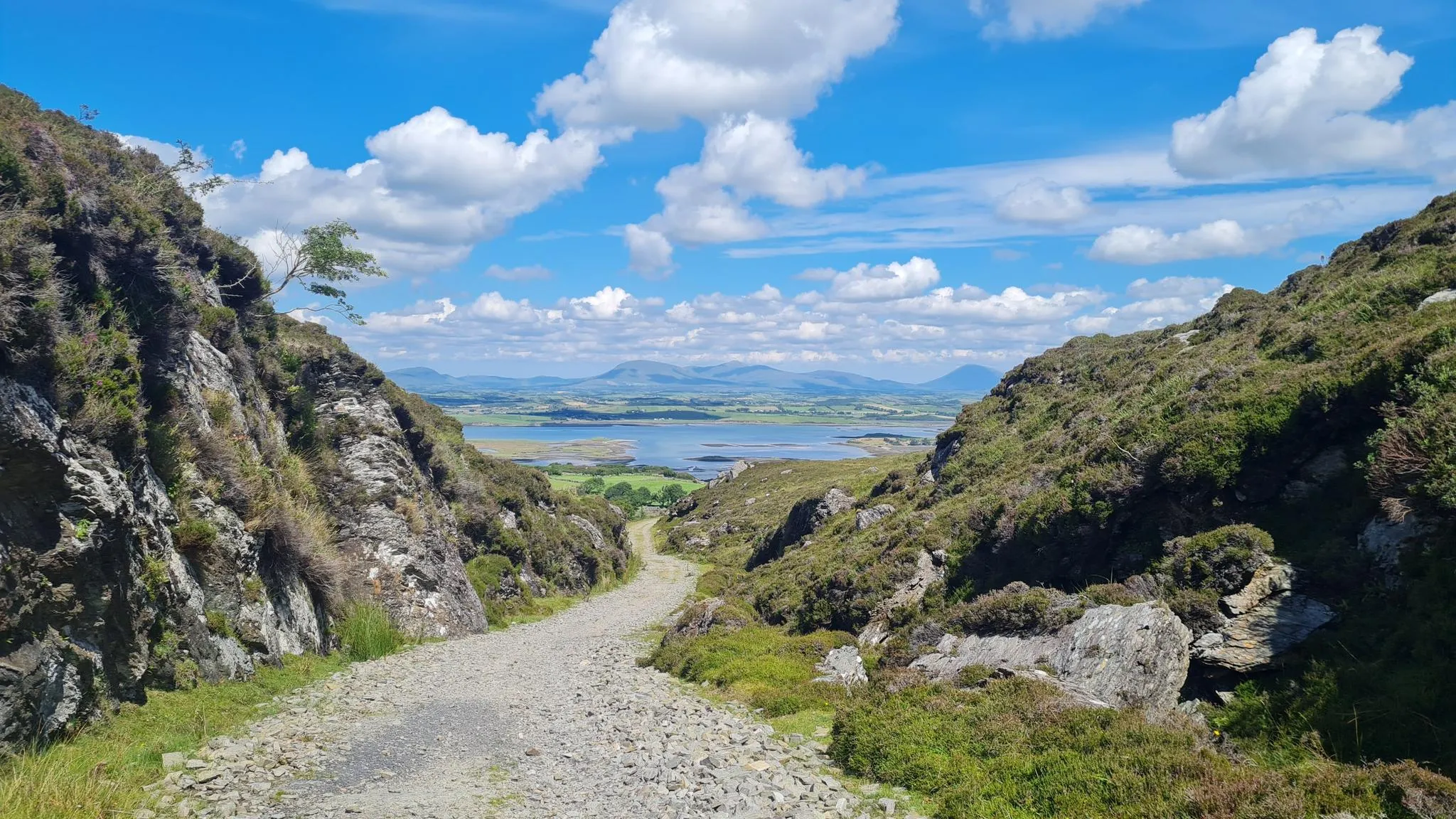
Croagh Patrick Heritage Trail – hike to Ireland’s holiest mountain
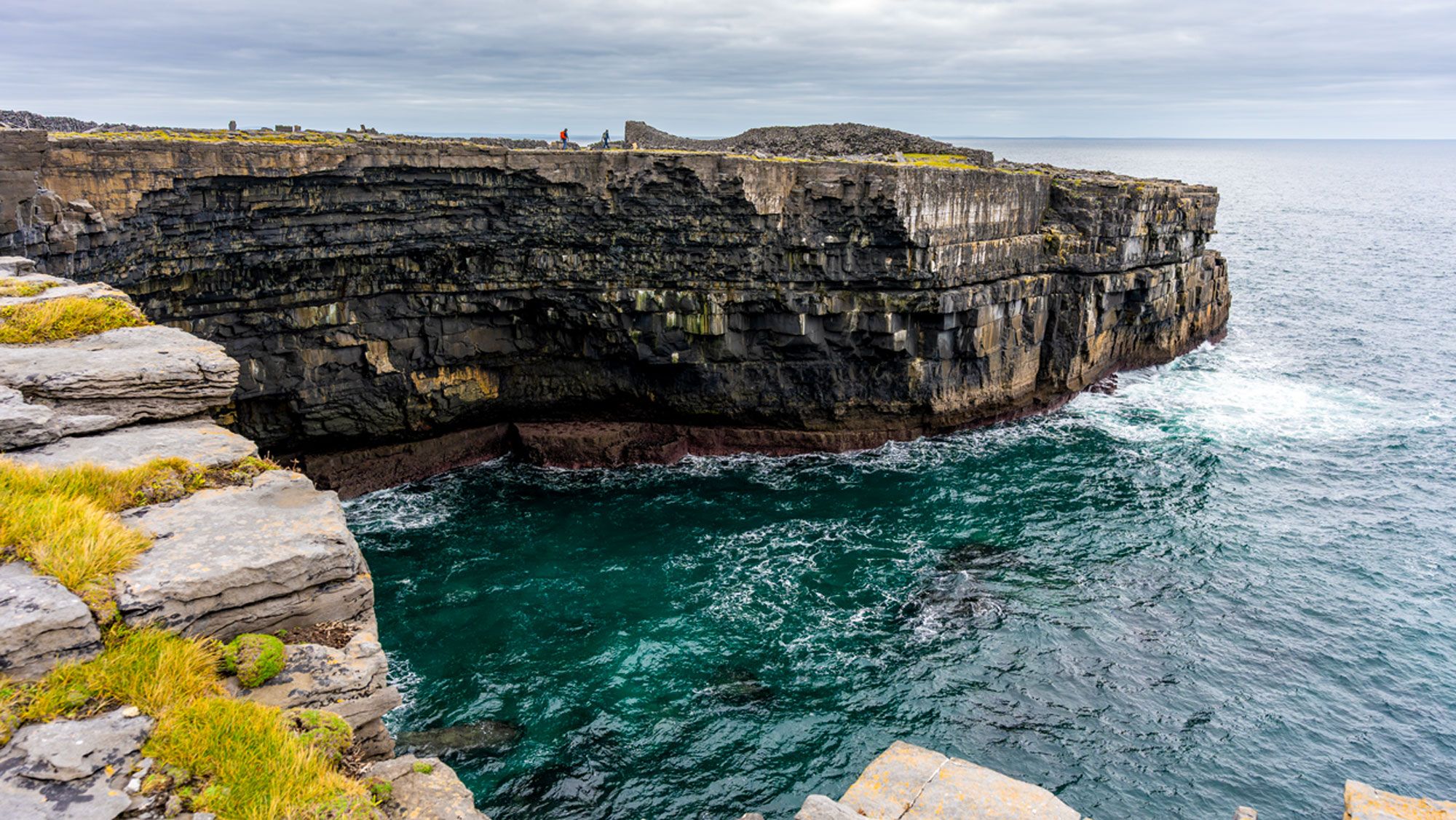
Aran Islands
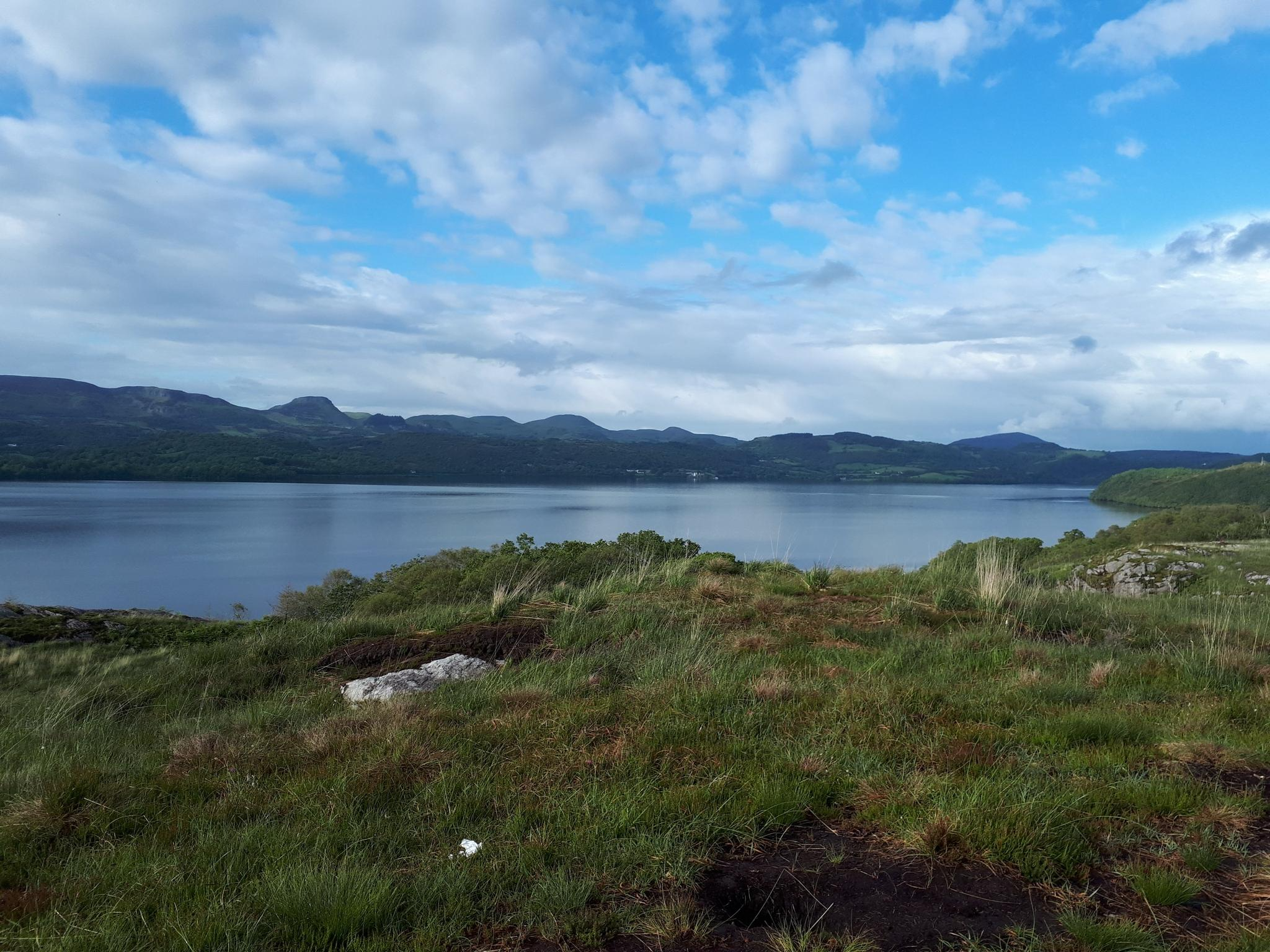
Sligo Way – Hiking through Yeats Country
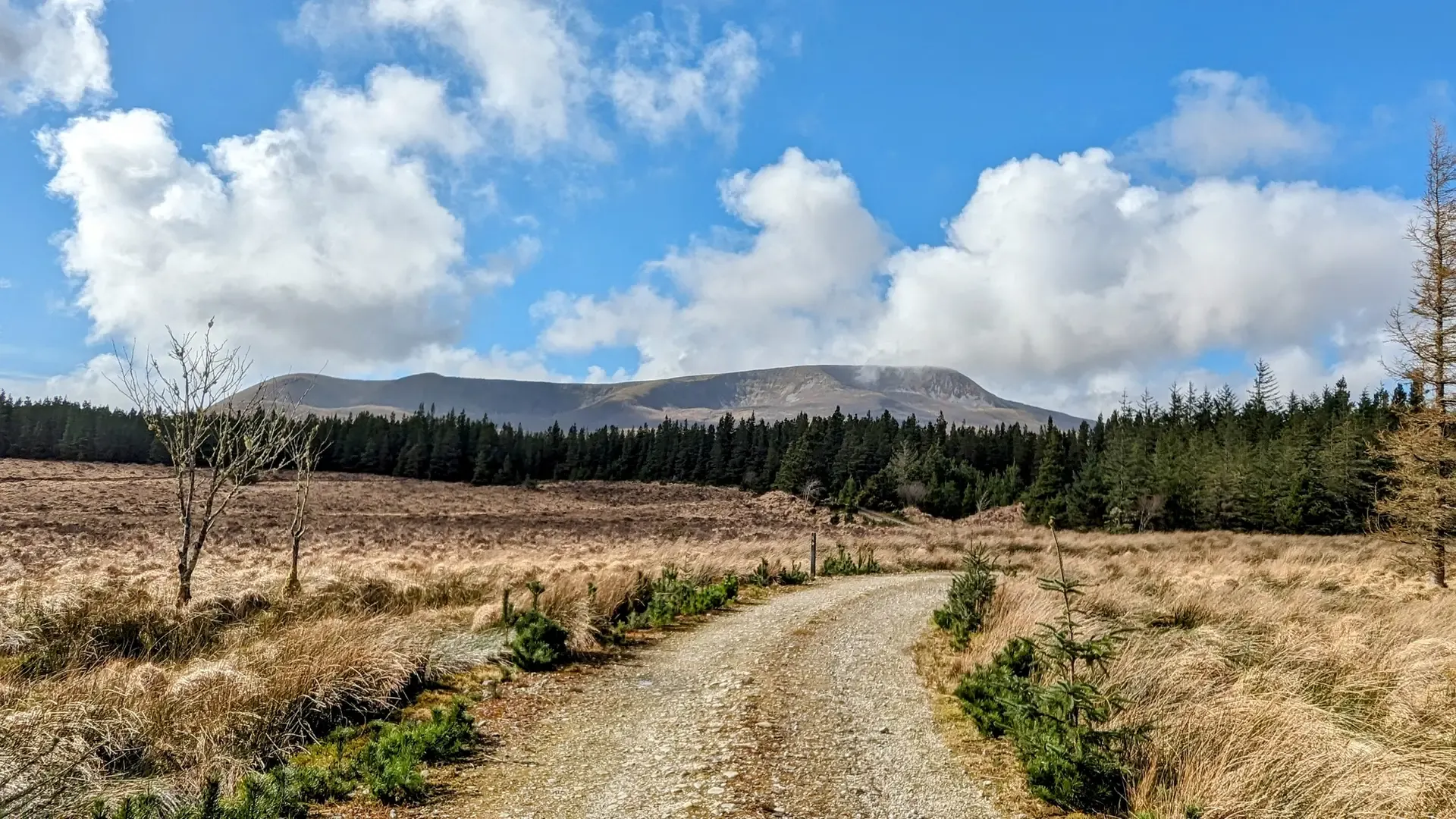
Rugged Rides of Ireland — Wild Nephin Way
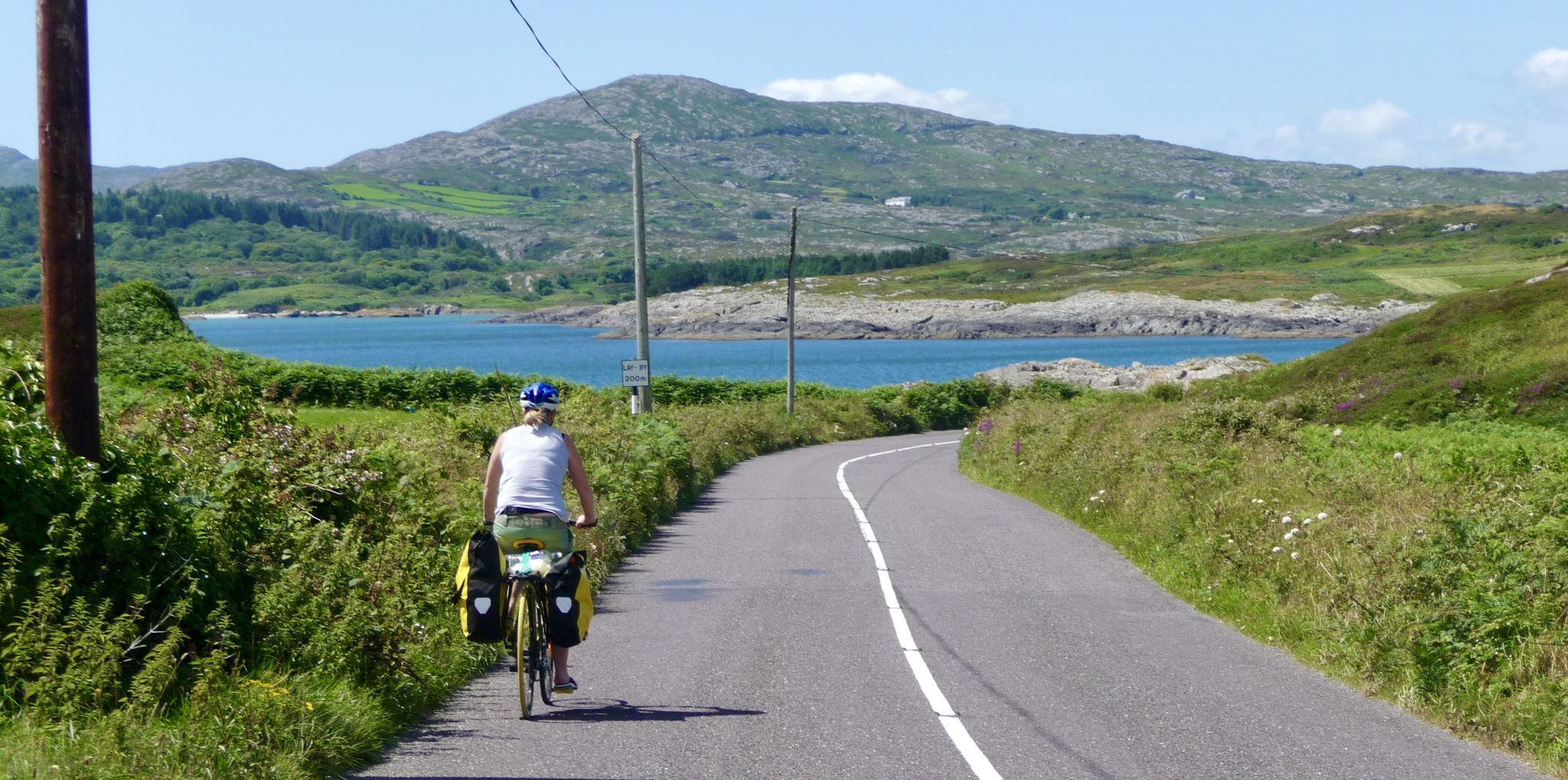
Discover beautiful Ireland – cycle end-to-end from Mizen to Malin
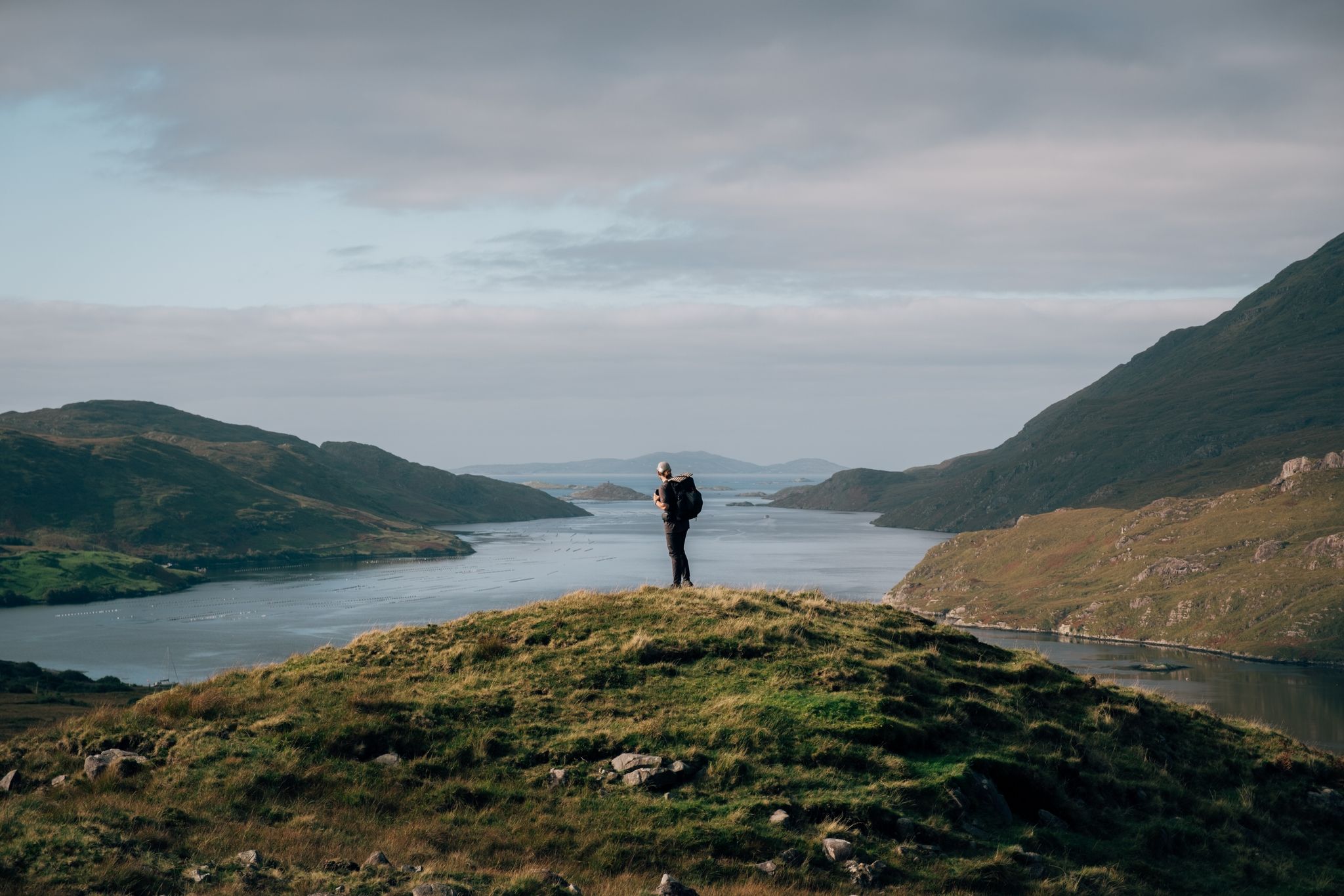
Wild and pristine – hiking along western Ireland’s cliffs & islands
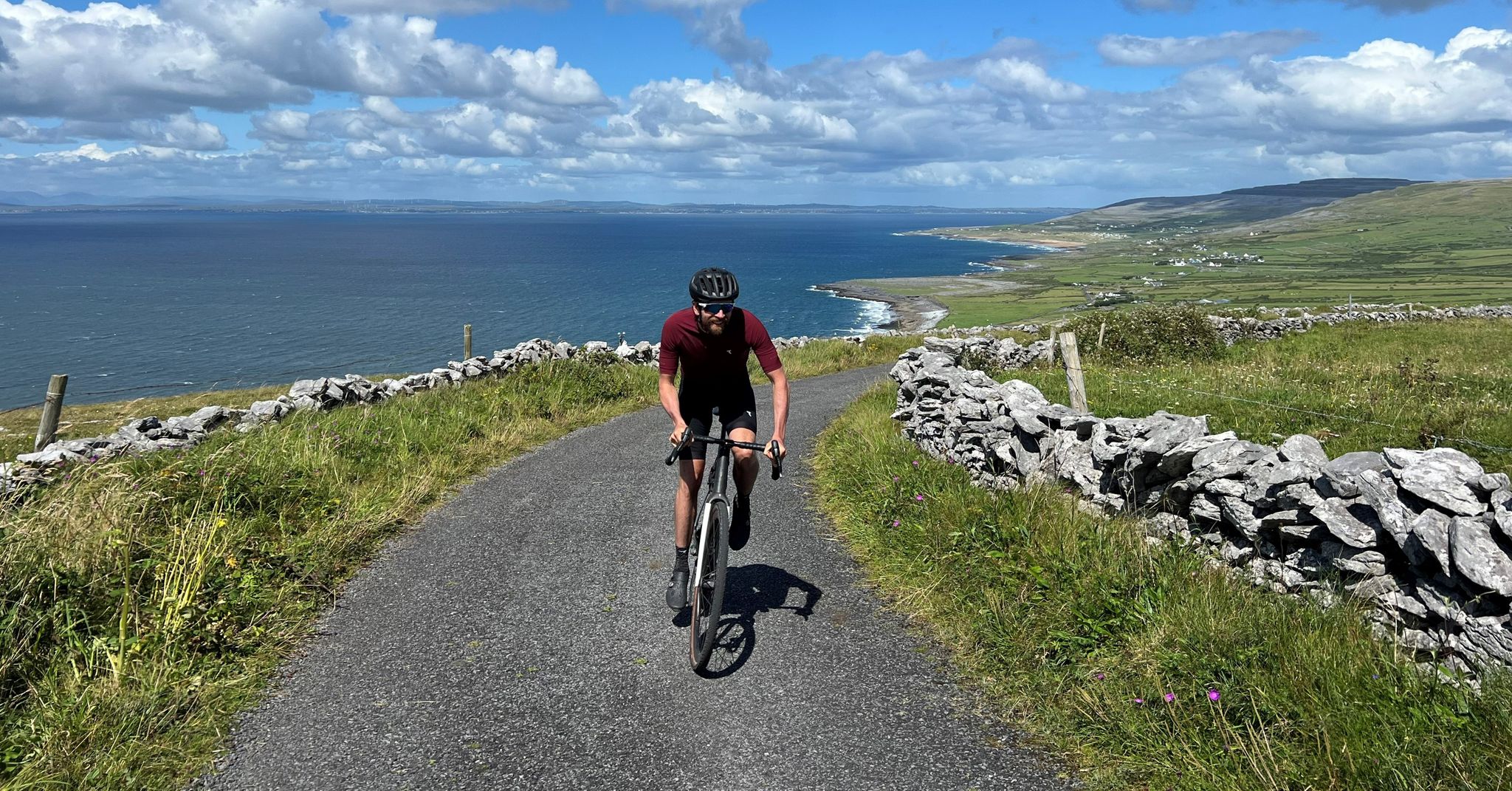
Road cycling on Ireland's west coast – four Tours with Jonas Deichmann
Other adventures in Connacht


Tips from the Community

Directly at the pier of Easkey you will find the impressive remains of Roslee Castle (Easky Castle), built in 1207. This robust tower has defied the fierce Atlantic winds for centuries and is one of the absolute highlights along this part of the coast. For the adventurers: via a hidden staircase in the wall you can (at your own risk!) climb to the top for an unforgettable view over the ocean. From the pier, also be sure to look down at the surfers who are mastering the famous 'left-hand break' here. A perfect place to get some fresh air and breathe in the salty sea air. dominated for centuries.
4
0
On the facade of this imposing medieval manor house (15th century), in which the Allied Irish Bank (AIB) is located, the gargoyles and graceful lintels stand out, as well as the medallion with the coat of arms of King Henry VII of England. The manor house was confiscated in the 17th century when Cromwell conquered the city (the Lynch family had supported the opposing royalist faction). Under the veranda, you can read the famous (and incorrect) legend of the son who was hanged here by his father, James Lynch, mayor of Galway in the 15th century.
4
0
The understated landscape is dominated by the sober silhouette of Dunguaire Castle, a tall, four-story tower, built in 1520 by a descendant of the kings of Connaught. This castle served as a backdrop for the film *The Sea Wolves* (starring Roger Moore and Anthony Perkins, 1979) and has retained its cinematic appeal. Since 2023, the castle interior has been closed to the public, and no reopening date has been announced, but you can still wander around the grounds and experience the special and magical atmosphere of the place.
6
0

The castle is a great photo opportunity and the circular path offers sea views
3
0

A circular path leads around the castle in a beautiful location by the sea
4
0

At the Carrowmore Megalithic Cemetery, archaeologists have discovered the remains of more than 60 tombs, of which more than 30 have been excavated. The oldest tombs are about 700 years older than Newgrange and date from around 3800 BC.
0
0

The building is stunning and still shows the old Southern Ireland.
2
0

A Caisleán / O'Briens Castle Caisleán Uí Bhriain (O' Briens Castle) was built in the 14th century. It was built within an older ring fort called Dún Formna, which is thought to date from 400 BC. As well as fantastic views of the island, there are also magnificent views from the Cliffs of Moher, stretching to the left to the Burren, across Galway Bay to the 12 Pins of Connemara and to the west to Inis Meáin and Inis Mór. On a fine day you can even see the Kerry Mountains in the distance. It's worth taking your camera, especially for a spectacular sunset. The castle is a rectangular keep built by the O'Briens. They were a clan from County Clare who ruled the islands and large parts of Clare in the Middle Ages. From this castle they were able to control the shipping routes to Galway and are said to have operated protection rackets there. Due to its strategic location the castle was the subject of numerous competing interests. It was captured by the O'Flahertys around 1582 and was in use until it was supposedly captured and destroyed by Cromwell in 1652. The original entrance led to the first floor and was accessed via an external wooden staircase. Inside there was a hall taking up the whole of the first floor with an internal staircase in the SW wall leading up to the parapets. The ground floor was originally a basement with three vaulted chambers accessed from the first floor. Look out for the corbel of a watchtower which survives on the external wall and has a human face carved into it. The original Dún Formna has been restored a number of times throughout its history. It dates from the same period as the more famous Dún Aonghasa on Inis Mór and probably contained some clocháns, of which no trace remains today. (Source: https://www.rothai-inisoirr.com/an-caislean/)
1
0
Frequently Asked Questions
Which castles in Connacht are most popular with visitors?
Among the most popular castles in Connacht are Ashford Castle, known for its luxurious hotel and extensive grounds, and Kylemore Abbey, a stunning Benedictine monastery with beautiful Victorian walled gardens. Dunguaire Castle is also highly regarded for its picturesque setting and medieval banquets.
Are there family-friendly castles to visit in Connacht?
Yes, several castles in Connacht offer family-friendly experiences. Kylemore Abbey, with its gardens and tea house, is a great option. Dunguaire Castle hosts engaging medieval banquets that can be fun for families. Portumna Castle and Gardens also welcomes families to explore its grounds.
What kind of historical insights can I gain from visiting Connacht's castles?
Connacht's castles offer a deep dive into Irish history. Ashford Castle showcases Anglo-Norman origins and 19th-century Guinness family expansions. Athenry Castle provides an authentic glimpse into Norman history with its 13th-century hall-keep. Roscommon Castle stands as a testament to centuries of power struggles, while Dunguaire Castle played a role in Ireland's literary revival.
What natural features or viewpoints can I find near Connacht castles?
Many castles in Connacht are set amidst stunning natural beauty. Ashford Castle is on the shores of Lough Corrib, offering picturesque lake views. Kylemore Abbey is nestled by a lake in Connemara with wooded hills. Clifden Castle, though a ruin, offers panoramic views of the Connemara coastline from its location off the Sky Road. Dunguaire Castle provides views of Galway Bay.
Are there opportunities for outdoor activities near Connacht's castles?
Yes, the region around Connacht's castles offers numerous outdoor activities. You can find various hiking trails, such as those listed in the Easy hikes in Connacht guide. For cyclists, there are many road cycling routes, including those mentioned in the Road Cycling Routes in Connacht guide. Ashford Castle itself offers falconry, equestrian experiences, golf, fishing, and lake cruising on its extensive grounds.
What is the best time of year to visit castles in Connacht?
The spring and summer months (April to October) are generally ideal for visiting Connacht castles, offering milder weather and longer daylight hours. During this period, attractions like Dunguaire Castle host medieval banquets. Some sites, like Kylemore Abbey, have magnificent gardens that are best enjoyed when in full bloom.
Are there any castles in Connacht that are less crowded or off the beaten path?
While popular sites draw crowds, you can explore less-visited gems. Clifden Castle, an evocative ruin, offers a beautiful and less crowded experience, requiring a pleasant walk to reach. Roscommon Castle, though impressive, might also offer a quieter visit compared to the more famous tourist destinations.
Can I access the grounds of Ashford Castle without being a hotel guest?
Access to the main grounds of Ashford Castle is typically reserved for hotel guests. However, there are routes for viewing, such as a footbridge near Monk's Fishing House, which may offer free entry to certain areas. It's advisable to check current access conditions before your visit.
Are there any castles in Connacht known for their gardens?
Yes, Kylemore Abbey is renowned for its magnificent Victorian walled gardens, which were once tended by 40 gardeners and included 21 heated glasshouses. Ashford Castle also boasts extensive, meticulously manicured lawns and formal gardens created by Arthur Guinness.
What kind of architecture can I expect to see among Connacht's castles?
Connacht's castles display a range of architectural styles. You'll find medieval and Victorian blends at Ashford Castle, 19th-century Gothic Revival at Kylemore Abbey and Clifden Castle, and 16th-century tower house design at Dunguaire Castle. Athenry Castle is a prime example of a 13th-century Norman hall-keep, while Portumna Castle showcases Jacobean architecture.
Are there any castles in Connacht that are easily accessible by public transport?
While many castles are best reached by car, some are more accessible. Lynch's Castle is located in the middle of Galway city's pedestrian street, making it very accessible. For others, public transport options might involve a combination of bus routes and local taxis, so it's best to research specific routes to your chosen destination.
What are some lesser-known but historically significant castles in Connacht?
Beyond the major attractions, Aughnanure Castle in County Galway is a particularly well-preserved example of an Irish tower house with unique defensive features. Thoor Ballylee, also in County Galway, is a 15th-century fortified Anglo-Norman tower house famous for its association with the poet W.B. Yeats, offering a different kind of historical significance.
Most popular routes in Connacht
Most popular attractions in Connacht

Get inspired with the komoot mobile app


Explore more
Looking for the best castles somewhere else? Discover other guides in Connacht:
