Attractions and Places To See in Courland - Top 20
Best attractions and places to see in Courland, a historical region on Latvia's western coast, features a long coastline, forests, and numerous lakes. This area provides a blend of natural beauty, historical landmarks, and cultural sites. Courland is known for its varied landscapes and historical significance, making it a destination for exploration.
Best attractions and places to see in Courland
- The most popular attraction is Kemeri Bog Observation Tower, a viewpoint that offers panoramic views over the high moor…
Last updated: July 7, 2026
Kemeri Bog Observation Tower
Highlight • Viewpoint
Translated by Google •
Tip by

Forest boardwalk — Ķemeri National Park
Highlight • Trail
Translated by Google •
Tip by

Sign up now to discover places like this
Get recommendations on the best single tracks, peaks, & plenty of other exciting outdoor places.
Sign up for free
Kuldīga Brick Bridge
Highlight • Bridge
Translated by Google •
Tip by

Ventas Rumba Waterfall
Highlight • Waterfall
Tip by

Raganu Sulphur Ponds
Highlight • Lake
Translated by Google •
Tip by

St. Nicholas Orthodox Naval Cathedral
Highlight • Religious Site
Translated by Google •
Tip by

Lielais Ķemeru Tirelis Educational Trail
Highlight • Trail
Translated by Google •
Tip by

Rose Square (Rožu laukums)
Highlight • Monument
Translated by Google •
Tip by

Ķemeri Forest Cemetery
Highlight • Historical Site
Translated by Google •
Tip by

Pilsētas Dārzs Park (Kuldīga)
Highlight • Parking
Translated by Google •
Tip by
Sign up for free to discover even more attractions in Courland.
Sign up for free
Already have an account?
Start today with a free account
Your next adventure awaits.
Login or Signup
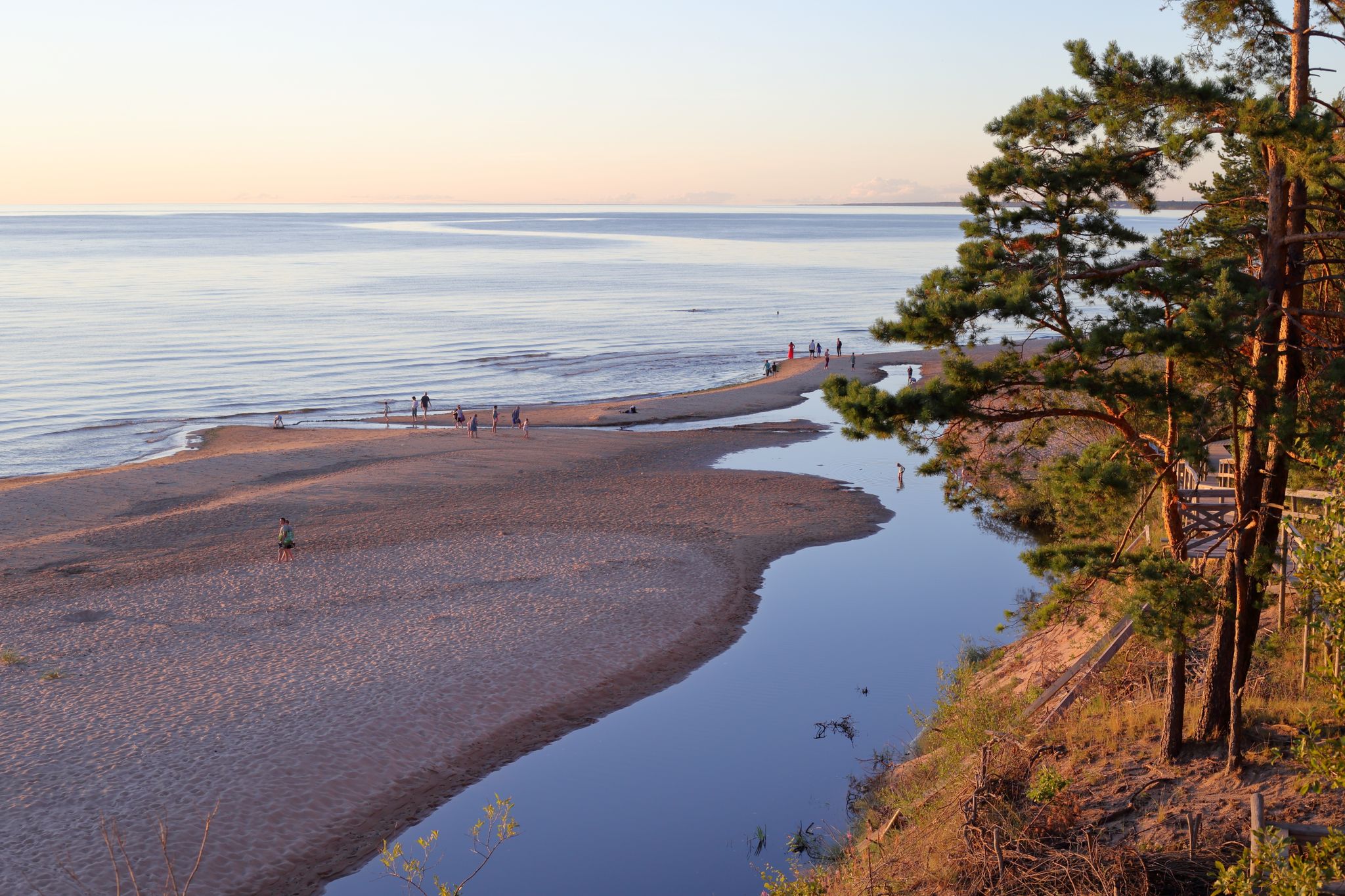
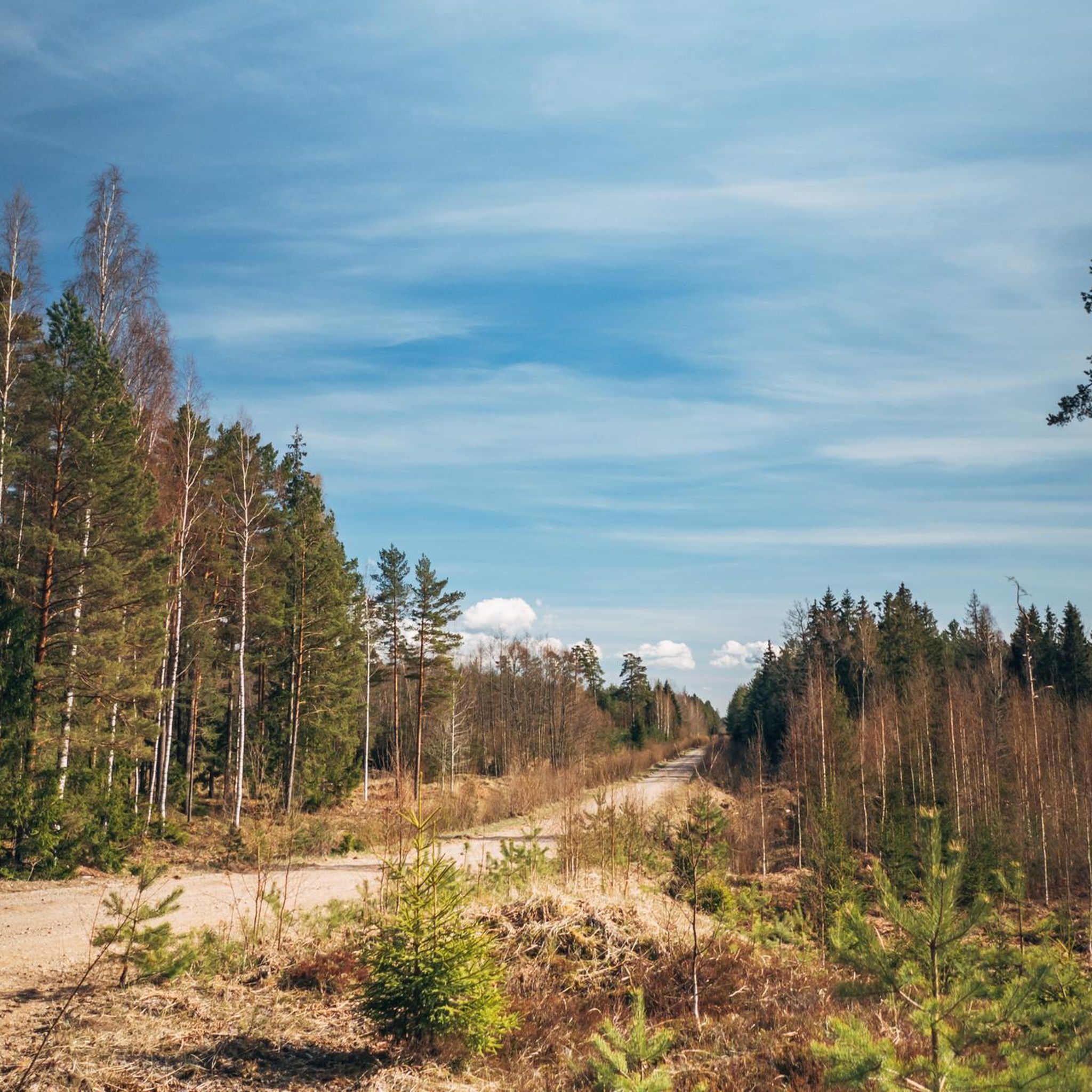
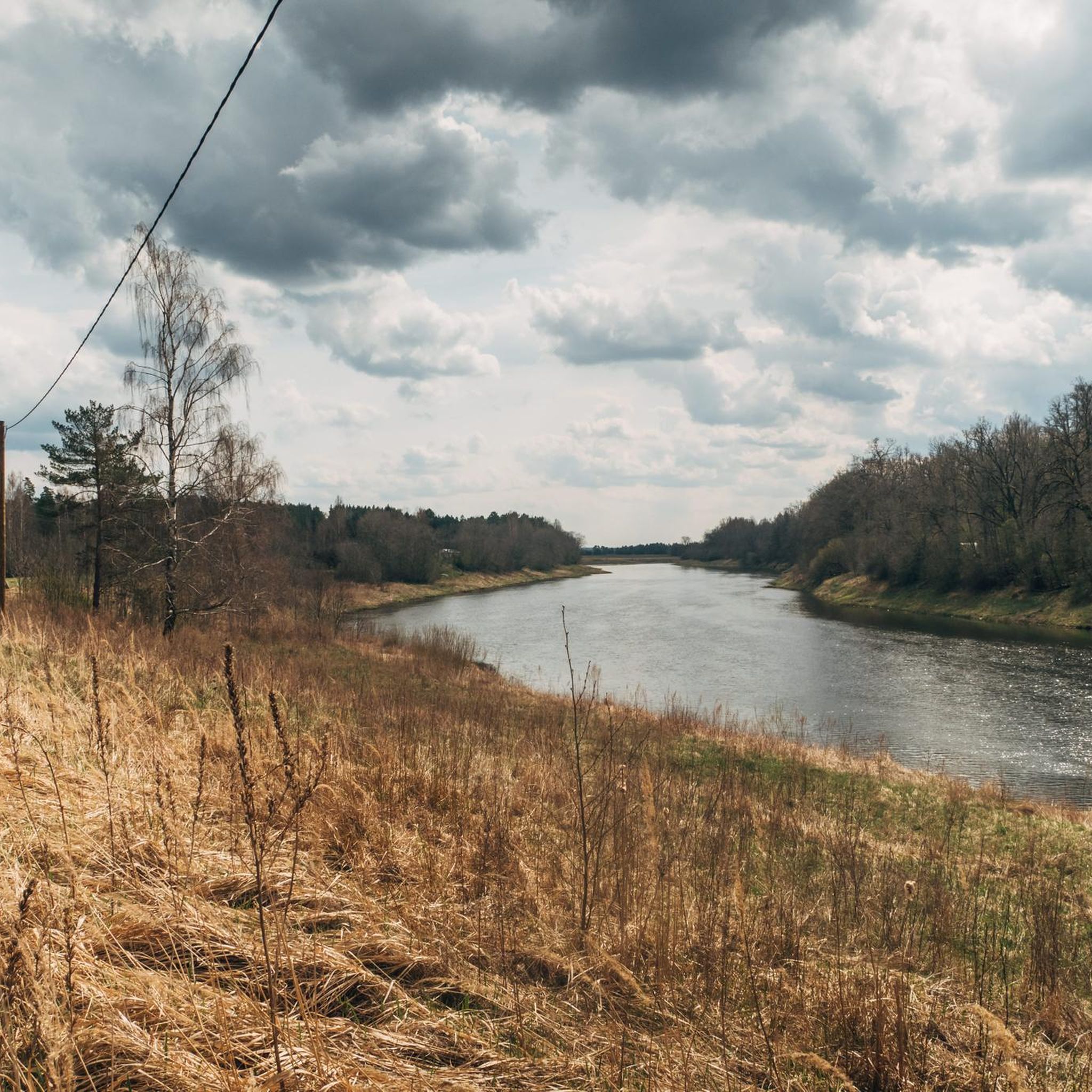
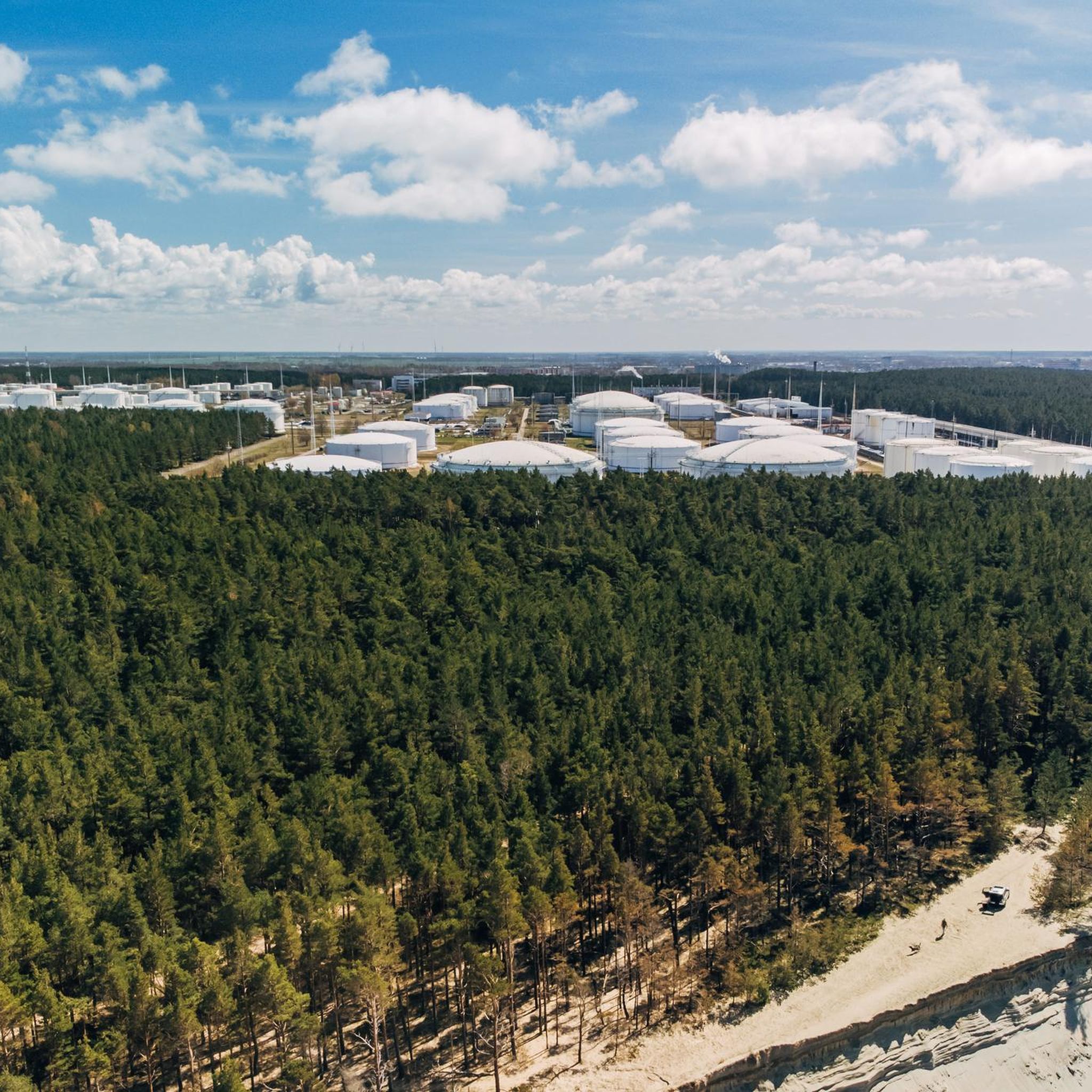
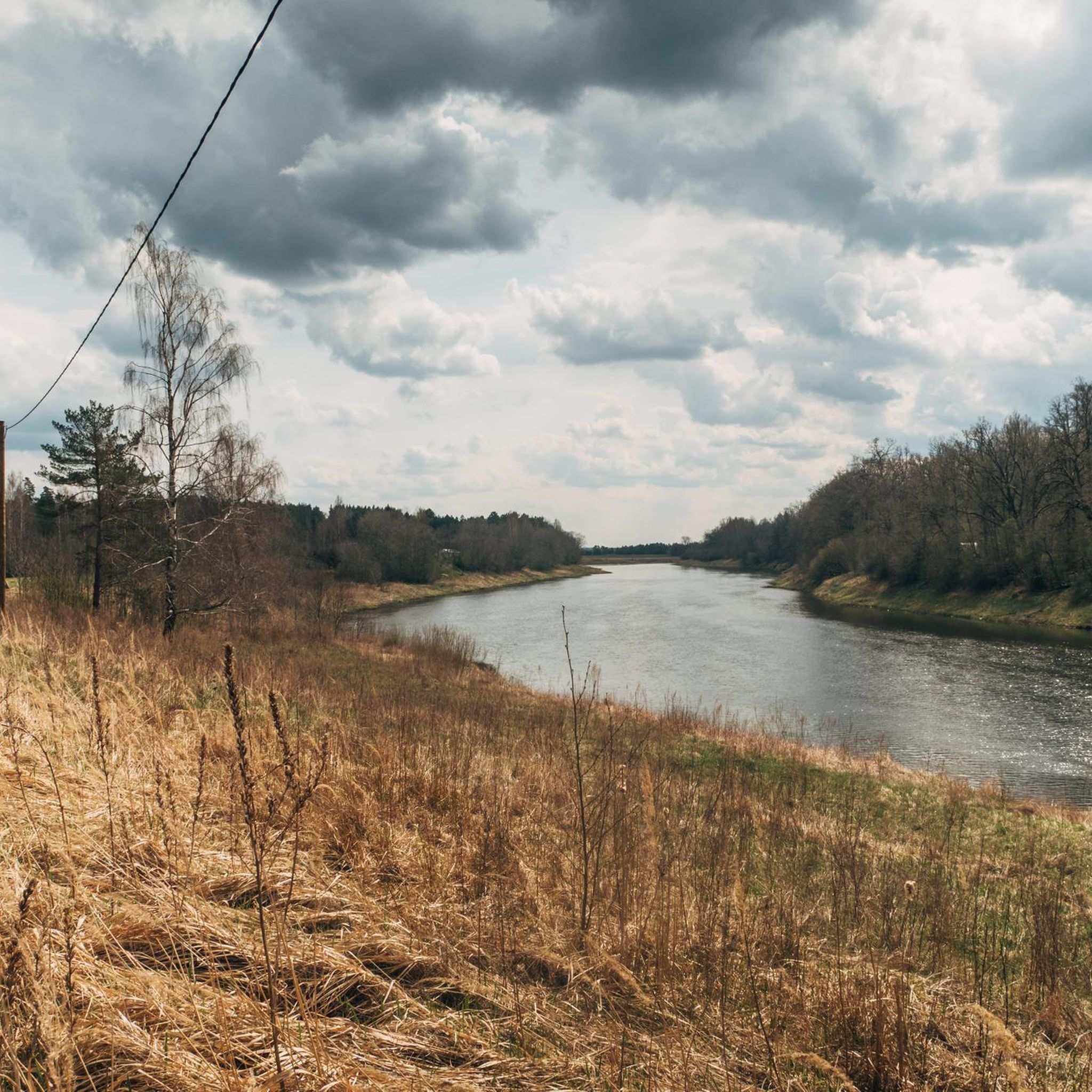

Other adventures in Courland

Tips from the Community

The waterfall is said to have been artificially created to make the river more navigable.
2
0
From here you have a beautiful view of the waterfall.
2
0
The city garden is well laid out and, above all, well-maintained. The complete opposite of parks in Berlin.
2
0

There super 😎and back too. Kuldiga is cult 💪🌁🏞️
0
0

Beautiful historic bridge. From the bridge you have a great view of the waterfall.
1
0
Very wide and 4 meter high waterfall.
1
0
One of the longest brick bridges in Europe.
1
0

Bathing area above the waterfalls
0
0
Frequently Asked Questions
What natural attractions can I explore in Courland?
Courland offers a diverse range of natural beauty. You can visit the Kemeri Bog Observation Tower for panoramic views of the high moor, or witness the impressive Ventas Rumba Waterfall, Europe's widest waterfall, in Kuldīga. Other unique natural spots include the mystical Raganu Sulphur Ponds and the Raganu Swamp, known for its well-maintained hiking trails. The region also boasts a long Baltic Sea coastline, Cape Kolka where the Baltic Sea meets the Gulf of Riga, and the pristine Slītere National Park.
Are there historical sites or cultural landmarks to visit in Courland?
Yes, Courland is rich in history and culture. The historic center of Kuldīga, with its 17th and 18th-century riverside buildings and narrow cobbled streets, is a UNESCO World Heritage site. You can also see the Kuldīga Brick Bridge, one of Europe's longest brick arch bridges. In Liepāja, the St. Nicholas Orthodox Naval Cathedral in Karosta is an impressive architectural landmark, and the Karosta Prison offers a unique insight into Soviet military history. Further afield, Bauska Castle and Dundaga Castle provide glimpses into the region's medieval past.
What are some family-friendly activities in Courland?
Many attractions in Courland are suitable for families. The Kemeri Bog Observation Tower and the Lielais Ķemeru Tirelis Educational Trail offer easy walks and engaging views for all ages. Kids often enjoy playing in the wide Ventas Rumba Waterfall during summer. The Raganu Sulphur Ponds and Raganu Swamp provide an adventurous, fairytale-like experience. Ventspils also features seaside attractions and a wide sandy beach perfect for families.
Where can I experience Courland's unique coastal environment?
Courland's western coast, bordering the Baltic Sea, stretches approximately 500 kilometers and is characterized by sandy beaches backed by dunes and coastal forests. A highlight is Cape Kolka (Kolkasrags), the northwestern tip of the Courland Peninsula, where the Baltic Sea meets the Gulf of Riga. This area is also part of the Livonian Coast, home to the indigenous Livonian people, with villages like Mazirbe serving as cultural centers.
Can I find opportunities for hiking or walking in Courland?
Absolutely. Courland offers numerous trails for hiking and walking. The Venta Valley Nature Trail in Kuldīga provides a two-kilometer path along the Venta River. In Kemeri National Park, you can explore the Lielais Ķemeru Tirelis Educational Trail, which leads through the high moor. For more options, you can find various routes, including easy loops around the Kemeri Bog Observation Tower, in the Hiking in Courland guide.
What about cycling routes in Courland?
Courland is suitable for cycling, particularly gravel biking and mountain biking. You can find routes like the 'Zentene Manor – Scenic Gravel Road loop' or the 'Uzma Wooden Church – Farmhouse with Peonies loop' in the Gravel biking in Courland guide. For mountain biking, explore trails such as 'Kamparezers – Kamparkalns loop' or 'Ruins of Kolka Lighthouse – Cape Kolka loop' in the MTB Trails in Courland guide.
Which towns in Courland offer a rich historical experience?
Kuldīga is particularly notable for its charming old town, which is a UNESCO World Heritage site, featuring 17th and 18th-century riverside buildings and narrow cobbled streets. Liepāja, Courland's largest city, boasts picturesque turn-of-the-20th-century buildings and the unique former military town of Karosta. Ventspils, a major port, also has a significant historical past as a principal port of the Duchy of Courland and Semigallia.
Is there a specific place to learn about Courland's military past?
Yes, the Karosta neighborhood in Liepāja is the primary place to explore Courland's military history. It was a former closed military town and still features remnants of the military era, including fortifications and the St. Nicholas Orthodox Naval Cathedral. The Karosta Prison, a former military prison, has been transformed into a museum offering a unique insight into Soviet military history.
What is the best time of year to visit Courland for outdoor activities?
Courland experiences a mild climate. Summers are warm, making it ideal for outdoor activities like exploring beaches, hiking, and cycling. The spring and autumn months are also pleasant for nature walks, especially to witness fish migration at the Ventas Rumba Waterfall. While winters are cold, some attractions remain accessible, and the landscape offers a different kind of beauty.
What do visitors enjoy the most about Courland?
Visitors frequently praise the unique natural landscapes, such as the panoramic views from the Kemeri Bog Observation Tower and the majestic Ventas Rumba Waterfall. The historical charm of Kuldīga's Old Town and the impressive Kuldīga Brick Bridge are also highly appreciated. Many enjoy the well-maintained trails through areas like the Raganu Swamp, describing them as 'spectacular scenery' and 'almost fairytale world'.
Are there any UNESCO World Heritage sites in Courland?
Yes, the historic center of Kuldīga was recently added to the UNESCO World Heritage list. It is recognized for its well-preserved 17th and 18th-century architecture and its reflection of cultural exchange around the Baltic Sea. You can find more information about World Heritage Sites in Latvia on Wikipedia.
Where can I find information about the indigenous Livonian culture?
The Livonian Coast, located along the northern and western shores of the Courland Peninsula, is the primary homeland of the indigenous Livonian people. Villages like Mazirbe serve as cultural centers where you can learn about their unique heritage and traditions. Slītere National Park, which covers this area, is also significant for its connection to Livonian culture.
Are there any castles to visit in Courland?
Yes, Courland features several historical castles. Bauska Castle is a restored 15th-century fortress that offers interactive exhibitions and scenic views. Dundaga Castle is another medieval castle located in the inland village of Dundaga. While Rundale Palace is not strictly in Courland, it's an 18th-century Baroque masterpiece often included in tours of the region, known as the 'Latvian Versailles'.
Most popular routes in Courland
Most popular attractions in Courland

Get inspired with the komoot mobile app


Didn’t find what you were looking for?
Are you keen on exploring more awesome places nearby? Browse our guides:
Explore more
Still not found the Highlight you’re looking for? See guides of the top attractions in other regions:
