Attractions and Places To See in Siauliai County - Top 20
Best attractions and places to see in Siauliai County, located in northern Lithuania, offer a diverse array of experiences. The region features significant historical and cultural sites, alongside serene natural landscapes. Often referred to as the "City of the Sun," Siauliai and its surrounding areas provide a rich experience for visitors exploring its unique blend of heritage and nature.
Best attractions and places to see in Siauliai County
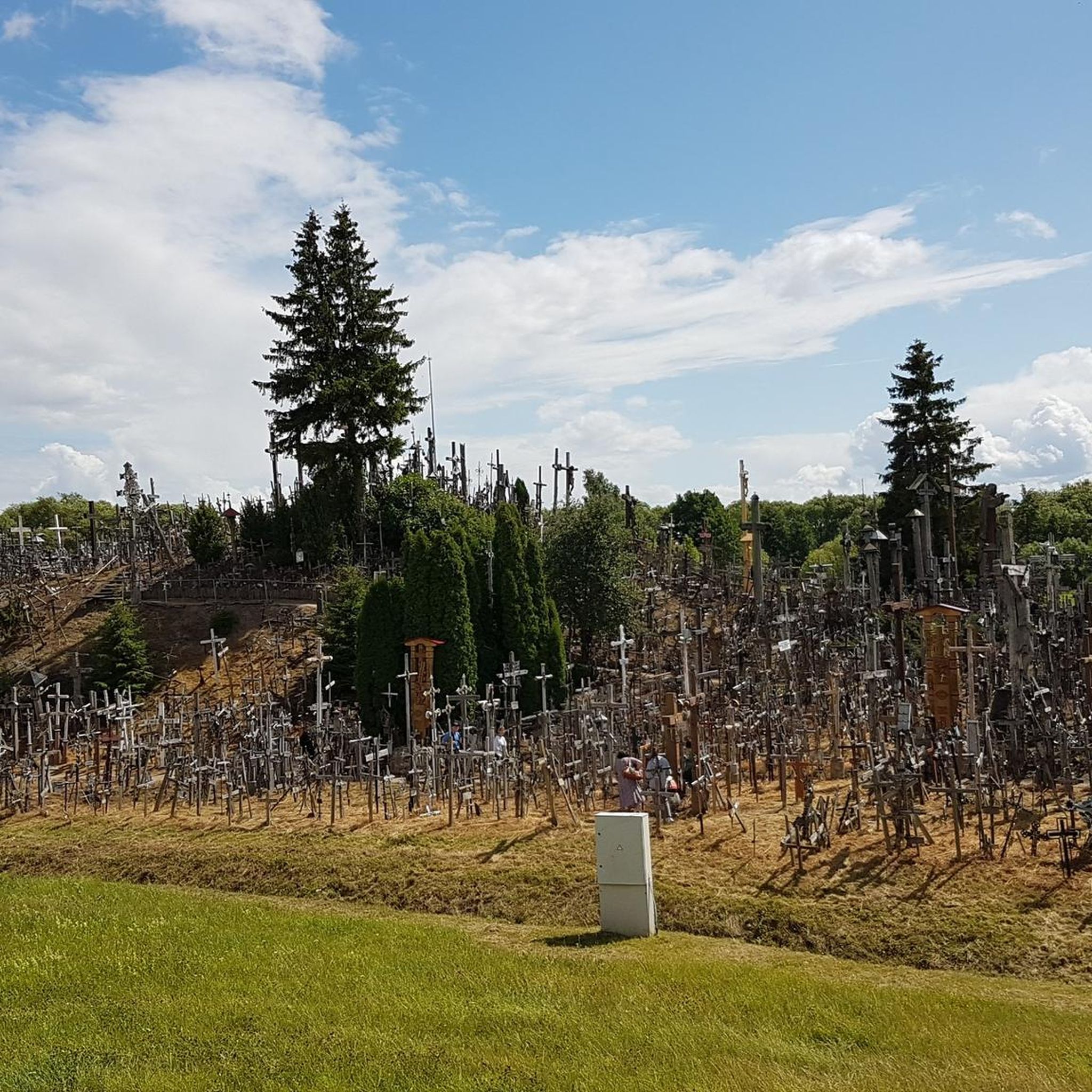
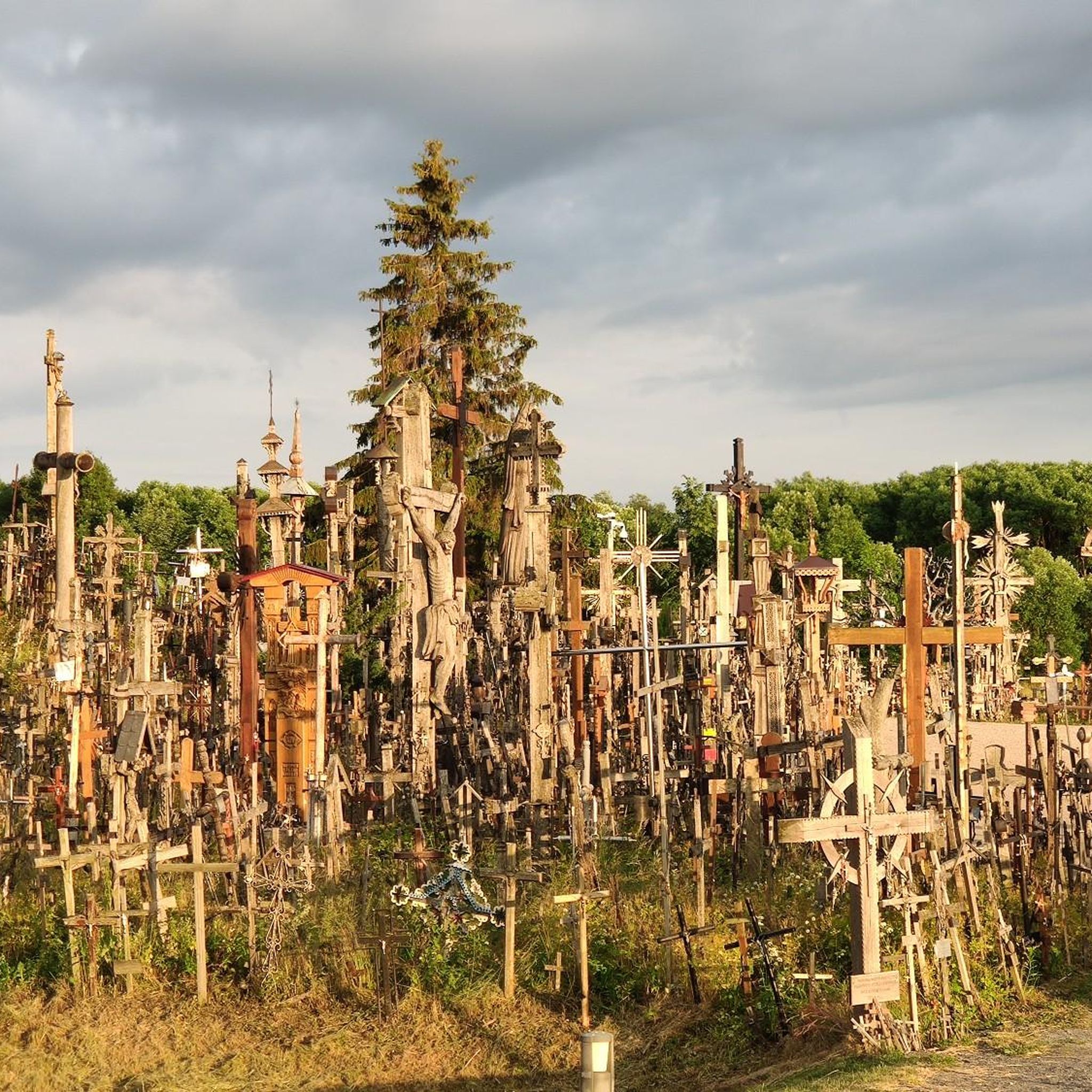
- The most popular attractions is Hill of Crosses, a religious building that features tens of thousands of crosses placed by pilgrims over centuries. This iconic pilgrimage site symbolizes faith, resistance, and hope, gaining particular significance during the Soviet era.
- Another must-see spot is Sundial Square Obelisk, a man-made monument. This obelisk is the tallest sundial in Lithuania, installed to commemorate the 750th birthday of Šiauliai and symbolizing the sun, the sagittarius, and the passage of time.
- Visitors also love Mūša Tyrelis Moor Lake, a lake surrounded by a forest. This beautiful moor lake is part of a natural scenery site, offering an educational experience in nature with the longest boardwalk in Lithuania leading around it.
- Siauliai County is known for its historical sites, natural landmarks, and cultural museums. The region offers a variety of attractions to see and explore, from spiritual pilgrimage sites to tranquil natural areas and engaging cultural centers.
- The attractions in Siauliai County are appreciated by the komoot community, with more than 60 upvotes and over 350 photos shared.
Last updated: July 6, 2026
Hill of Crosses
Highlight • Religious Site
Zu Entstehung des Hügels, dem Aufstellen der Kreuze sowie den damit ausgelösten Wirkungen gibt es unter anderem zwei Legenden:
Ein Vater schlief am Lager seiner kranken Tochter ein; im Traum erschien ihm eine weisse Frauengestalt, die ihm aufgab, ein Kreuz auf dem Hügel aufzustellen. Der Mann tat, wie ihm von der Frauengestalt geheissen und stellte ein Kreuz auf eben jenem Hügel auf. Bei seiner Rückkehr nach Hause war seine Tochter wieder gesund.
Eine weitere Legende erzählt von einem Fürsten aus Vilnius. Dieser habe vor 300 Jahren gegen einen anderen Fürsten prozessiert und sei an dem Berg vorbei zum Gericht nach Riga gereist. Seinen Bediensteten habe er dabei gesagt: "Wenn ich den Prozess gewinne, werde ich auf dem Berg ein Kreuz aufstellen." Nachdem der Fürst den Prozess gewonnen hatte, befahl er auf dem Rückweg, auf dem Berg das Kreuz zu errichten. Bald habe sich der Ruf vom Gelübde des Fürsten im ganzen Lande verbreitet.
Der Hügel gilt als mittelalterlicher Burghügel, wobei die Burg den Namen Jurgaičiai getragen haben und 1348 von Kreuzrittern zerstört worden sein soll. Bereits zu dieser Zeit war der zumindest zum Teil künstlich angelegte Hügel vermutlich eine Gebets- und Opferstätte.
Nach der Dritten Polnischen Teilung wurde Litauen Teil des Russischen Reiches. In der Folgezeit rebellierten Polen und Litauer zweimal gegen die Russische Obrigkeit und zwar im Novemberaufstand der Jahre 1830/31 sowie im Januaraufstand 1863/64. Beide Aufstände gegen das zaristische Regime wurden blutig niedergeschlagen. Zu dieser Zeit sollen die Bewohner der Umgebung begonnen haben, auf dem Hügel Kreuze für ihre bei den Aufständen getöteten Angehörigen aufzustellen, von denen sie nicht wussten, wo sie begraben sind. Andere Quellen gehen davon aus, dass die Aufständischen auf dem Hügel hingerichtet wurden.
1900 standen 150 und 1940 etwa 400 Kreuze auf dem Hügel. Nachdem die Sowjetunion im Juni 1940 Litauen okkupiert hatte und 1940/1941 und erneut von 1945 bis 1953 mehr als 100.000 Litauer nach Sibirien deportiert wurden, nahm das Aufstellen der Kreuze ab. Als nach Stalins Tod 1953 die Überlebenden unter den Deportierten nach und nach aus Sibirien zurückkehrten, stellten sie sogleich Kreuze zur Erinnerung an die im Gulag Verstorbenen auf. Ebenso errichteten viele politisch Gefangene und Gläubige weitere Kreuze. Dadurch wurde zunehmend der litauische Wallfahrtsort zu einem politischen Symbol gegen die kommunistische Herrschaft der Sowjets in Litauen. Der Hügel war daher zunehmend ein Dorn im Auge des kommunistischen Regimes in Litauen, und am 16. Juni 1959 befasste sich erstmals das Zentralkomitee der Kommunistischen Partei Litauens mit dem Hügel. Es wurde beschlossen, den angeblich heiligen Ort zu zerstören. Eine erste Vernichtungsaktion fand am 5. April 1961 statt. Hierbei wurden die Kreuze mit Bulldozern niedergewalzt, 2179 Kreuze vom Hügel geholt und die Holzkreuze verbrannt. Eiserne Kreuze wurden zum Schrott gegeben, die Stein- und Betonkruzifixe zerschlagen, vergraben oder im nahe liegenden Bach versenkt. Doch bereits in der nächsten Nacht wurden neue Kreuze errichtet. 1973, 1974 und 1975 wurden diese Zerstörungsaktionen des Regimes wiederholt, jedoch blieb der Kreuzzug der Kommunisten gegen den Berg der Kreuze erfolglos, wodurch der Berg zunehmend zum Symbol des nationalen Widerstands wurde. 1990 soll es bereits 40.000 Kreuze auf dem Hügel gegeben haben. Zusätzlich stieg die Zahl der Kreuze, als im Januar 1991 im Kampf um die nationale Unabhängigkeit Litauens vierzehn Menschen bei der Erstürmung des Fernsehturms in Vilnius durch sowjetische Spezialtruppen ihr Leben lassen mussten. Anfang der 1990er Jahre wurde von Studenten der Universität Vilnius ein Versuch unternommen, die Zahl der Kreuze, die sich inzwischen auf einer Fläche von einem Hektar neben dem Hügel ausbreiten, zu bestimmen. Bei 50'000 Kreuzen haben sie zu zählen aufgehört. Nicht mit einbezogen wurden damals die kleinen Kreuzanhänger und Rosenkränze, die an grössere Kreuze gehängt werden. Diese verstärken die mystische Stimmung des Ortes, wenn sie schon bei leichtem Wind aneinander schlagen und dabei ein leises Geläut bzw. Klappern von sich geben.
Am 7. September 1993 besuchte Papst Johannes Paul II. diesen Ort und zelebrierte in dem eigens zu diesem Zwecke errichteten Altarpavillon unter freiem Himmel vor etwa 100'000 Gläubigen eine Messe. Während dieses Festaktes betraute Johannes Paul II. den Franziskaner-Orden mit der Betreuung des Wallfahrtsortes und dem Bau eines Klosters. Die Grundsteinlegung für diesen Klosterbau erfolgte Ende der 1990er Jahre. Das nach Plänen des italienischen Architekten Nunzio Rimmaudo errichtete Gebäude umfasst zwei Stockwerke und ist in der Form eines litauischen Kreuzes um einen Kreuzgang herum gebaut. Es dient als Noviziatshaus für angehende Mönche sowie als Ort des Gebetes und der Kontemplation. Das Kloster wurde im Juli 2000 nach zweijähriger Bauzeit eingeweiht. Die Baukosten beliefen sich auf rund 1,1 Millionen Euro. Im Erdgeschoss befindet sich eine kleine Kapelle. Hinter dem Altarraum geben grosse Glasfenster den Blick auf den Berg der Kreuze frei. Des Weiteren bietet das Erdgeschoss Platz für eine Bibliothek, Büros, die Küche, das Refektorium sowie vier Gästezimmer. Im Obergeschoss befinden sich insgesamt 16 Zellen von Ordensbrüdern, darunter 14 für Novizen. 1994 stiftete der Vatikan zudem ein grosses Kreuz mit Christusfigur, das beim Beginn der kleinen Treppe aufgestellt wurde, die über den Berg der Kreuze führt.
Seit der Wiedergewinnung der Unabhängigkeit Litauens 1991 und insbesondere nach dem Papstbesuch gilt der Kreuzberg international als heiliger Ort für Katholiken, was man an den Kreuzen mit Inschriften aus aller Welt erkennen kann (Wikipedia).
Tip by

Cathedral of Saints Peter and Paul, Šiauliai
Highlight • Religious Site
Tip by

Sign up now to discover places like this
Get recommendations on the best single tracks, peaks, & plenty of other exciting outdoor places.
Sign up for free
Altar pavilion at the Hill of Crosses
Highlight • Religious Site
Source: Wikipedia
Translated by Google •
Tip by

St. James the Apostle Church, Joniškis
Highlight • Religious Site
Translated by Google •
Tip by
Sundial Square Obelisk
Highlight • Monument
Tip by
Kurtuvėnai Manor
Highlight • Historical Site
Translated by Google •
Tip by

Sunny Nights Camping & Hostel
Highlight • Rest Area
Translated by Google •
Tip by

Mūša Tyrelis Moor Lake
Highlight • Lake
Translated by Google •
Tip by

Boardwalk and Observation Deck at Kurtuvėnai Regional Park Wetlands
Highlight • Viewpoint
Translated by Google •
Tip by
Franciscan Monastery Church at the Hill of Crosses
Highlight • Religious Site
Translated by Google •
Tip by

Sign up for free to discover even more attractions in Siauliai County.
Sign up for free
Already have an account?
Start today with a free account
Your next adventure awaits.
Login or Signup
Tips from the Community

A stop here is sure to be a win. From the lovely campsite, beautiful bike tours through forests and along lakes are possible. Stick to the bike paths, side routes are sometimes very strenuous. Hilly terrain and natural routes require a good bike.
0
0

The chapel was constructed in 1993 specifically for the arrival of Pope John Paul II. On September 7, 1993, the Holy Father celebrated Holy Mass here for a gathering of over 100,000 pilgrims.
2
0

The Hill of Crosses has its own mystical atmosphere. Were here and put up a cross.
3
0

On November 2nd, 2024, my wife and I put up our little cross here. In remembrance and commemoration, with the hope for peace and international understanding.
2
0

The church includes a free (!) parking lot, which you can reach once you have passed the paid parking lot for the "Hill of Crosses". From there you can even walk less to the "Hill of Crosses" and the pavilion...
4
0
The "Hill of Crosses" is in the immediate vicinity. Very impressive (both locations) in total, when you consider how many wishes, prayers and thoughts were brought here, manifested among other things through the crosses...
4
0

Very convenient access and extremely beautiful views of the lake, which are sure to appeal to wildlife lovers.
2
0

One of the many highlights of this place.
3
0
Frequently Asked Questions
What are the most significant historical and cultural sites in Siauliai County?
Siauliai County is rich in history and culture. The most iconic site is the Hill of Crosses, a powerful pilgrimage destination. Other notable historical sites include the magnificent Cathedral of Saints Peter and Paul, Šiauliai, and the Kurtuvėnai Manor, offering insights into the region's past.
Are there family-friendly attractions in Siauliai County?
Yes, Siauliai County offers several family-friendly attractions. The Hill of Crosses is suitable for all ages, and the Sundial Square Obelisk is a popular spot in the city center. For a unique experience, consider visiting the Alpaca Farm in Dargaiciai or exploring the interactive exhibits at the Baltic Culture Education Centre Balts' Road.
What natural features and outdoor activities can I enjoy in Siauliai County?
Nature enthusiasts will appreciate Siauliai County's diverse landscapes. Explore the serene Mūša Tyrelis Moor Lake with its long boardwalk, or visit Kurtuvėnai Regional Park, known for its wetlands and observation deck. Lake Rėkyva, the largest swampy lake in Lithuania, is ideal for hiking, birdwatching, and kayaking. You can find various outdoor routes, including easy hikes, mountain biking, and running trails, by visiting the easy hikes guide, MTB trails guide, and running trails guide for Siauliai County.
Are there any unique museums or cultural centers in the region?
Siauliai County boasts several distinctive museums. Discover the charming Cat Museum with its vast collection of feline-themed items, delve into regional history at the Aušra Museum, or explore the art of photography at the Photography Museum. The Bicycle Museum celebrates Lithuania's cycling heritage, while the Chocolate Museum „Rūta“ offers a sweet journey through the history of chocolate.
What is the best time to visit Siauliai County for outdoor activities?
The best time to visit Siauliai County for outdoor activities is typically during the warmer months, from late spring to early autumn (May to September). During this period, the weather is generally pleasant for hiking, cycling, and exploring natural sites like Lake Rėkyva and Kurtuvėnai Regional Park. The region experiences distinct seasons, with lush greenery in summer and vibrant foliage in autumn.
Are there accessible attractions for visitors with mobility needs?
The Sundial Square Obelisk is noted as wheelchair accessible. While many natural trails may have varying terrain, urban areas and main attractions often provide better accessibility. It's advisable to check specific venue details for the most up-to-date accessibility information.
Where can I find walking paths or trails within Siauliai city?
Within Siauliai city, you can enjoy leisurely strolls around Lake Talkša, which features the Talkša Ecological Trail. J. Janonis Park and Dainai Park also offer pleasant walking paths and green spaces. For a specific easy hike, consider the Sundial Square Obelisk – Bicycle Museum loop from Šiauliai.
What are some lesser-known or 'hidden gem' attractions in Siauliai County?
Beyond the main highlights, consider visiting Chaim Frenkel's Villa-Museum, a beautifully restored Art Nouveau villa with rose gardens that offers a glimpse into early 20th-century life. The Vilnius University Šiauliai Academy Botanical Garden is another peaceful spot, cultivating over 4,600 plant species. For a unique experience, the Alpaca Farm in Dargaiciai provides an opportunity to interact with these friendly animals.
Can I find cycling routes in Siauliai County?
Yes, Siauliai County offers various cycling opportunities. The Cycle Path 50 in Kurtuvėnai Regional Park is a good option for exploring natural scenery. For more extensive routes, including mountain biking trails, refer to the MTB Trails in Siauliai County guide, which features routes like the Nugarkalnis Downhill loops.
What do visitors typically enjoy most about Siauliai County?
Visitors frequently praise the spiritual atmosphere of the Hill of Crosses and the tranquil beauty of natural areas like Mūša Tyrelis Moor Lake. The blend of significant historical sites, engaging cultural museums, and opportunities for outdoor activities like hiking and cycling are also highly appreciated.
Is public transport available to major attractions like the Hill of Crosses?
While Siauliai city has public transport, reaching the Hill of Crosses, located about 12 km north of Šiauliai, often requires a local bus service or a taxi. It's advisable to check local bus schedules from Siauliai bus station for routes heading towards Joniškis, as the site is a short distance from the main road.
Are there any parks or green spaces for relaxation in Siauliai?
Absolutely. Siauliai city offers several pleasant parks. Lake Talkša is surrounded by green areas and features an ecological trail. J. Janonis Park is a delightful spot for leisurely strolls and picnics, while Dainai Park, shaped like the sun, provides walking paths and recreational facilities like a 'Pump Track' for cyclists.
Most popular routes in Siauliai County
Most popular attractions in Siauliai County

Get inspired with the komoot mobile app


Didn’t find what you were looking for?
Are you keen on exploring more awesome places nearby? Browse our guides:
Explore more
Still not found the Highlight you’re looking for? See guides of the top attractions in other regions:
