Attractions and Places To See in Utena County - Top 20
Best attractions and places to see in Utena County, located in northeastern Lithuania, offers a diverse range of natural beauty, historical landmarks, and cultural heritage. The region is characterized by its extensive forests and over 1000 lakes, making it a prominent destination for water tourism. Visitors can explore significant natural sites within Aukštaitija National Park and discover various historical and cultural points of interest.
Best attractions and places to see in Utena County
- The most popular attractions is Ginučiai Watermill, a man_made_monument that is a memorable symbol of Aukštaitija National Park. This old wooden mill, built in the second half of the 19th century, has preserved its authentic equipment and serves as a starting point for exploring the region.
- Another must-see spot is Palūšė St. Joseph’s Church and Bell Tower, a religious building located in a beautiful village within Aukštaitija National Park. This 17th-century church was built without any iron nails and features a distinctive octagonal bell tower, unique in Lithuania.
- Visitors also love Church of Our Lady of Sorrows, Salakas, an impressive stone church. This religious building is known as the country's highest stone church, completed in 1911 after a previous wooden structure was destroyed by fire.
- Utena County is known for its natural features like lakes and forests, historical sites, and cultural museums. The region offers a variety of attractions, from unique rock formations and nature trails to ancient churches and ethnographic sites.
- The attractions in Utena County are appreciated by the komoot community, with 76 upvotes and 36 photos shared by visitors.
Last updated: August 30, 2026
Ginučiai Watermill
Highlight • Monument
Translated by Google •
Tip by

Church of Our Lady of Sorrows, Salakas
Highlight • Religious Site
Translated by Google •
Tip by

Sign up now to discover places like this
Get recommendations on the best single tracks, peaks, & plenty of other exciting outdoor places.
Sign up for free
Cape Sciurys Nature Trail
Highlight (Segment) • Trail
Tip by

Stirniai Church of the Beheading of St. John the Baptist
Highlight • Religious Site
When the congregation was founded in 1922, services were held in the chapel. In 1931 a temporary wooden church was built in another place. In the years 1937-1940 the pastors Jonas Kazlauskas and Jonas Daugėla (1909-1941) together with the parishioners built the current church of stone masonry. Father J. Daugėla was shot by the retreating Red Army on June 29, 1941 (Translated from Wikipedia).
Translated by Google •
Tip by
Palūšė St. Joseph’s Church and Bell Tower
Highlight • Religious Site
Tip by

Salakas Old Jewish Cemetery
Highlight • Historical Site
Translated by Google •
Tip by
Šiliniškės Observation Tower
Highlight • Viewpoint
The tower built by the telecommunications company named after Šiliniškii is located near the village of Ginučiai on the Šiliniškii ridge, which is 246 meters above sea level. The height of the tower is 60 meters, but the freely accessible observation deck is located at a height of 30 meters. There are 174 steps to reach it. The observation deck was installed in the metal structure building back in 2004.
Translated by Google •
Tip by
Museum of Ancient Beekeeping
Highlight • Historical Site
Translated by Google •
Tip by
Giedraičiai St. Bartholomew Church
Highlight • Religious Site
In 1655 the church was burned down by Russian soldiers, in 1676 there was still a temporary church. In 1725 the Brotherhood of the Holy Rosary was founded. In the years 1777-1782 a parish school was opened.
In 1809 the Bishop of Samogitia, Juozapas Arnulfas Giedraitis, and his brother Martynas built the present brick church. According to the bishop's will, after his death (1838), his heart was embedded in the presbytery wall; a portrait of the founder hangs in the sacristy. In 1893 Polish was the language of the church, but Lithuanian was also preached. From 1903 services were held in Lithuanian and a Lithuanian church choir was established. In 1911, Poles disrupted Lithuanian services in the church. In 1912-1913, rioters were tried. In 1912-1914 there was a branch of the Lithuanian Catholic Sobriety Society, established on June 29, 1913. The first public Lithuanian theater play was performed on June 19, 1917 in Giedraitis.
On August 24, 1919, the Poles disrupted a Lithuanian service, taunted and terrorized the pastor and took him away from Giedraičiai. In 1949 the pastor Kazimieras Liesevičius (1883-1963) was arrested and sentenced to 10 years in prison. He returned to Lithuania in 1955 (Translated from Wikipedia).
Translated by Google •
Tip by
Antalksnė Sculpture Ensemble
Highlight • Monument
Translated by Google •
Tip by
Sign up for free to discover even more attractions in Utena County.
Sign up for free
Already have an account?
Start today with a free account
Your next adventure awaits.
Login or Signup

Tips from the Community

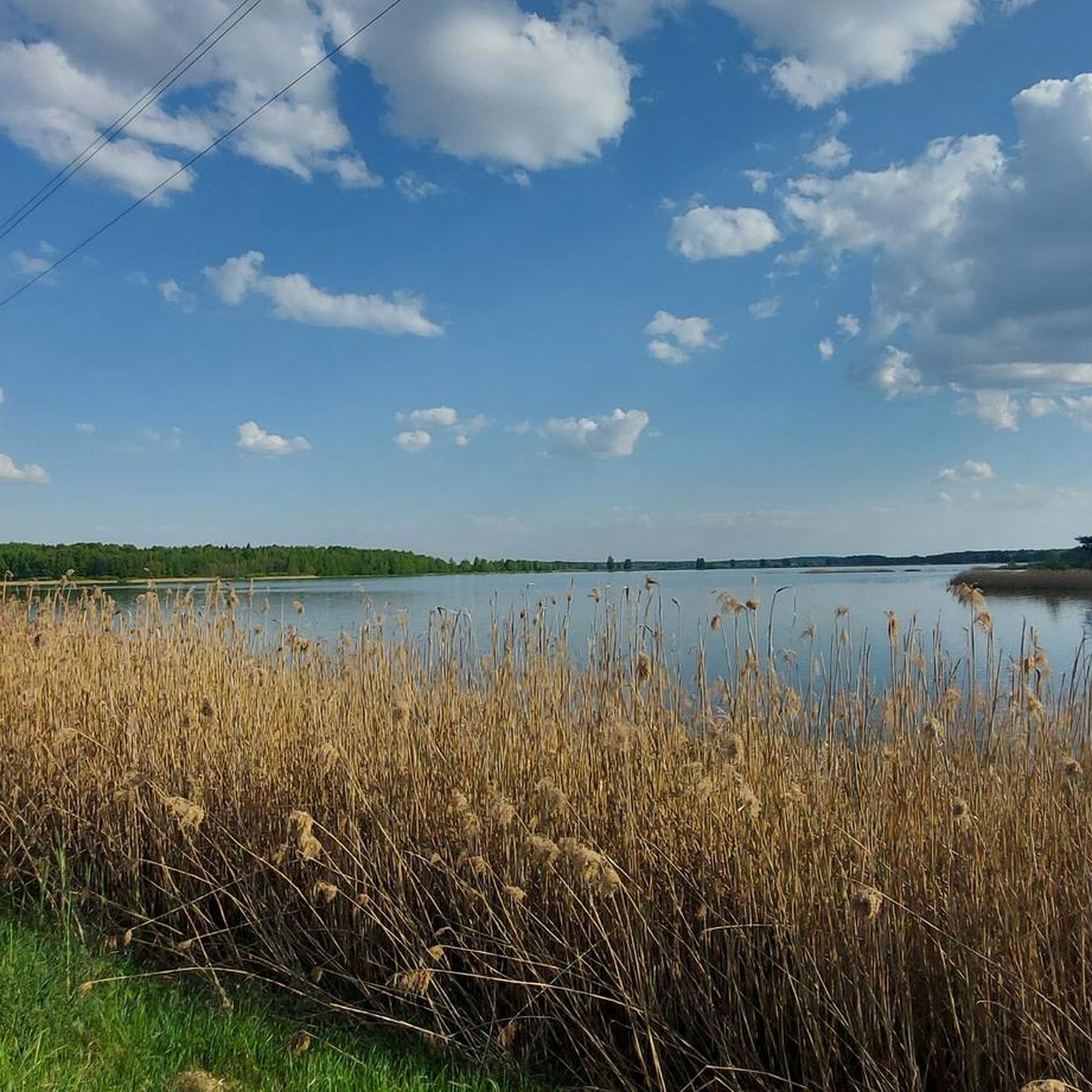
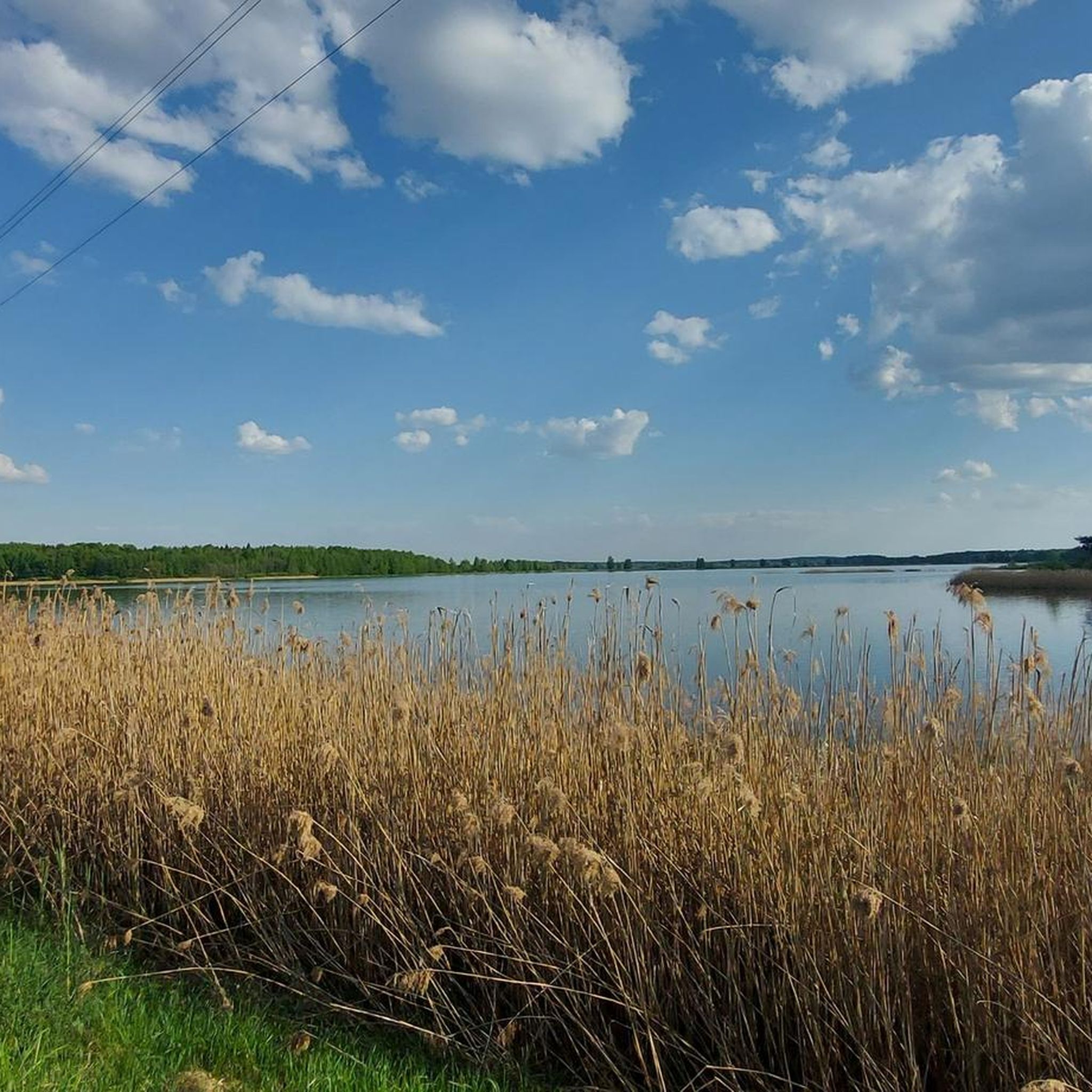
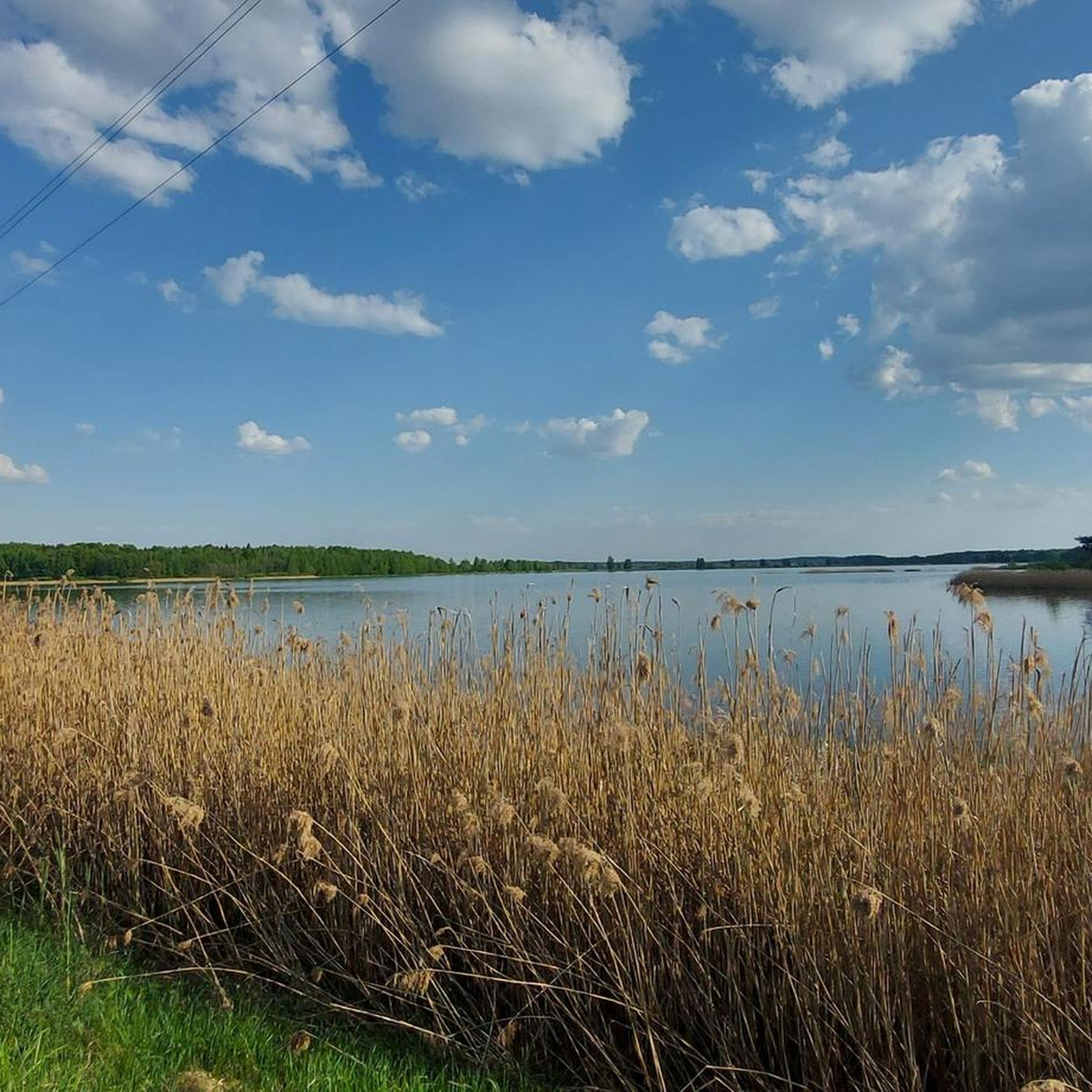
Beautiful view over forests and lakes 👍
0
0
A pleasant circular trail along the lake with many interpretive signs about the natural surroundings. A small parking lot at the beginning. The trail is well-maintained.
0
0

The Antalksne sculpture hill "God is" is a project by three artists for the Antalksne village community and visitors. In 2007, an ensemble of three sculptures was erected: a crowing rooster, the Passion of Christ, and a flowering ladder.
0
0

Unfortunately, this mill was still closed at the beginning of May. It must be very beautiful in the summer.
0
0
The museum opened its doors in 1984. Since then, he has become known not only throughout Lithuania. Here, the curious can learn about the history of Lithuanian beekeeping and the peculiarities of beekeeping life, and those with a sweet tooth can enjoy sweet entertainment here. In the beekeeping museum, you can order unique educational programs related to beekeeping, observe the world of bees through the glass window of the hive. Enjoy the special nature and atmosphere, free your senses and thoughts.
0
0
The church of Salak has been known as a community since 1496. During that time, the wooden church buildings were destroyed by fires many times. The last wooden church served the parish for just 40 years. in 1905 June 15 after a fire broke out at night, part of the town was reduced to ashes up to the stream, including the church, all its property, archives, etc. The bells melted and fell. Pastor Ant was working at that time. Kryžanauskas. After consulting with the parishioners, he decided to build a church that would not be destroyed by fire or other calamities. The architect Morgulcas, who was invited from Riga, drew up the project. The pastor organized the collection and transportation of stones. The stones brought by the parishioners were broken into stone bricks 45 x 45 x 80 cm in size by hired stonemasons. And so on August 8, 1906. Bishop G. Cirtautas of Žemaitsa consecrated the foundations of the future church. in 1911 the construction of the church was completed and services began. It is a building of extraordinary construction courage.
0
0


The mill is a listed building as a historical technical facility from the nineteenth century. According to legend, the mill is haunted at night by the devil, who plays pranks here. On hot summer days, you can cool off in the stream. During our stay in May 2024, unfortunately both the mill and the restaurant were closed.
1
0
Frequently Asked Questions
What natural attractions can I explore in Utena County?
Utena County is renowned for its natural beauty, often called the "Land of Lakes." You can visit Aukštaitija National Park, which features picturesque landscapes, traditional villages, and several significant natural sites. Key lakes include Lake Tauragnas, Lithuania's deepest lake, and Lake Asveja, the longest. For a pleasant walk and potential swim, explore the Cape Sciurys Nature Trail with its smooth sandy coasts.
Are there any historical or cultural sites worth visiting in Utena County?
Yes, Utena County offers a rich array of historical and cultural sites. Don't miss the Ginučiai Watermill, an old wooden mill from the 19th century that has preserved its authentic equipment. Religious landmarks include Palūšė St. Joseph’s Church and Bell Tower, built without iron nails, and the impressive Church of Our Lady of Sorrows, Salakas, known as the country's highest stone church. You can also delve into history at the Museum of Ancient Beekeeping or the unique Lithuanian Museum of Ethnocosmology.
What family-friendly attractions are available in Utena County?
Families visiting Utena County have several engaging options. The Anykščiai Tree Canopy Walkway offers a unique experience walking through treetops with panoramic views. The Ginučiai Watermill is a memorable symbol of the region and a great starting point for exploration. Additionally, Bunny Valley provides a fun experience with over 50 breeds of rabbits and other domesticated animals in a pleasant village atmosphere.
What outdoor activities can I do near the attractions in Utena County?
Utena County is excellent for outdoor enthusiasts. You can find numerous routes for cycling, running, and hiking. For instance, there are cycling routes like the "Ladakalnis Viewpoint – Alksnaičio Lake Bridge loop" and running trails such as the "Street Art Wall loop from Zarasai." Hikers can enjoy paths like the "Cibaragis Peninsula – Cape Sciurys Nature Trail loop." You can find more details and routes on the dedicated komoot guides for Cycling in Utena County, Running Trails in Utena County, and Hiking in Utena County.
Are there any unique viewpoints or scenic spots in the region?
Absolutely. The Anykščiai Tree Canopy Walkway offers stunning panoramic views from its 15-meter-high tower, allowing you to walk among the treetops. The Taurapilis Hill Fort also provides wide views of Lake Tauragnas and the surrounding nature, once the site of a historic castle. For a unique natural sight, visit the rare Šeimyniškiai Rock Conglomerate and Outcrop.
What is the best time to visit Utena County?
Utena County is a popular destination, especially during the warmer months. The region's over 1000 lakes make it ideal for water tourism, swimming, and outdoor activities from late spring through early autumn. Summer also brings events like annual trotter racing at Rašė Hippodrome. While the natural beauty is present year-round, the full range of activities and attractions is best enjoyed when the weather is mild.
What do visitors enjoy most about Utena County attractions?
Visitors frequently praise the serene natural environment and the well-preserved historical sites. Many appreciate the opportunity to swim in clean lakes like Lake Dauniškis and Lake Alauša, and to explore unique places such as the Ginučiai Watermill. The Cape Sciurys Nature Trail is noted as a calm spot for walks and relaxation, with its smooth sandy coast being a highlight.
Can I find any unique cultural experiences in Utena County?
Beyond museums, Utena County offers unique cultural insights. The Lithuanian Museum of Ethnocosmology explores the relationship between humanity and the cosmos, providing a distinct perspective. You can also visit the A. ir M. Miškinų Literatūrinė-Etnografinė Sodyba to experience Lithuanian cultural heritage brought to life. The Ceramic Museum in Leliūnai, established by folk artist Vytautas Valiušis, showcases traditional craftsmanship.
Are there any significant religious buildings to see?
Utena County is home to several notable religious buildings. The Palūšė St. Joseph’s Church and Bell Tower, dating back to the 17th century, is unique for being built without iron nails and having an octagonal bell tower. The Church of Our Lady of Sorrows, Salakas, stands out as the country's highest stone church. Other significant churches include the Stirniai Church of the Beheading of St. John the Baptist and the Utenos Church of the Ascension of Christ in Utena city.
Where can I find information about the region's history?
To delve into the region's history, visit the Utena Regional Museum (Utenos Kraštotyros Muziejus), housed in one of the city's oldest buildings, which showcases local history, archaeology, and folk art. The Freedom Fight Museum in Utena, located at the old railway station, details Lithuania's struggle for independence. Additionally, the Salakas Old Jewish Cemetery offers a poignant historical site with granite monuments and Hebrew inscriptions.
Are there any unique natural formations or landmarks in Utena County?
Yes, Utena County features some unique natural formations. The Šeimyniškiai Rock Conglomerate and Outcrop is a rare geological sight in Lithuania. In Utena city, you can find the Utena Stone, an accredited archaeological monument with a naturally formed bowl shape, making it a distinctive landmark.
Most popular routes in Utena County
Most popular attractions in Utena County

Get inspired with the komoot mobile app


Explore more
Still not found the Highlight you’re looking for? See guides of the top attractions in other regions:
