Attractions and Places To See in Vardar Region - Top 19
Attractions and places to see in Vardar Region include a diverse range of historical sites, natural features, and cultural experiences. The region is characterized by the Vardar River Valley, dramatic canyons, and extensive wine-producing areas. Visitors can explore ancient ruins, scenic river roads, and significant cultural landmarks within this area.
Best attractions and places to see in Vardar Region
- The most popular attractions is Demir Kapija Canyon - Tunnel Gap, a canyon that features limestone cliffs and offers opportunities…
Last updated: October 11, 2026
Demir Kapija Canyon - Tunnel Gap
Highlight • Canyon
Tip by

Scenic Road Along the River
Highlight (Segment) • Cycleway
Translated by Google •
Tip by

Sign up now to discover places like this
Get recommendations on the best single tracks, peaks, & plenty of other exciting outdoor places.
Popova Kula Winery
Highlight • Restaurant
Translated by Google •
Tip by

Klisura island overlook
Highlight • Viewpoint
Tip by
Pcinja Valley road 🚵 Katlanovo to Ezero Mladost lake
Highlight (Segment) • Trail
Tip by
Royal Winery Queen Maria
Highlight • Historical Site
As early as 1927, after being consulted by his royal experts that the land near the legendary "Demir Kapija" gorge in the Balkans is …
Translated by Google •
Tip by

Stobi Archaeological Site
Highlight • Historical Site
Translated by Google •
Tip by
Quiet Vardar Valley Road
Highlight (Segment) • Cycleway
Tip by
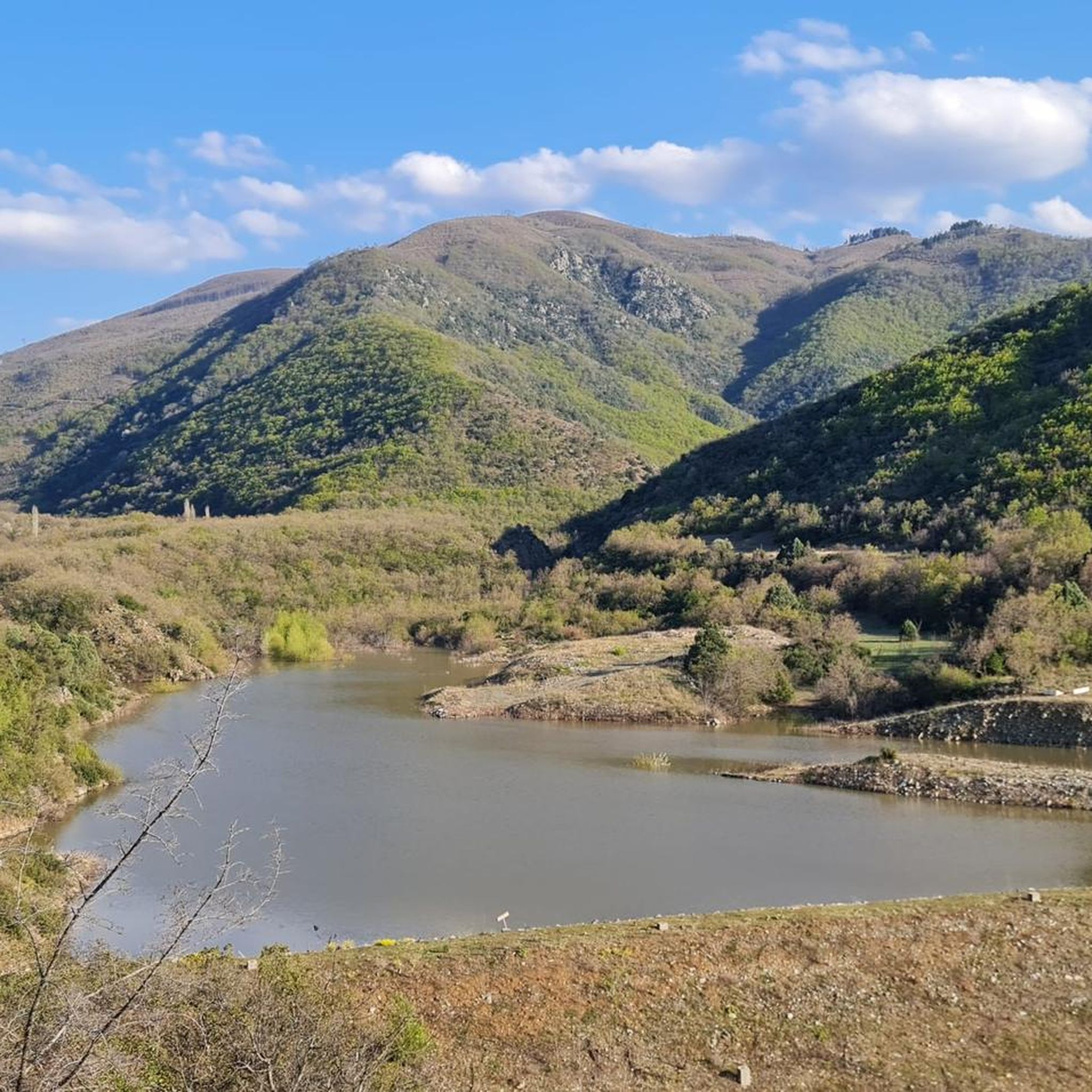
Ezero Mladost Lake Dam 🌊
Highlight • Lake
Tip by
Stobi Archaeological Excavation
Highlight • Historical Site
Tip by
Sign up for free to discover even more attractions in Vardar Region.
Already have an account?
Start today with a free account
Your next adventure awaits.
Popular around Vardar Region
Tips from the Community

Here you are actually driving on a highway. It didn't bother anyone on a Sunday, it's a good route, but you should be aware of it.
0
0

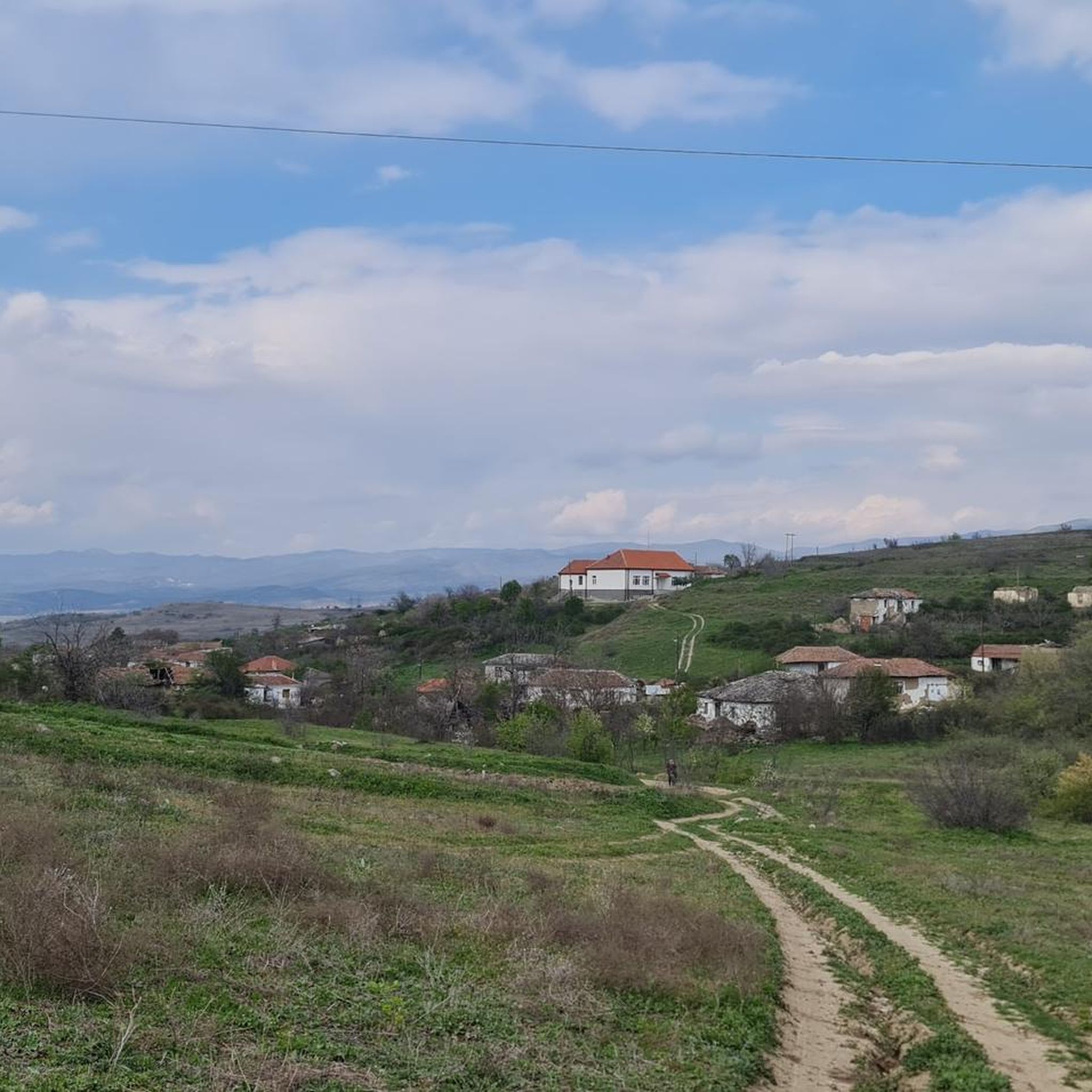
The Vardar River here splits in two channels, creating a scenic River island. The lonely train station on the opposite side is Klisura (Macedonian: Клисура), the oldest village in Demir Kapija Municipality. It was along the Vardar River but moved into the mountains to be away from the main road in the mid 19th century. Many current Demir Kapija residents came to develop the town and municipality during socialism, one of Tito's plans for the modernization and industrialization of his Yugoslavia. Klisura was at its highest population of over 600 residents just after World War I. A large church and monastery were built there before then. Today, the village is nearly abandoned, but it has a unique tradition around Easter. Former inhabitants return to the village on Good Friday for a village reunion. On May 23, many people come to celebrate the patron Saint Nicholas. https://en.wikipedia.org/wiki/Klisura,_North_MacedoniaSeveral residents still herd goats, sheep, and other livestock.
1
0
Well paved and now quiet thanks to the parallel highway, the old Vardar River Road is a great scenic section of the EuroVelo 11 through the Vardar River Valley
3
0
Стоби, Stobi, was an ancient town of Paeonia, later conquered by Macedon, and finally turned into the capital of the Roman province of Macedonia Salutaris. It is located near Gradsko, North Macedonia, on the main road that leads from the Danube to the Aegean Sea and is considered by many to be the most famous archaeological site in North Macedonia. Stobi was built where the Erigon (Crna River) joins the Axios (Vardar), making it strategically important as a center for both trade and warfare. For updated hours and fees check http://www.stobi.mk
1
0

Quite a bit of traffic, with trucks driving past but at quite a high speed. The landscape is beautiful. The asphalt is good for the most part. We recommend driving this route.
0
0

Beautiful, but partly very bad road! Still good to drive for the most part. It's worth it :)
0
0

Popova Kula winery and vineyards are located on the southern slopes of Grand Hill (Veliko Brdo) west of the beautiful town of Demir Kapija and close to the E-75 motorway. The Demir Kapija valley is located in the southeastern part of the Tikveshiya grape growing sub-region, which is part of the Povardarie region. The oldest archaeological finds that show that the people of this area grew vineyards and made wine date back to the 13th century BC King Aleksander Karadjordjevic had a kingdom that spanned what is now Macedonia, Serbia, Croatia, Bosnia and Slovenia, including the Adriatic coast and the Panonian Valley. With the location of his vineyard, he had a wide choice. But on the advice of trustworthy advisors, King Aleksander carefully selected and planted his first vines in the Demir Kapija microregion exactly where we have our vineyards today. When we first got to the place, we knew it was the perfect place for our vineyards and winery. Through our pictures on this website we will try to show you why. However, we invite you to visit us and experience the beauty and splendor of the region. We are sure that you will agree with our decision for the location. Source: http://www.popovakula.com.mk/index.php?option=com_content&view=article&id=60&Itemid=78&lang=en
3
0
Stobi was the capital of the ancient Paionien landscape, was later conquered by the Macedonians and came together with Macedonia in the 2nd century BC. Under the rule of the Romans. Stobi was at the mouth of the Erigon River in the Vardar on the main road that connected the middle Danube with the Aegean coast. The ruins of Stobi are the most significant ancient remains on the territory of the Republic of Macedonia today. The site is located immediately north of the Macedonian A1 motorway, also known as Autoput Bratstvo i jedinstvo, south of the village of Gradsko. The excavation site and the restored buildings form an open-air museum. Source: Wikipedia
5
0
Frequently Asked Questions
What natural attractions can I explore in the Vardar Region?
The Vardar Region offers several natural highlights. The dramatic Demir Kapija Canyon - Tunnel Gap features limestone cliffs and is excellent for short hikes and rock climbing. You can also enjoy the scenic views along the Scenic Road Along the River or visit Ezero Mladost Lake Dam 🌊, an artificial reservoir created in a narrow gorge.
Are there any significant historical sites to visit in the Vardar Region?
Yes, the region is rich in history. The Stobi Archaeological Site is a major ancient city with well-preserved Roman-Byzantine ruins and mosaics. Another notable historical location is the Archaeological Site Vardar Hill in Gevgelija, which features ancient pathways and mosaics from the Neolithic era. You can also find Ottoman heritage in cities like Veles and Negotino, including mosques and madrasas.
Where can I experience wine tasting in the Vardar Region?
The Vardar Region is renowned for its wine production, particularly the Tikveš Wine Region. You can visit Popova Kula Winery, located on the slopes of Grand Hill near Demir Kapija, which offers wine tasting and represents a significant cultural and historical legacy. The Royal Winery Queen Maria is another historical site connected to the region's wine-making tradition.
What kind of outdoor activities are available near the attractions?
The Vardar Region provides various outdoor activities. For cycling, you can explore routes like the 'Mladost Lake 🏖️ – Ezero Mladost Lake Dam 🌊 loop' or the 'Quiet Vardar Valley Road' which is part of the EuroVelo 11. Hikers can find trails such as the 'Чеплес loop from Nezhilovo' or the 'World War Artillery Monument – Steep Rocky Slope Trail loop'. More details on these activities can be found in the Cycling in Vardar Region and Hiking in Vardar Region guides.
Are there family-friendly attractions in the Vardar Region?
Yes, the Vardar Region offers options suitable for families. The Popova Kula Winery is listed as family-friendly, offering a pleasant environment. Additionally, the Ezero Mladost Lake Dam 🌊, an artificial lake, can be a nice spot for a family outing.
What are some scenic routes for driving or cycling in the Vardar Region?
You can enjoy picturesque journeys along the Scenic Road Along the River, which offers beautiful landscape views. The Pcinja Valley Road, especially from Katlanovo to Ezero Mladost lake, provides breathtaking views as it ascends alongside the narrow Pcinja River. The Quiet Vardar Valley Road is also well-paved and offers a great scenic section for cycling.
What is the best time to visit the Vardar Region for sightseeing and outdoor activities?
While specific seasonal weather data isn't provided, generally, spring and autumn offer pleasant temperatures for exploring historical sites and engaging in outdoor activities like hiking and cycling. The Tikveš Wine Region is particularly vibrant during harvest season in late summer/early autumn.
Can I find ancient Roman and Byzantine art in the Vardar Region?
Absolutely. The Stobi Archaeological Site is a prime location for this. It features intact mosaics, including a distinctive peacock from the baptistery's mosaic floor, offering profound insights into Roman and Byzantine art and the early spread of Christianity.
Are there any unique historical monuments related to specific periods?
Yes, beyond the ancient sites, you can find the Wilhelm II Inscription and Tunnel (1916), which is a man-made monument with historical significance from the early 20th century.
What do visitors enjoy most about the Demir Kapija Canyon?
Visitors appreciate the dramatic limestone cliffs and the opportunities for short walks and rock climbing. There's an excellent bilingual information panel at the trailhead, making it easy to learn about the area. It's considered a must-see spot for its wild and untamed atmosphere.
What kind of historical architecture can be seen in Veles and Negotino?
Veles and Negotino showcase significant Ottoman-era architecture. Beyond their well-known Clock Towers, these cities feature mosques, madrasas, and other historical structures that reflect five centuries of Ottoman influence on the region's culture and daily life.
How long should I plan for a visit to the Stobi Archaeological Site?
To fully explore the extensive ruins, including the theater, basilicas, and mosaics at the Stobi Archaeological Site, it is recommended to allocate at least 2-3 hours. This allows ample time to appreciate the scale and detail of this ancient city.
Most popular routes in Vardar Region

Get inspired with the komoot mobile app


Explore more
Still not found the Highlight you’re looking for? See guides of the top attractions in other regions:
