Easy hikes and walks in Nationales Naturerbe Lübtheener Heide
4.4
(209)
681
hikers
60
hikes
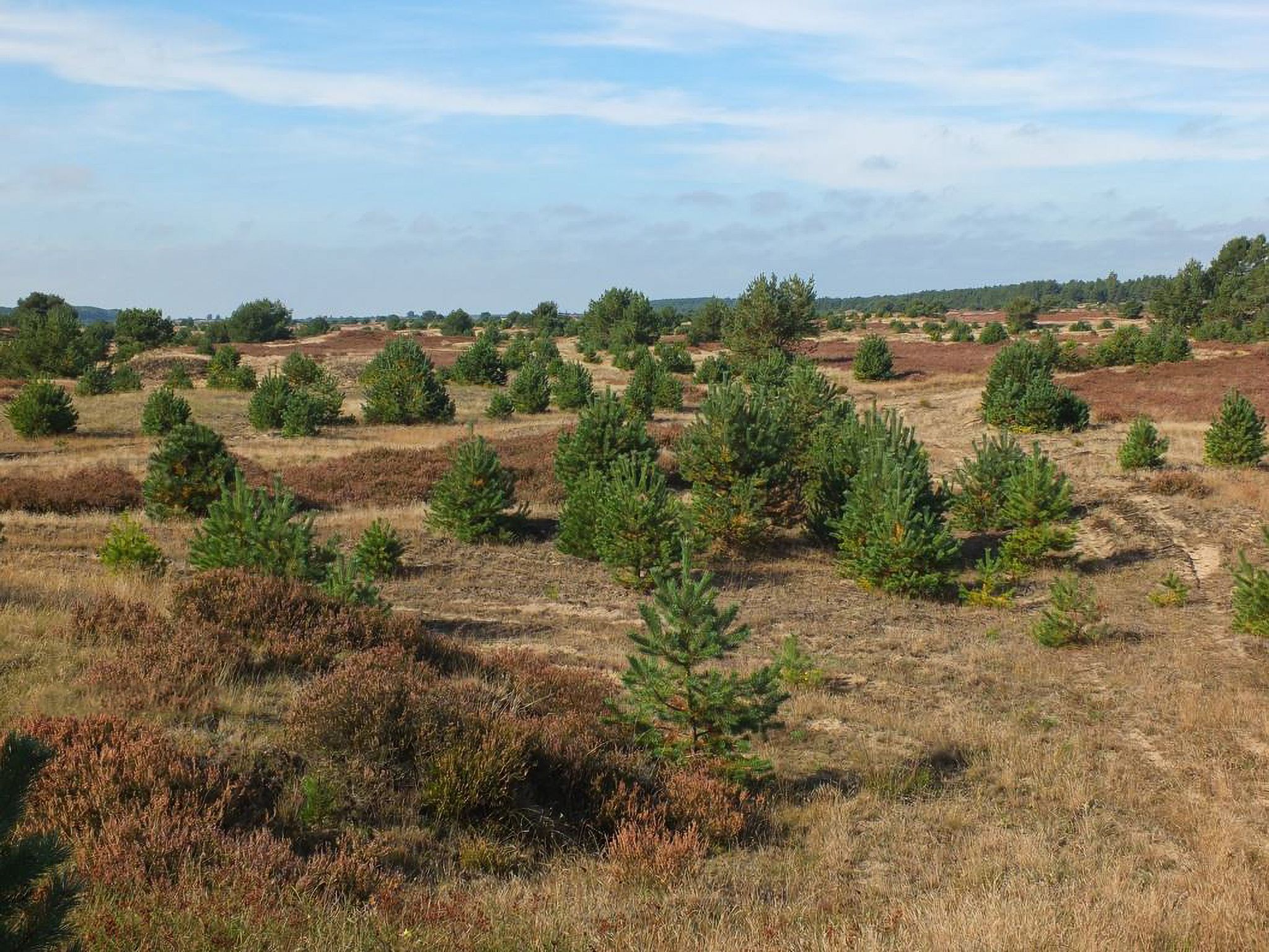
Easy hiking trails in Nationales Naturerbe Lübtheener Heide traverse a unique landscape characterized by extensive heathlands, open sand areas, and sparse pine forests. This region features one of Germany's largest active inland dunes, offering distinct views and ecological environments. Its past as a military training ground has shaped the terrain, preventing dense forest growth and creating expansive open spaces and specialized habitats. The area is also recognized as a biodiversity hotspot and forms part of the UNESCO Biosphere Reserve "Flusslandschaft…
Last updated: July 14, 2026
5.0
(3)
7
hikers
4.79km
01:13
20m
20m
Easy hike. Great for any fitness level. Easily-accessible paths. Suitable for all skill levels.
4.3
(3)
7
hikers
4.89km
01:15
20m
20m
Easy hike. Great for any fitness level. Easily-accessible paths. Suitable for all skill levels.

Sign up for free
4.0
(1)
5
hikers
5.26km
01:20
10m
10m
Easy hike. Great for any fitness level. Easily-accessible paths. Suitable for all skill levels.
4.5
(2)
9
hikers
6.84km
01:44
10m
10m
Easy hike. Great for any fitness level. Easily-accessible paths. Suitable for all skill levels.
4.5
(42)
98
hikers
6.07km
01:33
20m
20m
Easy hike. Great for any fitness level. Easily-accessible paths. Suitable for all skill levels.
Get access to more routes and recommendations from other explorers.
Sign up for free
Already have an account?
Our route recommendations are based on thousands of hikes, rides, and runs completed by other people on komoot.
Start today with a free account
Your next adventure awaits.
Login or Signup
Popular around Nationales Naturerbe Lübtheener Heide
Other adventures in Nationales Naturerbe Lübtheener Heide

Tips from the Community

Quite a nice place here. There is the church and the monument for the fallen soldiers here.
0
0

The old fieldstone church was built around 1256 and served as a place of worship for the surrounding villages of the Alt Jabel community until a new one was built in 1908. The attic and a wooden bell tower were demolished, and the church remains were left to their own devices. The church ruins have now been restored and secured.
2
0

The sand of the dune was formed 10,000 years ago, but it is not as if this dune has been there for that long. It is also not that big. Like all dunes in the Griesen area, the sand only became a problem for people in the Middle Ages, as they had exploited and cut down the previously existing forest. The sand spread unhindered and shifting dunes formed. The problem was solved after reforestation. This dune is supposed to still shift, but I don't think that is the case, as it is enclosed and partially covered by pine trees. Wind can hardly get through here anymore. That may have been different some time ago.
0
0

A fascinating place that is worth exploring. There are also a few benches here that invite you to linger. Just sit down and think about your thoughts.
1
0

Be sure to pack insect/mosquito spray! The entire forest between the dunes and the moor is well visited by biting beasts, depending on the season/weather conditions. ;)
4
0

The ruins of the Michaeliskirche from 1256 with round arches were built from field stones. The church existed until around 1908, after which the wooden tower was demolished and the rest fell into disrepair. https://www.wikiwand.com/de/Alt_Jabel
1
0


Frequently Asked Questions
How many easy hiking trails are available in Nationales Naturerbe Lübtheener Heide?
Nationales Naturerbe Lübtheener Heide offers 21 easy hiking trails. These routes are designed for gentle exploration of the region's unique landscapes.
What makes the landscape of Nationales Naturerbe Lübtheener Heide unique for easy hikes?
The region is characterized by extensive heathlands, open sand areas, and sparse pine forests. It features one of Germany's largest active inland dunes, offering distinct views. Its past as a military training ground has also shaped the terrain, creating expansive open spaces and specialized habitats.
What kind of terrain can I expect on easy hikes in Nationales Naturerbe Lübtheener Heide?
Easy hikes here typically feature gentle paths through open heathlands, sandy sections, and light pine forests. The terrain is generally flat with minimal elevation changes, making it accessible for most hikers.
Are there any safety considerations for hiking in Nationales Naturerbe Lübtheener Heide?
Yes, due to its past as a military training ground, parts of the Lübtheener Heide may still contain unexploded ordnance. For your safety, you must stay strictly on the marked and cleared paths. Information boards and red-capped posts guide hikers through the safe areas.
What can I see along the easy hiking trails in Nationales Naturerbe Lübtheener Heide?
You can encounter a mix of natural beauty and historical relics. Highlights include the impressive active inland dune, vast heathlands, and remnants of the past such as bunker ruins and traces of the former village of Quast. Consider visiting the Quast Deserted Village Memorial or the Wandering Dune (Schwarze Berge).
Are the easy trails in Nationales Naturerbe Lübtheener Heide suitable for families with children?
Yes, many of the easy trails are well-suited for families. The gentle terrain and relatively short distances make them enjoyable for children. The unique landscapes, like the inland dune, offer interesting sights for all ages.
Are dogs allowed on the easy hiking trails?
Generally, dogs are welcome on the trails. However, due to the area's sensitive ecosystem and the presence of wildlife, it is recommended to keep dogs on a leash, especially to protect ground-nesting birds and other rare species.
What is the best time of year to enjoy easy hikes in Nationales Naturerbe Lübtheener Heide?
The heathlands are particularly picturesque in late summer when the heather is in full bloom, typically from August to September. Spring and early summer also offer pleasant conditions with milder temperatures and active wildlife.
Are there any easy circular routes available?
Yes, many of the easy trails are designed as circular routes, allowing you to start and end at the same point. An example is the Lumi Ice Cream Vending Machine loop from Lübtheen, which offers a gentle exploration of the local landscapes.
What do other hikers enjoy the most about hiking in Nationales Naturerbe Lübtheener Heide?
The area is highly rated by the komoot community, with an average score of 4.5 stars. Reviewers often praise the unique and diverse landscape, particularly the vast heathlands and the impressive inland dune. The well-marked, easy paths and the sense of tranquility are also frequently highlighted.
Where can I park for easy hikes in Nationales Naturerbe Lübtheener Heide?
Designated parking areas are available at various entry points to the nature reserve. For example, you can find parking near the Lübtheener Heide Entrance (Alt Jabel) or the Lübtheener Heide Entrance at Probst Jesar, which provide access to several easy trails.
Can I spot wildlife on easy hikes in Nationales Naturerbe Lübtheener Heide?
Yes, the Lübtheener Heide is a biodiversity hotspot and a protected habitat for many rare animals. Keep an eye out for species like the European nightjar, red-backed shrike, and specialized sand species. The area has also been home to wolves since 2007, though sightings are rare.
How long do the easy hiking trails typically take to complete?
Most easy trails in Nationales Naturerbe Lübtheener Heide are relatively short, ranging from 3 to 7 kilometers. They can typically be completed within 1 to 2 hours, depending on your pace and how often you stop to enjoy the scenery. For instance, the Stixer Wandering Dune loop from Stixer Wanderdünen is about 6 km and takes around 1 hour 30 minutes.
Most popular routes in Nationales Naturerbe Lübtheener Heide
Most popular attractions in Nationales Naturerbe Lübtheener Heide

Get inspired with the komoot mobile app


Explore more
Browse the best Hikes in other regions.
