Attractions and Places To See in Arad - Top 20
Best attractions and places to see in Arad include a blend of historical architecture, cultural institutions, and natural spaces. The city in western Romania is traversed by the Mureș River, offering parks and walking paths along its banks. Visitors can explore a variety of attractions, from significant landmarks to tranquil green areas. Arad's main thoroughfare, Bulevardul Revoluției, showcases diverse architectural styles including Baroque, Neo-Classical, and Art Nouveau.
Best attractions and places to see in Arad
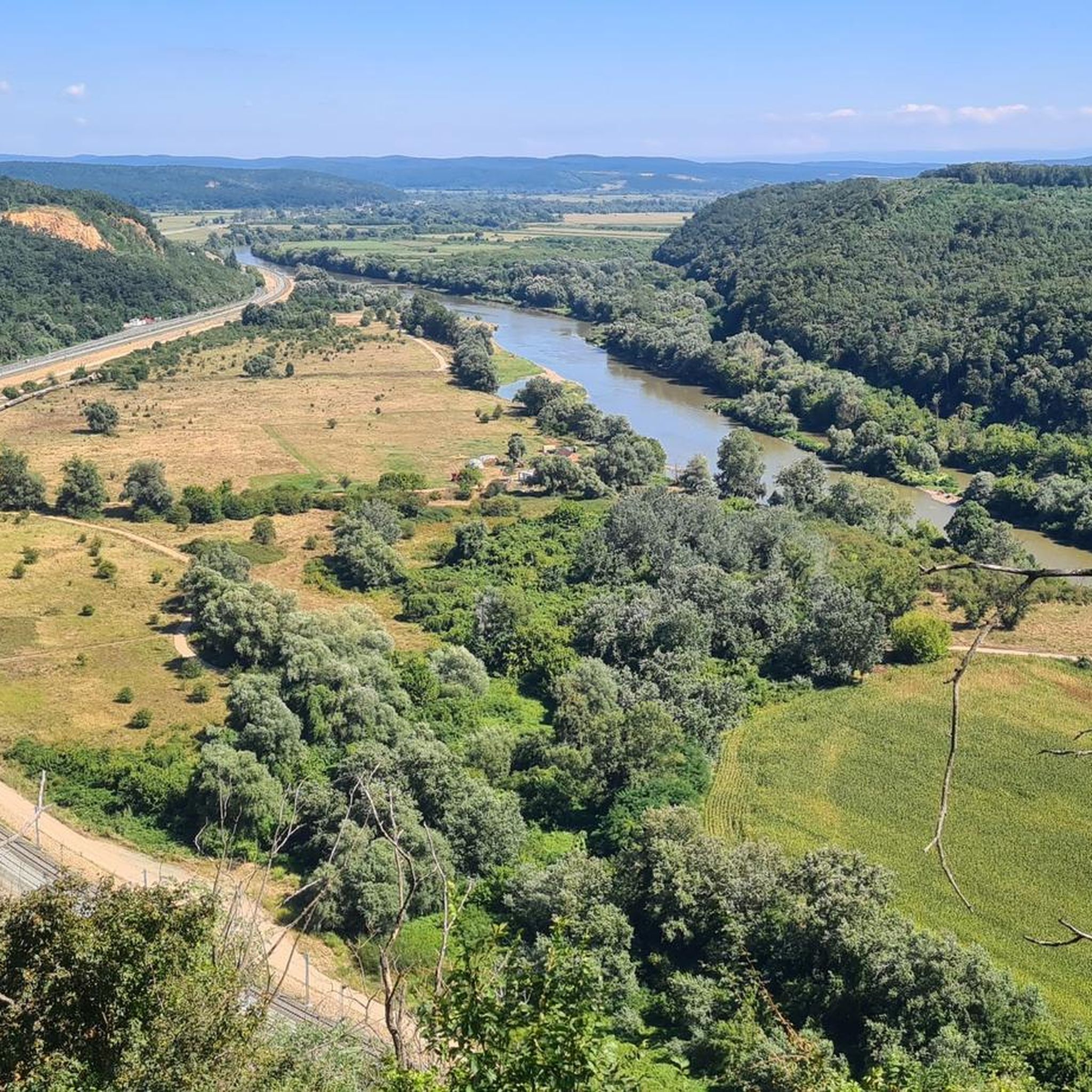
- The most popular attractions is Șoimoș Fortress Ruins, a castle that offers a view over the valley. These medieval castle ruins are located high above the Mieresh Valley.
- Another must-see spot is Liberty Statue, Arad, a man-made monument. This statue is located in the Park of Reconciliation and honors the leaders of the Hungarian Revolution of 1848/1849.
- Visitors also love Ceala Nature Area, a forest offering a blend of education and relaxation. The area features a new bridge on the Maros River and a scenic park setting.
- Arad is known for its historical sites, religious buildings, and natural features. The city offers a variety of attractions to see and explore, from ancient ruins to serene parks.
- The attractions in Arad are appreciated by the komoot community, with more than 20 upvotes and over 100 photos shared.
Last updated: October 10, 2026
Șoimoș Fortress Ruins
Highlight • Castle
Translated by Google •
Tip by

Șiria Fortress Ruins
Highlight • Castle
In 1529 Imre Czibak took the castle, from 1551 it served as a royal border castle, and in 1566 it fell into the hands of the Turks. During the 15 Years' War it was occupied by Transylvanian troops between 1595 and 1615. But the Turks recaptured it until General Heister finally drove the Turks out in 1693. In 1784, during the Peasants' Revolt, the rebels sought refuge here, after which the then owner, Imre Bohus, had the castle destroyed with cannons from the fortress of Arad. In 1849, near the castle, on the fields of Szöllös, the Hungarian troops laid down their arms.
Source: Summary of documents cited under literature.
burgenwelt.org/rumaenien/siria/object.php
Translated by Google •
Tip by

Sign up now to discover places like this
Get recommendations on the best single tracks, peaks, & plenty of other exciting outdoor places.
Liberty Statue, Arad
Highlight • Monument
Translated by Google •
Tip by

Roman Catholic Cathedral of Saint Anthony of Padua (Minorite Church)
Highlight • Religious Site
Translated by Google •
Tip by
Franciscan Monastery Radna
Highlight • Religious Site
Source: Wikipedia
Translated by Google •
Tip by

Ceala Nature Area
Highlight • Forest
Translated by Google •
Tip by

Bogrog Revived Village
Highlight • Settlement
Translated by Google •
Tip by

Holy Trinity Cathedral Arad
Highlight • Religious Site
Translated by Google •
Tip by
Miraculous Icon of Our Lady of Radna
Highlight • Religious Site
Source: Wikipedia
Translated by Google •
Tip by
Basilica of Maria Radna
Highlight • Religious Site
The Maria-Radna pilgrimage church is a single-nave pillar church with a recessed, elongated choir and trapezoidal apses. The length of the church is 56.2 meters, the width of the nave is 19.8 meters, and the chancel is 9.3 meters wide. The height of the church is 20.6 meters in the nave. Due to its special location, slightly elevated on the northern bank of the Marosch river and visible to visitors from afar, the church was not given a canonical east orientation.
Source: Wikipedia
Translated by Google •
Tip by
Sign up for free to discover even more attractions in Arad.
Already have an account?
Start today with a free account
Your next adventure awaits.
Tips from the Community

The new bridge on the Maros is an interesting engineering solution. It's very nicely lit. The area around it is quite stunning.
0
0

The Arad Statue of Liberty, also known as the Monument to the Martyrs of Arad, is a statue in the Park of Reconciliation (Romanian: Parcul Reconcilierii), in the 1st district of Arad. It was erected in honor of the 13 generals, leaders of the Hungarian Revolution of 1848/1849, who went down in history as the Martyrs of Arad. The monument is a symbol of the city.
0
0

The Orthodox Cathedral of the Holy Trinity (Romanian: Catedrala "Sfânta Treime" din Arad) is a Romanian Orthodox cathedral in Arad, in the Crișana region of western Romania. It is the main cathedral of the Bishopric of Arad. The foundation stone of the new cathedral was laid in November 1991. On the feast of Saint Nicholas in 2008, the cathedral was inaugurated by the Patriarch of All Romania, Daniel.
0
0
The Roman Catholic Minorite Church in Arad was built between 1902 and 1904 according to plans by the well-known architect of Serbian origin Emil Tabakovits. It replaced the Baroque church of the Minorites, who looked after the Catholic population of the city of Arad, which was built in the middle of the 18th century, had become dilapidated and was demolished between 1901 and 1903. Built in the neo-baroque style, the church, popularly known as the "Arad Catholic Cathedral", is particularly impressive for its tympanum with a Pietà, the cornice with the crowning putti and the dome. The interior still contains some of the original paintings by the Viennese painter Schiessl that had adorned the demolished church.
0
1

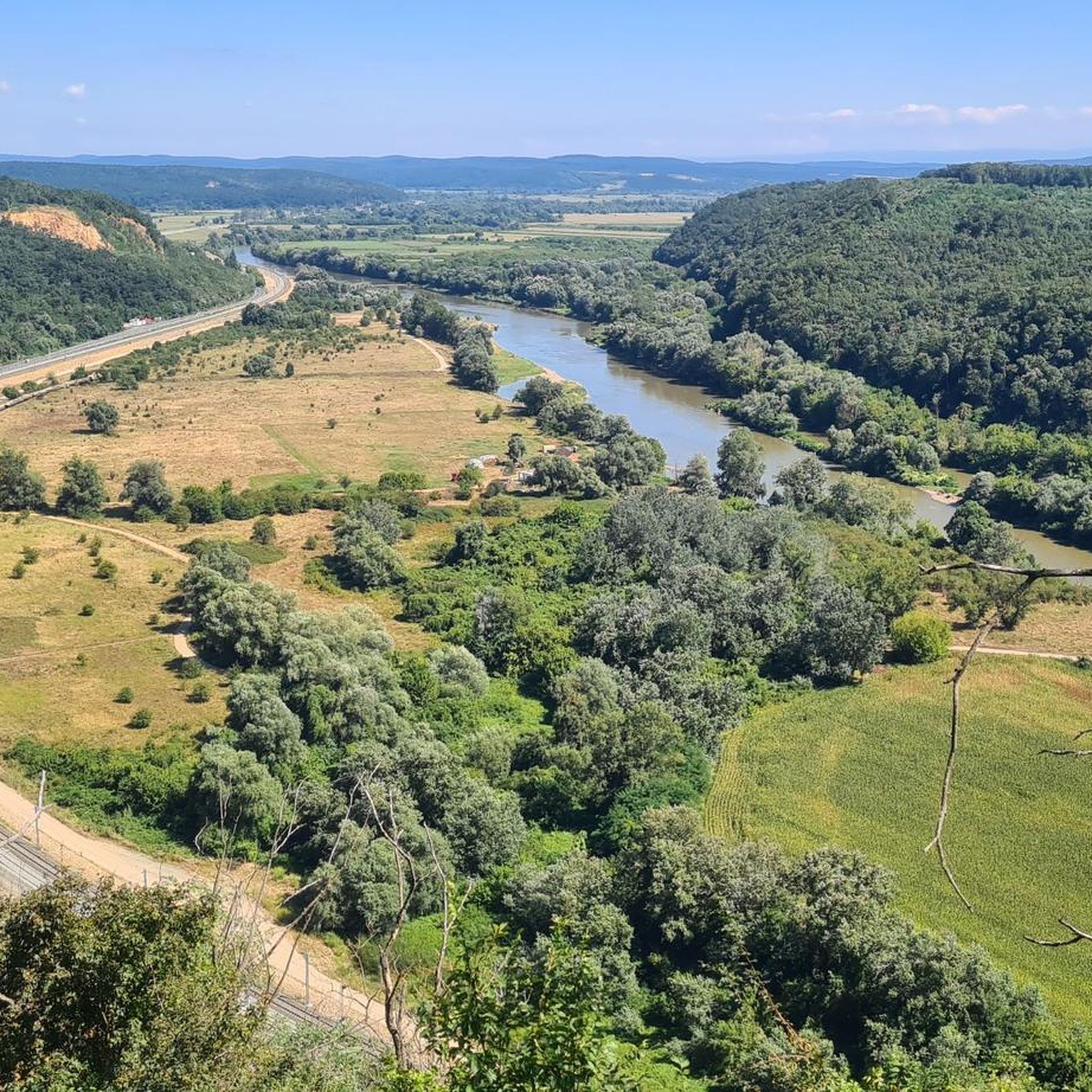
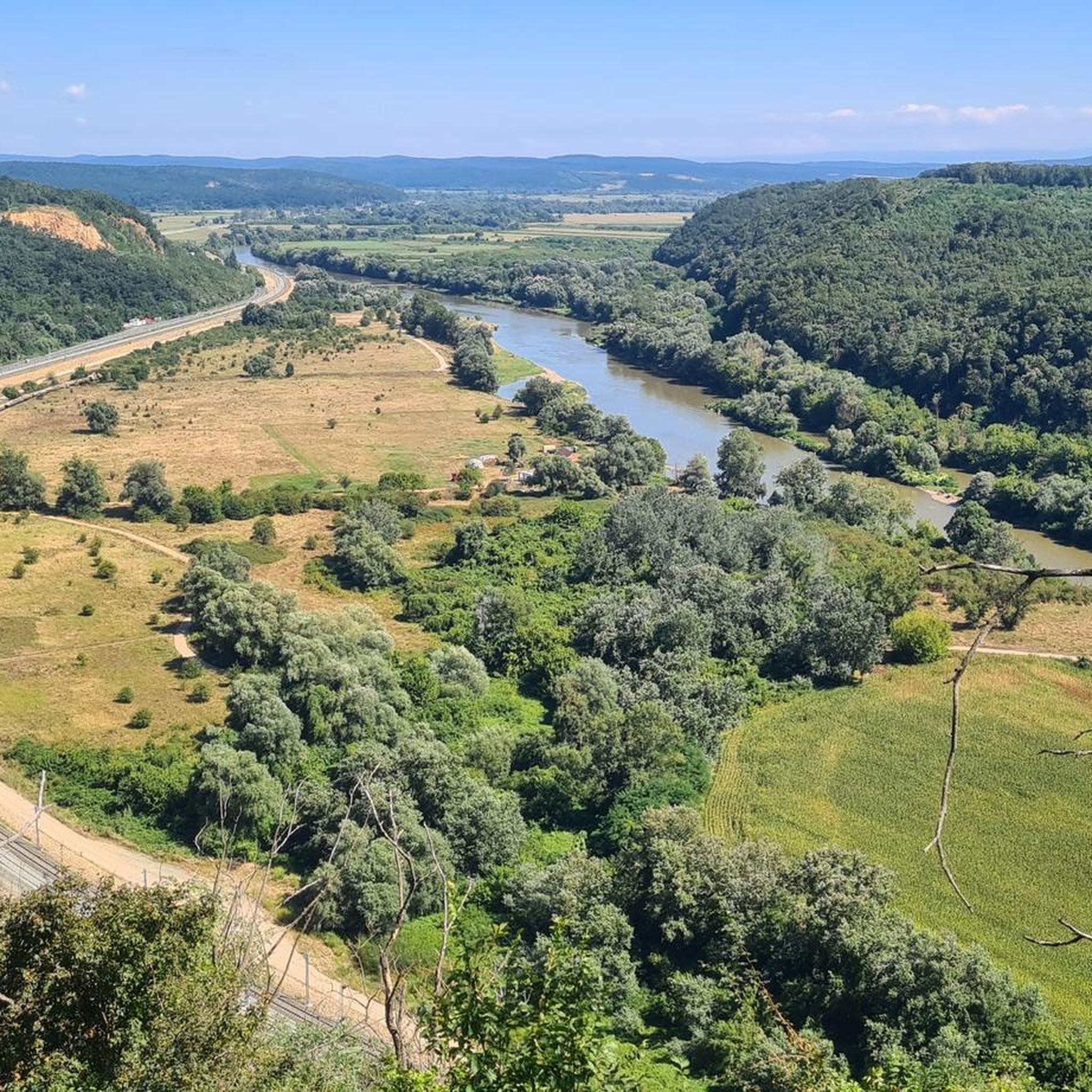
Wonderful views! Not long from Arad (30 minutes) and great views, and easy to access!
1
0
I love this location. It is apparently one of the main attractions near Arad, the location is magnificent, but the houses you have to pass are quite the opposite. It’s worth it to come up here by car on a paved road on 2 different hiking paths!
0
0

The castle was first mentioned as a royal castle in 1318. In 1439, King Albert gave it and its 110 villages as a gift to the Serbian despot Brankovics. When Brankovics lost its Hungarian landholdings in 1441, King Ulaszlo I Vilagos gave the castle to Laszlo Marothy. After a year, Brankovics got the castle back, then in 1444 he left it to Janos Hunyadi, whose sons Laszlo and Matthias Corvinus left it to their maternal uncle, Mihaly Szilagyi, after their father's death. After his death, Matthias pledged the castle and several goods to his widow Margit Bathory. In 1464, King Matthias Vilagos gave Andras Bathory and his four brothers along with several land holdings in Zarand and Arad counties. In 1529 Imre Czibak took the castle, from 1551 it served as a royal border castle, and in 1566 it fell into the hands of the Turks. During the 15 Years' War it was occupied by Transylvanian troops between 1595 and 1615. But the Turks recaptured it until General Heister finally drove the Turks out in 1693. In 1784, during the Peasants' Revolt, the rebels sought refuge here, after which the then owner, Imre Bohus, had the castle destroyed with cannons from the fortress of Arad. In 1849, near the castle, on the fields of Szöllös, the Hungarian troops laid down their arms. Source: Summary of documents cited under literature. https://www.burgenwelt.org/rumaenien/siria/object.php
3
0
Frequently Asked Questions
What historical landmarks can I explore in Arad?
Arad is rich in history. You can visit the impressive Șoimoș Fortress Ruins, offering a fantastic view over the Mureș Valley. Another significant site is the Șiria Fortress Ruins, a royal castle first mentioned in 1318. Within the city, don't miss the stunning 19th-century Arad City Hall, the distinctive Red Church (Lutheran Church), and the historically significant 18th-century star-shaped Arad Fortress.
Are there any natural areas or parks for relaxation in Arad?
Yes, Arad offers several tranquil green spaces. The Ceala Nature Area provides a blend of education and relaxation within a scenic park setting, featuring a new bridge over the Mureș River. The city is also traversed by the Mureș River itself, with numerous parks and walking paths along its banks. Other notable parks include Reconciliation Park, Insulă Parc Europa, Parcul Padurice, and Regina Maria Park.
What cultural and religious sites are prominent in Arad?
Arad boasts a variety of cultural and religious sites. The Holy Trinity Cathedral Arad is a significant religious site. You can also visit the Roman Catholic Cathedral of Saint Anthony of Padua (Minorite Church). The Palace of Culture, an architectural monument from 1913, houses the Arad Museum Complex with extensive collections. The Neologist Synagogue of Arad, built between 1827-1834, and the Serbian Church, the oldest building in Arad dating back to 1699, are also important cultural landmarks.
Are there family-friendly attractions in Arad?
Absolutely. Many attractions in Arad are suitable for families. The Ceala Nature Area is a great option for outdoor fun and learning. Historical sites like the Șiria Fortress Ruins are also marked as family-friendly. Religious buildings such as the Roman Catholic Cathedral of Saint Anthony of Padua and the Holy Trinity Cathedral Arad welcome visitors of all ages. Additionally, the city's numerous parks, like Reconciliation Park, offer space for children to play.
Can I find hiking trails near Arad's attractions?
Yes, there are several hiking opportunities near Arad's attractions. For example, the area around Șoimoș Fortress Ruins offers moderate to difficult trails with fantastic views. You can find various routes, including easy city loops like the Arad City Hall – National Bank Palace of Arad loop, or more challenging ones. Explore more options on the Hiking in Arad guide.
What are some easy hiking options in Arad?
For those looking for easier walks, Arad provides several accessible routes. You can enjoy an easy loop around the Holy Trinity Cathedral Arad or a pleasant stroll from Hotel Continental Forum Arad to Arad City Hall. The Easy hikes in Arad guide offers more details on these and other gentle trails.
Are there cycling routes available near Arad's attractions?
Cycling is a popular way to explore the area around Arad. You can find routes like the Mureș Riverside Bike Path – Ceala Nature Area loop, which offers moderate difficulty. These paths often follow the Mureș River, providing scenic views. For more cycling adventures, check out the Cycling in Arad guide.
What is the <a href="https://www.komoot.com/highlight/3412275" target="_blank" rel="noopener">Liberty Statue, Arad</a> and where is it located?
The Liberty Statue, Arad, also known as the Monument to the Martyrs of Arad, is a significant man-made monument located in the Park of Reconciliation. It honors the 13 generals who led the Hungarian Revolution of 1848/1849 and is a symbol of the city. This monument is also wheelchair accessible.
What can I expect at the Palace of Culture and Arad Museum Complex?
The Palace of Culture is a grand architectural monument from 1913, blending styles like Classic Italian Renaissance, Romanian Baroque, and French Gothic. It houses the Arad Museum Complex, which features extensive collections covering archaeology, history, natural sciences, and art. You can see artifacts from the Iron Age, Dacian Period, and the 1848 Revolution, alongside European paintings and ethnographical exhibits.
Are there any unique historical settlements or villages to visit near Arad?
Yes, you can visit the Bogrog Revived Village. This unique settlement, once abandoned due to floods, is now seeing residents return. It offers a glimpse into local history and resilience, located along a forest road towards Pecica.
What are some notable religious buildings outside the immediate city center?
Beyond the city, the Franciscan Monastery Radna and the Basilica of Maria Radna are significant religious sites. The Basilica is also known for its viewpoint. The Hodoș-Bodrog Monastery is another point of interest located outside the city.
What do visitors particularly enjoy about the attractions in Arad?
Visitors frequently appreciate the stunning views from historical sites like the Șoimoș Fortress Ruins and Șiria Fortress Ruins. The blend of historical architecture, cultural institutions, and serene natural spaces, such as the Ceala Nature Area, is also highly valued. The community has shared over 100 photos and given more than 20 upvotes to the attractions, highlighting their appeal.
Are there any attractions in Arad that are wheelchair accessible?
Yes, the Liberty Statue, Arad, located in the Park of Reconciliation, is noted as wheelchair accessible, allowing everyone to visit this important historical monument.
Most popular attractions in Arad

Get inspired with the komoot mobile app


Explore more
Still not found the Highlight you’re looking for? See guides of the top attractions in other regions:
