The 20 Most Amazing Peaks in Goriška
Best mountain peaks in Goriška are found within a diverse landscape that spans from the Julian Alps to the Karst plateau. This region in Slovenia features a variety of summits, offering expansive views and challenging ascents. Goriška is characterized by its mountainous terrain, which includes both high alpine environments and lower, more accessible hills. The area provides opportunities to explore natural monuments and historical sites across its varied elevations.
Best mountain peaks in Goriška
- The most popular mountain peaks is…
Last updated: September 26, 2026
Triglav Summit and the Aljaž Tower
Highlight • Summit
Translated by Google •
Tip by

Krn (2,244 m)
Highlight • Summit
Translated by Google •
Tip by

Sign up now to discover places like this
Get recommendations on the best single tracks, peaks, & plenty of other exciting outdoor places.
Chapel of Christ the Redeemer on Monte Matajur Summit
Highlight • Summit
Translated by Google •
Tip by

Šija Summit
Highlight • Summit
Translated by Google •
Tip by

Svinjak Summit
Highlight • Summit
Translated by Google •
Tip by

Mala Mojstrovka (2,333 m)
Highlight • Summit
Translated by Google •
Tip by

Trstelj
Highlight • Viewpoint
Translated by Google •
Tip by

Mount Korada and Sveti Gendrca Chapel
Highlight • Summit
Translated by Google •
Tip by

Vojkova Koča Mountain Lodge (Nanos Plateau)
Highlight • Mountain Hut
Tip by

Rodica (1966 m)
Highlight • Summit
Tip by
Sign up for free to discover even more peaks in Goriška.
Already have an account?
Start today with a free account
Your next adventure awaits.
Popular around Goriška
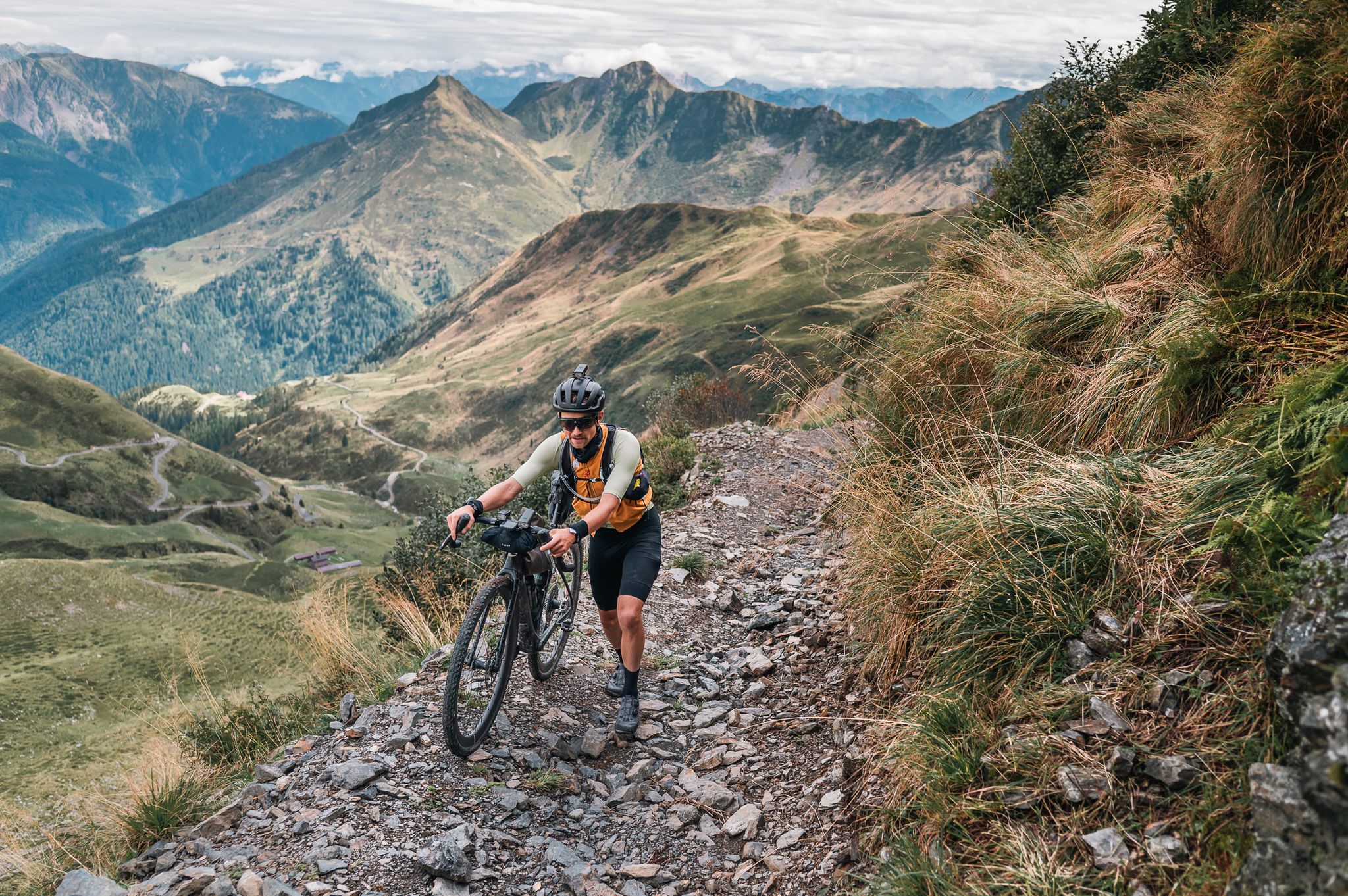
Sneak Peaks ADVENTURE 🥇
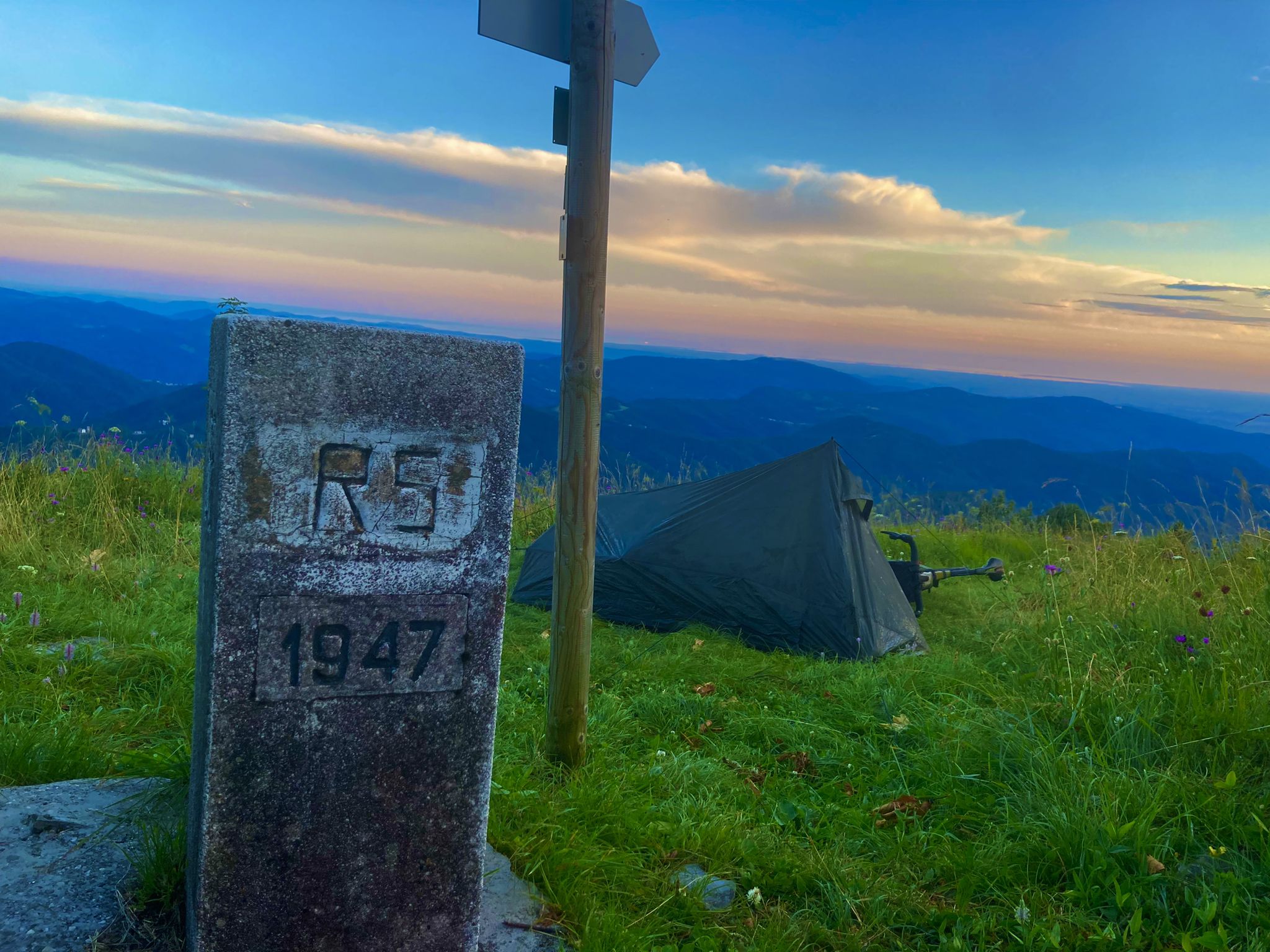
From Bavaria to the Adriatic - My Bikepacking Adventure to Croatia 2023
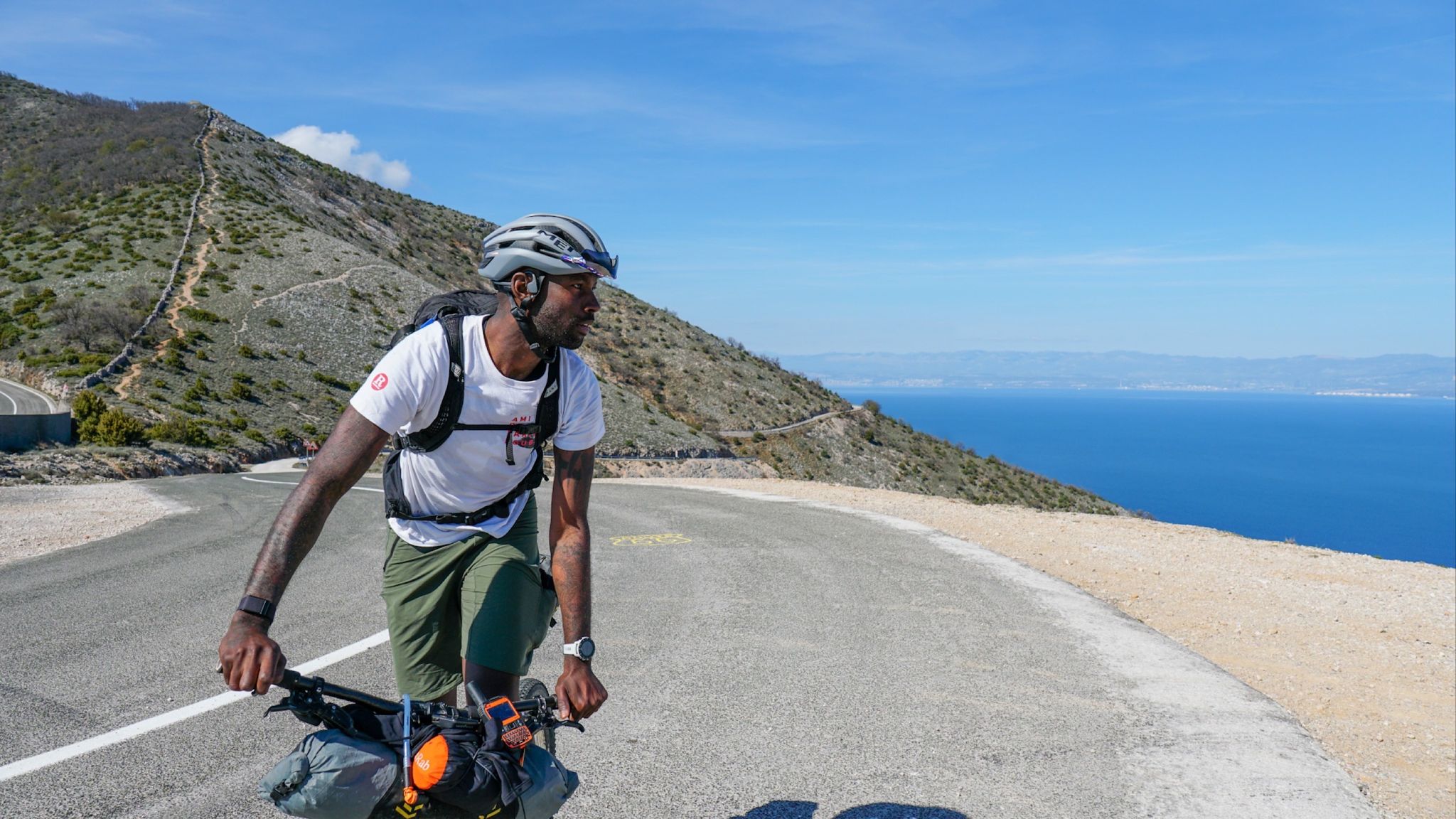
Slovenian mountains to island hopping around the Adriatic Crest
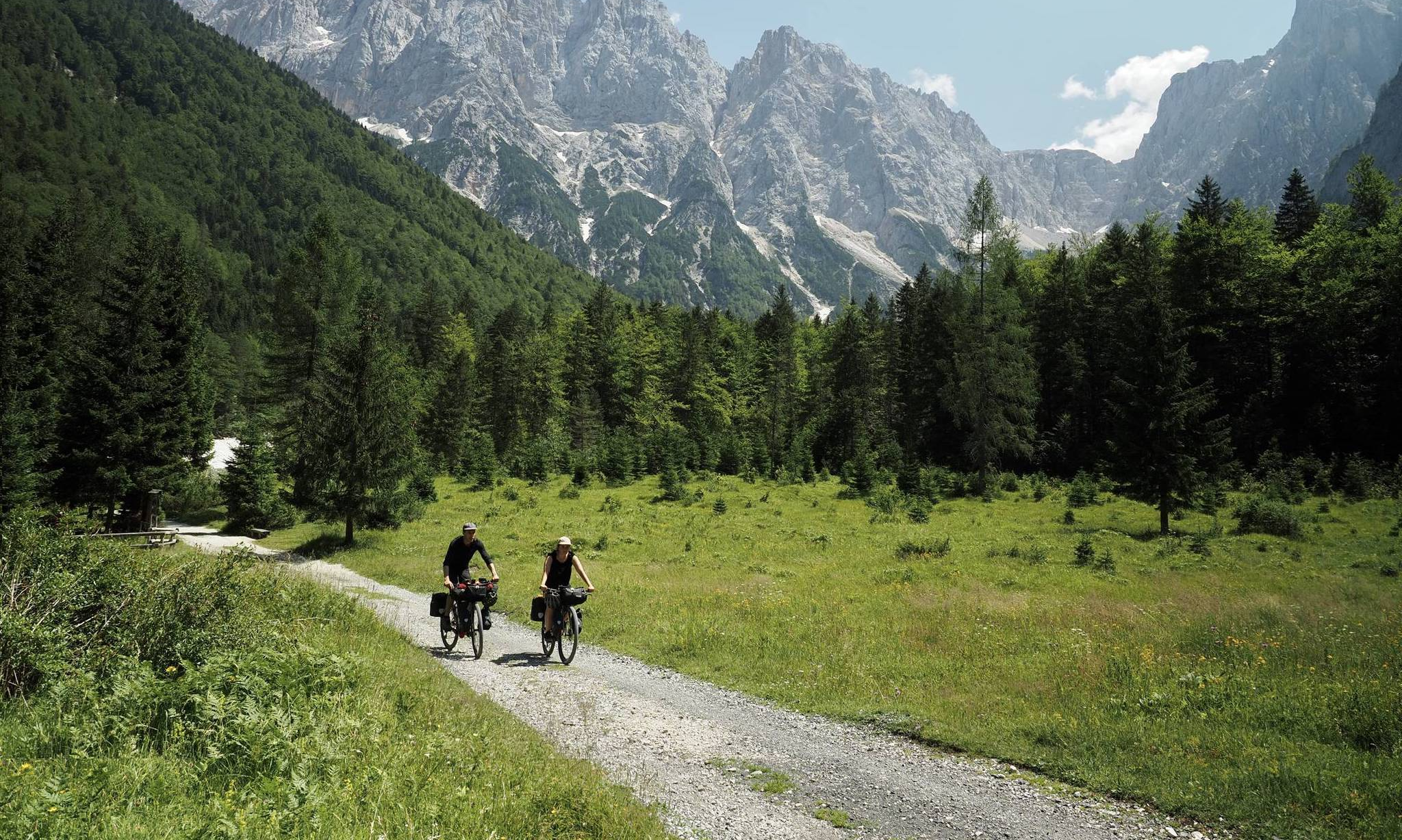
Slovenia West Loop (Soča Variation) – Bikepacking
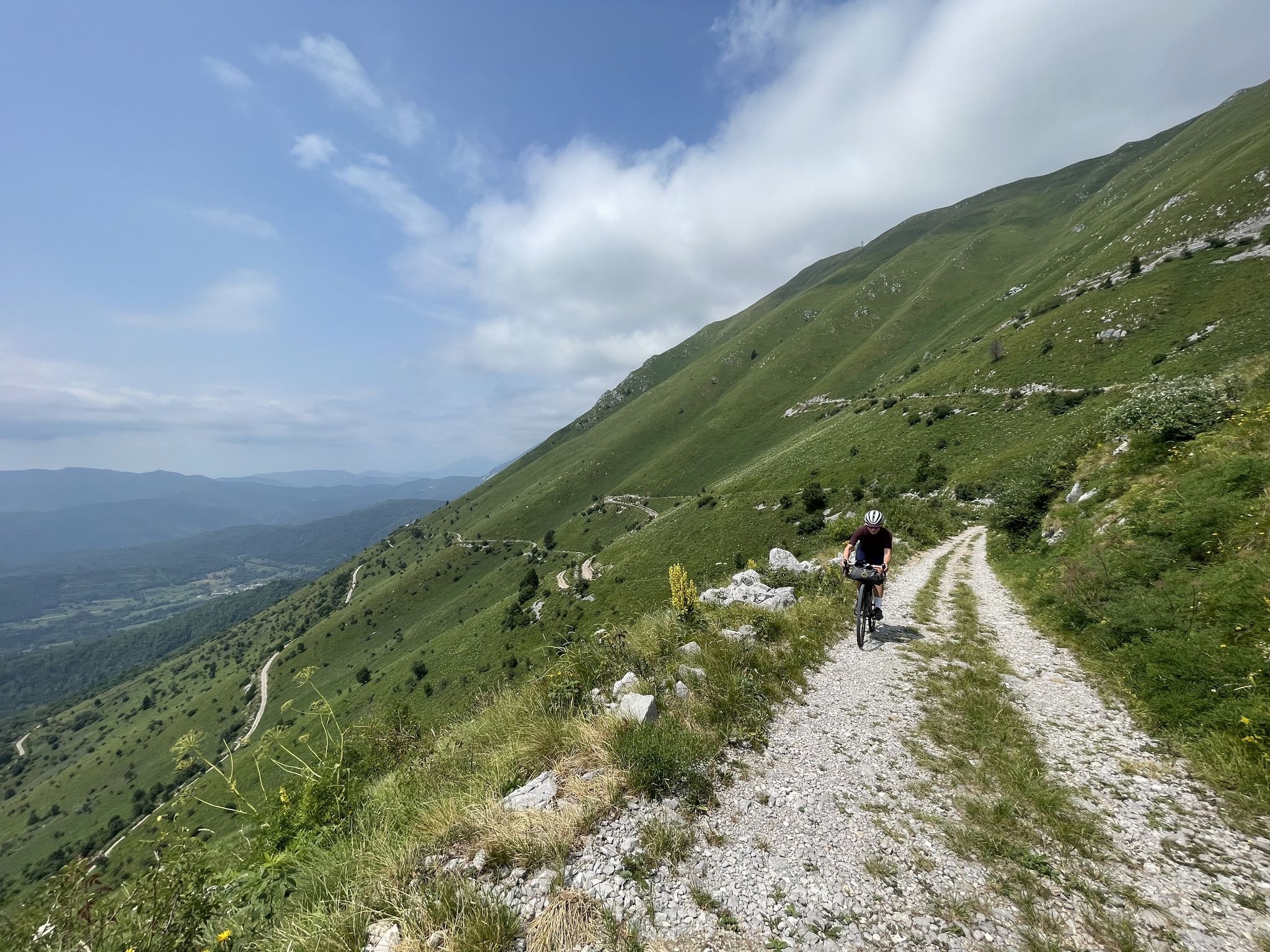
The West Loop — Bikepacking Slovenia in five days
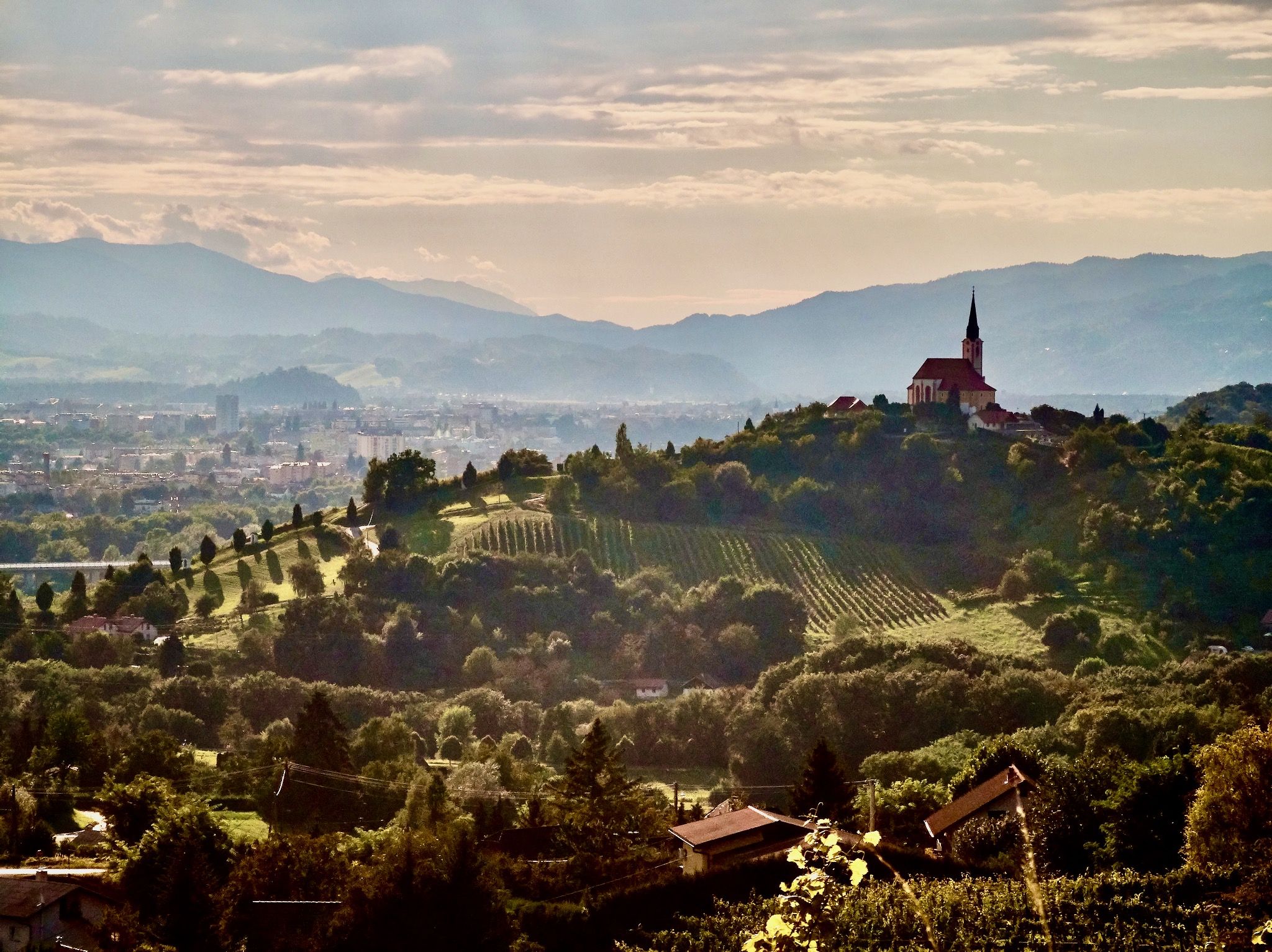
Budapest to Venice via the beautiful Soča Valley
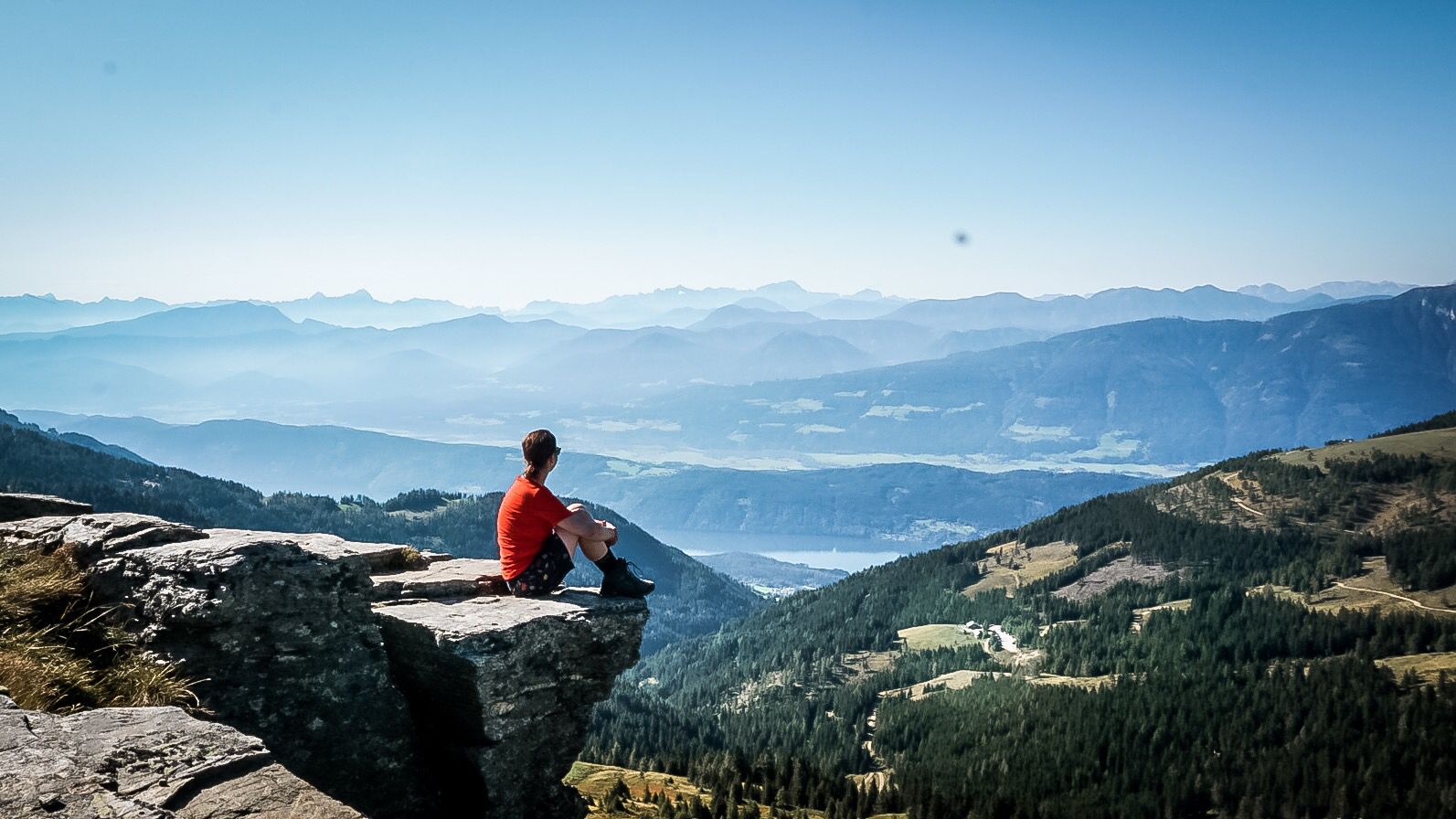
Alpe-Adria-Trail: My long-distance hike from the glacier to the sea
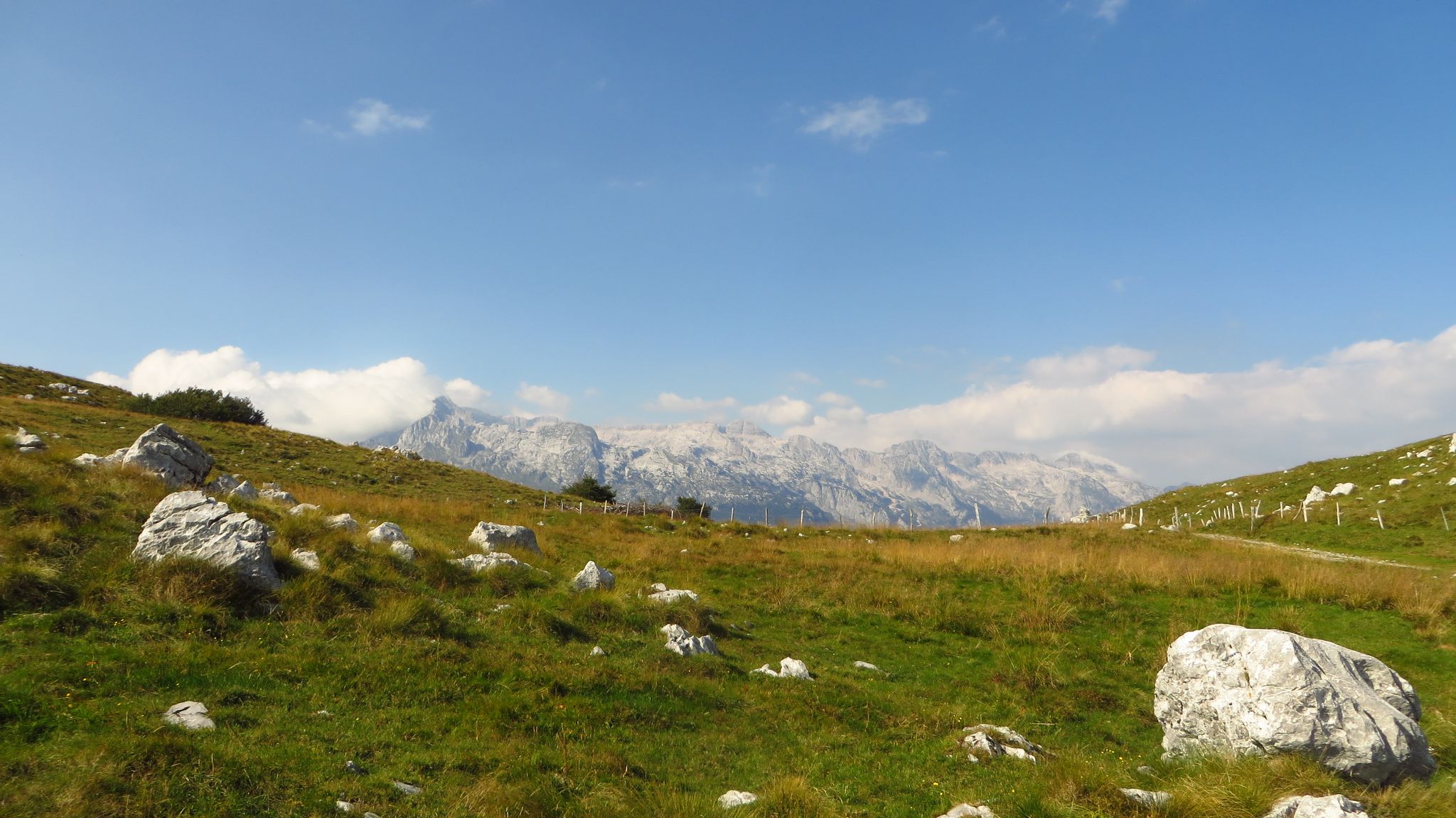
Alpe Adria – MTB Transalp through Slovenia to the Mediterranean Sea
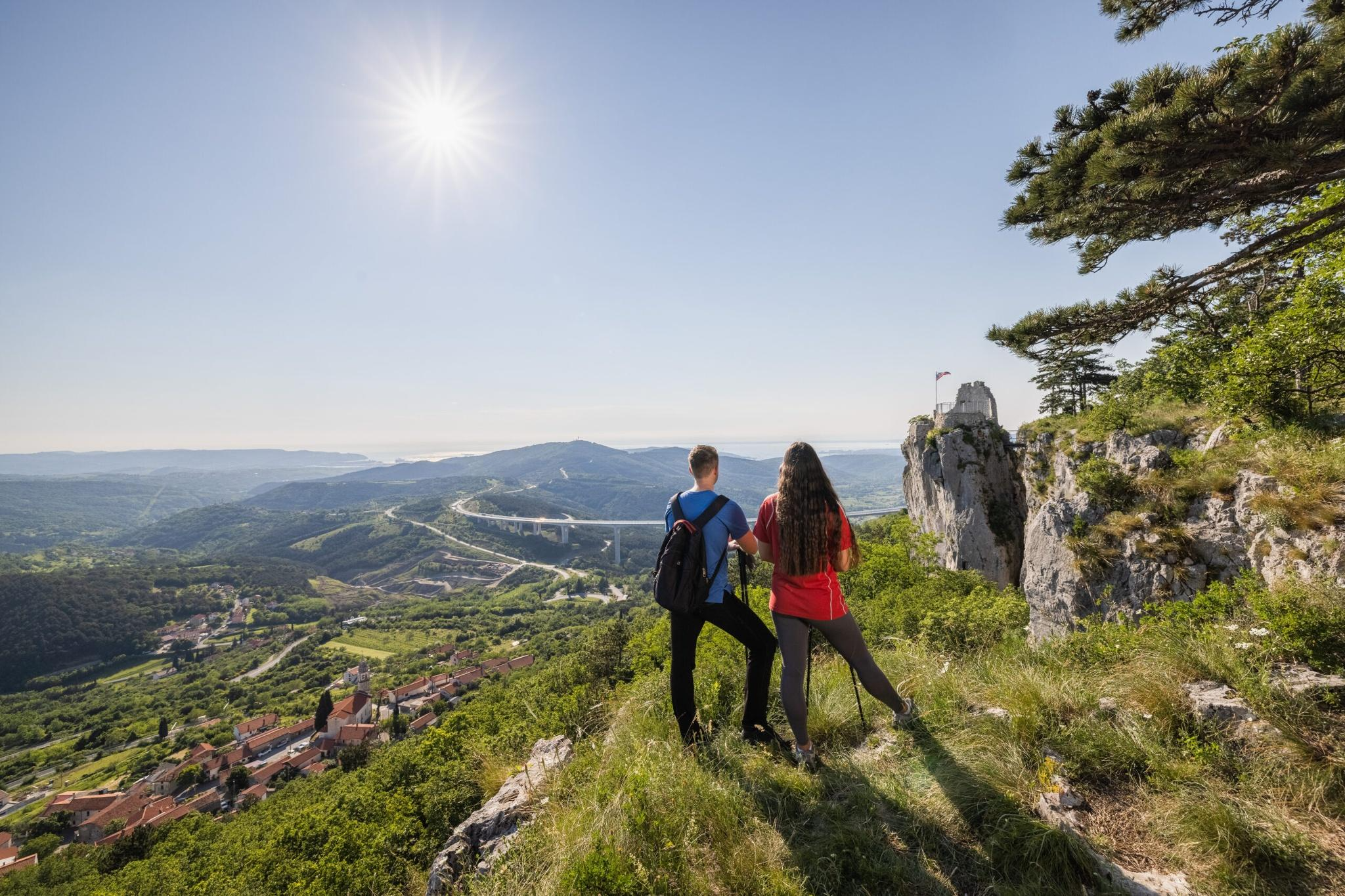
Hiking adventures in Slovenia for families away from the hustle and bustle
Alpine Air & Coastal Wind – Racing Bike Tours in Slovenia
Other adventures in Goriška


Tips from the Community

It doesn't get higher in Slovenia, so the mountain is well visited. Technically not difficult, but demanding in terms of endurance.
2
0

The shortest path from mainland to Triglav mountain. It's not easy path. It is steep path with some climbing path at the end.
1
2

Small and charming church immersed in a splendid landscape
0
0

Small rural church, beautiful views.
1
0

The area is exceptionally beautiful during late winter and early spring. However, due to deep and soft snow conditions, snowshoes are essential. It is also an excellent location for ski touring.
0
0
Frequently Asked Questions
What are some popular mountain peaks in Goriška with panoramic views?
For breathtaking panoramic views, consider Chapel of Christ the Redeemer on Monte Matajur Summit, which offers a 360-degree vista stretching from the Adriatic Sea to the Julian Alps on clear days. Another excellent choice is Šija Summit, providing views of the Triglav massif and towards the Adriatic. Trstelj also offers expansive views of the Slovenian Karst, Gulf of Trieste, and Vipava Valley.
Are there any challenging mountain peaks in Goriška for experienced hikers?
Yes, Goriška offers several challenging peaks. Triglav Summit and the Aljaž Tower, Slovenia's highest mountain, involves a well-secured via ferrata and requires surefootedness and good physical condition. Svinjak Summit is another demanding climb with consistently steep sections and some easy climbing, best suited for experienced and fit individuals. Krn (2,244 m) and Mala Mojstrovka (2,333 m) also present challenging ascents.
What is the best time of year to hike in the Goriška mountains?
The best time to hike in the Goriška mountains generally depends on the specific peak and your experience level. For higher, more challenging peaks like Triglav, late spring (once snowfields have melted) or a beautiful late autumn are often recommended to avoid crowds and difficult conditions. Mid-summer can be very crowded. Lower, more accessible peaks can be enjoyed from spring through autumn.
Are there any family-friendly mountain hikes or accessible peaks in Goriška?
While many peaks in Goriška are challenging, some offer easier access or shorter hikes. For example, Šija Summit is accessible via a chairlift and a short hike from the mountain station, making it more approachable. For general easy hiking options in the region, you can explore routes like those along the Soča River. Find more options in our guide to Easy hikes in Goriška.
What kind of natural features can I expect to see around Goriška's mountain peaks?
Goriška's mountain peaks offer diverse natural features. You'll encounter high alpine environments in the Julian Alps, such as around Triglav and Krn, and the unique Karst plateau landscape near Trstelj. The region is known for its varied elevations, offering opportunities to see dramatic rock formations, lush valleys, and expansive views.
Are there any historical or cultural sites located on or near the mountain peaks in Goriška?
Yes, several peaks in Goriška have historical or cultural significance. The Aljaž Tower stands proudly on Triglav Summit, a symbol of Slovenia. On Monte Matajur Summit, you'll find the Chapel of Christ the Redeemer. The area around Trstelj also holds historical importance related to World War I, with the network of Paths of Peace on the Karst nearby.
What outdoor activities can I do near the mountain peaks in Goriška?
Beyond peak bagging, Goriška offers a wide range of outdoor activities. You can find numerous hiking trails, from easy riverside walks to challenging mountain routes. The region is also popular for gravel biking. For specific routes and ideas, check out our guides on Easy hikes in Goriška, Gravel biking in Goriška, and Waterfall hikes in Goriška.
Are there mountain huts or facilities available on the trails in Goriška?
Yes, some areas have mountain huts that offer shelter, food, and sometimes overnight stays. For example, on the way to Triglav, you pass the Kredarica hut. The Vojkova Koča Mountain Lodge (Nanos Plateau) is another highlight offering facilities and a viewpoint.
What do visitors enjoy most about the mountain peaks in Goriška?
Visitors consistently praise the incredible panoramic views from the summits, often extending to the Adriatic Sea and across the Julian Alps. The sense of accomplishment after a challenging climb, the diverse natural beauty, and the opportunity to explore both well-known and hidden gems are also frequently highlighted. The region's blend of natural monuments and historical sites adds to its appeal.
Do I need special gear or permits for hiking challenging peaks like Triglav?
For challenging peaks like Triglav Summit and the Aljaž Tower, which involves a via ferrata, it is strongly advised to have appropriate gear. This includes good footwear, a helmet, and potentially via ferrata equipment. Surefootedness and a good physical condition are essential. While no specific permits are mentioned for general hiking, always check local regulations and weather conditions before embarking on a high-alpine tour.
Can I find cafes or restaurants near the mountain trails in Goriška?
While not directly on every trail, you can often find cafes or restaurants in nearby villages or at mountain lodges. For instance, the Vojkova Koča Mountain Lodge (Nanos Plateau) offers a restaurant. It's always a good idea to research options along your specific route or in the closest towns before you set out.
Are there any circular hiking trails around the peaks in Goriška?
Yes, Goriška offers various circular hiking trails. While specific circular routes around individual high peaks might be part of longer traverses, the region's diverse terrain allows for many loop options. For example, the area around Trstelj features routes that loop through the Karst plateau. You can find more detailed circular routes in our various hiking guides for the region.
Most popular routes in Goriška
Most popular attractions in Goriška

Get inspired with the komoot mobile app


Didn’t find what you were looking for?
Discover Goriška’s best peaks and summits by region:
Explore more
See even more amazing summits in Goriška with these guides:
