Routes

Planner

Features

Updates

App

Login or Signup

Get the App

Login or Signup

Routes
Places to see
Slovenia

Jugovzhodna Slovenija

Routes
Places to see
Slovenia

Jugovzhodna Slovenija

Attractions and Places To See in Jugovzhodna Slovenija - Top 20

Best attractions and places to see in Jugovzhodna Slovenija offer a diverse landscape of historical landmarks, cultural sites, and natural features. The region is characterized by the Krka River, which winds through the area, and includes parts of the Dinaric Alps. Visitors can explore ancient castles, significant religious sites, and karst caves, alongside scenic peaks and natural parks. This area provides opportunities for exploring both man-made heritage and varied natural environments.

Best attractions and places to see in Jugovzhodna Slovenija

  • The most popular attractions is Otočec Castle, a castle that is uniquely situated on an island in the Krka River. It is the only moated castle in Slovenia and has been declared a cultural monument.
  • Another must-see spot is Žužemberk Castle, a monumental fortress with a history spanning almost a thousand years. It features mighty bastions and overlooks the Krka River.
  • Visitors also love Trdinov vrh (Trdina Peak), a summit that is the highest peak of the Gorjanci mountain range. It offers panoramic views and features a radio and telecommunications tower.
  • Jugovzhodna Slovenija is known for its historical castles, significant religious buildings, and natural summits. The region offers a variety of attractions to see and explore, from river-island castles to mountain peaks and natural parks.
  • The attractions in Jugovzhodna Slovenija are appreciated by the komoot community. There are more than 100 highlights with over 100 photos and upvotes from visitors.

Last updated: July 6, 2026

Otočec Castle

Highlight • Castle

Otočec Castle was built on one of the islands of the Krka River. It is the only moated castle in Slovenia.

Translated by Google •

Tip by

See hikes here

Send to Phone

Save

Trdinov vrh (Trdina Peak)

Highlight • Summit

Trdinov vrh je najvišji vrh Gorjancev, 40 km dolgega pogorja med obmejnim Obrežjem na vzhodu , Črmošnjiško dolino na zahodu, ta jih tudi loči od Kočevskega Roga, Novomeško in Krško kotlino na severu ter Belo krajino in dolino Kolpe na jugu. Po slemenu Gorjancev poteka državna meja med Slovenijo in Hrvaško. Hrvati imenujejo pogorje Žumberačka gora, Trdinov vrh pa Sv. Gera, imenovan po slovenski cerkvici sv. Jere v neposredni bližini vrha, na katerem je visoko geodetsko znamenje. Nekaj korakov od ostankov slovenske cerkvice stoji obnovljena hrvaška kapela sv. Elije (hrvaško sv. Ilija), katere ruševine so leta 1992 zaščitili in nadkrili. Trdinov vrh je dobil sedanje ime 15. avgusta 1923, ko so krstili najvišji vrh Gorjancev po pisatelju Janezu Trdini, ki je Gorjance ovekovečil v svojih Bajkah in povestih o Gorjancih. Na slovenski strani vrha je cerkvica sv. Gere. Na tej strani stoji tudi RTV in telekomunikacijski stolp, kakih 80 m zahodneje pa je zelo dobro razgledišče, kjer je postavljena panoramska tabla. Gorjanci pripadajo Dinarskemu gorskemu sistemu. Zgrajeni so iz triasnega dolomita, jurskega apnenca in laporno-apnenčevih krednih kamnin. V višjih legah je pogorje močno zakraselo, tod je mnogo vrtač in suhih dolin. Gorjanci so porasli predvsem z bukovimi gozdovi, v zadnjem času pa jih pogozdujejo tudi z iglavci. Znani so po obsežnih košenicah, tudi sleme pogorja je večinoma travnato. Na belokranjski strani so na južnih pobočjih vinogradi. Najvišji naselji sta Jugorje (554 m) na jugu in Javorovica (554 m) na novomeški strani. Na Gorjancih sta tudi dva naravna gozdna rezervata: med Trdinovim vrhom in Krvavim kamnom ter nad Kostanjevico na Krki. Gorjanci se ponašajo z zanimivo floro. Leta 1838 je Henrik Freyer, kustos deželnega muzeja v Ljubljani, odkril panonsko deteljo; največje rastišče je na košenici pod Trdinovim vrhom. Tod rastejo tudi nekatere zaščitene vrste: kranjska bunika, kranjska lilija, zlati klobuk ali turška lilija in lepi čeveljc; v vznožju malo pred Gabrjem rastejo rumeni sleč ter redka in ogrožena kranjski šebenik in hrvaški klinček. V gozdovih je veliko divjadi, zlasti srn, jelenjadi in divjih prašičev, nekaj je tudi medvedov. Razgled s Trdinovega vrha je enkraten. Na severozahodu so na obzorju Karavanke od Pece na vzhodu do Stola in Kepe na zahodu; levo od njih se lepo vidijo Julijci s Triglavom. Od severovzhoda proti severozahodu vidimo kot na dlani Kamniške in Savinjske Alpe od Raduhe na vzhodu do Storžiča na zahodu. V bližini se vleče od zahoda proti v.zhodu dolgo Posavsko hribovje s Kumom v ospredju. Na jugovzhodu vidimo Kočevski Rog in za njim Snežnik, na zahodu pa Nanos. Na panoramski tabli na razgledišču je narisan ves razgled.

Tip by

Save

Sign up now to discover places like this

Get recommendations on the best single tracks, peaks, & plenty of other exciting outdoor places.

Sign up for free

Žužemberk Castle

Highlight • Castle

"Žužemberk was first mentioned in writing in 1246, and the town received market rights in 1399. For centuries, the castle and town were owned by the important noble family Auersperg. The brothers Georg and Wolf von Auersperg bought them from King Ferdinand I in 1538. In the 16th In the 19th century, Žužemberk was repeatedly attacked by the Turks, so the castle there was refortified and expanded.

During the Second World War, Italian occupation troops were stationed in the castle. They were successfully driven out by a partisan unit in December 1942. The partisans then burned down the castle. In February 1945 Žužemberk was shelled by Allied bombers with rockets."
Wikipedia

Translated by Google •

Tip by

Save

The Novo mesto branch of the SPD built a shelter with 20 beds in 1930 near the Gospodična spring, on the north-western slope of Gorjanci; in 1942 it was burned. PD Novo mesto built a mountain hut on this site and ceremoniously opened it on 18 September 1949. As it no longer met the needs of visitors, a new home was built in 1973 and 1974 with the help of the Novoteks textile factory and opened on 21 June 1975. Named they named it after the national hero Vinko Paderšič-Batreja (1916-1942), the organizer of OF in the places below Gorjanci. The name "Miss after the spring, which originates under the home; Trdin's fairy tale tells of a castle lady who rejuvenated herself when she washed in it. In 1984, the home was leased by Tovarna zdravil Krka from Novo mesto. she redecorated and modernized the home, and also re-equipped it in 1990. The lease agreement expired in 1994, and the home is now managed by PD Novo mesto.

View:

From the home there is a beautiful view from west to north. To the west we see Kočevski Rog; from west to north, the Dolenjska hills stretch between the Krka and the Sava, followed by the Posavje hills with Kum, and on the horizon we can see the Karavanke and Kamnik Alps; between Gorjanci and the Dolenjska hills there is an extensive Krško field; we can see Novo mesto and Trška gora nicely; exactly to the north is near Tolsti vrh (356 m) with a church at the top. There is no view to the east and south, because it is covered by the backs of the Gorjanci.

More interesting tours:

At the crossroads in front of Miklavž (964 m) is Krvavi kamen (928 m), where, according to Trdin's fairy tale, fraternal blood was spilled.

Translated by Google •

Tip by

Save

Mirna Gora Mountain Hut (STKP 60)

Highlight • Mountain Hut

Planinski dom stands just below the top of Mirna gora in the southeastern area of Kočevski Rog and next to the ruins of the church of Sv. Francis.

View:
From the home or from the remodeled church tower there is a very beautiful view. In the east, Bela krajina with Metlika and Črnomelj is below us, and on the other side of the Kolpa, Croatia is already towards Karlovac; on the south side we see in the vicinity the Poljansko gorovje, behind it the mountains in Gorski Kotar with Klek and the peaks of Velika Kapela; to the west extends Kočevski Rog; in the north we see a part of Gorjanci with Trdinov vrh and Žumberak, and in front of it Smuk and Semenič, which rise above Semič. If it is very clear, the view extends all the way to Zagreb and Medvednica above it and to Karlovac.

Translated by Google •

Tip by

Save

Chapel of St. Gere

Highlight • Religious Site

It is often foggy, so follow the forecast

Translated by Google •

Tip by

Save

Kandijski Most Bridge

Highlight • Bridge

It was renovated several times and was used until 1898, when the Kanji Bridge was built further down the river. The Kanji Bridge is 75 meters long. Its iron and riveted structure stands on stone, rustic brick pillars. The construction of the bridge in 1896 resulted in a house being demolished on the south side of the main market and the market being opened up towards the Kanji district. The construction of the bridge was one of the largest, rare iron structures of this type in the Austro-Hungarian Empire at the time and is considered one of the most daring and advanced technical interventions in bridge construction at the time. The Kanji Bridge is not only very busy today, it also offers a beautiful viewpoint of the southern front of the Old Town.

Translated by Google •

Tip by

Save

Douglas DC-3 Memorial at Otok

Highlight • Monument

The Douglas DC-3, or C-47, which is located on the site of the former airfield, is a World War II transport aircraft. In 1984, the aircraft was brought to a meadow near the village of Otok near Metlika and placed as a museum memorial. Initially painted in the JVL colour scheme, the aircraft was repainted in 1986 in the British colour scheme, which it has remained in to this day.
The aged plane of the Yugoslav National Army was set years ago as a memory of the provisional partisan airport during the war. The English and Americans used to fly the injured from Bela Krajina, which was liberated territory, to Allied hospitals in Italy during World War II as well as send weapons and other materials to the partisans.

Tip by

Save

Krvavi Kamen (Blood Stone)

Highlight • Natural Monument

Krvavi kamen is a solitary rock in the Gorjanci mountains, which is accompanied by many legends. One of them says that the stone marks the place where an innocent girl and a young man were buried alive when defining the border, and their grave was marked with the Blood Stone. Folklore also tells stories of uncontrollable human greed. Janez Trdina wrote that the people of Carniola and the people of Žumber met at the stone when determining the border. Since they could not agree on the course of the border, a wild fight broke out. It turned into a massacre and human blood covered the stone, which has since then been called the Blood Stone. This event is supposed to be commemorated by a yearbook on a stone...
The stone is located at the intersection of the paths that lead from Gospodična and Miklavž to the top of Gorjanci, Trdinov vrh.


Blood stone is a solitary rock in the Gorjanci mountains, which is accompanied by many legends. The stone is located at the intersection of the paths that lead from Gospodična and Miklavž to the top of Gorjanci, Trdinov vrh.

Translated by Google •

Tip by

Save

Dolenjske Toplice is a settlement with around 900 inhabitants and the center of the municipality of Dolenjske Toplice.

Dolenjske Toplice is located on the western edge of the Novomeška basin by the Sušica stream and the intersection of local roads from Novi Mesto, Soteska and Podturno. The old center of the settlement is next to the baroque church of St. Anne from 1648, which still has preserved Gothic windows in the presbytery. On the south side of the church, the remains of the former camp walls with firing lines have been preserved.

On the Cvinger hill (263 m) west of the settlement there was a prehistoric fortified settlement that flourished in the 5th and 4th centuries BC. n. no.; rich warrior equipment, belt clips, earrings, ceramics were excavated. Well-preserved defensive embankments can still be seen today. Cvinger was an outpost at the junction of the route from the Krka valley to the White Krajina.

Translated by Google •

Tip by

Save

Sign up for free to discover even more attractions in Jugovzhodna Slovenija.

Sign up for free

Already have an account?

Start today with a free account

Your next adventure awaits.

Login or Signup

Popular around Jugovzhodna Slovenija
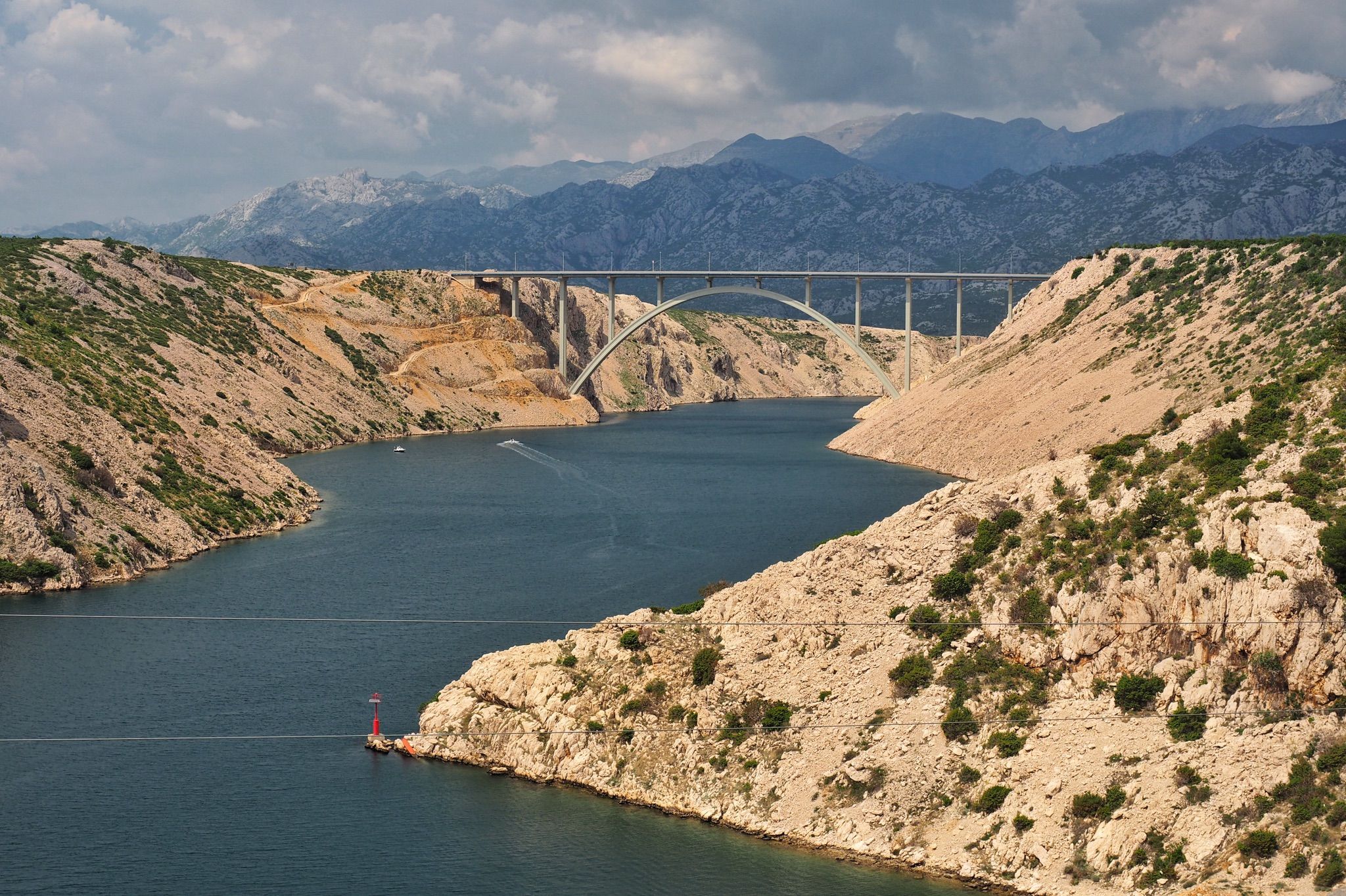
The Dinaric Alps – explore the Adriatic Sea in a different way
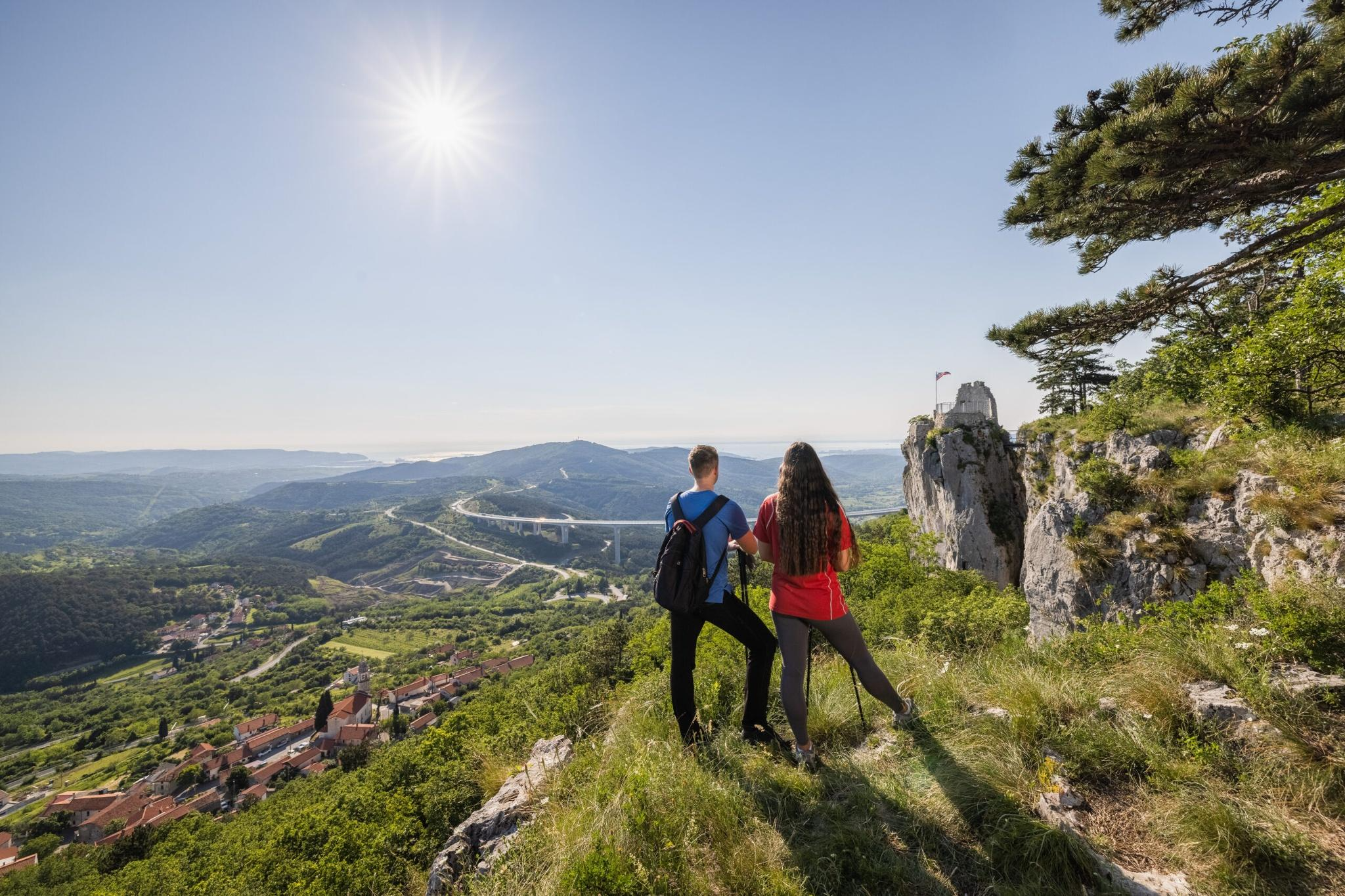
Hiking adventures in Slovenia for families away from the hustle and bustle
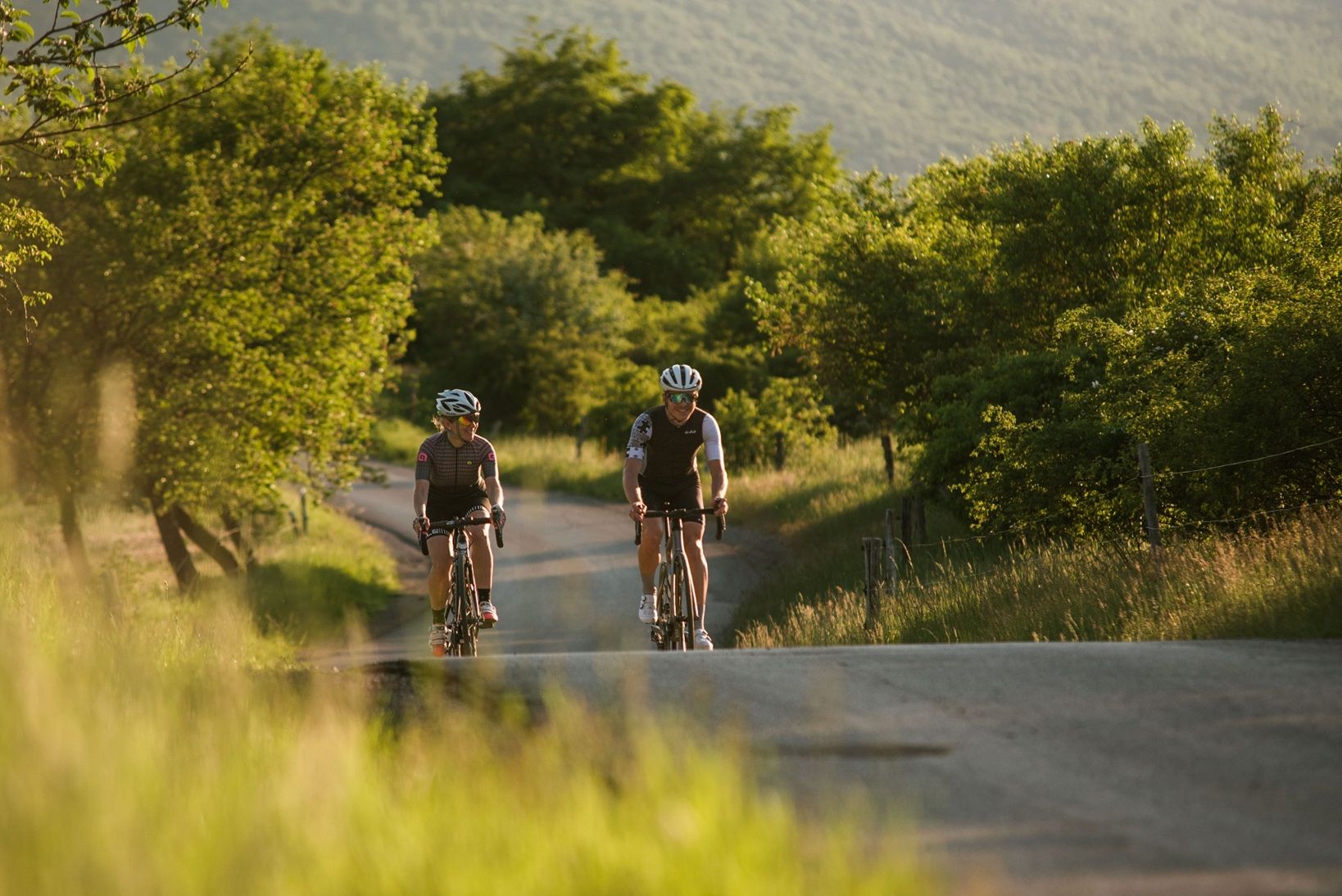
Alpine Air & Coastal Wind – Racing Bike Tours in Slovenia
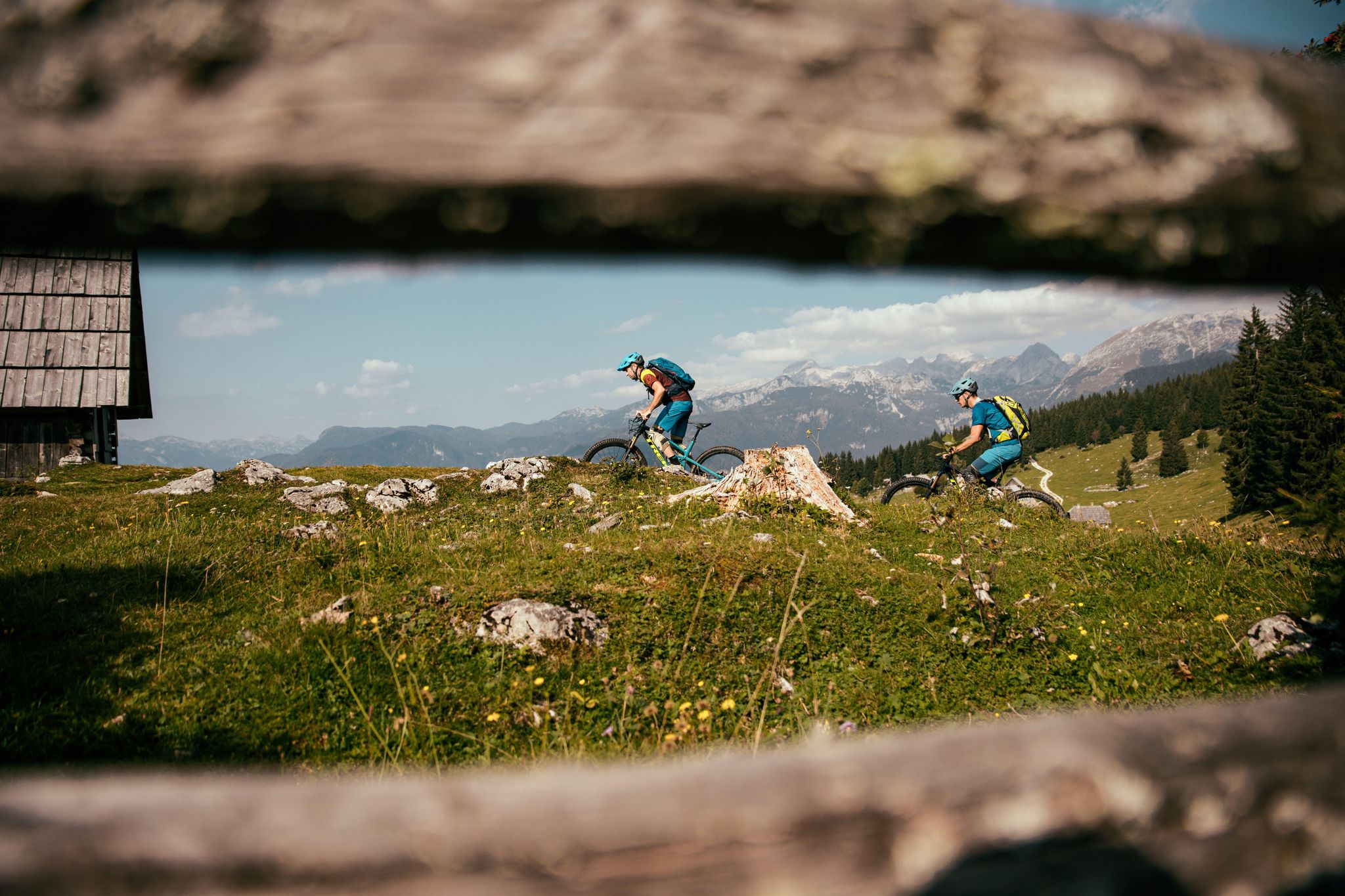
A 1,800 km MTB adventure – the Slovenian mountainbike route (STKP)
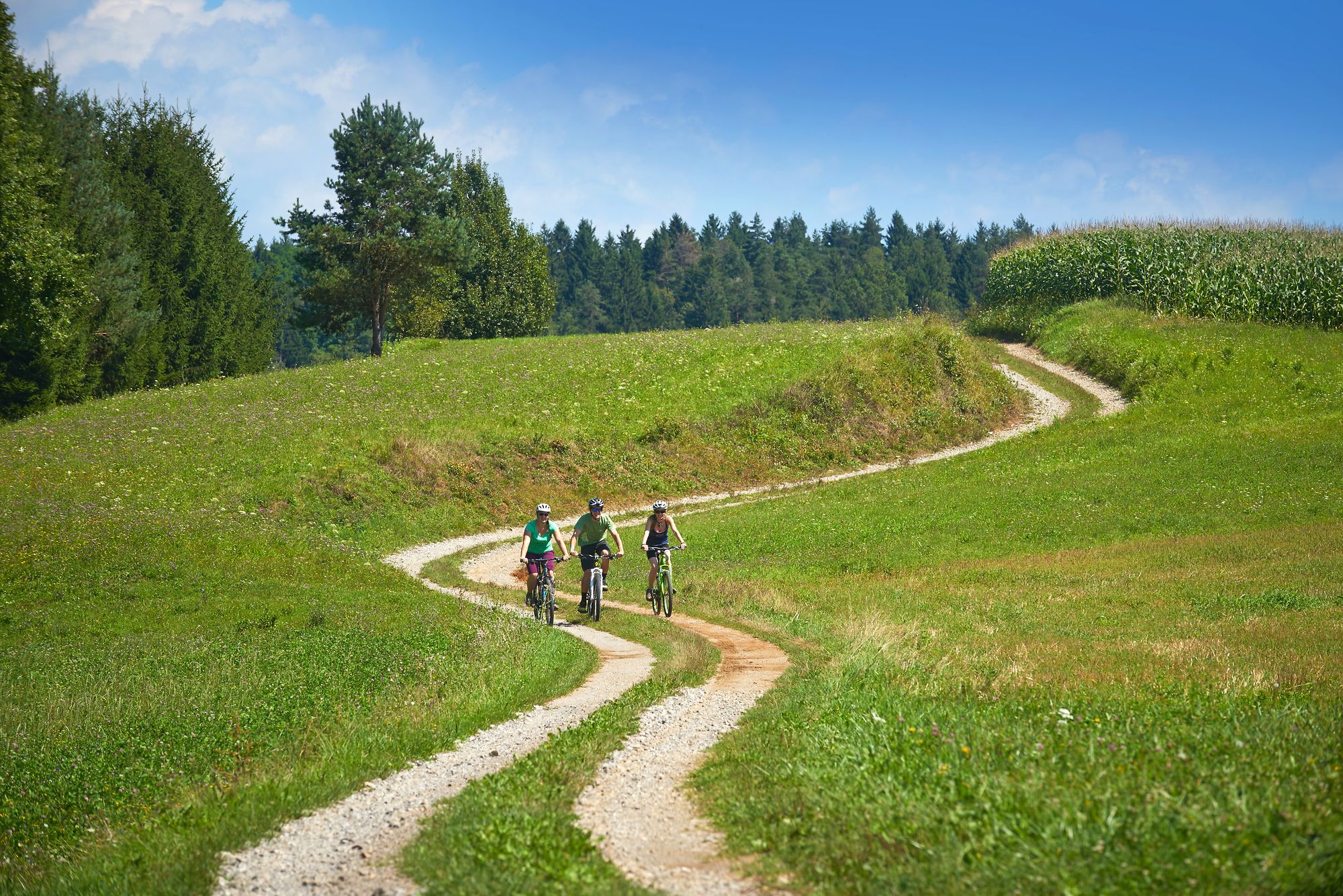
Via Bela krajina – magical landscapes in the south of Slovenia
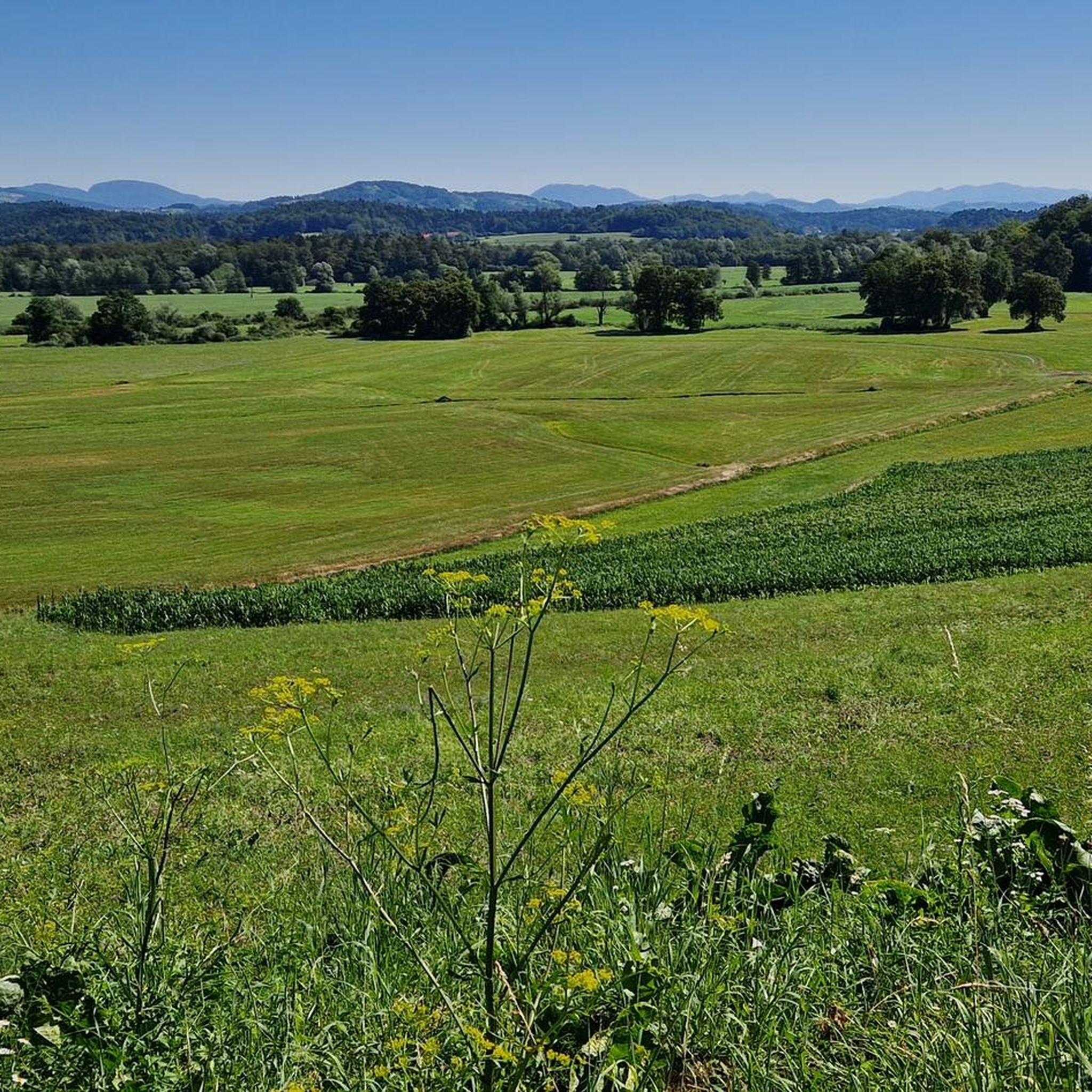
Road Cycling Routes in Jugovzhodna Slovenija
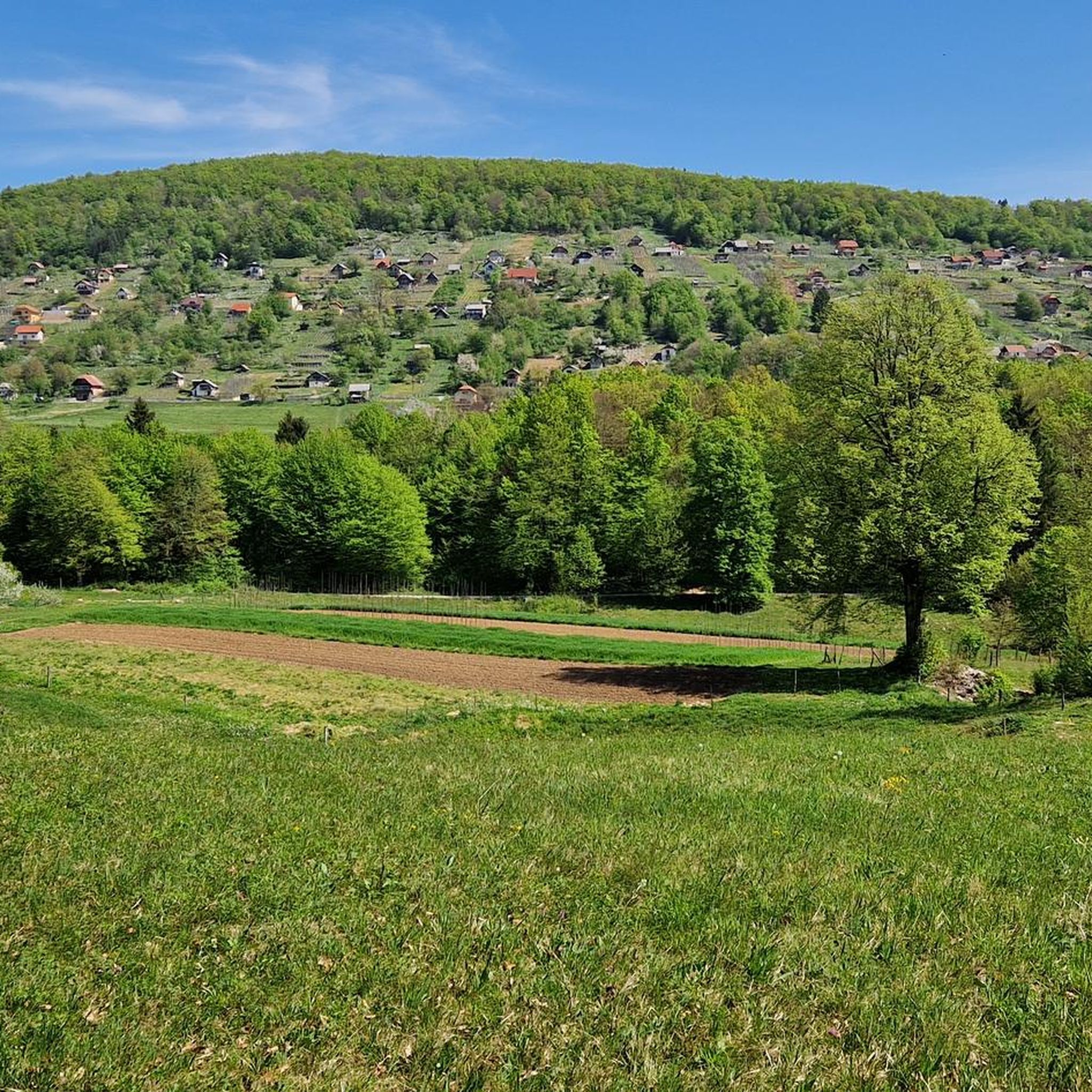
Hiking in Jugovzhodna Slovenija
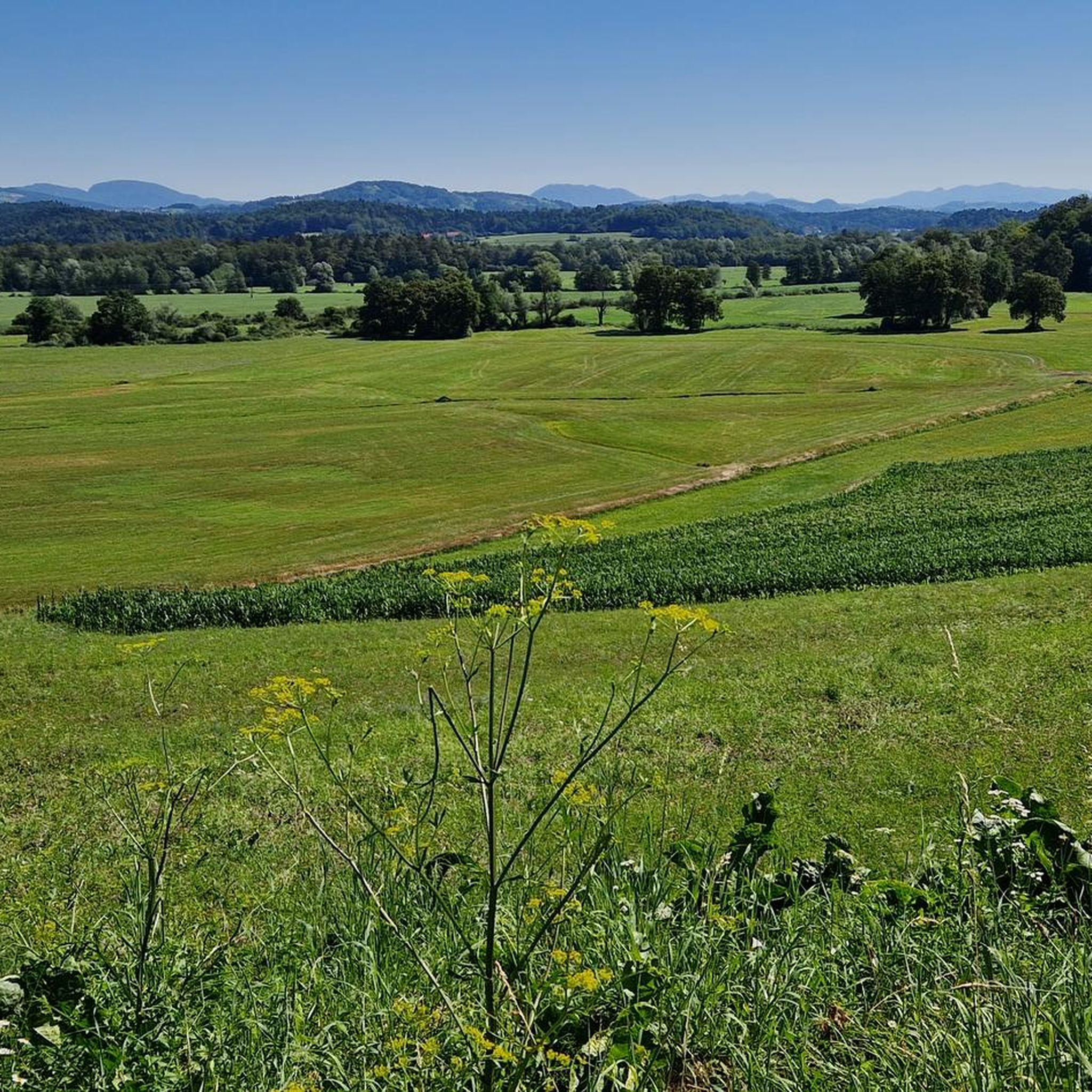
Cycling in Jugovzhodna Slovenija
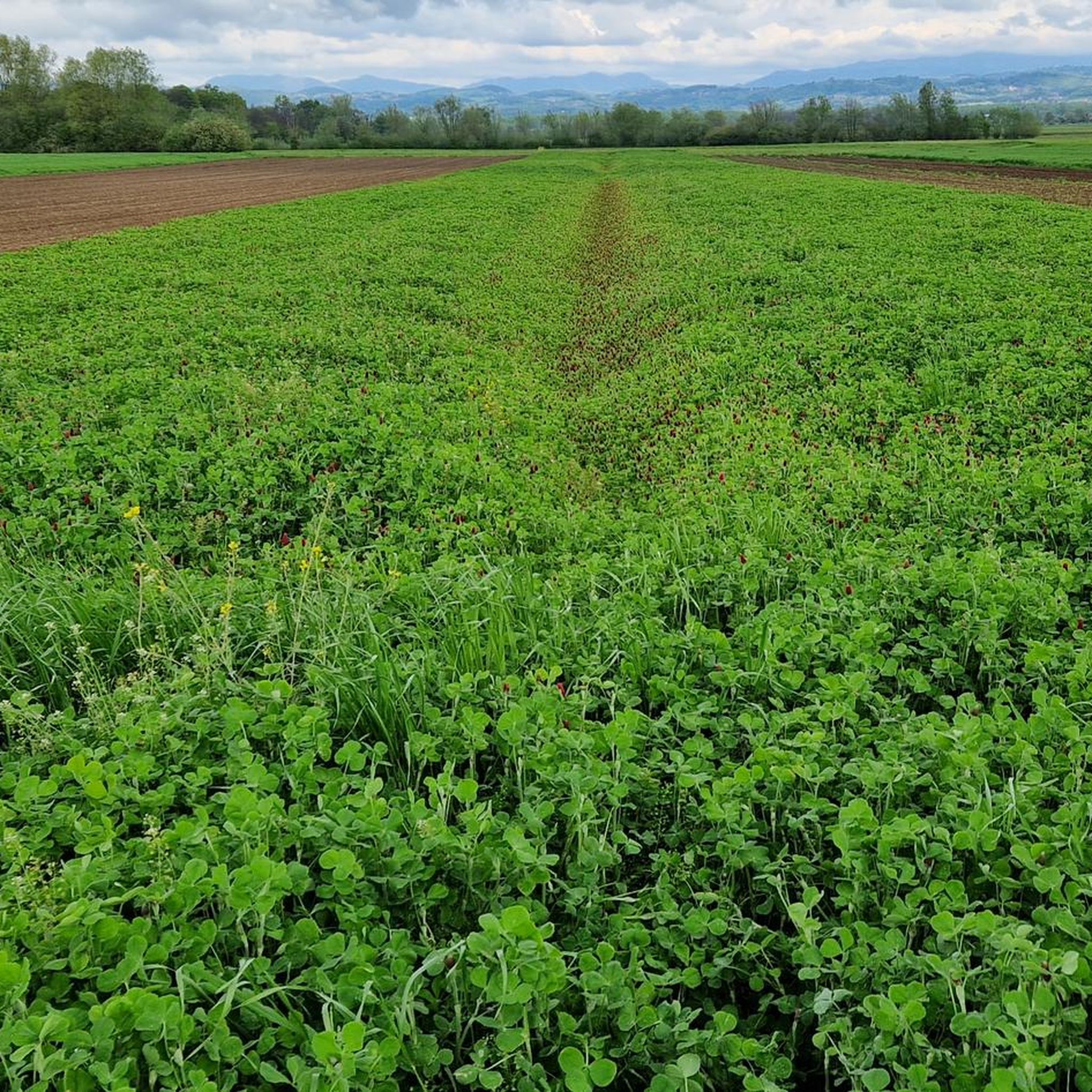
MTB Trails in Jugovzhodna Slovenija
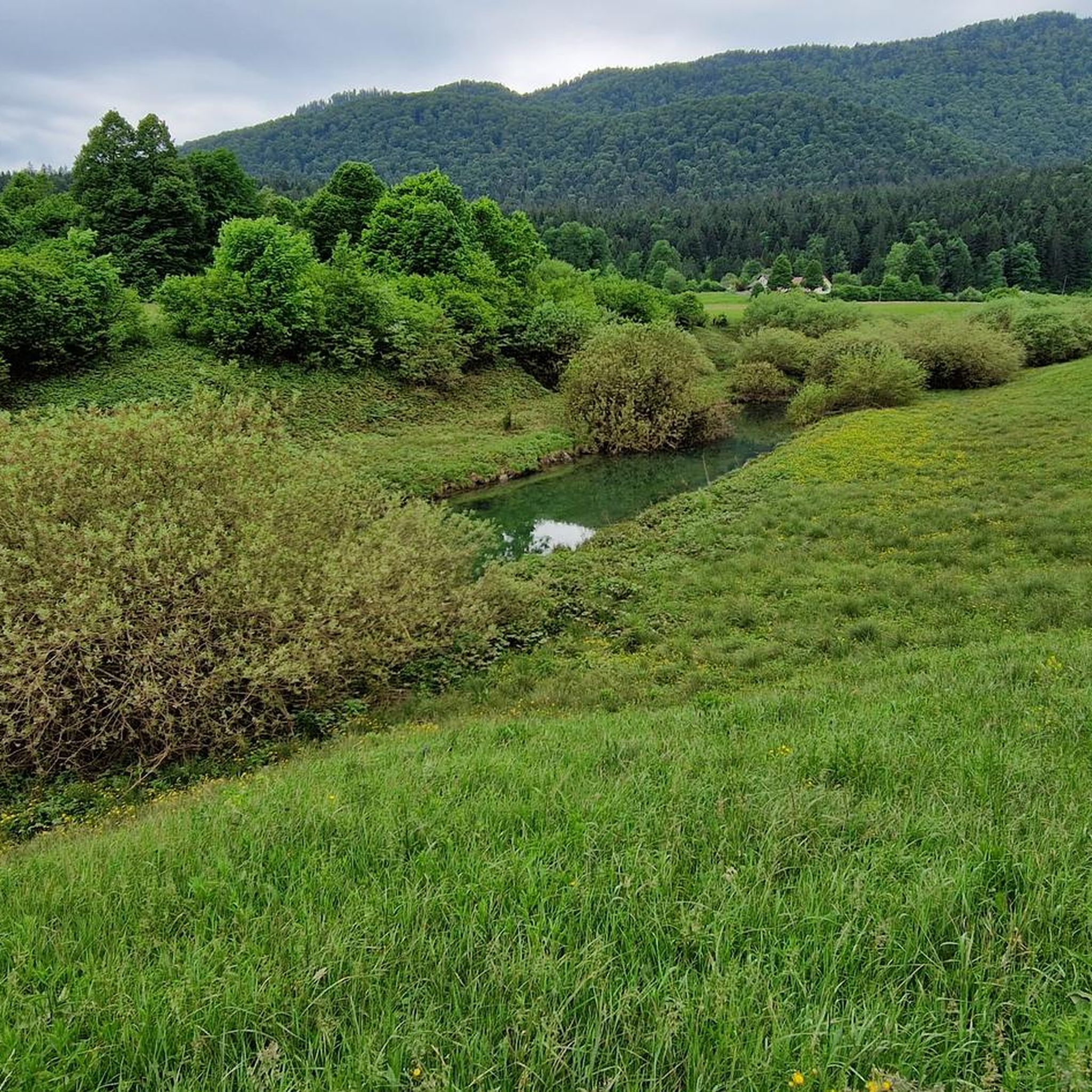
Running Trails in Jugovzhodna Slovenija

Other adventures in Jugovzhodna Slovenija

The Dinaric Alps – explore the Adriatic Sea in a different way

Cycling Collection by

Vincent Reboul

Tips from the Community

Echaztriker
May 6, 2026, Chapel of St. Gere

You won't find a view like this again anytime soon!! The climb is rewarded.

Translated by Google

0

0

An interesting technical monument of aviation

Translated by Google

0

0

The mountain lodge is located just below the peak of Mirna gora in the southeastern area of Kočevski Rog. In the immediate vicinity of the lodge is the renovated church of St. Francis Xavier and a lookout tower. View: There is a very beautiful view from the lodge or from the renovated church tower. To the east, below us is Bela Krajina with Metlika and Črnomlje, and on the other side of the Kolpa is Croatia towards Karlovac; to the south, we can see the Poljansko gorovje nearby, behind it the mountains of Gorski Kotar with Klek and the peaks of Velika Kapela; to the west, Kočevski Rog spreads out; to the north, we can see part of Gorjanci with Trdinov vrh and Žumberak, and in front of it, Smuk and Semenič, which rise above Semič. If it is very clear, the view extends all the way to Zagreb and Medvednica above it, and to Karlovac.

Translated by Google

1

0

There are several buildings at the summit, including an open chapel and a huge radio mast. The panoramic view is very impressive.

Translated by Google

0

0

Otočec Castle was built on one of the islands of the Krka River. It is the only moated castle in Slovenia.

Translated by Google

1

0

Awesome castle (open for public and free) and a very nice beach below.

0

0

Erazem
May 7, 2025, Grad Otočec

Great place to stop and rest in the park, maybe even feed the ducks if that's your thing. The Otočec castle also has a cafe so you can get some refreshments.

0

0

WAYNE
March 29, 2025, Žužemberk Castle

Extremely nice place, but take some booze with you, because it is quite expensive here.

0

0

Frequently Asked Questions

What historical castles can I visit in Jugovzhodna Slovenija?

Jugovzhodna Slovenija is rich in historical castles. You can explore Otočec Castle, uniquely situated on an island in the Krka River and the only moated castle in Slovenia. Another significant site is Žužemberk Castle, a monumental fortress with a history spanning almost a thousand years, overlooking the Krka River. Additionally, Kostel Castle and the ruins of Ortnek Castle offer further glimpses into the region's past.

Are there any significant natural attractions or parks to explore?

Yes, the region boasts several natural attractions. The Krka River itself is a central feature, offering scenic beauty. You can also visit Rakov Škocjan Park, known for its stone bridges, caves, and forest pathways shaped by limestone formations. The Dinaric Alps also extend into the region, providing diverse landscapes for exploration.

Where can I find panoramic views in Jugovzhodna Slovenija?

For impressive panoramic views, head to Trdinov vrh (Trdina Peak), the highest peak of the Gorjanci mountain range. Another excellent spot is the Mirna Gora Mountain Hut, located just below the top of Mirna Gora, offering beautiful vistas from the hut or a remodeled church tower nearby.

What kind of outdoor activities are available near these attractions?

The region offers a variety of outdoor activities. You can find numerous hiking opportunities, including easy trails like the 'Mirna Castle – Sleeping Beauty Hiking Trail' or more challenging routes such as 'Trdinov Vrh (1178 m) – Sveta Gera Summit loop'. For runners, there are trails like the 'Krka loop from Novo mesto Kandija'. Canoeing on the Krka River is also popular, especially for beginners. You can find more details on routes in the Hiking in Jugovzhodna Slovenija guide.

Are there family-friendly attractions in the region?

Many attractions in Jugovzhodna Slovenija are suitable for families. Castles like Otočec Castle and Žužemberk Castle offer historical exploration. Natural sites like Rakov Škocjan Park with its pathways are also great for family outings. Additionally, the Douglas DC-3 Memorial at Otok is a unique man-made monument that can be interesting for all ages.

Can I explore caves in Jugovzhodna Slovenija?

Yes, the region features the Kostanjevica Cave (Kostanjeviška Jama), a lesser-known karst cave stretching over 2 kilometers. It's known for its beautiful stalactites, calm chambers, and unique cave life. Guided tours are available to learn about its formation and history.

What unique cultural sites are there besides castles?

Beyond castles, you can visit the Pleterje Charterhouse near Šentjernej, which is the only extant Carthusian monastery in Slovenia. The town of Kostanjevica na Krki, often called Slovenia's 'Venice on the Krka,' is home to the Božidar Jakac Gallery, Slovenia's largest contemporary art space, offering a blend of art, nature, and riverside history.

What do visitors particularly enjoy about the attractions in Jugovzhodna Slovenija?

Visitors often highlight the unique setting of Otočec Castle on the Krka River and the historical grandeur of Žužemberk Castle. The panoramic views from Trdinov vrh are also highly appreciated. The region's blend of historical sites, natural beauty, and opportunities for outdoor activities like rafting and kayaking on the Krka River are frequently praised.

Are there any notable bridges in the area?

Yes, the region features several interesting bridges. The Kandijski Most Bridge is a notable historical and man-made monument. You can also find charming structures like the Wooden Bridge Over the Sušica Stream, which offers a pleasant, family-friendly spot.

Are there opportunities for wine tasting in Jugovzhodna Slovenija?

Yes, the region is known for its hearty red wines, particularly in the Metlika area. Visitors can tour local wineries, taste regional wines like Metliška Črnina, and purchase bottles as souvenirs, making it a delightful cultural and culinary experience.

What is the best time to visit Jugovzhodna Slovenija for outdoor activities?

While specific data isn't provided, generally, spring and autumn offer pleasant temperatures for hiking and exploring the natural parks and castles. Summer is ideal for water activities on the Krka River, though it can be warmer. Winter offers a different charm, especially for those interested in snow activities in higher elevations.

Are there easy hiking trails suitable for beginners?

Absolutely. The region offers several easy hiking trails. For example, you can explore routes like the 'Mirna Castle – Sleeping Beauty Hiking Trail loop from Mirna' or the 'Kandijski Most Bridge – Novo Mesto Town Hall loop from Grad Grm'. These are great options for a relaxed walk. More easy routes can be found in the Easy hikes in Jugovzhodna Slovenija guide.

What is the significance of the Chapel of St. Gere?

The Chapel of St. Gere is a significant religious and historical site located near the summit of Trdinov vrh. It is one of two chapels on the peak, with the preserved remains of the chapel on the Slovenian side. It's a place of historical importance and offers a viewpoint, though it can often be foggy, so checking the forecast is advisable.

Most popular routes in Jugovzhodna Slovenija

Road Cycling Routes in Jugovzhodna Slovenija

Most popular attractions in Jugovzhodna Slovenija

Huts

Store rating

Get inspired with the komoot mobile app

With a free komoot account, you can easily find, customize, and navigate endless outdoor adventures.

or

Join komoot Now

Store rating

Didn’t find what you were looking for?

Are you keen on exploring more awesome places nearby? Browse our guides:

Dolenjske TopliceKocevjeŽužemberkMetlikaŠentjernejTrebnjeNovo MestoSemic

Explore more

Still not found the Highlight you’re looking for? See guides of the top attractions in other regions:

Nearby adventure guides

Things to Do around Dolenjske Toplice

background

Get ready to conquer new peaks

Sign up for Free

Explore
RoutesRoute plannerFeaturesHikesMTB TrailsRoad cycling routesBikepackingSitemap
Download the app
Follow Us on Socials

© komoot GmbH

Privacy Policy
