Top 20 Caves in Andalusia
Caves in Andalusia offer a diverse range of geological formations, historical insights, and natural beauty. This southern Spanish region features extensive cave systems, from those sculpted by ancient rivers to unique sea-formed caverns. Many caves contain evidence of prehistoric human habitation, including ancient art. The natural landscape of Andalusia provides a rich environment for these underground wonders.
Best caves in Andalusia
- The most popular caves is Nerja Cave, a cave that houses the world's largest stalactite. It is known for its impressive formations and evidence of prehistoric human habitation.
- Another must-see spot is Cat Cave, a cave with a natural waterfall. Visitors can appreciate the natural monument and its unique entrance resembling a cat's face.
- Visitors also love Cuevas del Sol Street, Setenil de las Bodegas, a settlement where houses are built into overhanging rocks. This area is notable for its unique architecture where natural caves serve as parts of homes.
- Andalusia is known for its limestone caves, sea-formed caves, and gypsum karst caves. The region offers a variety of underground experiences, from exploring ancient art to observing unique mineral formations.
- The caves in Andalusia are appreciated by the komoot community, with more than 120 highlights and over 250 upvotes. Users have contributed more than 370 photos, showcasing the region's diverse cave attractions.
Last updated: October 11, 2026
Cuevas del Sol Street, Setenil de las Bodegas
Highlight • Settlement
Translated by Google •
Tip by

Nerja Cave
Highlight • Cave
You have to book in advance for a VIP visit. The normal sightseeing tour has an audio guide in the language of your choice.
Translated by Google •
Tip by

Sign up now to discover places like this
Get recommendations on the best single tracks, peaks, & plenty of other exciting outdoor places.
Malena Waterfall
Highlight • Waterfall
Translated by Google •
Tip by

Cat Cave
Highlight • Cave
Showing Translation
Tip by

Sacromonte Abbey
Highlight • Religious Site
Translated by Google •
Tip by

Guadix
Highlight • Settlement
Guadix is known for its cave districts made of soft tufa rock.
There were about 2000 dwelling caves.
Translated by Google •
Tip by

Arias Montano Peak and the Hermitage of Our Lady of the Angels
Highlight • Religious Site
Translated by Google •
Tip by
Cave Houses of Sierra Parda
Highlight • Cave
Showing Translation
Tip by

Sacromonte Caves Museum
Highlight • Cave
Translated by Google •
Tip by
Los Cocedores Beach
Highlight • Beach
Los Cocedores beach is located on the border between Murcia and Almería. In fact, there is a dispute between the two regions over who owns the beach. It is not surprising, as it is one of the most fascinating spots in the area and both want to have it in their geography.
Thats why tere are TWO BARS at the beach, ons with the flag of Murcia and one with the flag of Andalusia.
Tip by
Sign up for free to discover even more caves in Andalusia.
Already have an account?
Start today with a free account
Your next adventure awaits.
Popular around Andalusia

Triathlon 360 – my journey around the world
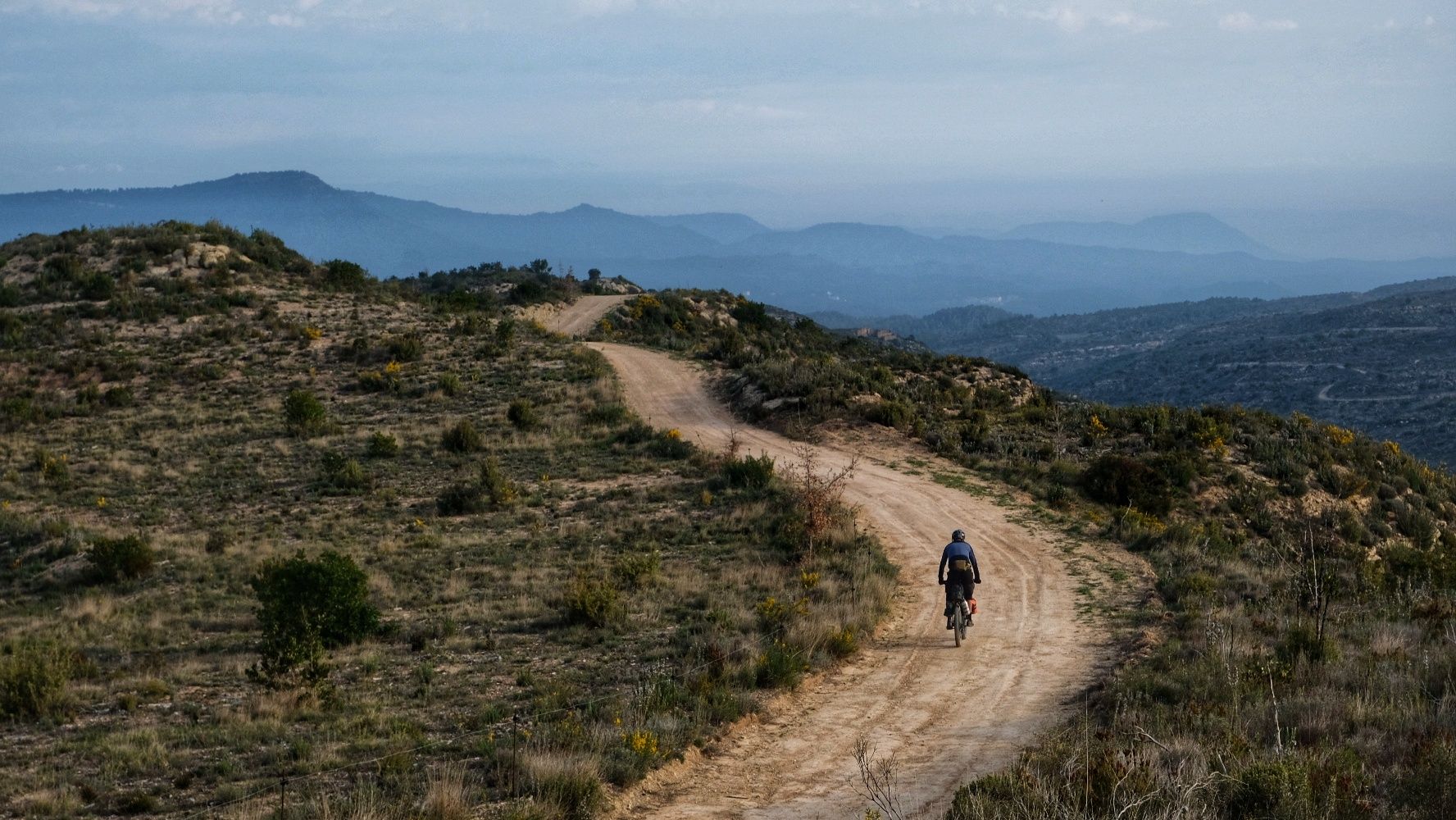
European Divide Trail — 7,600 km across the continent
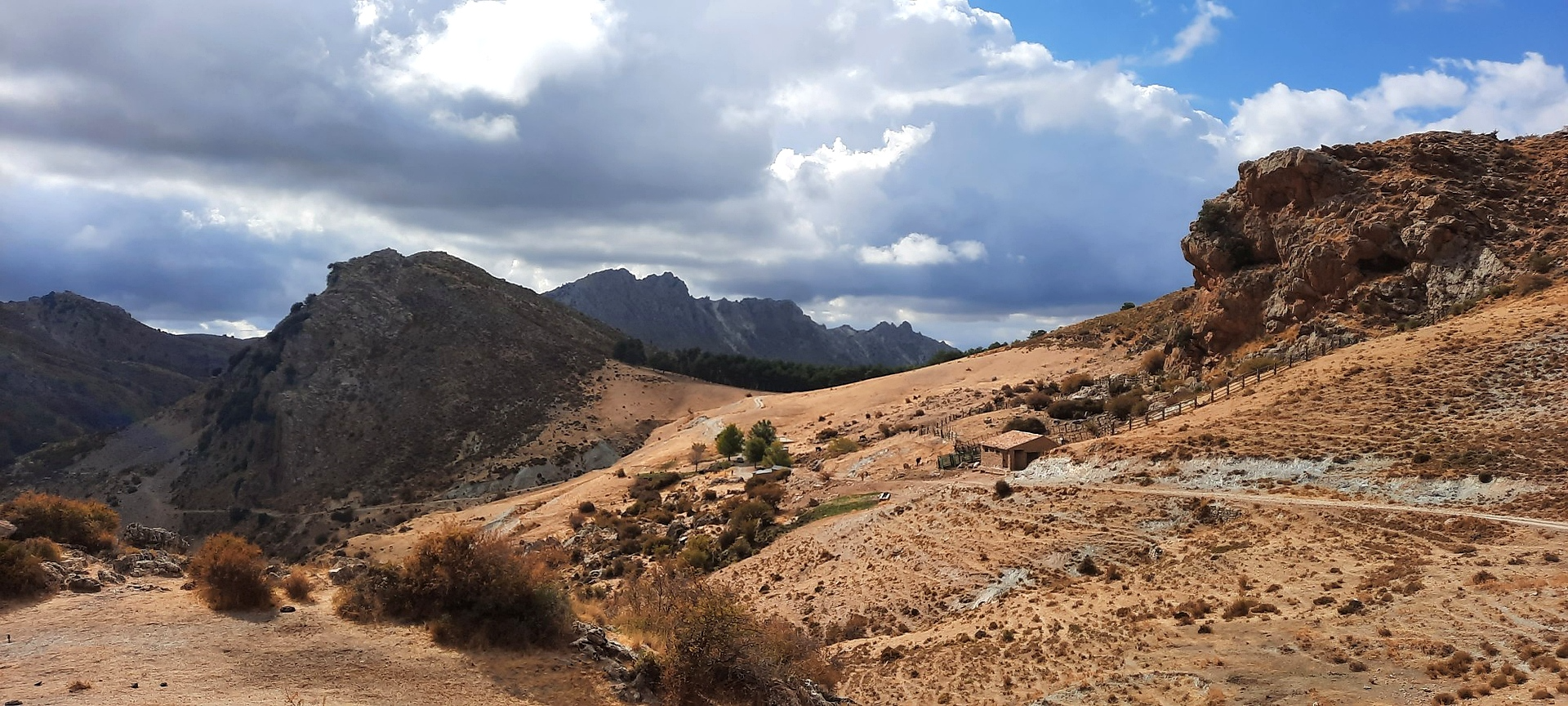
Sulayr Trail (GR 240) — 300 kilometers in the mountain of the sun
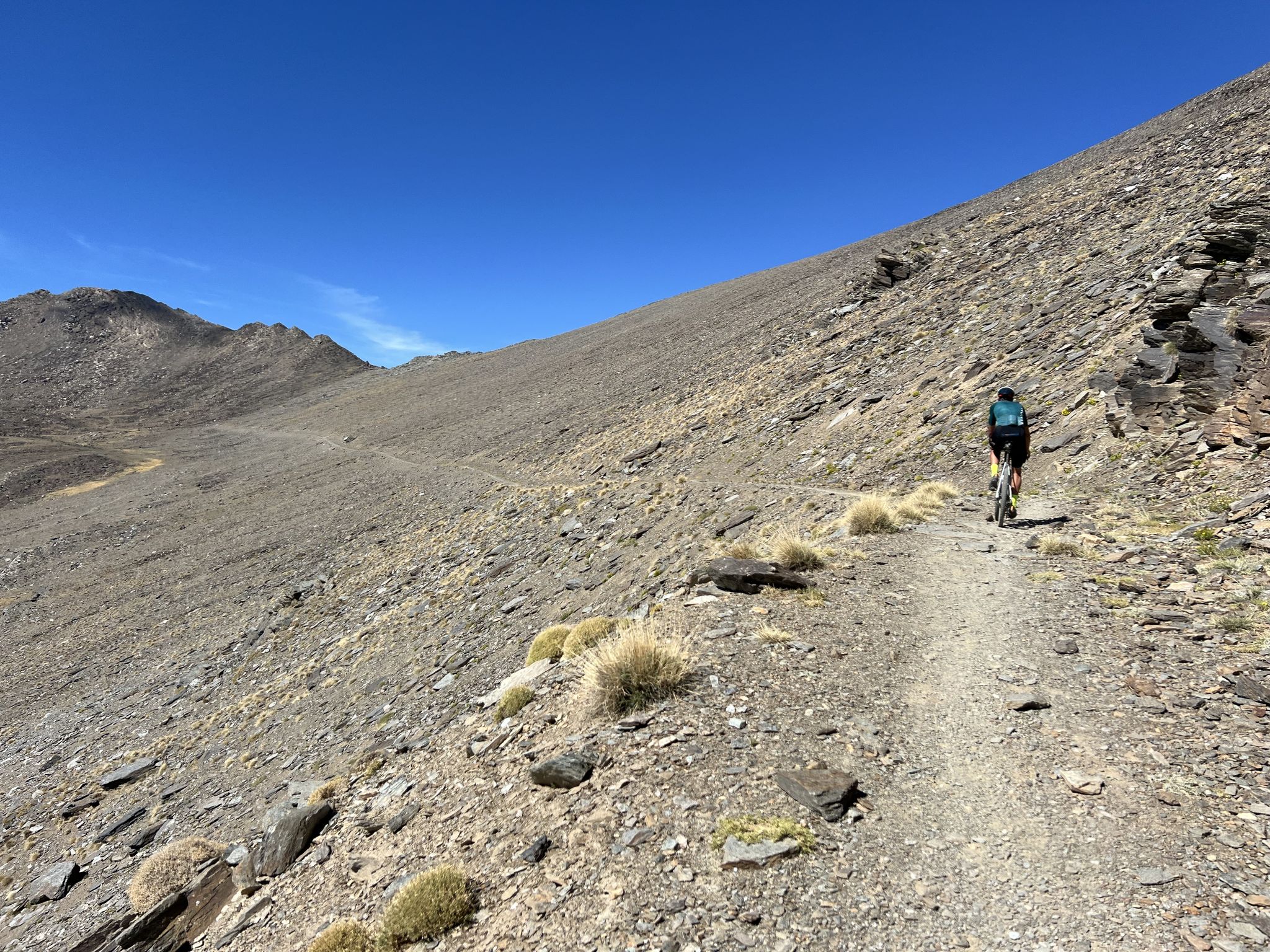
Badlands 2024 – extreme experiences and a sense of joy
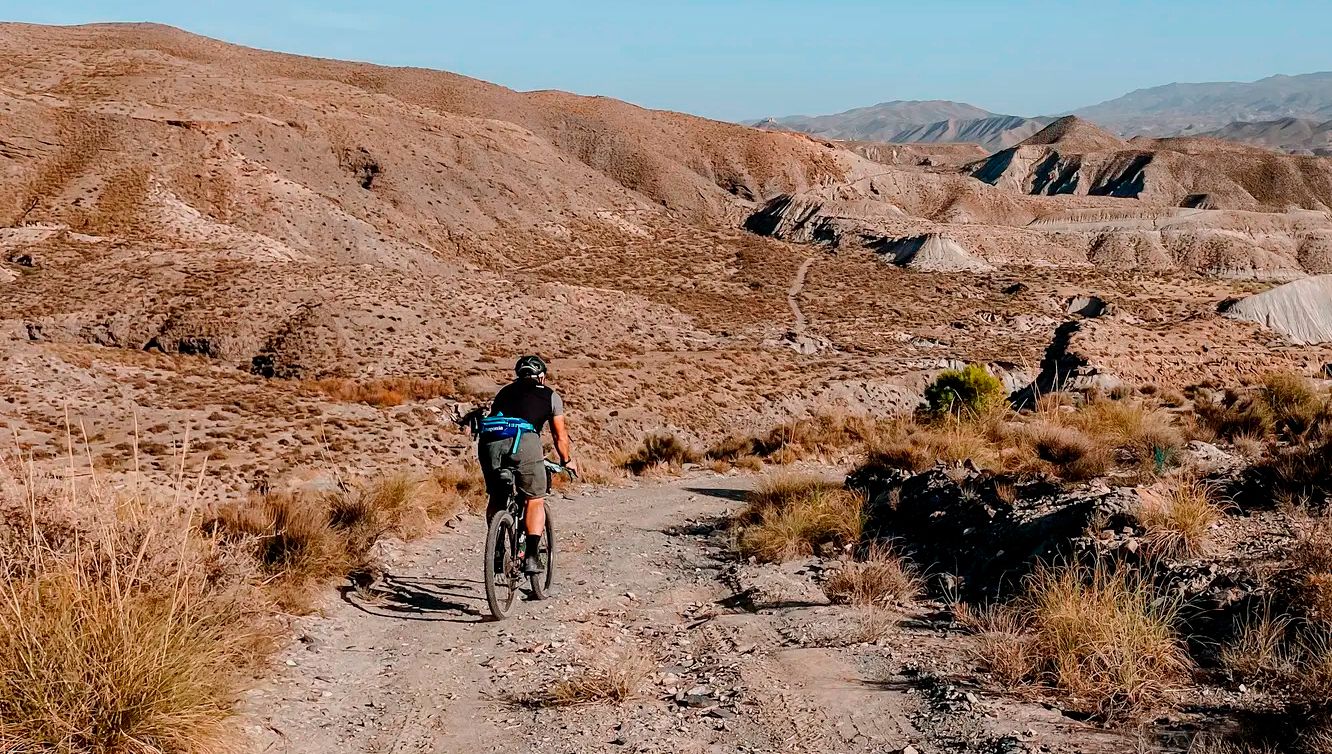
TransAlmería Gravel – Summits, dry riverbeds and deserts
Mozarabic Way to Santiago – Gravel between two worlds
Road to Lisbon – bikepacking the Alps, Pyrenees and Picos de Europa
Badlands 2021 — 750km of gravel in the Spanish deserts
Bikepacking the mountains and deserts of Andalucía
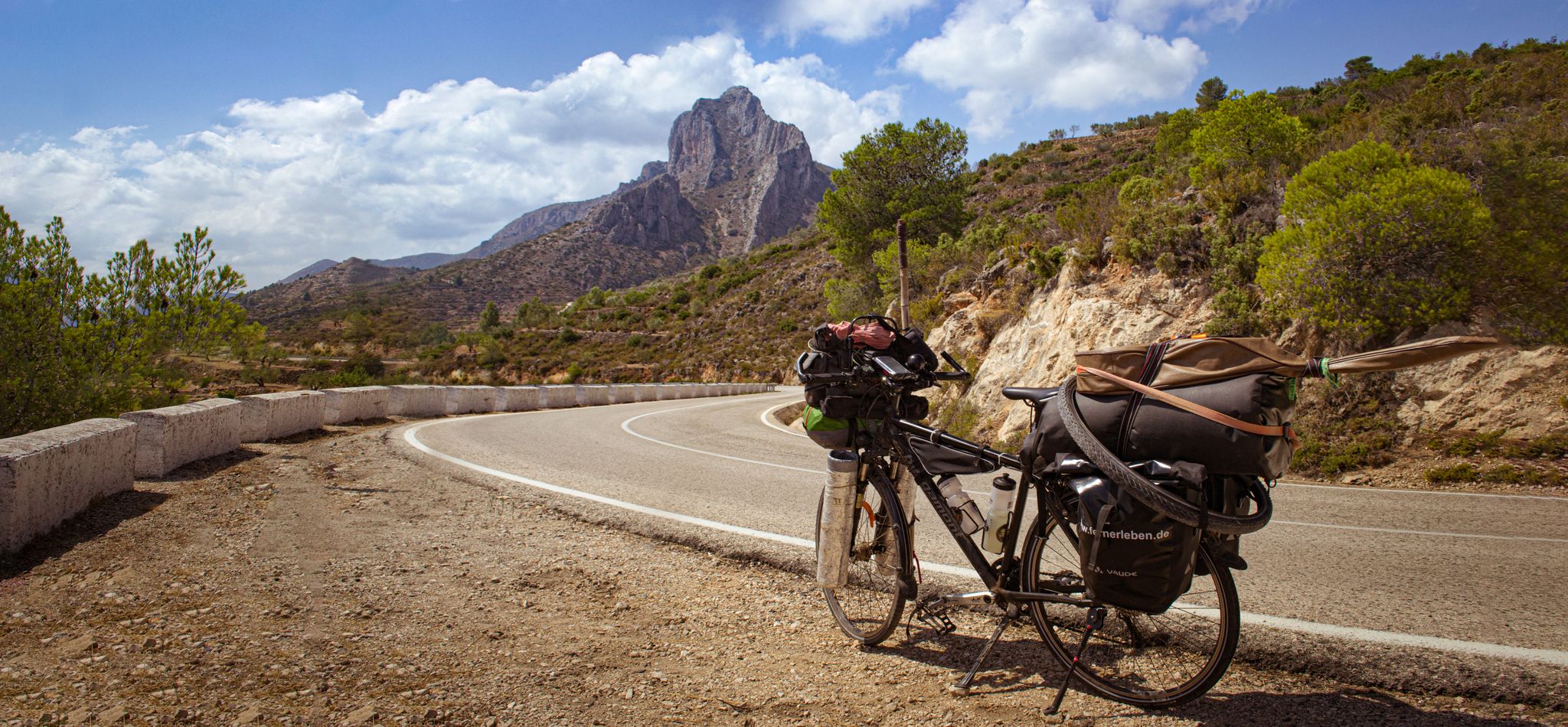
On the road to the sun — bikepacking to southeast Spain
Other adventures in Andalusia


Tips from the Community

Caminito del Rey is a breathtaking trail in Andalusia that runs high above the Guadalhorce river canyon. It offers an adrenaline-pumping experience, stunning views, and a safe passage through the rocks. Ideal for nature and adventure lovers. Children from 8 years old are allowed, the route is not suitable for people who suffer from fear of heights.
2
0


Caves that were formed by erosion, some still well preserved, others already collapsed. The workers of the hydroelectric power plant used to live here.
3
0
Amazing what five boys found in 1959. The Great Hall was found a little later after they dared to venture further inside. For an entrance fee of €18, you get to see a very impressive cave. Additionally, an audio guide, but some don't know how to use it properly - they move around the cave with their phones at full volume.
2
0

Top beach, running, swimming, climbing, everything is possible
1
0

Cuevas del Sol Street in Setenil de las Bodegas is one of the most iconic and photographed corners of this picturesque town in the Sierra de Cádiz, famous for its houses built directly beneath enormous rocks.
8
0

Short video about hiking in this area could be found on my YouTUBE Channel under the following https://www.youtube.com/watch?v=O9pw2RlrLgA
0
1
Setenil de las Bodegas is a picturesque municipality in the province of Cadiz, Andalusia. It is known for its unique urban layout, with houses built under large rocks that form part of the Trejo River canyon. This town is an essential stop on the famous route of the White Villages of Cadiz.
9
0
Frequently Asked Questions
What makes the caves in Andalusia unique?
Andalusia's caves offer a diverse range of geological formations. You can find limestone caves, unique sea-formed caves like Los Cocedores Beach, and even the world's only gypsum karst caves in Sorbas. Many also feature evidence of prehistoric human habitation, including ancient art.
Are there any caves in Andalusia known for prehistoric art?
Yes, several caves in Andalusia are renowned for their prehistoric art. Gruta de las Maravillas, Cueva de Nerja, Cueva de la Pileta, and Cueva de los Murciélagos all contain impressive cave paintings and archaeological finds, some dating back tens of thousands of years.
Which caves are particularly family-friendly in Andalusia?
Many caves in Andalusia are suitable for families. Nerja Cave offers relatively easy access with pathways and stairs, and even a virtual reality room. The Sacromonte Caves Museum and the unique architecture of Cuevas del Sol Street in Setenil de las Bodegas also provide engaging experiences for all ages.
What are the typical temperatures inside the caves?
Caves in Andalusia generally maintain a cool, stable temperature year-round. For example, Gruta de las Maravillas stays between 16-19°C (61-66°F) with high humidity, offering a refreshing escape, especially during warmer months.
Can I find caves with unique geological formations?
Absolutely. The Gruta de las Maravillas is famous for its shimmering pools, towering stalactites, and surreal rock formations like the 'Emerald Lake'. Cueva de Nerja houses the world's largest stalactite, and the Cueva de Sorbas features unique gypsum crystal formations.
Are there any caves in Andalusia that are sea-formed?
Yes, the Cueva del Tesoro in Rincón de la Victoria, Málaga, is Europe's only sea-formed cave open to visitors. Its smooth walls and arched chambers were sculpted by wave action, giving it a unique appearance.
What kind of outdoor activities can I do near the caves in Andalusia?
Andalusia offers a wide range of outdoor activities near its caves. You can find excellent waterfall hikes, challenging mountain hikes, and scenic cycling routes throughout the region. For example, the area around Cat Cave is popular for hiking in the Sierra de Grazalema Natural Park.
How long do cave tours typically last in Andalusia?
Tour durations vary by cave. For instance, guided tours at Gruta de las Maravillas last about 45-50 minutes, covering approximately 1,200 meters of passageways. It's always best to check specific cave websites for exact timings.
Are there any caves that offer a more authentic, less commercialized experience?
For a more authentic experience, consider Cueva de la Pileta. It offers small group tours by lantern light, guided by descendants of the cave's discoverer, providing a direct connection to its Stone Age history. Cueva de los Murciélagos also offers a less modified experience.
What should I wear when visiting caves in Andalusia?
Given the cool and often humid conditions inside the caves, it's advisable to wear comfortable walking shoes and bring a light jacket or sweater, even if it's warm outside. Some caves may have uneven terrain or stairs.
Can I visit caves in Andalusia during winter?
Yes, many caves in Andalusia are open year-round, including during winter. Their stable internal temperatures make them a good option regardless of the outside weather. However, it's always recommended to check the specific opening hours and days for each cave before your visit, as these can vary seasonally.
Are there any caves with a connection to local legends or history?
The Cueva del Tesoro, or 'Treasure Cave,' is named after a local legend of a Moorish noble hiding gold there in the 12th century. Additionally, the Santas Cuevas at Sacromonte Abbey are significant as a place of worship where the remains of San Cecilio, patron saint of Granada, were found.
Most popular routes in Andalusia
Most popular attractions in Andalusia

Get inspired with the komoot mobile app


Didn’t find what you were looking for?
Discover more caves in Andalusia region by region:
Explore more
Extend your search for the best caves by checking out these guides of the top ones in Andalusia:
