Attractions and Places To See in Aydın - Top 20
Best attractions and places to see in Aydın include a diverse range of historical, natural, and cultural sites within Turkey's Aegean Region. The area is characterized by ancient cities that reflect past civilizations and significant cultural landmarks. Visitors can explore a variety of experiences, from archaeological sites to natural parks. Aydın offers a rich tapestry of history and natural beauty for exploration.
Best attractions and places to see in Aydın
- The most popular attractions is Ege Port Kusadasi, a facilities area that features a marina and cruise ship pier. This area is noted for its cleanliness and pleasant atmosphere.
- Another must-see spot is Sculpture Walk on the Kusadasi Seafront Promenade, a man-made monument. Visitors can expect to see stone sculptures directly on the promenade.
- Visitors also love Kusadasi Caravanserai, a historical site. This caravan palace was built in 1618.
- Aydın is known for its ancient cities, natural parks, and cultural landmarks. The region offers a variety of historical sites, natural features, and cultural attractions to see and explore.
- The attractions in Aydın are appreciated by the komoot community, with 50 upvotes and 47 photos shared.
Last updated: October 10, 2026
Ege Port Kusadasi
Highlight • Rest Area
Everything clean and nice, like the village.
Translated by Google •
Tip by

Aphrodisias Stadium
Highlight • Historical Site
Translated by Google •
Tip by

Sign up now to discover places like this
Get recommendations on the best single tracks, peaks, & plenty of other exciting outdoor places.
Kusadasi Fortress on Pigeon Island
Highlight • Castle
Translated by Google •
Tip by

Aphrodisias Ancient Amphitheater
Highlight • Historical Site
Location: Aphrodisias, an ancient Greco-Roman city in Caria, near the present-day village of Geyre in the Aydın Province.
History: The theater was built in the 1st century BC and later rebuilt during the Roman Imperial period.
Architecture: The structure features a typical proskenion and was expanded in the 2nd to 3rd centuries AD, with the orchestra occasionally used for gladiatorial contests.
UNESCO World Heritage Site: Due to its well-preserved ancient structures and historical significance as a center of sculpture, the site is a UNESCO World Heritage Site.
Showing Translation
Tip by

Aphrodisias Archaeological Site
Highlight • Historical Site
Development: Traces of settlement date back to 5000 BC. The monumental buildings visible today were mostly built from the 2nd century BC onwards, with the city laid out on a grid plan (Hippodamian system).
Showing Translation
Tip by
Kusadasi Caravanserai
Highlight • Historical Site
Translated by Google •
Tip by
Hand of Peace Sculpture, Kusadasi
Highlight • Monument
Translated by Google •
Tip by
Sculpture Walk on the Kusadasi Seafront Promenade
Highlight • Monument
Translated by Google •
Tip by
Atatürk Monument on Kese Dağı
Highlight • Monument
Translated by Google •
Tip by

Temple of Aphrodite
Highlight • Historical Site
Tip by

Sign up for free to discover even more attractions in Aydın.
Already have an account?
Start today with a free account
Your next adventure awaits.
Tips from the Community

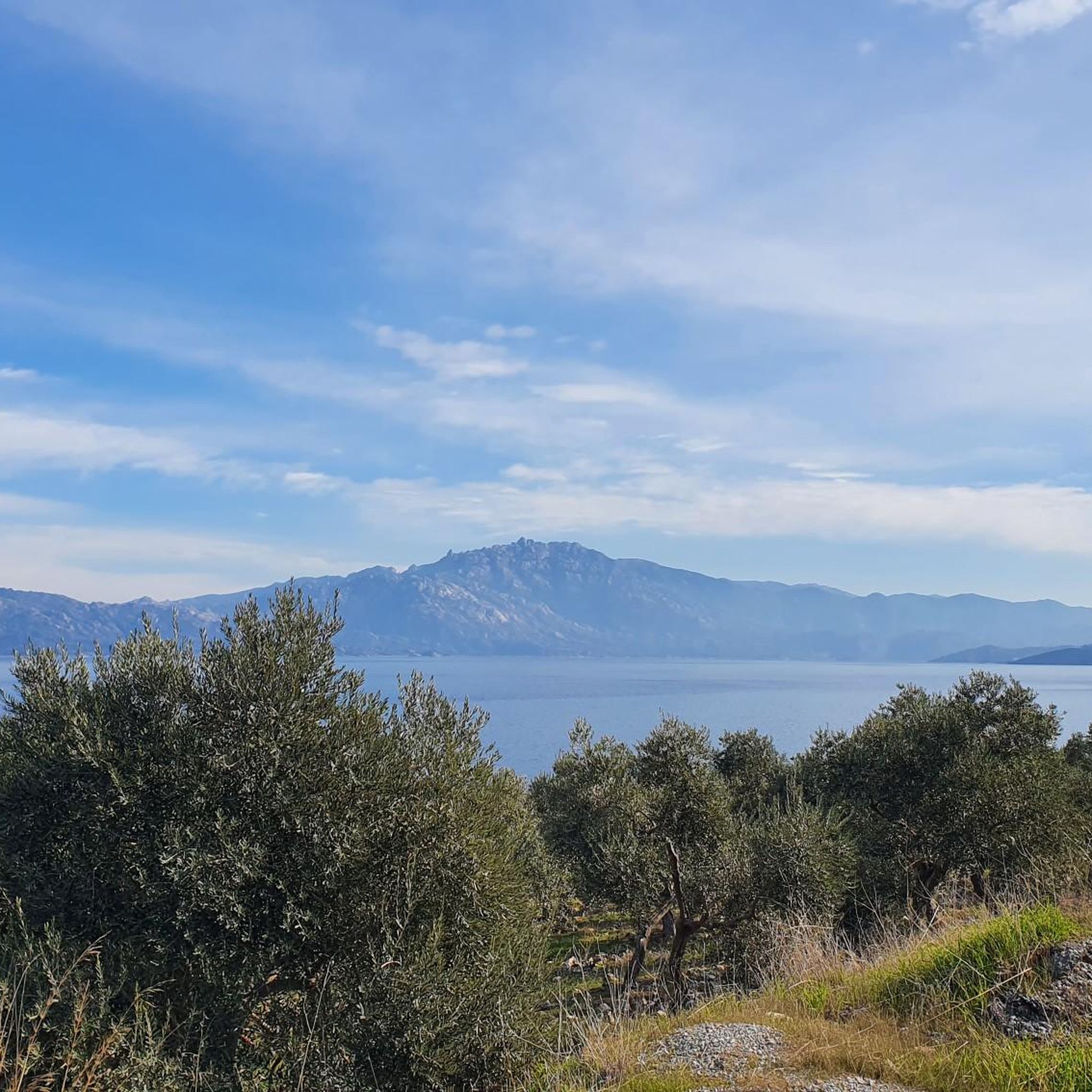
From Kese Dağı, you have a great view of the sea and the city. At the top, the Atatürk monument impressively reigns. Apart from the monument, however, there is not much going on there and many corners are also very neglected.
1
0
Small fortress in the middle of the city center
0
0

Historical significance: The city was a prosperous center during the Roman imperial period and was placed under the personal protection of Emperor Augustus. In the 4th century AD, it even became the capital of the Roman province of Caria.
1
0
Archaeology: Systematic excavations began in 1961 by New York University and continue to this day, making Aphrodisias one of the best-researched sites in the region.
1
0
Architectural highlights: The plan shows striking structures such as the Tetrapylon (a monumental gate), the Sebasteion, a large theatre, the Agora, and one of the best-preserved ancient stadiums in the world. Development: Traces of settlement date back to 5000 BC. The monumental buildings visible today were mostly built from the 2nd century BC onwards, with the city laid out on a grid plan (Hippodamian system).
1
0
the ancient theater in the historical city of Aphrodisias in Turkey. Location: Aphrodisias, an ancient Greco-Roman city in Caria, near the present-day village of Geyre in the Aydın Province. History: The theater was built in the 1st century BC and later rebuilt during the Roman Imperial period. Architecture: The structure features a typical proskenion and was expanded in the 2nd to 3rd centuries AD, with the orchestra occasionally used for gladiatorial contests. UNESCO World Heritage Site: Due to its well-preserved ancient structures and historical significance as a center of sculpture, the site is a UNESCO World Heritage Site.
1
0
the ancient stadium of Aphrodisias in Turkey. It is considered one of the best-preserved stadiums in the Mediterranean. The structure dates back to the 1st century AD and could accommodate about 30,000 spectators. The stadium measures approximately 262 meters in length and 59 meters in width. Unlike typical Roman stadiums, this structure is closed at both ends
1
0
Important facts for visitors: Location: Near Karacasu, Aydın Province, in the valley of the Morsynus River. Origin: The city gained importance in the 1st century BC through its connection to Rome. Visit: Compared to Ephesus or Hierapolis, Aphrodisias is often less crowded. Best time to visit: Spring and autumn, as it can get very hot in the summer. Getting there: Often as a day trip from Pamukkale/Denizli or Izmir/Kusadasi. UNESCO World Heritage Centre UNESCO World Heritage Centre +4 The city was an important center for art and culture, which is reflected in the high quality of the sculptural works found.
1
0
Frequently Asked Questions
What historical sites can I visit in Aydın?
Aydın is rich in ancient history. You can explore the UNESCO World Heritage site of Aphrodisias Ancient City, known for its well-preserved marble sculptures and stadium. Other significant sites include Miletus Archaeological Site with its grand theater, Priene Archaeological Site with its planned city design, and Didyma Ancient City, home to the impressive Temple of Apollo. You can also visit Nysa, Tralles, Magnesia, and Alabanda for more historical insights.
Are there any ancient cities dedicated to specific deities or with unique features in Aydın?
Yes, Aydın features several ancient cities with distinct characteristics. Aphrodisias Ancient City is dedicated to Aphrodite, the goddess of love and beauty, and is renowned for its stadium and marble sculptures. Didyma is famous for the Temple of Apollo, an important oracle center. Magnesia features the Temple of Artemis, considered a masterpiece. Miletus, a former trade hub, boasts a magnificent theater and was a birthplace of philosophy.
What natural attractions can I explore in Aydın?
For nature lovers, Aydın offers the Dilek Peninsula-Büyük Menderes Delta National Park, perfect for hiking, birdwatching, and enjoying pristine beaches. Bafa Lake Nature Park provides tranquil waters and olive groves, ideal for kayaking. Karpuzlu Canyon is praised for its natural beauty and is great for hiking. You can also visit Zeus Cave near Kuşadası for unique geological formations and Altınkum Beach for golden sands and clear waters.
Are there opportunities for hiking or cycling in Aydın?
Yes, Aydın offers various routes for outdoor enthusiasts. For hiking, you can find easy trails like the Ege Port Kusadasi – Old Town Bazaar loop. Cyclists can explore routes such as the Atatürk Monument on Kese Dağı – Kusadasi Castle loop. For mountain biking, there are moderate trails available, including those around Hotel Helen Yolanda. More details on these and other routes can be found in the respective komoot guides.
Where can I find beaches or swimming spots in Aydın?
Altınkum Beach in Didim is a popular choice, known for its golden sands and clear, shallow waters, making it perfect for swimming and water sports. The Dilek Peninsula-Büyük Menderes Delta National Park also offers pristine beaches within its diverse natural landscape.
Are there family-friendly attractions in Aydın?
Absolutely. Families can enjoy exploring the picturesque Kusadasi Fortress on Pigeon Island, which features gardens and a small museum. The Atatürk Monument on Kese Dağı offers a viewpoint that can be enjoyed by all. Additionally, the Kusadasi Fish Market and Fishermen's Harbor provides a lively local experience.
Are there any wheelchair-accessible attractions in Aydın?
Several attractions in Aydın offer wheelchair accessibility. Ege Port Kusadasi is noted for its cleanliness and accessibility. The Hand of Peace Sculpture and the Sculpture Walk on the Kusadasi Seafront Promenade are also accessible, allowing visitors to enjoy the views and art.
When is the best time to visit Aydın's archaeological sites?
The best time to visit Aydın's archaeological sites is typically during the spring (April-May) and autumn (September-October) months. During these periods, the weather is milder and more pleasant for exploring outdoor ruins, avoiding the intense heat of summer and the cooler, potentially wetter, winter months.
What cultural experiences can I find in Aydın beyond ancient ruins?
Beyond ancient ruins, Aydın offers a glimpse into its Ottoman heritage and local life. You can visit the 18th-century Cihanoğlu Mosque, known for its distinctive stonework, or the Nasuh Paşa Complex, an Ottoman landmark that served as a mosque and market. The Sali Pazarı (Tuesday Market) with its Hasır Pazarı (Wicker Market) provides an authentic local market experience. Aydın Tekstil Parkı, a former factory, now hosts an art gallery and bike paths.
Are there any thermal springs in Aydın?
Yes, Aydın is known for its therapeutic hot springs. The Germencik Thermal Springs are located close to the city center and are a popular spot for those seeking relaxation and wellness benefits.
What do visitors enjoy most about the attractions in Aydın?
Visitors particularly appreciate the cleanliness and pleasant atmosphere of areas like Ege Port Kusadasi. Many enjoy the beautiful sunsets from locations like Kusadasi Fortress on Pigeon Island. The historical sites, such as Kusadasi Caravanserai, are valued for their rich past. The scenic views and photo opportunities, like those offered by the Hand of Peace Sculpture, are also frequently highlighted.
Where can I learn more about Aydın's ancient past?
To delve deeper into Aydın's ancient past, a visit to the Aydın Archaeological Museum is highly recommended. It houses a comprehensive collection of artifacts from various sites across the region, including Tralles, Magnesia, Nysa, Aphrodisias, and Miletus, providing a detailed overview of the area's rich history.
Most popular attractions in Aydın

Get inspired with the komoot mobile app


Didn’t find what you were looking for?
Are you keen on exploring more awesome places nearby? Browse our guides:
Explore more
Still not found the Highlight you’re looking for? See guides of the top attractions in other regions:
