Top 20 Castles in Wales
Castles in Wales are a prominent feature of its landscape, with over 400 historical sites ranging from grand fortresses to ancient ruins. The country's varied terrain, from coastal cliffs to mountainous regions, provides strategic locations for these structures. Many castles date back to the 13th century, reflecting significant historical periods.
Best castles in Wales
- The most popular castles is Dinas Bran Castle, a castle that offers views of the valley and the cliffs of World's End. The ruins date…
Last updated: October 10, 2026
Dinas Bran Castle
Highlight • Castle
In fine weather, especially in morning and evening light, fantastic for photo sessions!
Translated by Google •
Tip by

St David's Cathedral
Highlight • Religious Site
Tip by

Sign up now to discover places like this
Get recommendations on the best single tracks, peaks, & plenty of other exciting outdoor places.
Bishop's Palace and St Davids Cathedral
Highlight • Religious Site
Tip by
Ruins of the Britannia Copper Mine at Llyn Llydaw
Highlight • Historical Site
Tip by

Castell Dinas Hillfort and Castle Ruins
Highlight • Viewpoint
Tip by

Conwy Castle
Highlight • Historical Site
Tip by

Dolbadarn Castle
Highlight • Historical Site
Tip by

Caernarfon Castle
Highlight • Castle
Tip by
Chepstow Castle
Highlight • Viewpoint
Tip by
Carreg Cennen Castle
Highlight • Castle
Tip by

Sign up for free to discover even more castles in Wales.
Already have an account?
Start today with a free account
Your next adventure awaits.
Popular around Wales
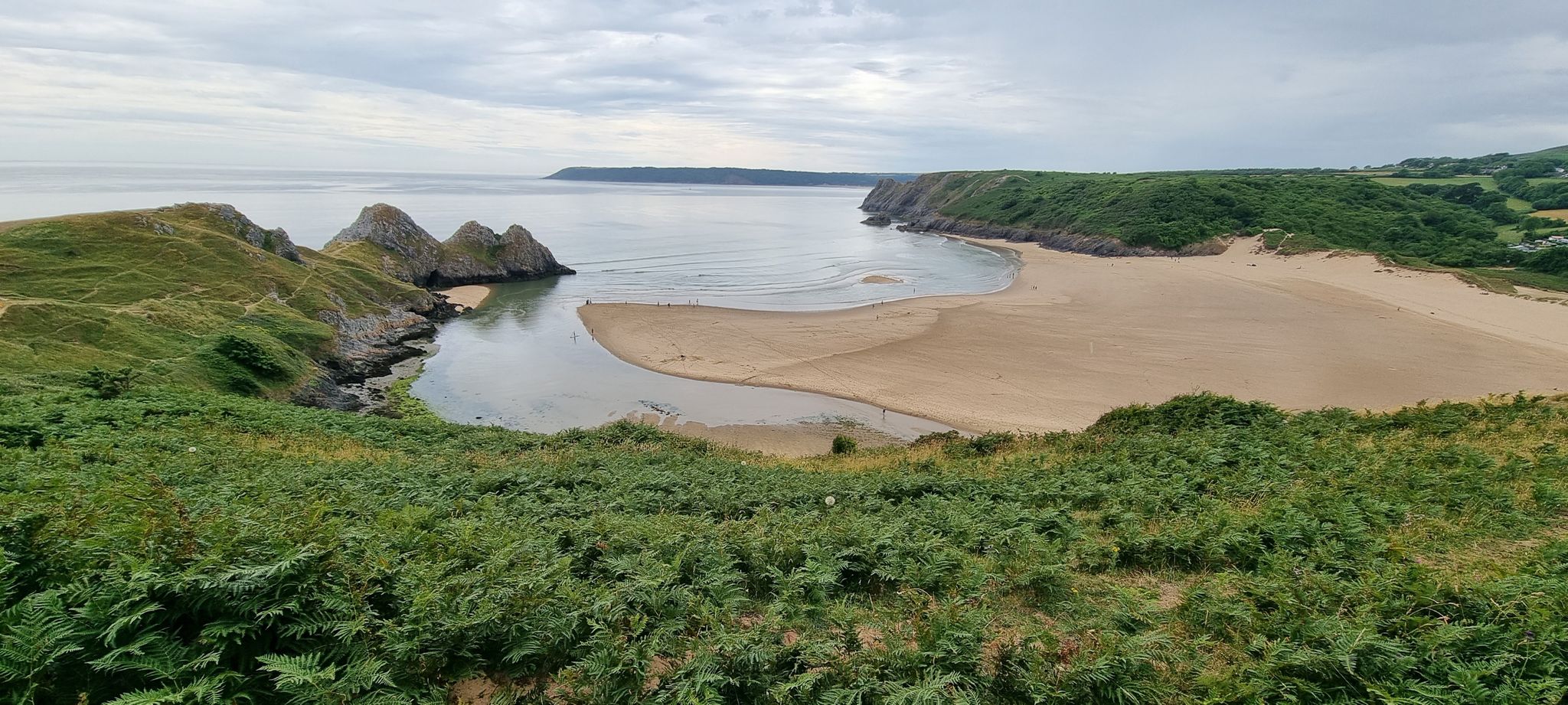
The Gower Edit — Love Trails with komoot
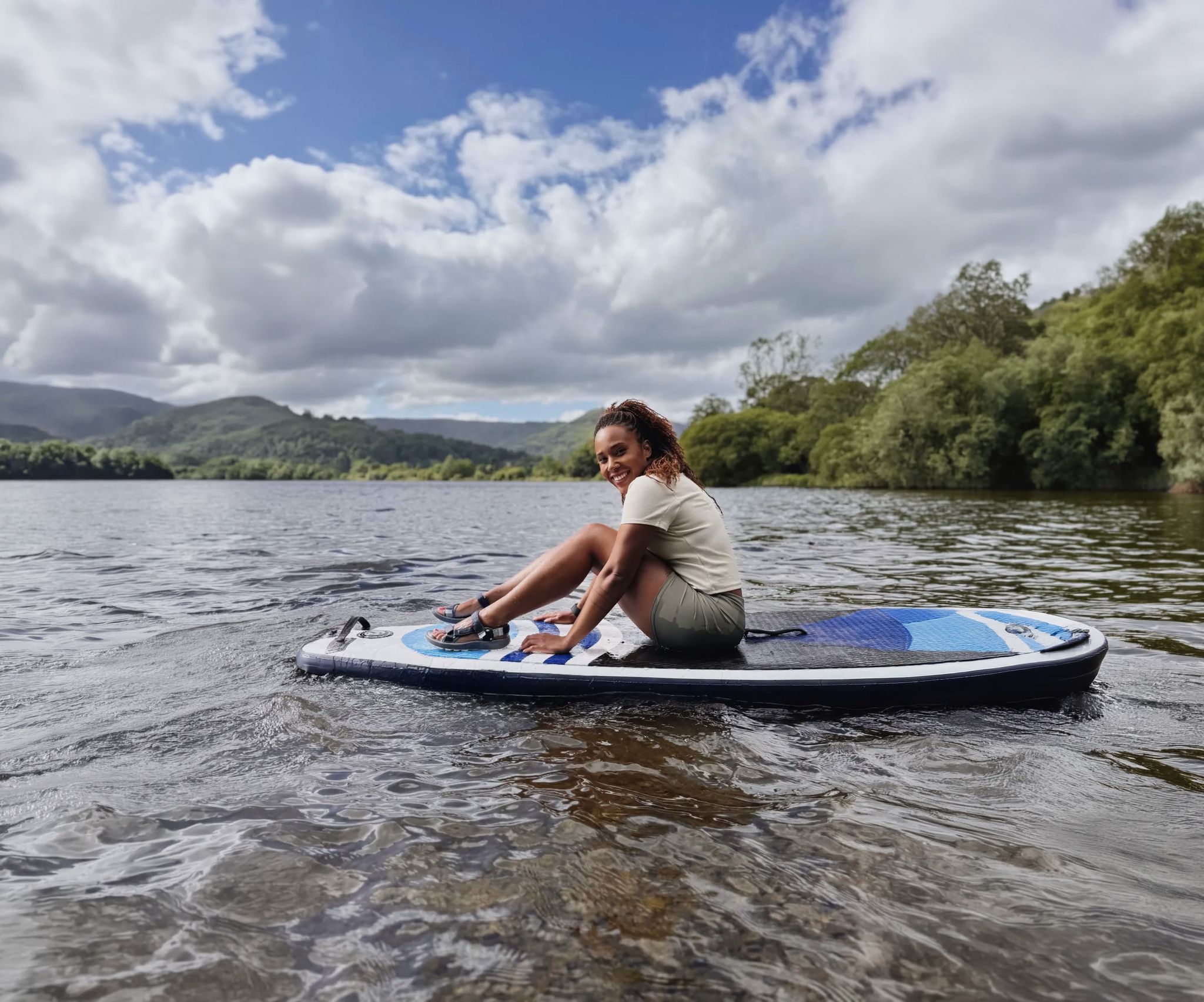
Scenic hikes to stand-up paddleboarding locations in the UK

Supporting the National Three Peaks FKT in true Green Runners’ Style
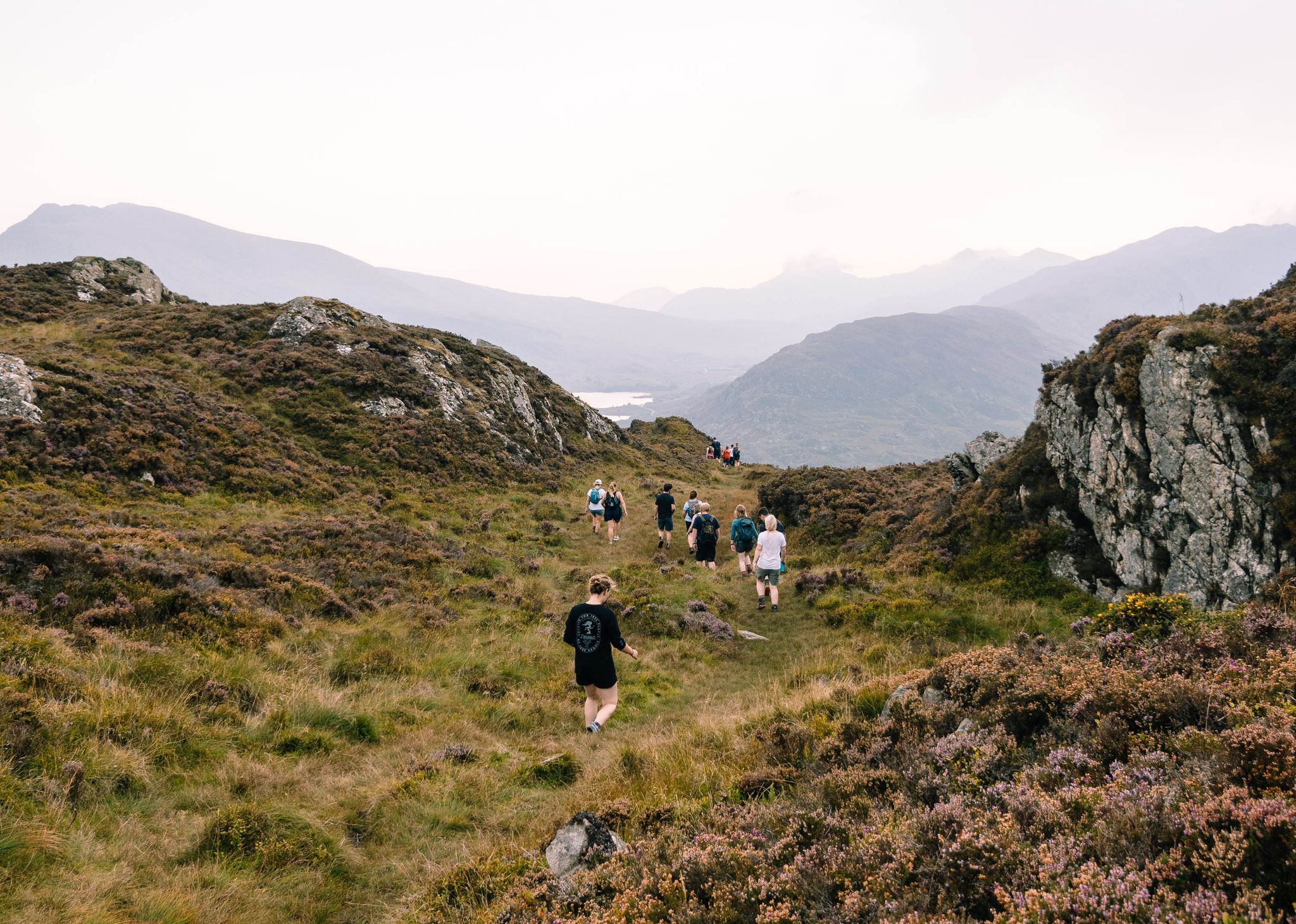
Connect with Nature – Purposeful Adventures in 2024
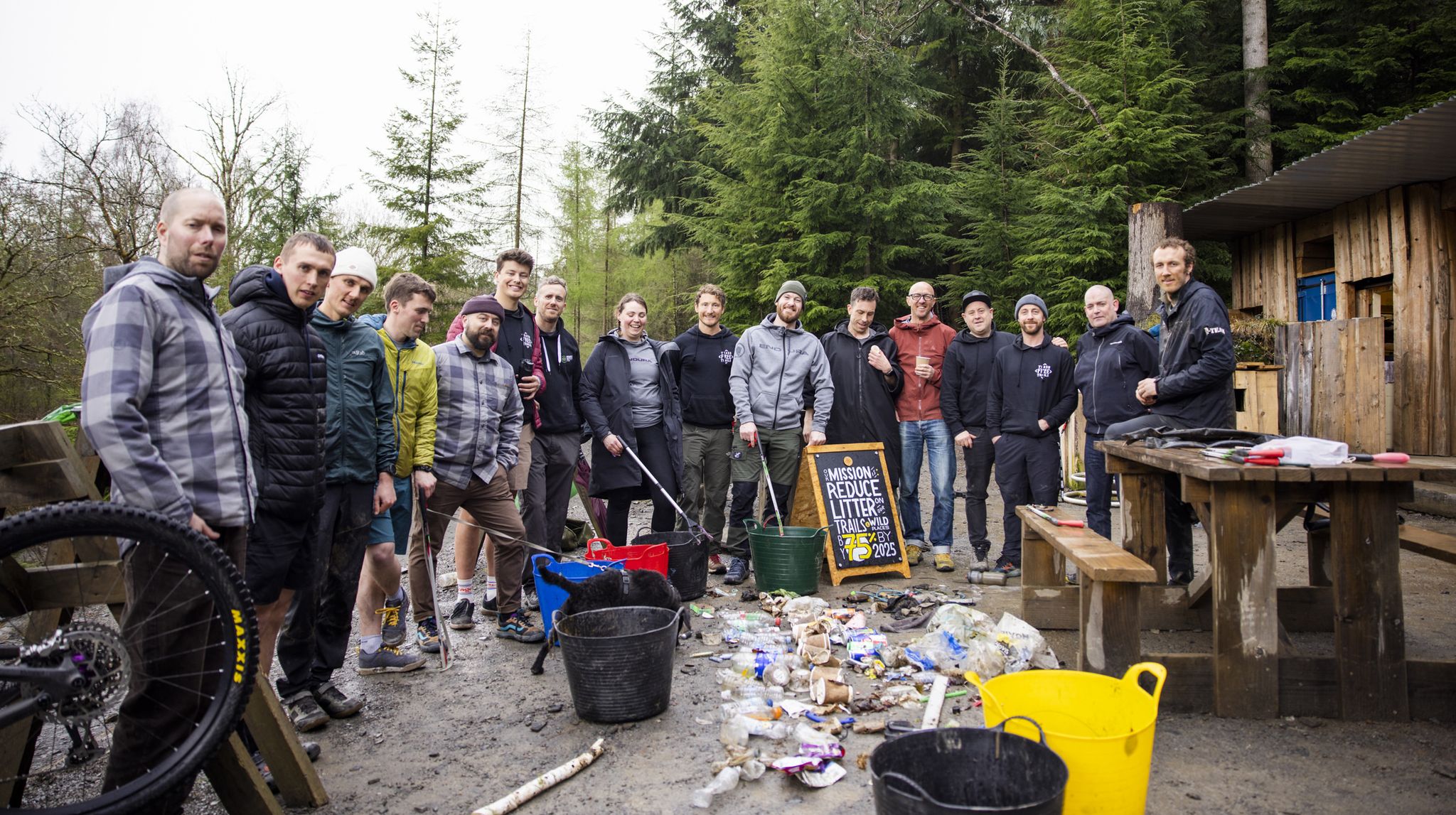
Adventures with a Purpose – our A-TEAMers’ best routes
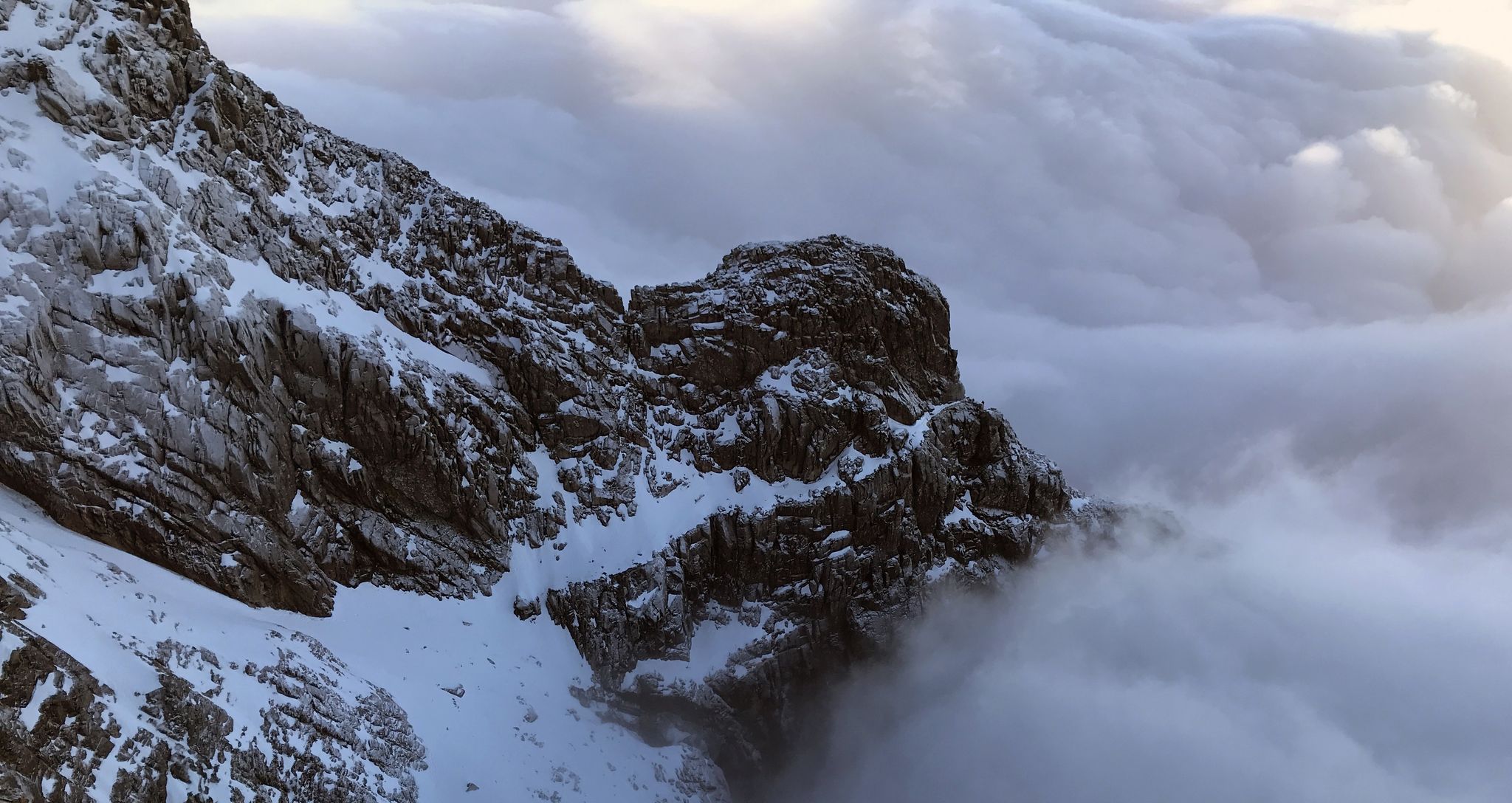
Ephemeral Lines – Stunning UK Winter Ridges
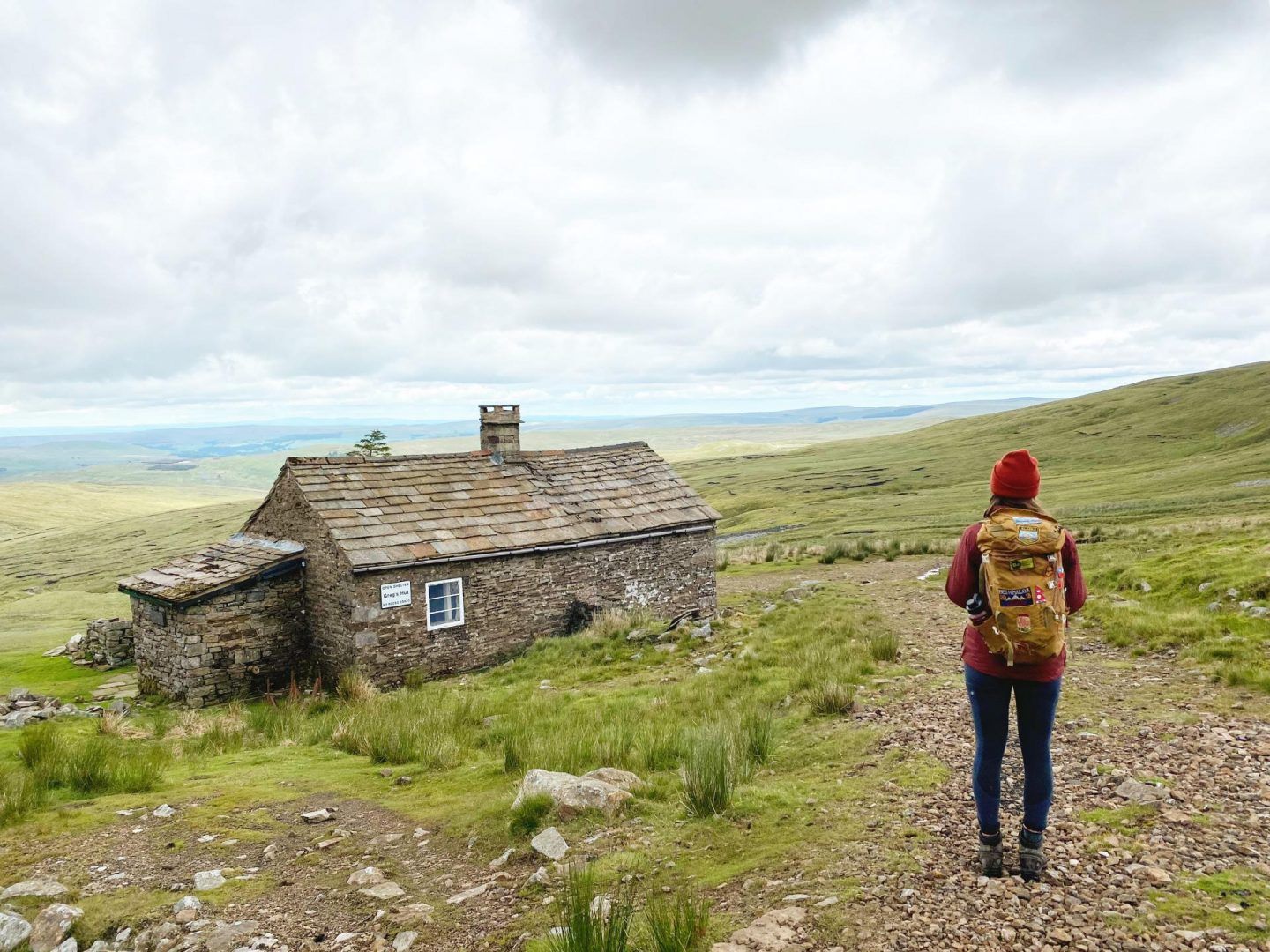
Bothies of Britain: hiking and biking adventures to unique mountain shelters
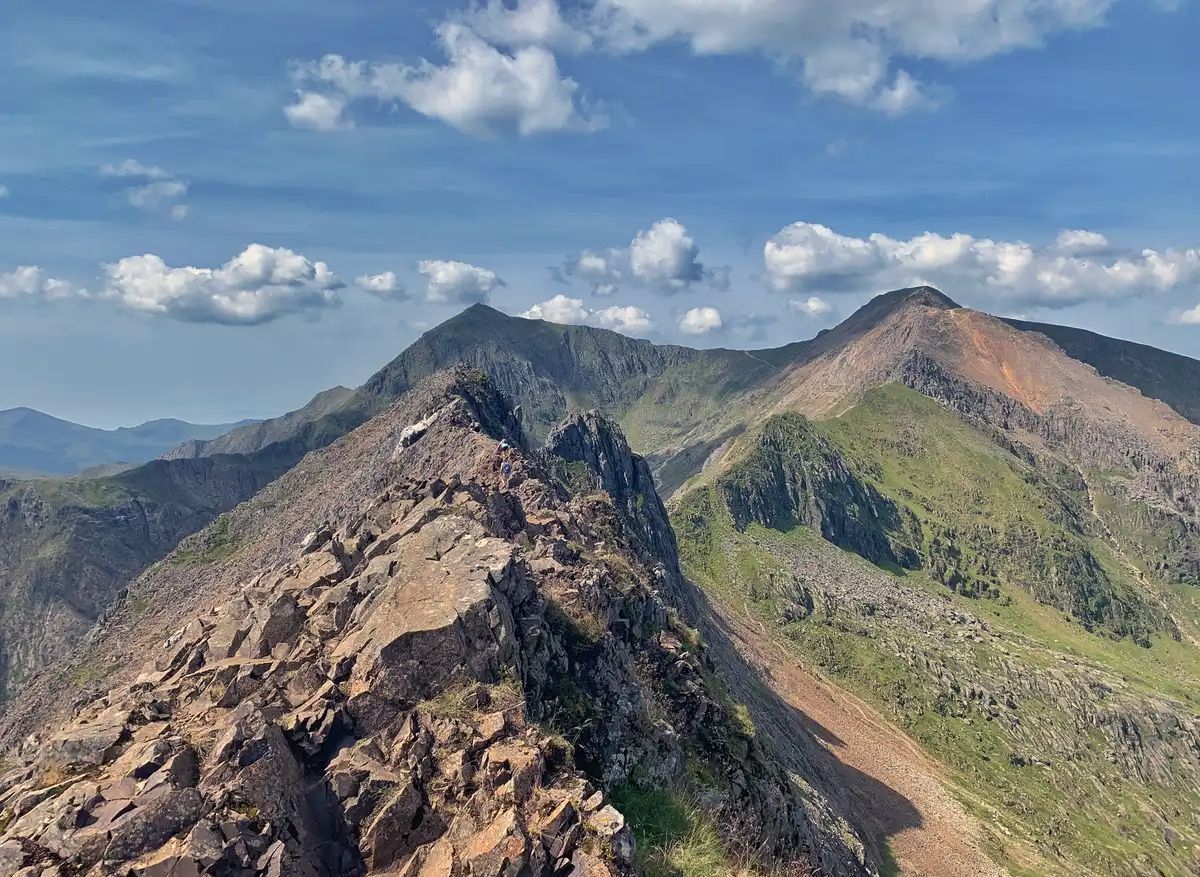
The Dragon's Back – running the spine of Wales
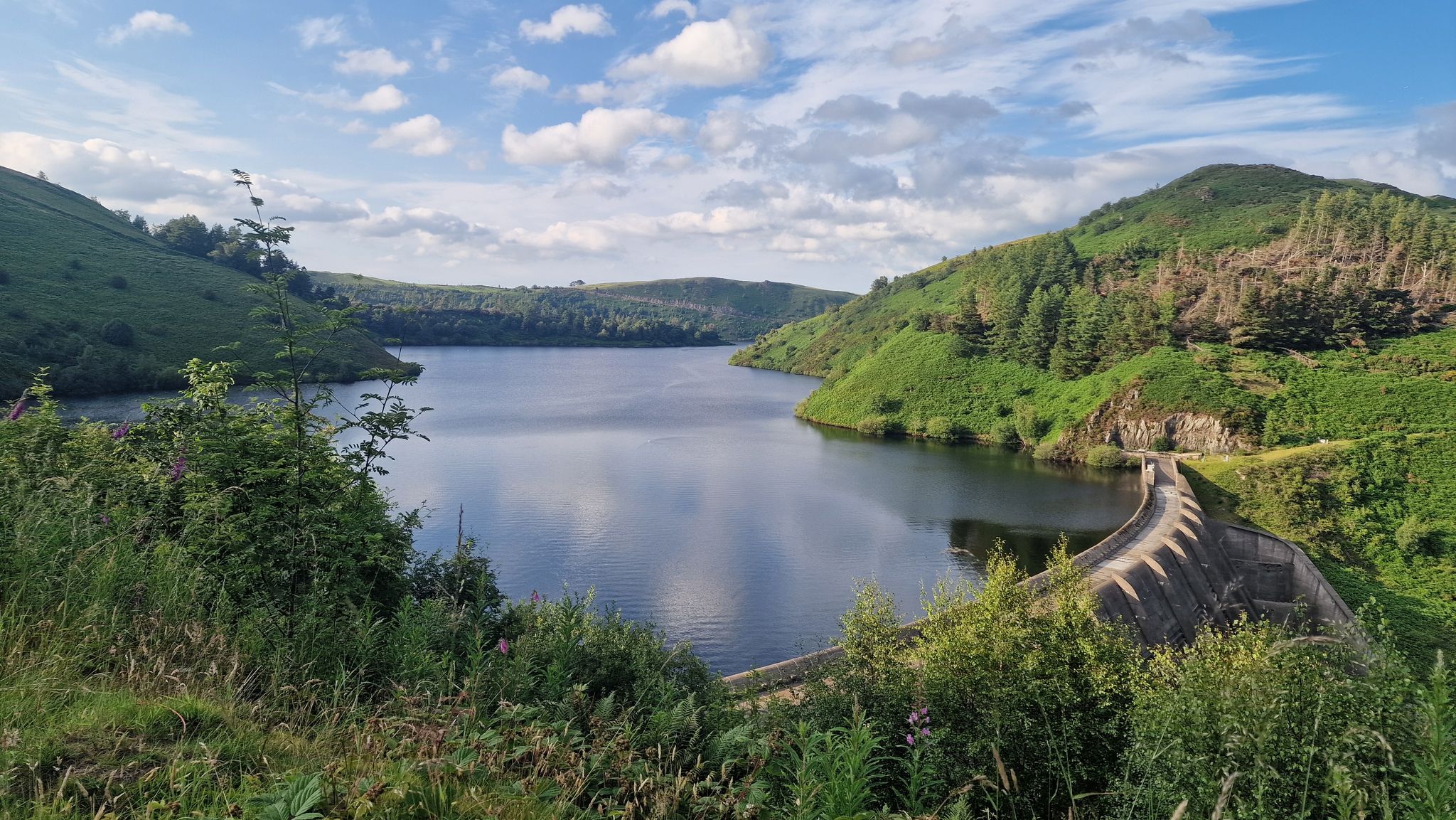
Glyndŵr’s Way – hiking in the footsteps of a Welsh hero
Ultra Trail Snowdonia by UTMB – 100 epic miles in Eryri
Other adventures in Wales


Tips from the Community

The location of the castle above the valley of the Cennen is simply indescribably beautiful, especially when sun and clouds constantly change the lighting mood.
1
0

Climbed from ‘the back’ according to the locals. There is space for about 5-7 cars to park on this side. Free parking and. No charge for admission.
0
0

Not much remains of what was once the highest castle in England and Wales, but it is still an atmospheric place with great views.
1
0

Went up on a beautiful crisp late morning hike from car park but could be nice to go from town of Llangollen
0
0


Thanks for the information, I will try to figure it out for more. Keep sharing such informative post keep suggesting such post. https://www.njmcdirect.life/
0
1

Wow just wow, didn’t expect the cave below the castle !!!
1
1
Frequently Asked Questions
What are some of the most historically significant castles in Wales?
Wales is rich in history, with many castles dating back to the 13th-century conquests of Edward I. Notable examples include Conwy Castle and Caernarfon Castle, both UNESCO World Heritage sites known for their strategic importance and impressive architecture. Pembroke Castle is significant as the birthplace of Henry VII, and Chepstow Castle stands out as one of the earliest Norman stone fortifications in Britain.
Which castles offer the most impressive views or natural surroundings?
Many Welsh castles are set in dramatic landscapes. Dinas Bran Castle offers fantastic views of the Dee Valley and the cliffs of World's End. Harlech Castle provides breathtaking panoramic views of the Irish Sea and Snowdonia mountains. Carreg Cennen Castle is perched on a rocky outcrop, offering stunning vistas of the surrounding countryside.
Are there family-friendly castles to visit in Wales?
Yes, several castles are great for families. Conwy Castle and Caernarfon Castle are both listed as family-friendly, allowing visitors to explore royal chambers and battlements. The Bishop's Palace and St David's Cathedral complex also offers an engaging historical experience for all ages.
What is the best time of year to visit castles in Wales?
The best time to visit Welsh castles is generally during the spring (April-May) and autumn (September-October) when the weather is milder and the crowds are smaller. Summer (June-August) offers longer daylight hours and warmer temperatures, ideal for exploring, but can be busier. Winter visits are possible, but some facilities might have reduced hours, and weather can be unpredictable.
Are there hiking trails or outdoor activities near Welsh castles?
Yes, many castles are situated in areas with excellent outdoor opportunities. For instance, the area around castles in North Wales is close to Snowdonia National Park, offering numerous hiking routes. You can find various hiking options, including easy, moderate, and difficult trails, by exploring the Hiking in Wales guide on komoot.
Which castles are known for their unique architectural features?
Beaumaris Castle on Anglesey is renowned for its near-perfect symmetrical concentric design, considered one of Europe's finest examples of late 13th-century military architecture. Caerphilly Castle is notable for its extensive artificial lakes and concentric defenses, making it almost impenetrable, and features a distinctive leaning tower. Raglan Castle showcases a blend of military defense and Renaissance comfort, with its hexagonal Great Tower.
Can I find cafes or refreshments near the castles?
Many popular castles, especially those managed by Cadw (Welsh Government's historic environment service), have on-site or nearby cafes. For example, Carreg Cennen Castle has a farm with a tea room offering home cooking. Smaller, more remote ruins like Dinas Bran Castle might require bringing your own refreshments, though nearby towns often have options.
Are there any castles in Wales that are less well-known but worth visiting?
While not a 'hidden gem' in the traditional sense, Dolbadarn Castle offers a unique glimpse into Welsh princely history. This small, well-preserved round tower castle controlled a vital route into medieval Gwynedd and held Owain Goch captive for over two decades. Its dramatic mountain setting adds to its appeal.
How can I get to Welsh castles using public transport?
Accessibility by public transport varies greatly by castle. Major sites like Conwy Castle and Caernarfon Castle are often well-served by local bus routes or are within walking distance of train stations in their respective towns. For more remote castles, public transport might be limited, and a combination of bus/train and taxi or a longer walk may be required. It's advisable to check specific routes for each castle.
What do visitors enjoy most about exploring castles in Wales?
Visitors frequently praise the breathtaking views from castle battlements, the immersive historical experience of walking through ancient ruins, and the sheer scale and preservation of these medieval fortresses. The opportunity to explore royal chambers, climb towers, and imagine medieval life is a common highlight, often enhanced by the dramatic natural settings.
Are there any castles in Wales with unique geological features nearby?
Carreg Cennen Castle is built on a limestone crag and features a natural cave beneath it, which can be explored. This combination of a formidable fortress and a natural cave adds a unique geological dimension to the visit.
Which castles are located in North Wales and are part of Edward I's 'Iron Ring'?
North Wales is home to several of Edward I's formidable castles, often referred to as his 'Iron Ring'. These include Conwy Castle, Caernarfon Castle, Harlech Castle, and Beaumaris Castle. All are UNESCO World Heritage sites, showcasing advanced 13th-century military architecture.
Most popular routes in Wales
Most popular attractions in Wales

Get inspired with the komoot mobile app


Didn’t find what you were looking for?
Explore Wales’s best castles region by region:
Explore more
Looking for the best castles somewhere else? Discover other guides in Wales:
