Top 18 Mountain Passes in Oregon
Best mountain passes in Oregon are primarily located within the Cascade Range, characterized by diverse landscapes from lush forests to volcanic terrain. These passes often serve as critical transportation corridors and offer access to wilderness areas. Oregon's mountain passes provide opportunities for exploring varied ecosystems and historical routes. Many passes feature significant landmarks and viewpoints, showcasing the region's natural beauty.
Best mountain passes in Oregon
- The most popular mountain passes is Asterisk Pass, a mountain pass that serves as a shortcut for climbers. It is a cherished spot for those seeking challenging climbs.
- Another must-see spot is McKenzie Pass Summit & Dee Wright Observatory, a mountain pass and natural monument. Visitors can expect a volcanic landscape with lava fields and panoramic views from the observatory.
- Visitors also love Polaris Pass, a mountain pass with a challenging trail. This high point offers views towards the Matterhorn and surrounding peaks.
- Oregon is known for volcanic passes, historical routes, and scenic byways. The state offers a variety of mountain passes to see and explore, from high-elevation trails to accessible scenic drives.
- The mountain passes in Oregon are appreciated by the komoot community. The guide features 19 highlights with 22 photos and 10 upvotes, reflecting the appeal of these routes.
Last updated: October 13, 2026
McKenzie Pass Summit & Dee Wright Observatory
Highlight • Mountain Pass
A short interpretive trails gives you some information about the landscape around you. The massive lava field was caused by the eruption of the nearby Belknap Crater, but you can hike through lava for miles and miles, since it is mixed with the lava fields caused by The Three Sisters, too. It is a unique landscape and you might feel like you are on the moon. If you want to enjoy a hike besides the observatory here, notice that you need a wilderness permit for the Central Cascades.
There are restrooms at the observatory – a hint for PCT-long-distance hikers. ;)
Tip by

Asterisk Pass
Highlight • Mountain Pass
Tip by

Sign up now to discover places like this
Get recommendations on the best single tracks, peaks, & plenty of other exciting outdoor places.
Agness Saddle ⛰️
Highlight • Mountain Pass
Translated by Google •
Tip by

Lolo Pass Trailhead
Highlight • Trail
Tip by
Pueblo Mountains Wilderness Study Area
Highlight • Natural
Plan way more time than you think for this section. There are some old cairns to help you navigate, but those are hard to spot (some become visible when you are already next to them). These are relics from the former 1960s project of "The Desert Trail" that was intended to create a route from Mexico to Canada, but was never finished.
Tip by
McKenzie Pass Highway
Highlight (Segment) • Mountain Pass
Tip by

Glacier Lake Pass
Highlight • Mountain Pass
Tip by
Polaris Pass
Highlight • Mountain Pass
Tip by
Park Ridge with scenic campsites
Highlight • Mountain Pass
Tip by
Moss Pass & Spring
Highlight • Mountain Pass
Tip by
Sign up for free to discover even more mountain passes in Oregon.
Already have an account?
Start today with a free account
Your next adventure awaits.
Popular around Oregon
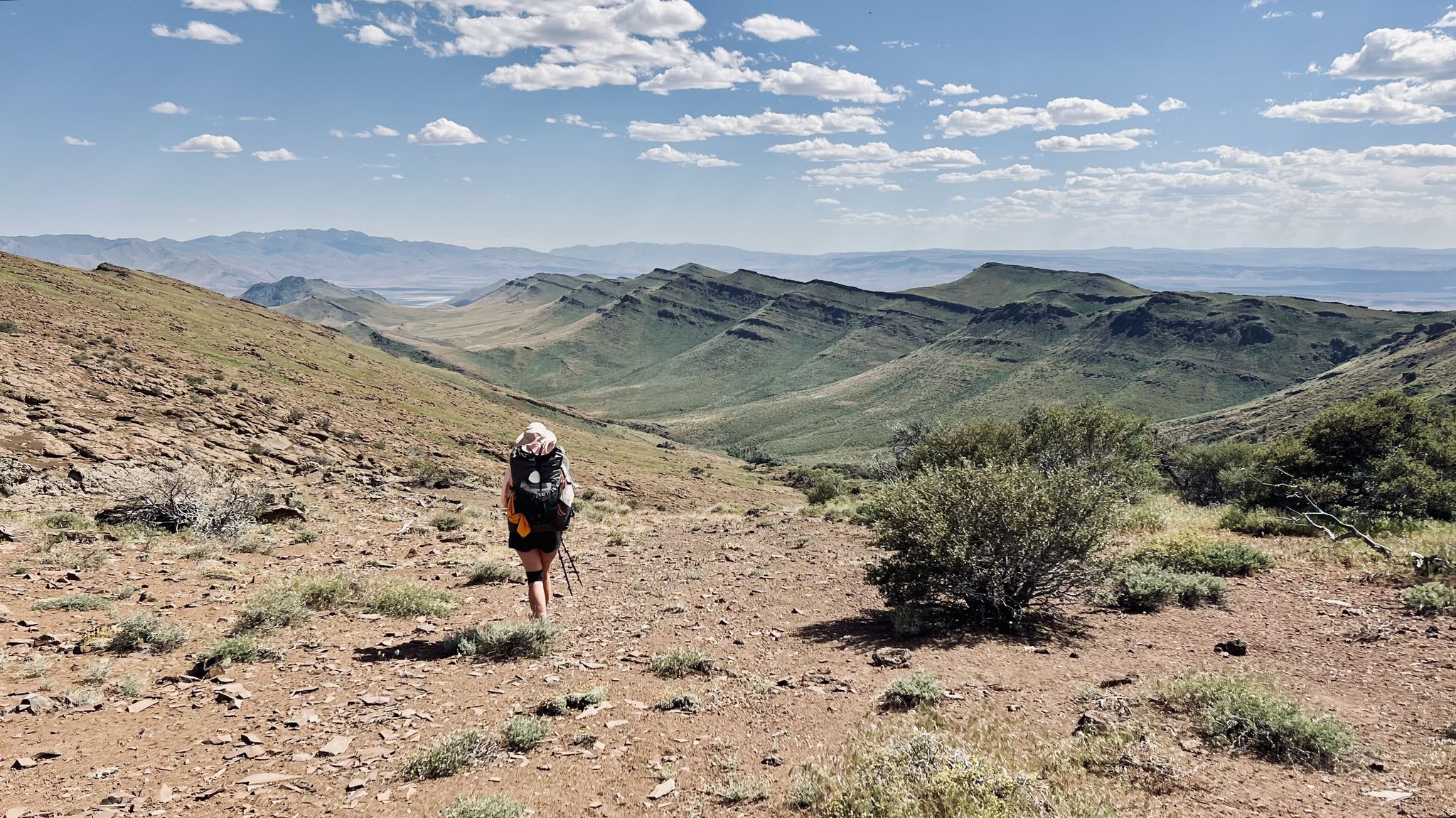
Oregon Desert Trail – Roughly the Right Direction
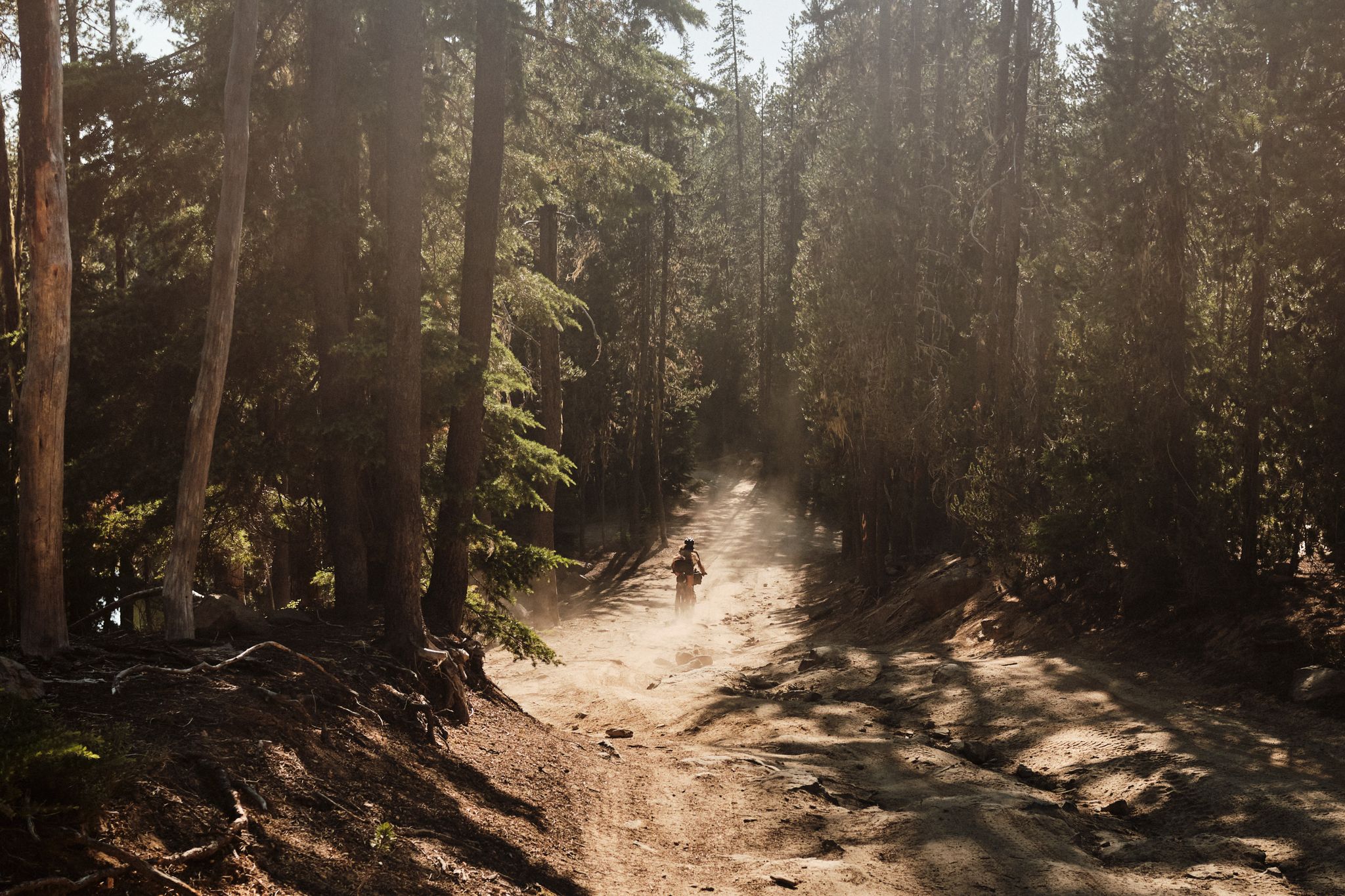
Oregon Timber Trail — High heat

Pacific Crest Trail from Mexico to Canada – 4,200 kilometres of wilderness
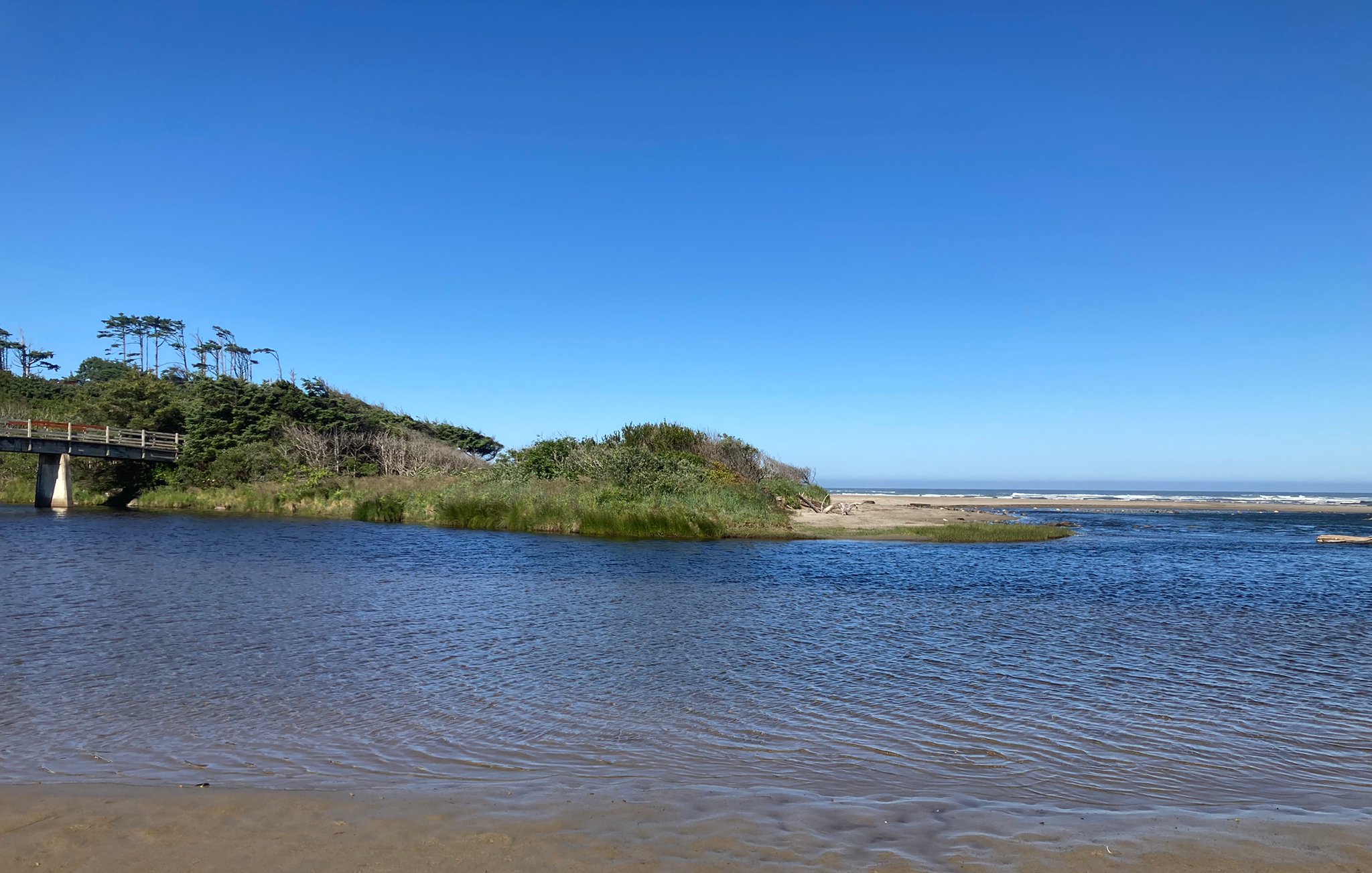
Corvallis-to-the-Sea Trail — Walk through wild Oregon
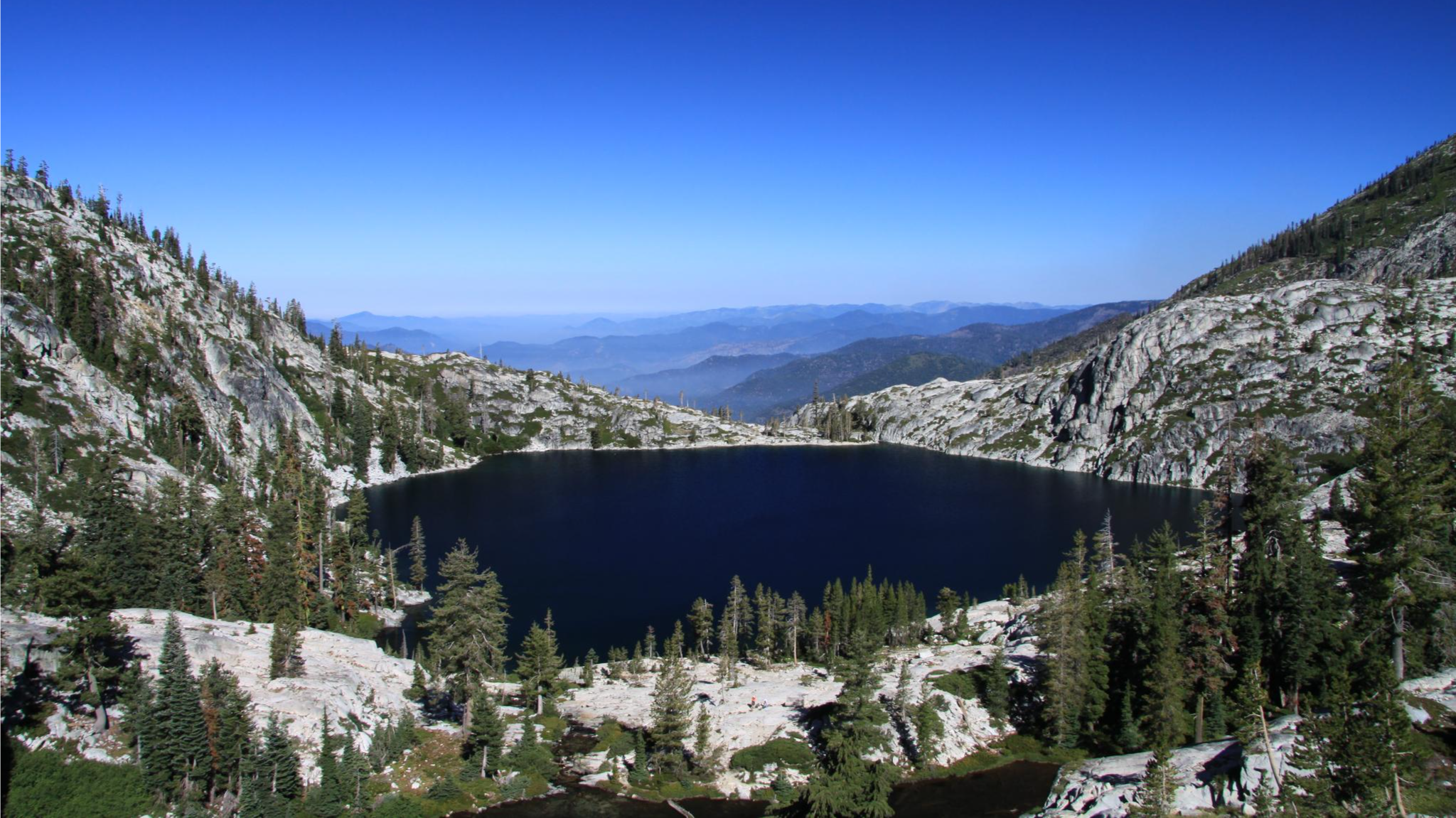
Bigfoot Trail — Exploring the remote Klamath Mountains
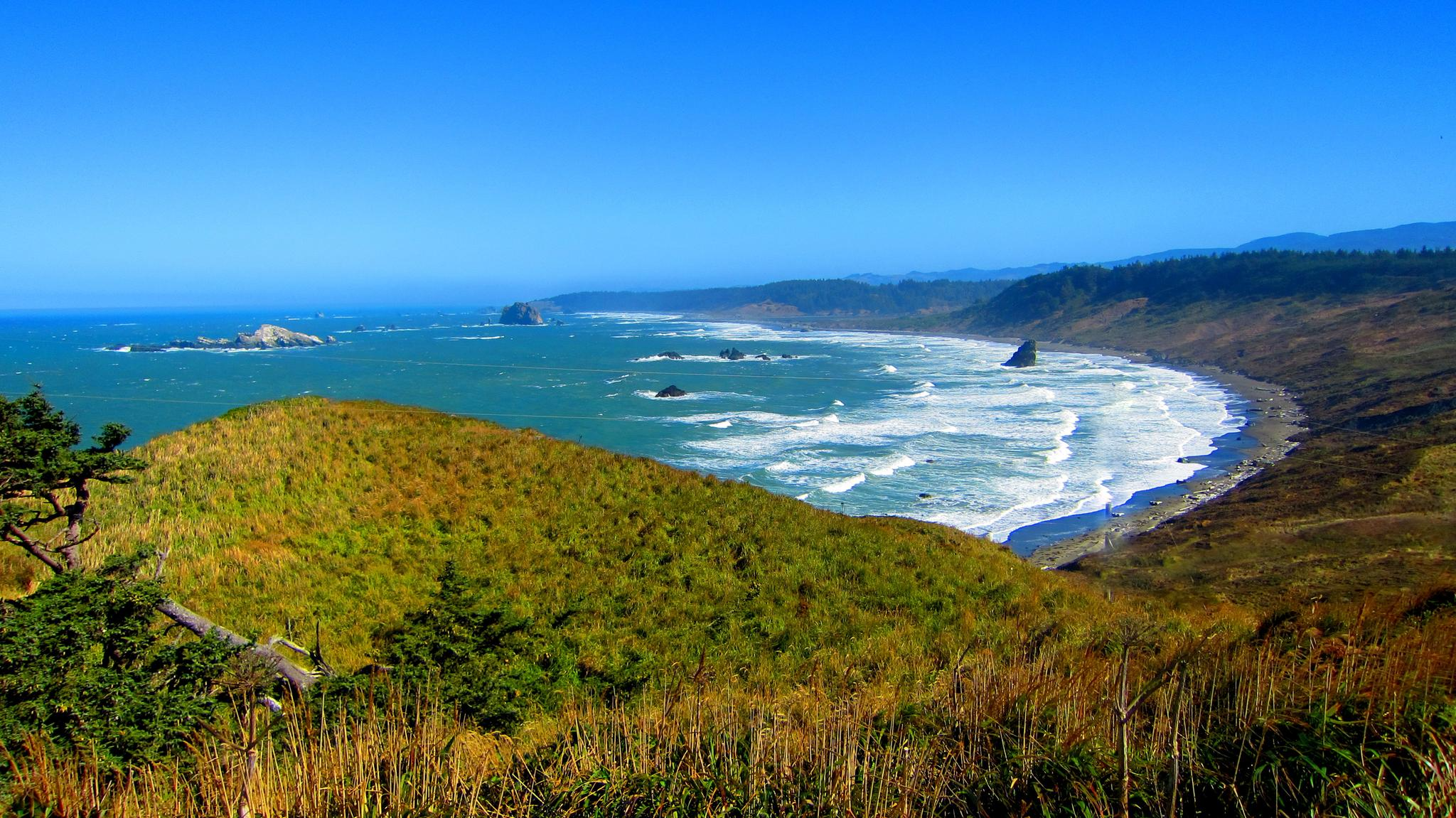
Oregon Coast Trail — An unforgettable walk along the Pacific's edge
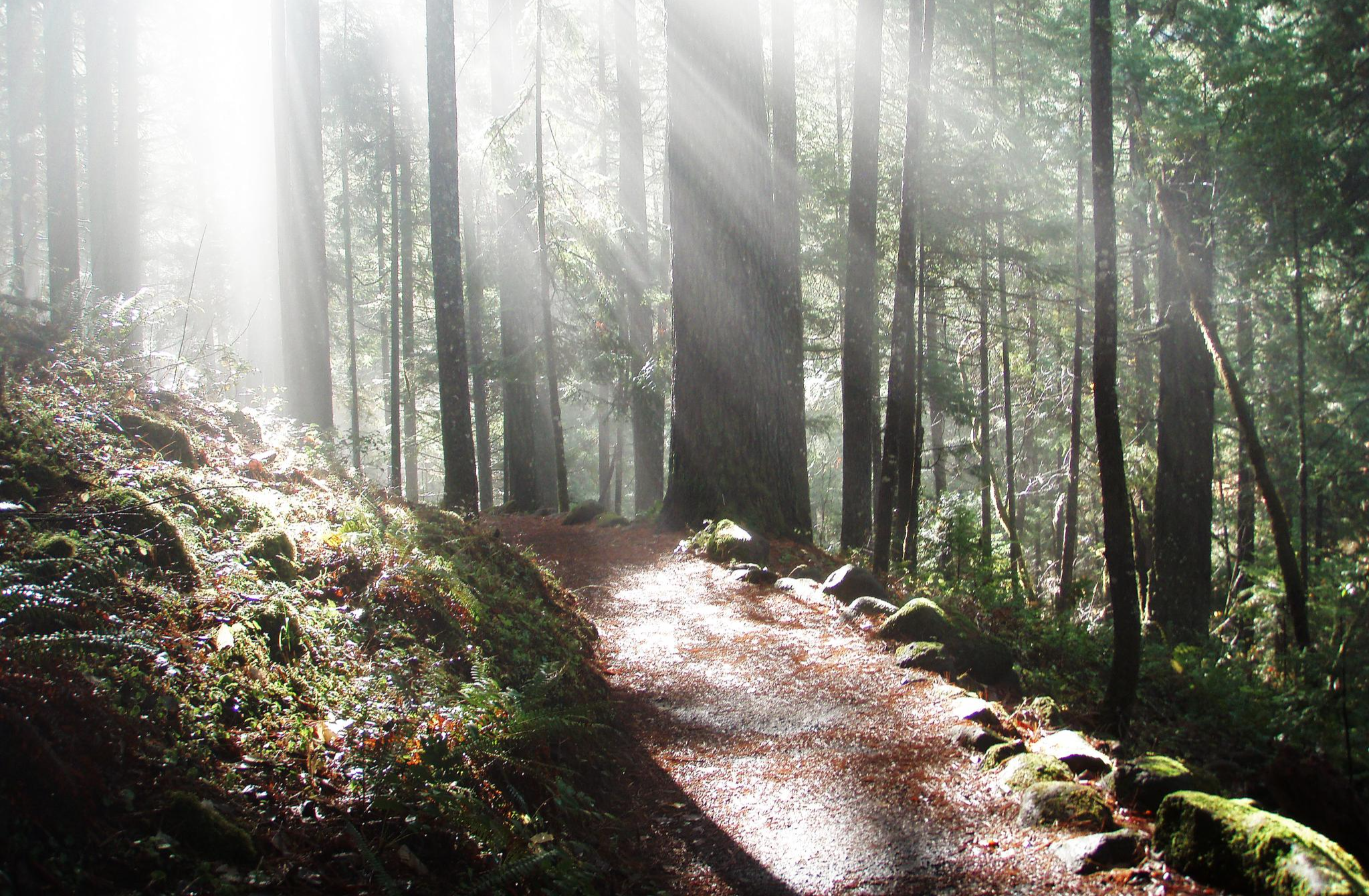
The North Umpqua Trail — Riding through Oregon's Lush Backcountry
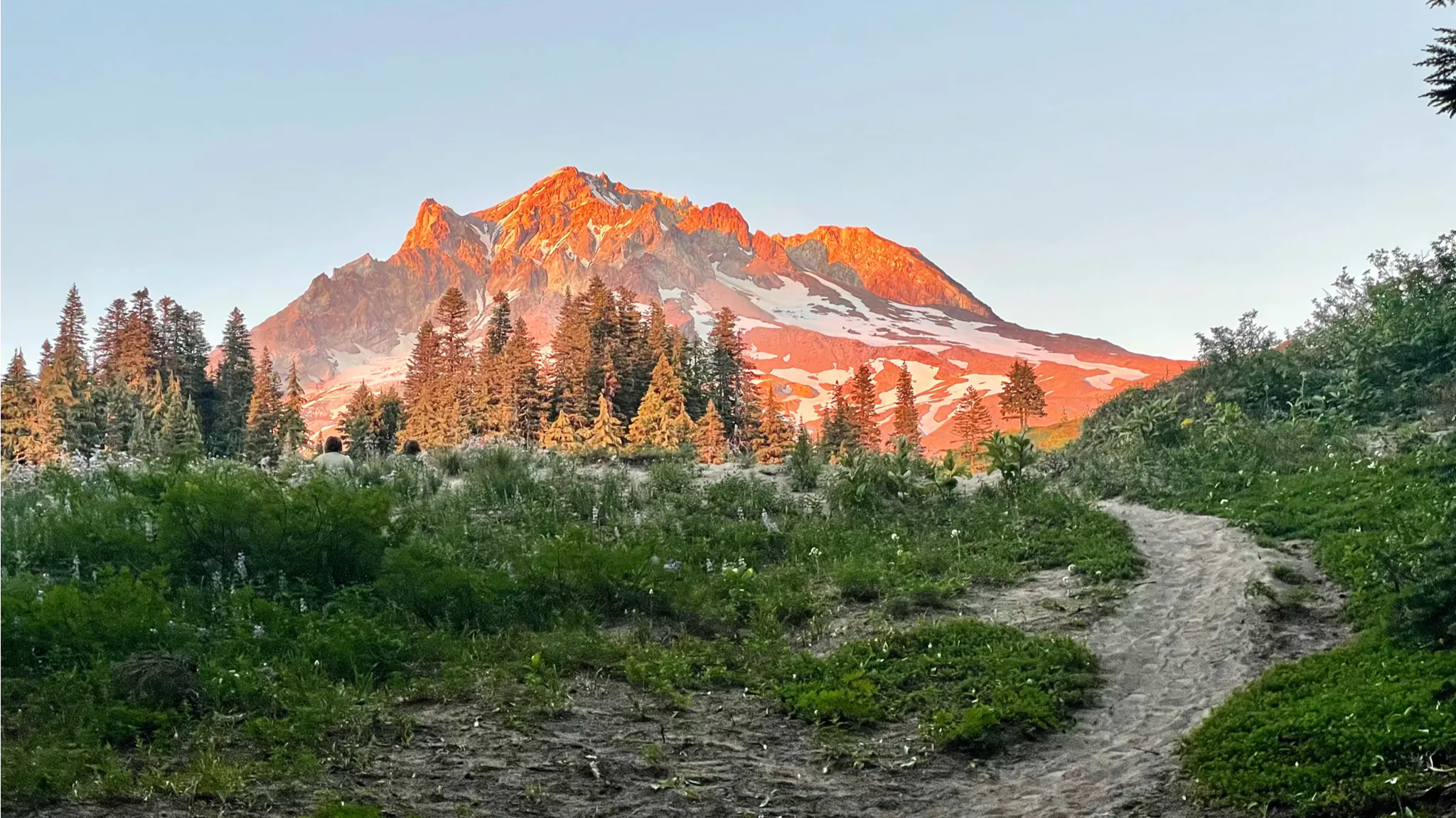
Timberline Trail — A Scenic Mount Hood Adventure
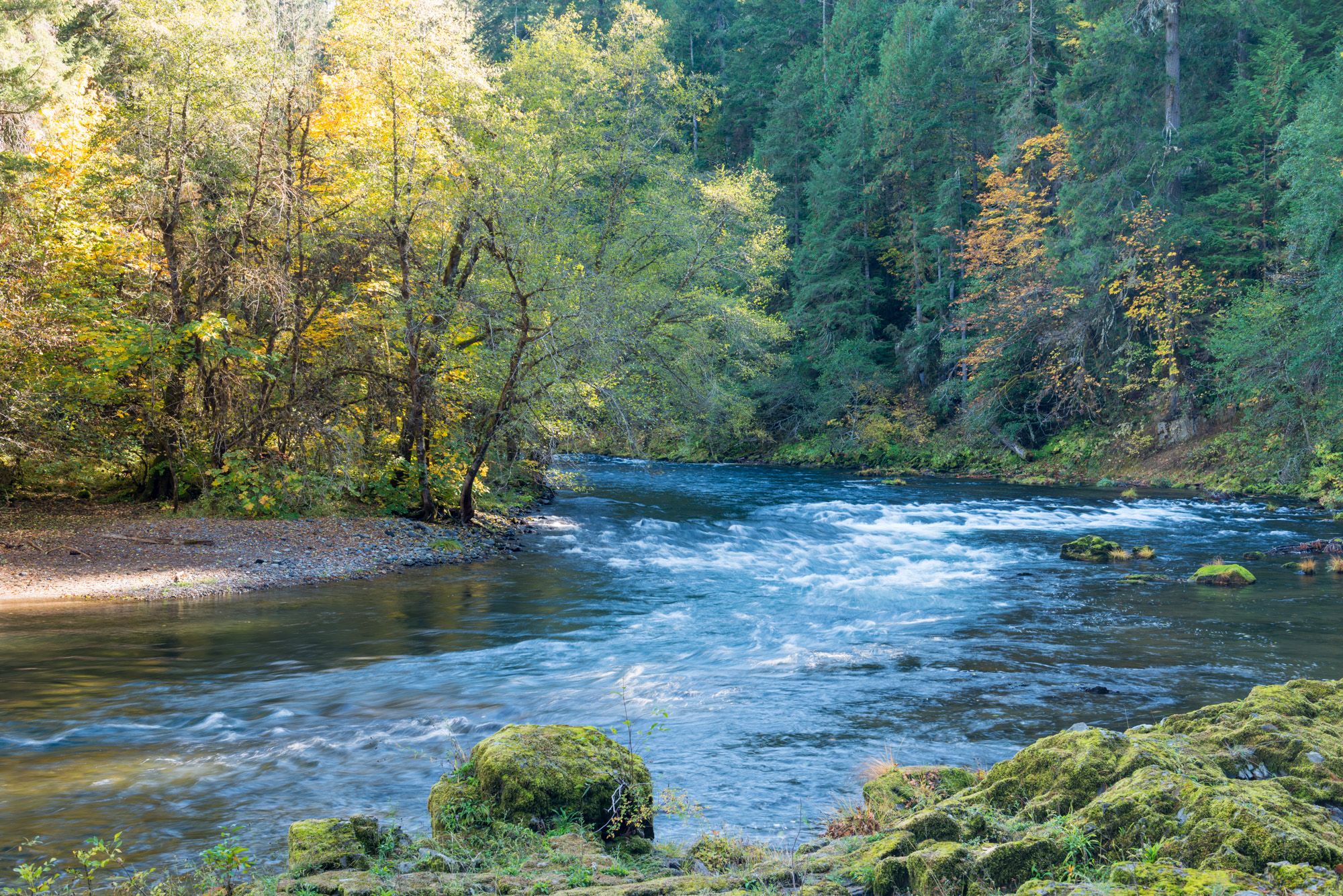
North Umpqua Trail — Waterfalls, Lakes & Lava
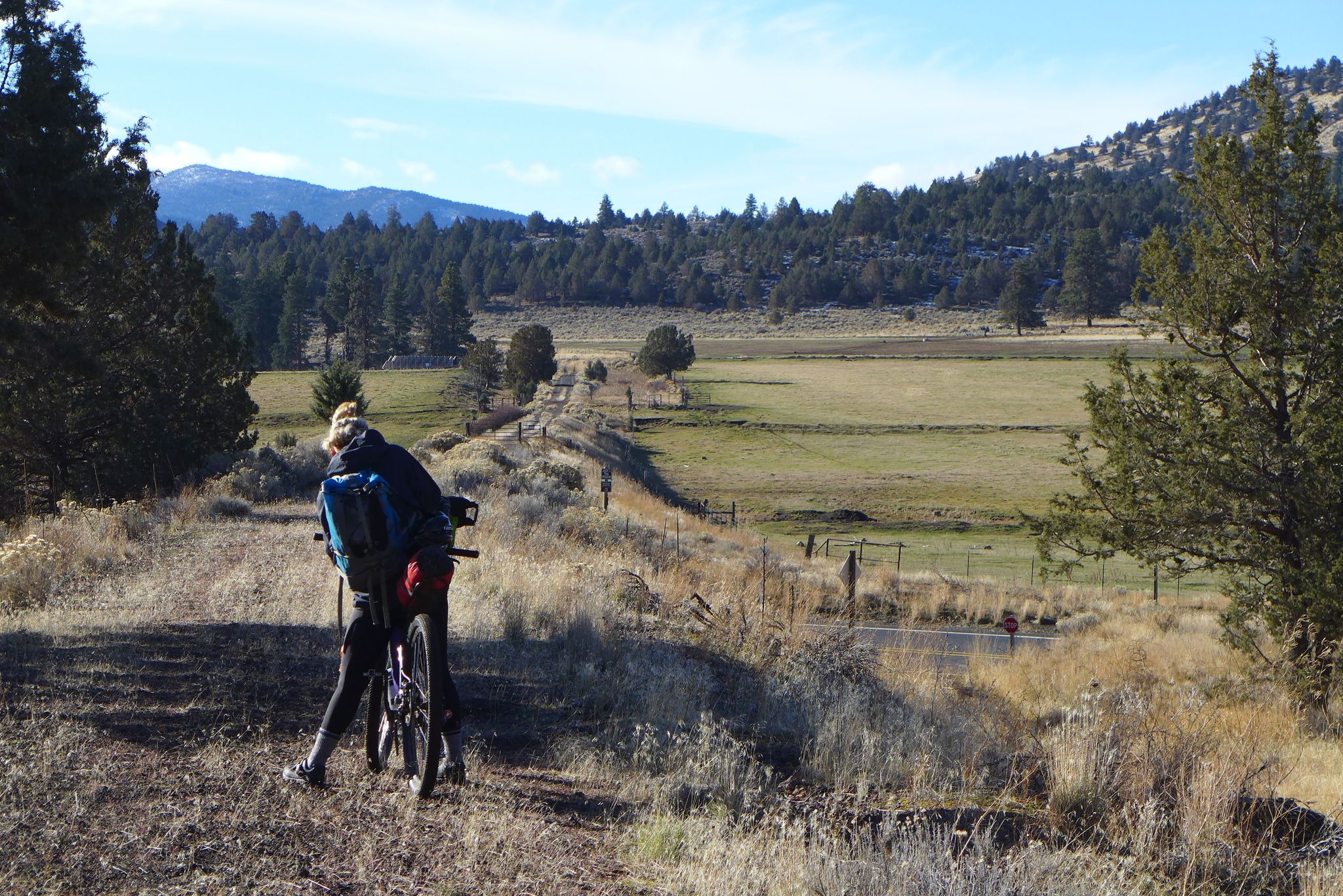
The OC&E Woods Line State Trail — Exploring Oregon's Longest Rail Trail
Other adventures in Oregon


Tips from the Community

Definitely worth the round trip to take the McKenzie Pass. There is a vault toilet here that is very well maintained. There are stairs but also an accessible gradual path to the lower part of the observatory. The extra lava tour path is also fully paved and accessible.
0
0

To reach Glacier Lake from the north, you'll have to climb Glacier Pass, a 1,000 foot (333m) climb from Moccasin Lake over just under two miles. The trail is easy to follow and has decent, if rocky, footing.
0
0

The Pueblo Mountains are a rugged volcanic mountain range located between the town of Fields and Denio. Its defining feature is a 45-degree tilted fault block ridgeline averaging around 7,300 feet. The Oregon Desert Trail leads through this stunning area, mostly cross country with some serious bushwhacking and route finding. Some trees offer shade and the view is amazing. Plan way more time than you think for this section. There are some old cairns to help you navigate, but those are hard to spot (some become visible when you are already next to them). These are relics from the former 1960s project of "The Desert Trail" that was intended to create a route from Mexico to Canada, but was never finished.
3
0
Moss Pass is located below Moss Pass Butte. Several trails - like the Oregon Desert Trail which uses the Fremont National Recreation Trail in this section - and roads cross at this location which has some good spots to pitch a tent. The nearby Moss Spring might be flowing in spring time.
4
0

Trip advice is inaccurate. The road from Powers is paved, but only to the saddle on the route shown. (My understanding is that it is paved you turn west at a Y just shy of the saddle, which joins the road into Gold Beach about half way there.) It is decent gravel down to the Agness Jct -- but with lots of rafting traffic in summer. A far more scenic, even bucolic, route is to take the eastern dirt road at the saddle which winds its way down. Just above the Rogue River Trailhead, the road becomes paved and a few miles later joins the main road down from the saddle. Very little traffic on this road.
0
0

Agness Saddle, on the paved Agness Road, connects Powers and the Rouge River. It's a key intersection with the gravel forest road to the coast, passing Iron Mountain and following the Elk River.
0
1

Situated at McKenzie Pass, Dee Wright Observatory is built entirely of volcanic rock in the shape of a fortress. The lava fields surrounding the observatory span for 100 square miles, offering endless possibilities for other-worldly running scenery! On a clear day enjoy spectacular views of Three Sisters Wilderness, Mount Washington, Mount Jefferson and numerous volcanic craters.
1
0

The observatory at the summit was constructed from the literal mountain of volcanic material it is located on. During construction great care was taken to leave "lava tube" windows in the wall so visitors can easily identify the surround mountains.
1
0
Frequently Asked Questions
What unique natural features can I expect to see at Oregon's mountain passes?
Oregon's mountain passes offer diverse natural features. For instance, McKenzie Pass Summit & Dee Wright Observatory is renowned for its dramatic volcanic landscape, including vast lava fields and panoramic views of peaks like the Three Sisters. Other passes provide access to lush forests, alpine lakes, and stunning mountain vistas.
Are there any mountain passes in Oregon with significant historical importance?
Yes, several passes hold historical significance. Santiam Pass, for example, was crucial for 19th-century cattle drives and pioneer travel via the Santiam Wagon Road. Siskiyou Pass, traversed by Interstate 5, has a rich history as a critical transportation corridor connecting Oregon and California, evolving from a fur trade route to a modern highway.
What kind of outdoor activities are available near Oregon's mountain passes?
The mountain passes in Oregon are gateways to numerous outdoor activities. Near passes like Santiam Pass, you can enjoy year-round activities including downhill skiing, snowboarding, cross-country skiing, hiking, backpacking, horseback riding, and fishing. For more specific activities, you can find waterfall hikes, running trails, and road cycling routes throughout the region.
Which mountain passes are known for scenic drives?
McKenzie Pass (Oregon Route 242) is part of the McKenzie Pass-Santiam Pass Scenic Byway, offering breathtaking views as it traverses lush forests and drier lodgepole pine forests. This byway is particularly known for its unique volcanic landscapes.
When is the best time to visit Oregon's mountain passes?
Seasonal access varies significantly. Passes like McKenzie Pass are typically closed in winter due to snow, making their summer opening a highly anticipated event for cyclists and drivers. Santiam Pass, however, is a hub for year-round activities, offering winter sports and summer hiking. It's always best to check current conditions before planning your trip, especially during shoulder seasons.
Are there any challenging mountain passes for experienced hikers or climbers?
Yes, Oregon offers challenging passes for experienced adventurers. Asterisk Pass is a cherished spot for those seeking challenging climbs. Similarly, Polaris Pass features a challenging trail and offers views towards the Matterhorn and surrounding peaks, with the option to climb Sentinel Peak.
Which mountain passes are good for winter sports?
Willamette Pass, at an elevation of 5,128 feet, is primarily known for winter sports and is home to the Willamette Pass Ski Resort. Santiam Pass also offers excellent winter activities, including downhill skiing, snowboarding, tubing, and cross-country skiing at the nearby Hoodoo Ski Area.
Can I find viewpoints with panoramic scenery at these passes?
Absolutely. The Dee Wright Observatory at McKenzie Pass Summit & Dee Wright Observatory offers panoramic views of surrounding peaks and lava flows. Glacier Lake Pass provides stunning views towards Glacier Lake, Glacier Pass Peak, and the Eagle Cap Wilderness.
Are there any mountain passes that are part of the Pacific Crest Trail?
Yes, both Santiam Pass and Lolo Pass are intersected by the Pacific Crest Trail (PCT). Lolo Pass, in particular, is a key point for hikers on the PCT and offers views of Mount Hood, providing access to beautiful wilderness areas.
What should I know about accessibility and permits for visiting mountain passes?
While many passes are accessible by road, some areas, especially within wilderness regions, may require permits for hiking or overnight stays. For example, to enjoy a hike besides the observatory at McKenzie Pass, you might need a wilderness permit for the Central Cascades. Parking can also be limited at trailheads like Lolo Pass Trailhead, so planning ahead is advisable.
Are there family-friendly options among Oregon's mountain passes?
Many mountain passes offer accessible viewpoints and shorter interpretive trails suitable for families. The Dee Wright Observatory at McKenzie Pass, for instance, has a short interpretive trail that provides information about the volcanic landscape, making it an engaging stop for all ages.
Most popular routes in Oregon
Most popular attractions in Oregon

Get inspired with the komoot mobile app


Explore more
See even more epic mountain passes by checking out these guides in Oregon:
