Top 20 Natural Monuments in Oregon
Best natural monuments in Oregon showcase diverse landscapes, from dramatic coastlines and ancient fossil beds to towering volcanic formations and deep river gorges. The region features unique geological formations and offers varied recreational opportunities. Many sites are recognized for their natural significance, drawing visitors to explore Oregon's varied terrain. These monuments provide insight into the state's geological history and ecological diversity.
Best natural monuments in Oregon
- The most popular natural monuments is Crooked River, a river known for its…
Last updated: October 13, 2026
Crooked River
Highlight • River
Translated by Google •
Tip by

Yaquina Head Lighthouse
Highlight • Monument
Tip by

Sign up now to discover places like this
Get recommendations on the best single tracks, peaks, & plenty of other exciting outdoor places.
Crater Lake National Park
Highlight • Lake
Tip by

Trail of the Molten Land
Highlight • Trail
Tip by
Monkey Face Rock
Highlight • Climb
Translated by Google •
Tip by

Clackamas River
Highlight • River
Tip by

Crown Point
Highlight • Viewpoint
Translated by Google •
Tip by

Haystack Rock
Highlight • Natural Monument
Tip by

Multnomah Falls and Benson Bridge
Highlight • Waterfall
Tip by

Watchman Overlook
Highlight • Viewpoint
Tip by
Sign up for free to discover even more natural monuments in Oregon.
Already have an account?
Start today with a free account
Your next adventure awaits.
Popular around Oregon
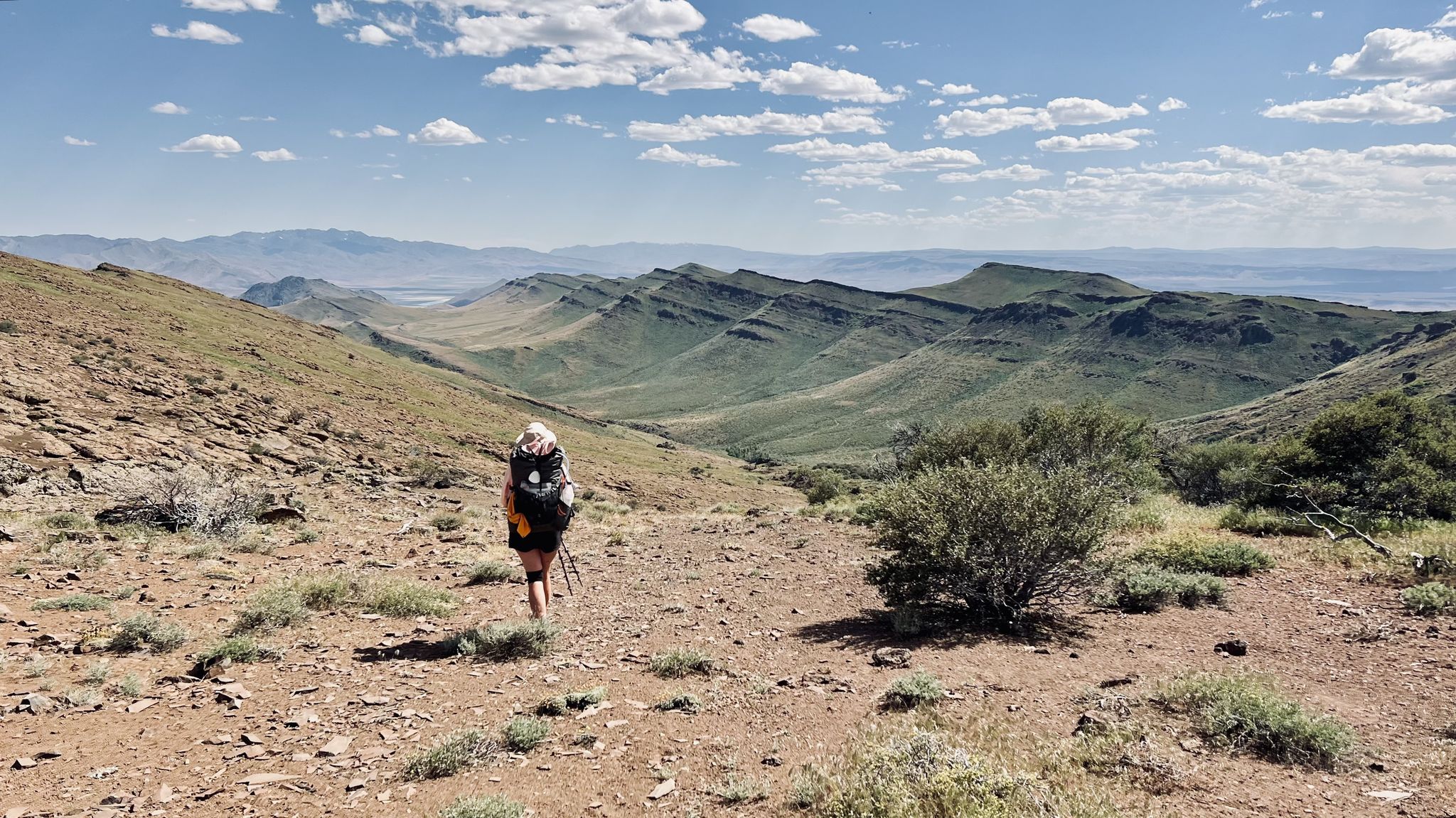
Oregon Desert Trail – Roughly the Right Direction
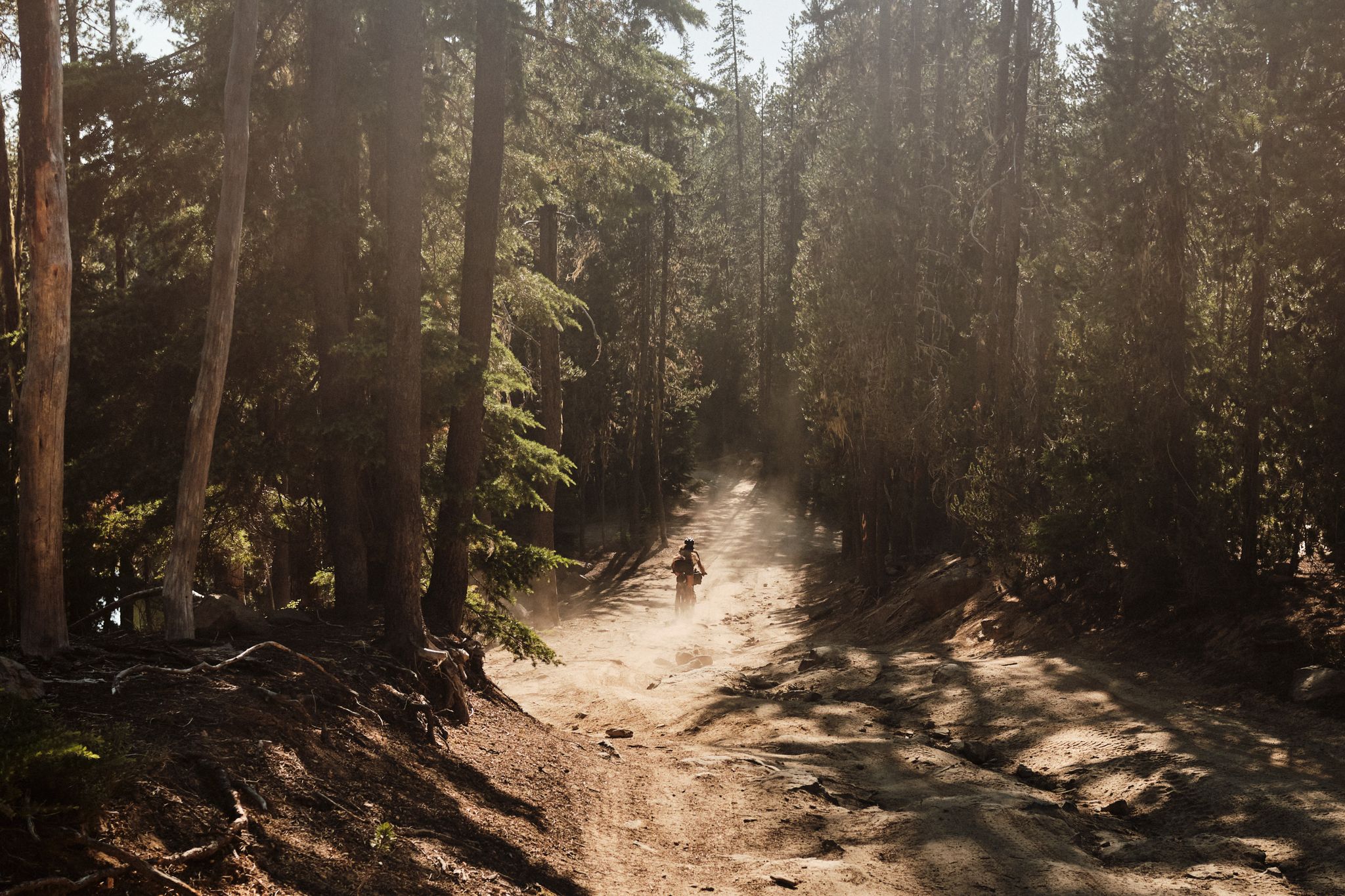
Oregon Timber Trail — High heat

Pacific Crest Trail from Mexico to Canada – 4,200 kilometres of wilderness
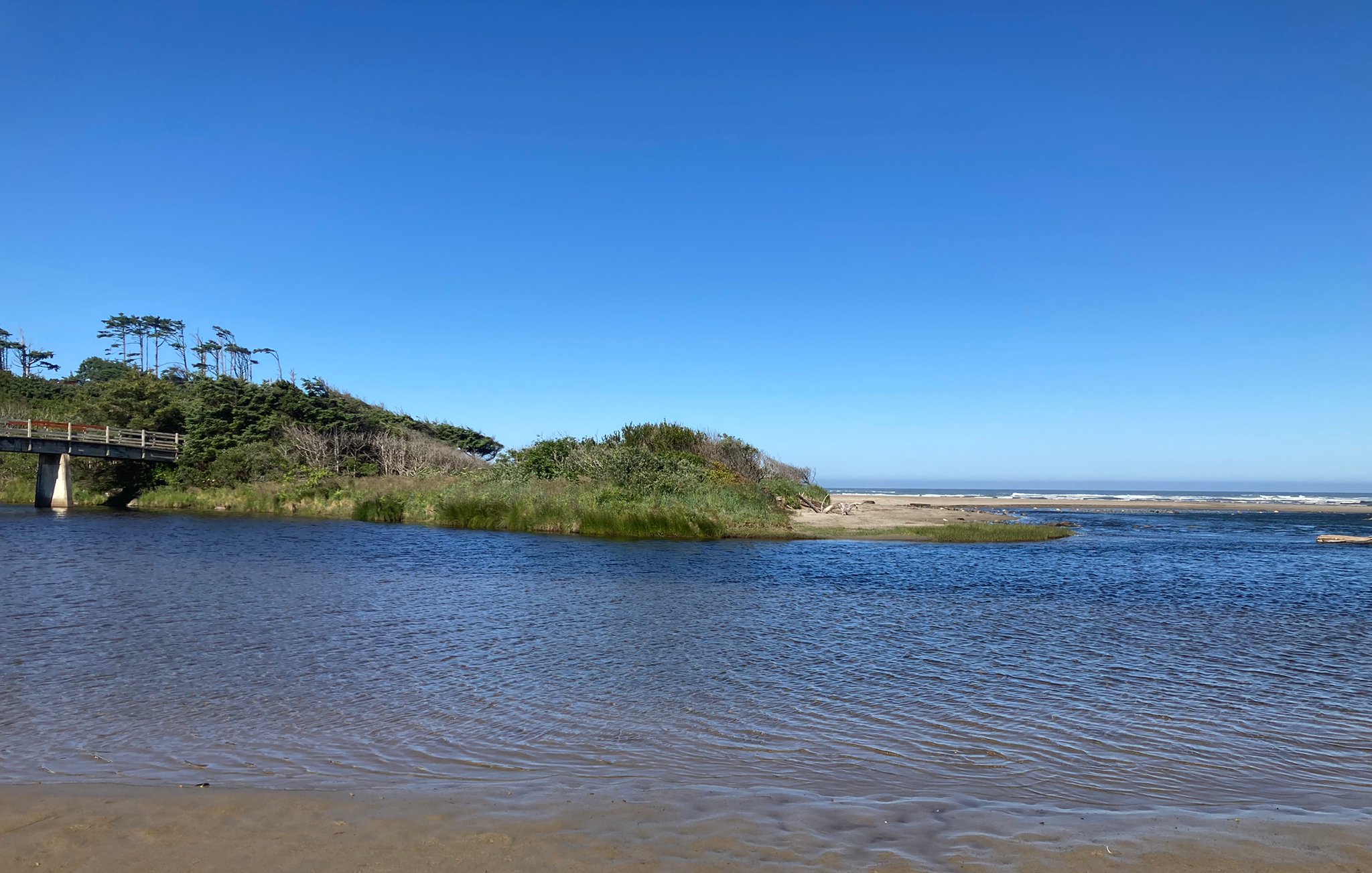
Corvallis-to-the-Sea Trail — Walk through wild Oregon
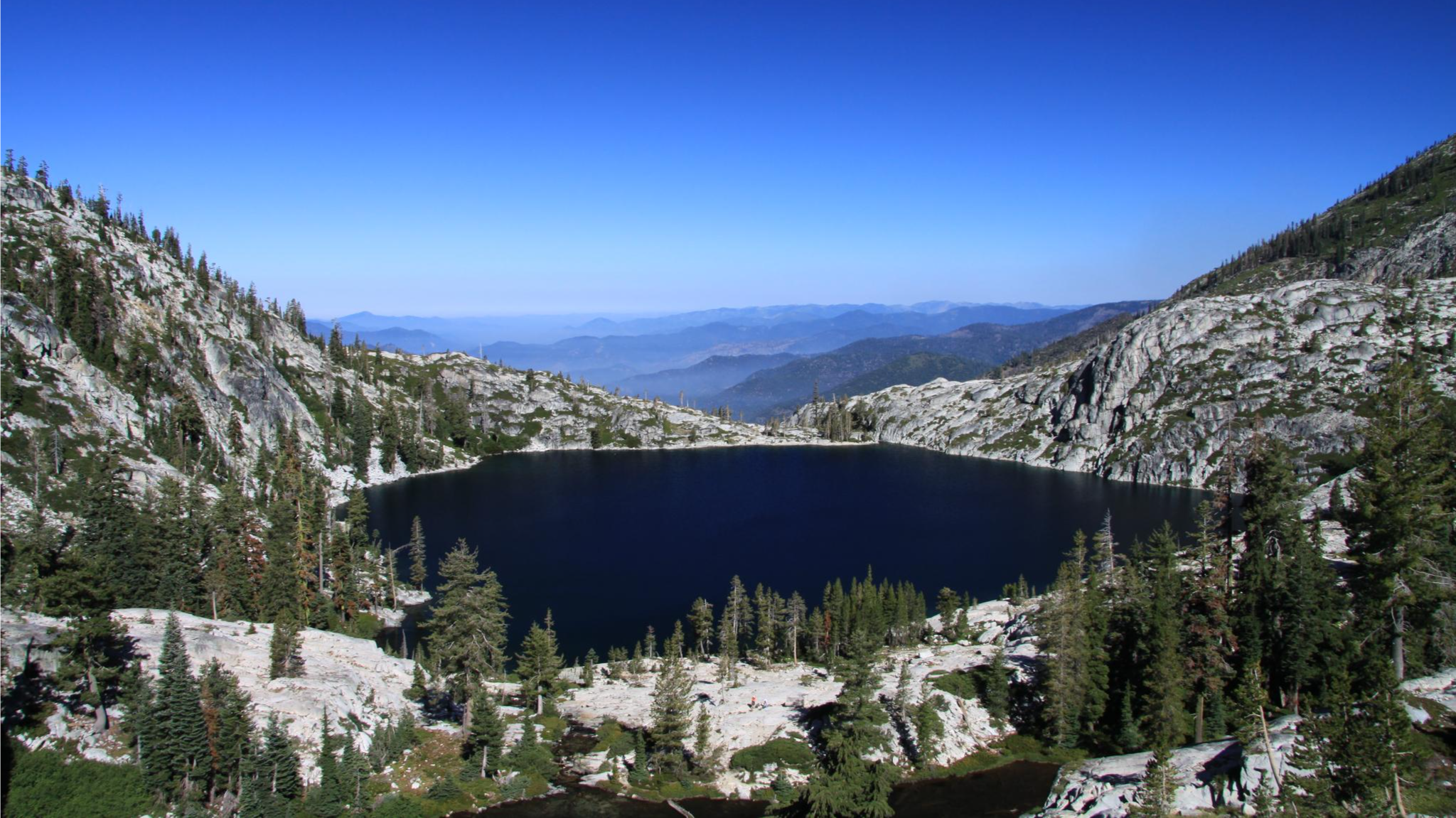
Bigfoot Trail — Exploring the remote Klamath Mountains
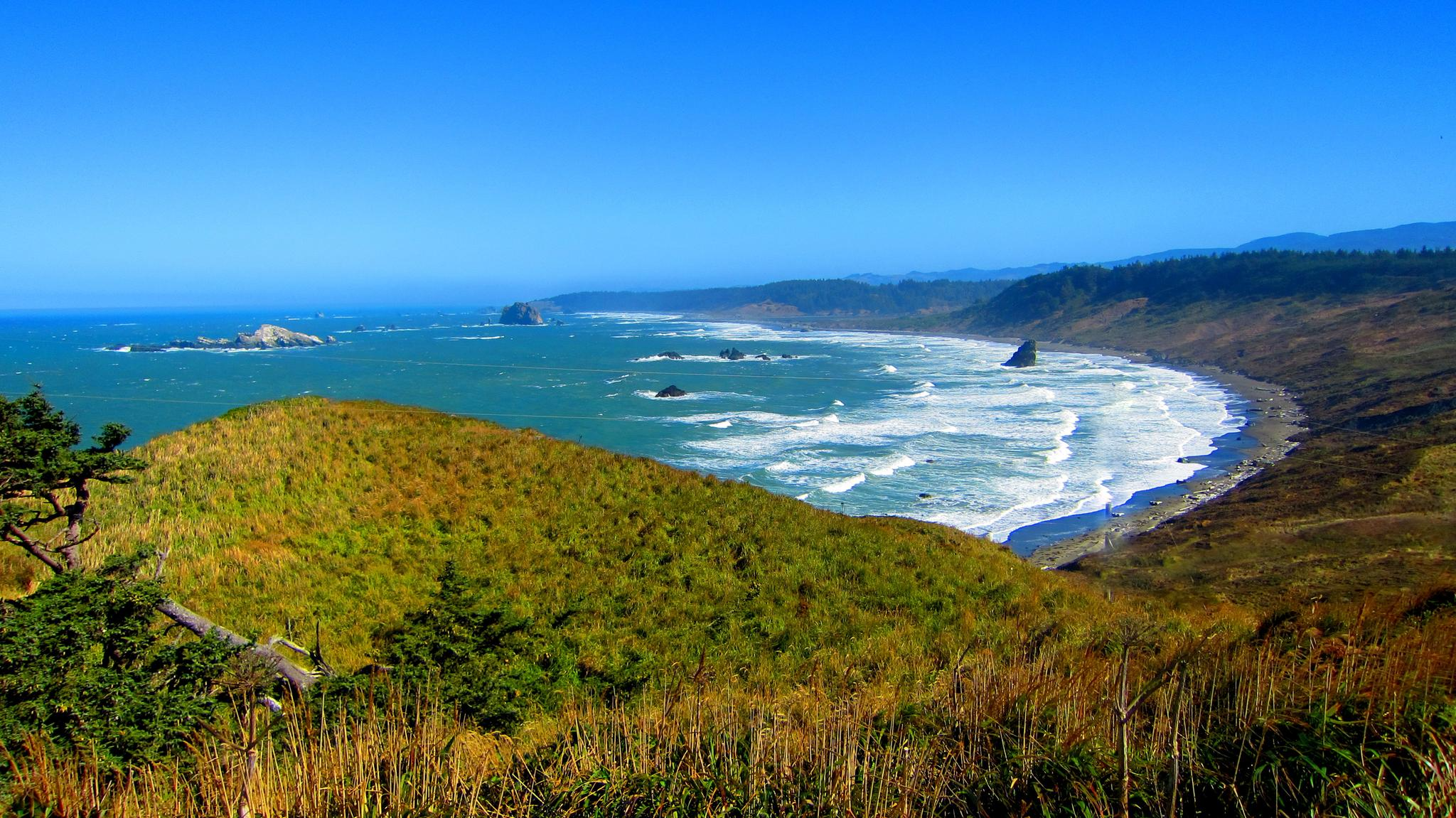
Oregon Coast Trail — An unforgettable walk along the Pacific's edge
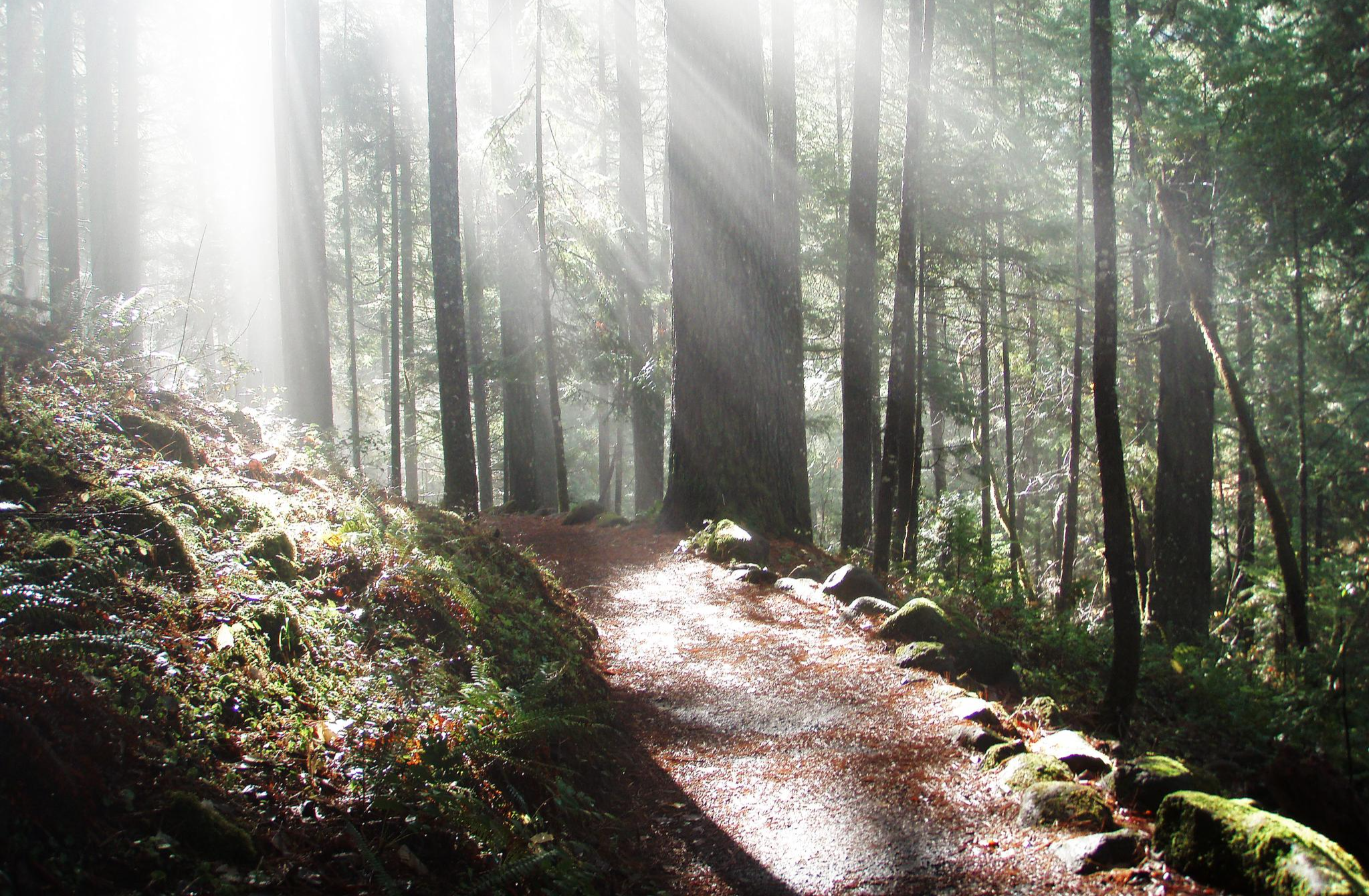
The North Umpqua Trail — Riding through Oregon's Lush Backcountry
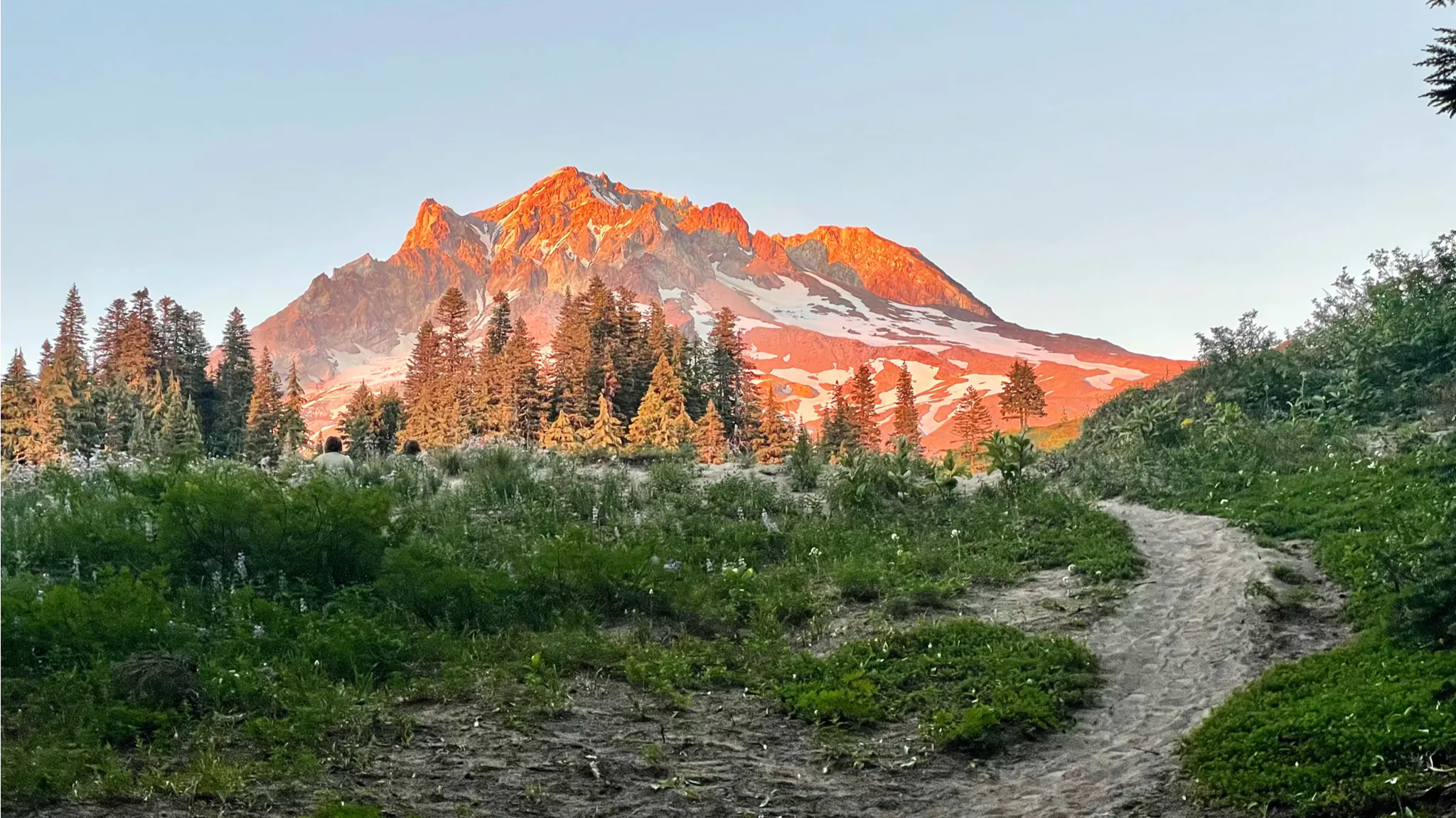
Timberline Trail — A Scenic Mount Hood Adventure
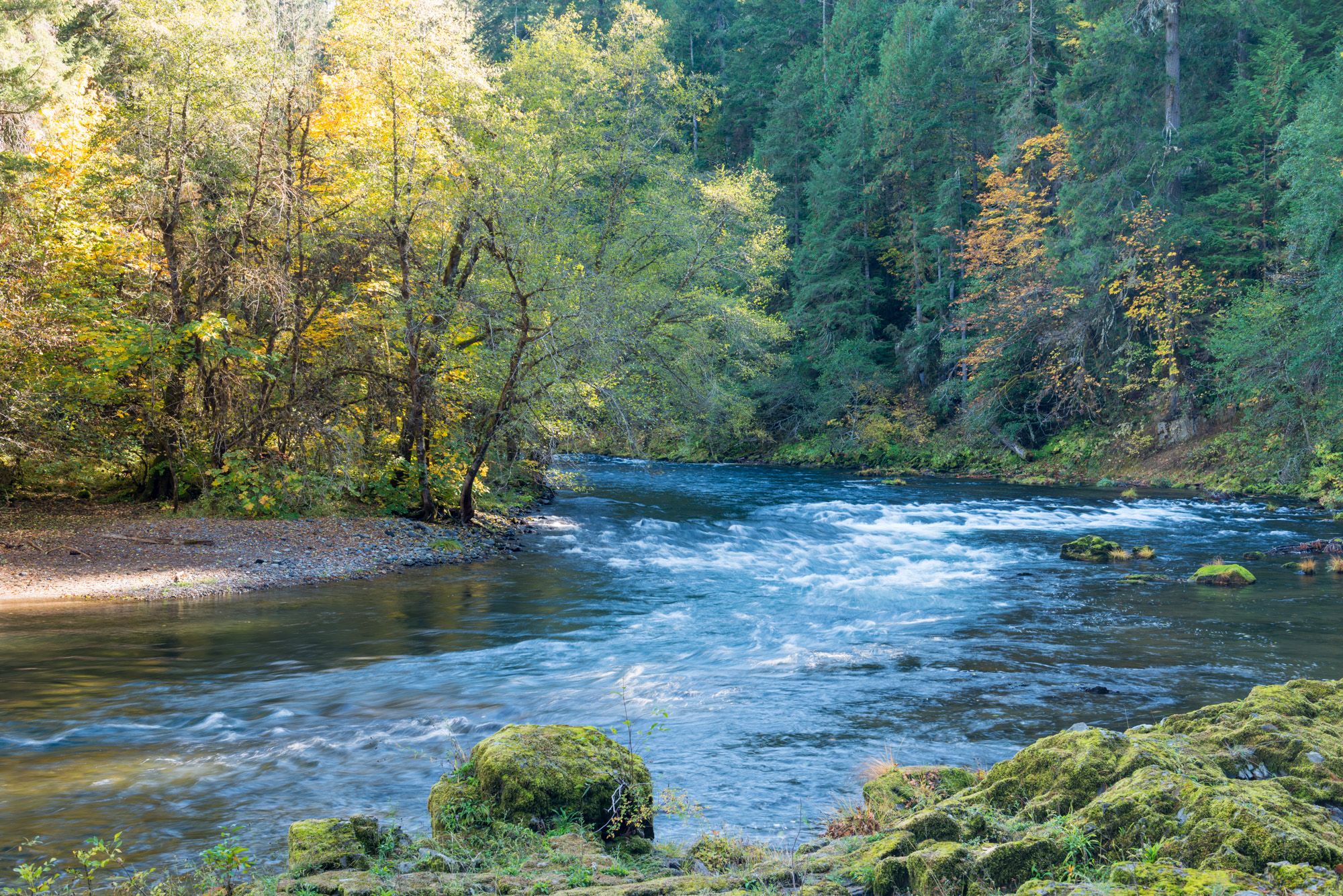
North Umpqua Trail — Waterfalls, Lakes & Lava
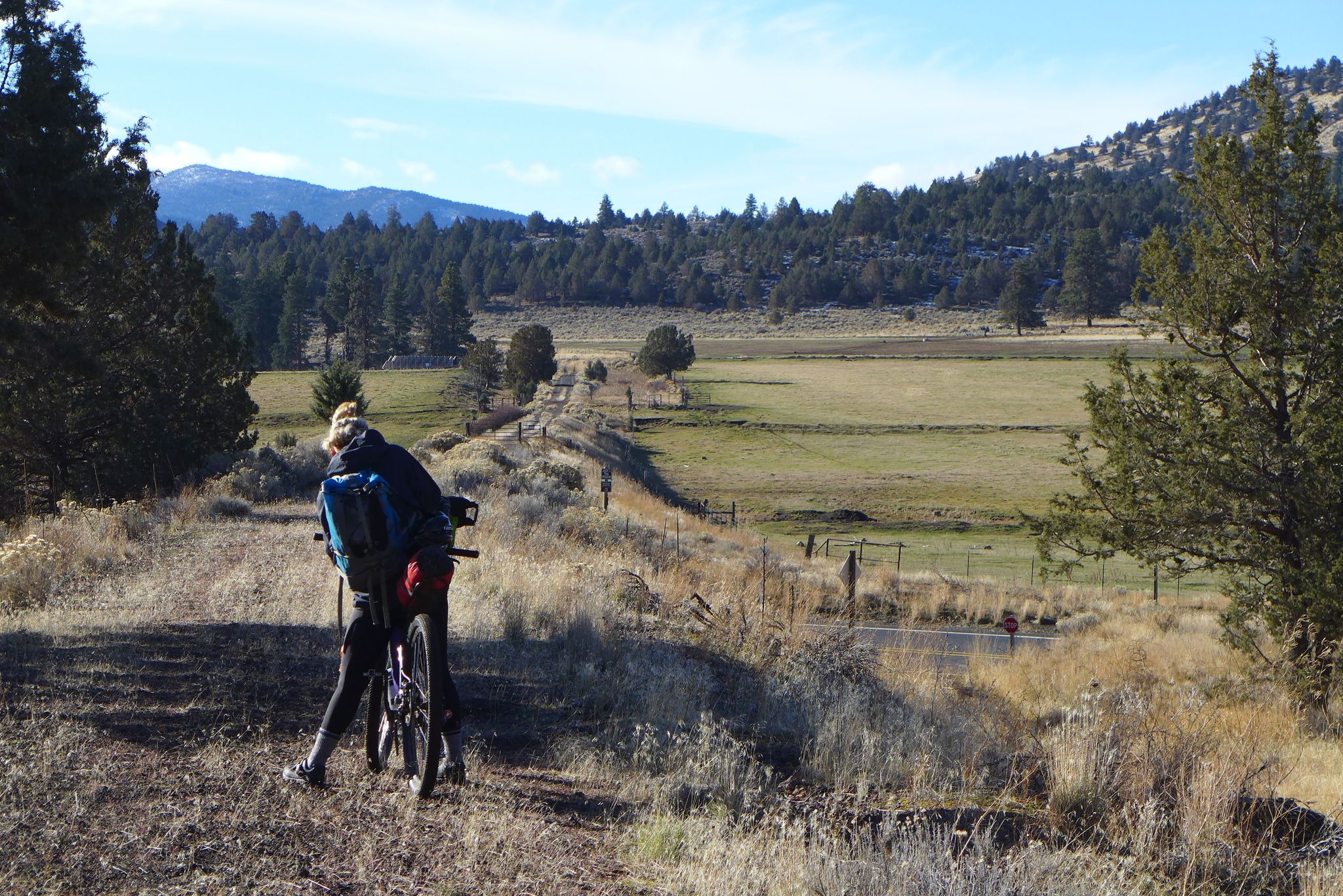
The OC&E Woods Line State Trail — Exploring Oregon's Longest Rail Trail
Other adventures in Oregon


Tips from the Community


Strongly suggest you walk this trail clockwise. This means you descend on steps rather than very slippy gravel & sand.
0
0


I would have a look at the tide tables before planning a visit. There is a tidal pool where you can see fascinating marine life. Please don’t walk on any rocks anywhere here, it’s somebody’s home.
0
0

Each year, Crater Lake closes the park to cars for the Ride the Rim event. Best time to visit. So amazing.
0
0

If you are only going to stop at one viewpoint at Crater Lake, this one is at the top of the list! The view of Wizard Island is one of the best you'll get.
0
0

If you walk parallel to the Rim Drive along the crater, you will have fantastic views of the crater lake that are not as crowded as those at Rim Village.
0
0

The Clackamas River gets its name from the Clackamas people who have lived in the area for hundreds of generations. Though much of the river's course has been developed 47 of its 83 miles are designated as NWSRS (National Wild and Scenic River System)
0
0
Frequently Asked Questions
What unique geological features can I explore among Oregon's natural monuments?
Oregon's natural monuments showcase an incredible range of geological features. You can witness the striking blue waters of Crater Lake National Park, formed by a volcanic caldera, or the vibrant, layered claystone of the Painted Hills within John Day Fossil Beds National Monument. The Columbia River Gorge features dramatic basalt walls and numerous waterfalls, while the Oregon Coast boasts iconic sea stacks like Haystack Rock and unique formations like Thor's Well and Devils Punchbowl. For a truly unique experience, explore the underground marble caves at Oregon Caves National Monument and Preserve.
Which natural monuments in Oregon are known for their dramatic rock formations?
Several natural monuments in Oregon are famous for their dramatic rock formations. Crooked River is known for its spectacular rock formations and sheer cliffs. Smith Rock State Park, home to the distinctive Monkey Face Rock, features towering spires of volcanic ash. The Owyhee Canyonlands offer otherworldly landscapes with wild rock formations and deep canyons, while Fort Rock State Monument presents a striking volcanic caldera rising from the high desert.
Are there any natural monuments in Oregon that offer insights into ancient history or geology?
Yes, Oregon's natural monuments provide fascinating glimpses into ancient history and geology. The Painted Hills, part of John Day Fossil Beds National Monument, display millions of years of geological history through their colorful layers and fossil beds. Crater Lake National Park is a prime example of volcanic activity, formed by a massive eruption approximately 7,700 years ago. Newberry National Volcanic Monument also offers a volcanic playground with obsidian flows and lava formations, including the Trail of the Molten Land.
Where can I experience stunning waterfalls within Oregon's natural monuments?
The Columbia River Gorge is renowned for its numerous waterfalls, including the iconic Multnomah Falls and Benson Bridge, Oregon's tallest at 620 feet. You can feel the mist from the falls and enjoy panoramic views from Crown Point, which overlooks the gorge.
What are some of the most impressive coastal natural monuments in Oregon?
The Oregon Coast offers several impressive natural monuments. Haystack Rock at Cannon Beach is a 235-foot basalt sea stack, famous for its tide pools and nesting seabirds. Other notable coastal features include Thor's Well, a dramatic 'drainpipe of the Pacific,' and Devils Punchbowl, where basalt formations create a churning cauldron effect at high tide. You can also visit the historic Yaquina Head Lighthouse, which is surrounded by a diverse marine environment.
What outdoor activities can I enjoy near Oregon's natural monuments?
Oregon's natural monuments offer a wide range of outdoor activities. You can find excellent opportunities for hiking, mountain biking, and rock climbing, especially around areas like Smith Rock State Park. Fishing, particularly fly fishing for rainbow and cutthroat trout, is popular in rivers such as the Crooked River. Crater Lake National Park offers boat tours, swimming, and fishing. For cycling enthusiasts, there are numerous routes available. You can explore various road cycling routes in Oregon, including the Twin Bridges Scenic Bikeway, or try gravel biking routes like those around Tumalo Reservoir. Find more details on these activities in the Road Cycling Routes in Oregon, Cycling in Oregon, and Gravel biking in Oregon guides.
Are there good hiking opportunities at Oregon's natural monuments?
Yes, many of Oregon's natural monuments offer excellent hiking opportunities for various skill levels. Smith Rock State Park features miles of trails, including the challenging Misery Ridge trail. Crater Lake National Park has numerous trails, including an alternate section of the Pacific Crest National Scenic Trail. The Columbia River Gorge is famous for its extensive hiking network, leading to viewpoints and waterfalls. The Eagle Cap Wilderness within the Wallowa Mountains also provides hundreds of miles of trails through pristine alpine scenery. For a unique experience, you can hike through the Crack in the Ground, a massive volcanic fissure.
Where can I go rock climbing at a natural monument in Oregon?
Smith Rock State Park in Central Oregon is a world-renowned destination for rock climbing. It features hundreds of routes on its towering volcanic spires, including the iconic Monkey Face Rock. Climbers from around the globe visit this park for its diverse climbing challenges and stunning high desert landscape.
Are there family-friendly natural monuments in Oregon?
Many of Oregon's natural monuments are family-friendly. Multnomah Falls and Benson Bridge offers easy access to stunning views. The Trail of the Molten Land at Newberry National Volcanic Monument is suitable for families. Coastal areas like Haystack Rock provide tide pooling opportunities during low tide, which children often enjoy. The Clackamas River also offers family-friendly forest and river experiences.
What is the best time of year to visit Oregon's natural monuments?
The best time to visit Oregon's natural monuments largely depends on the specific location and desired activities. Summer (June to September) generally offers the most accessible conditions for hiking and exploring high-elevation areas like Crater Lake National Park and the Wallowa Mountains. Spring and fall provide milder temperatures and fewer crowds, ideal for places like the Columbia River Gorge and the Painted Hills. The Oregon Coast is beautiful year-round, though stormy weather is common in winter, offering dramatic views. Always check specific monument conditions before your visit, especially for seasonal road closures or weather impacts.
Can I bring my dog to Oregon's natural monuments?
Dog policies vary by natural monument and specific trails. While many outdoor areas in Oregon are dog-friendly, some national parks and protected wilderness areas have restrictions to protect wildlife and natural habitats. For example, Crater Lake National Park has specific rules regarding where dogs are permitted. It's always best to check the official website for each natural monument you plan to visit to understand their current pet policies and ensure a safe and enjoyable trip for everyone.
Are there accessible natural monuments in Oregon for visitors with mobility challenges?
Many natural monuments in Oregon strive to offer accessible options. For instance, viewpoints along the Columbia River Gorge, such as Crown Point, often have paved paths and accessible facilities. Some visitor centers and main viewing areas at places like Crater Lake National Park also provide accessible routes. It is recommended to check the specific monument's official website or contact them directly for detailed information on accessible trails, facilities, and services before your visit.
Most popular routes in Oregon
Most popular attractions in Oregon

Get inspired with the komoot mobile app


Didn’t find what you were looking for?
Find even more amazing natural monuments in Oregon by checking out the top Highlights region by region:
Explore more
Extend your search for the best caves by checking out these guides of the top ones in Oregon:
