Top 15 Caves in New Mexico
Caves in New Mexico offer diverse geological formations and historical significance. The state is known for its extensive cave systems, ranging from limestone caverns to volcanic lava tubes. These natural features provide opportunities for exploration and understanding of the region's geological past. Many caves preserve evidence of ancient human habitation and unique ecosystems.
Best caves in New Mexico
- The most popular caves is Carlsbad Caverns, a cave that features more than 119 caves with formations. It is known for its Big Room Trail and Natural Entrance Trail.
- Another must-see spot is Bandelier National Monument, a natural monument with cave features. This monument preserves the homes and territory of the Ancestral Puebloans and offers over 70 miles of hiking trails.
- Visitors also love Alcove House, a cave located 140 feet above the floor of Frijoles Canyon. This site once housed 25 Ancestral Pueblo people and is accessed by a series of wooden ladders.
- New Mexico is known for its limestone caverns and lava tube caves. These include large solution cavities and formations like stalactites and stalagmites, as well as unique ice formations in volcanic caves.
- The caves in New Mexico are appreciated by the komoot community, with 11 upvotes and 132 photos shared by visitors.
Last updated: October 16, 2026
Bandelier National Monument
Highlight • Natural Monument
The Monument is 50 sq miles (130 km2) of the Pajarito Plateau, on the slopes of the Jemez Volcanic field. Over 70% of the Monument is wilderness, with over one mile elevation change, from about 5,000 feet (1,500 m) along the Rio Grande to over 10,000 feet (3,000 m) at the peak of Cerro Grande on the rim of the Valles Caldera, providing for a wide range of life zones and wildlife habitats. There are three miles of road, and more than 70 miles of hiking trails. It protects Ancestral Pueblo archeological sites, a diverse and scenic landscape, and the country's largest National Park Service Civilian Conservation Corps National Landmark District since 1916. en.m.wikipedia.org/wiki/Bandelier_National_Monument
Tip by

Alcove House
Highlight • Cave
Tip by

Sign up now to discover places like this
Get recommendations on the best single tracks, peaks, & plenty of other exciting outdoor places.
Carlsbad Caverns
Highlight • Cave
There is also a bat flight program from May through October, which takes place at the Bat Flight Amphitheater, located at the Natural Entrance to Carlsbad Cavern. The start time for the program changes as the summer progresses and sunset times change.
Camping at Carlsbad Caverns National Park is allowed only in the backcountry. You need to obtain a free backcountry use permit at the visitor center on the day you arrive. Backcountry camping is only allowed west of Rattlesnake Canyon trailhead off the Desert Scenic Loop Road and south of the Guadalupe Ridge Trail to the park boundary for approximately two miles, after which camping is allowed both north and south of the trail.
Tip by

Travertine Falls
Highlight • Waterfall
Tip by

Spence Hot Springs ♨ Jemez, New Mexico
Highlight • Natural Monument
The popular spring includes a small pool that accomodates about 10 people. The spring maintains a constant 95 F temperature in the tiny cave, about 88F and 84F in the upper and lower pools outside.
No glass containers, camping or campfires are permitted along the trail and at the spring. Nudity will occasionally be cited by rangers. Please be considerate of the hot spring and surrounding area. The water quality is not monitored so there are possible health hazards. Avoid getting water in the nose to minimize a risk of potentially fatal parasitic amoeba called Naegleria Fowleri, common in warm springs.
fs.usda.gov/recarea/santafe/recreation/recarea?recid=75826&actid=50
backpacker.com/trips/new-mexico/santa-fe/albuquerque-nm-spence-hot-springs/#bp=0/img1 jemezsprings.org/hotsprings.html
Tip by
Cavates
Highlight • Cave
Tip by

Painted Cave
Highlight • Cave
Tip by
Lava Caves
Highlight • Cave
Tip by

Slaughter Canyon Cave
Highlight • Cave
The hike itself is not very long but on a rugged steep path.
Tip by

Seismosaurus Petroglyphs Cave
Highlight • Cave
Tip by

Sign up for free to discover even more caves in New Mexico.
Already have an account?
Start today with a free account
Your next adventure awaits.
Popular around New Mexico
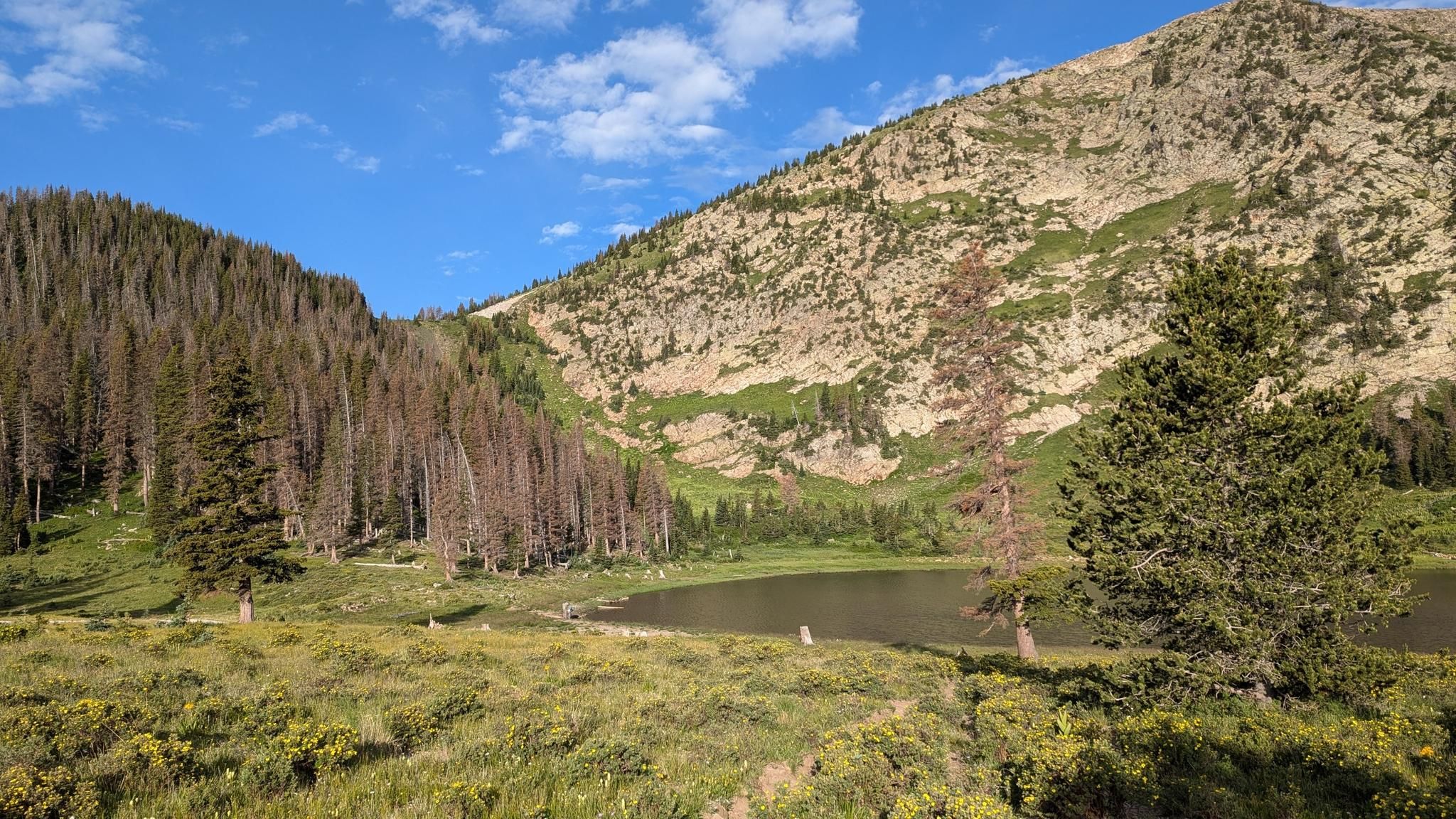
Santa Fe to Taos Thru-Hike — A journey across the Sangre de Cristo Mountains
Great Divide Mountain Bike Route — Cycling the spine of a continent
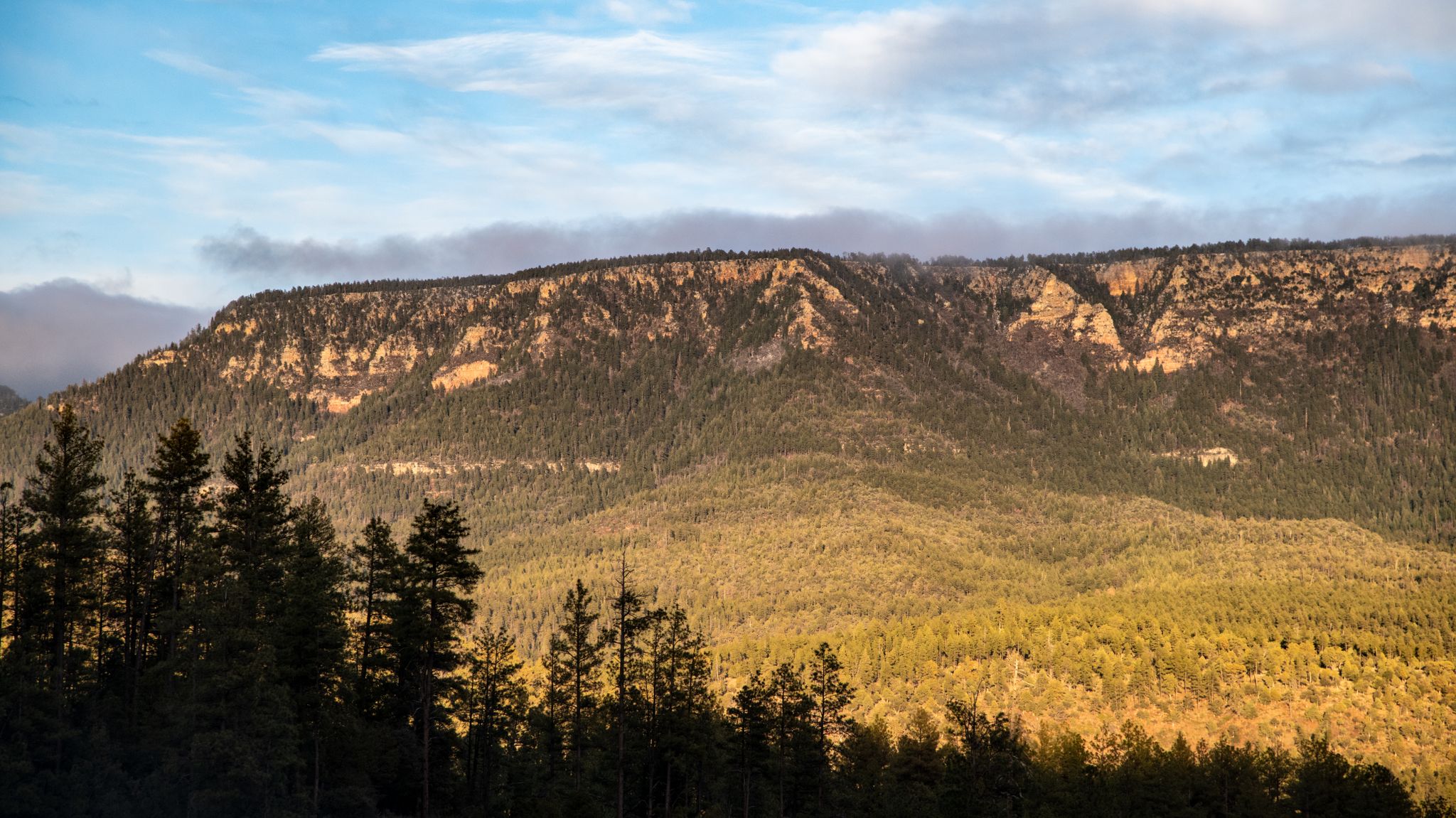
Grand Enchantment Trail — Slot canyons, spruce peaks & desert solitude
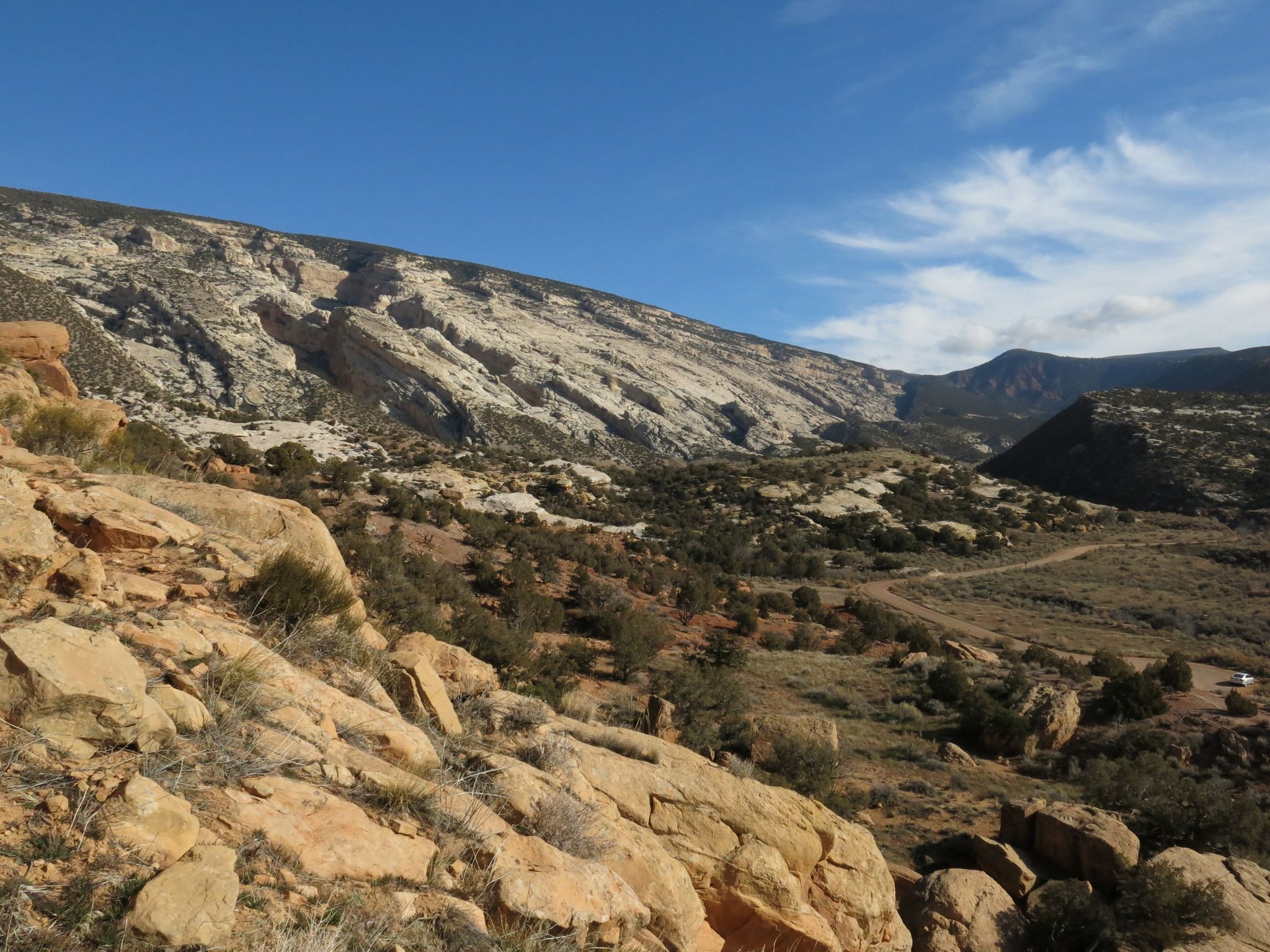
Bikepack in America's southwest – deserts, cacti and Anasazi culture
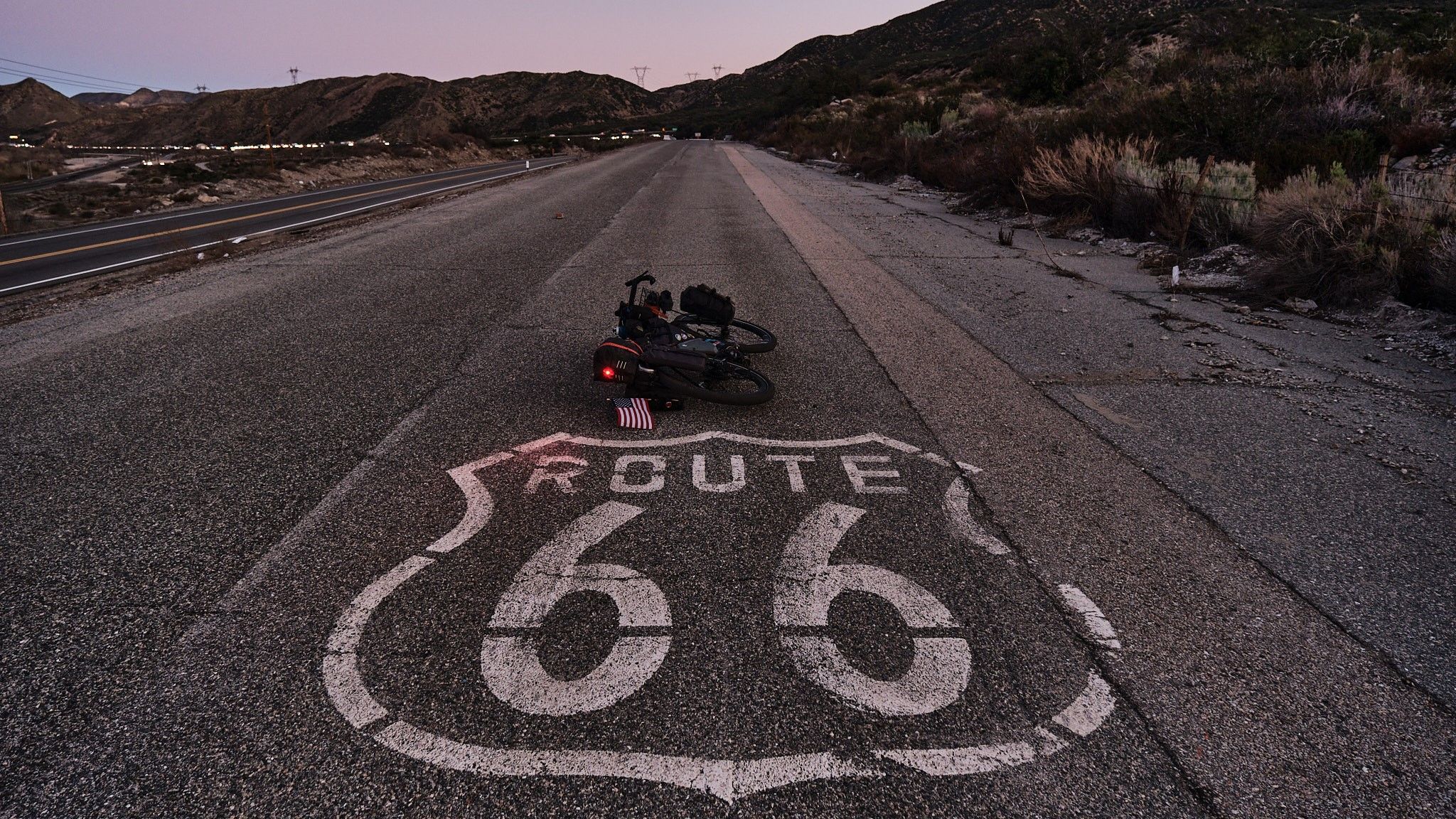
Adventure Cycling Association's Bicycle Route 66 — LA to Chicago
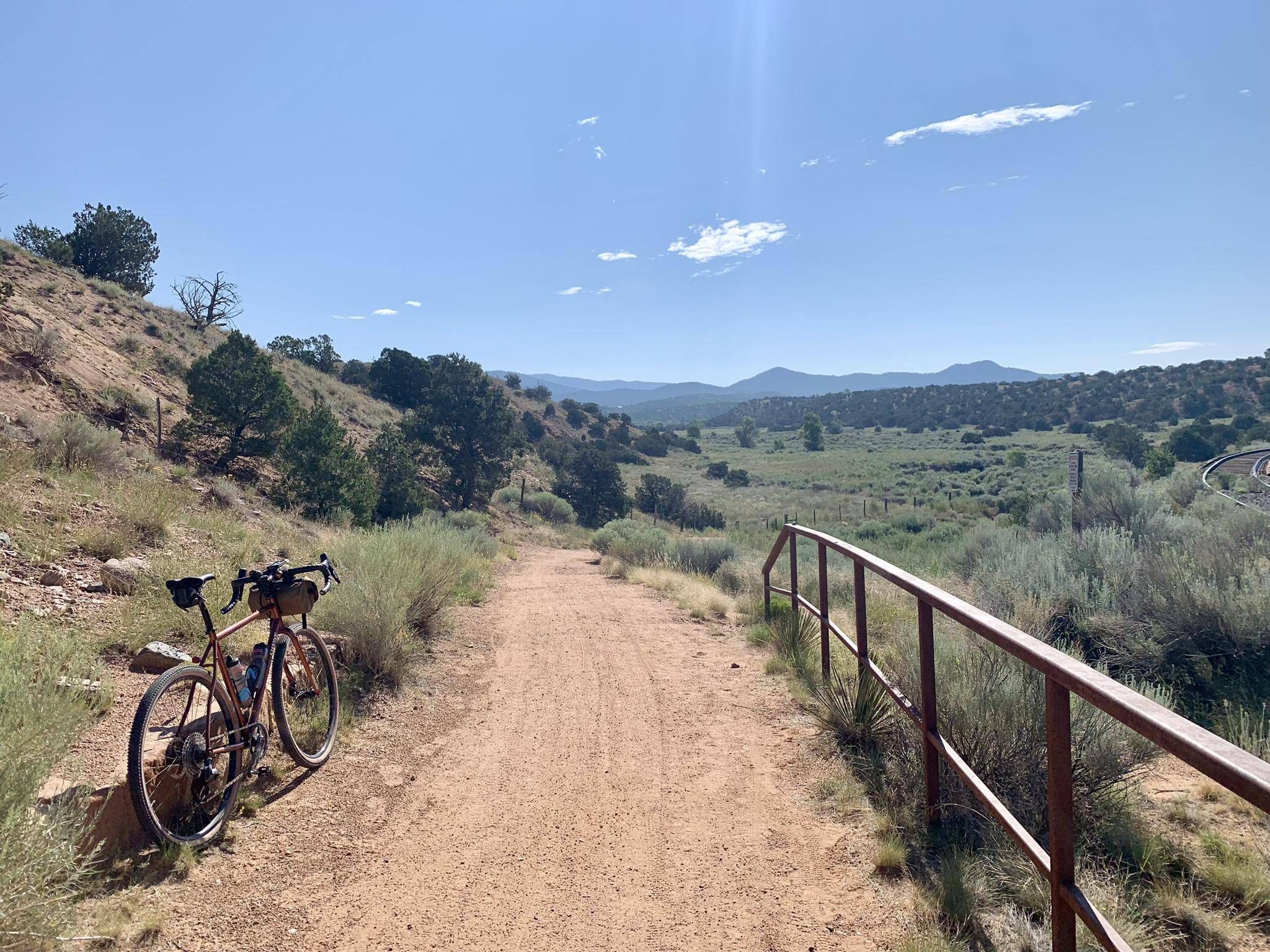
New Mexico Off-Road Runner
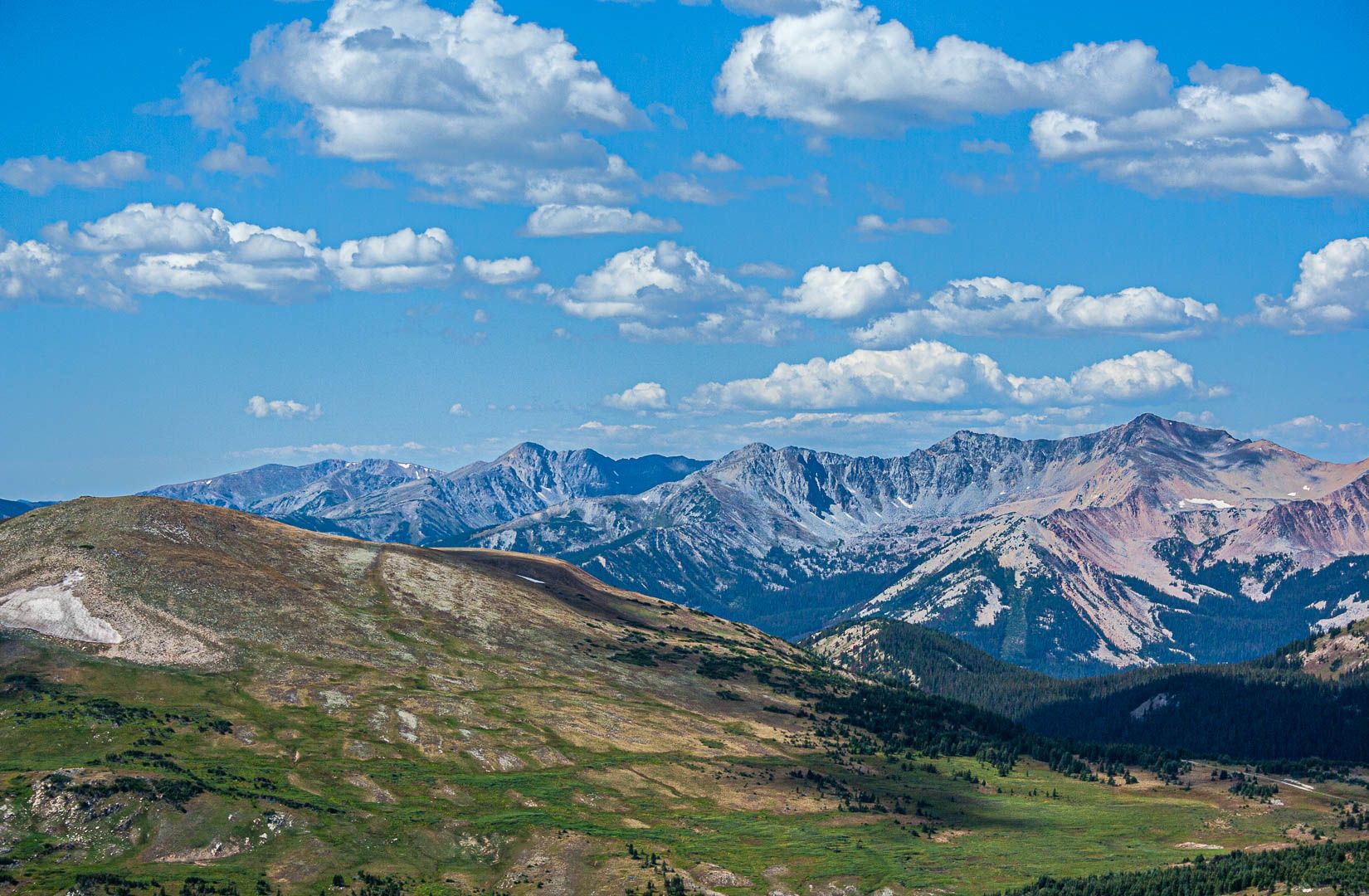
The Continental Divide Trail — Across the sky of America

Cowboy country & Route 66 – Wild West meets legend
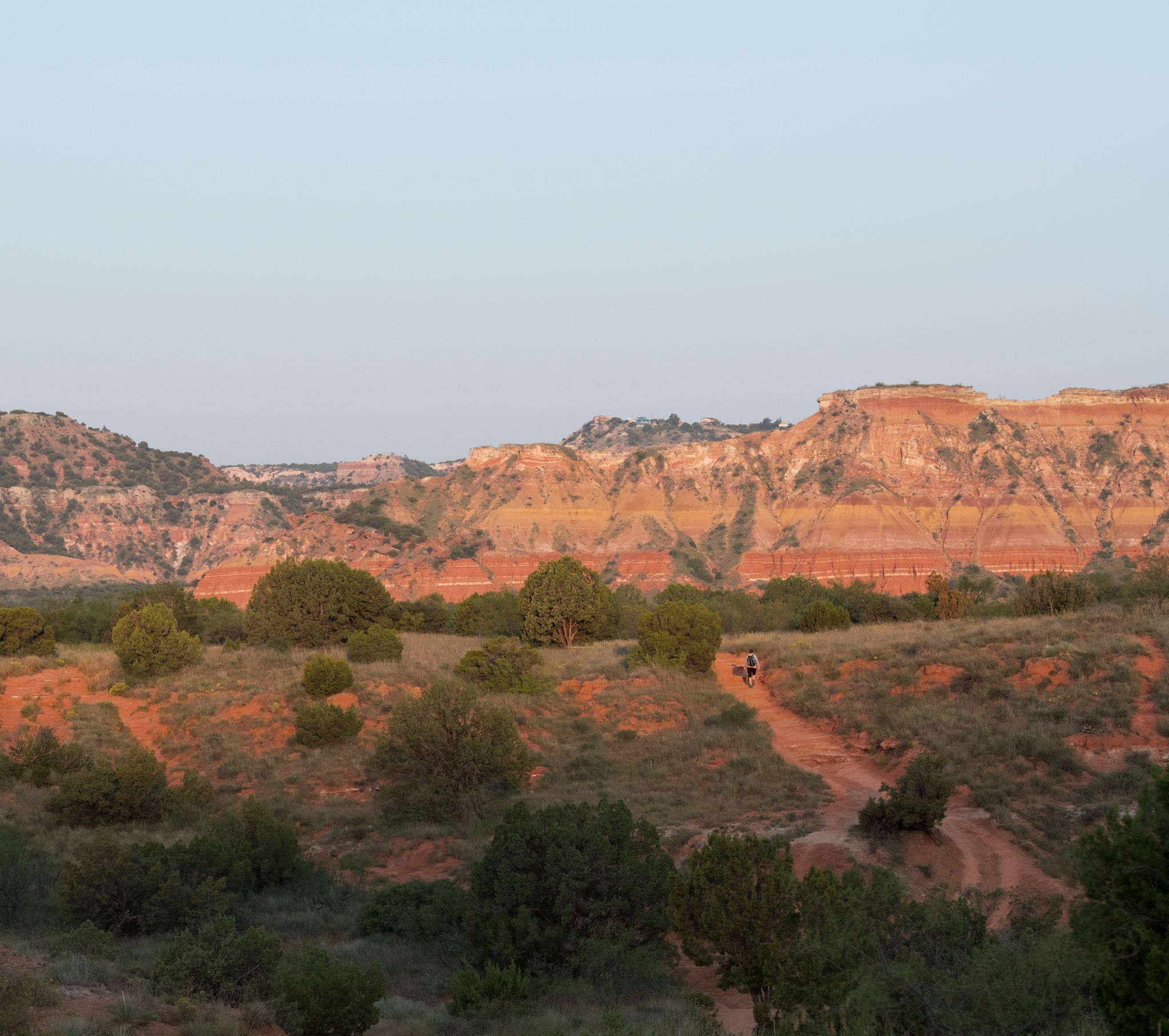
Historic Route 66 – curiosities, selfie spots and diners
Arizona to Colorado – national parks and Native American culture
Other adventures in New Mexico


Tips from the Community

Two small caves with a waterfall that is more or less visible depending on the season and that you can also climb.
0
0

Painted Cave is an archaeological site with Ancestral Puebloan Pictographs. The paintings are made from well-preserved red paint and depict people, animals, buildings, and celestial images. Runners can either begin at the Dome Trailhead just outside Bandelier National Monument or begin at the monument's Visitor Center. The Dome Trailhead is closed from January through mid-April.
0
0
Seismosaurus Petroglyphs Cave has petroglyphs thought to be over a thousand years old, depicting people, animals, and more. Use your imagination to see into the past and enjoy the magnificent overlook of the Ojito Wilderness.
0
0

The cavetes are located just below the ancient central village plaza in the cliff bands that make up the mesa. These cavates (human excavated cavities) were places where people could take shelter from the elements; the thick stone walls provided insulation from both the cold of winter and heat of summer. Talus pueblos were also most-likely constructed in front of the entrance to the cavates to further protect people from wind, rain, snow, and perhaps most importantly in the desert, heat. Please only enter cavetes that are immediately adjacent to the trail - the other cavets are dangerous to access.
0
0

The lava caves were formed by ancient lava flows and are now a world of their own. These caves are often diverse ecosystems that remain secluded from the rest of the world. You can check out a bunch of different caves off the side of the trail around here, but don't get too close or try to go in.
0
0

This alcove is located 140 feet above the floor of Frijoles Canyon and once housed 25 Ancestral Pueblo people. The Alcove House is now accessed by a series of wooden ladders.
0
0
Bandelier National Monument was designated as a natural monument in 1916 by President Woodrow Wilson to preserve the homes and territory of the Ancestral Puebloans. Most of the pueblo structures in the monument date back to between 1150 and 1600 AD.
0
0

This seasonal waterfall is at its best during spring, when the water flows most abundantly; otherwise, you might catch just a trickle. Nevertheless, it's a splendid sight, and the fact that it's less frequented makes it a tranquil spot to enjoy.
0
0
Frequently Asked Questions
What types of caves can I explore in New Mexico?
New Mexico offers a diverse range of caves, including extensive limestone caverns and unique volcanic lava tubes. The limestone caves, like those found in Carlsbad Caverns National Park, are known for their spectacular formations such as stalactites and stalagmites. Lava tubes, such as those at El Malpais National Monument, provide a different experience with features like hidden ice formations due to consistently cold temperatures.
Are there any family-friendly caves in New Mexico?
Yes, several caves and cave-related attractions are suitable for families. Carlsbad Caverns offers self-guided tours through massive chambers, which are accessible and engaging for all ages. Additionally, the Ice Cave and Bandera Volcano site provides an accessible walk to a permanent ice cave and a nearby volcano crater, making it a distinct and memorable family outing.
Do I need permits to explore caves in New Mexico?
Permit requirements vary by location. For instance, backcountry camping at Carlsbad Caverns National Park requires a free backcountry use permit obtained at the visitor center. For lava tube exploration at El Malpais National Monument, permits are also available. Always check with the specific park or monument you plan to visit for their current permit regulations.
What are some historical or cultural sites related to caves in New Mexico?
New Mexico's caves often have rich historical significance. Bandelier National Monument preserves the homes and territory of the Ancestral Puebloans, with over 70 miles of hiking trails leading to ancient pueblo structures and cave dwellings. Alcove House, located within Bandelier, is a notable example, once housing 25 Ancestral Pueblo people and accessed by wooden ladders. Fort Stanton Cave also holds historical inscriptions left by soldiers.
What unique natural features can be found in New Mexico's caves?
New Mexico's caves boast a variety of unique natural features. Carlsbad Caverns is famous for its immense 'Big Room' and intricate formations like stalactites and stalagmites. Lechuguilla Cave, though restricted, is known for its pristine gypsum 'chandeliers' and 'starburst' gypsum. Volcanic caves like the Ice Cave feature permanent ice formations, while Fort Stanton Cave has 'velvet'-covered calcite and a 'Snowy River' passage of stark white calcite.
What is the best time to visit caves in New Mexico?
Many caves, especially those in national parks like Carlsbad Caverns, are open year-round. However, if you wish to witness the spectacular bat flight exodus at Carlsbad Caverns, the program runs from May through October. Seasonal waterfalls near some caves, like Travertine Falls, are best visited in spring when water flow is most abundant. Always check specific operating hours and seasonal considerations for each cave attraction.
Are there guided tours available for New Mexico caves?
Yes, guided tours are available at several locations. Carlsbad Caverns offers both self-guided tours and ranger-led programs. El Malpais National Monument also provides guided tours for its lava tube caves, offering educational insights into their unique geological features.
What should I wear when exploring caves in New Mexico?
Cave temperatures can be consistently cool, even in summer. For example, the Ice Cave maintains temperatures below freezing. It's advisable to wear layers of clothing, sturdy closed-toe shoes with good grip, and bring a light jacket or sweater. Some caves may require helmets or headlamps, which are often provided or available for rent.
What outdoor activities can I do near New Mexico's caves?
The areas surrounding New Mexico's caves offer various outdoor activities. Near many cave sites, you can find extensive hiking trails, such as the over 70 miles of trails at Bandelier National Monument. For cycling enthusiasts, there are numerous road cycling routes and gravel biking opportunities across New Mexico. You can explore options like those found in the Road Cycling Routes in New Mexico or Gravel biking in New Mexico guides.
Are there any caves in New Mexico with unique wildlife?
Yes, some caves are home to unique ecosystems and wildlife. Carlsbad Caverns National Park is famous for its large colony of 17 species of bats, particularly Brazilian free-tailed bats, which perform a spectacular evening flight. Fort Stanton Cave is also notable for being home to the rare 'Fort Stanton Cave Meshweaver' beetle, an endemic species found only within its depths.
What is the geological origin of New Mexico's caves?
New Mexico's caves have two primary geological origins. Many, like Carlsbad Caverns and Lechuguilla Cave, are sulfuric acid caves, formed over millions of years as sulfuric acid dissolved limestone, creating vast chambers and intricate formations. Others, such as those at El Malpais National Monument and the Ice Cave, are lava tube caves, formed by volcanic activity when molten lava flowed and cooled, leaving behind hollow passages.
Can I find accommodations or dining options near the major cave attractions?
While specific dining and accommodation options are not detailed for every cave, major attractions like Carlsbad Caverns National Park typically have visitor centers with amenities such as gift shops and restaurants. For more remote locations, it's advisable to plan your visit and check for nearby towns or facilities that offer lodging and dining well in advance.
Most popular routes in New Mexico
Most popular attractions in New Mexico

Get inspired with the komoot mobile app


Didn’t find what you were looking for?
Discover more caves in New Mexico region by region:
Explore more
Extend your search for the best caves by checking out these guides of the top ones in New Mexico:
