Top 20 Natural Monuments in Alabama
Natural monuments in Alabama showcase the state's diverse geological history, featuring ancient caves, dramatic canyons, and unique hydrological formations. The landscape includes significant elevations, vast river deltas, and preserved impact craters. These sites offer a range of natural features for exploration and discovery.
Best natural monuments in Alabama
- The most popular natural monuments is Peavine Falls, a waterfall that is nearly 65 feet tall. It is the main attraction in Oak Mountain State Park and can be reached via…
Last updated: October 13, 2026
Peavine Falls
Highlight • Waterfall
Tip by

Noccalula Falls
Highlight • Waterfall
Translated by Google •
Tip by

Sign up now to discover places like this
Get recommendations on the best single tracks, peaks, & plenty of other exciting outdoor places.
Fagan Creek Falls
Highlight • Waterfall
Tip by

Bald Rock Summit
Highlight • Summit
Tip by

King's Chair Overlook
Highlight • Viewpoint
Translated by Google •
Tip by

Turkey Creek Waterfall
Highlight • Waterfall
Tip by
Cave
Highlight • Natural Monument
Tip by

Stone Cuts Trail
Highlight (Segment) • Natural Monument
Tip by
Hole Rock
Highlight • Natural Monument
Translated by Google •
Tip by
Little River Falls
Highlight • Waterfall
Translated by Google •
Tip by

Sign up for free to discover even more natural monuments in Alabama.
Already have an account?
Start today with a free account
Your next adventure awaits.
Popular around Alabama

Like in the movies – road trip through the USA's south
Pinhoti Trail — Alabama & Georgia's southernmost Appalachias
Natchez Trace Parkway — Biking through 10,000 years of history
Chief Ladiga Trail & Silver Comet Trail — Pedaling the south
Hiking in Alabama
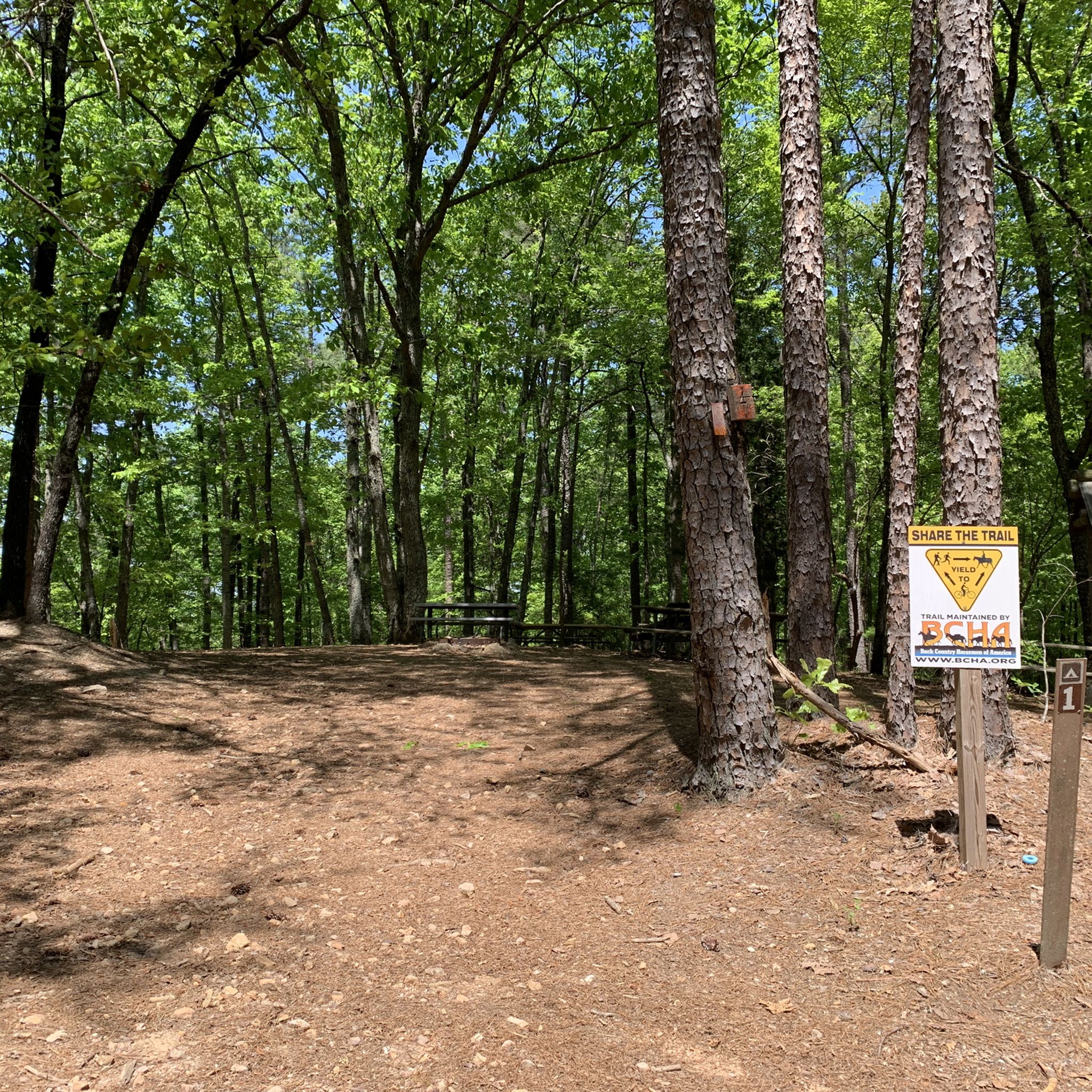
Cycling in Alabama
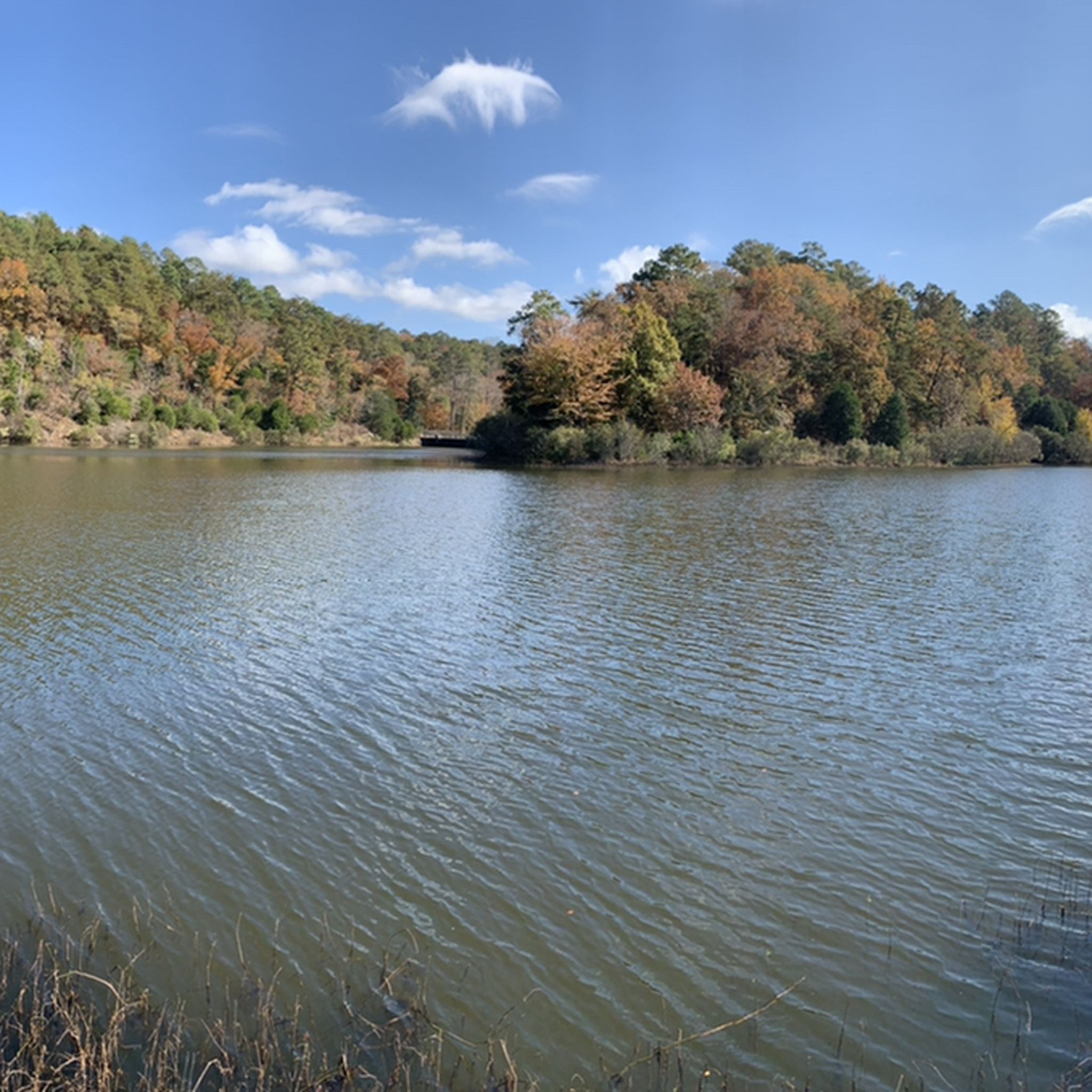
MTB Trails in Alabama
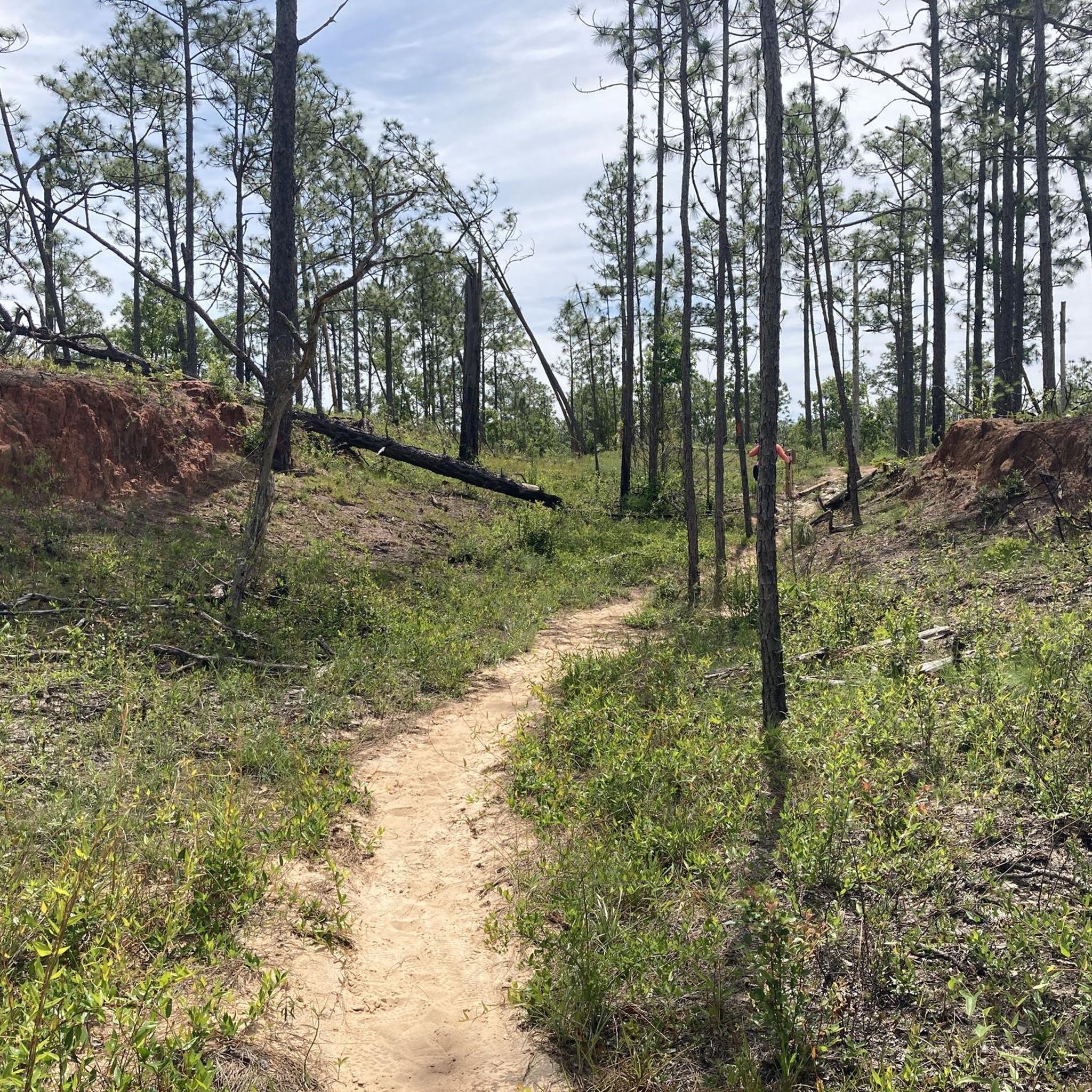
Road Cycling Routes in Alabama
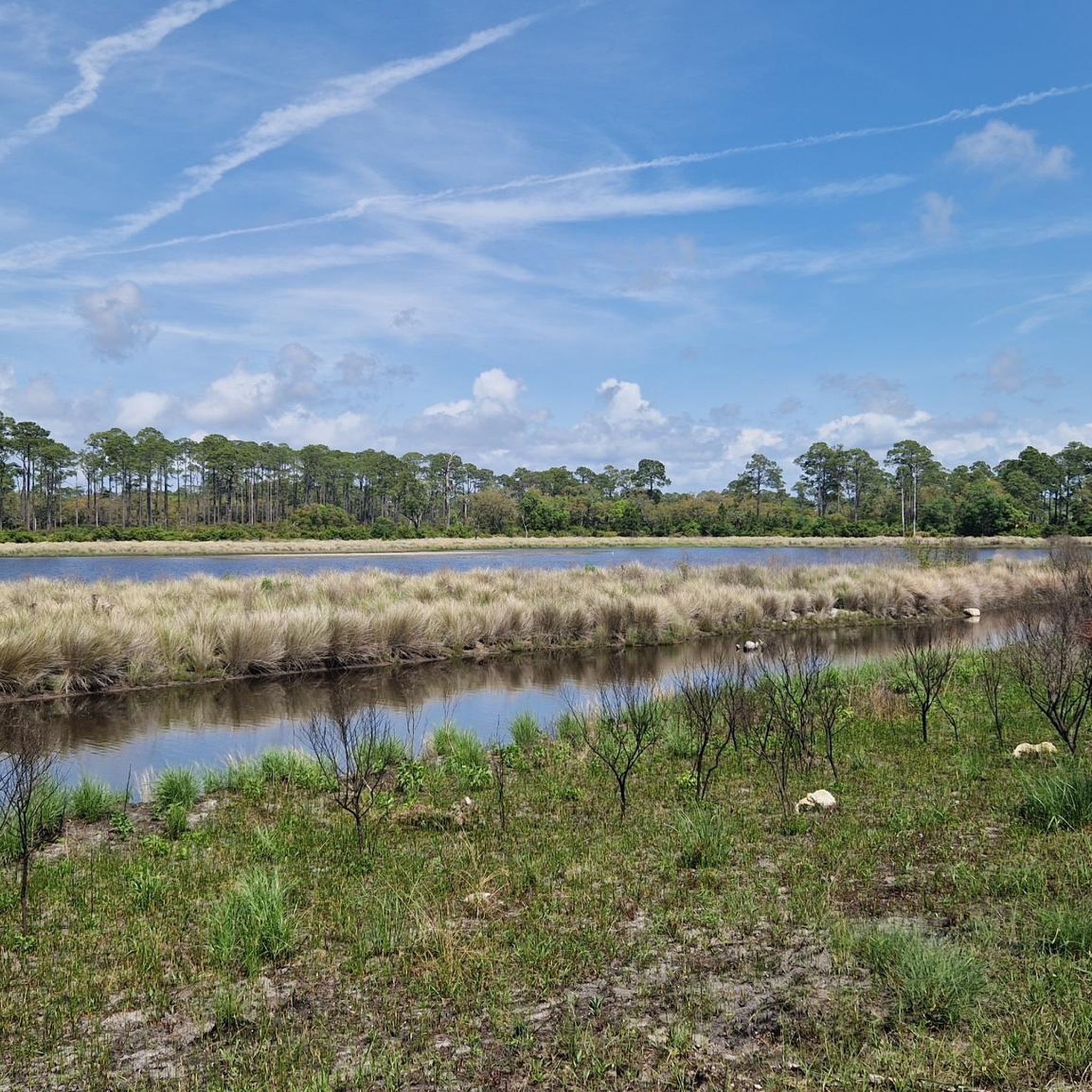
Running Trails in Alabama
Gravel biking in Alabama
Other adventures in Alabama


Tips from the Community

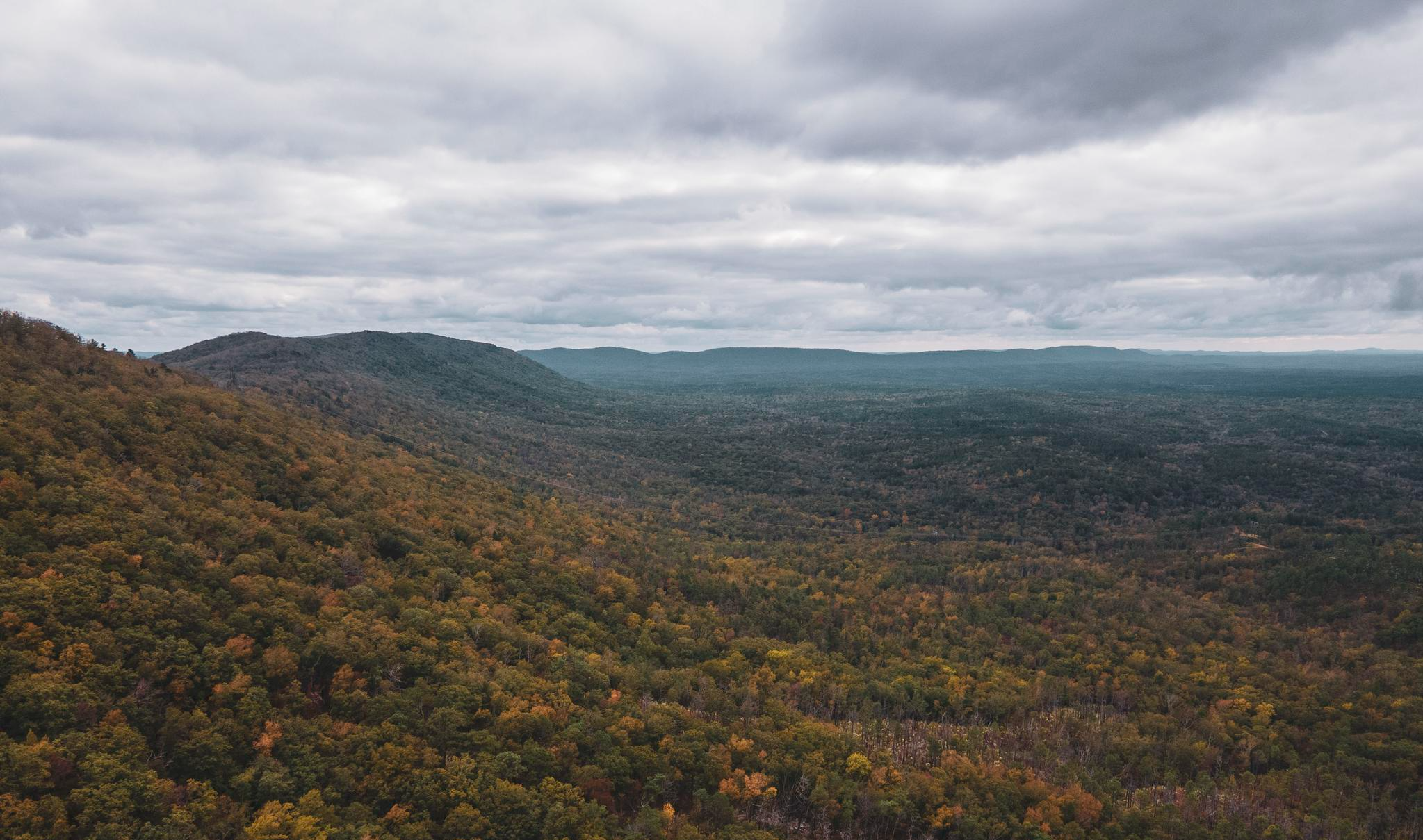
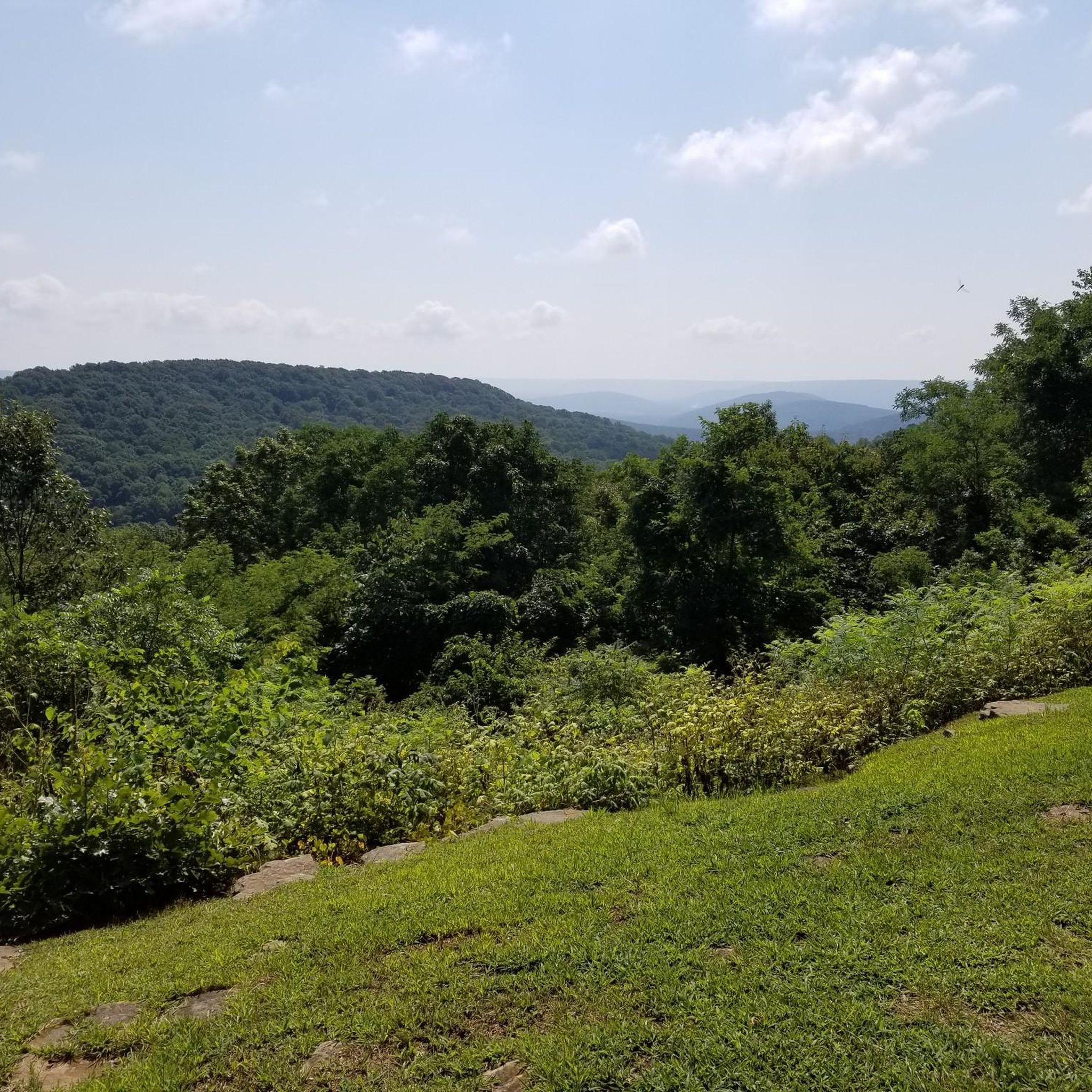
Worth it. Beautiful view over a part of the forest.
2
0


Peavine Falls, the path to it is quite steep. When there is no rain, only a little water trickles down
1
0

This waterfall is small, but pretty — a great destination for families. Heads up: The rock under and around the waterfall is limestone, which is extraordinarily slippery when wet.
0
0

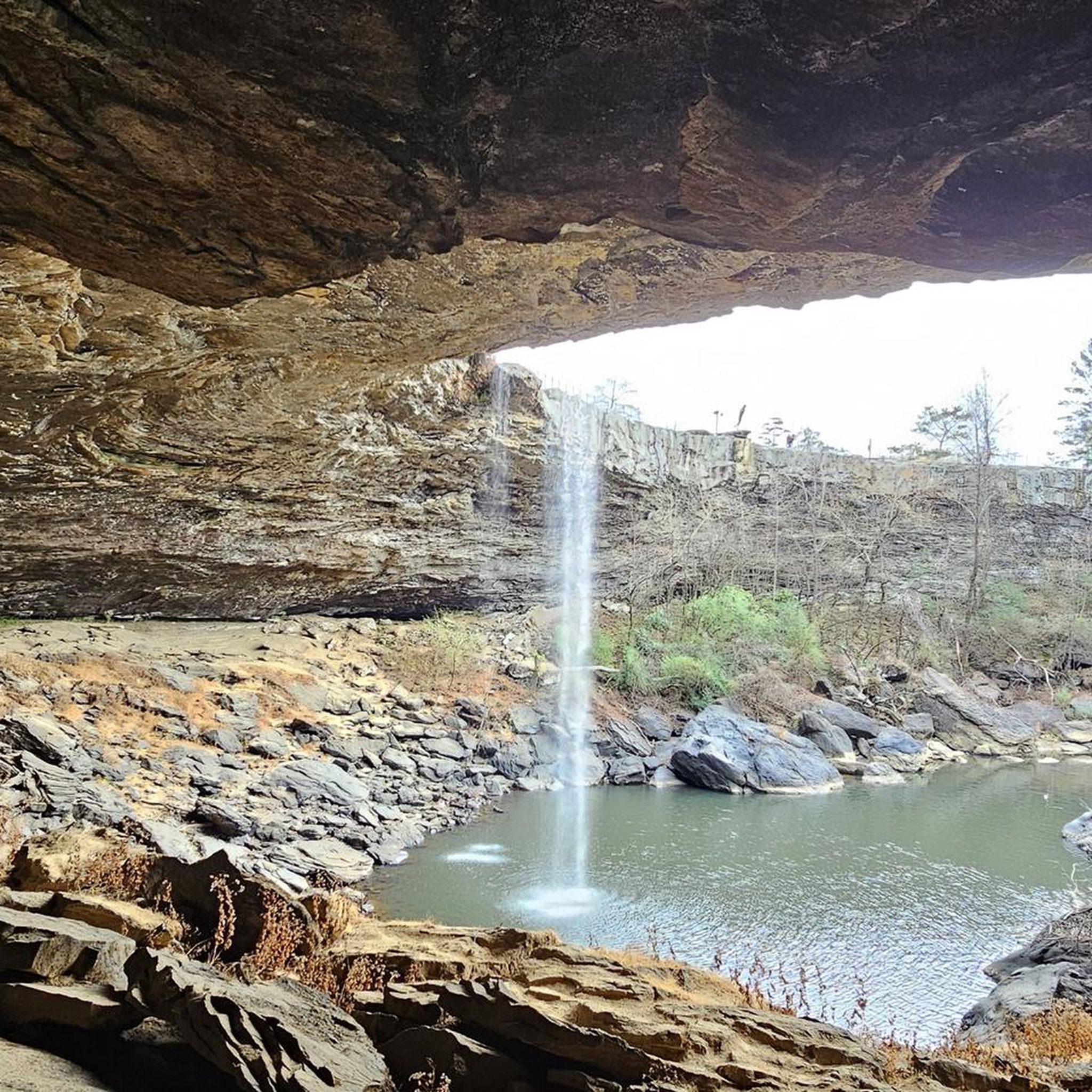
The rock shelf from which Noccalula Falls plummets is hollow underneath and a large crescent-shaped cave extends back behind the falls. The cave is well lit during the day and offers a unique view of the falls and Black Creek pool from behind.
0
0

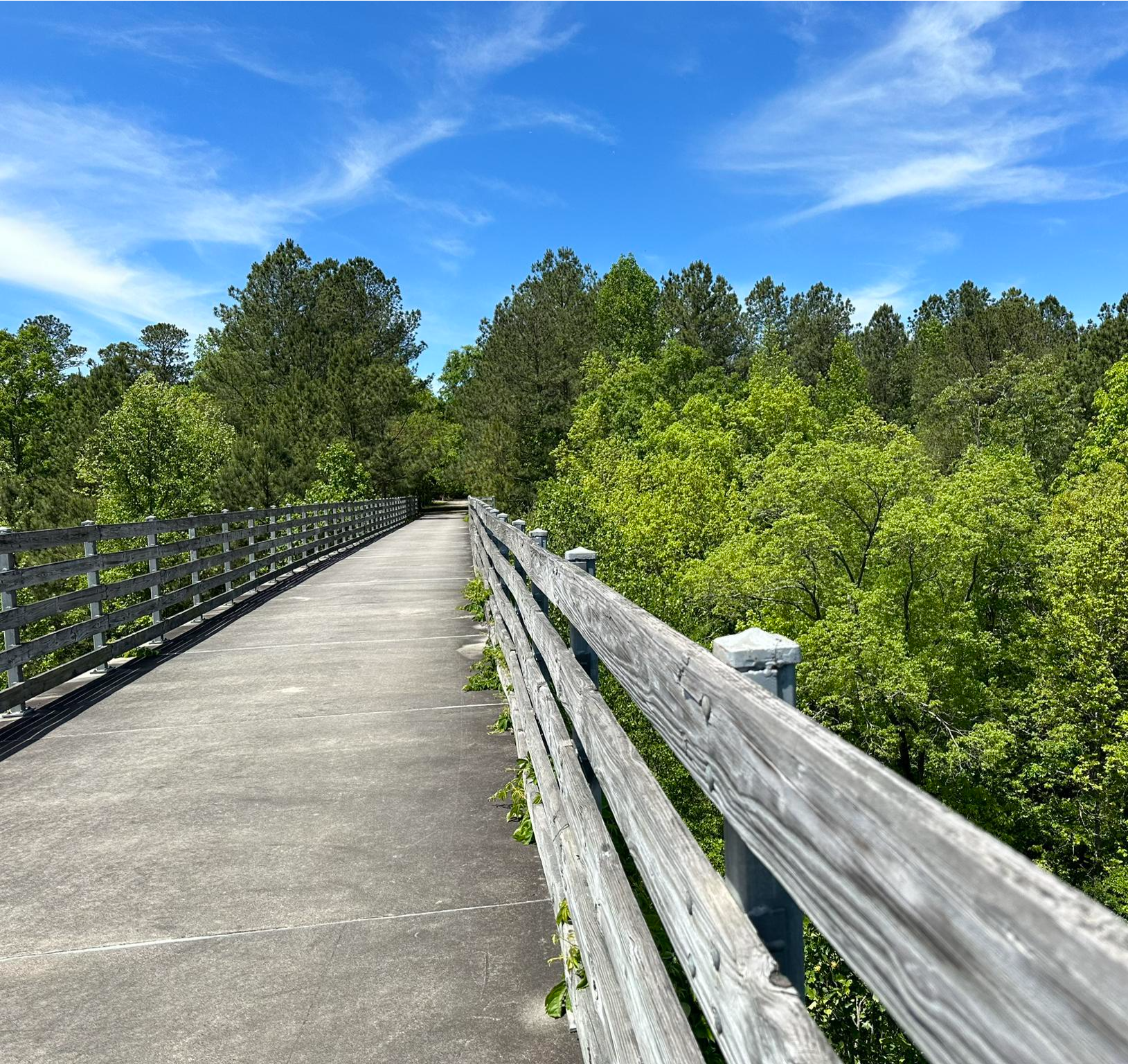
Bald Rock is the highest point in Alabama at 2,326 feet. It is primarily reached via the Doug Ghee Accessible Trail, an 1,520-foot elevated boardwalk that is handicap accessible. It ends at the summit where there is an observation platform that offers sweeping 180-degree views, making it a prime spot for hawk-watching, especially during the fall migration from mid-September to mid-November. In addition to raptors and hawks, along the trail you might be able to spot a variety of other bird species, including Scarlet and Summer Tanagers, Pine Warblers, and Winter Wrens.
1
0
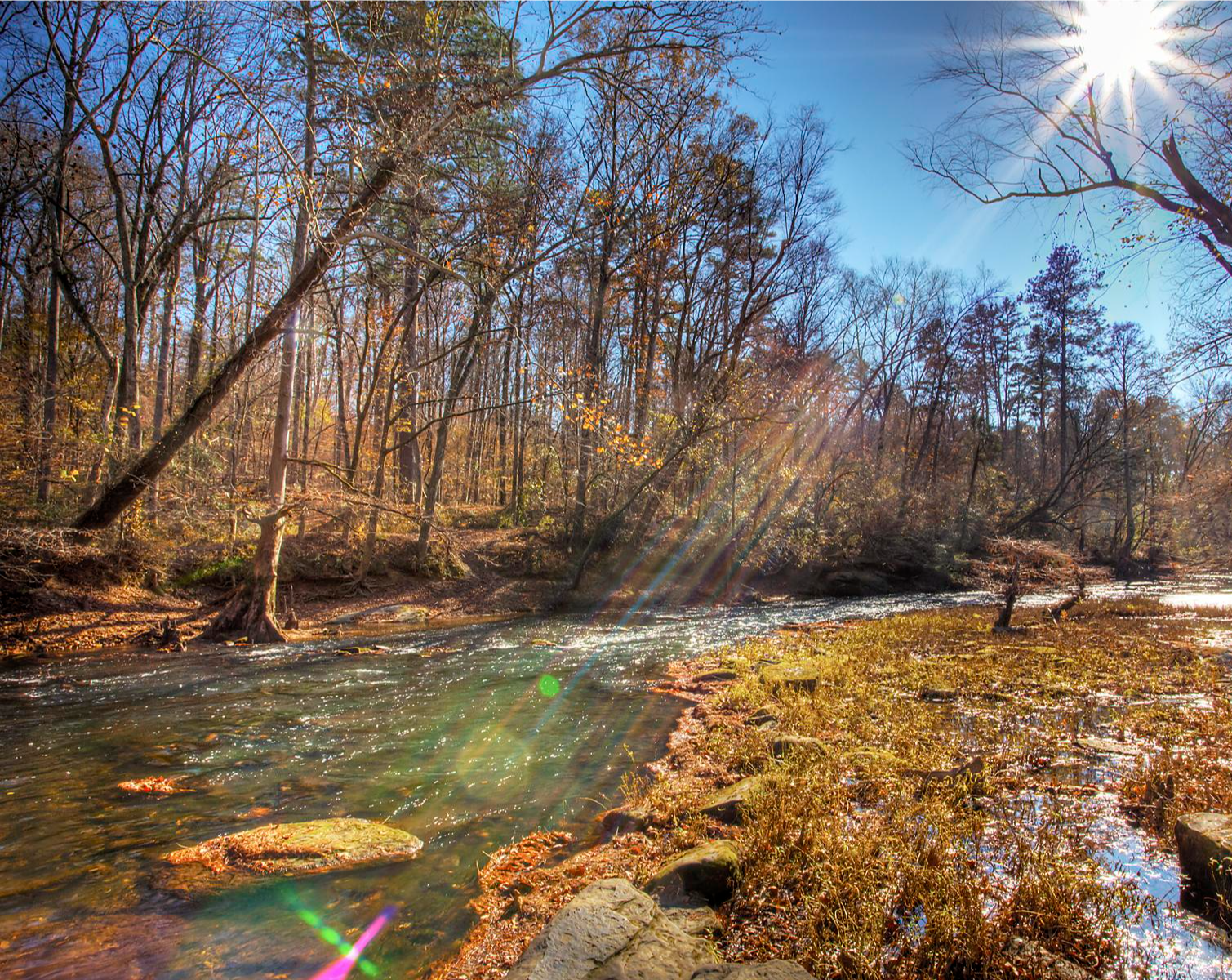
The hiking and mountain bike trails lead past the river where there are good opportunities to cool off.
0
0
Frequently Asked Questions
What unique geological features can I explore among Alabama's natural monuments?
Alabama's natural monuments offer a diverse range of geological features. You can explore massive cave systems like Cathedral Caverns and Rickwood Caverns, dramatic canyons such as Little River Canyon National Preserve, and unique hydrological formations like the bioluminescent dismalites at Dismals Canyon. The state also features impressive natural bridges, impact craters, and vast river deltas.
Are there family-friendly natural monuments in Alabama?
Yes, several natural monuments in Alabama are suitable for families. For instance, Fagan Creek Falls is a small, pretty waterfall that makes a great family destination. Bald Rock Summit offers an accessible boardwalk to an observation platform, perfect for all ages. Noccalula Falls also has a park surrounding it with family amenities. When visiting waterfalls, remember that limestone can be slippery when wet.
Where can I experience dramatic canyons or gorges in Alabama?
Alabama is home to several impressive canyons and gorges. Little River Canyon National Preserve, often called the 'Grand Canyon of the East,' offers breathtaking views and deep gorges carved by the Little River. Dismals Canyon is a unique sandstone gorge with natural bridges and rock formations. The area around Noccalula Falls also features a lush gorge, and the Stone Cuts Trail provides a rugged gorge experience.
What are some of Alabama's highest points or scenic overlooks?
For panoramic views, consider visiting Mount Cheaha, Alabama's highest natural point at 2,407 feet, located within Cheaha State Park. Bald Rock Summit, at 2,326 feet, offers sweeping 180-degree views from an observation platform. Another popular spot is King's Chair Overlook in Oak Mountain State Park, known for its rocky outcrop and scenic vistas.
Are there any notable cave systems to visit in Alabama?
Yes, Alabama features remarkable cave systems. Cathedral Caverns is known for its immense scale, including one of the world's largest cave entrances and impressive formations like 'Goliath.' Rickwood Caverns offers a glimpse into prehistoric oceans with fossilized marine animals and unique formations like the Frozen Castle. You can also find a smaller Cave highlight and the Natural Well, which is another cave feature.
What outdoor activities can I do near Alabama's natural monuments?
Many natural monuments in Alabama are surrounded by opportunities for outdoor activities. You can find numerous trails for hiking, running, and mountain biking. For example, there are various running trails, easy hikes, and MTB trails throughout the state, often accessible from or near these natural sites. The Sipsey Wilderness, known as the 'Land of 1000 Waterfalls,' is a prime location for rugged hiking.
What is the best time to visit Alabama's natural monuments?
The best time to visit Alabama's natural monuments often depends on the specific site and your preferred activity. Fall is excellent for enjoying foliage, especially at places like Little River Canyon National Preserve and Mount Cheaha. For hawk-watching at Bald Rock Summit, mid-September to mid-November is ideal. For cave systems, temperatures remain relatively constant year-round, making them a good option in any season. Waterfalls are most spectacular after rainfall.
Are there any natural monuments with historical significance in Alabama?
Yes, some natural monuments in Alabama also hold historical significance. Cathedral Caverns has a rich history, with evidence of Native American occupation and even a period as an illegal speakeasy. Noccalula Falls is steeped in local legend, including a statue commemorating a Cherokee princess. Additionally, Historic Blakeley State Park combines natural wetland features with significant historical sites.
Can I find natural bridges in Alabama?
Yes, Alabama is home to an impressive natural bridge. The Natural Bridge in Winston County is particularly notable, being the longest natural bridge east of the Rocky Mountains. It spans 148 feet long and 60 feet high, believed to be over 200 million years old, and is nestled within scenic forests.
What is the Mobile-Tensaw Delta and what makes it unique?
The Mobile-Tensaw Delta is a vast river delta and wetland system, often referred to as 'America's Amazon.' It is one of the largest in the country and boasts incredible biodiversity, supporting more freshwater fish species than any other state. Its ecological significance and rich variety of wildlife, including mussels, snails, turtles, and crawfish, make it a unique natural monument. Visitors can explore it via the Bartram Canoe Trail.
Are there any natural monuments related to meteorite impacts in Alabama?
Yes, Alabama has a significant natural monument related to a meteorite impact. The Wetumpka Impact Crater in Elmore County is a five-mile-wide depression formed approximately 80 to 83 million years ago. It is one of the best-preserved impact craters in the United States and one of the few above-ground impact crater locations globally, offering a fascinating glimpse into Earth's ancient past.
Most popular routes in Alabama
Most popular attractions in Alabama

Get inspired with the komoot mobile app


Didn’t find what you were looking for?
Find even more amazing natural monuments in Alabama by checking out the top Highlights region by region:
Explore more
Extend your search for the best caves by checking out these guides of the top ones in Alabama:
