Top 12 Gorges in Texas
Best canyons in Texas offer diverse geological formations and extensive outdoor activities. The state features rugged landscapes, from the vast plains of the Panhandle to the remote Chihuahuan Desert. Canyons in Texas provide opportunities for hiking, biking, and exploring unique natural features. The region's canyons showcase stratified rock walls and river-carved passages.
Best canyons in Texas
- The most popular canyons is The Window Pour-off Viewpoint, a viewpoint and gorge that offers a narrow overlook through two tall sandstone walls. This feature frames views of the desert from afar.
- Another must-see spot is Devil's Hall, a challenging canyon and gorge. This hike involves scrambling up an old watershed, leading to a canyon that acts as a wind tunnel.
- Visitors also love Boquillas Canyon Trail, a canyon and trail that follows the rim of the canyon. It leads to a high cliff with an overlook of the Rio Grande and eventually descends to the riverbanks.
- Texas is known for river-carved canyons, deep gorges, and canyons with unique rock formations. The state offers a variety of canyons to see and explore, from remote wilderness areas to accessible state parks.
- The canyons in Texas are appreciated by the komoot community. There are 11 upvotes and 9 photos shared by visitors for the highlights in this guide.
Last updated: October 11, 2026
Devil's Hall
Highlight • Canyon
Tip by

Merge with wash
Highlight • Trail
Tip by
Sign up now to discover places like this
Get recommendations on the best single tracks, peaks, & plenty of other exciting outdoor places.
The Window Pour-off Viewpoint
Highlight • Viewpoint
Tip by

Boquillas Canyon Trail
Highlight (Segment) • Canyon
Tip by
The Notch
Highlight • Viewpoint
Tip by

Spring Creek Ravine
Highlight • Gorge
Tip by

Cattail Falls
Highlight • Waterfall
Tip by
Upper Burro Mesa Pour-off Trail
Highlight (Segment) • Gorge
Tip by
Tuff Canyon Trail
Highlight • Canyon
Translated by Google •
Tip by

South River Dam Cliffs
Highlight • Gorge
Translated by Google •
Tip by

Sign up for free to discover even more gorges in Texas.
Already have an account?
Start today with a free account
Your next adventure awaits.
Popular around Texas
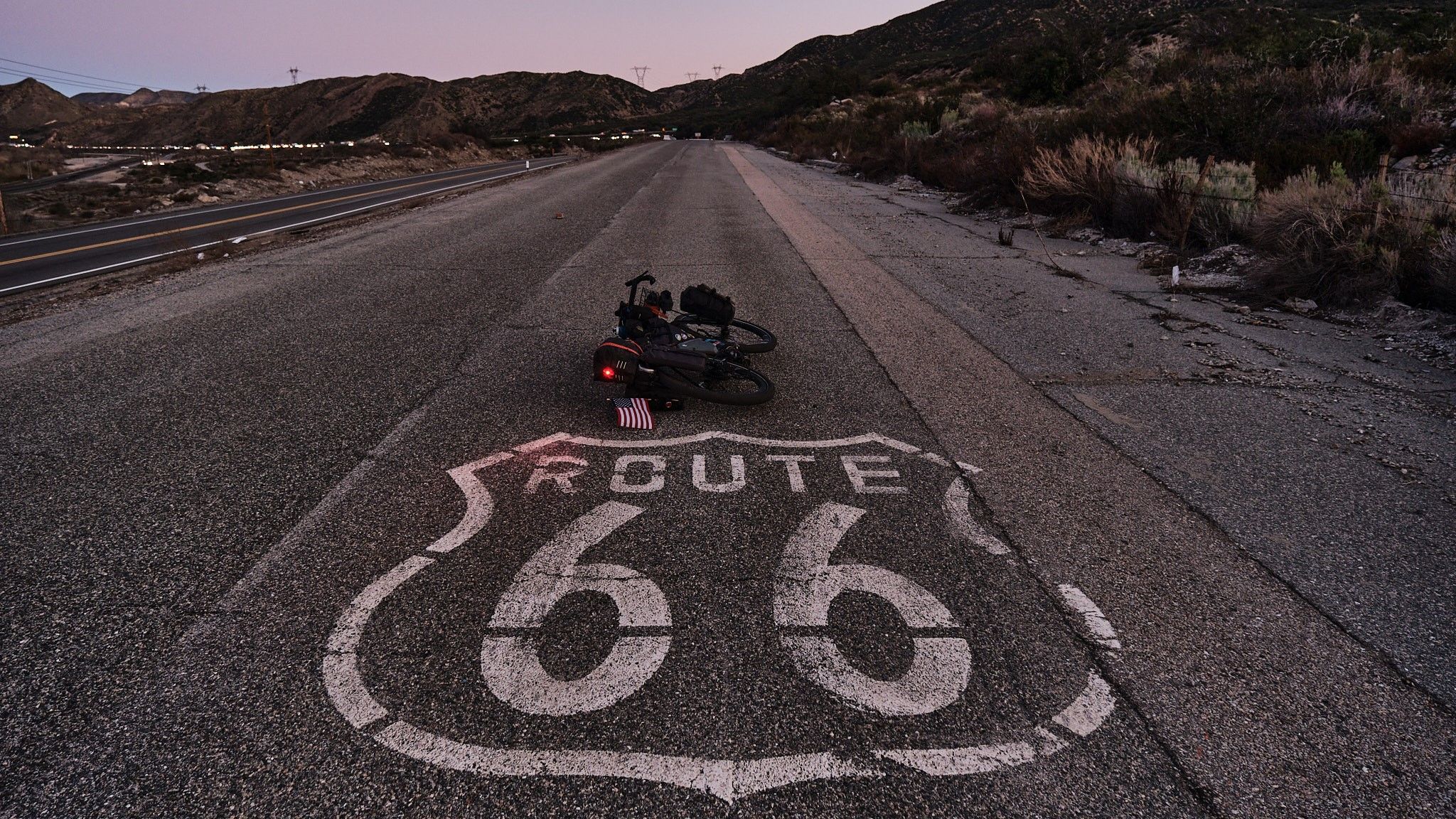
Adventure Cycling Association's Bicycle Route 66 — LA to Chicago
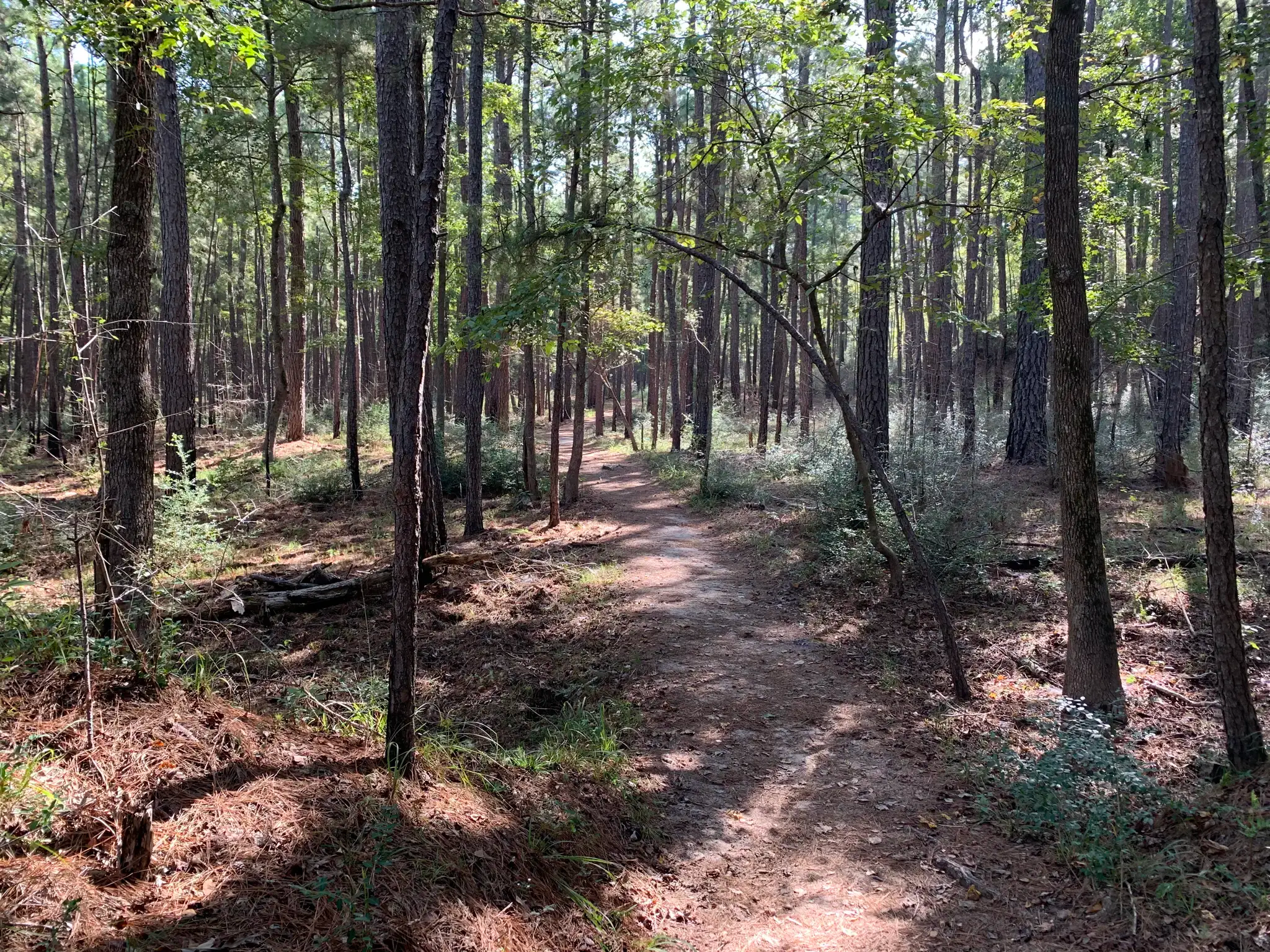
Lone Star Hiking Trail — Tall pines, southern magnolias & palmetto flats
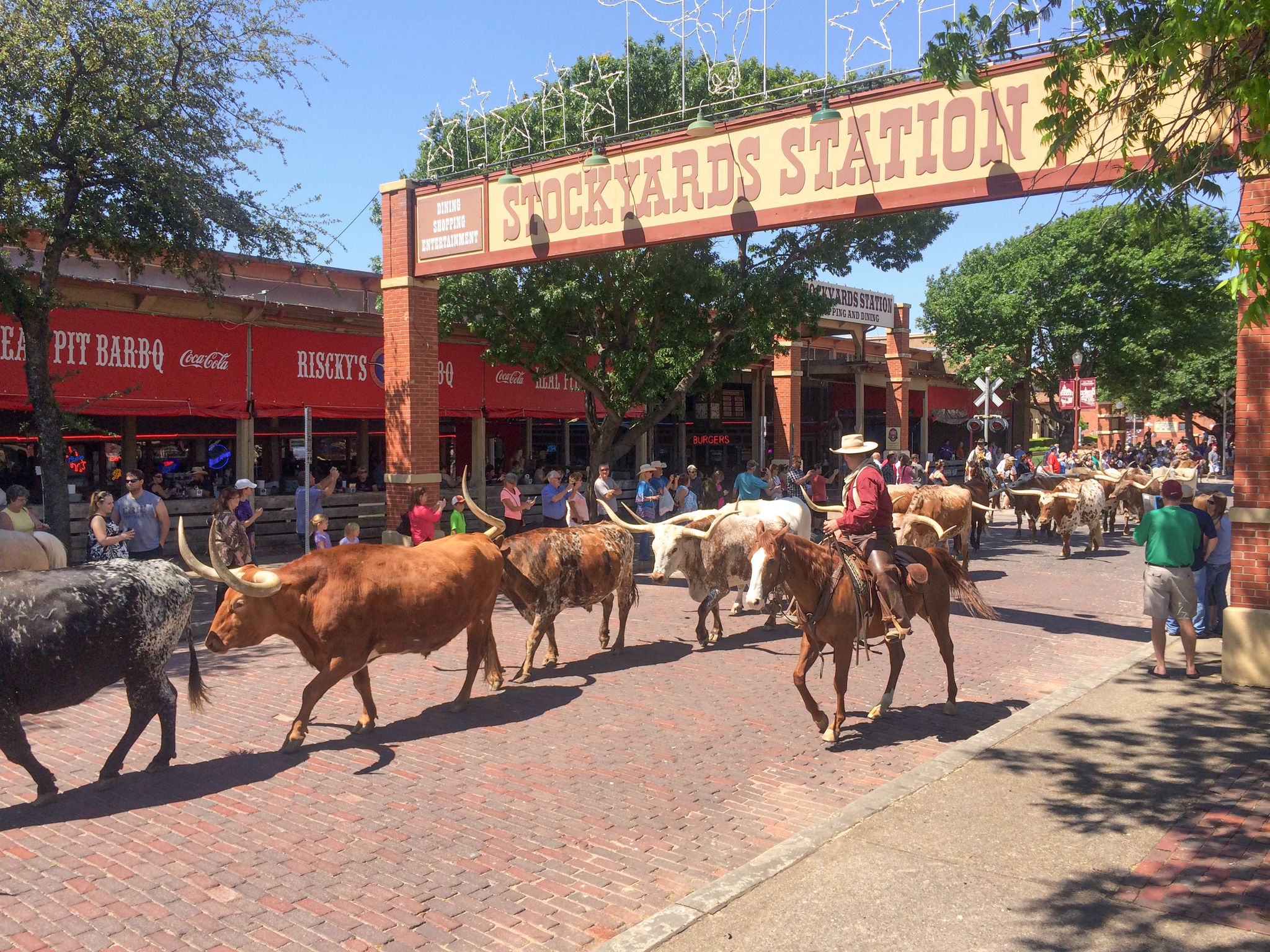
Cowboy country & Route 66 – Wild West meets legend
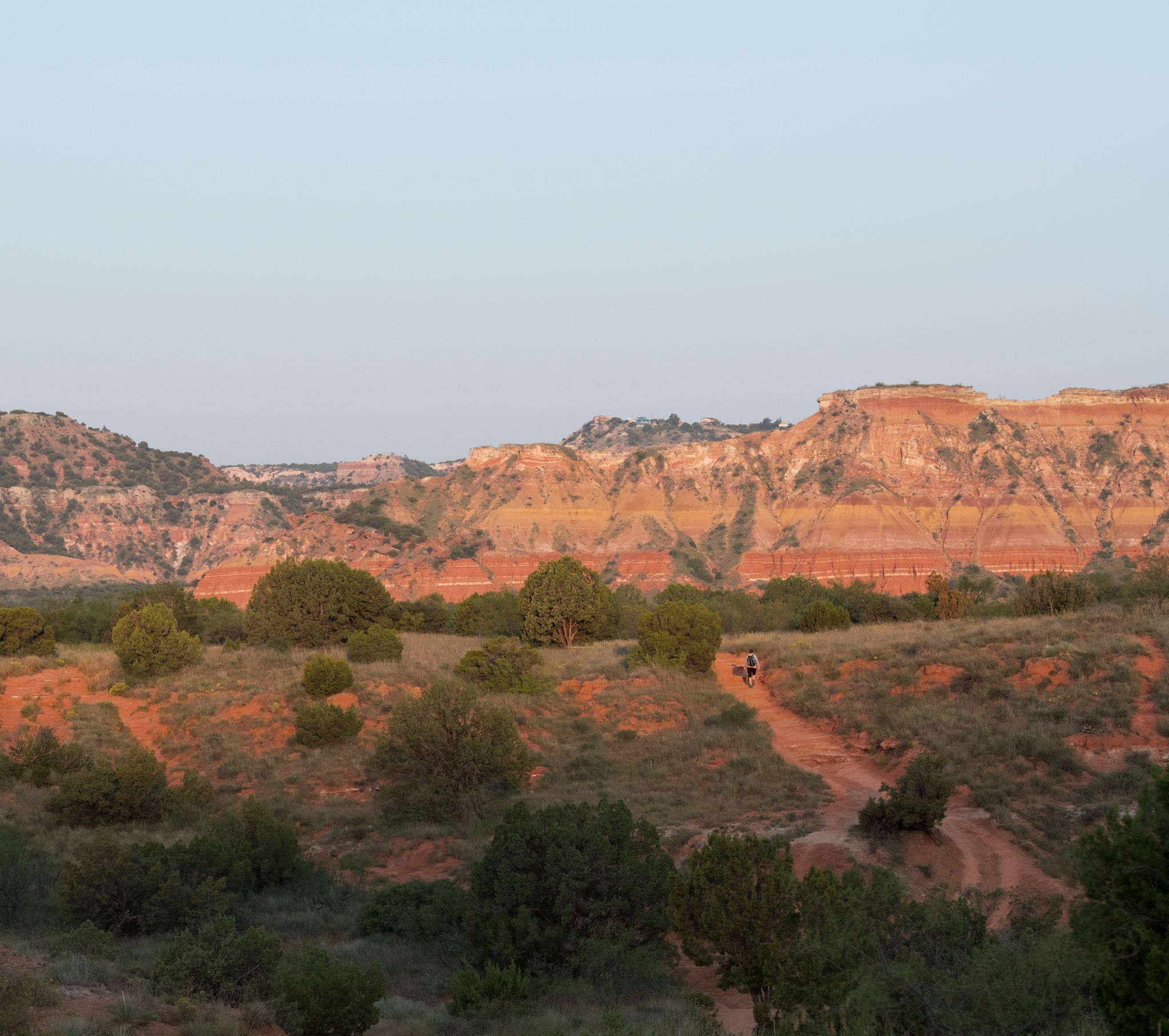
Historic Route 66 – curiosities, selfie spots and diners
The pristine beauty of the US National Parks

Die Südstaaten – Bunte Straßen, Strände und Bayous
Hiking in Texas
MTB Trails in Texas
Running Trails in Texas
Cycling in Texas
Other adventures in Texas


Tips from the Community

The various hiking trails in the Zilker Nature Preserve are largely unmarked on Komoot. However, they are available on Google Maps and the local hiking maps.
0
0

Spring Creek, a wide spring fed stream, flows through this ravine and along the edge of the Preserve. The water has cut cliffs from the surrounding Austin Chalk.
0
0

Cattail Falls is known as a "secret falls" in Big Bend National Park. It is a less popular destination than most in the park. This waterfall can be found on the north side of Cattail Canyon and is in a small oasis with dense vegetation in flowing water. There are pools and rocks around the falls that make it a serene space. Visitors are asked to no swim in the water and to avoid trampling the vegetation. This is an important and fragile water source for animals in the area.
0
0
Upper Burro Mesa Pour-off Trail starts off at a paved pull-out off of Ross Maxwell Scenic Drive. It then follows a dry wash to the top of the Burro Mesa Pour-off. The trail involves some scrambling over large rocks, so make sure you're able to get up the rocks before you climb down on the way in. There is about a 500-foot elevation gain and the trail is subject to flash flooding.
0
0
Boquillas Canyon Trail follows the rim of the canyon from a parking lot. It leads to a high cliff with an overlook of the Rio Grande and visitors can see mortar holes from the ancient peoples that lived in the area. The trail eventually leads down to the banks of the river until the canyon walls close in and meet the river, ending the trail.
1
0
The gem of this trail is a narrow overlook through two tall sandstone walls, known as The Window Pour-off, that is on the side of the mountain. The giant rock mountain is known as The Window because of the way it frames views of the desert from afar.
0
0

The Notch is where the McKittrick Canyon Trail passes through a physical break in the ridge, marking an excellent viewpoint over the canyon about halfway between McKittrick Ridge and the McKittrick Canyon Trailhead. For most day hikers, the Notch is the stunning, traditional turnaround point that offers incredible views of the sheer peaks that tower over the canyon. These views are even more exceptional in the fall as the leaves change from green to red, yellow, and orange.
1
0

Nice gorge, also suitable as a photo motif.
0
0
Frequently Asked Questions
What are some popular hiking trails in Texas canyons?
Texas canyons offer a variety of popular trails. In Big Bend National Park, you can explore the challenging Devil's Hall or the scenic Boquillas Canyon Trail. Palo Duro Canyon features over 30 miles of trails, including the famous Lighthouse Rock formation. Caprock Canyon State Park boasts 90 miles of trails, including the 64-mile Trailway.
Are there easy hiking options in Texas canyons?
Yes, many Texas canyons offer accessible and easy trails. The Boquillas Canyon Trail in Big Bend National Park is considered an easy hike leading to the Rio Grande. Caprock Canyon State Park also has sections of its extensive trail system suitable for easier walks, and Palo Duro Canyon has various trails catering to different skill levels.
What about challenging hikes in Texas canyons?
For those seeking a challenge, the Devil's Hall hike in Guadalupe Mountains National Park involves scrambling up an old watershed. In Big Bend National Park, remote canyons like Mariscal Canyon offer rugged, less-visited trails requiring high-clearance vehicles for access. The Upper Burro Mesa Pour-off Trail is also categorized as challenging.
Are there family-friendly canyons to visit in Texas?
Absolutely. The Boquillas Canyon Trail in Big Bend National Park is noted as family-friendly. Palo Duro Canyon State Park offers various trails and activities suitable for families, including camping and exploring unique geological features. Colorado Bend State Park also provides opportunities for families to enjoy trails and swimming in spring-fed pools.
When is the best time to visit Texas canyons?
The best time to visit Texas canyons is generally during the spring and fall months when temperatures are milder. Summers can be extremely hot, especially in West Texas, making early mornings or late afternoons the only comfortable times for outdoor activities. McKittrick Canyon in Guadalupe Mountains National Park is particularly stunning in the fall due to its vibrant foliage.
What kind of wildlife can I see in Texas canyons?
Texas canyons are home to diverse wildlife. Caprock Canyon State Park is famously home to the Official Texas State Bison Herd, offering unique viewing opportunities. Palo Duro Canyon hosts Texas horned lizards, wild turkeys, and roadrunners. Big Bend National Park and Big Bend Ranch State Park are rich in desert wildlife, including various bird species, javelinas, and deer.
Which canyons offer the most scenic views in Texas?
For breathtaking scenic views, Palo Duro Canyon, often called 'The Grand Canyon of Texas,' offers vibrant hues of orange, red, and gold, especially at sunset. In Big Bend National Park, Santa Elena Canyon's 1,500-foot sheer limestone cliffs are incredibly dramatic, and the The Window Pour-off Viewpoint provides a stunning desert panorama.
How do Palo Duro Canyon and Caprock Canyon compare for hiking?
Both Palo Duro Canyon and Caprock Canyon offer extensive hiking opportunities. Palo Duro Canyon, the second-largest in the US, features over 30 miles of trails with iconic formations like Lighthouse Rock. Caprock Canyon boasts 90 miles of trails, including the long Trailway, and is unique for its free-roaming bison herd. Both provide rugged red-rock landscapes, but Caprock offers a more remote feel with its extensive trail system and wildlife encounters.
Are permits required to hike in Texas canyons?
Generally, a park entrance fee is required to access state and national parks where many of Texas's canyons are located. Specific permits for hiking are usually not required for day use on established trails, but some backcountry or overnight trips, especially in national parks like Big Bend, may require permits. Always check the specific park's website before your visit for the most current regulations.
What outdoor activities can I do near these canyons?
Beyond hiking, Texas canyons and their surrounding areas offer a range of outdoor activities. You can find excellent routes for mountain biking and horseback riding in Palo Duro Canyon and Caprock Canyon. In Big Bend National Park, floating the Rio Grande through canyons like Santa Elena and Boquillas is popular. Colorado Bend State Park offers caving and kayaking. For more hiking options, explore waterfall hikes in Texas or easy hikes in Texas.
Can I bring my dog to Texas canyons?
Dog policies vary by park. While many state parks allow leashed dogs on trails, national parks often have stricter rules, typically restricting dogs to roads, campgrounds, and short paved trails. For example, Big Bend National Park generally does not allow pets on unpaved trails. Always check the specific park's pet policy before your visit to ensure a smooth trip.
What should I wear when hiking in Texas canyons, especially in summer?
When hiking in Texas canyons, especially during summer, wear lightweight, breathable clothing, preferably moisture-wicking fabrics. A wide-brimmed hat, sunglasses, and sturdy hiking shoes are essential. Always bring plenty of water, as dehydration is a significant risk. Sunscreen is crucial due to intense sun exposure. In cooler months, layers are recommended as temperatures can fluctuate.
Most popular routes in Texas
Most popular attractions in Texas

Get inspired with the komoot mobile app


Didn’t find what you were looking for?
Want to see even more gorges? See the best ones in Texas region by region:
Explore more
Already discovered everything in this region? See additional gorges in Texas for your next adventure:
