Top 17 Castles in Bezirk Wiener Neustadt
Castles in Bezirk Wiener Neustadt offer a journey through centuries of Austrian history, featuring a diverse collection of fortified structures and stately homes. This region in Lower Austria is characterized by its historical significance and scenic locations, providing a backdrop for these architectural landmarks. Visitors can explore sites ranging from well-preserved castles to picturesque ruins, each reflecting different eras and architectural styles. The area's rich heritage makes it a notable destination for those interested in historical exploration.
Best castles in Bezirk Wiener Neustadt
- The most popular castles is Kirchschlag Castle Ruins, a castle that was built in the 12th century on the 480 m high Schlossberg. The ruin is accessible free of charge.
- Another must-see spot is Eichbüchl Castle, a listed building in the municipality of Katzelsdorf. It is notably referred to as the "birthplace of the Republic of Austria."
- Visitors also love Krumbach Castle, a historical site with a viewpoint. This beautiful castle is situated right in the countryside.
- Bezirk Wiener Neustadt is known for its mountain castles, historical sites, and castle ruins. The region offers a variety of castles to see and explore, from medieval foundations to baroque transformations.
- The castles in Bezirk Wiener Neustadt are appreciated by the komoot community, with 78 upvotes and 57 photos shared by visitors.
Last updated: October 9, 2026
Eichbüchl Castle
Highlight • Castle
Translated by Google •
Tip by

Emmerberg Castle Ruins
Highlight • Castle
Around the year 1170, the castle was first mentioned in documents for the Lords of Emmerberg. At that time it was an important base in the fortification line on the northern border of the Carantanic Mark. The Emmerberger died out in 1455, but Ludwig von Eckartsau was already in 1384 invested in the castle.
In 1249 the castle Emmerberg is called "castle castrum". Burgherren are Wolfenreut, Teufel, Brassican Spaur and Heußensteiner.
Emmerberg never had to prove itself militarily. When, because of the threat of the Turks in the 17th century, the castles of Lower Austria were tested for their suitability for war, Emmerberg was not designated as a place of escape for the population.
The castle Emmerberg was inhabited until 1760. At that time, the destruction of the castle by Count Heinrich von Heussenstein was initiated. He left to cover the roof tax to cover the oak roof chair and sell. Since then, the castle has been abandoned to decay. Today, the grounds of the castle ruin may not be entered due to dilapidation.
Source: Wikipedia
Translated by Google •
Tip by

Sign up now to discover places like this
Get recommendations on the best single tracks, peaks, & plenty of other exciting outdoor places.
Linsberg Castle
Highlight • Castle
The complex has been a listed building under the name Thurnhof zu Linsberg Castle since 1971. The castle and the associated castle park are privately owned and not accessible to the public, but can be seen from the street.
Translated by Google •
Tip by

Krumbach Castle
Highlight • Castle
Translated by Google •
Tip by

Frohsdorf Castle
Highlight • Castle
Translated by Google •
Tip by
Katzelsdorf Castle
Highlight • Castle
Translated by Google •
Tip by

Starhemberg Castle Ruins
Highlight • Castle
Driveway from the parking lot opposite the "Zitherwirt" in Dreistetten. You can walk into the castle via a breach at the end of the path. On the north side beautiful view of the Piestingtal.
Translated by Google •
Tip by

Former Hochwolkersdorf Castle
Highlight • Castle
Showing Translation
Tip by

Schwarzenbach Castle Ruins
Highlight • Castle
Showing Translation
Tip by
Brunn Castle
Highlight • Castle
The castle as a three-winged two-storey complex with a distinctive round tower is a former water castle from the 14th century, which stood in the possession of the Teuffenbach and in the 15th century became a fief of the Dukes of Styria. In the 16th and 17th century the Rappach family belonged, in the 18th century the Count Palm and the Eissner family from and to Eisenstein.
After a fire, the castle was rebuilt in the years 1708 to 1711 by Prince Paul I. Esterházy and created a garden instead of the moat. Parts of a horse chestnut alley are preserved. The interior was burned in 1945.
Source: Wikipedia
Translated by Google •
Tip by
Sign up for free to discover even more castles in Bezirk Wiener Neustadt.
Already have an account?
Start today with a free account
Your next adventure awaits.
Popular around Bezirk Wiener Neustadt
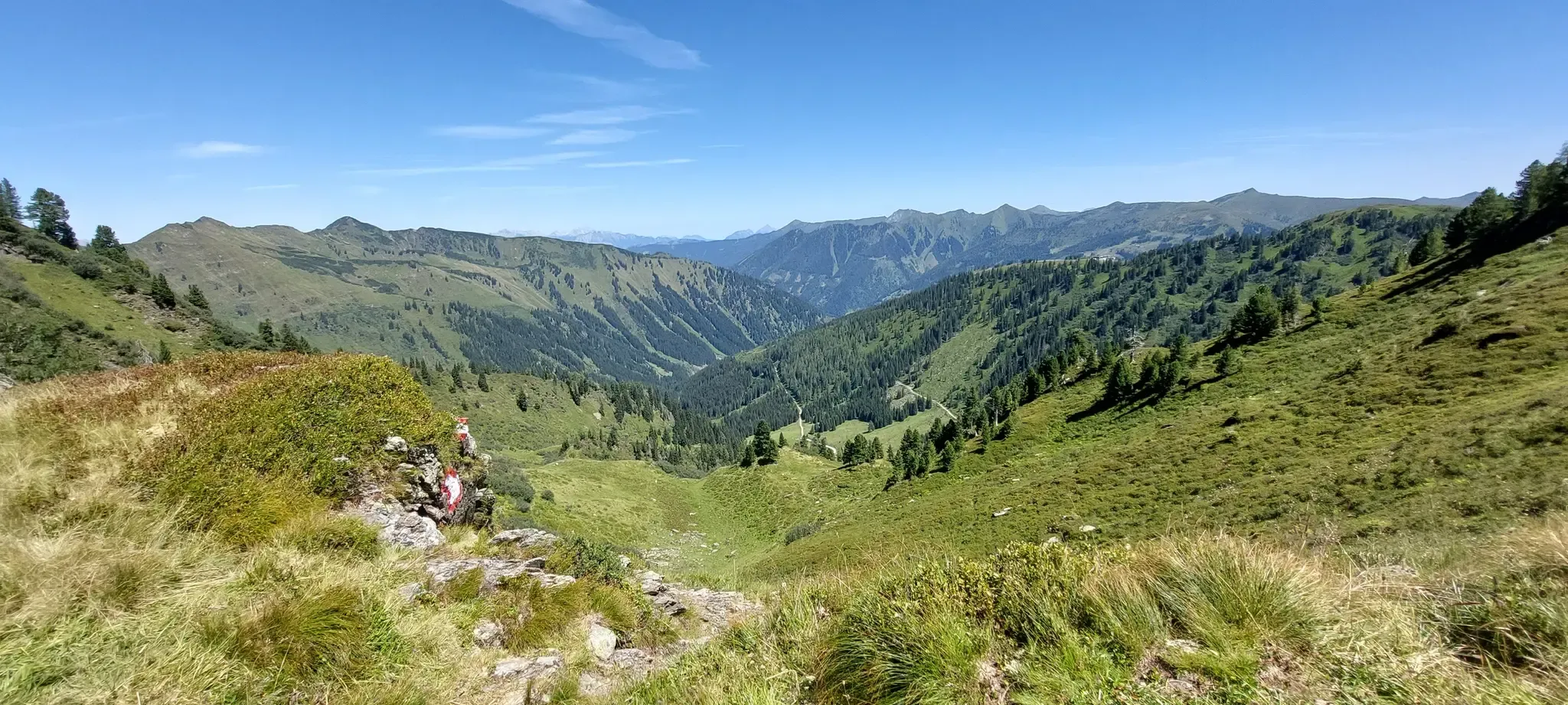
Central Alps Trail Eastern Section – Discover Austria
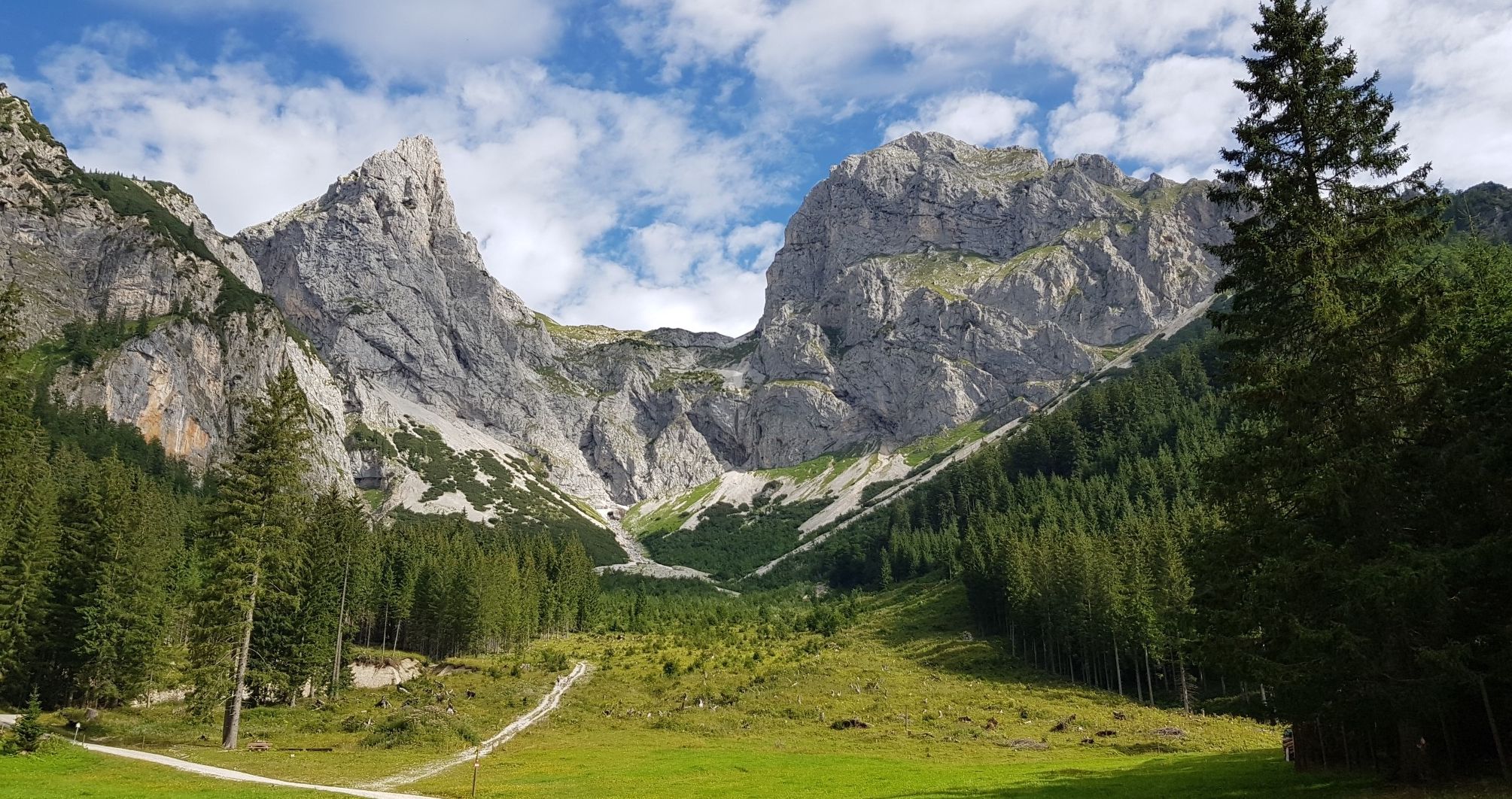
North Alpine Trail 01 – Hike across Austria in 49 days
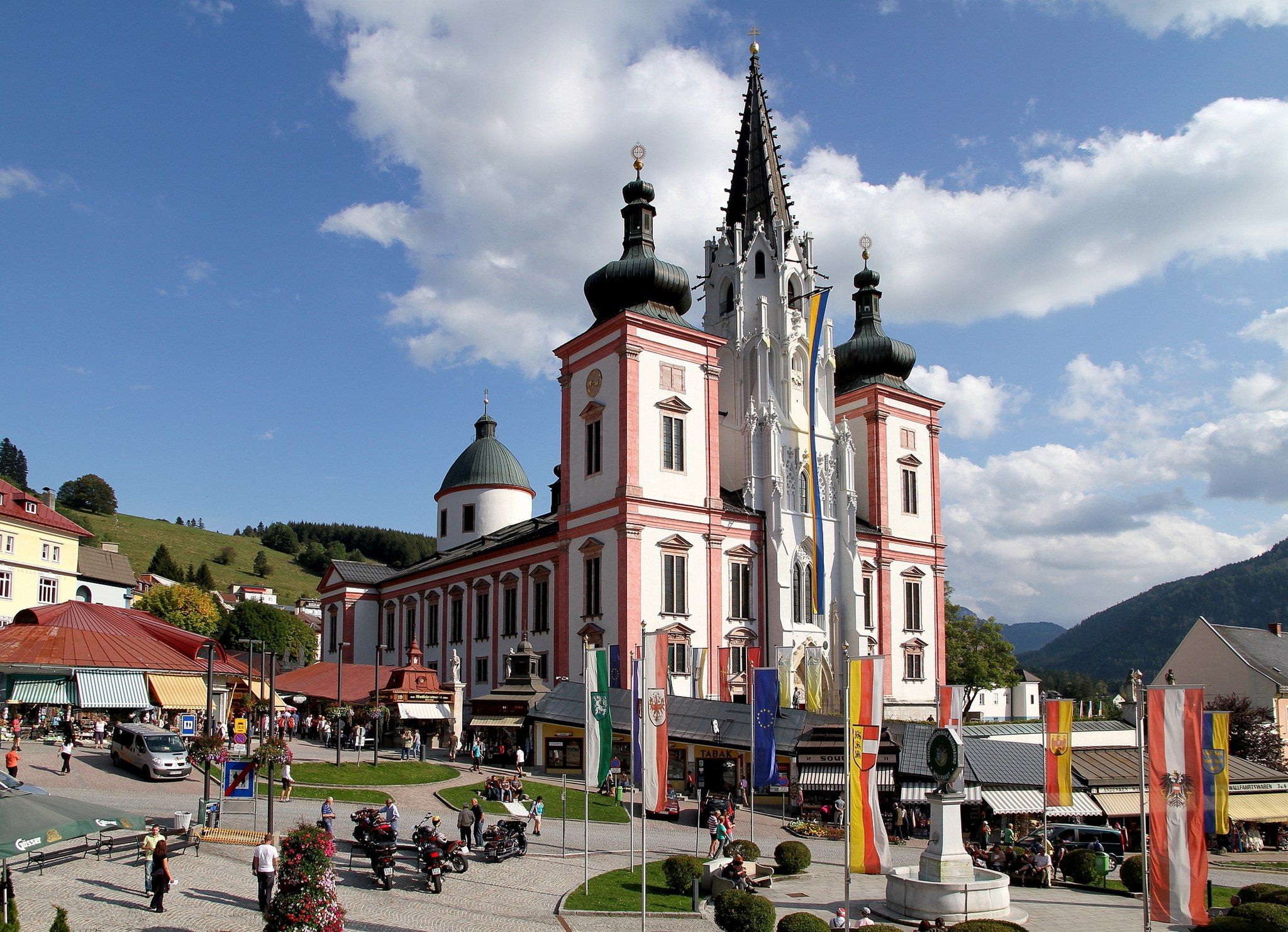
Wiener Wallfahrerweg 06 – A pilgrimage through Lower Austria
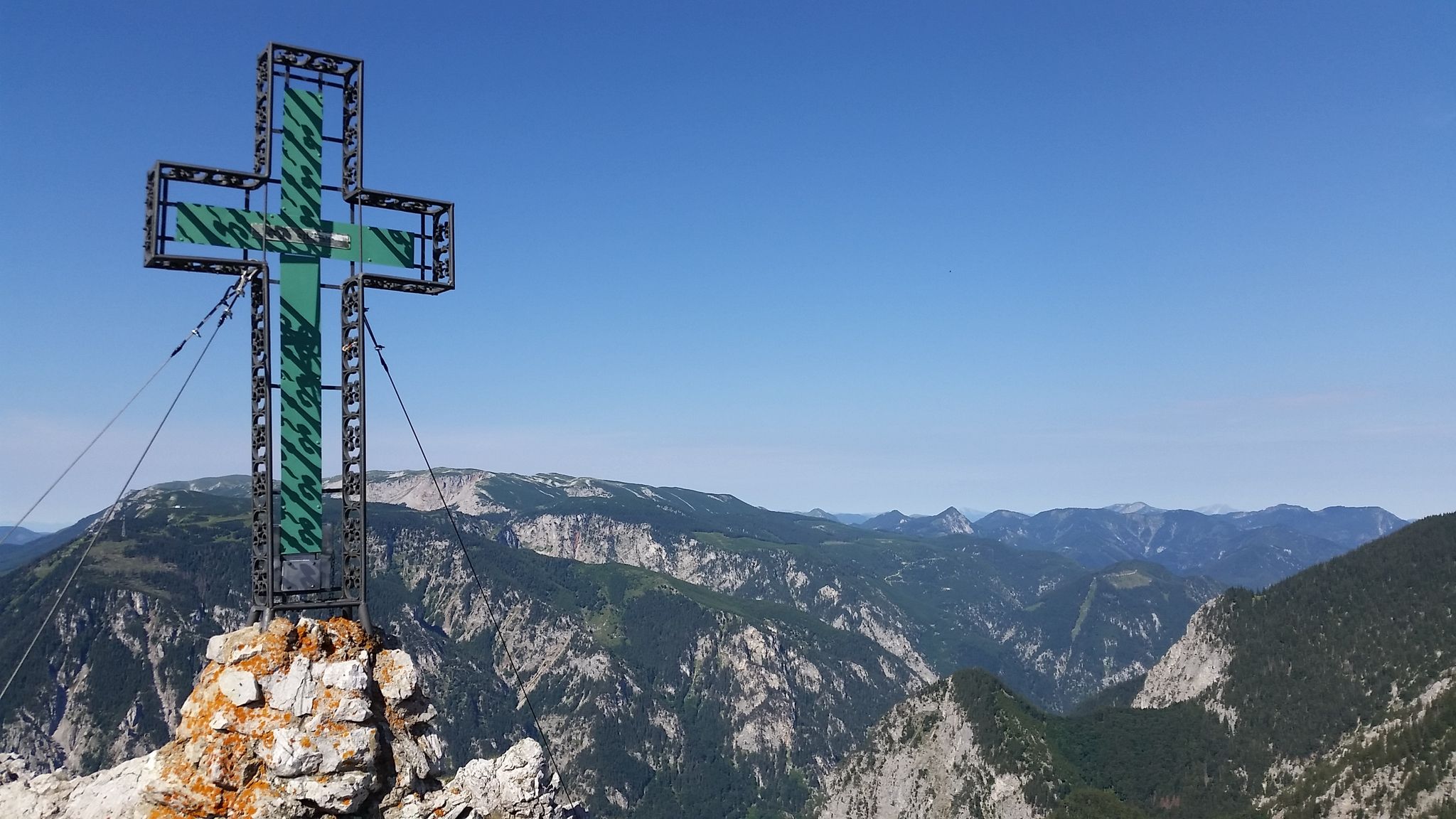
Viennese Alpenbogen – Lower Austria's most beautiful peaks
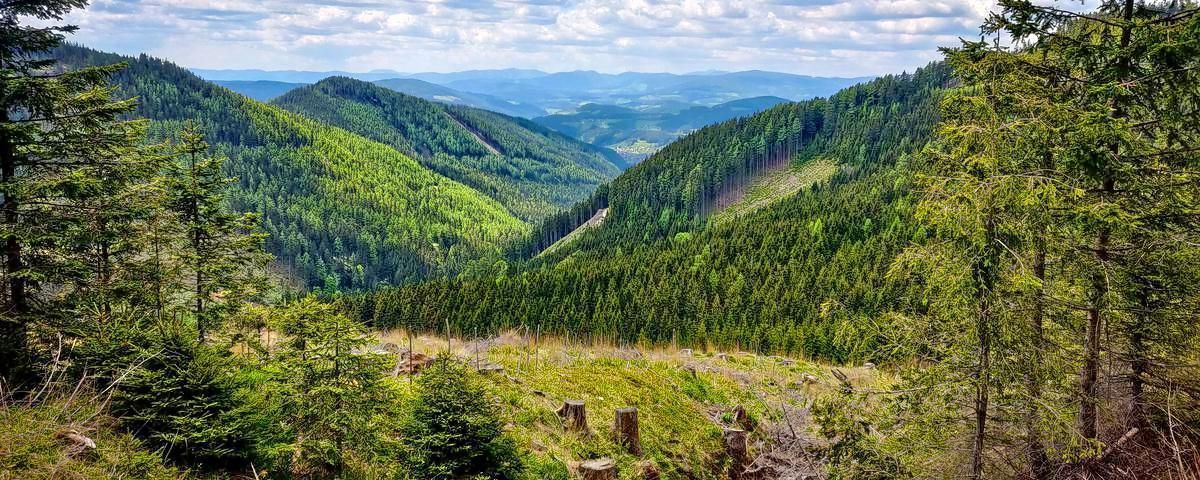
Alpannonia – Crossing borders from Austria to Hungary
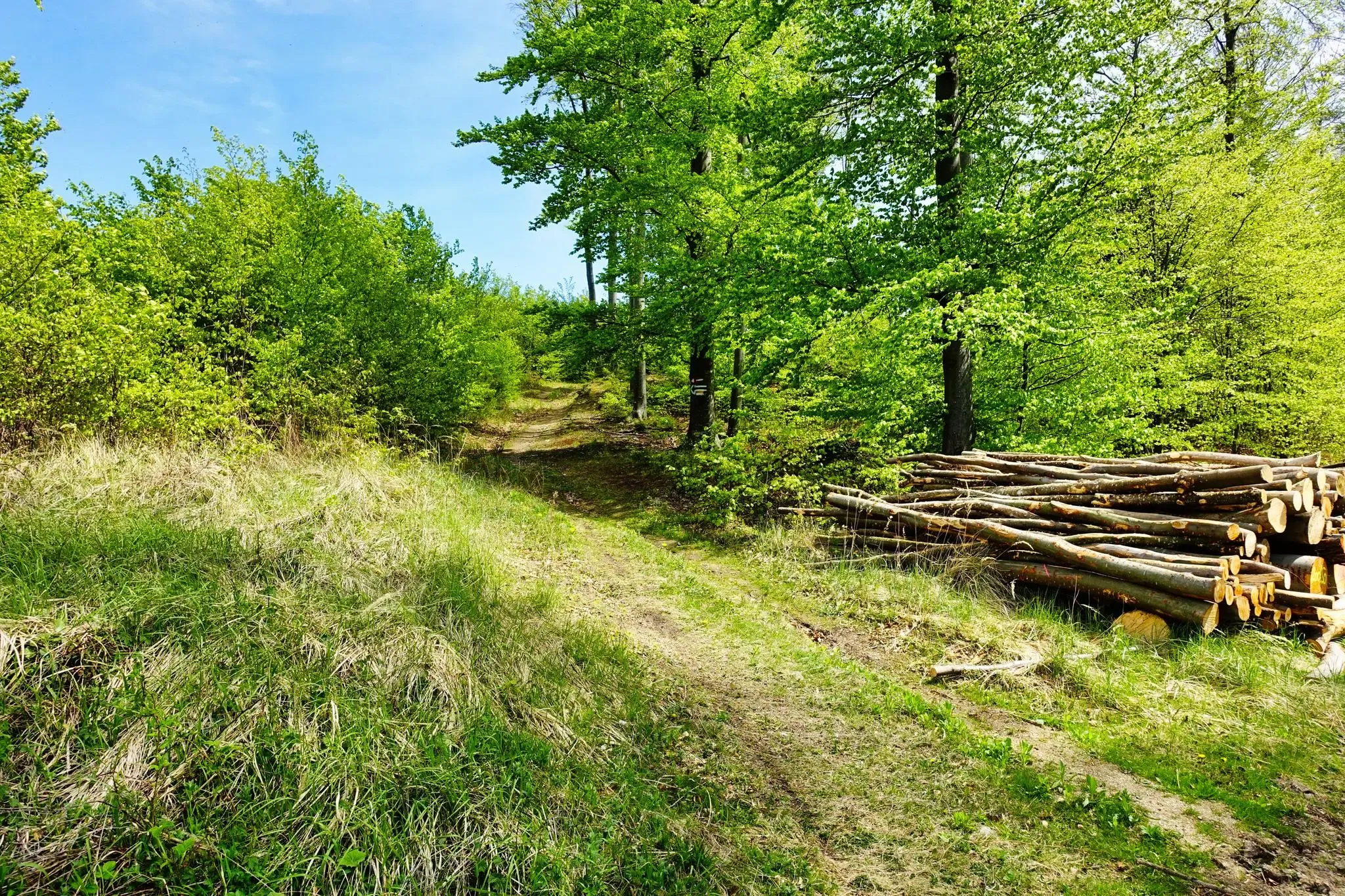
Rosalia Trail Challenge – Running on wonderful Forest paths
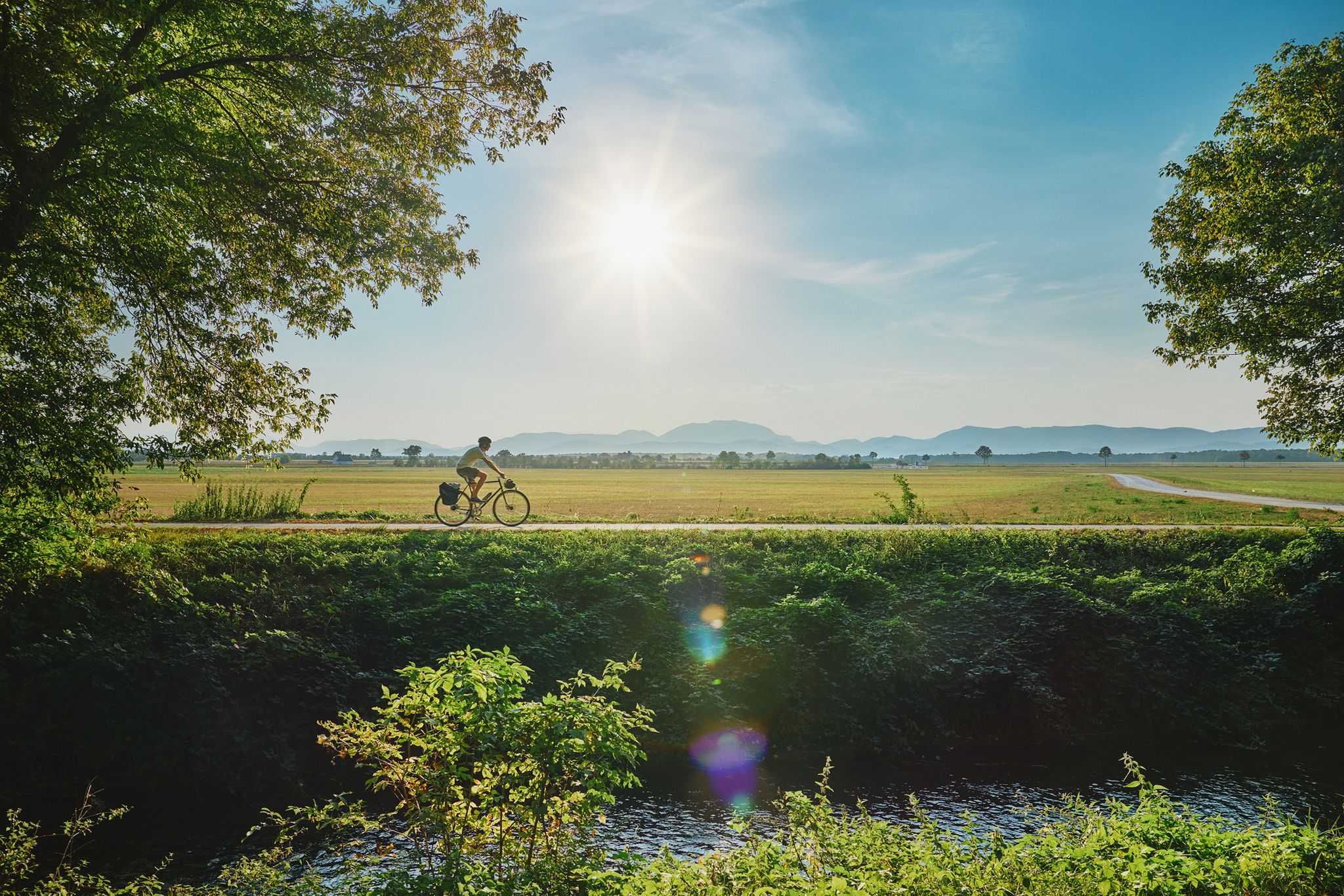
Superb cycling in the Vienna Alps – every day a new route
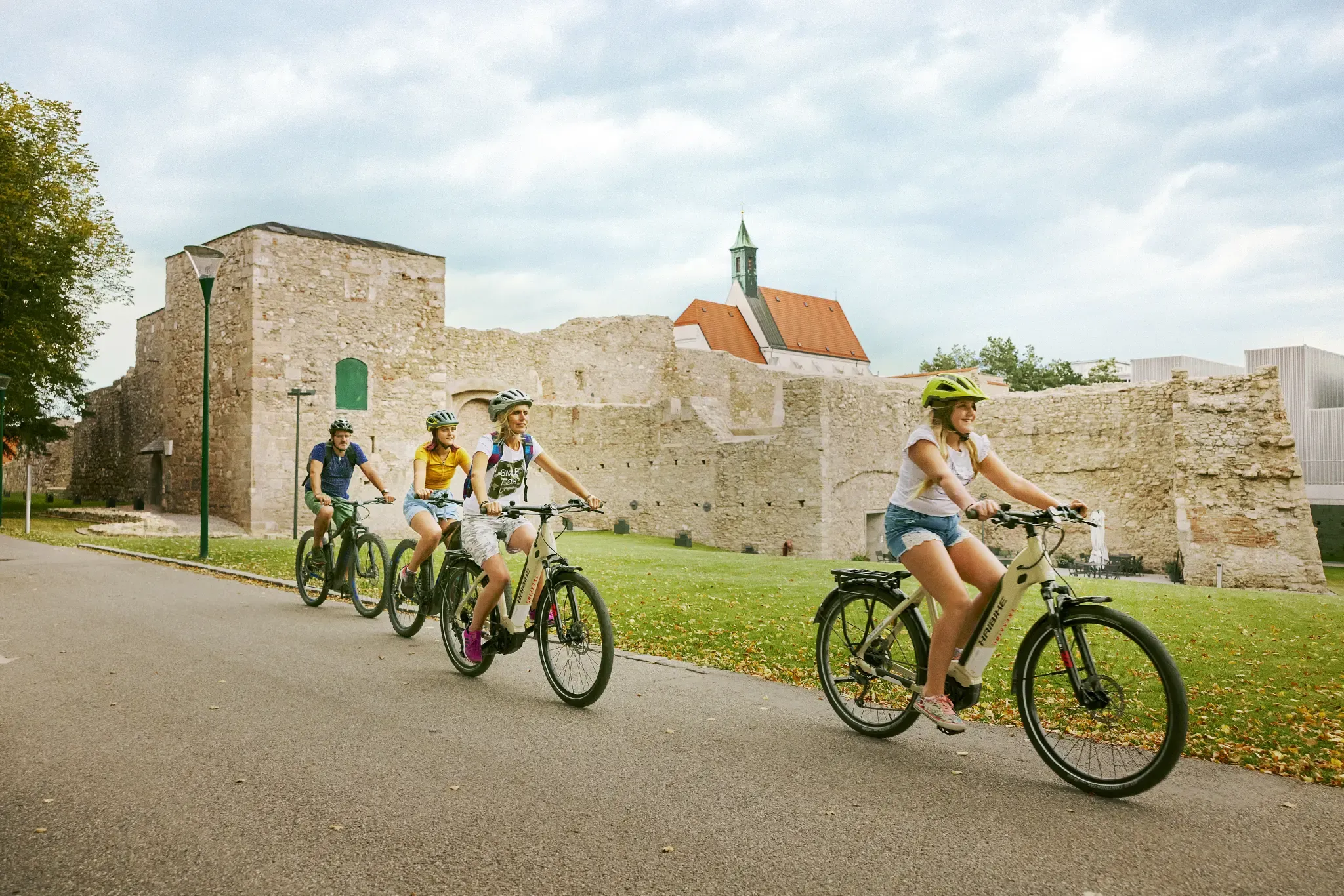
In all directions – bike rides out from Wiener Neustadt
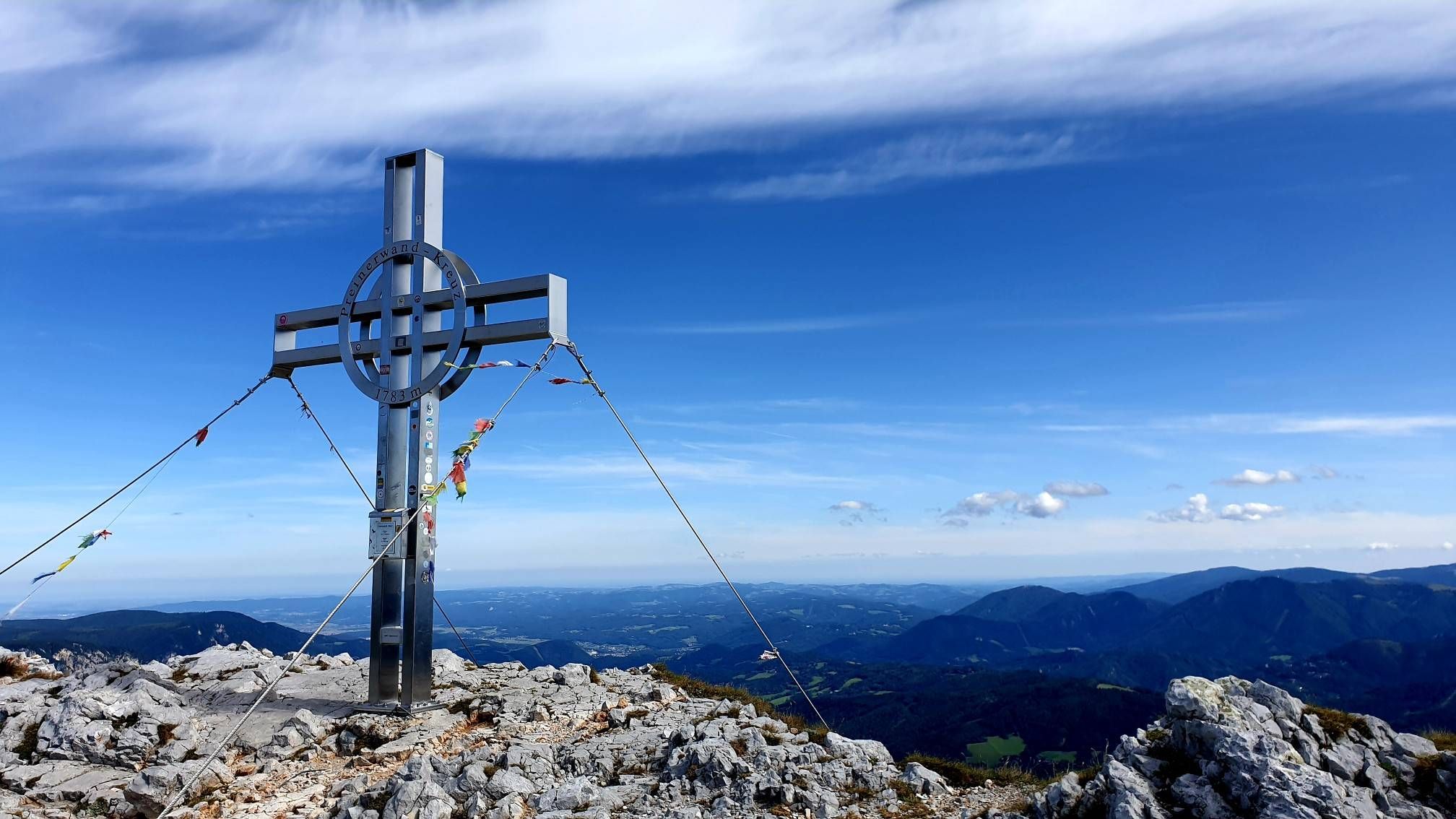
Alpine hiking on Vienna’s doorstep – Rax-Schneeberg Group Mountains
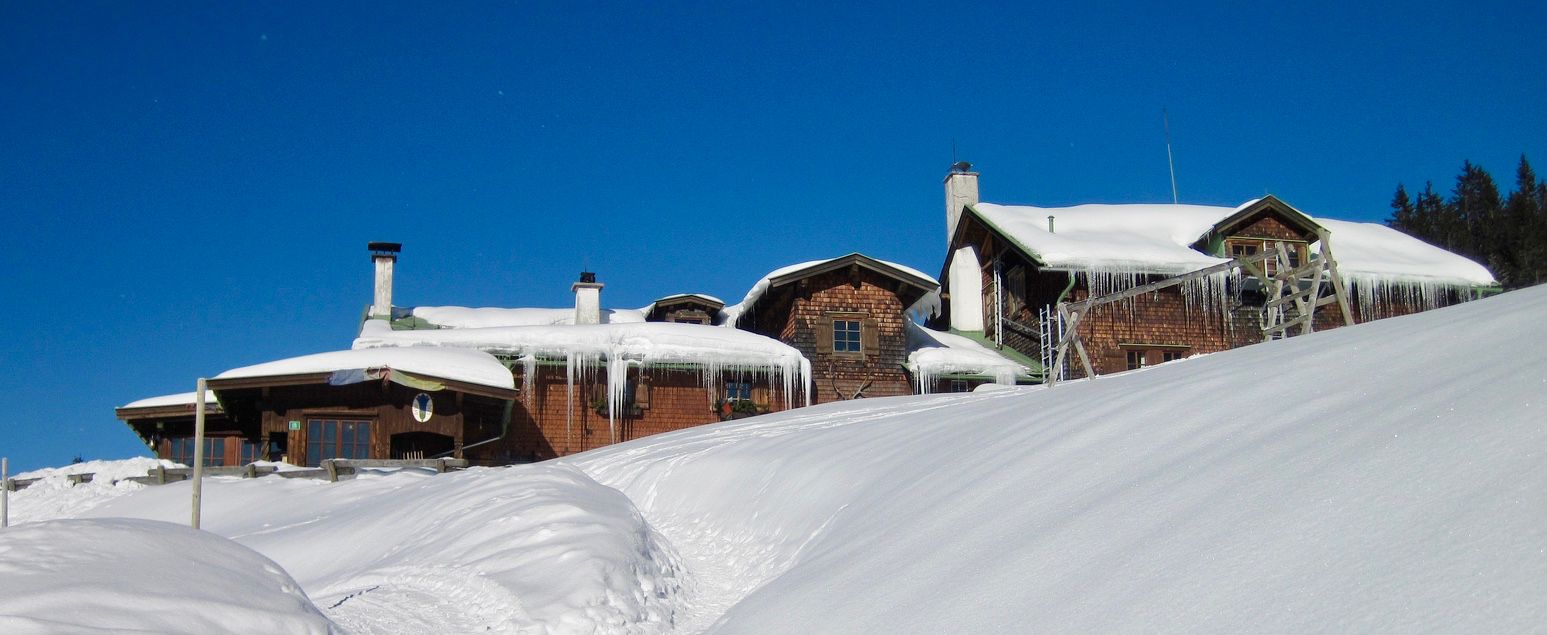
Mountain lodges for the cold season in the Alps
Other adventures in Bezirk Wiener Neustadt


Tips from the Community

Beautiful old building, unfortunately I don't know if you can visit it
3
0
Beautiful old ruin, worth seeing
3
0

The Emmerberg castle ruins are a high medieval cliff castle in the market town of Winzendorf-Muthmannsdorf, which was first documented around 1170 and once served as an important fortification point on the northern border of the Carantanian March to guard the Prosset gorge. After more than six hundred years of use, the castle was abandoned at the end of the 18th century, after which the covering of the roofs to save building tax, as well as stone robbery, initiated its decay into ruins. Today, the facility, threatened by collapses, is privately owned and may not be entered for safety reasons.
2
0

Schloss Eichbüchl (Aichbüchl) was probably built in the 14th century by the Lords of Vierdung. According to other sources in Wiener Neustadt, it was supposedly only built between 1558 and 1566. It is possible that a first castle was destroyed during the First Turkish Siege in 1529 and that the current castle was rebuilt slightly off to the side.
1
0
The first castle was built in the 13th century as a reaction to the Hungarian invasions at the end of the early Middle Ages. It was largely destroyed during the Hungarian invasions in 1246 and 1260. The reconstruction partly has a castle character. In 1394, the lordship with all its accessories was bequeathed by the last Krumbacher, Hans von Krumbach, to Pilgrim III. von Puchheim, a maternal uncle of his, and his brothers, and remained in the possession of the Puchheims for over 200 years. In 1629, the lordship came into the possession of the Counts of Pálffy-Erdöd family. During the Second Siege of Vienna in 1683, Krumbach was besieged in vain by the Turks. After the revolutionary year of 1848, the serfdom relationship was abolished, thus the "Herrschaft Krumbach" came to an end. In 1875, the estates were sold by the Palffy family to the Wiener Neustadt lawyer Anton Riehl, after which there were frequent changes of ownership.
0
0
An actually very interesting ruin with an intact round chapel in the gate tower and an intact smoke kitchen. Unfortunately, the ruin has been closed for some time and left to further decay.
2
0
After a fire, the castle was rebuilt between 1708 and 1711 by Prince Paul I. Esterházy, and a garden was laid out instead of a moat. Parts of a horse-chestnut avenue have been preserved. The interior furnishings burned down in 1945.
2
0
The name Starhemberg is derived from the original name 'starker Berg' or 'Starkenberg'. The castle is not to be confused with castles of the same name in Upper Austria, Schloss Starhemberg (Haag am Hausruck), the namesake seat of the Starhemberg princely house, and its current seat Schloss Starhemberg (Eferding). The castle ruin discussed here had no connection with the well-known family of apostles.
2
0
Frequently Asked Questions
What makes the castles in Bezirk Wiener Neustadt historically significant?
The castles in Bezirk Wiener Neustadt offer a deep dive into centuries of Austrian history. They range from medieval fortifications to baroque palaces, reflecting various eras and architectural styles. Sites like Burg Wiener Neustadt, now home to the Theresian Military Academy, have imperial connections, including the tomb of Emperor Maximilian I. Other castles, such as Eichbüchl Castle, hold unique historical importance, being referred to as the 'birthplace of the Republic of Austria'.
Are there castles in the region that are not publicly accessible?
Yes, some castles in Bezirk Wiener Neustadt are privately owned or serve specific functions, limiting public access. For example, Eichbüchl Castle and Linsberg Castle are privately owned and not accessible to the public, though Linsberg Castle and its park can be admired from the street. The Theresian Military Academy at Burg Wiener Neustadt also has restricted access due to its ongoing military function.
Which castles offer impressive views or are located in scenic areas?
Many castles in the region are situated in picturesque locations. The Kirchschlag Castle Ruins, built on the 480m high Schlossberg, offer a magnificent view of the ruins, Kirchschlag, and the Bucklige Welt from its accessible tower. The Starhemberg Castle Ruins also provide beautiful views of the Piestingtal from its north side, and Krumbach Castle is noted for its scenic countryside setting and viewpoint.
Are there any castle ruins worth visiting in Bezirk Wiener Neustadt?
Absolutely. The region is home to several fascinating castle ruins. The Kirchschlag Castle Ruins are freely accessible and offer a tower with panoramic views. The Starhemberg Castle Ruins, with a rich history of sieges and ownership changes, allow visitors to walk into the castle through a breach. Although inaccessible for safety reasons, the Emmerberg Castle Ruins are considered a dramatic and historically significant sight due to their imposing remains and picturesque location.
What kind of outdoor activities can I do near the castles?
The area around the castles in Bezirk Wiener Neustadt offers various outdoor activities. You can find numerous hiking opportunities, including easy hikes like the Gauermann loop or the Kurpark Bad Schönau trails. For mountain biking enthusiasts, there are MTB trails ranging from moderate to difficult, such as the Rosalia Chapel on Heuberg loop. Additionally, you can explore waterfall hikes like the Waldegger Hut loop near Dürnbach Waterfall.
Which castles are considered family-friendly?
While specific family-friendly activities vary, castles that are easily accessible or have open grounds can be enjoyable for families. Frohsdorf Castle is categorized as family-friendly. Castle ruins like Kirchschlag Castle Ruins, with free access and a tower to climb for views, can also be an engaging experience for children and adults alike.
Can I visit castles that have been rebuilt or restored?
Yes, several castles in the region have undergone significant rebuilding or restoration over the centuries. Brunn Castle, for instance, was rebuilt between 1708 and 1711 after a fire, and its grounds were transformed into a garden. Linsberg Castle, originally a medieval foundation, was converted into a baroque palace in the 18th century and saw further historicist alterations in the 19th century.
What is the story behind Burg Wiener Neustadt?
Burg Wiener Neustadt, originally a 13th-century castle, was significantly rebuilt in the 15th century. Its construction was partly financed by the ransom of Richard the Lionheart. It has served as a residence for emperors and kings and contains the tomb of Emperor Maximilian I. Since 1752, it has housed the prestigious Theresian Military Academy, the oldest military academy in the world, founded by Empress Maria Theresa. The castle was rebuilt after damage in World War II, with the academy resuming operations in 1958.
Are there any castles that are now used for other purposes?
Yes, some historical castles in the region have found new purposes. Burg Wiener Neustadt famously houses the Theresian Military Academy. The Former Hochwolkersdorf Castle, built in 1543, has served as a state youth home and is currently used as a drug rehabilitation clinic. These adaptations highlight the evolving roles of these historic structures.
What do visitors enjoy most about the castles in Bezirk Wiener Neustadt?
Visitors appreciate the diverse historical experiences offered by the castles, from exploring ancient ruins with panoramic views to admiring well-preserved architectural gems. The opportunity to connect with centuries of Austrian history, whether through imperial heritage, military significance, or the dramatic stories of sieges and transformations, is a major draw. The scenic locations and the chance to combine castle visits with outdoor activities also contribute to a memorable experience.
Most popular routes in Bezirk Wiener Neustadt
Most popular attractions in Bezirk Wiener Neustadt

Get inspired with the komoot mobile app


Didn’t find what you were looking for?
Explore Bezirk Wiener Neustadt’s best castles region by region:
Explore more
Looking for the best castles somewhere else? Discover other guides in Bezirk Wiener Neustadt:
