Top 6 Castles in Nienburg/Weser
Castles in Nienburg/Weser offer a glimpse into the region's medieval past and historical significance. The area features remnants of former fortifications and historically relevant buildings, often nestled within natural landscapes. Visitors can explore sites that once served as residences for counts or played a role in the town's defensive history. The surrounding forests and river valleys provide a tranquil setting for these historical landmarks.
Best castles in Nienburg/Weser
- The most popular castles is Luccaburg Memorial, a historical site that…
Last updated: October 9, 2026
Luccaburg Memorial
Highlight • Historical Site
Translated by Google •
Tip by

Luccaburg Ruins near Loccum
Highlight • Castle
Translated by Google •
Tip by

Sign up now to discover places like this
Get recommendations on the best single tracks, peaks, & plenty of other exciting outdoor places.
Eickhof Castle
Highlight • Castle
Translated by Google •
Tip by
Rehburg Windmill Ruins
Highlight • Monument
The ruin …
Translated by Google •
Tip by

Start today with a free account
Your next adventure awaits.
Popular around Nienburg/Weser
Loccum-Volkenroda pilgrim's way – From monastery to monastery
Germany's Weser Trail — Floodplains, dykes and old towns in 8 days
The Weser Cycle Path
Europe’s Seasonal Birding Hotspots
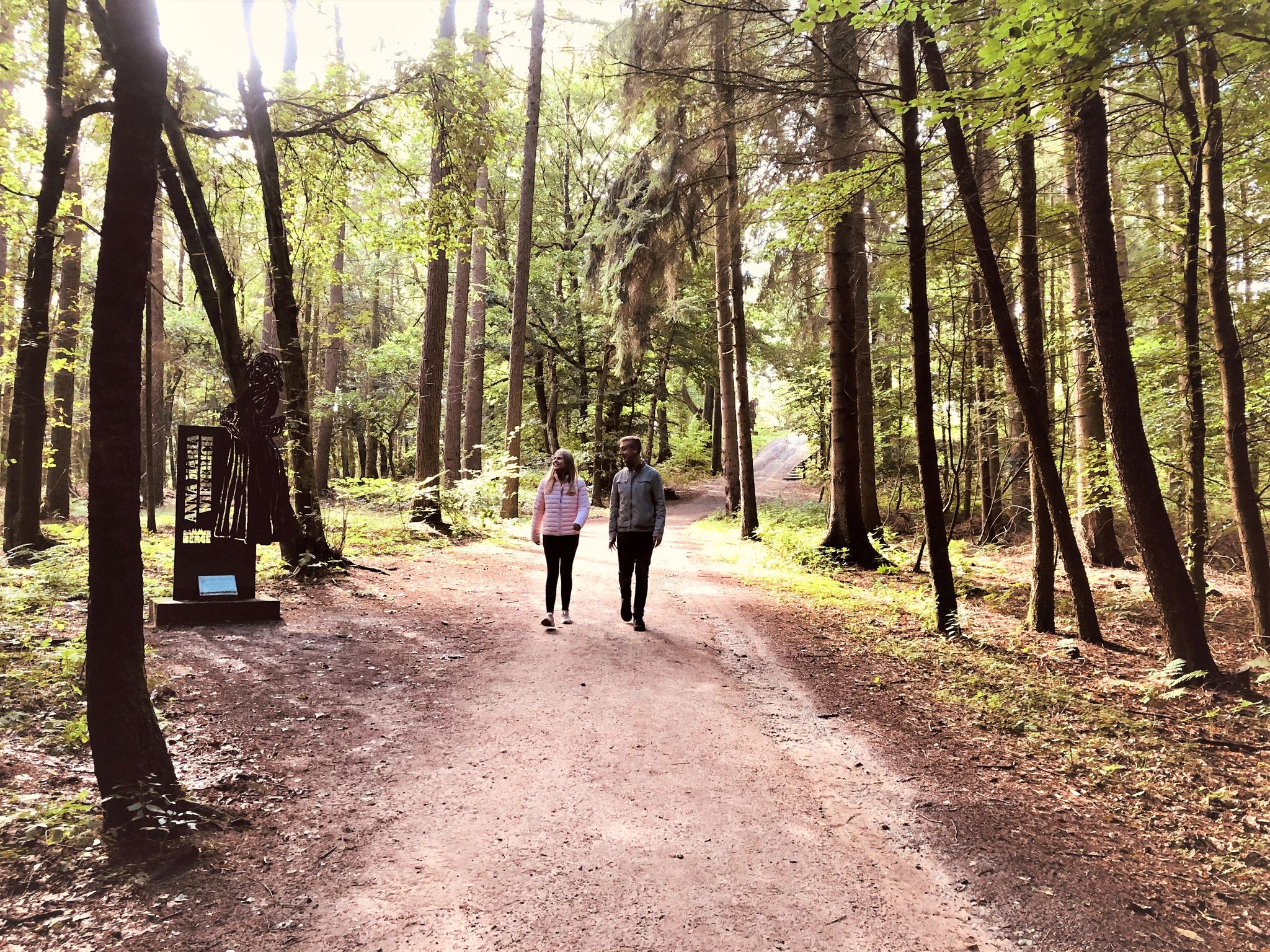
The most beautiful hiking routes in DümmerWeserLand
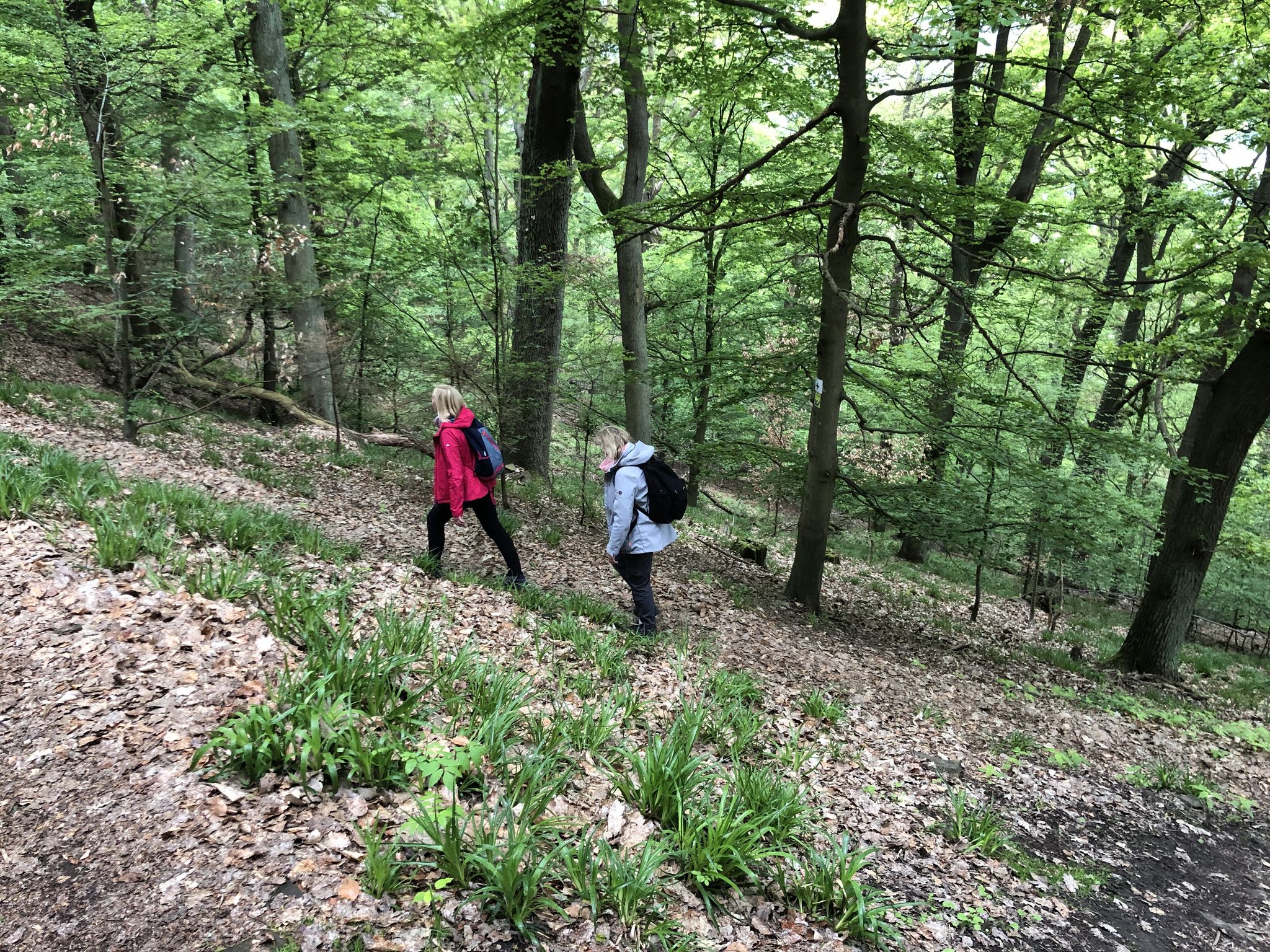
On the Discoverer's trail Explore Rehburg-Loccum
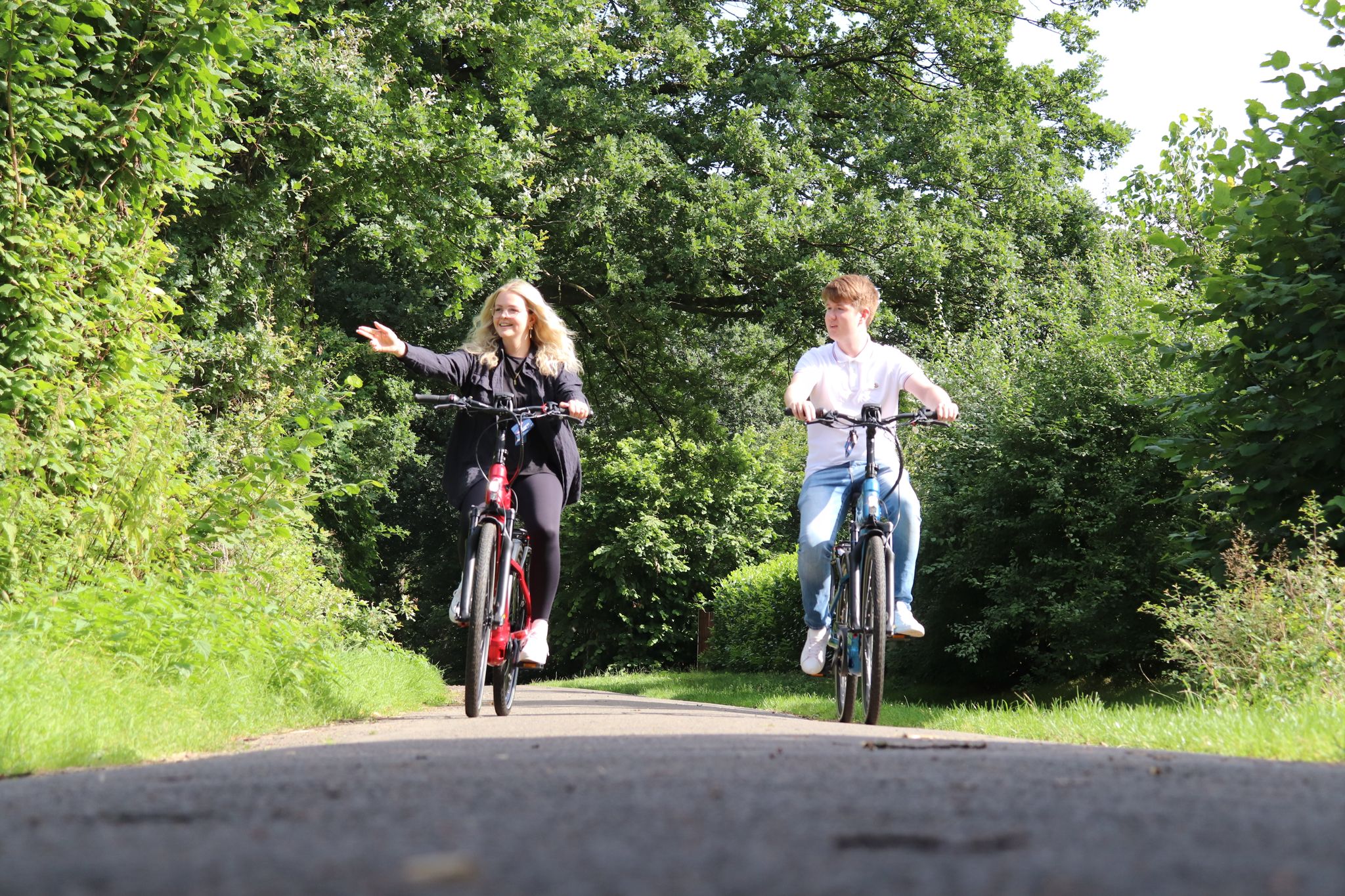
Best Loops in the DümmerWeserLand Cycling Region
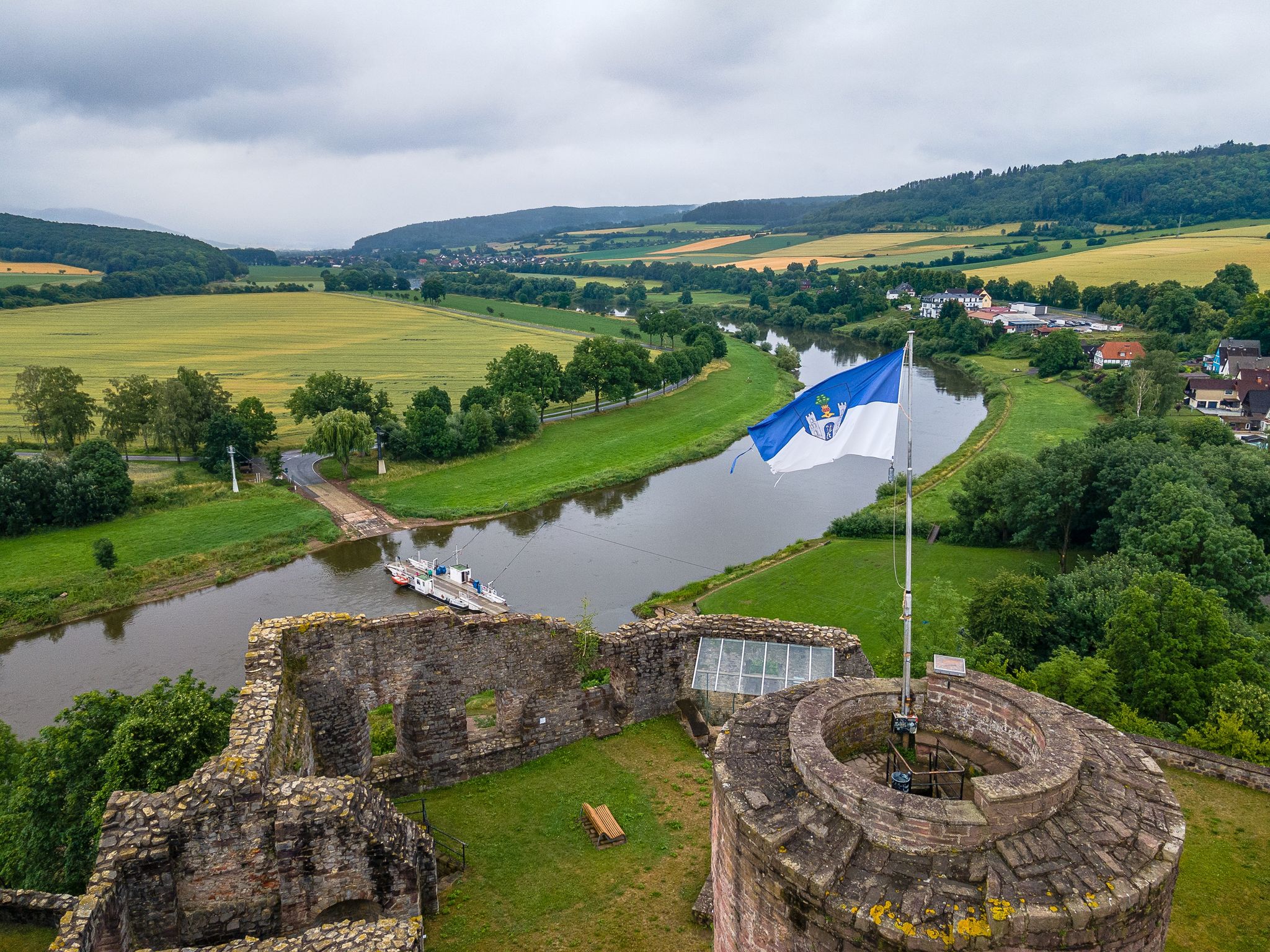
Along the Weser to the sea – Weser Cycle Route alternative route

On the Weser Cycle Route – from the Weser Uplands to the North Sea
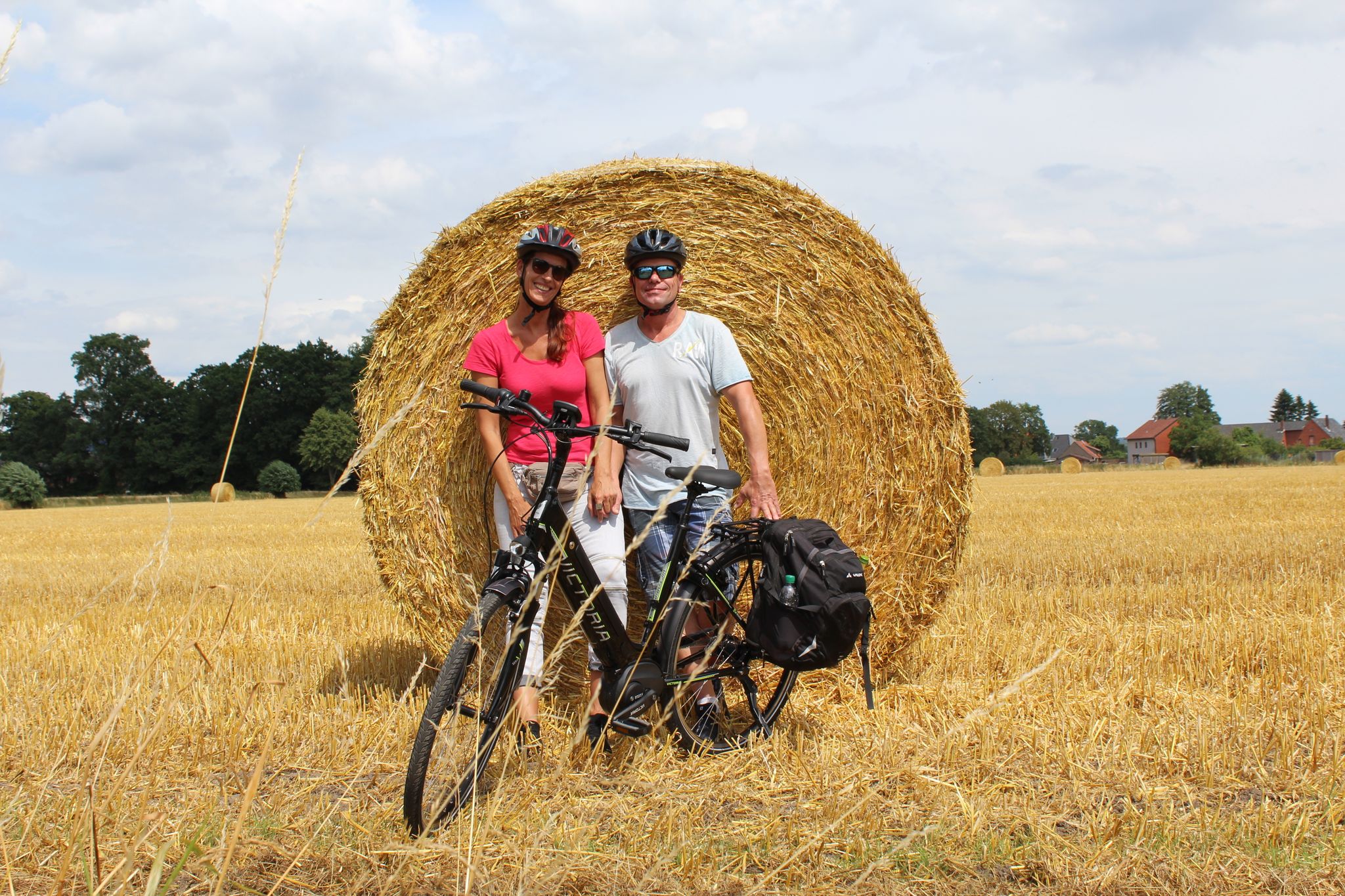
TOP 10 themed bike Tours in the Mittelweser region
Other adventures in Nienburg/Weser


Tips from the Community

The Luccaburg was a high medieval motte-and-bailey castle of the Counts of Lucca from the 11th/12th century, it is recognizable as a powerful, round earth mound. Parts of the 2 m wide ring wall are preserved.
1
0

Luccaburg Castle was an early medieval lowland castle near Loccum. The tower hill castle of the Counts of Lucca, dating from the 11th/12th century, is recognizable as a massive, round earthen mound. Parts of the 2 m wide circular wall are preserved. A Count Burchard of Lucca is mentioned in documents around 1113 and 1130. His daughter, Beatrice of Lucca, married Count Wilbrand of Hallermund, who thus became his successor and heir. In 1163, he donated the surrounding land to Cistercian monks for the establishment of Loccum Abbey. Luccaburg Castle can only be reached on foot or by bike. Source: https://www.mittelweser-tourismus.de/poi/luccaburg/
2
0
The Luccaburg was an early medieval lowland castle near Loccum. The tower hill castle of the Counts of Lucca from the 11th/12th century can be recognized as a mighty, round mound of earth. Parts of the 2 m wide ring wall have been preserved. A Count Burchard of Lucca is mentioned in documents around 1113 and 1130. His daughter Beatrice of Lucca married Count Wilbrand of Hallermund, who thus became his successor and heir. In 1163 he donated the surrounding land to Cistercian monks to found the Loccum monastery. The Luccaburg can only be reached on foot or by bike. Source: https://www.mittelweser-tourismus.de/poi/luccaburg/
3
0

Very beautiful monument that you can explore at your leisure.
5
0

The Luccaburg gave the present-day town of Loccum its name. The castle complex was once located on a circular hill. The actual ruins of the castle now lie half a meter below ground level. The walls that can be seen today are a memorial to Prior Franzen. The castle itself had probably already been abandoned when the monks from Volkenroda settled in this area and founded their monastery here. The site was given to them in 1163 by the then lord of the castle, Wulbrand von Hallersmund.
2
0

In the forest south of Loccum lies the historic Luccaburg, a little "hidden", off the wide forest path, in the idyllic valley of the Fulde river. To be more precise, the remains of a medieval tower hill castle, which can still be seen today as a mighty, round mound. During the archaeological excavation in 1914, among other things, a double-shell, two-meter-wide ring wall made of sandstone with a radius of 39 meters was uncovered. According to finds and written sources, the castle dates back to the 9th/10th century. Century and belonged to the Counts of Lucca. At the latest after the founding of the neighboring monastery of Loccum in 1163, it was probably no longer used. Today, the Luccaburg is a wonderful place of silence, as only a few cyclists and hikers get here via the narrow, sometimes slightly muddy trail. So you can sit relaxed on the bench and watch the cattle grazing in the pasture next door.
6
0

The paths in the monastery forest around the Luccaburg invite you to run,
0
0
The windmill was built in 1821. In 1905, during a thunderstorm, it caught fire and burned down. The masonry, which was partially reconstructed, has been preserved. The octagonal Mühlenstump stands on the densely wooded Mühlenberg in Rehburg. Several paths and a main entrance lead up there.
0
0
Frequently Asked Questions
What types of castles and historical sites can I explore in Nienburg/Weser?
In Nienburg/Weser, you'll find remnants of former fortifications and historically relevant buildings. These include the impressive Stockturm Nienburg/Weser, which is the last remaining part of a former moated castle, and the ancient Luccaburg Memorial, an early medieval tower hill castle. The region offers a mix of visible ruins and significant historical structures that tell the story of its feudal past.
Are there any castles in Nienburg/Weser that are particularly family-friendly?
Yes, both the Luccaburg Memorial and the Stockturm Nienburg/Weser are considered family-friendly. The Luccaburg offers a chance to explore ancient ruins in a natural setting, which can be an adventure for children, while the Stockturm provides a tangible connection to the town's history with its distinctive architecture.
What is the best way to experience the Luccaburg Ruins near Loccum?
The Luccaburg Ruins near Loccum are best experienced on foot or by bike. Located in the idyllic valley of the Fulde river, it's a wonderful place of silence, perfect for those seeking a tranquil experience amidst historical remnants and nature. It's an excellent destination for cyclists and hikers.
Can I go inside the Stockturm Nienburg/Weser?
The Stockturm Nienburg/Weser, while a significant landmark, is generally not accessible to the public for interior viewing. It now serves as the domicile for student fraternities. However, its distinctive Renaissance architecture and historical role as the last remnant of the Counts of Hoya's moated castle make its exterior viewing highly worthwhile.
Are there any castles in the Nienburg/Weser area that are not open to visitors?
Yes, Eickhof Castle, despite its historical significance, is not open to the public. It has housed a Zen monastery since 2006, and neither the castle nor its Japanese gardens are accessible for visitors.
What outdoor activities can I do near the castles in Nienburg/Weser?
The natural settings around the castles offer various outdoor activities. Near the Luccaburg Memorial, you can enjoy hiking and cycling through the Loccum Forest. For more options, explore the easy hikes or MTB trails available in the Nienburg/Weser region.
Are there good walking routes that include historical sites in Nienburg/Weser?
Yes, the region offers several walking routes that incorporate historical sites. For instance, the Luccaburg Memorial is located within the Loccum Forest, making it accessible via pleasant walks. You can find more options for easy hikes in the Nienburg/Weser area, some of which pass by historical points of interest.
What is the historical significance of the Stockturm in Nienburg/Weser?
The Stockturm is considered the oldest building in Nienburg and is the last remaining part of the former moated castle of the Counts of Hoya. It served as their permanent residence from 1324 and was a crucial fortification. After the main castle was demolished, the tower was repurposed for military use and as a prison, giving it a rich and varied history.
Is there a historical site related to a windmill in the area?
Yes, you can visit the Rehburg Windmill Ruins. This windmill, built in 1821, was destroyed by fire in 1905. Today, only the mighty octagonal stone foundations remain, offering a unique historical landmark on the Mühlenberg hill in Rehburg-Loccum.
What can I expect when visiting the Luccaburg Memorial?
When visiting the Luccaburg Memorial, you'll find the remains of an early medieval lowland castle, visible as a mighty, round mound of earth. It's a peaceful spot in the Loccum Forest, ideal for quiet contemplation and enjoying nature. You can see parts of the preserved 2-meter-wide ring wall from the 11th/12th century.
Are there any historical buildings in Nienburg/Weser that are now museums?
While not a traditional fortified castle, the Fresenhof in Nienburg is a stately, two-story, half-timbered building that now houses the Nienburg Museum. It has a history dating back to the early Middle Ages and was a feudal landed estate, playing a role in the origin of Nienburg's name. It offers a glimpse into the region's feudal system and urban development.
Most popular routes in Nienburg/Weser
Most popular attractions in Nienburg/Weser

Get inspired with the komoot mobile app


Didn’t find what you were looking for?
Explore Nienburg/Weser’s best castles region by region:
