Top 20 Caves in Ostalbkreis
Best caves in Ostalbkreis are found within a region characterized by the Swabian Alb, featuring diverse underground formations. This area includes natural caves with archaeological significance and former mining tunnels. The landscape offers insights into geological history and ancient human activity. Ostalbkreis provides various opportunities for exploring subterranean environments.
Best caves in Ostalbkreis
- The most popular caves is Schiller Grotto, a cave that is a horseshoe-shaped end of a canyon. It is located in a forest north of Bruck. …
Last updated: August 16, 2026
Great Scheuer Cave
Highlight • Cave
Translated by Google •
Tip by

Finsteres Loch Cave
Highlight • Cave
Translated by Google •
Tip by

Sign up now to discover places like this
Get recommendations on the best single tracks, peaks, & plenty of other exciting outdoor places.
Sign up for free
Schiller Grotto
Highlight • Cave
Translated by Google •
Tip by

Rosenstein Caves and Ruins
Highlight (Segment) • Cave
Translated by Google •
Tip by
Teufelsklinge Waterfall
Highlight • Waterfall
Translated by Google •
Tip by

Hasenpfad Trail
Highlight (Segment) • Trail
Translated by Google •
Tip by

Three-Entrance Cave
Highlight • Cave
Translated by Google •
Tip by
Falkenhöhle (Falcon Cave)
Highlight • Cave
Translated by Google •
Tip by

Lourdes Grotto, Hohenberg
Highlight • Religious Site
Translated by Google •
Tip by

Friedrichshöhle Trail
Highlight (Segment) • Trail
Translated by Google •
Tip by

Sign up for free to discover even more caves in Ostalbkreis.
Sign up for free
Already have an account?
Start today with a free account
Your next adventure awaits.
Login or Signup
Popular around Ostalbkreis
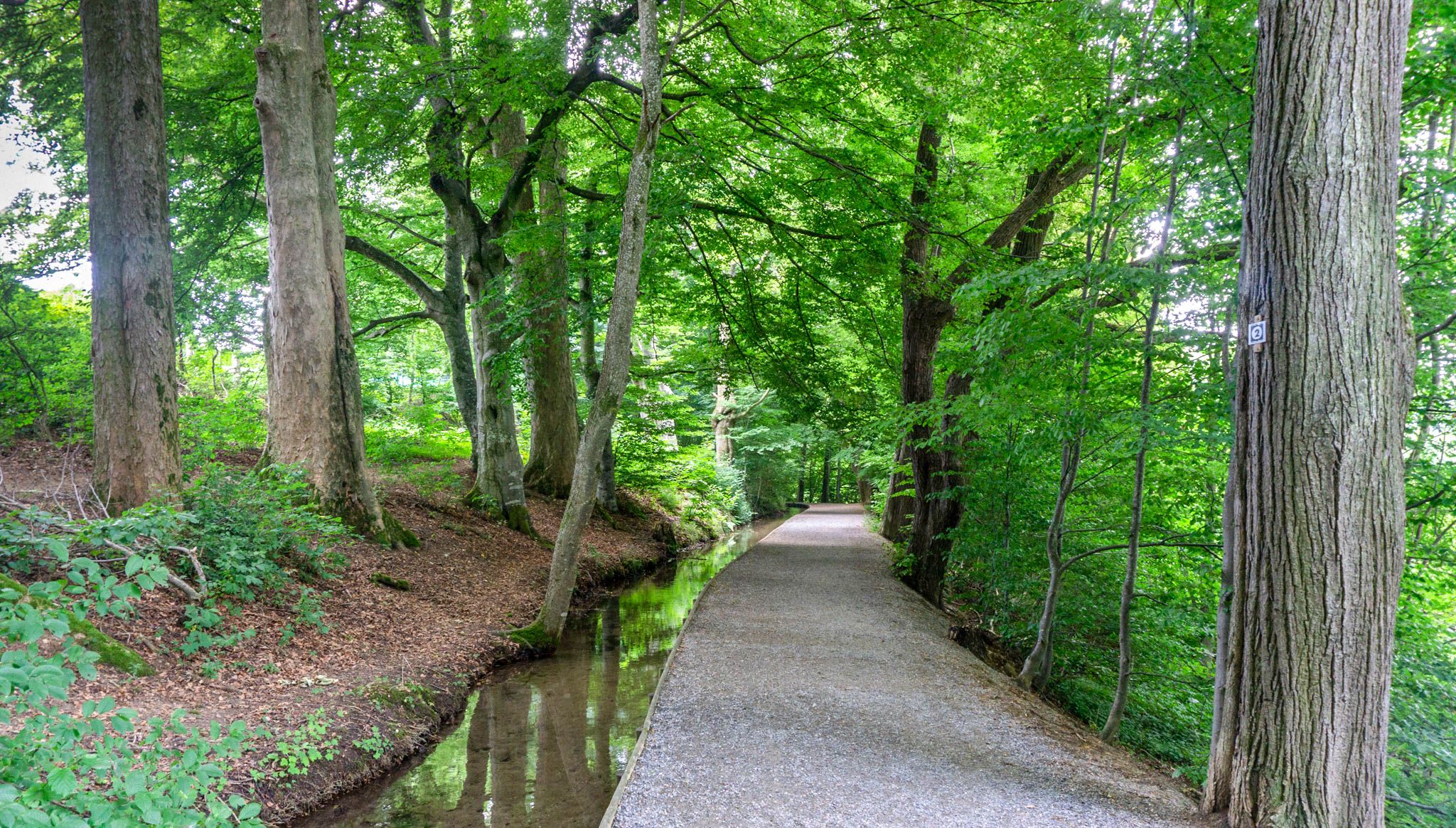
Main-Danube-Lake Constance Trail – Along iconic waters
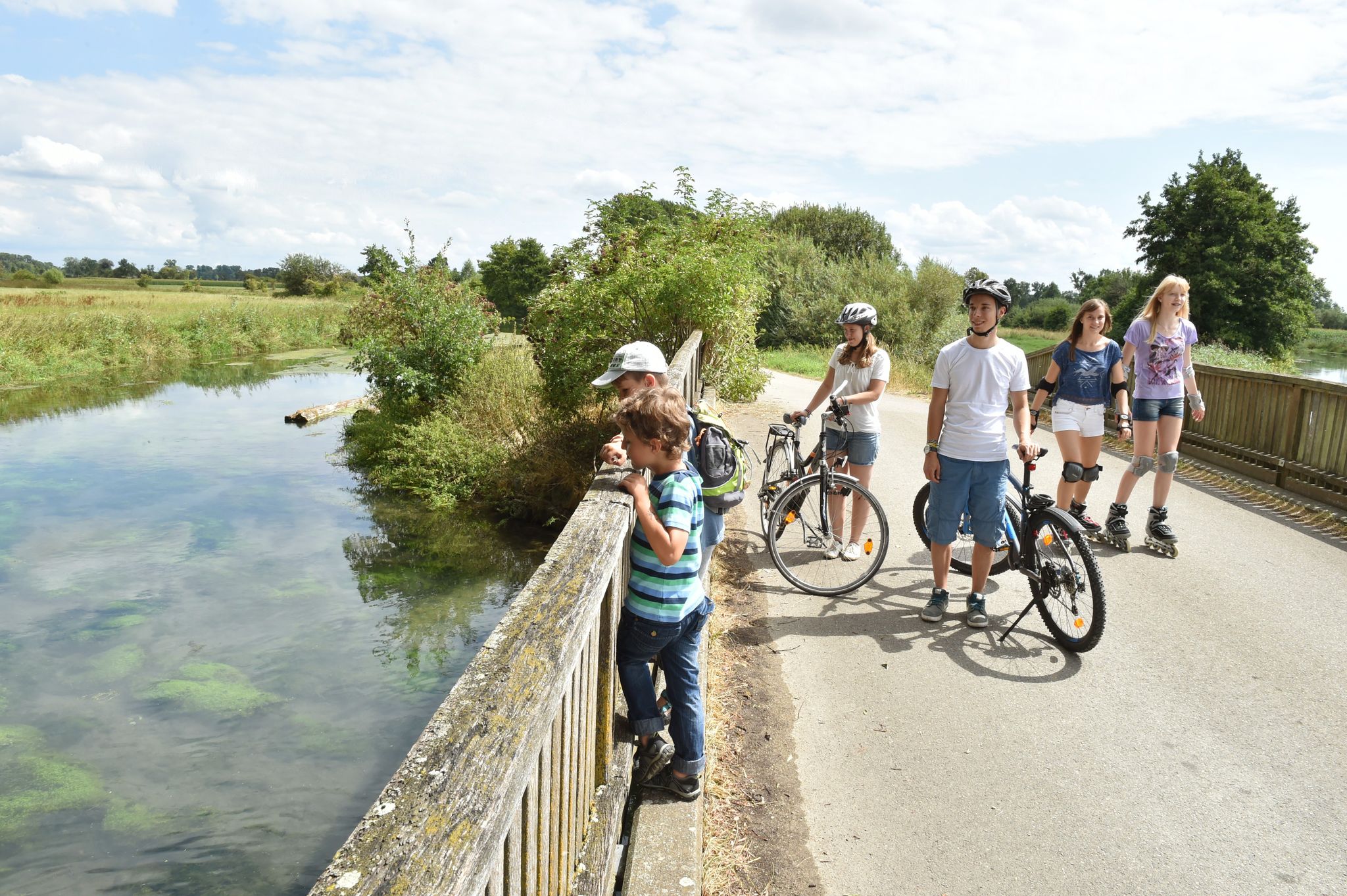
Germany's Hohenlohe-Ostalb Cycle Route – From idyllic valleys to the Swabian Alb
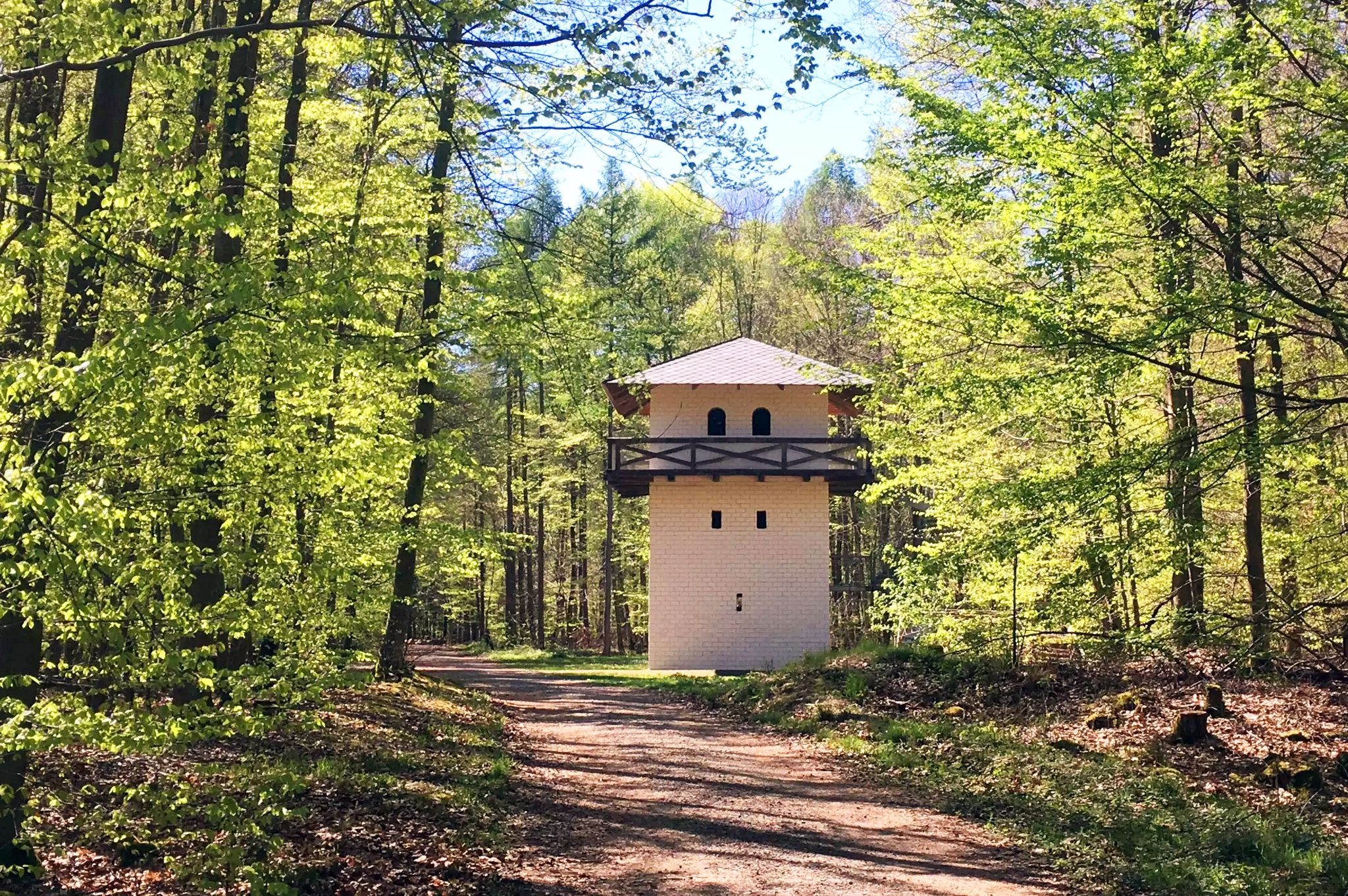
German Limes Cycle Path – Riding from the Rhine to the Danube
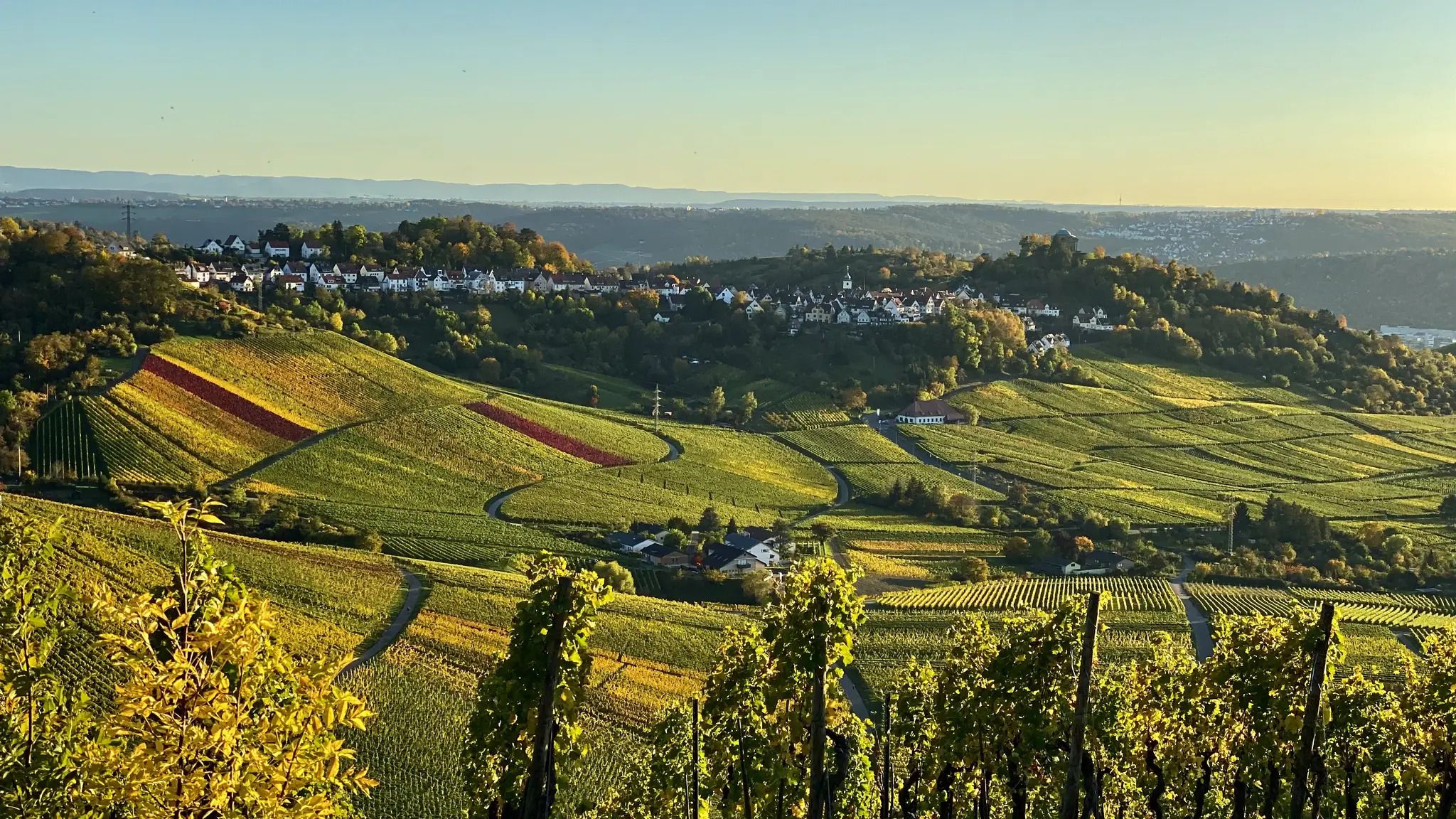
Rems Valley Trail near Stuttgart – Endlessly beautiful 11 stages
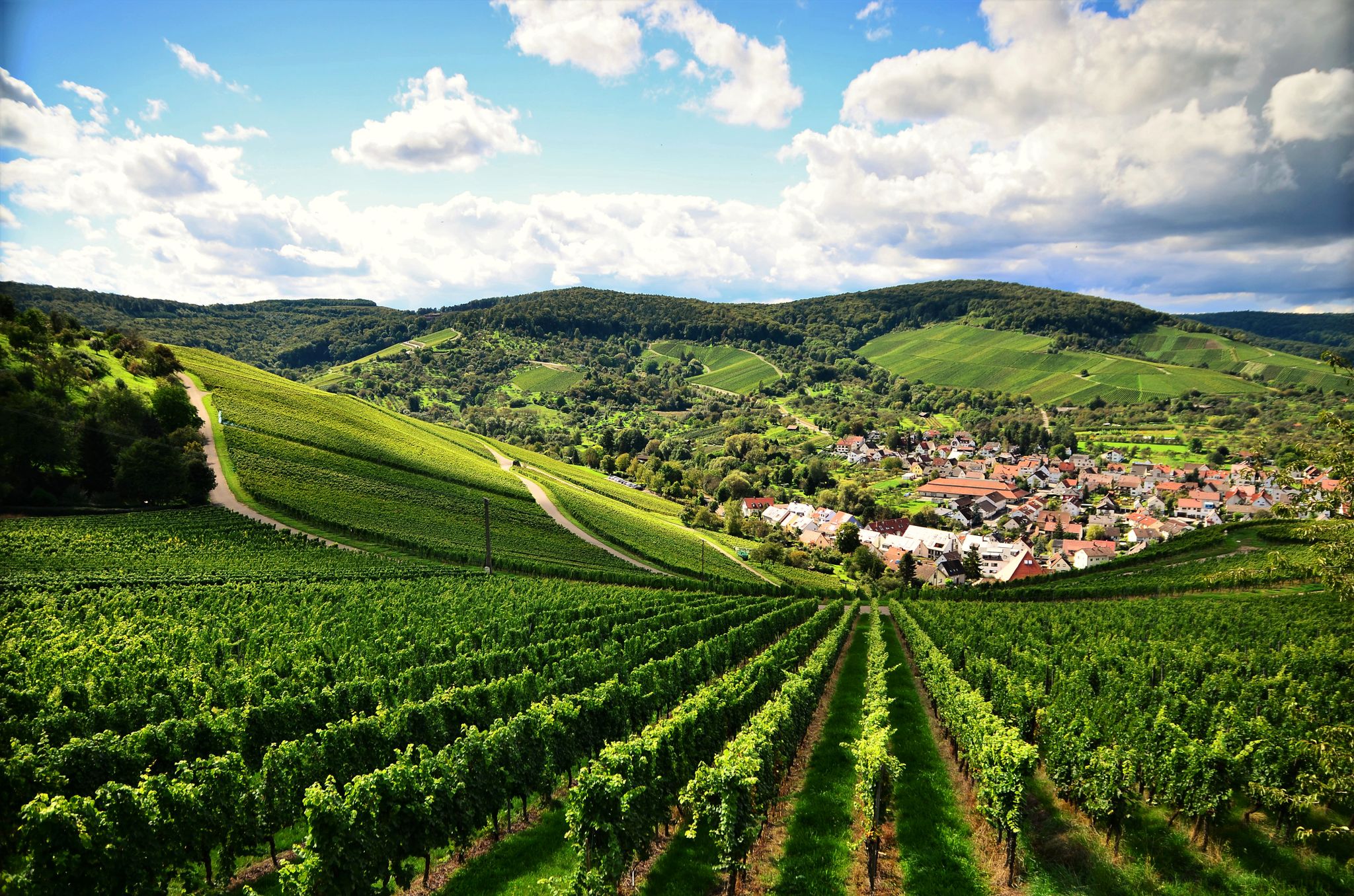
The Remstal cycle path – Nature, timber frame and the Limes
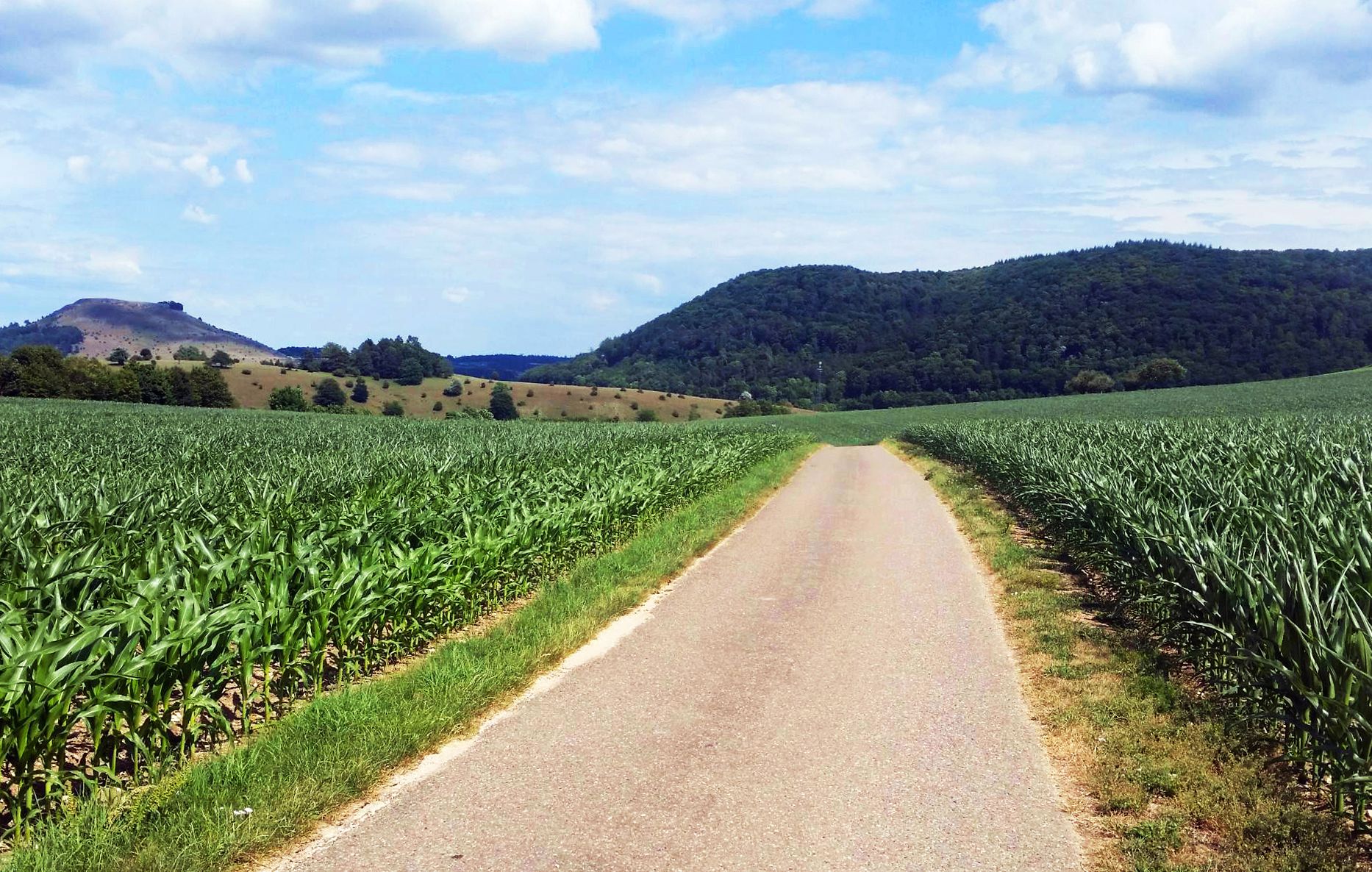
From Crater to Crater — 4 stages in the Geopark Ries and across the Swabian Alb
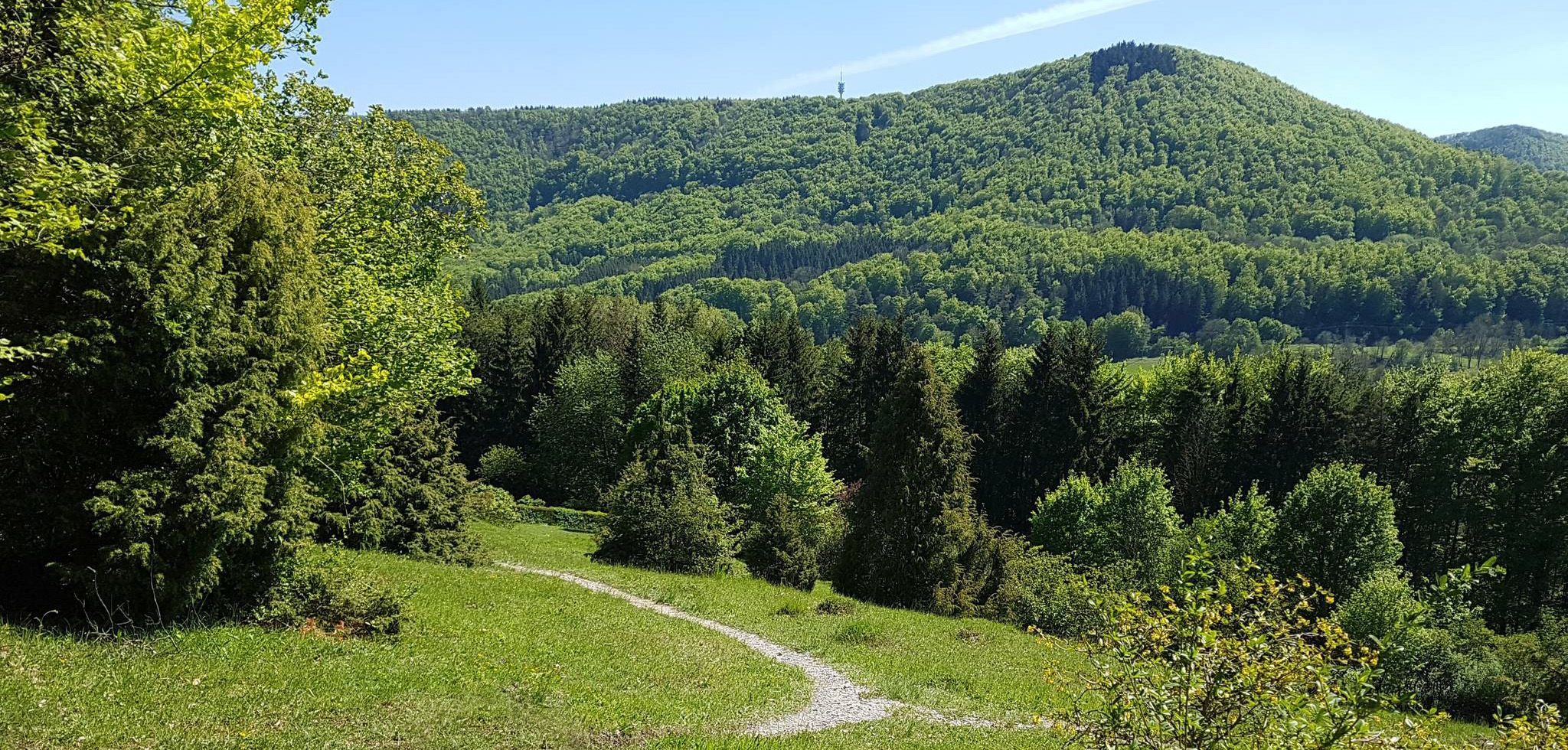
Spätzle Cross — 7 days on the Swabian Alb
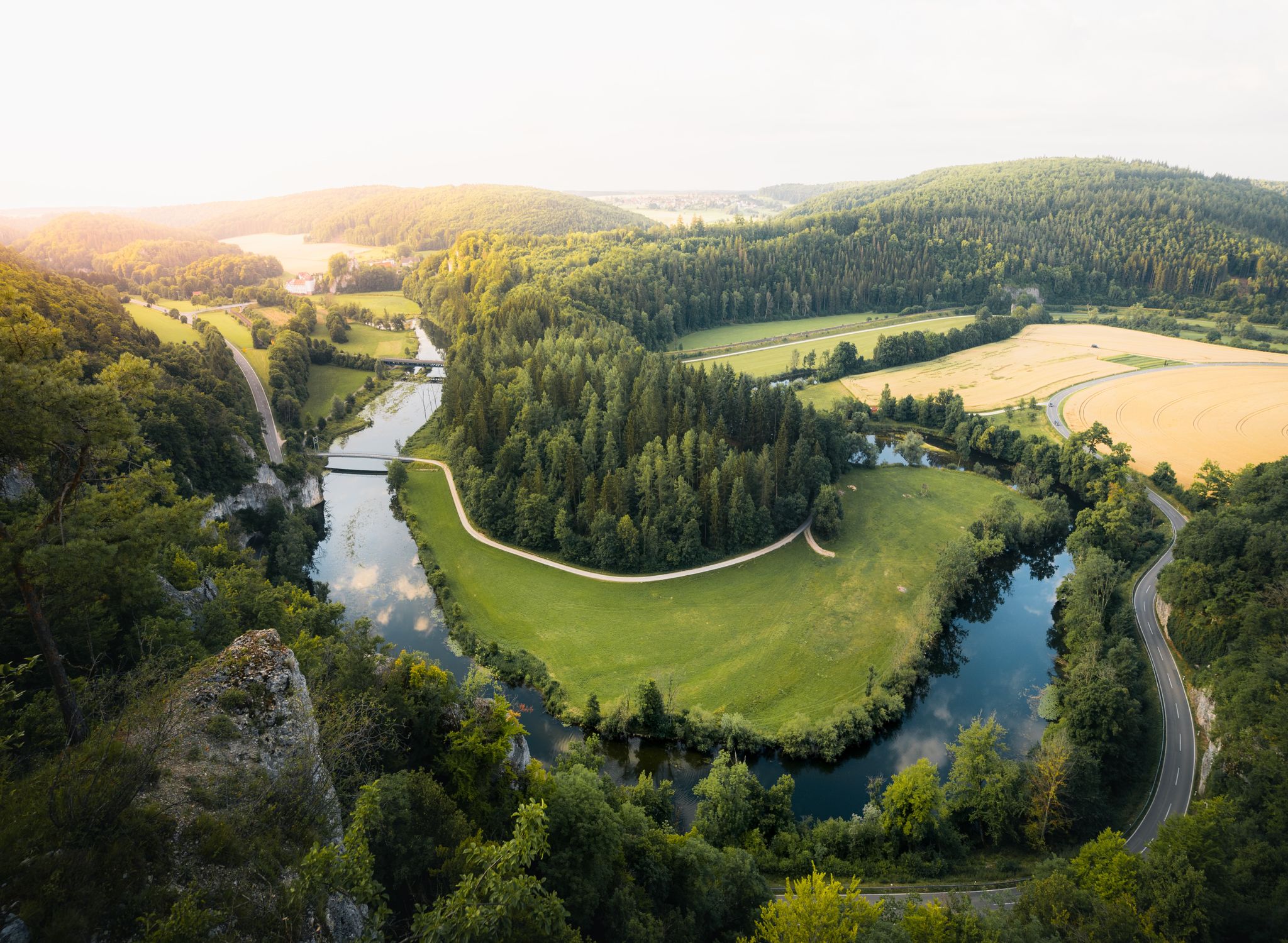
Where valleys tell stories – hiking the rivers of the Swabian Jura
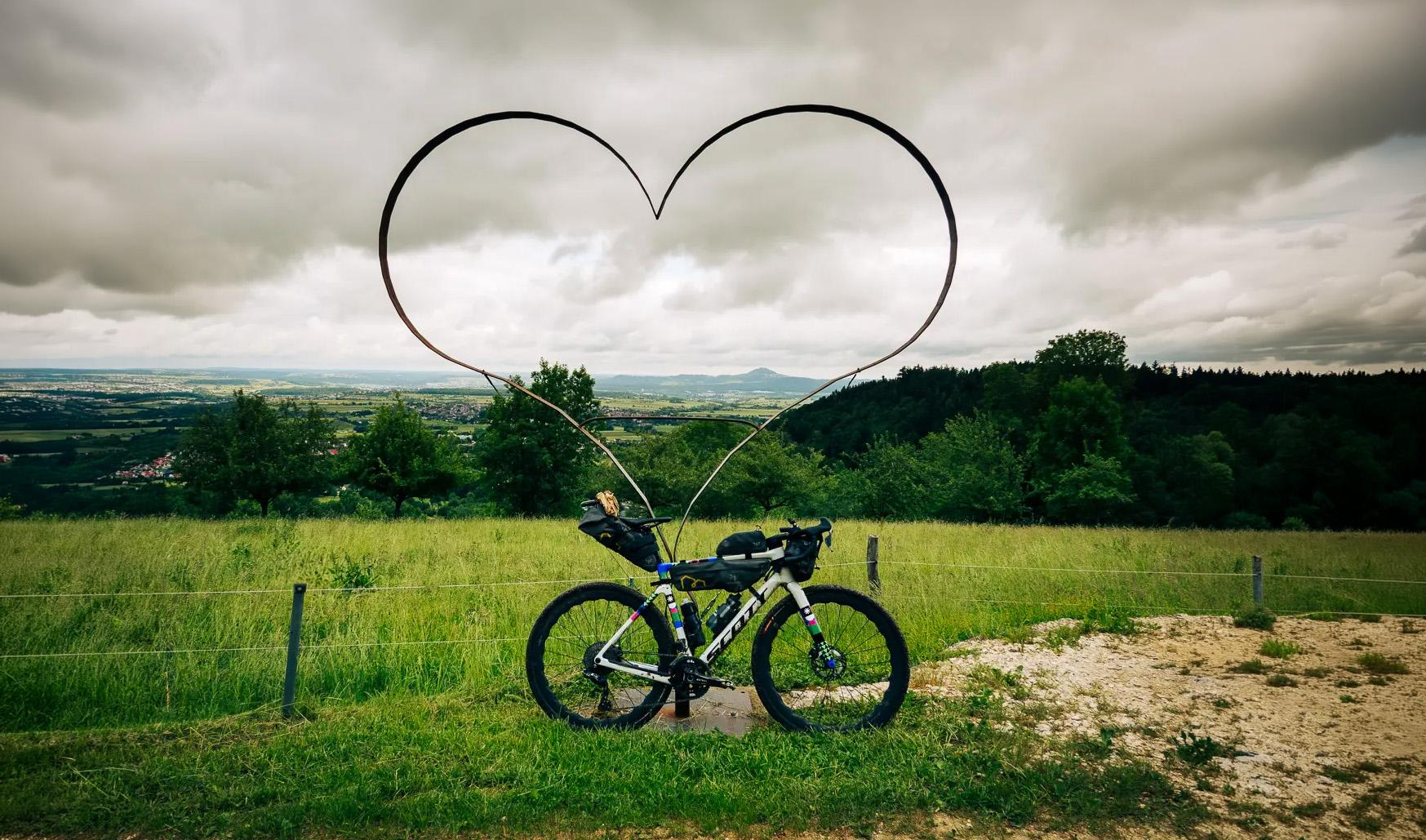
Alb-Crossing – through the quiet expanse of the Swabian Jura
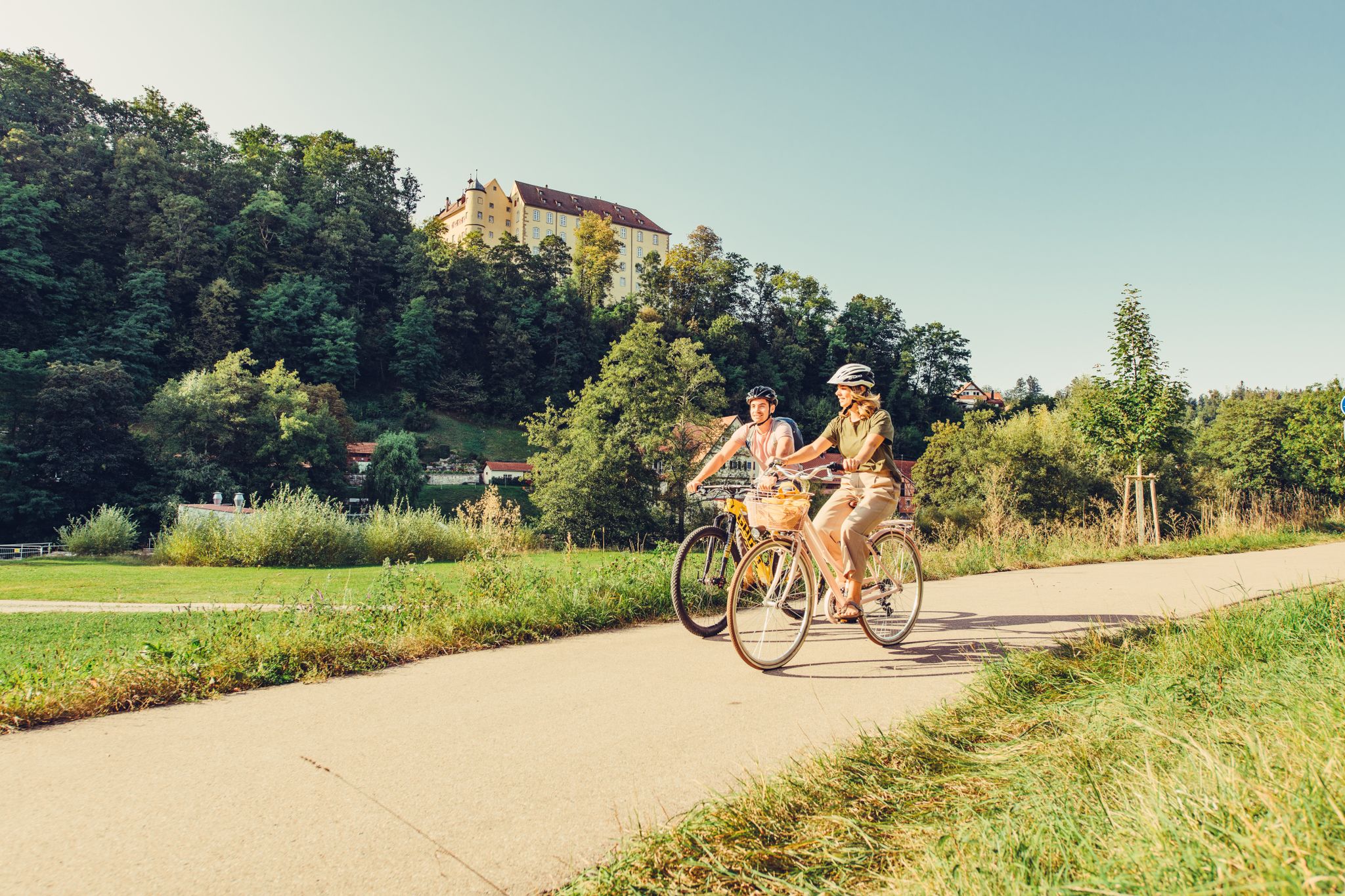
6 stages on the Kocher-Jagst cycle path through southern Germany
Other adventures in Ostalbkreis


Tips from the Community

Many rock formations and caves characterize the Rosenstein
0
0

Pastor Franz Josef Fuchs had the Lourdes Grotto built into the northern slope of Hohenberg Mountain. It was consecrated on June 20, 1886. Glass particles from the Rosenberg glass factory can still be seen in the Lourdes Grotto today. Slag stones from the disused glass factory were used as building material, into which various colored glass was melted. The grotto is freely accessible and can be reached via a path northwest of the pilgrimage church of St. James. It is located in a small wooded area directly next to a small pond. Cycling is prohibited, but you can easily push your bike down from Hohenberg Mountain; there are a few steps at the bottom. You can continue by bike from the grotto.
1
0
Pastor Franz Josef Fuchs had the Lourdes Grotto built into the northern slope of Hohenberg Mountain. It was consecrated on June 20, 1886. Glass particles from the Rosenberg glass factory can still be seen in the Lourdes Grotto today. Slag stones from the disused glass factory were used as building material, into which various colored glass was melted. The grotto is freely accessible and can be reached via a path northwest of the pilgrimage church of St. James. It is located in a small wooded area directly next to a small pond. Cycling is prohibited, but you can easily push your bike down from Hohenberg Mountain; there are a few steps at the bottom. You can continue by bike from the grotto.
1
0

short trail, you can also take a few jumps
1
0

The cave is reserved for bats. It also has a history.
2
0

Good location, there are many such tunnels here.
1
0

Good footwear recommended. Path very narrow and slippery
3
0

This cave has a history, but is locked. The cave is primarily of speleological significance. In 1530, something outrageous happened there, and we still have records of it. Pastor Degen from Großbettlingen was held captive there for eight weeks by the town clerk Halm from Aalen in order to extort a ransom. This may read like a pure crime story, but it is also part of the story that the pastor was a supporter of the Austrian party and the town clerk was a supporter of Duke Ulrich. There were serious political disputes at that time, which had led to Duke Ulrich of Württemberg being expelled. When Halm wanted to take Degen to a new hiding place, he had already starved to death. Halm was executed in Villingen for his crime. Source: https://www.lochstein.de/hoehlen/D/sw/ostalb/7225heubach/falken/falken.htm
4
1
Frequently Asked Questions
Which caves in Ostalbkreis are suitable for families with children?
The Great Scheuer Cave and the Three-Entrance Cave on the Rosenstein are popular with children due to their accessible nature and historical significance. The Charlottenhöhle also offers a comprehensive family-friendly experience with the adjacent interactive adventure museum "HöhlenSchauLand," a playground, and barbecue facilities.
What historical or archaeological significance do the caves in Ostalbkreis hold?
Many caves in the Rosenstein massif, such as the Great Scheuer Cave and the Three-Entrance Cave, have significant archaeological importance. Excavations have revealed tools dating back to the Paleolithic period (15,000 years ago), as well as evidence of Bronze Age and medieval human activity. The Falkenhöhle (Falcon Cave) also has a notable historical story from the 16th century.
Are there any show caves or guided tours available in Ostalbkreis?
Yes, the Charlottenhöhle is one of the longest walk-in show caves in Southern Germany, offering guided tours to explore its diverse stalactite formations. Additionally, the Tiefer Stollen in Aalen-Wasseralfingen is a fascinating show mine where visitors can experience the former iron ore mine in a lorry.
What unique natural features can be found in the caves of Ostalbkreis?
The Charlottenhöhle is renowned for its 'stalactite paradise' and a unique keyhole-shaped passage. The Schiller Grotto is a horseshoe-shaped end of a canyon, covered with beech and fir trees, offering a cool retreat in summer. The Great Scheuer Cave is a tunnel-like living cave with three large openings.
What outdoor activities can I combine with a visit to the caves in Ostalbkreis?
The Rosenstein area, home to many caves, is a popular recreational spot with numerous hiking trails, such as the "Archäopfad Rosenstein." You can find various hiking routes in the region, including the Kaltes Feld Weg or the Weiherwiesen Weg. For more options, explore hiking routes in Ostalbkreis.
Are there any caves in Ostalbkreis that are closed seasonally?
Yes, the Falkenhöhle (Falcon Cave) is closed in winter for bat protection. It typically reopens in March, and visitors might even spot bats on the ceiling of the entrance hall if it's not too warm.
What should I wear when exploring caves in Ostalbkreis?
For caves like the Falkenhöhle (Falcon Cave), which can be extremely muddy, it is advisable to wear clothes that can get dirty and potentially rubber boots. Even in summer, caves maintain a cool temperature, so bringing an extra layer is recommended for comfort.
Are there any unique experiences beyond natural caves in Ostalbkreis?
Yes, the Tiefer Stollen in Aalen-Wasseralfingen is a former iron ore mine that operates as a show mine. Visitors can ride a lorry through the tunnels, experiencing the mining history. It also functions as a healing therapy center, utilizing its cool and clean underground air for respiratory benefits.
Where can I find freely accessible caves in Ostalbkreis?
Many of the over 40 caves in the Rosenstein massif near Heubach are freely accessible during the summer months. These include the Great Scheuer Cave and the Three-Entrance Cave.
What are the difficulty levels for exploring caves in Ostalbkreis?
Difficulty varies significantly. Show caves like Charlottenhöhle are generally accessible for most visitors. However, some natural caves, such as the Falkenhöhle (Falcon Cave), can be challenging, requiring crawling through narrow gaps and navigating muddy conditions. The Wollenloch Shaft Cave is also considered challenging.
Can I find information about the geology of the Ostalbkreis caves?
The caves in Ostalbkreis are primarily located in the Swabian Alb, characterized by karst landscapes. The Charlottenhöhle provides insights into stalactite growth rates, while the Tiefer Stollen features iron ore deposits from the Aalenian period, approximately 170 million years ago, highlighting the region's geological history.
Are there any viewpoints or landmarks near the caves?
The Rosenstein massif, home to many caves, is a 735-meter-high mountain offering popular viewpoints and historical ruins. The Rosenstein Caves and Ruins highlight specifically points to this combination of natural and historical landmarks.
Most popular routes in Ostalbkreis
Most popular attractions in Ostalbkreis

Get inspired with the komoot mobile app


Didn’t find what you were looking for?
Discover more caves in Ostalbkreis region by region:
Explore more
Extend your search for the best caves by checking out these guides of the top ones in Ostalbkreis:
