Top 20 Natural Monuments in Main-Kinzig-Kreis
Natural monuments in Main-Kinzig-Kreis offer insights into the region's geological and ecological heritage. Located in Hesse, Germany, the area features diverse landscapes between the Spessart Mountains and the Vogelsberg Mountains. The district contains more than 160 registered natural monuments, including ancient trees, unique rock formations, and significant hydrological sites. This rich natural environment provides various opportunities for outdoor exploration.
Best natural monuments in Main-Kinzig-Kreis
- The most popular natural monuments is Barbarossa Spring, a natural monument that is a small…
Last updated: October 13, 2026
Wilhelmsbad State Park, Hanau
Highlight • Historical Site
To my knowledge, however, financed by selling soldiers to the English for the war against the Americans.
The café was located in the middle part. It …
Translated by Google •
Tip by

Wartbaum and Wooden Soldier Sculptures on the Hohe Straße
Highlight • Natural Monument
Translated by Google •
Tip by

Sign up now to discover places like this
Get recommendations on the best single tracks, peaks, & plenty of other exciting outdoor places.
Lausbaum
Highlight • Natural Monument
Showing Translation
Tip by

Kinzig Reservoir
Highlight • Lake
Translated by Google •
Tip by

Kinzig Floodplains
Highlight • River
Translated by Google •
Tip by

Barbarossa Spring
Highlight • Natural Monument
Translated by Google •
Tip by

Dr. Karl Kihn Square
Highlight • Mountain Hut
Dr. Karl Kihn was a general practitioner who, as a student …
Showing Translation
Tip by

Drusus Oak
Highlight • Natural Monument
According to the plaque it is only 400 years old. Looks pretty battered.
Translated by Google •
Tip by
Hanau-Wolfgang Forestry Office and Giant Sequoia
Highlight • Historical Site
Translated by Google •
Tip by

Wiesbüttsee
Highlight • Lake
The restaurant is not open every day, for certainty call briefly in advance. Tel. +49 6096-385
Showing Translation
Tip by

Sign up for free to discover even more natural monuments in Main-Kinzig-Kreis.
Already have an account?
Start today with a free account
Your next adventure awaits.
Popular around Main-Kinzig-Kreis
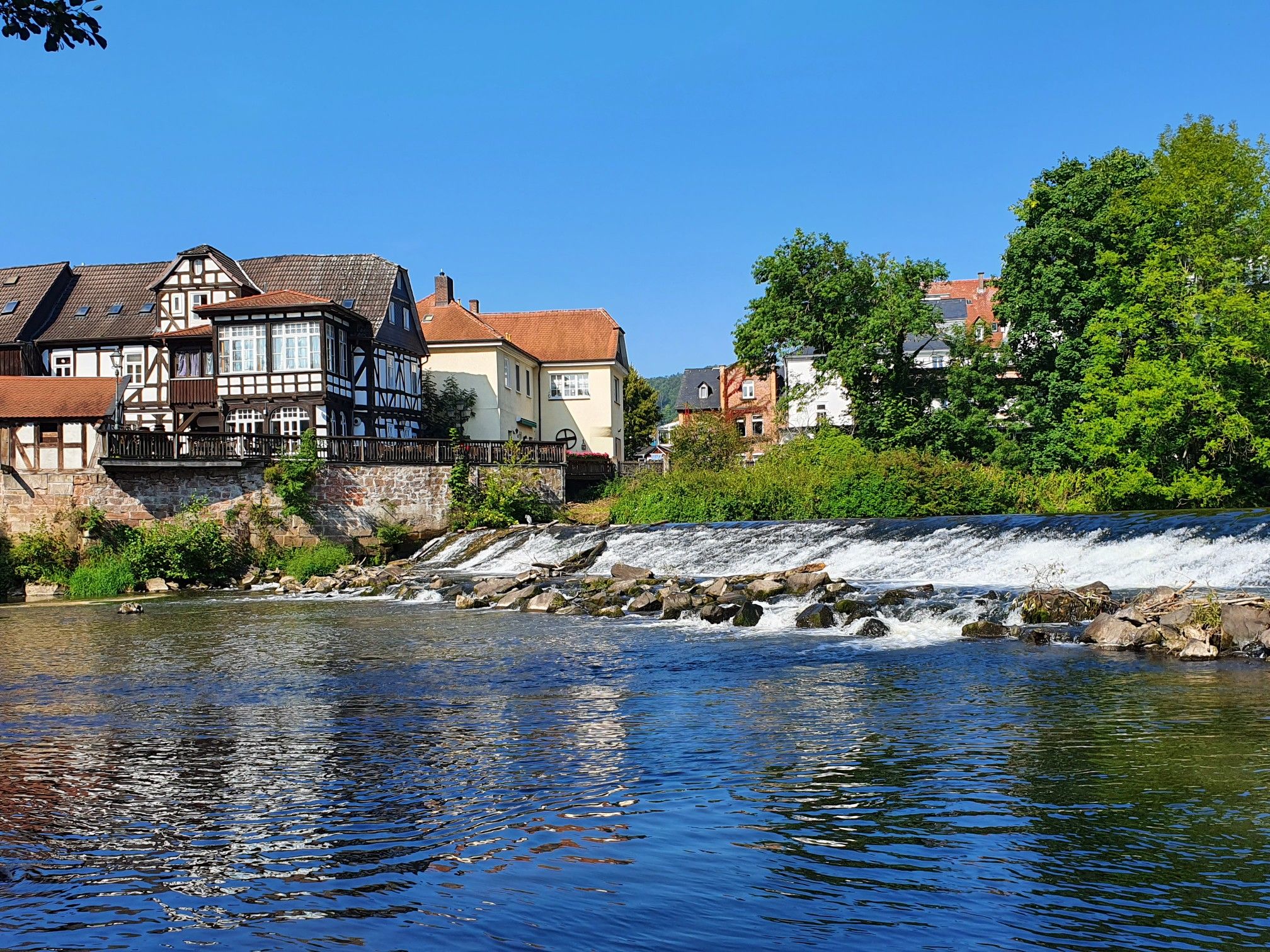
11 Hessen trails – criss-cross through the countryside
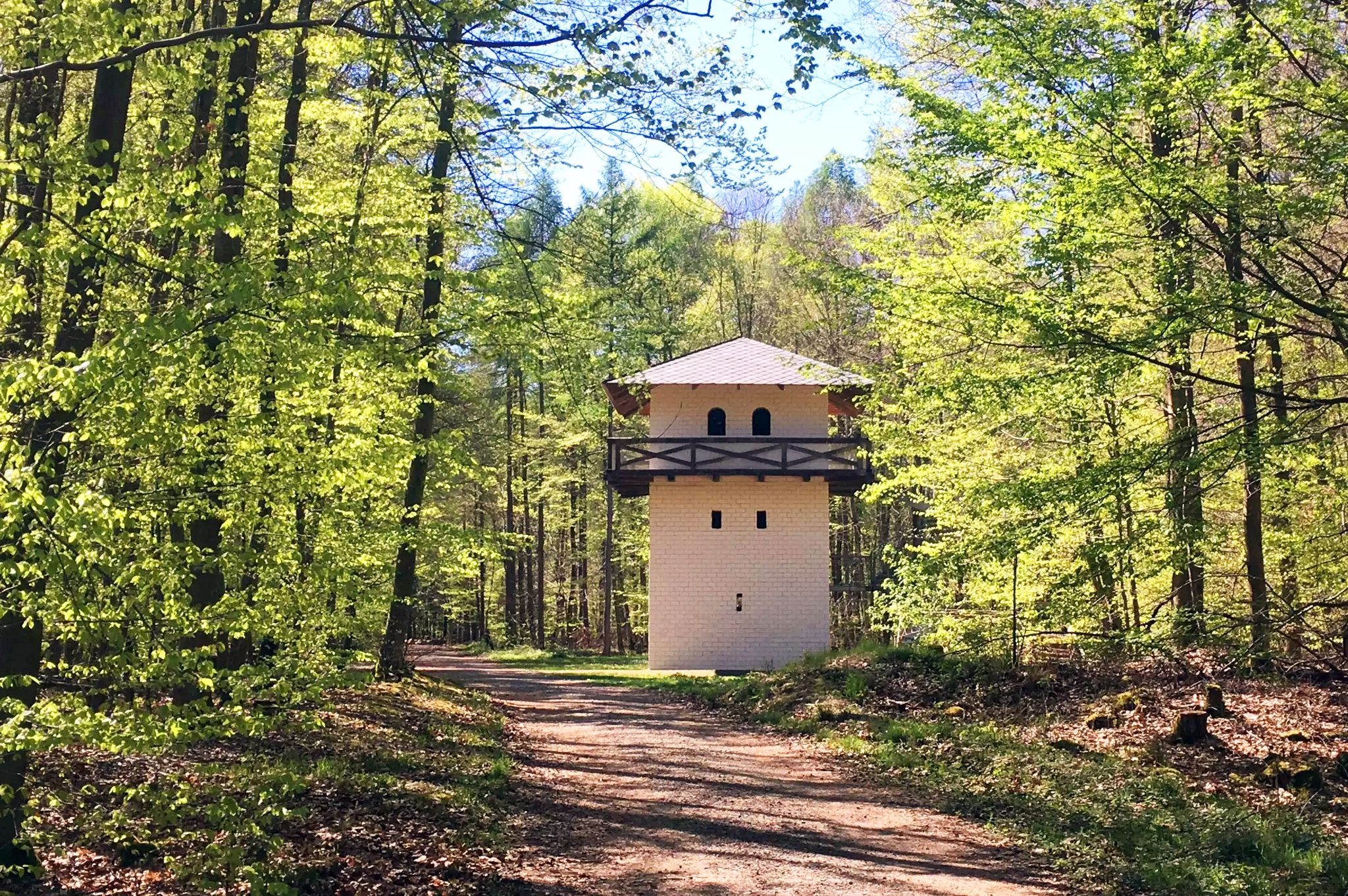
German Limes Cycle Path – Riding from the Rhine to the Danube
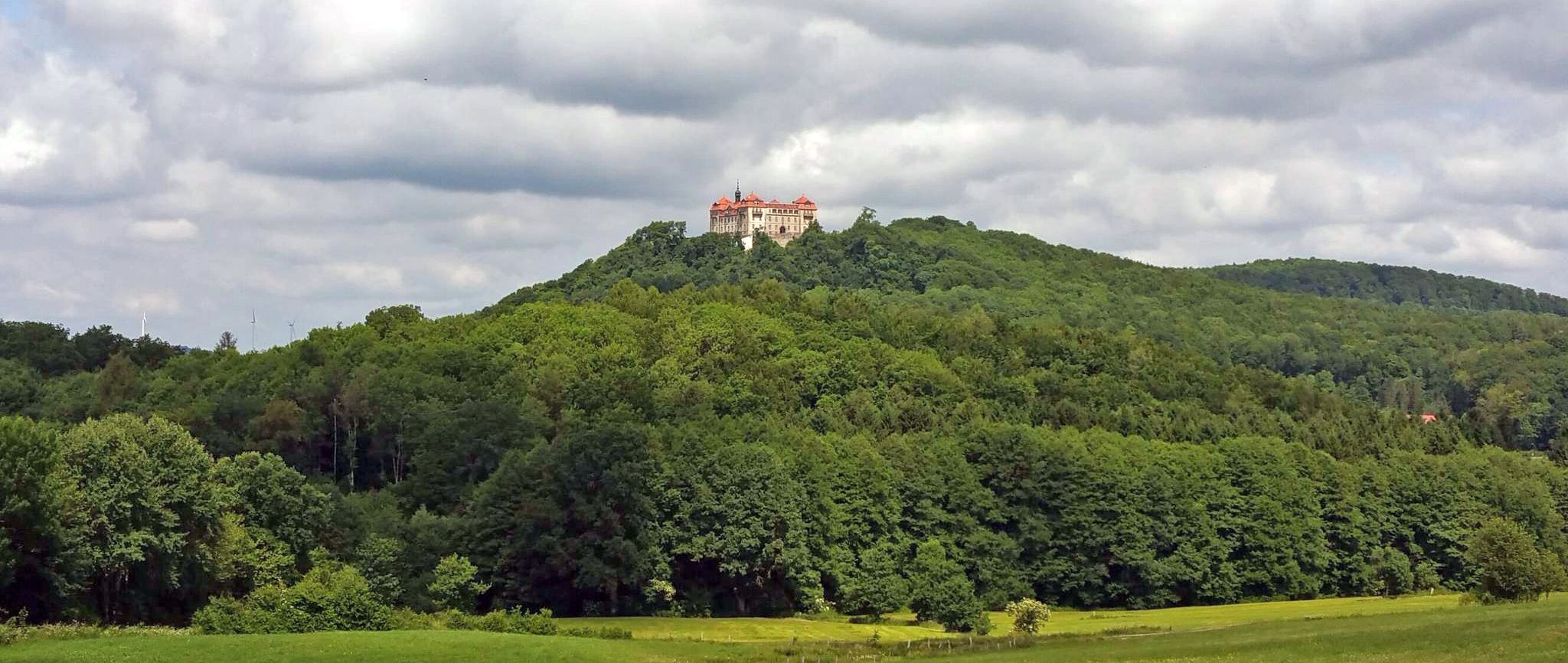
BahnRadweg Hessen — castles, palaces & beautiful nature
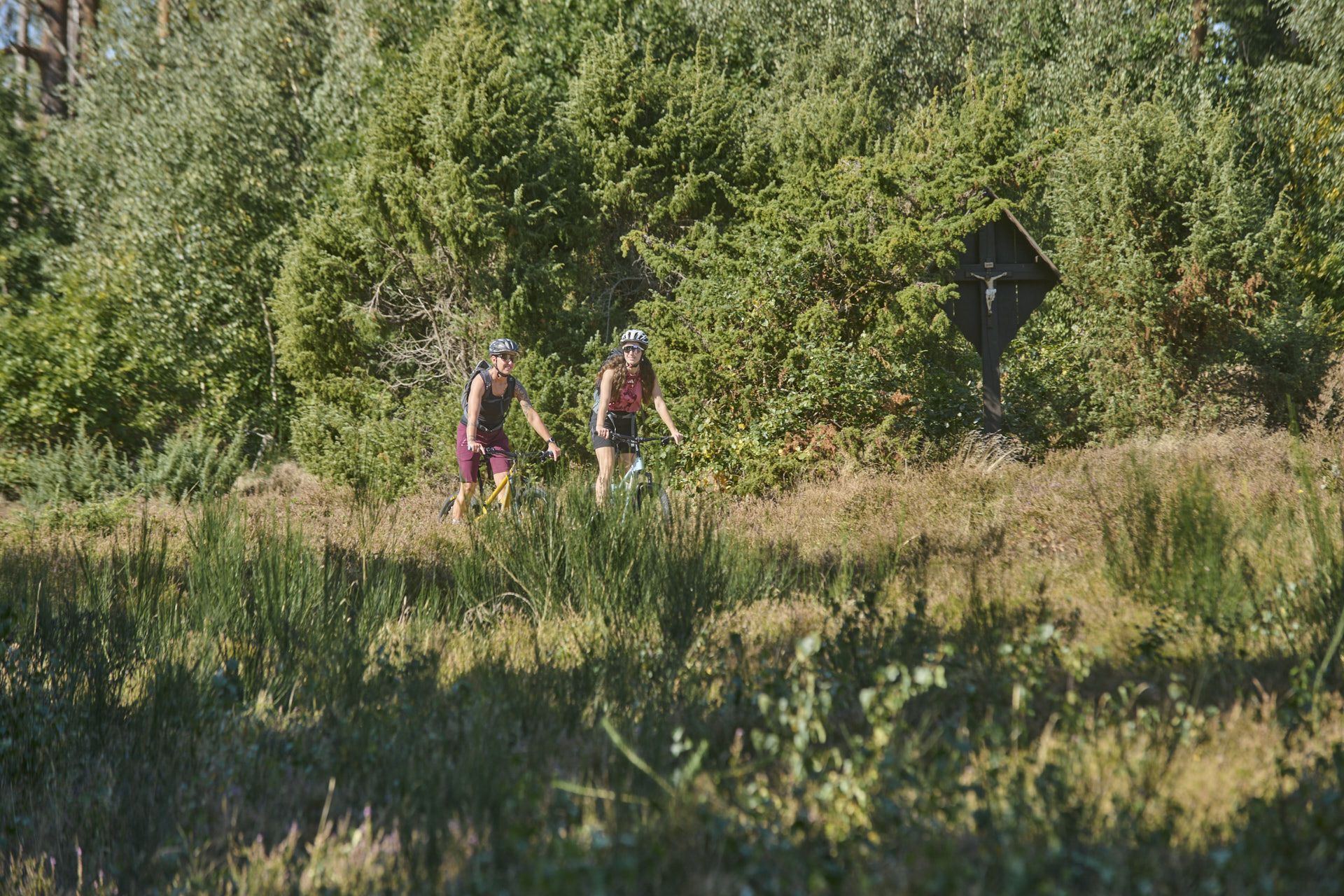
Nature, trails and local cuisine – MTB in the Spessart
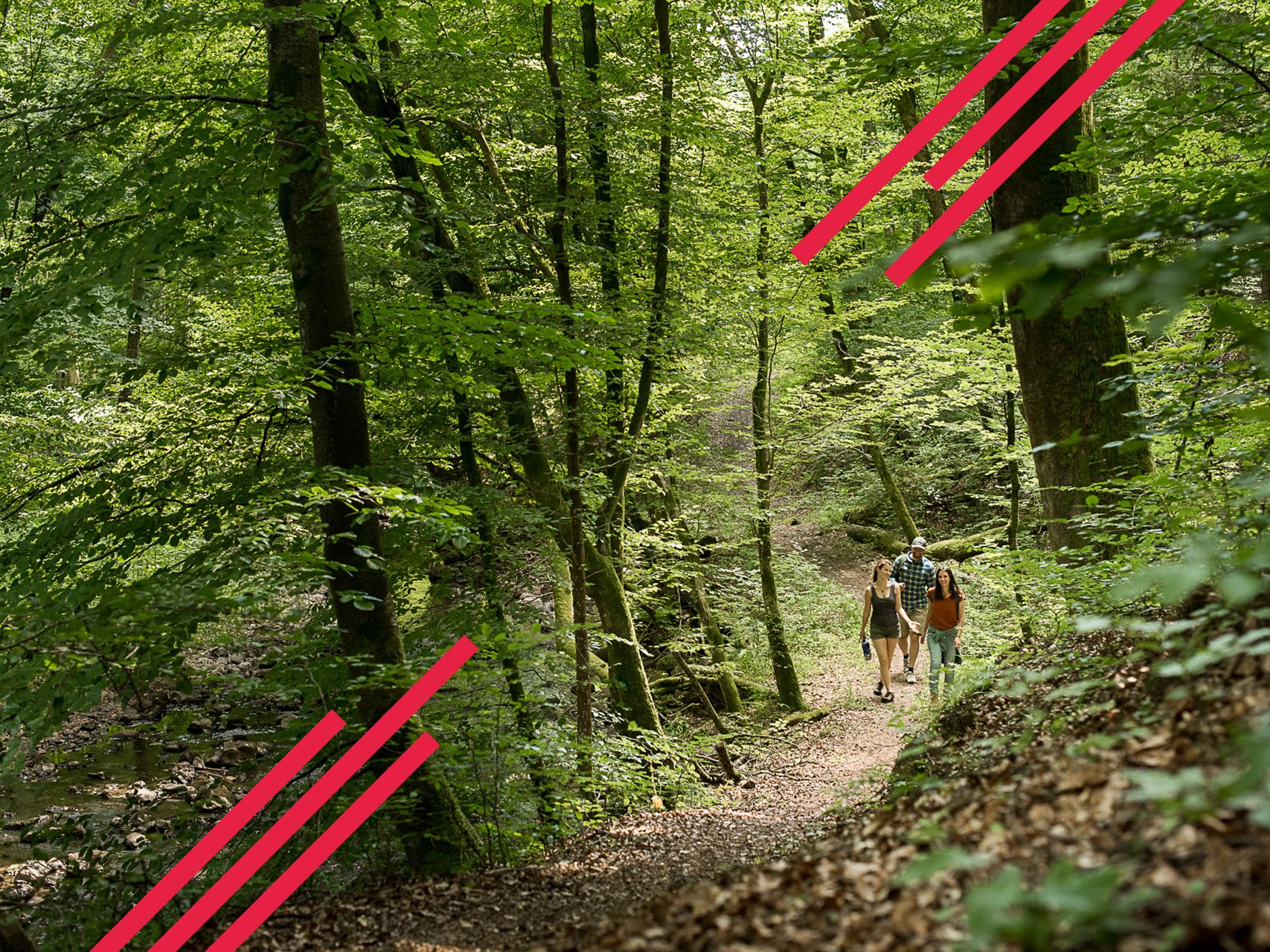
Relaxed hiking in the Spessart – short trails of discovery
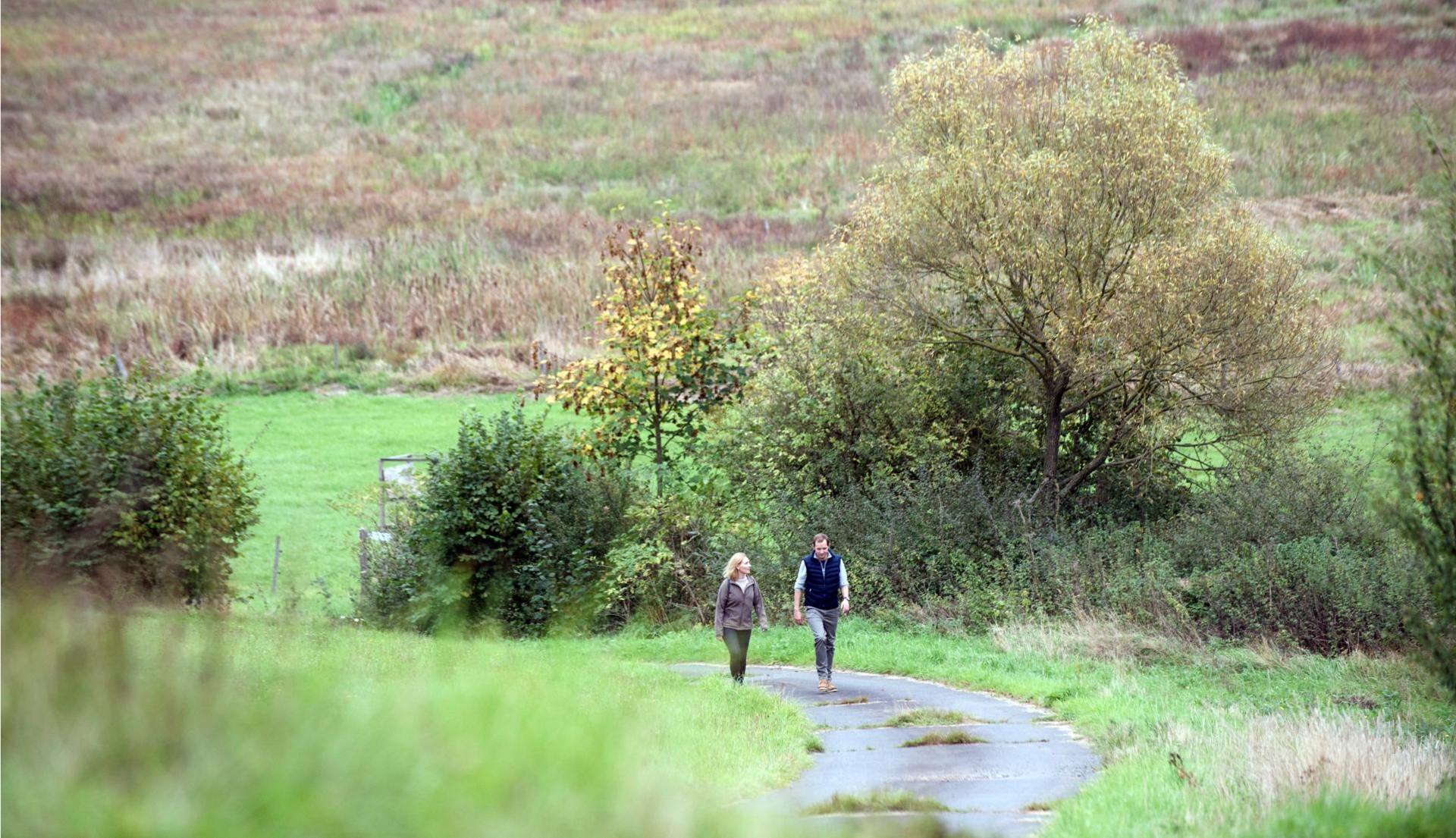
Pleasure hiking in the Spessart: trails that taste as good as they look
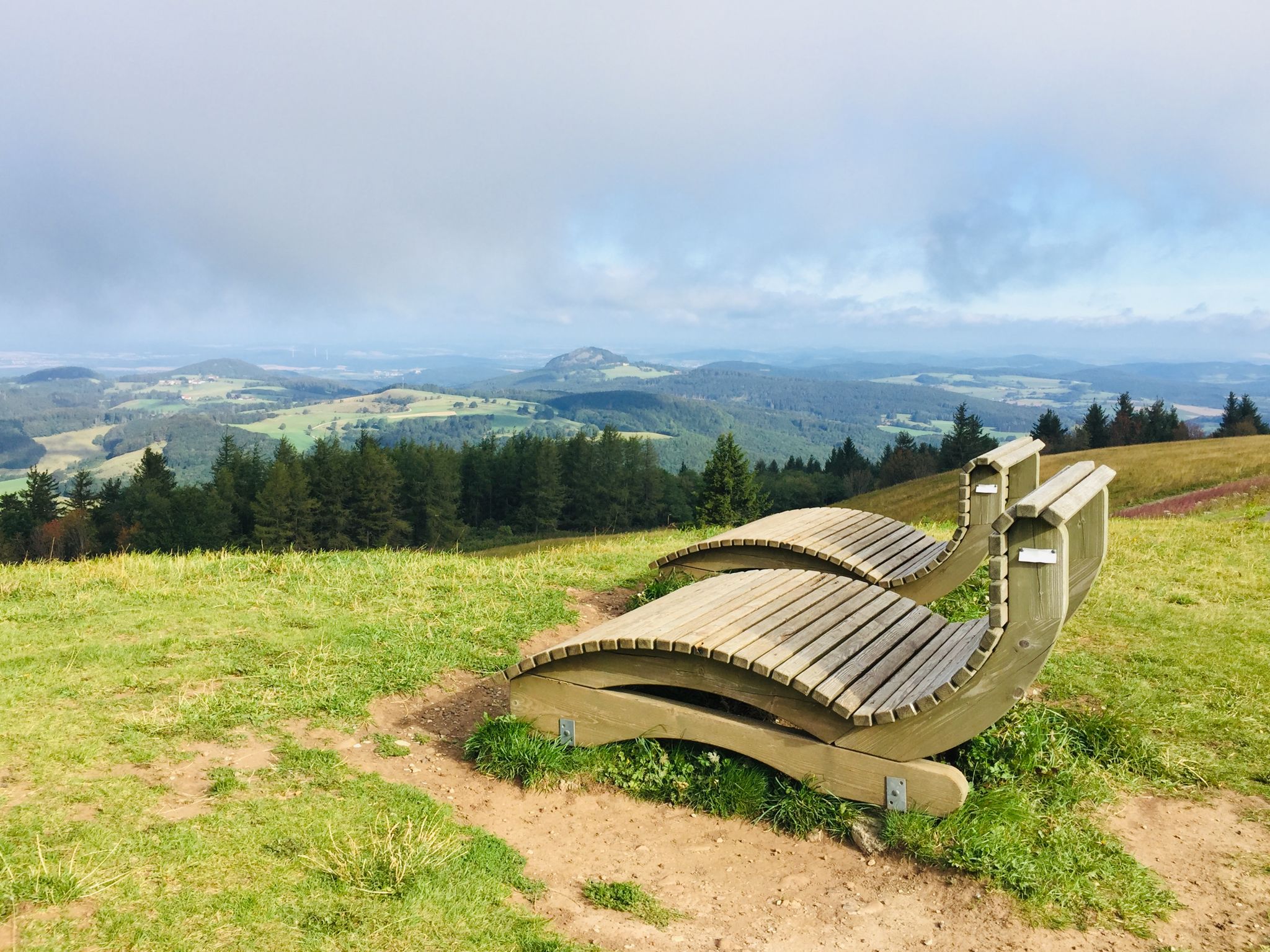
The National Natural Landscapes in Hessen

Winter adventures by public transport – hikes for the whole family
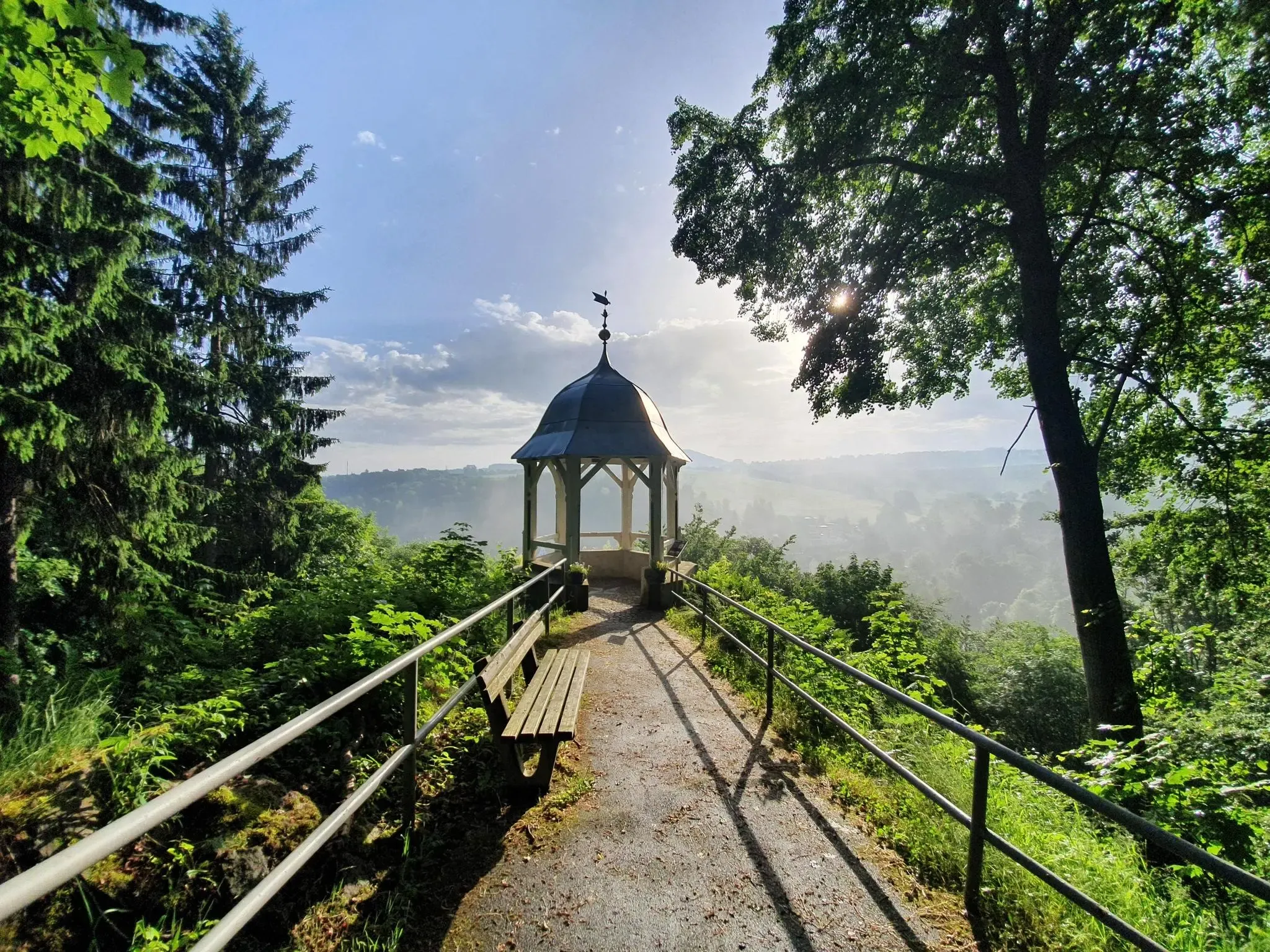
#GoFurther – discover the views of Germany!
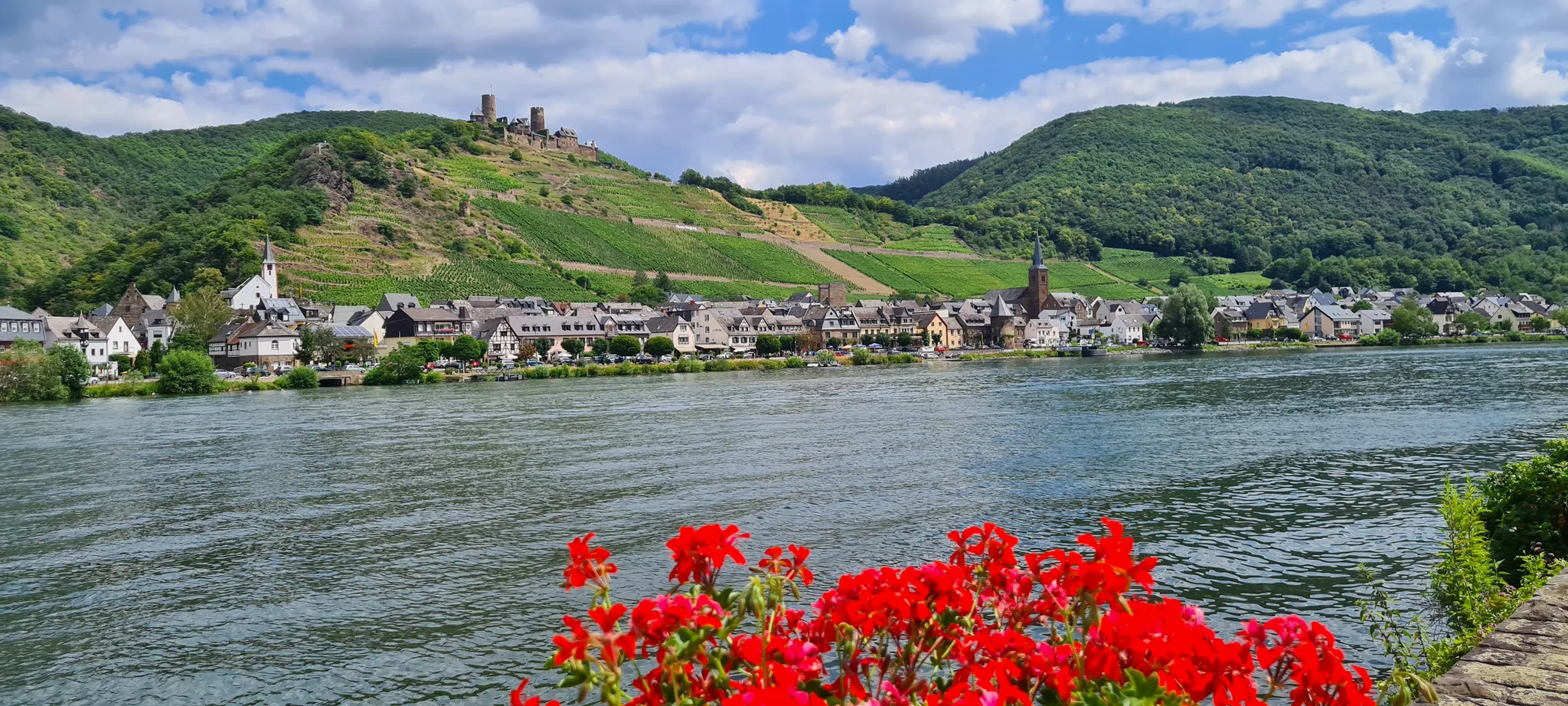
D-Route 5: Saar-Moselle-Main
Other adventures in Main-Kinzig-Kreis


Tips from the Community

Even invites you to swim on hot days ;)
1
0

The Kinzig is a river approximately 86 kilometers long. It rises in Sterbfritz, flows southwest through the Main-Kinzig district of Hesse, and flows into the Main from the right in Hanau. The Kinzig is a second-order river in low mountain ranges. It overcomes an elevation of 301 meters and has a bed gradient of 3.5 per thousand. The Kinzig's catchment area covers 1,058 square kilometers, and the calculated mean discharge (MQ) at the mouth of the Kinzig is 10.97 cubic meters per second. The Kinzig was first documented in 796 as "iuxta fluvium Kincihen." In 815, the name was written as "Chinzicha," around 900 as "Kincicha"/"Kinzicham," in 1364 as "Kinzige," in 1584 as "Kintzig," in 1607 as "Bintz," in 1681 as "Kintz," in 1716 as "Kins," in 1769 as "Kinzing," and in 1802 as "Kinzig." In the river's headwaters, there was the now-defunct village of Kinzig, mentioned in 815 as "Chirizichheimero." The village and river were often confused by monastery scribes at that time with "Chizzicha" (now Bad Kissingen), both of which were described as being located in the Saalegau. The name presumably derives from the ancient Celtic *ku̯anti̯o- meaning "flat hill, valley." The name was therefore derived from the mountainous region from which the Kinzig flows. Source: Wikipedia
2
0

It is a great place to cycle all year round.
3
0

Located not far from a campsite.. border area of Hesse and Bavaria… the local pub is currently being renovated
15
0
Beautiful buildings from the old days in public ownership combined with contemporary farm buildings
14
0
The horse carousel is “ancient”, after a long period of inactivity (damaged in the war), it has been turning again since 2016.
7
0
Here the “location” was carried out incorrectly. The “soldiers” are installed on the waiting tree near Windecken.
8
0
Frequently Asked Questions
What unique natural features can I explore in Main-Kinzig-Kreis?
The Main-Kinzig-Kreis is rich in diverse natural features. You can explore ancient trees like the Drusus Oak, a mighty tree estimated to be 300 to 400 years old, or the Wartbaum, a large linden tree planted around 1600 that also offers scenic views. The region also features significant hydrological sites such as the Barbarossa Spring, a small source in the Vorspessart, and the tranquil Kinzig Floodplains. Additionally, the Teufelshöhle (Devil's Cave) near Steinau an der Straße offers a fascinating underground experience with its ancient dripstone formations.
Are there family-friendly natural monuments in Main-Kinzig-Kreis?
Yes, many natural monuments in Main-Kinzig-Kreis are suitable for families. For instance, the Barbarossa Spring is located in a small basin on the edge of a forest lake, offering a pleasant spot for a family outing. The Kinzig Reservoir and its surrounding areas are also popular for recreation, providing viewpoints and easy access. Wilhelmsbad State Park in Hanau, while a historical site, also features natural monument elements and is very family-friendly with its beautifully landscaped park.
What kind of historical significance do some natural monuments hold in the region?
Several natural monuments in Main-Kinzig-Kreis are intertwined with history. The Wartbaum and Wooden Soldier Sculptures on the Hohe Straße features a linden tree planted around 1600 and artistic designs referencing historical events like the 'Kaiser maneuvers' of 1897. The Drusus Oak is named after the elder Drusus, a Roman general, reflecting ancient connections to the region. The Teufelshöhle (Devil's Cave), discovered in 1584, has a long history as a show cave, offering a glimpse into both geological and human history.
What outdoor activities can I do near the natural monuments?
The natural monuments in Main-Kinzig-Kreis are excellent starting points for various outdoor activities. You can find numerous hiking opportunities, including mountain hikes and waterfall hikes. For example, routes like 'View of the Kinzig Reservoir – Kinzig River Below the Dam loop' are available. Cyclists can also enjoy road cycling routes, such as the 'Kinzig Reservoir – Haintor (Gelnhausen) loop'. You can explore more options on the dedicated guide pages for Mountain Hikes, Road Cycling Routes, and Waterfall Hikes in Main-Kinzig-Kreis.
Are there any natural monuments that are easily accessible or wheelchair-friendly?
Yes, some natural monuments and related sites offer good accessibility. Wilhelmsbad State Park in Hanau is noted for being wheelchair-accessible, allowing visitors to enjoy its beautifully landscaped grounds. The Hanau-Wolfgang Forestry Office and Giant Sequoia also features wheelchair-accessible areas, making it easier for everyone to experience nature.
Where can I find impressive ancient trees in Main-Kinzig-Kreis?
The region is home to several remarkable ancient trees. Besides the Drusus Oak and the Wartbaum, you can also find the Lausbaum, another significant natural monument tree. The region research also mentions a 'Heidekuppeleiche' (oak tree) south of an unspecified town, standing at 26 meters tall with a circumference of 6.1 meters, and a 'Kastanienallee' (chestnut avenue) with trees aged 100 to 180 years old.
What are some notable viewpoints among the natural monuments?
Many natural monuments offer scenic viewpoints. The Wartbaum and Wooden Soldier Sculptures on the Hohe Straße provides excellent views from its elevated position. The Kinzig Reservoir also has dedicated viewpoints, such as the View of the Kinzig Reservoir highlight, allowing visitors to admire the lake and surrounding landscape. The Dr. Karl Kihn-Platz Rest Area, a historical traffic junction, also serves as a viewpoint within a forest setting.
Can I visit a cave in Main-Kinzig-Kreis?
Yes, the Teufelshöhle (Devil's Cave) near Steinau an der Straße is a prominent natural monument in the Main-Kinzig-Kreis. This dripstone cave, approximately 2.5 million years old, spans 174 meters and features three substantial chambers with impressive stalagmites and stalactites. It was opened as an electrically illuminated show cave in 1927, offering a unique underground experience. For more detailed information about the cave, you can visit its Wikipedia page: Teufelshöhle (near Steinau).
Are there any tranquil spots near water bodies to relax?
Absolutely. The Mündung der Nidder in die Nidda (Confluence of the Nidder and Nidda rivers) near Hanau is described as a beautiful and tranquil spot, ideal for resting and enjoying the peaceful atmosphere. The Kinzig Floodplains also offer serene natural surroundings, perfect for a quiet stroll or simply unwinding by the river.
What is the best time to visit the natural monuments in Main-Kinzig-Kreis?
The natural monuments in Main-Kinzig-Kreis can be enjoyed throughout the year, with each season offering a different charm. Spring and autumn are ideal for hiking, with pleasant temperatures and vibrant foliage. Summer allows for longer days and activities around water bodies like the Kinzig Reservoir or Kinzigsee. Even in winter, some trails and viewpoints offer a unique, serene experience, especially after a fresh snowfall.
Are there any natural monuments related to water or lakes?
Yes, the region features several water-related natural monuments. The Barbarossa Spring is a small source located on the edge of a forest lake. The Kinzig Reservoir is a significant lake and natural monument, popular for its recreational opportunities and scenic views. Additionally, the Kinzig Floodplains highlight the importance of the river ecosystem in the area.
Most popular routes in Main-Kinzig-Kreis
Most popular attractions in Main-Kinzig-Kreis

Get inspired with the komoot mobile app


Didn’t find what you were looking for?
Find even more amazing natural monuments in Main-Kinzig-Kreis by checking out the top Highlights region by region:
Explore more
Extend your search for the best caves by checking out these guides of the top ones in Main-Kinzig-Kreis:
