Top 20 Castles in Rhein-Erft-Kreis
Castles in Rhein-Erft-Kreis offer a glimpse into the region's rich history and architectural heritage. This area features a diverse collection of structures, from moated Renaissance castles to historical noble residences. These sites are often complemented by extensive parks and serve as venues for cultural events. The landscape provides a historical backdrop for exploration.
Best castles in Rhein-Erft-Kreis
- The most popular castles is Paffendorf Castle, a castle that is a Renaissance-style moated castle completely surrounded by water. Its 7.5-hectare park…
Last updated: October 9, 2026
Paffendorf Castle
Highlight • Castle
Translated by Google •
Tip by

Augustusburg Palace and Gardens
Highlight • Castle
Translated by Google •
Tip by

Sign up now to discover places like this
Get recommendations on the best single tracks, peaks, & plenty of other exciting outdoor places.
Türnich Castle
Highlight • Castle
Translated by Google •
Tip by

Alt-Kaster Old Town
Highlight • Historical Site
Translated by Google •
Tip by

Bedburg Castle
Highlight • Castle
Translated by Google •
Tip by
Bergerhausen Castle
Highlight • Castle
Translated by Google •
Tip by

Falkenlust Hunting Lodge
Highlight • Castle
In the castle park, in the direction of the avenue that leads to the large Augustusburg castle in Brühl, there is a chapel. …
Translated by Google •
Tip by

Orr House
Highlight • Historical Site
The Orr Manor …
Translated by Google •
Tip by
Gracht Castle
Highlight • Castle
Translated by Google •
Tip by
Ruins of Kaster Castle
Highlight • Castle
Translated by Google •
Tip by

Sign up for free to discover even more castles in Rhein-Erft-Kreis.
Already have an account?
Start today with a free account
Your next adventure awaits.
Popular around Rhein-Erft-Kreis
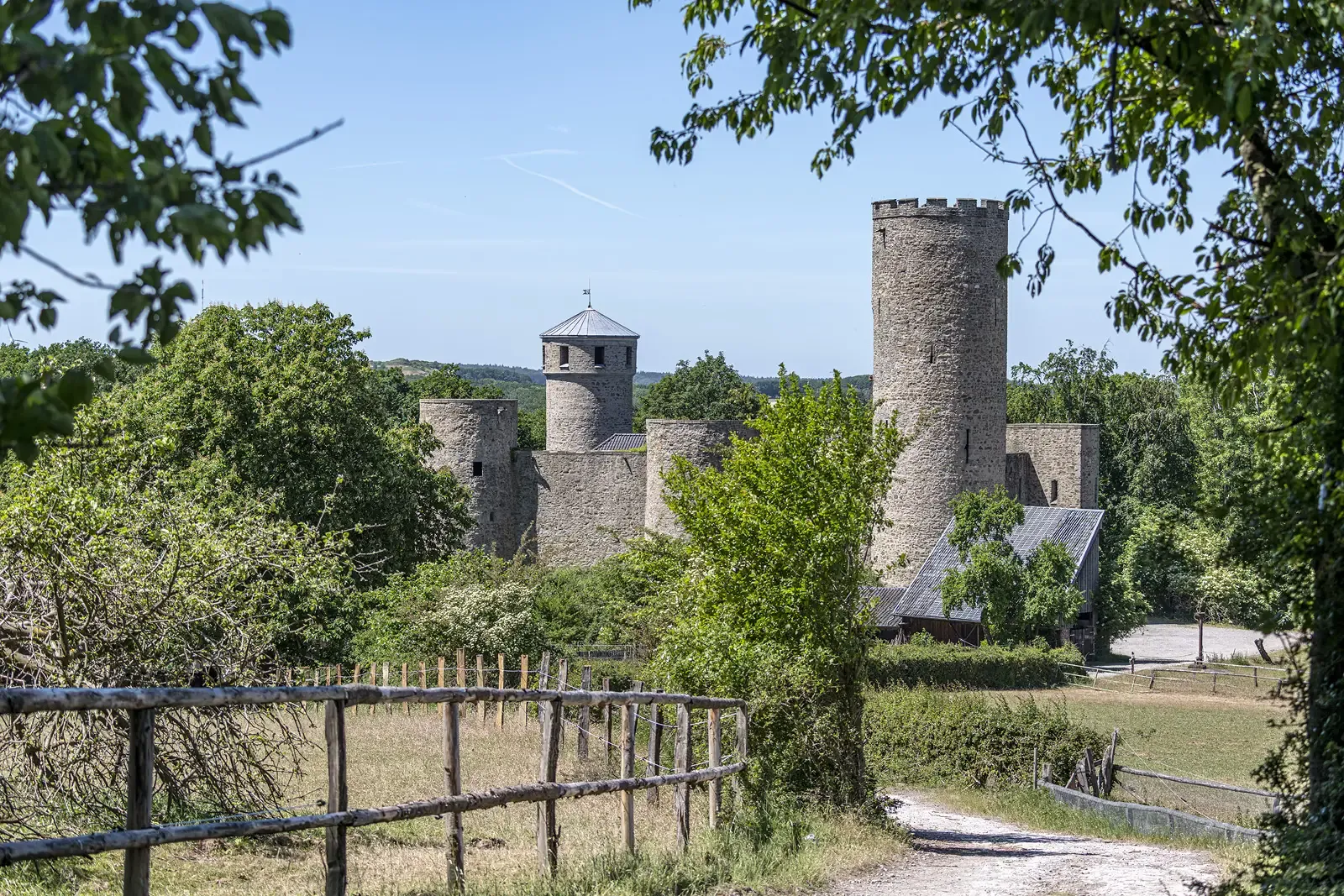
Rhineland Way of St. James – A pilgrimage week
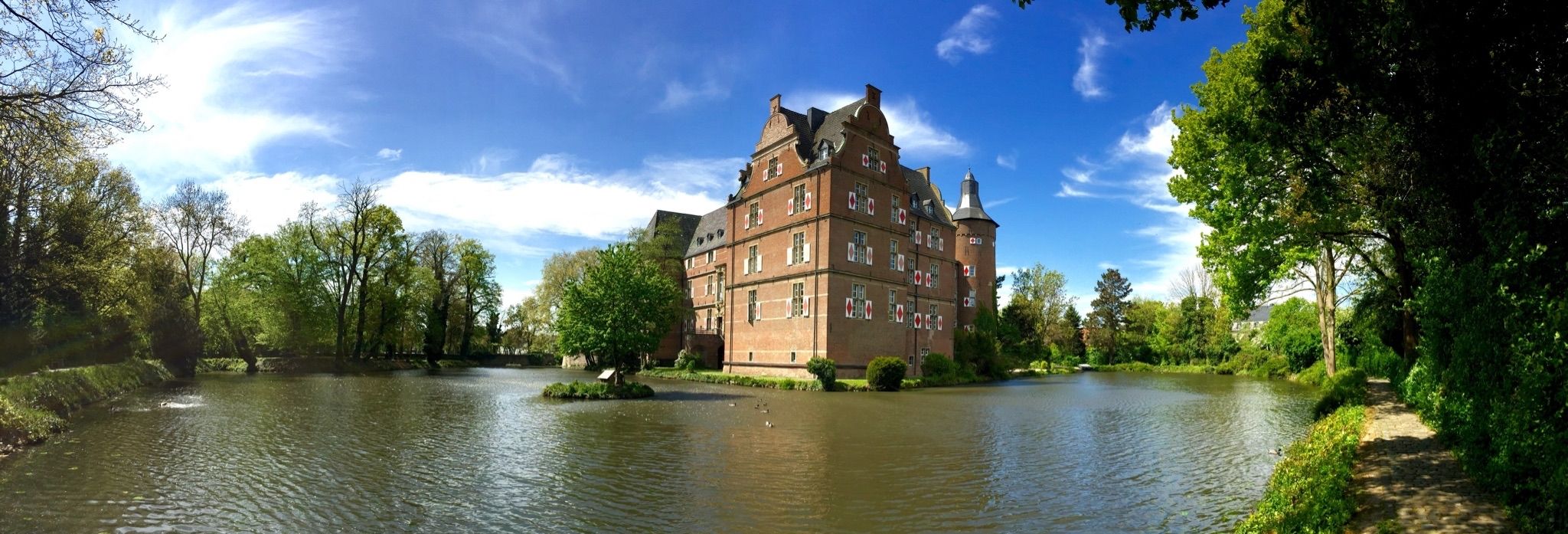
Wasserburgen-Route — A ride through Germany's Castle Country from the Rhine to the Eifel and back
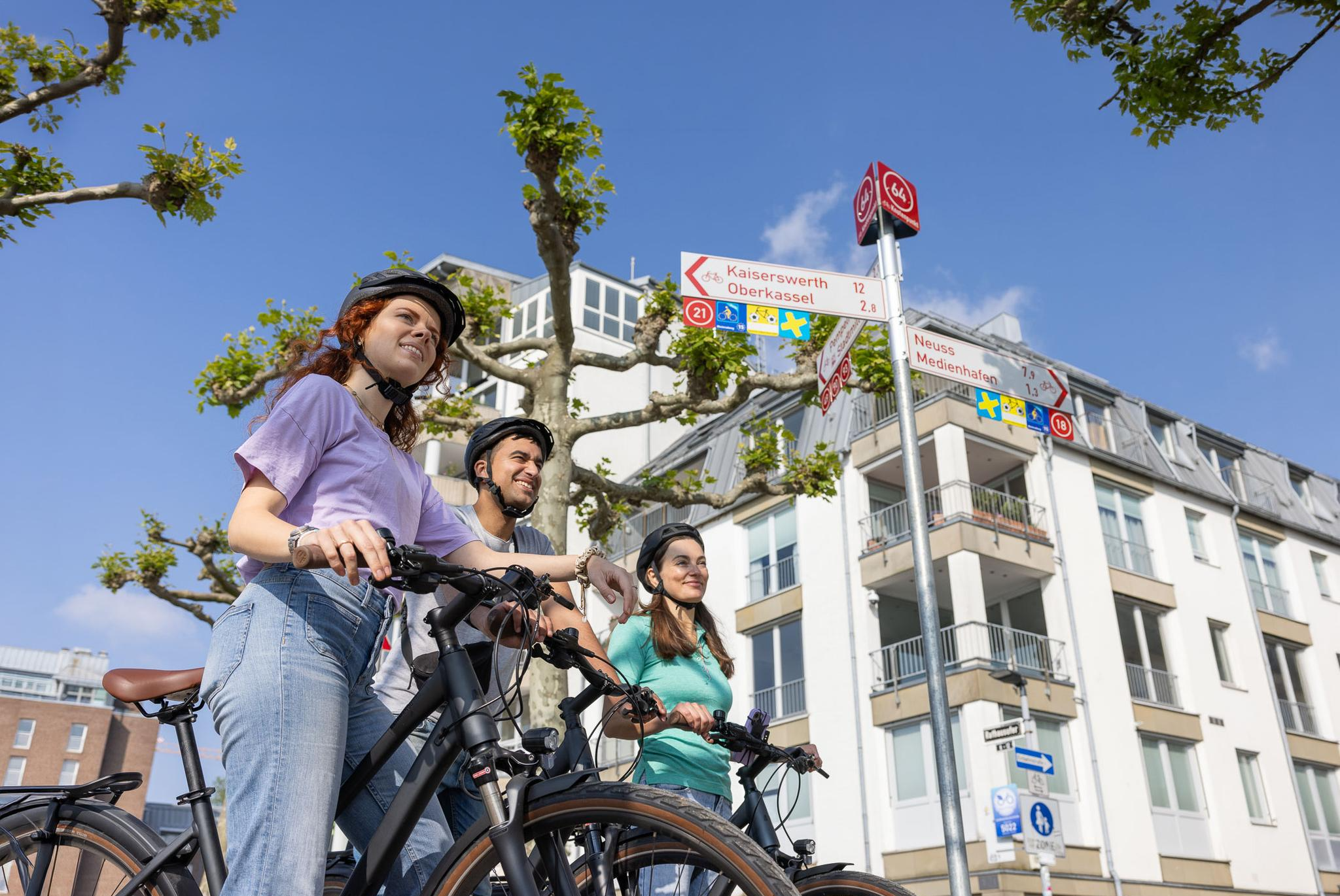
Cycling by Numbers – flexible rides in the Radregion Rheinland
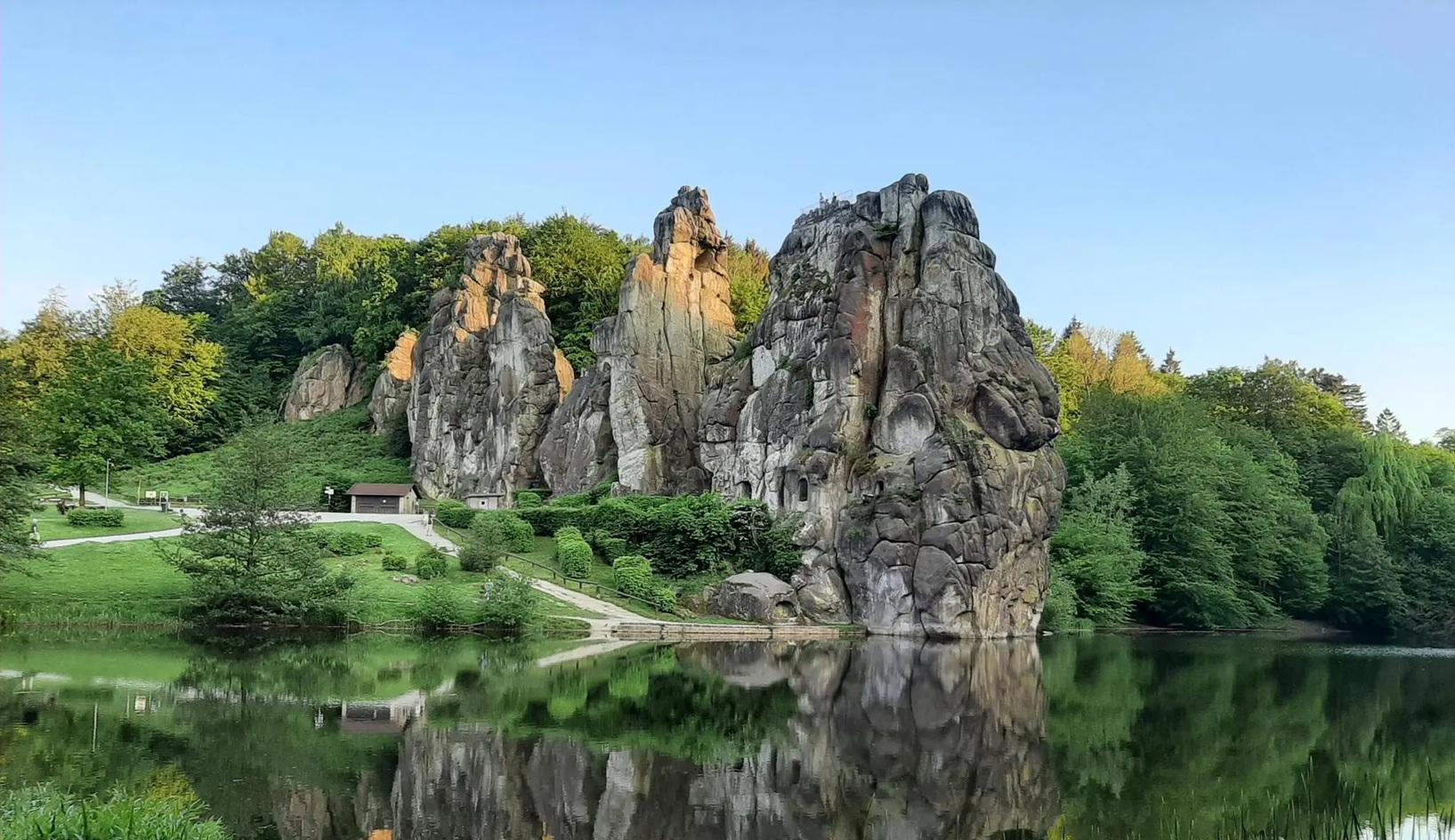
The National Natural Landscapes in Nordrhein-Westfalen
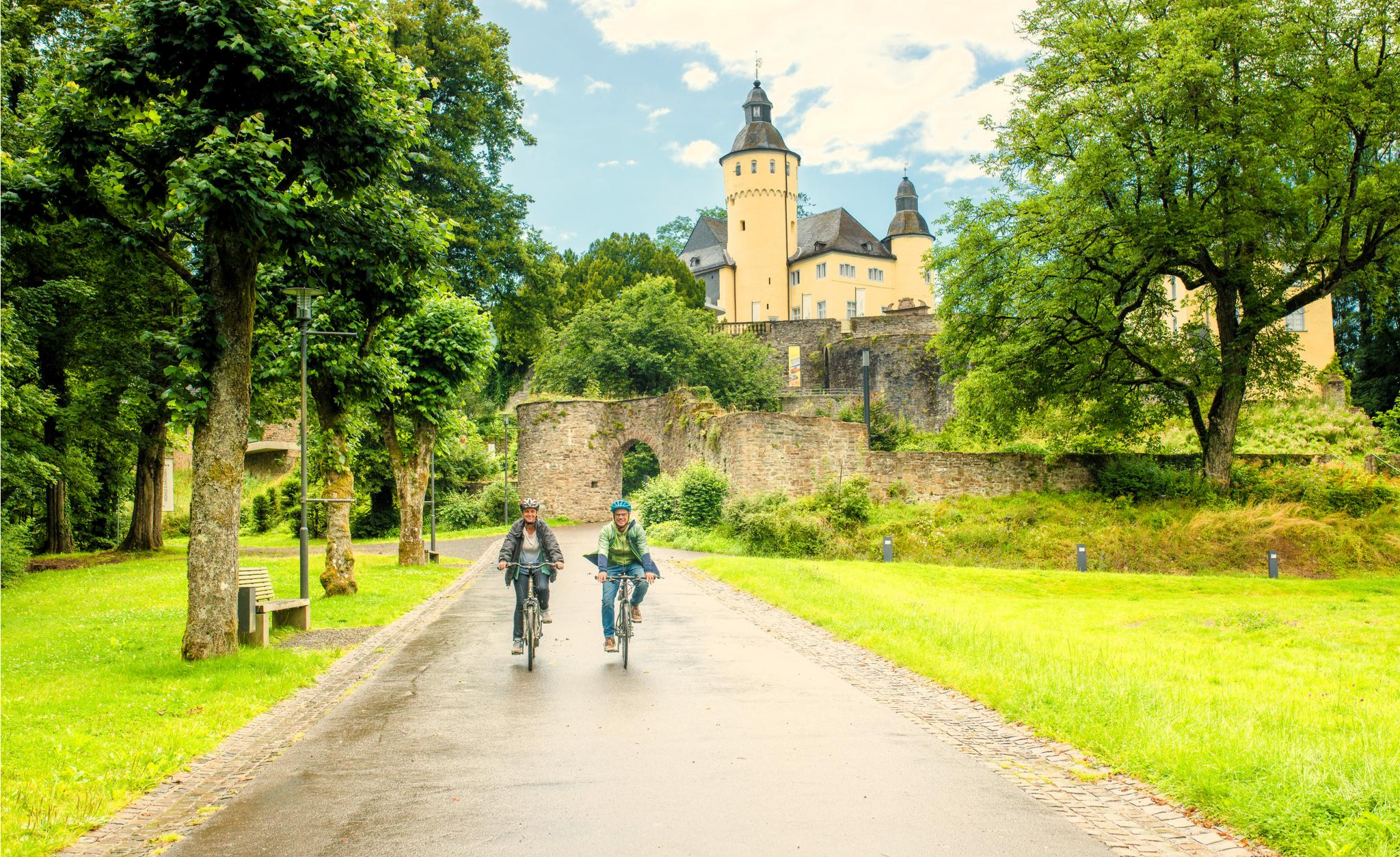
To palaces and castles - rides in the Rheinland cycling region
Family-friendly hikes in the south of Cologne
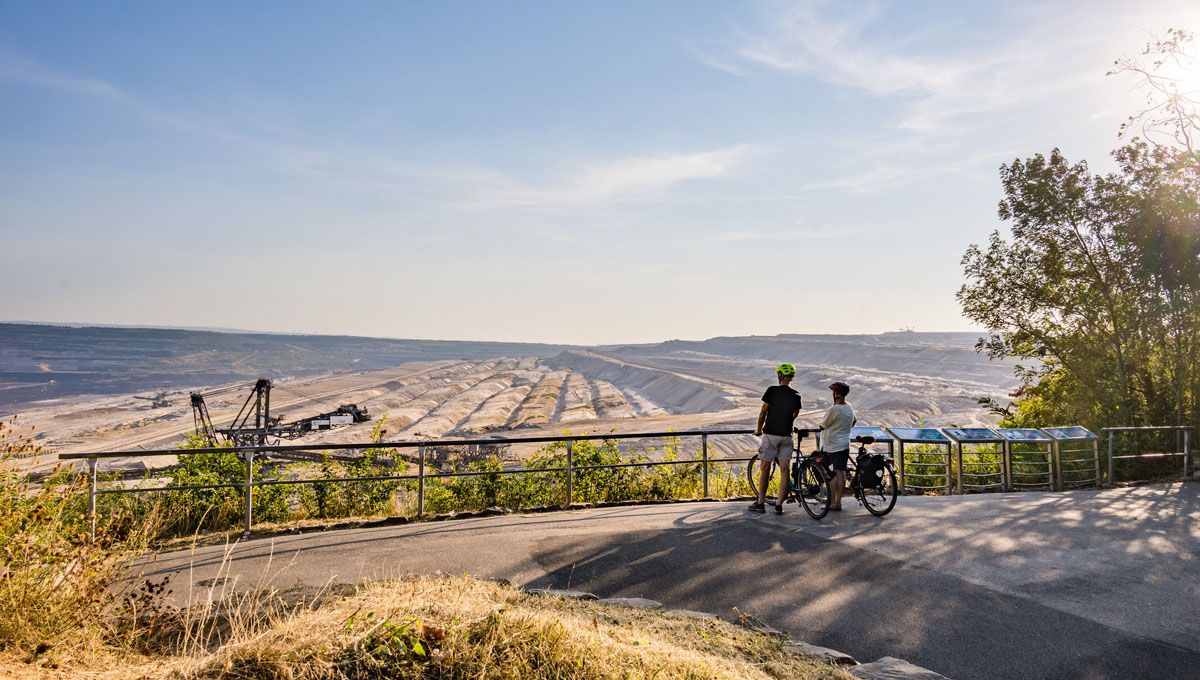
Marvellous views and varied scenery – cycling in the Rhineland
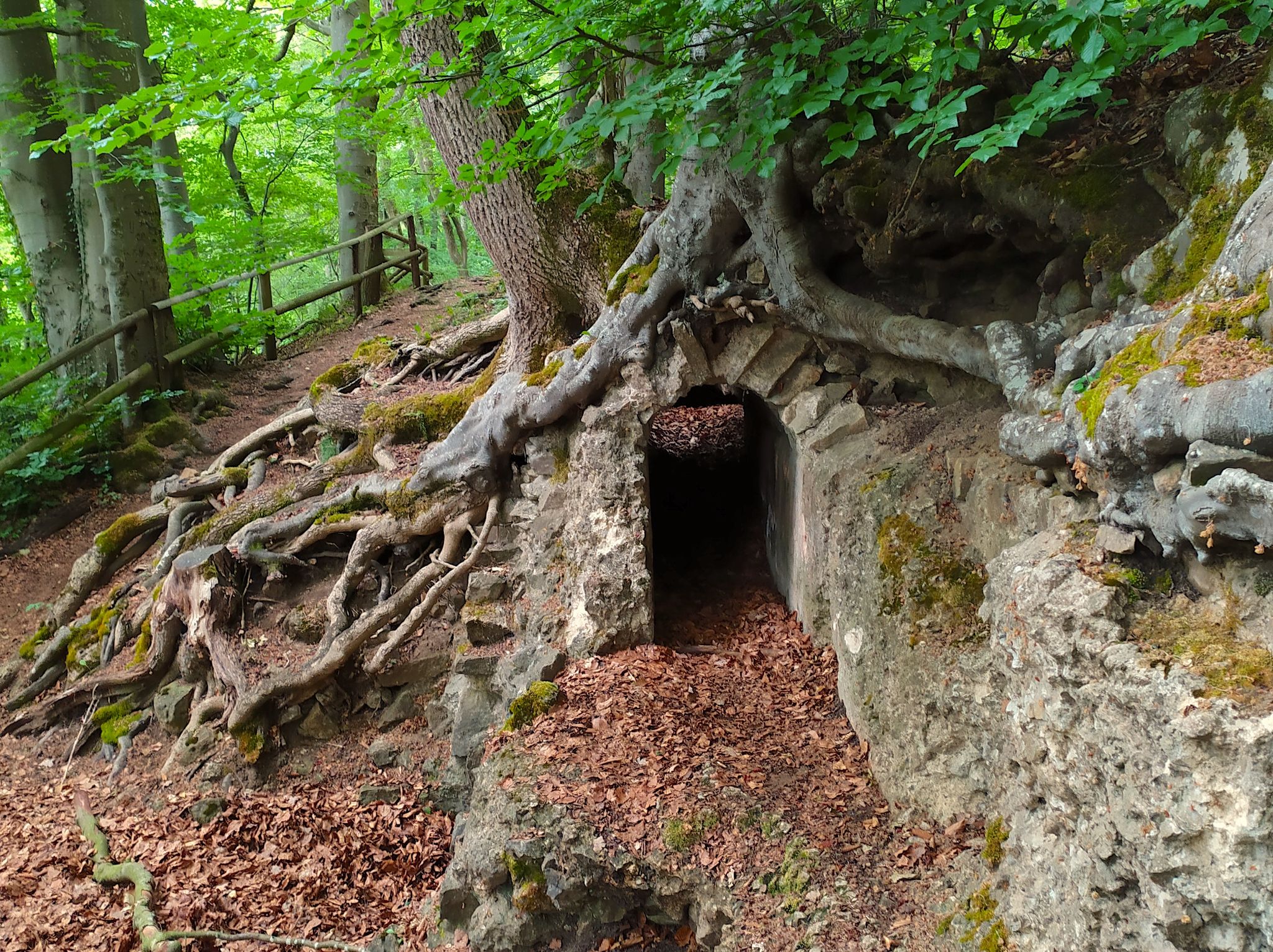
Hike from Cologne to the Eifel – Roman Canal Trail
Close to water – cycling in the Rhineland cycling region
Naturpark Rheinland - Our most beautiful hiking trails
Other adventures in Rhein-Erft-Kreis


Tips from the Community

First mentioned in 1230 as the bailiwick of Paffendorf, this Renaissance-style moated castle is completely surrounded by water. Today, a brasserie invites visitors to enjoy coffee, cakes, and light meals. These can be savored either in the stylish interior or in the castle courtyard overlooking the park. The courtyard also serves as a venue for concerts and Christmas markets. The 7.5-hectare castle park delights visitors with its expansive water features, ancient sequoias and ginkgo trees, a stone pavilion, and numerous seating areas that invite relaxation.
1
0

Featuring the first Rocaille in Germany, Augustusburg Palace marks the cradle of Rococo in Germany. Elector and Archbishop Clemens August had his summer palace built between 1725 and 1768 on the ruins of a medieval moated castle – initially by the Westphalian master builder Johann Conrad Schlaun. Starting in 1728, the Walloon architect François de Cuvilliés the Elder designed Augustusburg Palace in its current form. However, Clemens August never saw his favorite residence completed, as it wasn't completed until seven years after his death.
13
0
Today, the moated castle is used for patient treatment. The private acute care clinic for psychiatry, psychotherapy, psychosomatics, and sports psychiatry is the first location of the Libermenta Clinics. A broad spectrum of psychiatric and psychosomatic disorders is treated there. A particular focus is on the treatment of stress-related consequences such as burnout, depression, anxiety, and post-traumatic stress disorders.
15
0

AUGUSTUSBURG Castle and the neighboring Falkenlust hunting lodge - as well as the gardens connecting the two buildings (which have been brutally cut through since the construction of a bypass road) - quite rightly bear the title of a UNESCO World Heritage Site. The castle park is free to enter (for example, it can be reached in a few minutes on foot from Brühl train station), but cycling is not permitted. The castle itself can be visited as part of guided tours or at concerts.
10
0
In the 16th century, Count Werner von Salm-Reifferscheid had the castle rebuilt in the Renaissance style. In 1839, the Rhenish Knighthood acquired the property and used it as a knights' academy. Following extensive restoration in the 1980s, the most recent renovation took place in 2008. The glass-roofed arcaded courtyard in the style of the Italian Early Renaissance is particularly noteworthy. Today, the elegant rooms serve as a venue for cultural events, conferences, and private celebrations. The moated castle is especially popular as a romantic wedding location.
6
0
Augustusburg Castle and the neighboring, much smaller FALKENLUST hunting lodge - as well as the gardens connecting the two buildings (brutally cut through since the construction of a bypass) - rightly bear the title of UNESCO World Heritage Site. The palace park is freely accessible (e.g. a few minutes' walk from the Brühl train station), the hunting lodge itself has an entrance fee. What is particularly striking about the architecture is the flat roof, which is completely untypical for a palace building and is primarily used as a terrace: from there the electoral householder and his illustrious guests could pursue their hobby of hunting birds of prey ("Beiz" or "Beize " called).
8
0

The origins of Bedburg Castle probably go back to the construction of a moth, but no parts of this have survived. It is one of the earliest aristocratic residences in Erft. The oldest components, from the 12th century, are in the basement. At this time we know a Ludolphus de Bethbure. In the 13th century, the lords of Heinsberg could have owned the castle as a fief before it passed to the lords of Reifferscheid, a Fredericus de Bedbure. The castle is a "castle type", consisting of three wings and two round and two square towers. The castle or chateau was repeatedly damaged and rebuilt. The Counts of Neuenahr owned the castle from 1403. In 1588 Count Werner von Reifferscheid was enfeoffed with the property and remained in the hands of the von Salm-Reifferscheid family until 1798. After the Peace of Lunéville in 1801, the château officially fell to the French state and was temporarily used as a residence for veterans of the French army. After being vacant for a short time and now in Prussian ownership, it was converted into a hospital for the eye patients in the Brauweiler penal institution. https://www.geschichtsverein-bedburg.de/permanent/BedburgSchloss.html
17
0
The former castle was surrounded by the Erft and two moats. It already existed before the old town of Kaster was surrounded by a castle wall. Its location was favorable because one of the few crossings over the Erft was possible there. The Erft also often demarcated the area of Cologne from that of Jülich. For a time, Kaster also served as a customs post. In front of the main castle, the current ruin, was a bailey. It is believed that this is where the urban development of Kaster came from. In Welser's drawing you can still see the rectangle of the outer bailey. The Eulenturm, which is still standing today, was one of these four corner towers. In the outer bailey was the waiter's shop with storage buildings and handicraft workshops, even a mouse catcher from Maastricht was employed there. From there the waiters (cellarius) administered the payments in kind and money to the feudal lords. The lords of Caster (known from 1148) were the feudal lords of the place and probably owned the castle. After their extinction, Kaster went back to the Counts of Jülich, who now expanded Kaster into a Jülich office. The castle was first mentioned in writing in 1273 when it was sold by the Count of Jülich to King Rudolph of Habsburg. He gave it back to Count Wilhelm IV of Jülich as a fief. Source: geschichtsverein-bedburg.de/permanent/KasterBurg.html
12
0
Frequently Asked Questions
Which castles in Rhein-Erft-Kreis are particularly family-friendly?
Several castles in Rhein-Erft-Kreis offer great experiences for families. Paffendorf Castle features an expansive 7.5-hectare park with impressive trees and water features, perfect for children to explore. Bedburg Castle also has a large park ideal for walks. Many castles, like Augustusburg Palace, are listed as family-friendly, often providing ample space for outdoor activities and historical learning.
Are there castles in Rhein-Erft-Kreis with extensive parks or natural areas for walking?
Yes, the region is known for its castles set within beautiful natural surroundings. Paffendorf Castle boasts a 7.5-hectare park with ancient sequoias, ginkgo trees, and an educational forest garden. Türnich Castle features a meticulously restored 15-hectare historic forest park, managed with a focus on biodiversity. Bedburg Castle is surrounded by a tranquil 24,000 m² park, offering peaceful walks.
What kind of historical significance do the castles in Rhein-Erft-Kreis hold?
The castles in Rhein-Erft-Kreis are rich in history, reflecting centuries of architectural and cultural development. Bedburg Castle, for instance, is one of the oldest preserved brick castles in the Rhineland, with origins dating back to the 12th century. Türnich Castle is the only fully preserved Baroque castle in the Rhineland, with its history tracing back to a medieval moated castle mentioned in 898. These sites offer a captivating glimpse into the region's past as noble residences and strategic strongholds.
Are there any castles in the region that are particularly accessible or offer good parking options?
Paffendorf Castle is noted for its accessibility, located directly on the Erft Cycle Path and within walking distance from Paffendorf train station, with ample free parking available. While specific accessibility details for all castles vary, many, like Türnich Castle and Gracht Castle, often provide parking facilities for visitors.
Can I find cafes or restaurants at or near the castles in Rhein-Erft-Kreis?
Yes, several castles offer dining options. Paffendorf Castle has a brasserie serving coffee, cakes, and light meals, which can be enjoyed in the stylish interior or the castle courtyard. Türnich Castle features an organic Hofcafé in its courtyard. Bedburg Castle includes a castle cellar with a beer garden. Additionally, the well-preserved old town of Alt-Kaster, near Bedburg Castle, offers a variety of restaurants.
What outdoor activities or routes can I find near the castles in Rhein-Erft-Kreis?
The region around the castles offers diverse outdoor activities. You can find numerous routes for mountain biking, hiking, and road cycling. For example, there are challenging MTB trails like the 'View Towards Bergheim – Glessener Höhe Summit Cross loop' and moderate road cycling routes such as the 'Berzdorf Water Tower – Gasthof Alt Morenhoven loop'. You can explore more options for these activities on our dedicated guides: MTB Trails in Rhein-Erft-Kreis, Waterfall hikes in Rhein-Erft-Kreis, and Road Cycling Routes in Rhein-Erft-Kreis.
Are there any moated castles in Rhein-Erft-Kreis?
Yes, Rhein-Erft-Kreis is particularly known for its enchanting moated castles. Paffendorf Castle is a stunning Renaissance-style moated castle completely enveloped by water, creating a picturesque setting. Bedburg Castle and Bergerhausen Castle are also historic moated castles, offering charming views and a glimpse into their strategic past.
What unique architectural styles can be seen among the castles in this region?
The castles in Rhein-Erft-Kreis showcase a range of architectural styles. You can admire the Renaissance style at Paffendorf Castle, which also features Neo-Gothic elements from a 19th-century reconstruction. Türnich Castle stands out as the only fully preserved Baroque castle in the Rhineland. Bedburg Castle is notable for its impressive Renaissance-style reconstruction and is one of the oldest preserved brick castles in the Rhineland.
Do the castles in Rhein-Erft-Kreis host cultural events or markets?
Many castles in the region serve as vibrant cultural hubs. Paffendorf Castle's courtyard is a venue for concerts and Christmas markets. The elegant rooms of Bedburg Castle are used for cultural events, conferences, and private celebrations, including romantic weddings. Türnich Castle hosts various events like summer and harvest festivals, guided tours, and concerts.
What do visitors enjoy most about the castles in Rhein-Erft-Kreis?
Visitors frequently appreciate the blend of historical architecture, serene natural parks, and the tranquil atmosphere. The picturesque settings of moated castles like Paffendorf Castle and the meticulously restored gardens of Türnich Castle are often highlighted. The opportunity to explore centuries of history while enjoying peaceful walks and local cuisine also makes these castles a popular destination, as evidenced by over 1,200 upvotes and 1,800 photos from the komoot community.
Are there any lesser-known or 'hidden gem' castles worth visiting in the region?
While some castles are more prominent, the region offers several charming, perhaps less crowded, options. Bergerhausen Castle, for example, is an enchanted moated castle known for its beautiful architecture and is a popular location for weddings, offering a picturesque experience. Gracht Castle, with its impressive moated structure and freely accessible nine-hectare listed castle park, also provides a serene visit away from the busiest spots.
Can I visit the interiors of the castles, or are they mostly exterior views and parks?
Access to castle interiors varies. Some castles, like Paffendorf Castle, house information centers or brasseries that allow interior access. Bedburg Castle's elegant rooms are used for events, suggesting interior access during specific occasions. Augustusburg Palace and Falkenlust Hunting Lodge, both UNESCO World Heritage sites, typically offer guided tours of their interiors. It's always advisable to check the specific castle's website for current visitor information and tour availability.
Most popular routes in Rhein-Erft-Kreis
Most popular attractions in Rhein-Erft-Kreis

Get inspired with the komoot mobile app


Didn’t find what you were looking for?
Explore Rhein-Erft-Kreis’s best castles region by region:
Explore more
Looking for the best castles somewhere else? Discover other guides in Rhein-Erft-Kreis:
