Top 13 Castles in Varese
Castles in Varese and its surrounding province reflect a rich history, showcasing various eras and architectural styles. Many of these fortifications, once inaccessible, are now open to visitors. The region offers a blend of historical sites and natural landscapes, with castles often situated to provide views of the surrounding area. These structures offer insights into the area's past, from medieval defenses to noble residences.
Best castles in Varese
- The most popular castles is Orino Fortress, a castle located on…
Last updated: October 11, 2026
Visconti Castle of San Vito
Highlight • Castle
Translated by Google •
Tip by

Orino Fortress
Highlight • Castle
Translated by Google •
Tip by

Sign up now to discover places like this
Get recommendations on the best single tracks, peaks, & plenty of other exciting outdoor places.
Hall of Justice, Angera Castle
Highlight • Historical Site
Translated by Google •
Tip by

Valalta Fort
Highlight • Historical Site
Tip by

Caidate Castle
Highlight • Castle
Translated by Google •
Tip by

Monteruzzo Castle
Highlight • Castle
Translated by Google •
Tip by

Angera Lakeside Promenade
Highlight • Viewpoint
Translated by Google •
Tip by

Jerago Castle
Highlight • Castle
Translated by Google •
Tip by
Courtyard of the Museum of Plastic Arts at Castiglioni di Monteruzzo Palace
Highlight • Historical Site
Translated by Google •
Tip by

Castellana Tower (Rocca Borromeo of Angera)
Highlight • Castle
Translated by Google •
Tip by
Sign up for free to discover even more castles in Varese.
Already have an account?
Start today with a free account
Your next adventure awaits.
Popular around Varese

Road to BAM! 2026 – Condividi la strada
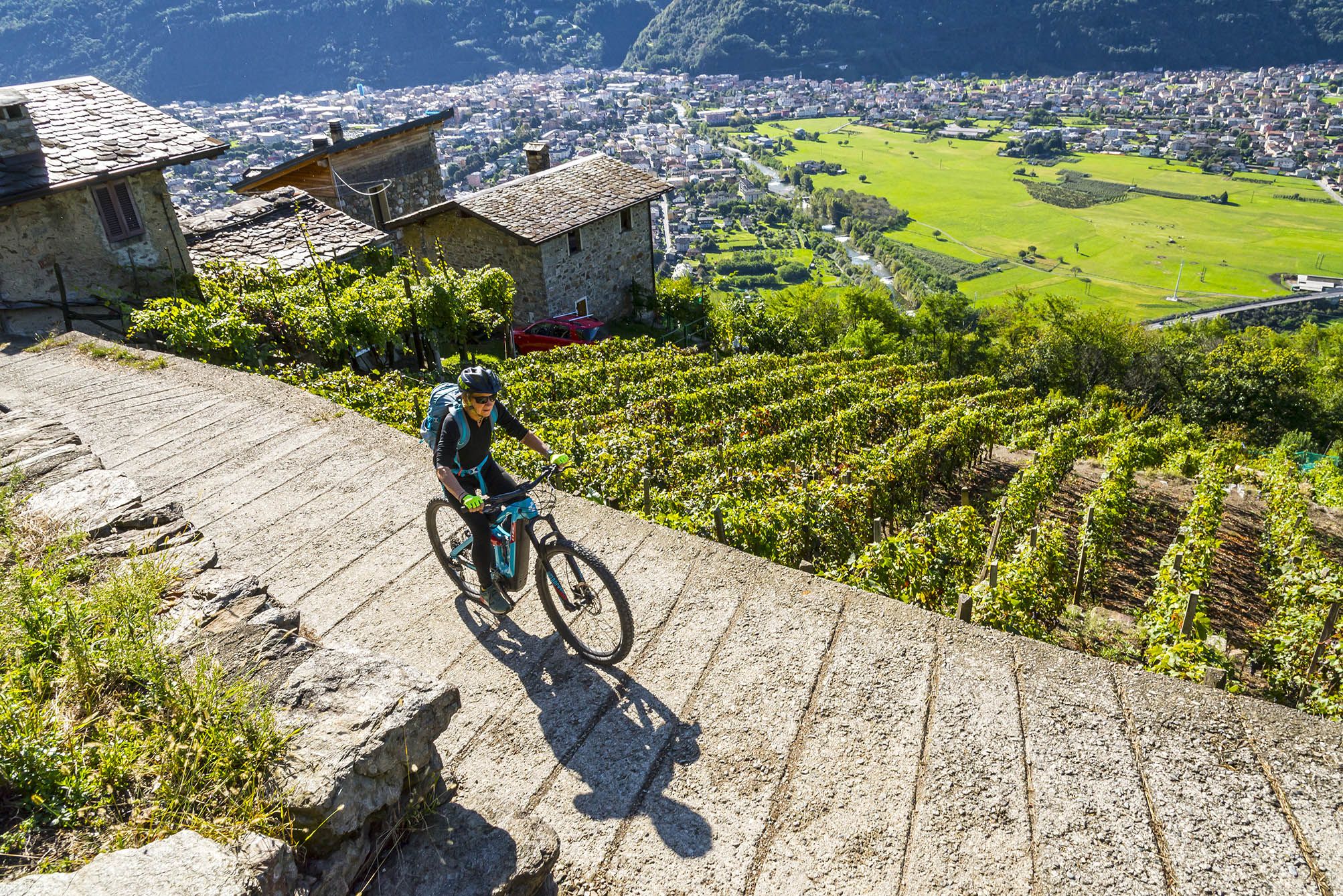
Cycling routes to discover authentic Lombardy
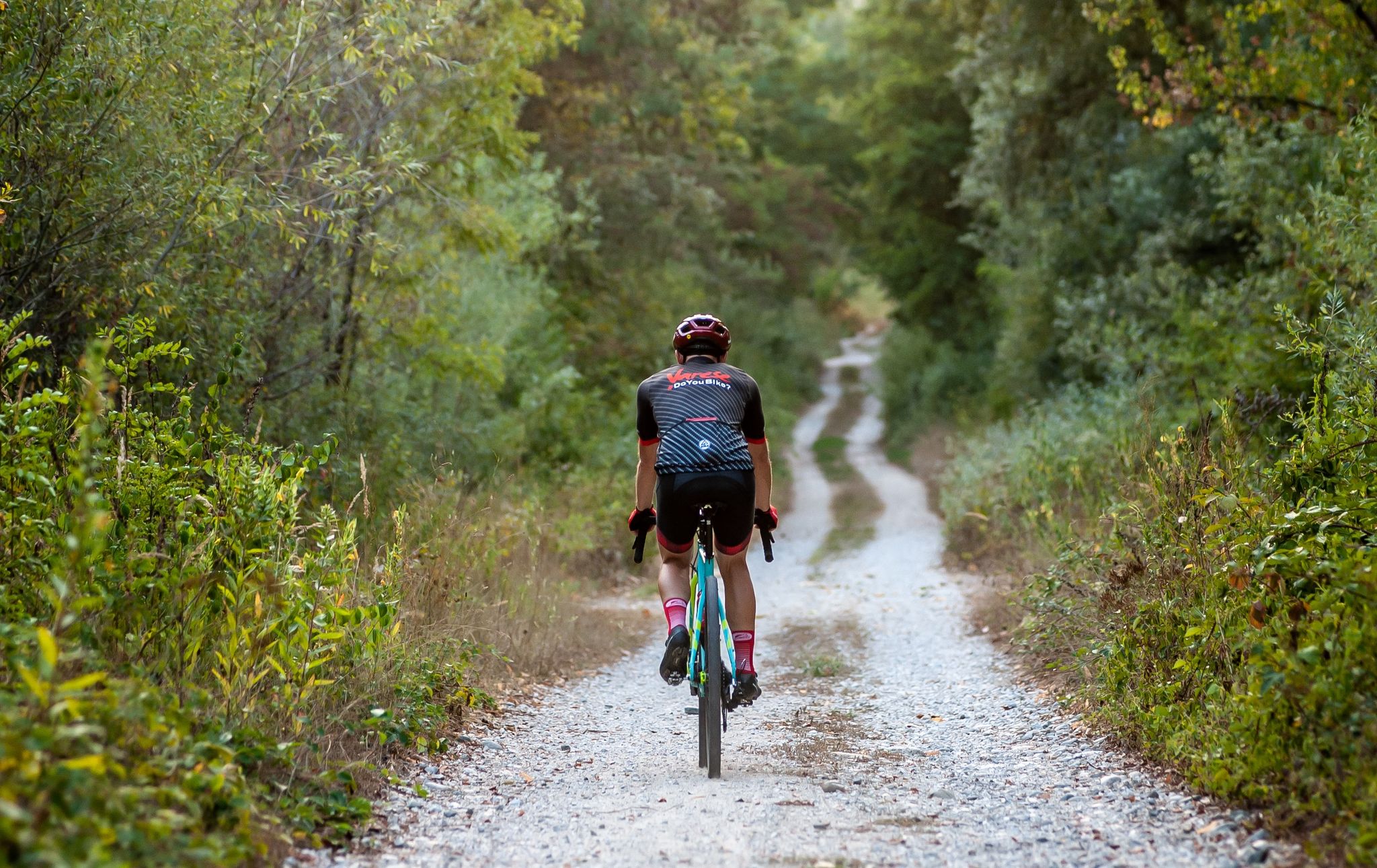
Gravel in Varese – in the land of lakes and UNESCO sites
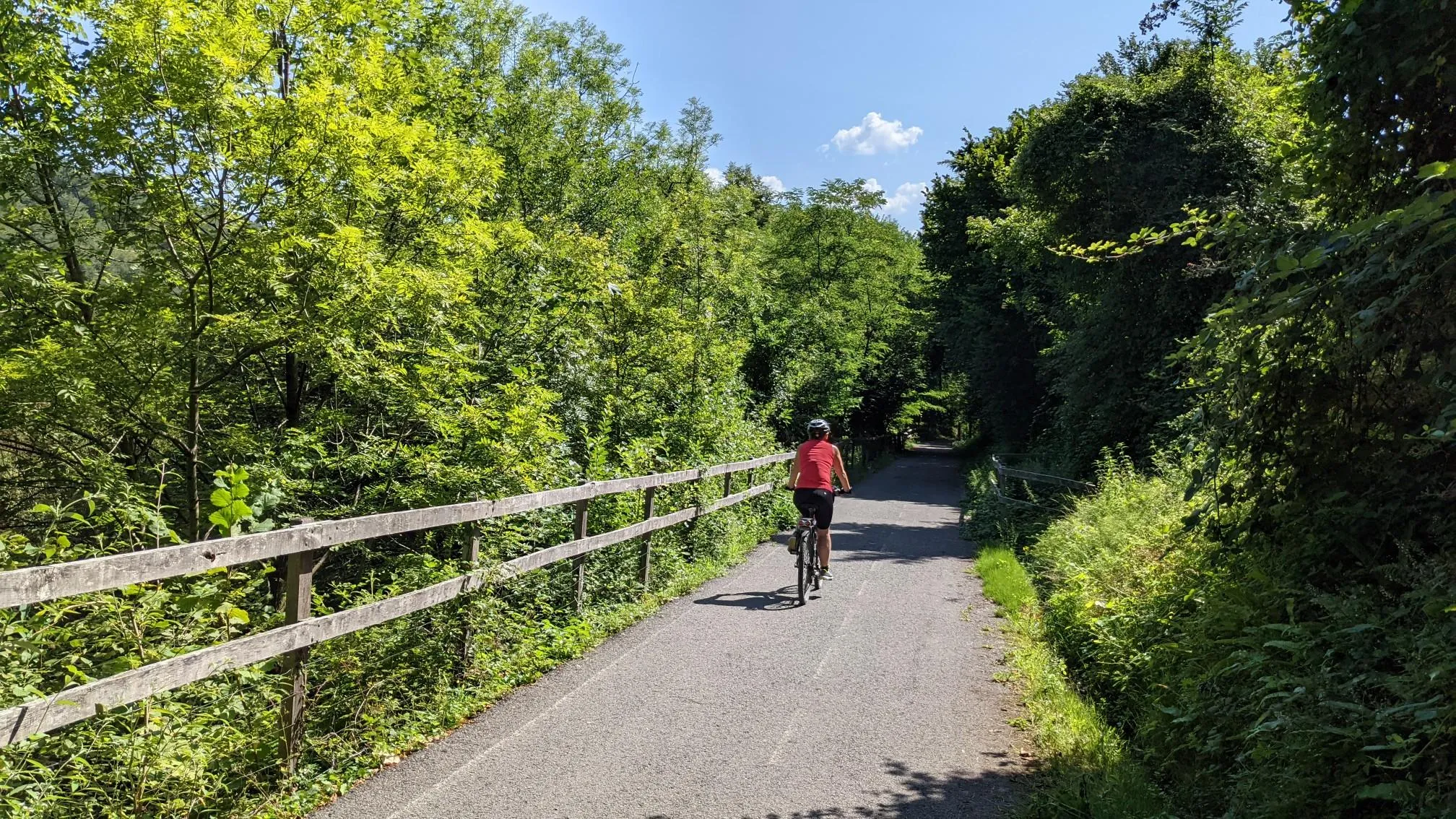
Between lakes on the Italian-Swiss border – loop of the Intelvi Valley
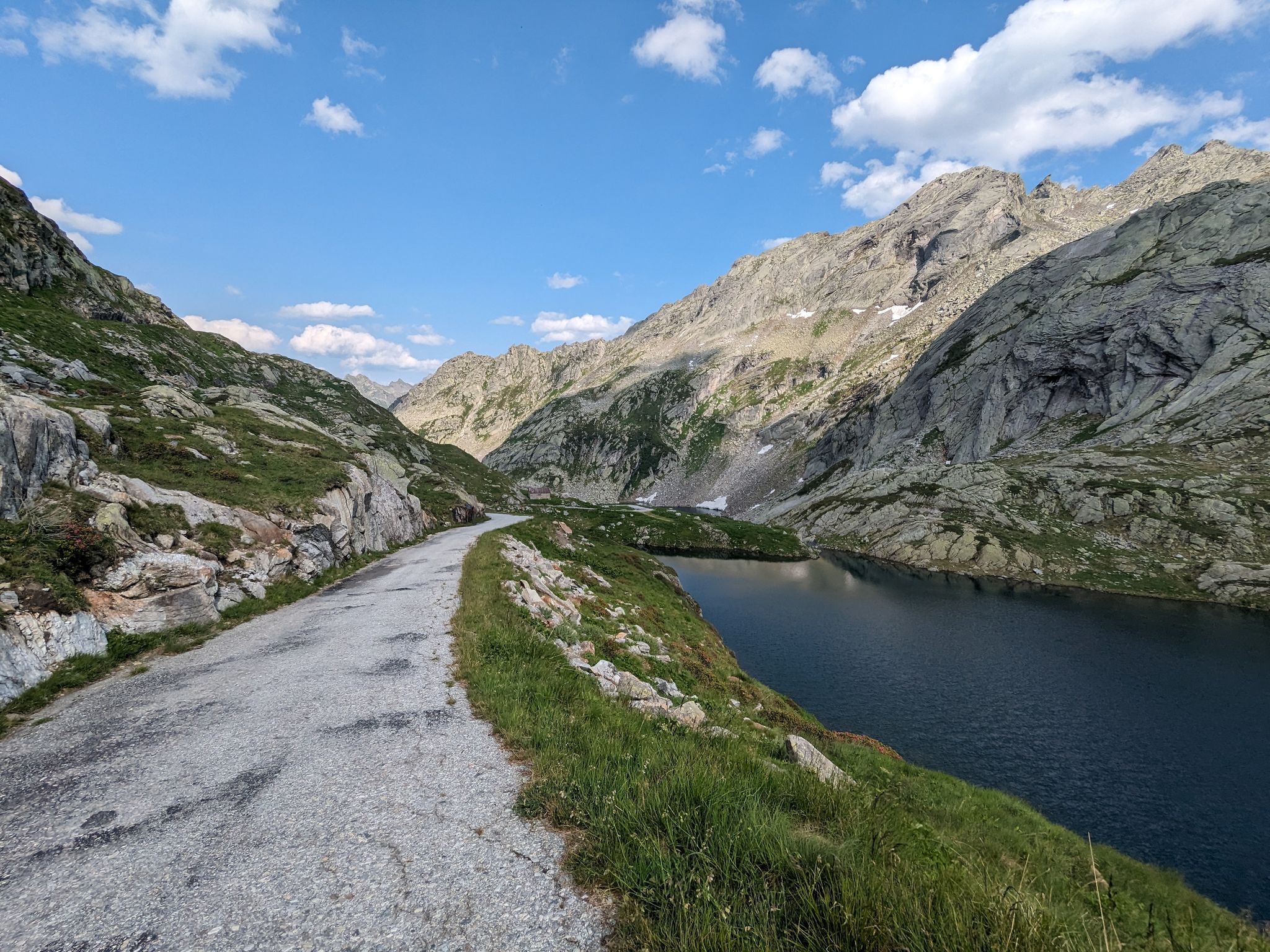
Great passes and green valleys – Ticino climbs
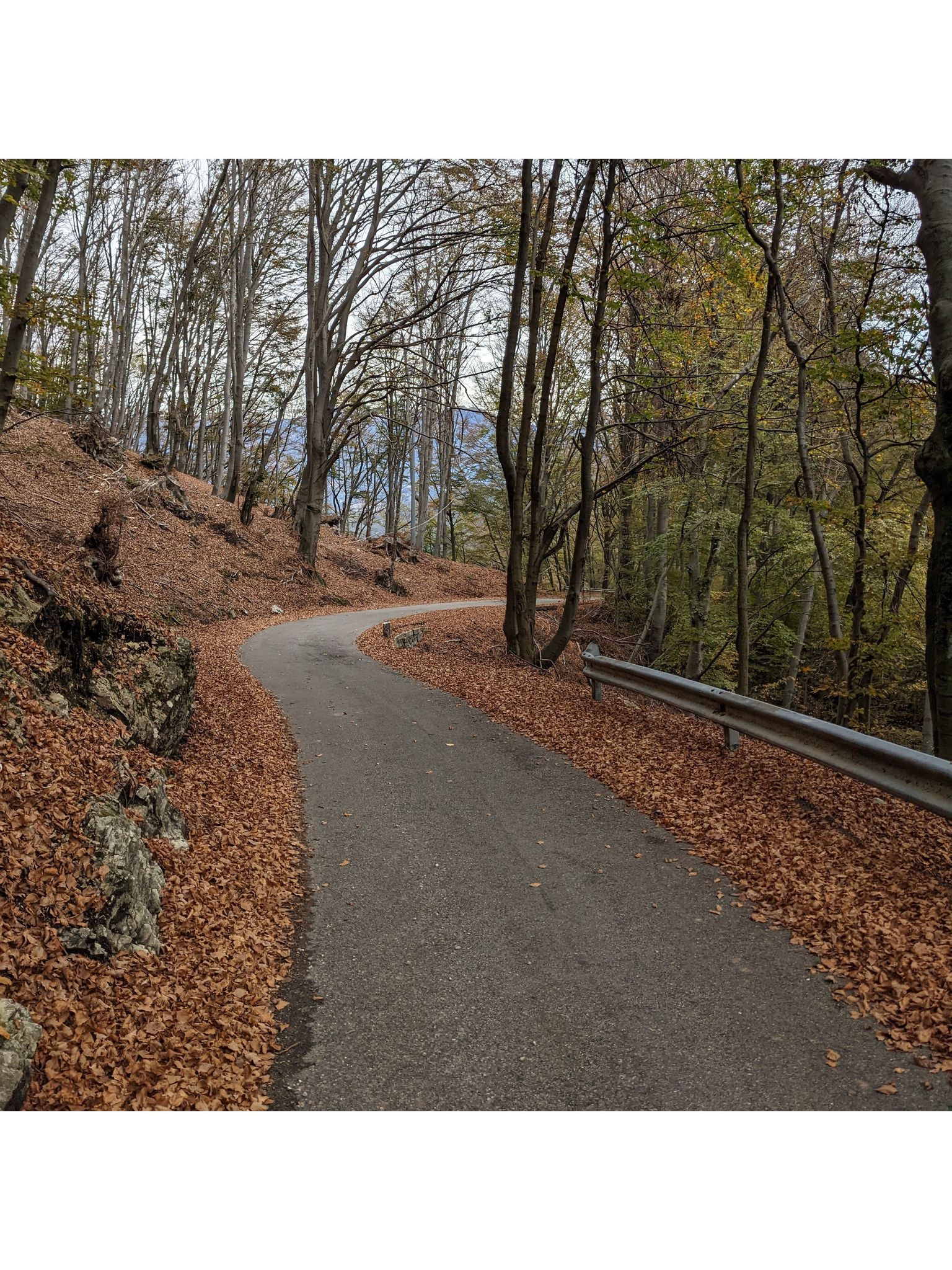
Historic climbs in Varese – discover quaint villages and pre-alpine lakes
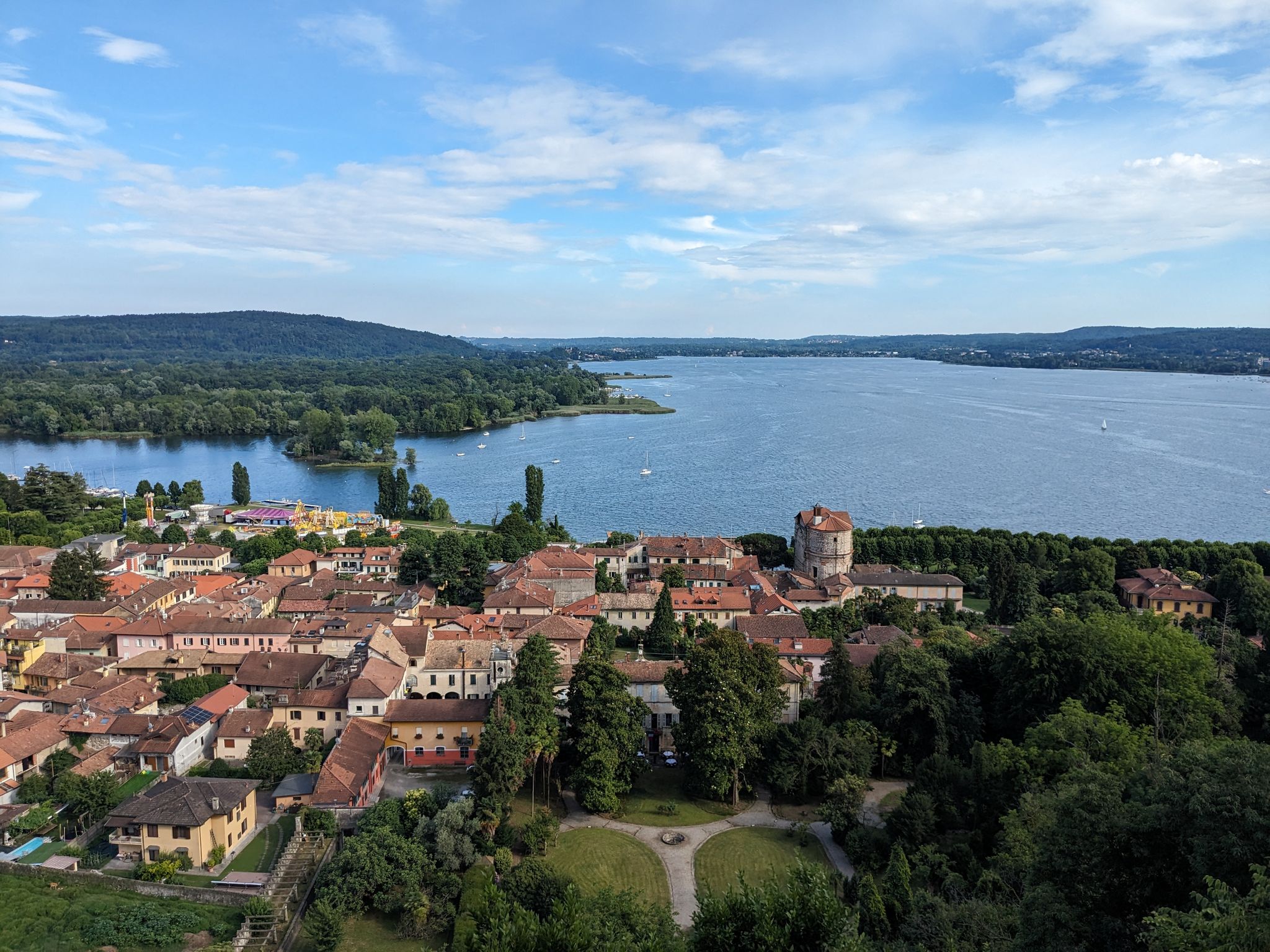
Castles, hermitages and villas – Tour of Lake Maggiore
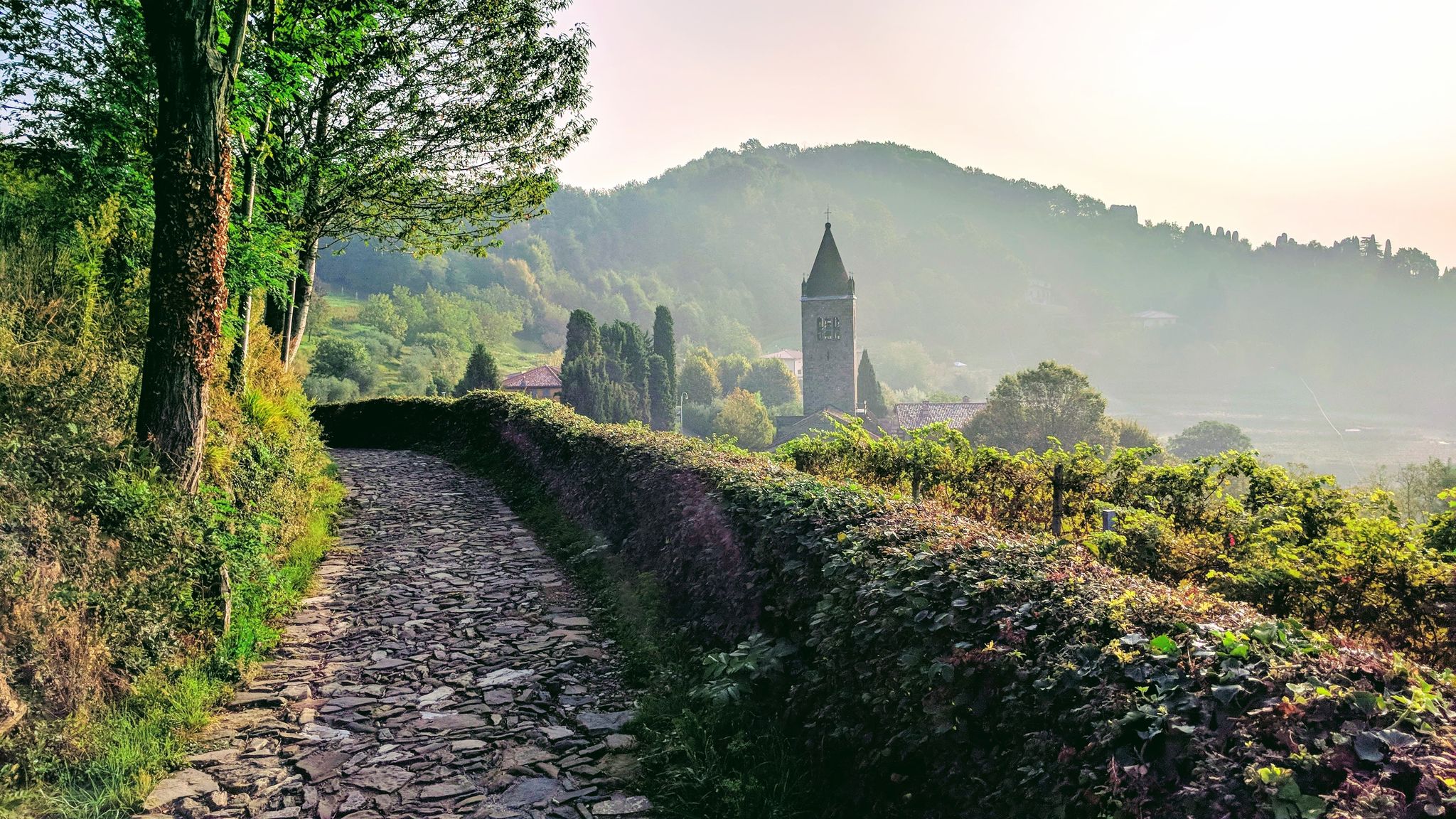
Away with the train – trekking an hour from Milan
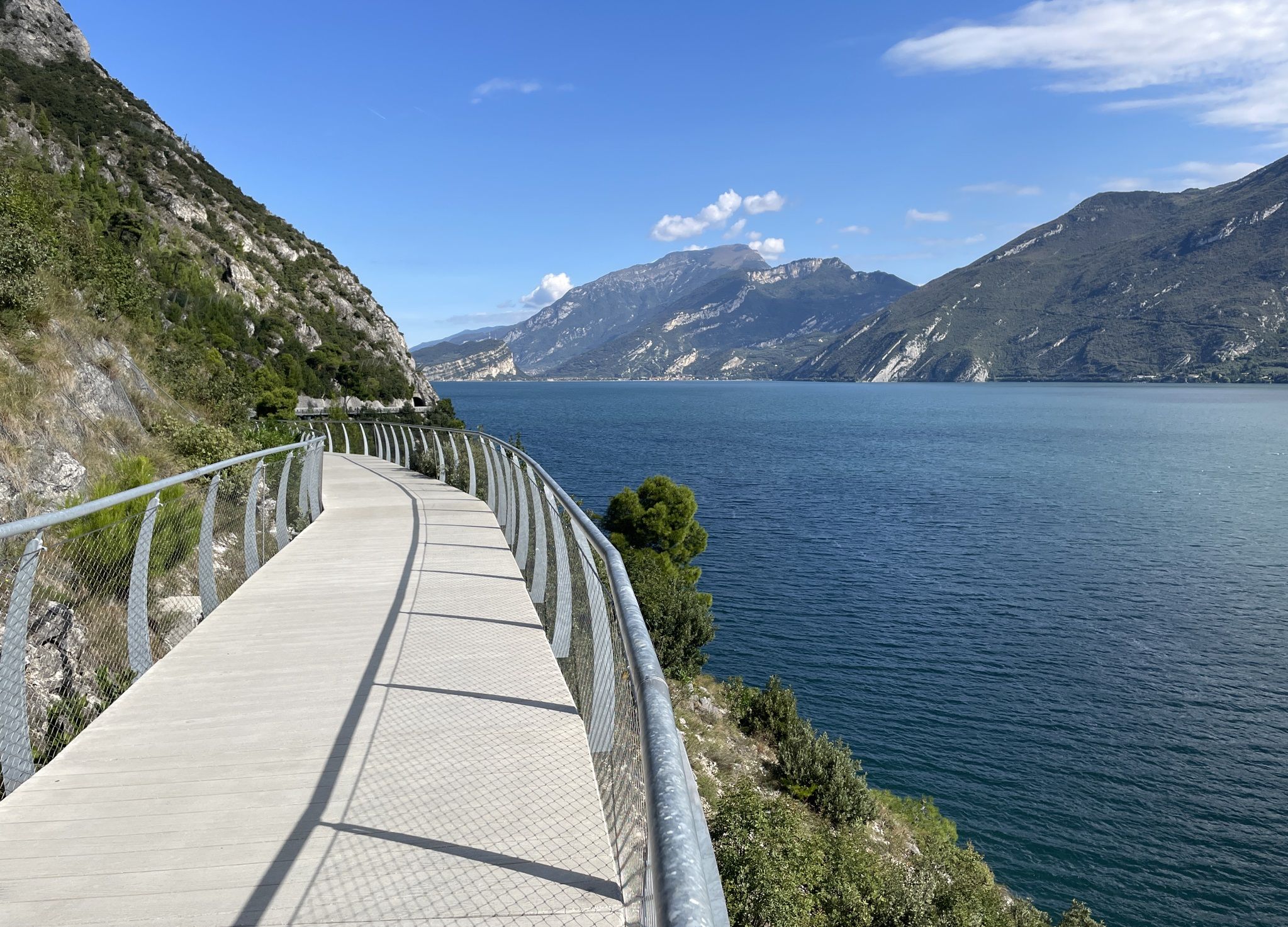
Mountains, plains, rivers and lakes — cycling in Italy’s Lombardy region
Around Lake Maggiore
Other adventures in Varese


Tips from the Community

Ferry available (also with bicycle)
1
0


Built in the 14th century as a hunting lodge.
0
0
Built on a hill, it was part of the northern defensive line of the Duchy of Milan
0
0
Built as a fortress between the end of the 13th and the beginning of the 14th century by order of the Visconti family. Later modified into a noble residence. Very well preserved.
0
0

The Castellana Tower is located in the oldest part of the castle. This point offers a fantastic view of Lake Maggiore. Opposite this lookout tower is the Torre di Giovanni Visconti on the south side of the Rocca Borromeo. This section of the castle was built in the 14th century.
0
0
Ottone Visconti, elected archbishop of Milan by Pope Urban IV in 1262, but not by the Major Chapter of the cathedral, was not able to take possession of his seat until 1277, after the victory obtained in Desio over the enemies of the Tower. In 1280, as the owner of Angera – assigned to the Milanese Church since 1162 – he had a Hall of Justice built in the Rocca, where legal and economic matters were administered. With a masterly coup, his nephew and Lord of Milan Matteo Visconti had the archiepiscopal archives (kept in the monastery of S. Radegonda) burned, with the papers regarding the possession of Angera by the Milanese Church, and claimed the inheritance of the place as a personal domain of the Viscontis, by virtue of a legendary descent of their lineage from Angleria. Between 1314 and 1316, Matteo commissioned a local fresco painter, no better known than the Maestro di Angera, to decorate the Hall of Justice with episodes of the victory of Desio and the entry of Ottone Visconti into Milan, taken from an apologetic book written by Stefanardo da Vimercate. Above the stories is the Zodiac, now only partially preserved, but with an iconographic program that can still be reconstructed. When Matteo commissioned the frescoes, the lawyers and judges of the Ambrosian Church no longer met in the Hall, but the Rocca had by then become a private seat. Why did Matteo want to decorate it so expensively? The Hall of Justice is divided into two bays with cross vaults; it is accessed through a door on the south side, in front of which was originally the judge's chair. Each side of the span enclosed two zodiac signs with their respective governing planet in a lunette, framed by a polychrome decoration – which extended to the cordoning of the sails – among the best preserved of the Lombard fourteenth century. Another peculiarity are the monstrous or extravagant figures that surround only the lunette of the second western span, taken from illustrations of naturalistic texts, such as the De natura rerum by Thomas de Cantimpré. https://www.storiadimilano.it/arte/zodiaco_angera.htm
0
0

Place of historical, cultural, architectural and tourist interest Piazza Publio Cornelio Scipione, 2, 21019 Somma Lombardo VA https://www.castelloviscontidisanvito.it/ 0331256337
1
0
Frequently Asked Questions
What unique historical features can I find in Varese's castles?
Varese's castles offer a rich tapestry of history. For instance, the Rocca di Angera is renowned for its 13th-century frescoes in the Sala di Giustizia and houses a fascinating Doll Museum. Visconti Castle of San Vito showcases its evolution from a 9th-century defensive fortress to a noble residence. Masnago Castle, while not a highlight in the provided data, is known for its splendid frescoed interiors, including the Room of Pastimes and the Room of Vices and Virtues, and now hosts a Contemporary Art Gallery.
Are there family-friendly castles to visit in the Varese area?
Yes, several castles in the Varese area are suitable for families. The Rocca di Angera is particularly family-friendly, featuring a unique Doll Museum that children often enjoy. The Orino Fortress offers a nice field nearby for kids to play. Visconti Castle of San Vito and Monteruzzo Castle are also listed as family-friendly destinations.
What kind of outdoor activities can I do near Varese's castles?
The Varese region offers a variety of outdoor activities near its historical sites. You can find numerous cycling routes, such as the 'Girolago di Varese' or 'Tour of Lake Varese', which are moderate to difficult. For mountain biking enthusiasts, there are trails like 'Giro del Lago di Varese in MTB'. If you prefer hiking, options include easy hikes like the 'Ascent to Sacro Monte di Varese' or the 'Sentiero delle Fornaci di Ispra'. You can explore more routes and their details on the respective guides for Cycling in Varese, MTB Trails in Varese, and Easy hikes in Varese.
Which castles offer the best panoramic views in the Varese region?
For breathtaking panoramic views, the Rocca di Angera is an excellent choice. Perched on a rocky spur overlooking Lake Maggiore, its terraces provide stunning vistas of Angera, Arona, and a large portion of the lake. Similarly, the Orino Fortress, located on a rock spur, offers an excellent view of Valcuvia.
What is the best time of year to visit Varese's castles and enjoy the surrounding nature?
The best time to visit Varese's castles and enjoy the surrounding natural beauty is generally during the spring (April-June) and autumn (September-October). During these seasons, the weather is pleasant for exploring historical sites and engaging in outdoor activities like hiking or cycling, with comfortable temperatures and beautiful scenery. Summer can also be enjoyable, though it can be warmer, especially in July and August.
How can I reach Varese's castles using public transport?
While specific public transport details for every castle vary, many are accessible. For instance, the Rocca di Angera is located in Angera, a town on Lake Maggiore, which can be reached by bus or ferry services depending on your starting point. Masnago Castle is near Varese's old town, making it relatively accessible within the city. For detailed routes and schedules, it's advisable to check local transport websites or apps for buses and trains serving the specific towns where the castles are located.
Are there any castles in Varese that have been converted for modern cultural use?
Yes, some historical structures in Varese have found new life as cultural centers. Masnago Castle, for example, now houses the Contemporary Art Gallery of Varese, blending medieval architecture with modern art collections. The Castello di Monteruzzo in Castiglione Olona serves as a civic library and is frequently used for fairs and events, offering a modern cultural function within a historic setting.
What kind of historical collections or museums can I find within Varese's castles?
The castles in Varese house various historical and artistic collections. The Rocca di Angera is home to the Museo della Bambola (Doll Museum), featuring over 1,000 pieces including toys, children's books, and iconographic material from the 18th century to the present. Masnago Castle, while not a highlight, hosts permanent historical art collections with works by leading Lombard modern painters and an important collection of drawings by Il Piccio.
Can I find accommodation or dining options near Varese's castles?
Yes, you can find various accommodation and dining options near many of Varese's castles, especially those located in or near towns. For instance, Angera, home to the Rocca di Angera, offers cafes, restaurants, and hotels along Lake Maggiore. Similarly, areas around Varese city center, close to Masnago Castle, provide numerous choices. For castles in more rural settings, options might be found in nearby villages.
Which castles in the Varese region are notable for their architectural evolution?
The Visconti Castle of San Vito is a prime example, having transformed from a 9th-century defensive fortress into a noble residence in 1448. Masnago Castle also showcases architectural elements spanning from the Middle Ages to the 17th and 18th centuries, reflecting centuries of changes and adaptations.
Are there any lesser-known or 'hidden' historical castles in the Varese area worth exploring?
Beyond the most prominent sites, the Varese region has several other historical castles that offer unique insights. The Jerago Castle, dating back to the early 13th century, was part of the northern defense line of the Duchy of Milan and later converted into a residence. The Tower of Velate, an ancient structure from the 11th century, is another significant historical site. Caidate Castle and Medici Castle of Frascarolo also contribute to the region's rich historical tapestry.
What are the typical opening hours and ticket prices for Varese's castles?
Opening hours and ticket prices vary by castle. For example, the Visconti Castle of San Vito is typically open from April to October, with specific Sunday hours (10:00 - 18:00) by reservation only, and offers various ticket types including full, reduced, and family rates. The Rocca di Angera also has its own schedule and entrance fees. It's always best to check the official websites of individual castles for the most current information on operating hours, ticket prices, and any reservation requirements before your visit.
Most popular routes in Varese
Most popular attractions in Varese

Get inspired with the komoot mobile app


Didn’t find what you were looking for?
Explore Varese’s best castles region by region:
Explore more
Looking for the best castles somewhere else? Discover other guides in Varese:
