Top 20 Natural Monuments in Teton County
Best natural monuments in Teton County are concentrated around Grand Teton National Park and the Jackson Hole valley. This region features dramatic mountain ranges, pristine lakes, and unique geological formations. The landscape is characterized by the Teton Range rising abruptly from the valley floor and the Snake River winding through the area. These natural features provide diverse habitats for wildlife and opportunities for outdoor exploration.
Best natural monuments in Teton County
- The most popular natural monuments is Old Faithful Geyser…
Last updated: October 13, 2026
Old Faithful Geyser
Highlight • Natural Monument
Tip by

Taggart Lake
Highlight • Lake
Translated by Google •
Tip by

Sign up now to discover places like this
Get recommendations on the best single tracks, peaks, & plenty of other exciting outdoor places.
Grand Prismatic Spring
Highlight • Natural Monument
Tip by

Delta Lake
Highlight • Lake
Tip by

Lower Geyser Basin
Highlight • Natural Monument
Translated by Google •
Tip by

Fountain Paint Pot Trail
Highlight (Segment) • Trail
Translated by Google •
Tip by
Celestine Pool
Highlight • Natural Monument
Translated by Google •
Tip by
Firehole River
Highlight • Natural Monument
Tip by
Black Pool
Highlight • Natural Monument
Translated by Google •
Tip by

Jenny Lake Overlook
Highlight • Viewpoint
Tip by
Sign up for free to discover even more natural monuments in Teton County.
Already have an account?
Start today with a free account
Your next adventure awaits.
Popular around Teton County
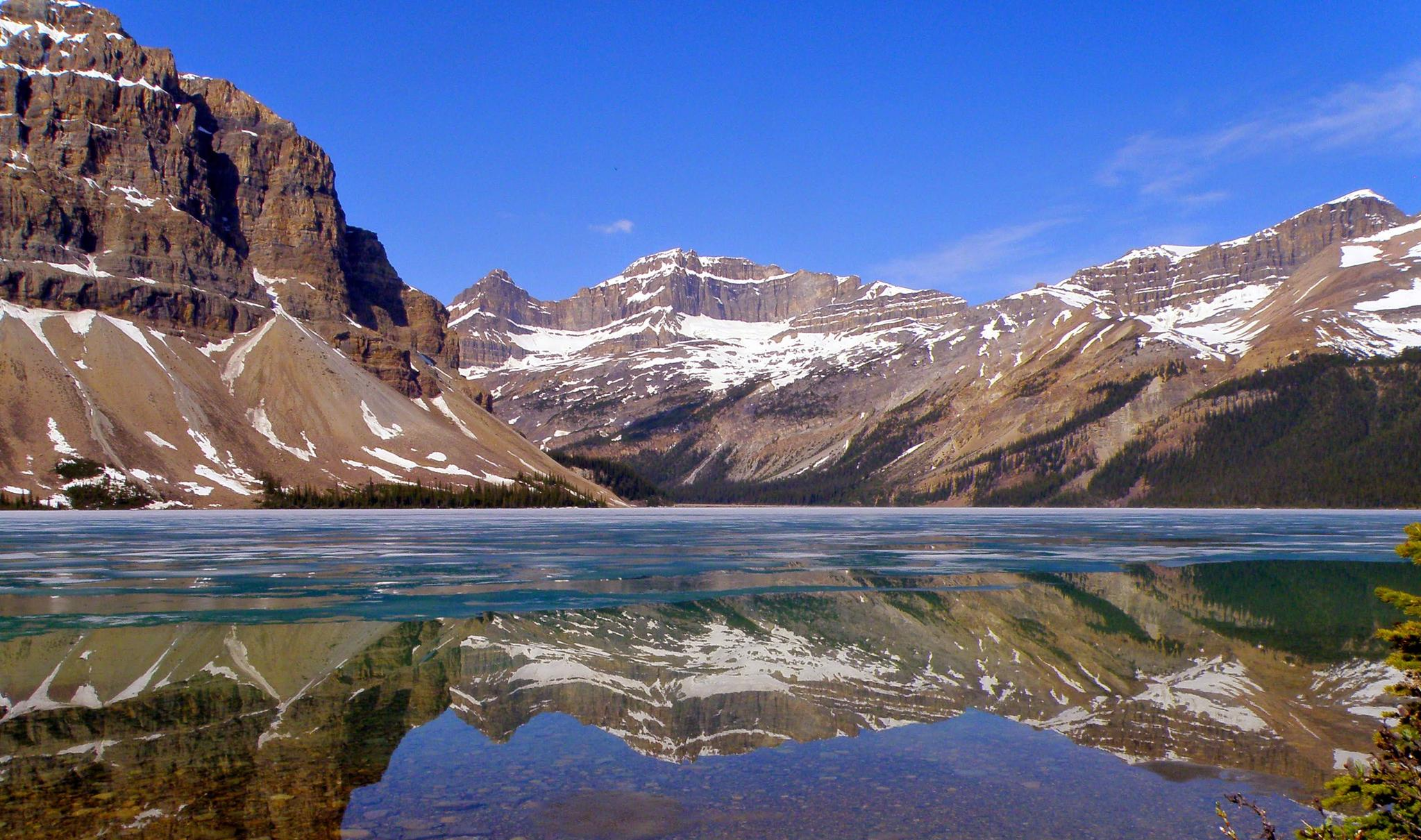
Great Divide Mountain Bike Route — Cycling the spine of a continent
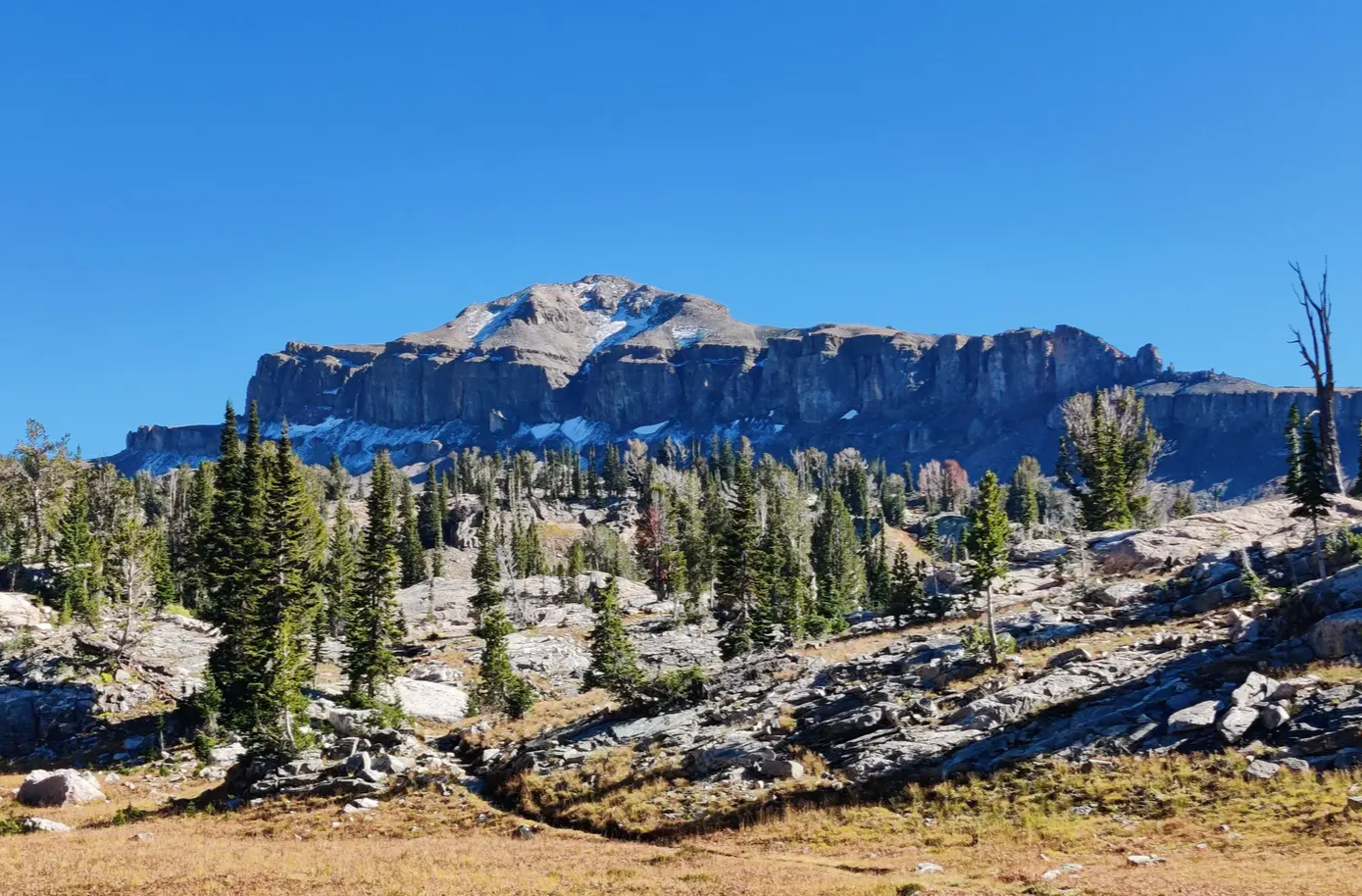
Teton Crest Trail — Exploring the Wild Side of the Grand Tetons
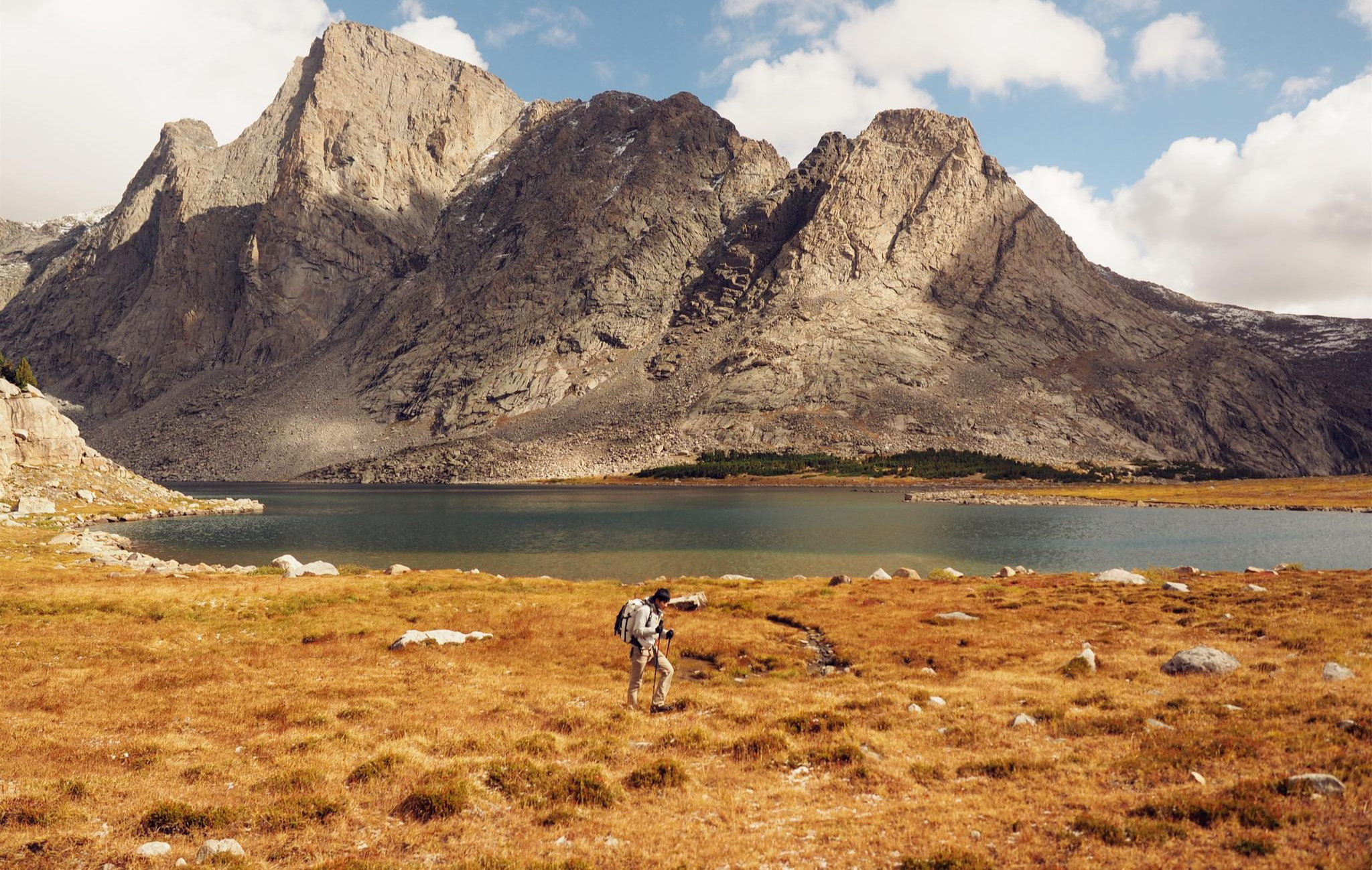
Like in the Wild West – hiking on the Oregon Trail
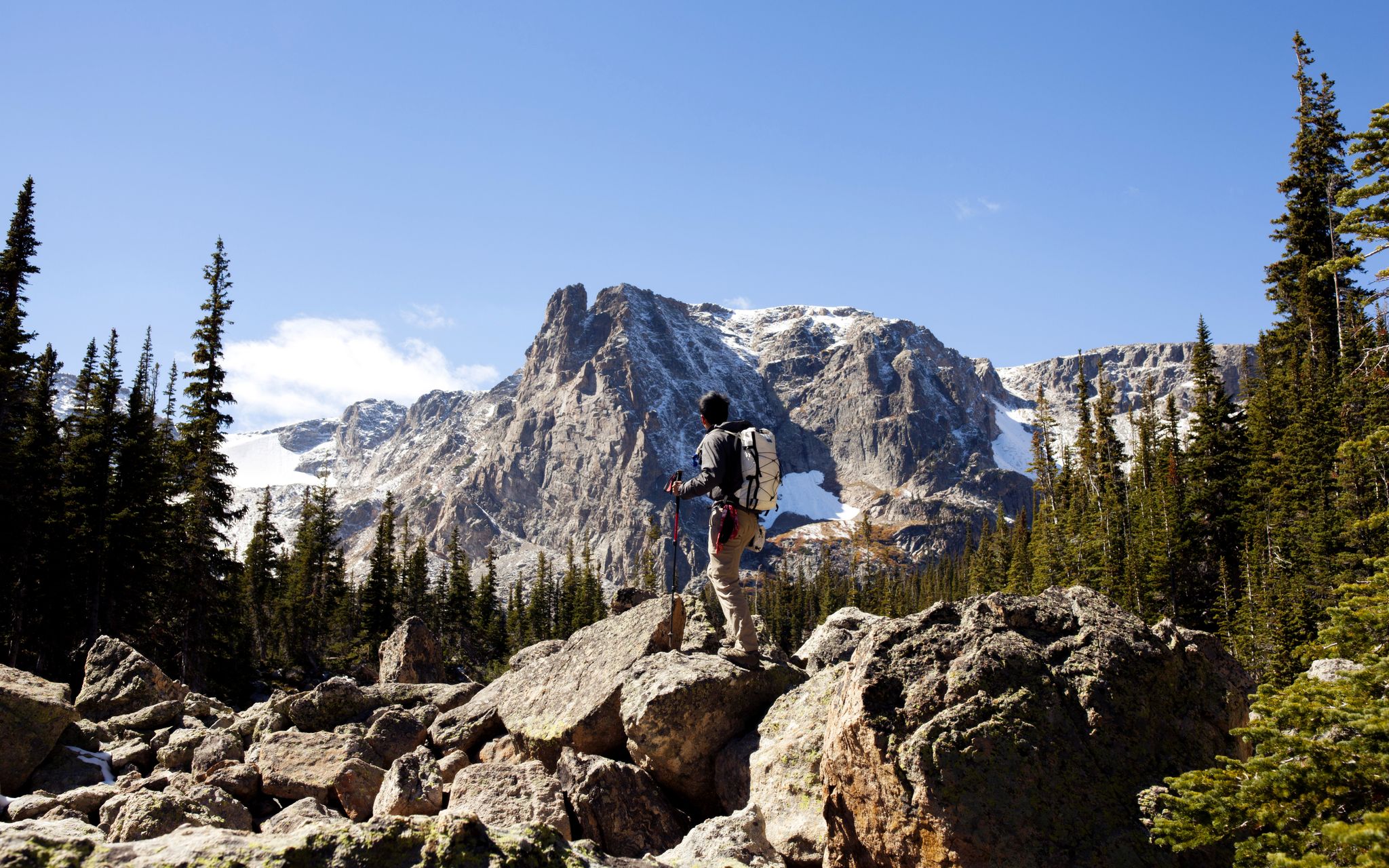
From the mountain peaks to the prairie – Rocky Mountains and Great Plains
The pristine beauty of the US National Parks
Hiking in Teton County
MTB Trails in Teton County
Cycling in Teton County
Road Cycling Routes in Teton County
Running Trails in Teton County
Other adventures in Teton County


Tips from the Community

Old Faithful is a popular attraction in Yellowstone National Park. On average, it erupts every 90 minutes, spewing a 30-55 meter jet of water. This eruption lasts between 1.5 and 5 minutes.
0
0

**Review of Celestine Pool in Yellowstone National Park** **Highlights:** Celestine Pool is a mesmerizing hot spring located along the Fountain Paint Pot Trail in Yellowstone's Lower Geyser Basin. Known for its vibrant blue waters and occasional bubbling eruptions, this geothermal feature offers a fascinating glimpse into the park's volcanic activity. The pool's serene beauty contrasts with its dynamic bursts of superheated water, making it a must-see for visitors exploring the area. **Gear Needed:** - **Comfortable Footwear:** The trail is entirely on a boardwalk, but sturdy shoes are recommended. - **Water:** Stay hydrated, especially during warmer months. - **Sun Protection:** A hat, sunscreen, and sunglasses are essential. - **Camera:** Capture the stunning colors and bubbling activity of the pool. **Timing:** The trail to Celestine Pool is part of the Fountain Paint Pot Trail, which is approximately 0.5 miles long and takes about 30-45 minutes to complete. Early mornings or late afternoons are ideal for avoiding crowds and enjoying cooler temperatures. **Key Points:** - The trail is family-friendly and wheelchair accessible. - Pets are not allowed on the trail. - Stay on the boardwalk at all times to protect yourself and the fragile environment. - The pool's activity can vary, so patience is key to witnessing its bubbling eruptions. Celestine Pool is a captivating stop for anyone exploring Yellowstone's geothermal wonders. Its vibrant colors and dynamic activity make it a memorable addition to the Fountain Paint Pot Trail experience.
0
0
**Review of the Fountain Paint Pot Trail in Yellowstone National Park** **Highlights:** The Fountain Paint Pot Trail is a short and easy hike that offers a glimpse into Yellowstone's fascinating geothermal activity. This 0.5-mile loop trail features bubbling mud pots, steaming fumaroles, colorful hot springs, and erupting geysers—all within the Lower Geyser Basin. The vibrant colors and dynamic geothermal features make this trail a must-see for visitors of all ages. **Gear Needed:** - **Comfortable Footwear:** The trail is entirely on a boardwalk, but sturdy shoes are recommended. - **Water:** Stay hydrated, especially during warmer months. - **Sun Protection:** A hat, sunscreen, and sunglasses are essential. - **Camera:** Capture the unique geothermal features and landscapes. **Timing:** The trail takes about 30-45 minutes to complete, making it a perfect option for a quick yet memorable experience. Early mornings or late afternoons are ideal to avoid crowds and enjoy cooler temperatures. **Key Points:** - The trail is family-friendly and wheelchair accessible. - Pets are not allowed on the trail. - Stay on the boardwalk at all times to protect yourself and the fragile environment. - Wildlife sightings, such as bison or elk, are possible—maintain a safe distance. This trail is perfect for those looking to experience Yellowstone's geothermal wonders without a strenuous hike. The Fountain Paint Pot Trail offers a captivating and educational journey through one of the park's most dynamic areas.
0
0
The Lower Geyser Basin is a geothermal wonderland, offering a short and accessible hike that showcases a variety of features, including geysers, hot springs, mud pots, and fumaroles. Notable sights include the Fountain Paint Pots, Clepsydra Geyser, and Red Spouter. The vibrant colors and unique formations make this trail a must-see for nature enthusiasts and photographers alike. **Gear Needed:** - **Comfortable Footwear:** The trail is mostly flat, but sturdy shoes are recommended for walking on the boardwalk. - **Water:** Stay hydrated, especially during warmer months. - **Sun Protection:** A hat, sunscreen, and sunglasses are essential. - **Camera:** Capture the stunning geothermal features and landscapes. **Timing:** The hike is approximately 0.5 miles long and takes about 30 minutes to complete. It's best to visit early in the morning or late afternoon to avoid crowds and enjoy cooler temperatures. **Key Points:** - The trail is family-friendly and suitable for all skill levels. - The boardwalk provides easy access to the geothermal features, making it wheelchair accessible. - Be mindful of safety guidelines—stay on the boardwalk to protect yourself and the fragile environment. - Wildlife sightings, such as bison or elk, are possible, so keep your distance and respect their space. This hike is perfect for those looking to experience Yellowstone's geothermal beauty without a strenuous trek. The Lower Geyser Basin offers a glimpse into the park's dynamic volcanic activity and is a memorable addition to any Yellowstone itinerary.
0
0

The Midway Geyser Basin is part of the giant Yellowstone Caldera and features two significant geothermal landmark: the Excelsior Geyser (a crater that discharges 4,000 gallons of water per minute into the nearby Firehole River) and the Grand Prismatic Spring (the largest hot spring in the US). A short loop on boardwalks takes you into the basin and along these stunning locations. Come early in the day to avoid the crowds.
2
0

The Firehole River, located in Yellowstone National Park, is known for its warm waters, heated by geothermal features, like hot springs and geysers, that the park is famous for. Flowing through scenic valleys and canyons, it supports a unique ecosystem and offers excellent views and wildlife sighting opportunities. It is also one of the few rivers where swimming is allowed; you can got to the Firehole Swim Area, situated two miles south of Madison Junction on Firehole Canyon Drive. This area typically opening in mid-summer and allows visitors to experience the river’s geothermally-influenced waters. However, high water levels or strong currents can delay or prevent its opening, so checking conditions is crucial. The site features two vault toilets but no additional amenities. Swimming is permitted only during designated hours, and items like floats, food, and personal care products (e.g. soap, shampoo) are prohibited to protect the delicate ecosystem. Life jackets are recommended, and children must be closely supervised.
0
0

You get a great view of Old Faithful from here. This isn't the biggest geyser in the park, nor the one that erupts the most frequently, but it is the biggest geyser that erupts this frequently. Old Faithful is named for its dependable eruptions that usually take place 90 minutes apart, give or take.
0
0

The "Old Faithful" is the geyser that ejects "its" underground water at regular intervals (approx. every 90 minutes) as a fountain (= eruption). It is quite extraordinary that the eruptions can be predicted with great certainty (ask at the visitor center about the next eruptions). The fountain is about 30-40 m high, it throws out about 3,700 gallons (for a short duration of 1.5 minutes) and 8,400 gallons (for a longer duration of 4.5 minutes) of water, the water temperature at the opening was measured at 95.6 °C....So: if you have little time or don't want to, you shouldn't miss this spectacle; however: you will rarely be able to enjoy it alone, "it" is too famous for that! Nevertheless: it is worth it!
0
0
Frequently Asked Questions
What are some of the most popular natural monuments in Teton County?
Teton County is home to many stunning natural monuments, primarily within Grand Teton National Park. Some of the most popular include Old Faithful Geyser, known for its predictable eruptions, and Grand Prismatic Spring, the largest hot spring in the United States with vibrant colors. Visitors also frequently enjoy Taggart Lake, which offers a quiet setting for circular hikes.
Are there family-friendly natural monuments in Teton County?
Yes, Teton County offers several natural monuments suitable for families. Grand Prismatic Spring and Morning Glory Pool are both considered family-friendly, offering spectacular geothermal features that captivate all ages. Additionally, the Lower Geyser Basin and Fountain Paint Pot Trail are wheelchair accessible, making them great options for families with strollers or those needing easier access.
What kind of wildlife can I expect to see near the natural monuments in Teton County?
Teton County is renowned for its abundant wildlife. In Grand Teton National Park, you can often spot bison, elk, moose, black bears, grizzly bears, wolves, and various bird species, especially around dawn and dusk. The National Elk Refuge is a vital sanctuary where you can see thousands of elk, particularly in winter, along with bison, bighorn sheep, and trumpeter swans.
What are the best times to visit Teton County's natural monuments?
The best time to visit largely depends on your interests. Summer (June to August) offers warm weather and full access to all trails and facilities, ideal for hiking and water activities. Spring (May) and Fall (September-October) provide fewer crowds, pleasant temperatures, and excellent wildlife viewing opportunities, especially during the elk migration. Winter (November-April) transforms the landscape into a snowy wonderland, perfect for activities like sleigh rides at the National Elk Refuge and cross-country skiing, though some roads and facilities may be closed.
Are there opportunities for hiking near these natural monuments?
Absolutely. Teton County, particularly Grand Teton National Park, is a hiker's paradise. You can find trails ranging from easy to challenging. For example, a 6 km circular path leads to Taggart Lake, offering a quiet and secluded setting. Many other trails are available, including those around Jenny Lake and the Upper Geyser Basin. For more hiking options, explore the Hiking in Teton County guide.
What unique geological features define Teton County's natural monuments?
Teton County is characterized by dramatic geological features. The Teton Range, with peaks like the Grand Teton, rises abruptly from the valley floor, showcasing jagged, snow-capped peaks and glacial formations. The Jackson Hole valley itself is a graben valley, formed by the Teton fault. The region is also famous for its geothermal activity, with numerous geysers and hot springs like Old Faithful Geyser and Grand Prismatic Spring, which are remnants of ancient volcanic activity.
Can I go cycling near the natural monuments in Teton County?
Yes, cycling is a popular way to experience the scenic beauty of Teton County. Grand Teton National Park offers dedicated pathways that are excellent for road cycling, providing stunning views of the Teton Range and surrounding natural monuments. You can find various routes, including loops around the park. For detailed cycling routes, check out the Road Cycling Routes in Teton County guide.
What is the Laurance Rockefeller Preserve and why is it worth visiting?
The Laurance Rockefeller Preserve is a tranquil 1,000-acre area located within Grand Teton National Park, on the south side of Phelps Lake. It's worth visiting for its pristine forests and meadows, maintained in a natural state, offering a truly immersive wilderness experience. It's an ideal spot for nature lovers seeking tranquility, hiking, and wildlife observation away from more crowded areas of the park.
Are there any natural monuments that are easily accessible for visitors with mobility challenges?
Yes, several natural monuments in Teton County offer good accessibility. Old Faithful Geyser is just a short walk from the parking lot and is easily accessible for wheelchairs and strollers. The Lower Geyser Basin and the Fountain Paint Pot Trail also feature accessible boardwalks, allowing visitors to experience the geothermal wonders comfortably.
What are some notable viewpoints for photography in Teton County?
Teton County offers countless photographic opportunities. Iconic spots include Oxbow Bend on the Snake River, famous for its reflections of Mount Moran and the Teton Range, especially at sunrise. Schwabacher Landing is another prime location along the Snake River, known for clear reflections and wildlife. Mormon Row, while historical, provides picturesque barns against the dramatic Teton backdrop, making it a significant natural and cultural viewpoint.
What makes Jackson Hole Valley a significant natural monument?
Jackson Hole Valley is a large mountain valley nestled between the Teton Range and the Gros Ventre Range. Its significance lies in its unique geography as a graben valley, formed by seismic activity along the Teton fault. This geological formation provides stunning panoramic views of the surrounding mountains and creates a rich ecosystem with numerous rivers and streams, supporting diverse wildlife and serving as a natural habitat for many species.
Can I find any waterfall hikes near the natural monuments in Teton County?
Yes, Teton County offers beautiful waterfall hikes that can be combined with visits to natural monuments. Trails like Fairy Falls Trail and Terraced Falls Trail provide opportunities to experience the region's cascades. For more information on these and other routes, consult the Waterfall hikes in Teton County guide.
Most popular routes in Teton County
Most popular attractions in Teton County

Get inspired with the komoot mobile app


Didn’t find what you were looking for?
Find even more amazing natural monuments in Teton County by checking out the top Highlights region by region:
Explore more
Extend your search for the best caves by checking out these guides of the top ones in Teton County:
