The best gravel rides around Cruzy-Le-Châtel
5.0
(1)
13
riders
4
rides
Gravel biking around Cruzy-Le-Châtel offers routes through the varied landscapes of northern Burgundy, characterized by rolling hills, agricultural fields, and river valleys. The region features a mix of unpaved farm tracks, forest roads, and canal-side paths, providing diverse terrain for gravel cyclists. These routes often connect small villages and historical sites, offering a blend of natural scenery and cultural interest. The area's geology typically includes limestone, contributing to well-drained surfaces suitable for gravel riding.
Best gravel bike trails around Cruzy-Le-Châtel
…Last updated: May 8, 2026
35.4km
03:22
480m
480m
Hard gravel ride. Very good fitness required. You may need to push your bike for some segments of this route.
5.0
(1)
10
riders
Easy gravel ride. Great for any fitness level. Mostly paved surfaces. Suitable for all skill levels.

Sign up for free
2
riders
35.0km
02:22
280m
280m
Moderate gravel ride. Good fitness required. Mostly paved surfaces. Suitable for all skill levels.
1
riders
49.4km
03:21
580m
590m
Hard gravel ride. Very good fitness required. Mostly paved surfaces. Suitable for all skill levels.
Our route recommendations are based on thousands of hikes, rides, and runs completed by other people on komoot.
Start today with a free account
Your next adventure awaits.
Login or Signup


Tips from the Community

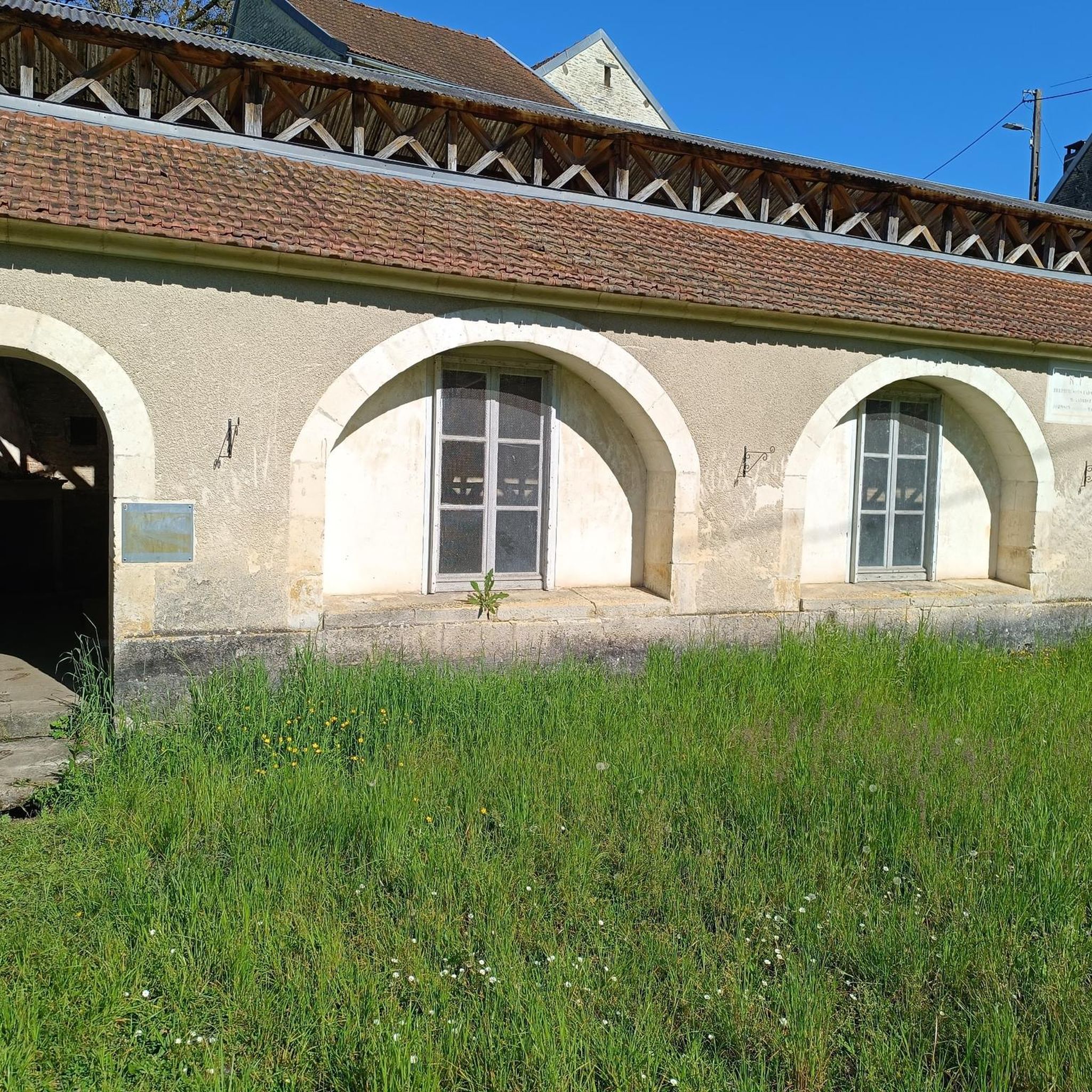
Magnificent Exterior Trompe l'oeil Gallery
0
0

A lovely farm to visit with its animals and organic products such as very good ice cream and goat cheese.
0
0

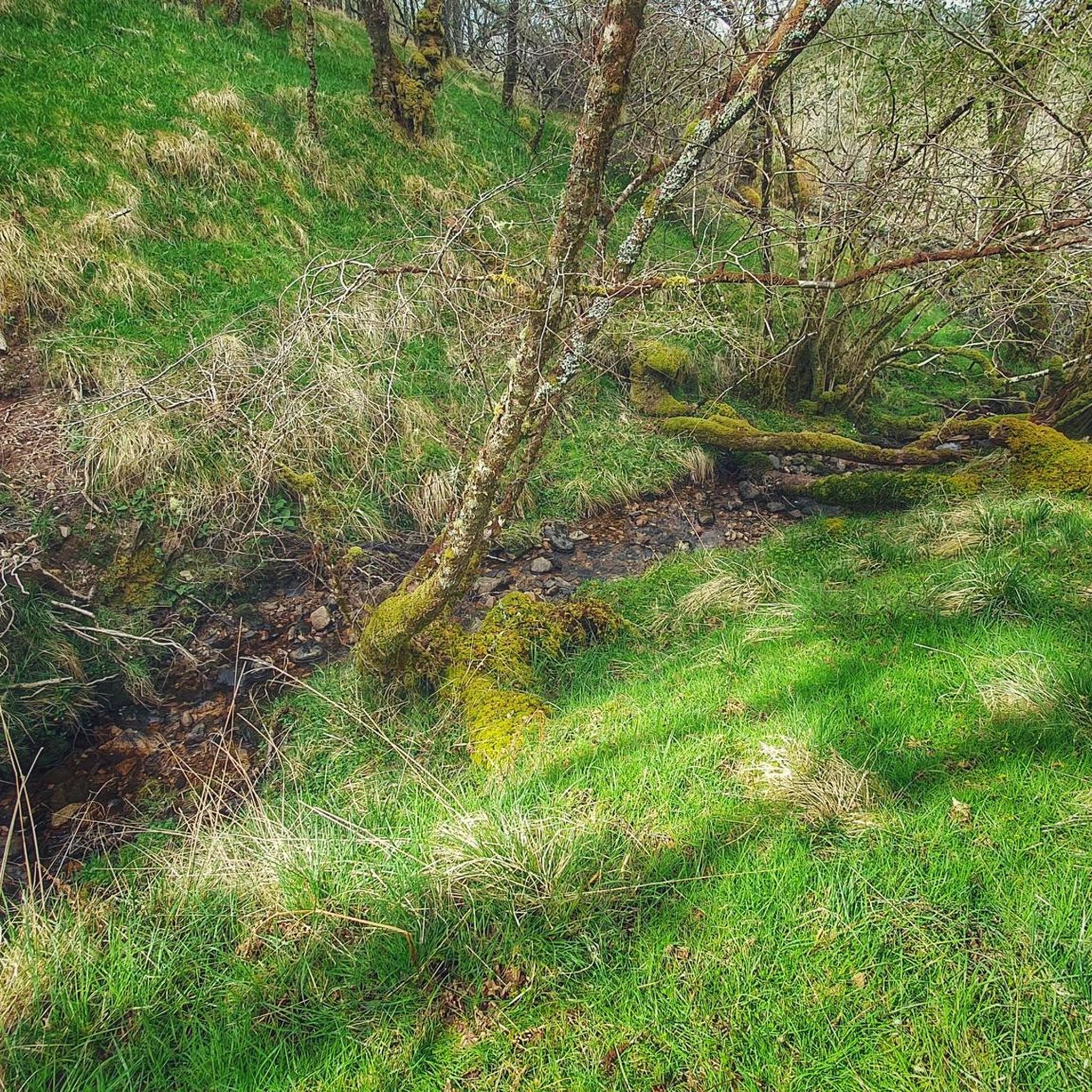
On the road to Vézelay or Santiago de Compostela, the Domaine Saint-Georges offers a welcome break. Here, you can put down your bag, enjoy a shaded picnic area and dip your tired feet in the water.
0
0

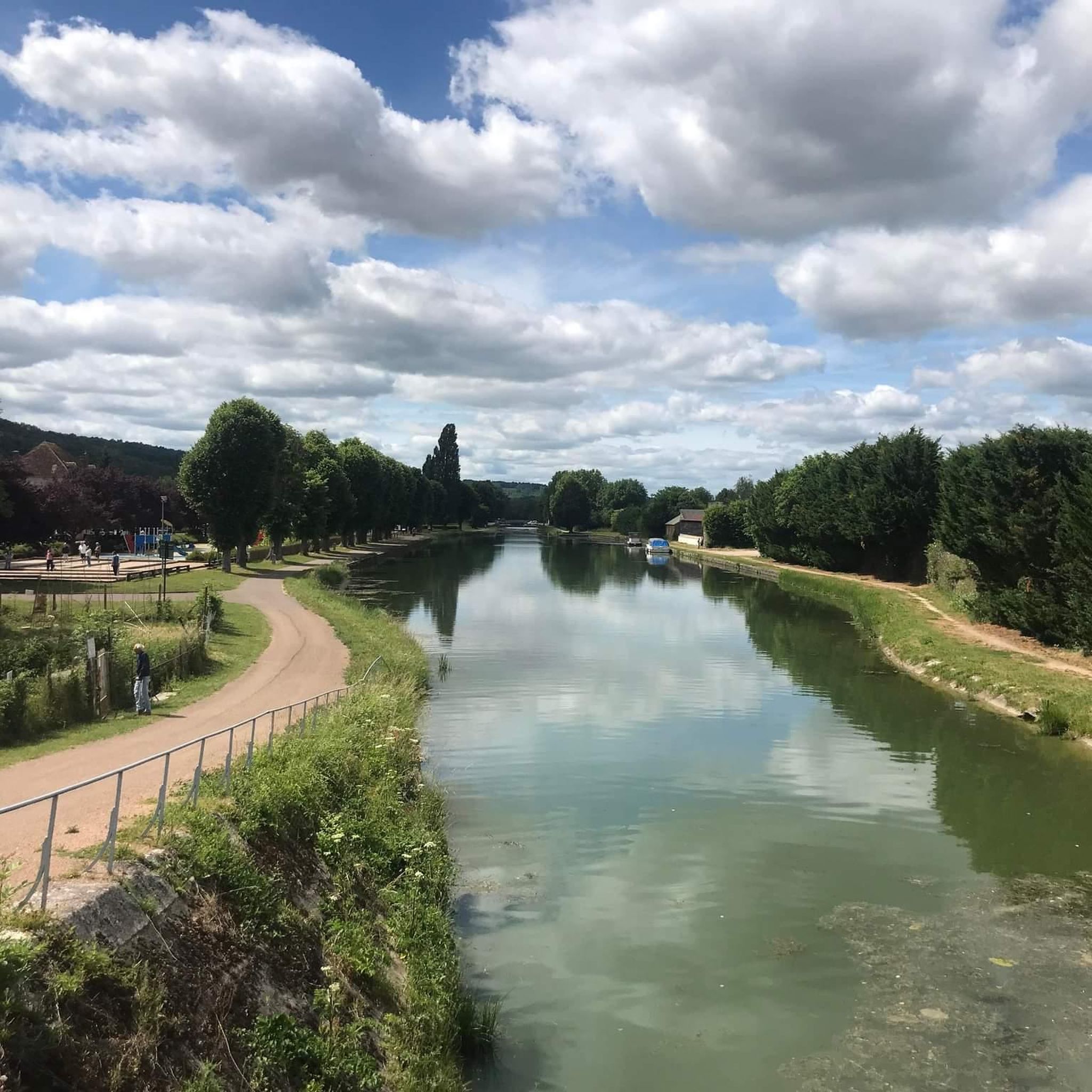
A "chemin de halage", in German "treidelpfad", which runs alongside the waterway right next to the bed of the river or canal, was an indispensable part of the transport infrastructure in earlier times. Before ships could move using motor power, horses ran along the bank and pulled the ship against the current. This was called "treideln", and that is how the "treidelpfad" got its name. Where these paths directly on the bank have been preserved, they are now popular with hikers and cyclists.
1
0

The Burgundy Canal is 242 km long, it connects the Seine basin to the Rhône basin. Previously used for moving goods, but since the 1960s the canal has been used almost exclusively for recreational boating.
0
0

The Dionne pit is a karst source called the Vauclusian source, located in the city center of Tonnerre. It is fed by the infiltration of precipitation into the surrounding limestone plateau as well as by the losses of at least one river. The Dionne pit is remarkable for its flow and the size of its hydrogeological network which extends to more than 40 km. His presence is at the origin of the creation of the city of Tonnerre. An elaborate washhouse was built around the spring in the 18th century. Wikipedia
0
0

A real must-see - this round wash house around a turquoise green source is unique in its kind and well worth the detour.
0
0

Set up for the section of the canal opened to traffic in 1832 (from Pont-de-Pany to Tonnerre). Located on the right bank, the lock keeper's house is built of coated rubble stones, with mechanical tiles. A lean-to extension extends the right side of the roof of the house. Extremely remodeled, the house today opens through a semi-circular door, in the extension.
1
0
Frequently Asked Questions
What types of gravel bike trails can I expect around Cruzy-Le-Châtel?
The region offers a diverse mix of unpaved farm tracks, forest roads, and canal-side paths. You'll encounter rolling hills, agricultural fields, and river valleys, providing varied terrain for gravel cyclists.
Are there any easy gravel bike trails suitable for beginners or families?
While there are no routes specifically classified as 'easy' in this guide, the two moderate routes, such as the Canal de Bourgogne at Tanlay – Château de Tanlay loop from Lézinnes (39.8 km) or the Lac de Marcenay loop from Molesme (35.0 km), might be suitable for experienced beginners or families looking for a longer ride with less extreme elevation changes. These routes generally follow flatter sections like canal paths.
What are some challenging gravel bike routes in the area?
For a more challenging experience, consider the Valleys loop, a 35.4 km route with significant elevation changes through scenic valleys. Another difficult option is the Tonnerre – Fosse Dionne loop from Villon, which is the longest at 47.9 km and also features substantial climbs.
What is the typical length and duration of gravel bike routes near Cruzy-Le-Châtel?
The gravel bike routes in this area generally range from approximately 35 km to 48 km in length. Depending on your pace and the route's difficulty, you can expect rides to take between 2 hours 20 minutes and 3 hours 45 minutes to complete.
What historical sites or natural attractions can I see along the gravel bike trails?
Many routes connect small villages and historical sites. You can explore the Towpath of the Canal de Bourgogne, pass by the impressive Château de Tanlay, or discover the grand Ancy-le-Franc Castle. The routes offer a blend of natural scenery and cultural interest.
Are there any circular gravel bike routes available?
Yes, all the featured gravel bike routes in this guide are designed as loops, allowing you to start and finish at the same point. Examples include the Valleys loop and the Canal de Bourgogne at Tanlay – Château de Tanlay loop from Lézinnes.
What is the best time of year to go gravel biking in Cruzy-Le-Châtel?
Spring and autumn generally offer the most pleasant conditions for gravel biking in northern Burgundy, with mild temperatures and beautiful scenery. Summer can be warm, but the shaded forest sections and canal paths provide some relief. Winter riding is possible, but be prepared for colder temperatures and potentially muddy sections, especially on unpaved tracks.
Are there places to stop for refreshments or food along the trails?
While specific pubs are not highlighted on every route, the region's small villages often have local establishments. For example, the Bistrot du Canal & Lavoir de Chassignelles is a notable spot near some canal routes, offering a chance to refuel and experience local charm.
What do other gravel bikers say about the routes in Cruzy-Le-Châtel?
The routes in Cruzy-Le-Châtel are highly rated by the komoot community, with an average score of 5.0 stars. Users often praise the varied terrain, the blend of natural beauty with historical sites, and the quiet, scenic paths through agricultural land and forests.
What kind of terrain should I expect on the gravel bike trails?
You'll encounter a mix of surfaces, including unpaved farm tracks, forest roads, and well-maintained canal-side paths. The underlying geology, often limestone, contributes to generally well-drained surfaces, though conditions can vary with weather.
How many gravel bike routes are available in the Cruzy-Le-Châtel area?
There are currently four distinct gravel bike routes detailed in this guide, offering a range of moderate to difficult options for exploring the region.
Most popular routes around Cruzy-Le-Châtel
Most popular attractions around Cruzy-Le-Châtel

Get inspired with the komoot mobile app


Explore more
Browse the best Gravel rides in other regions.
