Top 12 Castles in Unstrut-Hainich-Kreis
Castles in Unstrut-Hainich-Kreis offer insights into the region's history in Thuringia, Germany. The area features historical fortifications and structures, including well-preserved city walls and former manor houses. Located near the Hainich National Park, it provides a blend of cultural landmarks and natural landscapes. Visitors can explore sites ranging from medieval ruins to reconstructed castles.
Best castles in Unstrut-Hainich-Kreis
- The most popular castles is Frauentor, Rabenturm and the City Wall of Mühlhausen, a historical site that features an almost completely…
Last updated: August 30, 2026
Frauentor, Rabenturm and the City Wall of Mühlhausen
Highlight • Historical Site
Translated by Google •
Tip by

Mühlhausen City Wall
Highlight • Historical Site
Translated by Google •
Tip by

Sign up now to discover places like this
Get recommendations on the best single tracks, peaks, & plenty of other exciting outdoor places.
Sign up for free
Friederike's Little Palace
Highlight • Historical Site
Translated by Google •
Tip by

Inneres Frauentor Mühlhausen
Highlight • Historical Site
Translated by Google •
Tip by
Herbsleben Castle Ruins
Highlight • Castle
Translated by Google •
Tip by
Seebach Bird Protection Station
Highlight • Structure
Monday - Thursday 8:00 a.m. - 3:30 p.m.
Friday 8:00 a.m. - 12:00 p.m.
from May to October
Guided tours on Saturdays, Sundays and public holidays at 2 p.m.
Translated by Google •
Tip by

Dryburg Castle (Saarland Gallery)
Highlight • Castle
Translated by Google •
Tip by

Goldacker Castle
Highlight • Castle
Translated by Google •
Tip by

Rondell Tower (Remains of the Pfalzburg Fortifications)
Highlight • Historical Site
Translated by Google •
Tip by

Hirschgraben City Moat and Fortifications
Highlight • Historical Site
Showing Translation
Tip by

Sign up for free to discover even more castles in Unstrut-Hainich-Kreis.
Sign up for free
Already have an account?
Start today with a free account
Your next adventure awaits.
Login or Signup
Popular around Unstrut-Hainich-Kreis
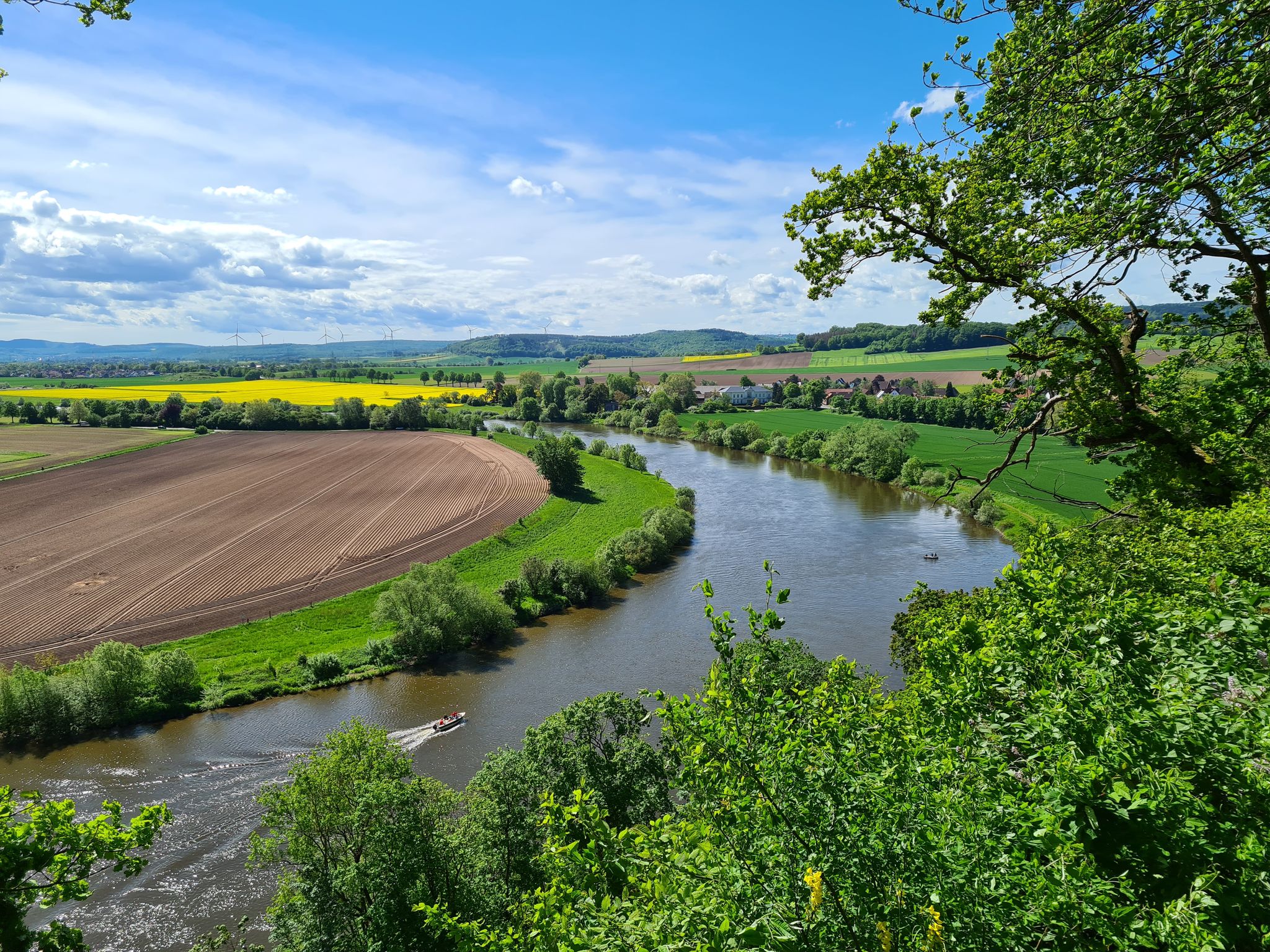
Loccum-Volkenroda pilgrim's way – From monastery to monastery
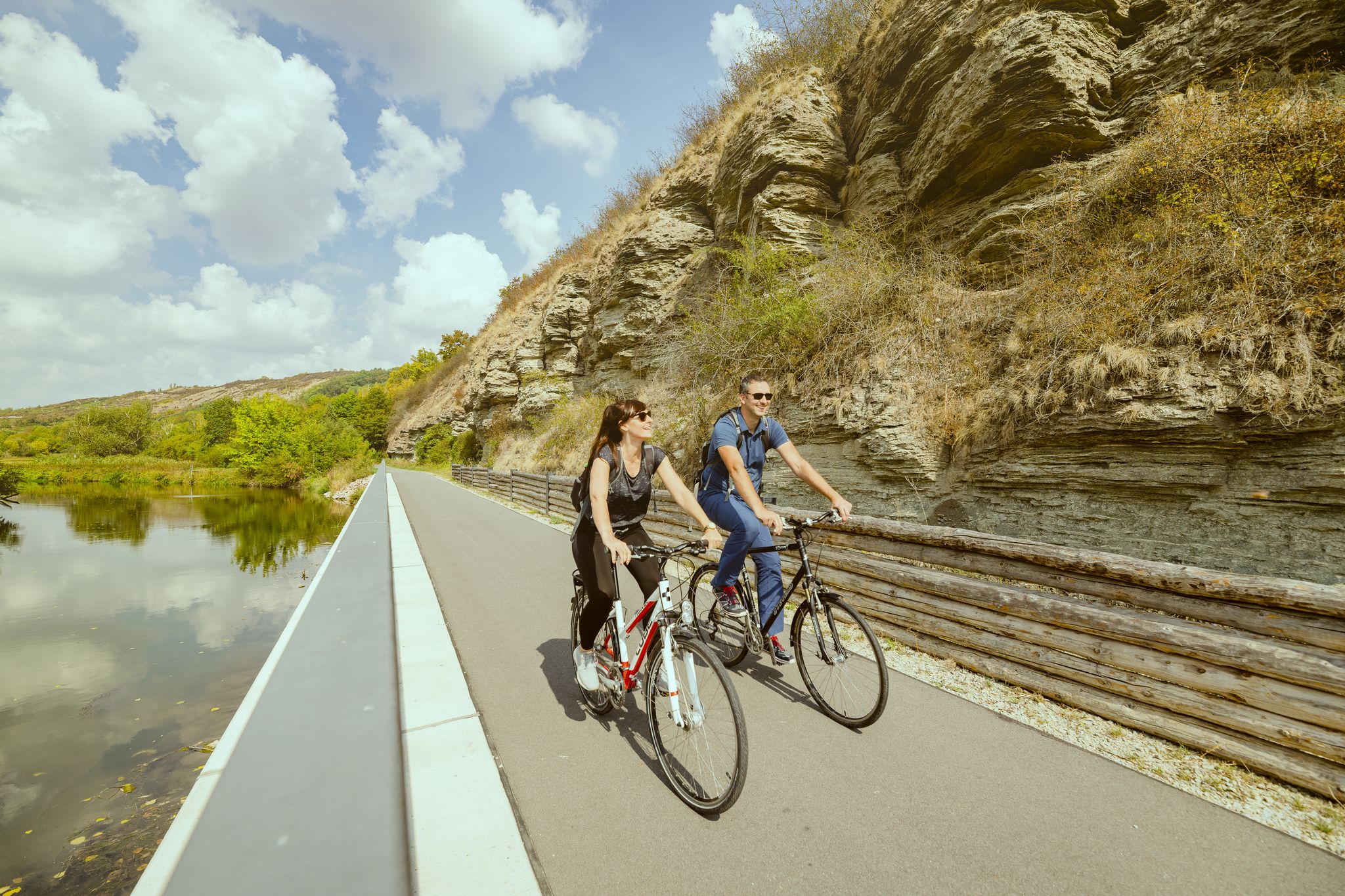
Unstrut Cycle Path – from the source in Eichsfeld to the River Saale
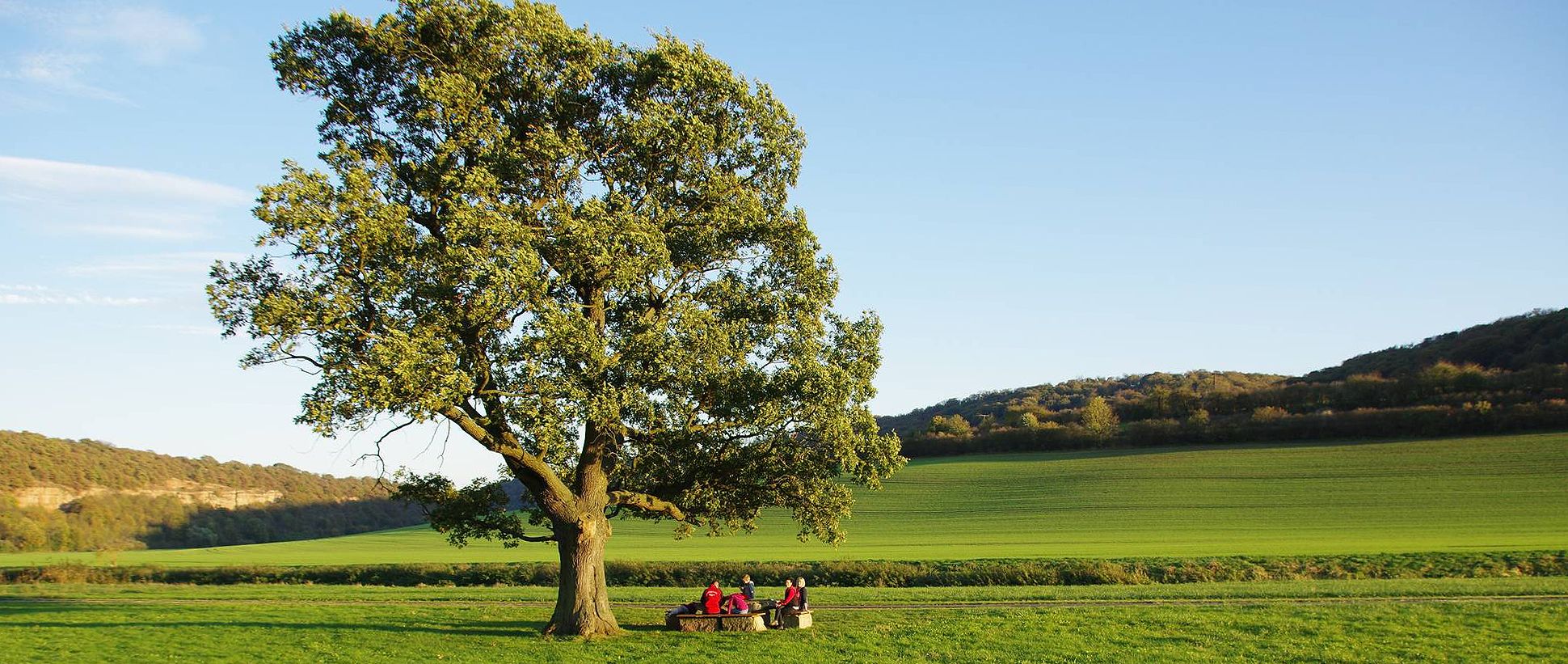
Unstrut cycle path — 4 days through Thuringia and Saxony-Anhalt
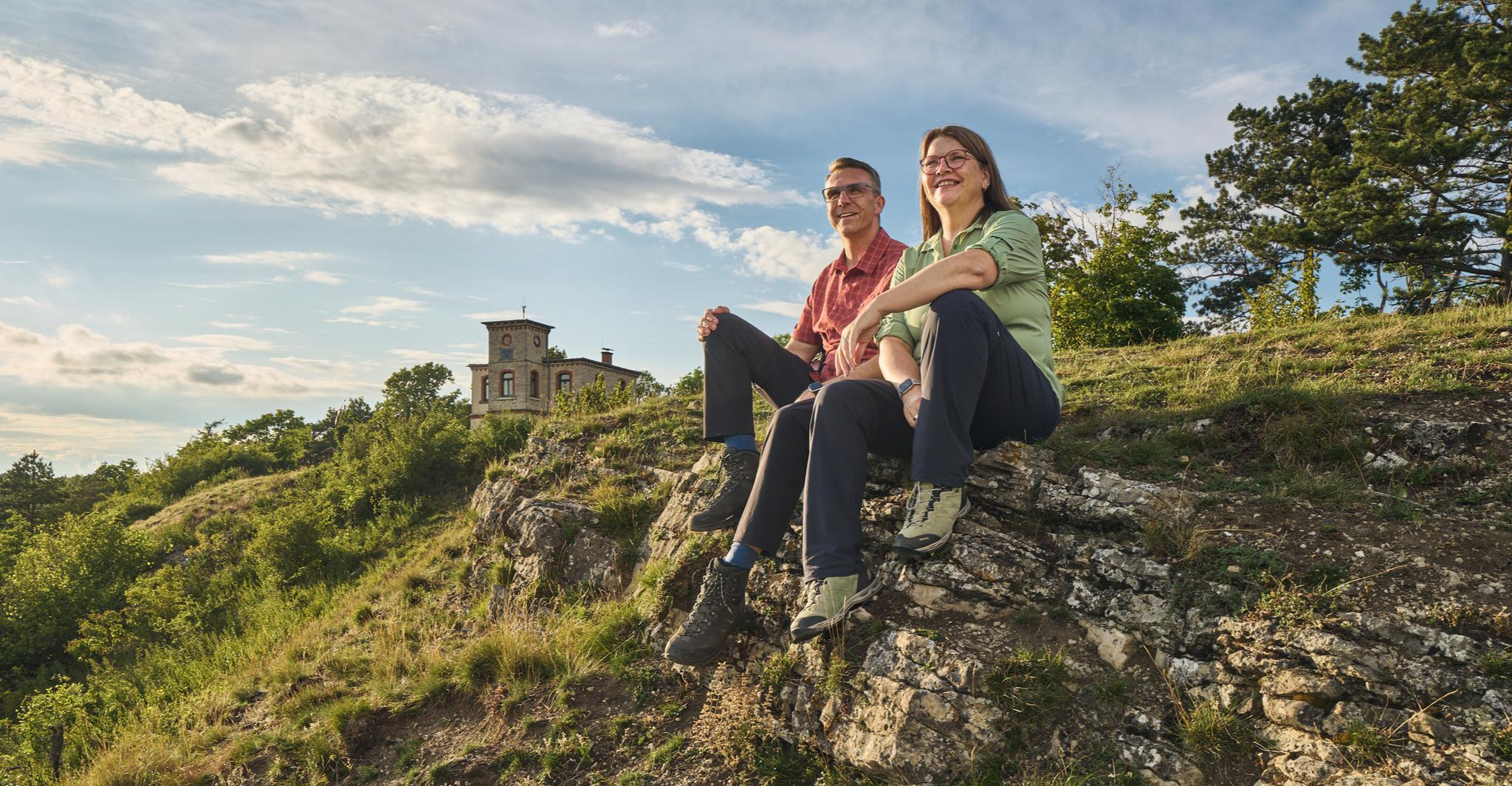
Autumn Hiking with a view – 7 WOW Tours between Wartburg and Hainich
Varied hiking on the Hainichlandweg
Wonderful Green Band
The Waagebalkenweg - in two days through the Hainich
The Rennstieg - the Hainich for hiking enthusiasts
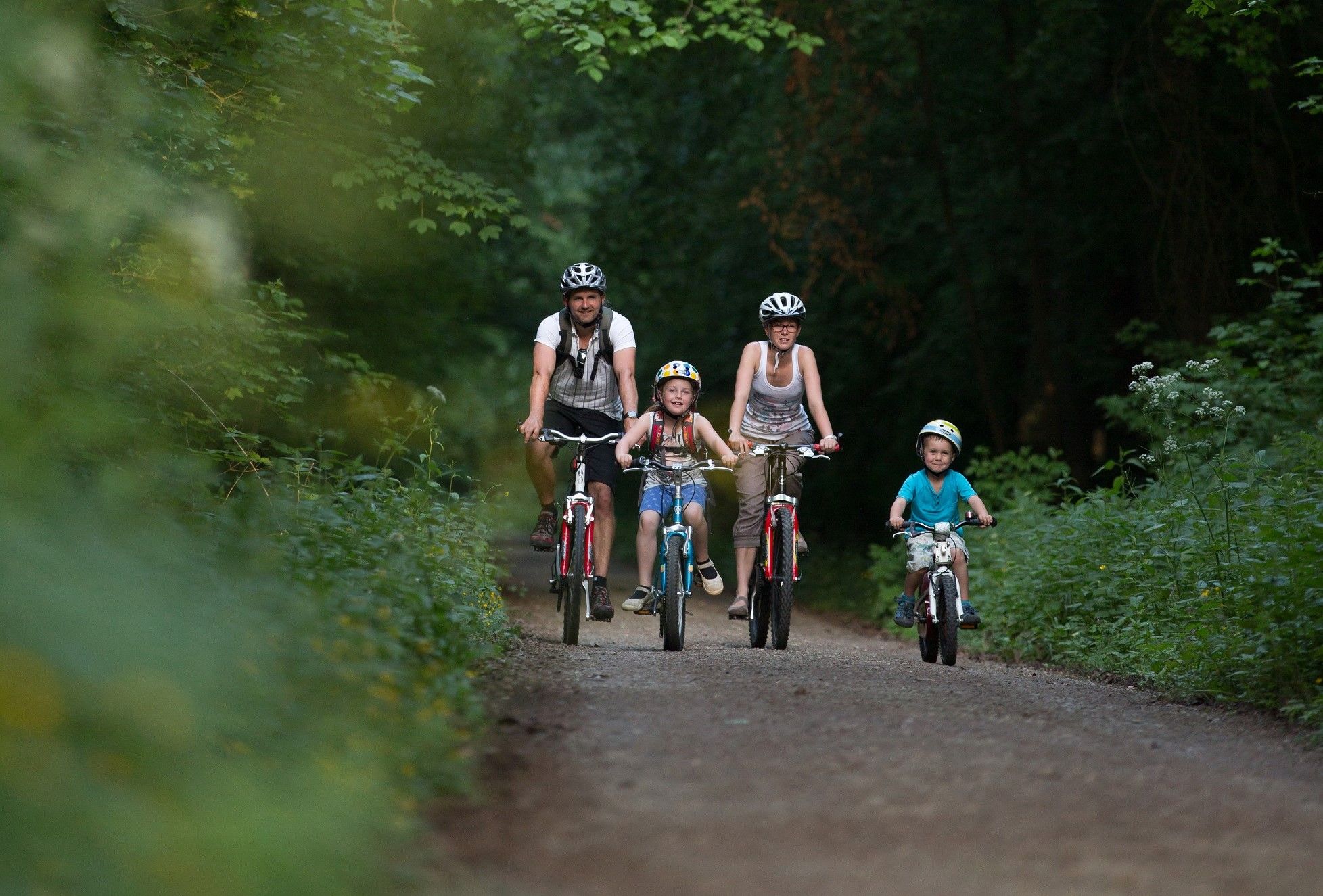
Cycling through Hainich National Park
Fast-paced trails and steep summits – outdoors in Thuringia
Other adventures in Unstrut-Hainich-Kreis


Tips from the Community

The Inner Frauen Gate (Innere Frauentor) in Mühlhausen is an important relic of the medieval city fortifications and one of the city's most significant historical structures. It is located in the northwest of the old town and formerly served as one of the central entrances to the city. Merchants, travelers, and visitors entered the city through this gate, thus playing an important role both economically and militarily. The Frauen Gate owes its name to the street that led directly to St. Mary's Church, the so-called Frauenkirche (Church of Our Lady). Architecturally, it is a so-called double gate system, consisting of a high gate tower and a gatehouse situated in front of it. Between these two parts was a narrow, specially secured area known as the zwinger. This construction method served defensive purposes, as attackers could be trapped between the gates in an emergency and repelled more easily. The original gate was built in the Middle Ages, presumably in the 13th century. After a city fire, it was rebuilt in 1655 in the form in which it can still be seen today. Over time, the city structure changed, and parts of the fortifications were demolished or added to. For example, another Frauen Gate disappeared in 1830, the outline of which is still indicated in the street paving today. Today, the Inner Frauen Gate is the only preserved gate of Mühlhausen's inner city wall and thus a particularly valuable testimony to the city's history. It is part of one of the best-preserved medieval city fortifications in Germany and attracts many visitors. Together with the remaining sections of the wall, it provides a vivid impression of how strongly fortified and organized medieval cities once were.
1
0
Around 1400, Mühlhausen, with approximately 10,000 inhabitants, was not only among the twenty largest cities in Germany but also had a remarkable city fortification, a part of which still exists today. In addition to the inner city wall, which was built around 1200, Mühlhausen also had an outer city fortification erected in the 14th century.
2
0

The very well-preserved Frauentor (Women's Gate) in the city wall is also worth seeing.
0
0

Beautiful sight and great garden
3
0

The Hirschgraben, waterless, is directly adjacent to the old historic fortifications with city walls.
0
0

A very beautiful facility that you can visit. The exhibition in the bird sanctuary is extremely interesting and very educational.
0
0

A beautiful piece of contemporary history! Highly recommended!
1
0

Beautifully renovated building. Once a manor house, then a school, now a health center.
4
0
Frequently Asked Questions
Which castles in Unstrut-Hainich-Kreis are particularly family-friendly?
Several sites in Unstrut-Hainich-Kreis are great for families. The Frauentor, Rabenturm and the City Wall of Mühlhausen offers an accessible section of the city wall and the Rabenturm for panoramic views. Friederike's Little Palace features a well-kept park, and the Seebach Bird Protection Station, which includes historical elements, provides seating by a pond and guided tours on weekends, making it an engaging spot for all ages.
What historical ruins can I explore in the region?
The Herbsleben Castle Ruins are a significant historical site. The intact castle was demolished in 1958, but excavation work has uncovered cellar vaults and substantial parts of the original structure. You can see a polygonal ring wall, dating back to around 1230, and a restored three-arched stone bridge over the moat. The ruins are publicly accessible, and the local association, 'Schlossruine Herbsleben e.V.', offers guided tours.
Are there opportunities for hiking near the castles?
Yes, the region offers various hiking opportunities. For example, near the historical sites, you can find trails like the Hünenteichweg Quality Trail or the Feenstieg. The area is also close to Hainich National Park. You can find more details on hiking routes in the region on the Hiking in Unstrut-Hainich-Kreis guide.
What is the best time of year to visit the castles in Unstrut-Hainich-Kreis?
The period from Easter to mid-November is generally ideal for visiting, as many attractions, such as the accessible section of the Mühlhausen city wall and the Rabenturm, are open during these months. Spring and autumn offer pleasant weather for exploring both the castles and nearby natural areas like Hainich National Park.
Can I visit the castles using public transportation?
Mühlhausen, with its impressive city wall and towers like the Frauentor and Rabenturm, is well-connected by public transport. For other castles like Schloss Altengottern or Schloss Berka vor dem Hainich, public transport options might be more limited, and checking local bus schedules or considering a car is advisable.
Are there any castles that offer panoramic views?
Absolutely. The Rabenturm, part of the Mühlhausen City Wall, provides a viewing platform at a height of 34 meters. From here, you can enjoy panoramic views of Mühlhausen and the surrounding Thuringian landscape.
What kind of historical architecture can I expect to see?
The region showcases diverse architectural styles. You can see medieval fortifications like the Mühlhausen City Wall, which dates back to the early 13th century. Schloss Altengottern, originally a moated castle, was rebuilt in 1652 and features a four-story, four-sided building group with four towers. Schloss Berka vor dem Hainich, while also a former moated castle, was reconstructed in the late 18th century with a classicist design.
Are there any lesser-known castles or historical sites worth visiting?
Beyond the prominent sites, you might consider Altengottern Castle, a listed former manor with medieval remnants, now serving as a children's and youth home. Another interesting spot is Kleinballhausen Castle, offering a glimpse into the region's varied historical landscape.
What outdoor activities can I combine with a castle visit?
Many castles are close to natural areas. You can combine your visit with hiking in Hainich National Park, which is easily accessible from places like Altengottern. Cycling is also popular, with routes like the Unstrut Cycle Path nearby. For more cycling options, check the Road Cycling Routes in Unstrut-Hainich-Kreis guide.
Where can I find cafes or restaurants near the castles?
Mühlhausen, with its extensive city wall, offers various cafes and restaurants within the town center. Friederike's Little Palace also has a restaurant within its well-kept park. For other locations, it's best to check local amenities in the villages surrounding the castles, such as Altengottern or Herbsleben.
Are there any castles that are dog-friendly?
While specific dog policies for each castle's interior vary, many outdoor areas, such as the accessible sections of the Mühlhausen City Wall and the grounds of the Herbsleben Castle Ruins, are generally accessible for dogs on a leash. Always check local signage or official websites for specific rules before your visit.
What is unique about the Mühlhausen City Wall?
The Mühlhausen City Wall is remarkable for being one of the oldest non-Roman city walls in the German-speaking world, with some sections dating back to the early 13th century. It boasts an almost completely preserved defense system stretching 2.2 kilometers. You can walk along a 370-meter section, and the Frauentor is the only surviving gate of the inner city wall.
Most popular routes in Unstrut-Hainich-Kreis
Most popular attractions in Unstrut-Hainich-Kreis

Get inspired with the komoot mobile app


Didn’t find what you were looking for?
Explore Unstrut-Hainich-Kreis’s best castles region by region:
Explore more
Looking for the best castles somewhere else? Discover other guides in Unstrut-Hainich-Kreis:
