Top 20 Caves in Rems-Murr-Kreis
Best caves in Rems-Murr-Kreis are characterized by unique geological formations, primarily Stubensandstein, which have created numerous grottos and rock shelters. This region in Germany offers a diverse landscape for exploration, featuring deep ravines and forested areas. The caves and rock formations are often integrated into hiking trails, providing insights into the area's natural history. Visitors can explore various natural monuments formed by millennia of erosion.
Best caves in Rems-Murr-Kreis
- The most popular caves is Geldmachersklinge Waterfall and Rock Grotto, a waterfall that features an imposing rock formation and an adventurous hiking trail. The descent includes steep stairs with ropes and chains, making it accessible for most.
- Another must-see spot is Hohler Stein Erosion Natural Monument, a natural monument described as a large, impressive niche of 30 meters diameter. A small waterfall falls 5 meters deep into a wide basin in the rock, showcasing the erosive power of water.
- Visitors also love Kesselgrotte (Sandstone Cave), a cave nestled in the forest. This grotto is considered the largest in the Rems-Murr-Kreis and is part of the Geo-Erlebnis-Pfad.
- Rems-Murr-Kreis is known for erosion monuments, sandstone caves, and grottos. These formations offer a variety of natural features to explore, from large niches to horseshoe-shaped grottoes.
- The caves in Rems-Murr-Kreis are appreciated by the komoot community, with more than 800 upvotes and over 800 photos shared by users.
Last updated: July 6, 2026
Geldmachersklinge Waterfall and Rock Grotto
Highlight • Waterfall
Translated by Google •
Tip by

Hohler Stein Erosion Natural Monument
Highlight • Natural Monument
The Stubensandsteinformation consists of a layer package, which contains not only harder sandstone layers but also those with larger, easily flushable claystone lenses. Clay-bound, thus softer sandstones and sandstone slates facilitate such niche or cave formations, as they are typical of many blades of this landscape. The ND "Hohler Stein" is particularly impressive in winter when it is adorned by meter-long icicles and the stream becomes a bizarre ice structure. From here, a footpath continues up stairs and footbridges, where again cave-like formations form a cauldron in the high forest.
Translated by Google •
Tip by

Sign up now to discover places like this
Get recommendations on the best single tracks, peaks, & plenty of other exciting outdoor places.
Sign up for free
Kesselgrotte (Sandstone Cave)
Highlight • Cave
A spring stream flowing down the slope, which flows into the Buchbach, has deepened into a narrow channel above the grotto. The falling water continuously erodes the base of the grotto. In winter, the frozen water blasts deep cracks in the hard sandstone slabs, which break away as they thaw. Cave formations of this type are common in the Upper Stubensandstein, which is why one also speaks of the so-called “cave sandstone”.
The geotope is part of the geological nature trail of the city of Welzheim, which was set up a few years ago with the help of the state of Baden-Württemberg, the European Union and the Swabian-Franconian Forest Nature Park. The grotto is open to the public. Sturdy shoes are recommended.
Translated by Google •
Tip by

Schiller Grotto
Highlight • Cave
Translated by Google •
Tip by

Hollow Stone Cave and Waterfall, Alfdorf
Highlight • Cave
Mühlebach - Hohler SteinMühlebach - Hohler Stein
The "Hasenrundweg" leads south of Alfdorf through gorges and blades on both sides of the Mühlebachs. The tour begins on the layers of the Unterjuras and leads over Rutschmassen of the Knollenmergels by the layers of the Stubensandstein. The "Bembemberlesstein" is a striking sandstone formation with many small depressions. The hiking trail crosses several small brooks cut in V-shape before the first large target, the Lorch Schiller Grotto, is reached. The path continues down to the Mühlebach and on the other side up again. At about half the height, the imposing cave stone surprises. Through a small stream that falls over a hard sandstone edge, the underlying softer sandstone is slowly eroded. A big, fallen down lump testifies to what strength is in the small stream and let the cave roof partially collapse.
Tip: The "Hasenrundweg" and the main hiking route 3 of the Swabian Albverein (section Lorch - Alfdorf) leads past the Hohle Stein!
Source: schwaebischerwald.com/index.php?id=629
Translated by Google •
Tip by

Gallengrotte
Highlight • Cave
Translated by Google •
Tip by

Hasenpfad Trail
Highlight (Segment) • Trail
Translated by Google •
Tip by

Räuberhöhle (Maubach Cave)
Highlight • Cave
It is not entirely safe to enter the cave, as the stones above are sometimes very loose.
Translated by Google •
Tip by

Jux Cave
Highlight • Cave
Translated by Google •
Tip by

Geisterhöhle Waterfall
Highlight • Waterfall
- see also komoot.de/highlight/767852
Translated by Google •
Tip by

Sign up for free to discover even more caves in Rems-Murr-Kreis.
Sign up for free
Already have an account?
Start today with a free account
Your next adventure awaits.
Login or Signup
Popular around Rems-Murr-Kreis
Castles, Alps and Lake Constance – gravel days on the Hohenzollern Cycle Route
German Limes Cycle Path – Riding from the Rhine to the Danube
Rems Valley Trail near Stuttgart – Endlessly beautiful 11 stages
The Remstal cycle path – Nature, timber frame and the Limes
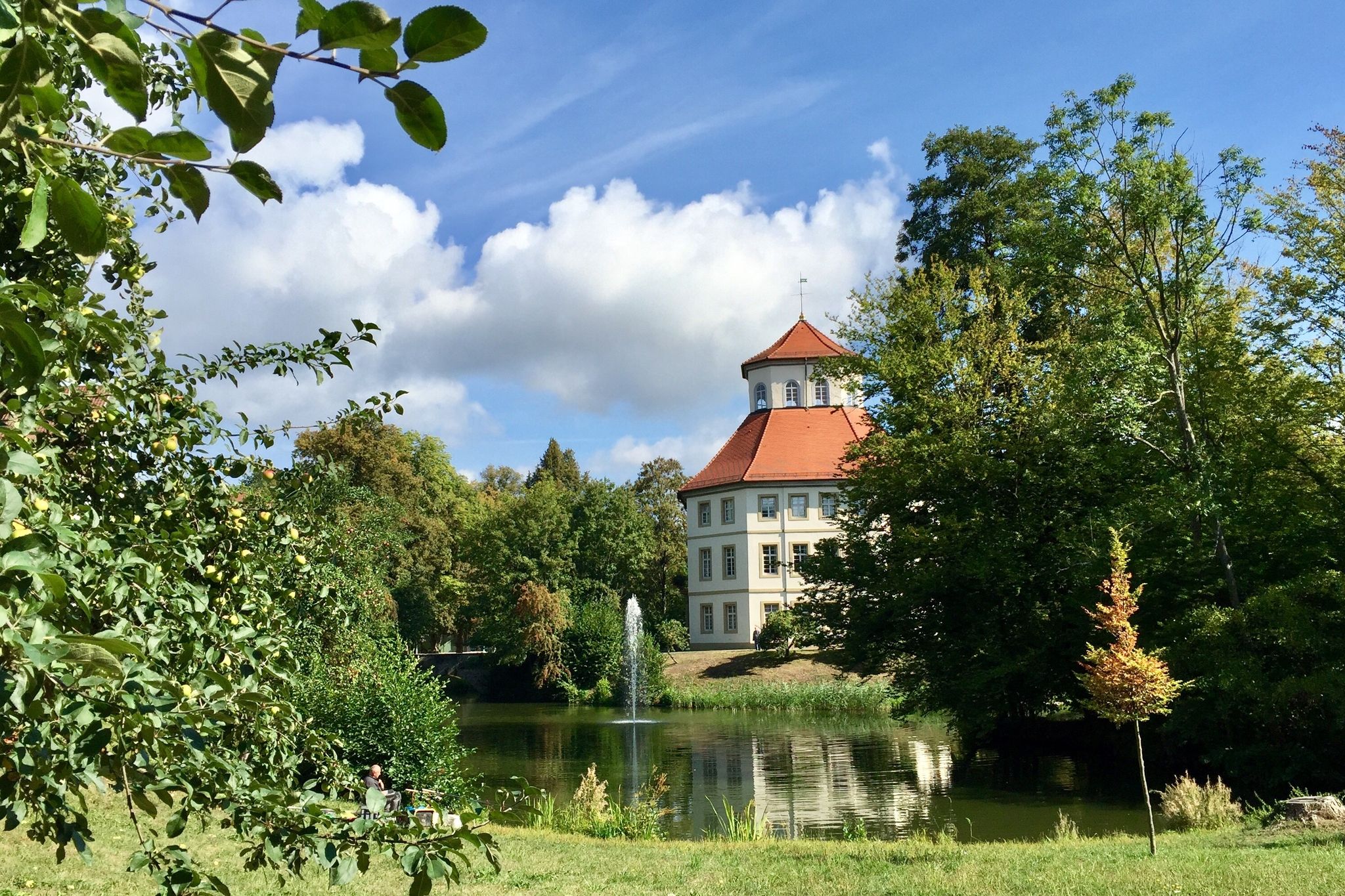
The Stromberg Murrtal Bike Path – 7 stages of nature and culture
The state from above: 7 Summits of Baden-Württemberg
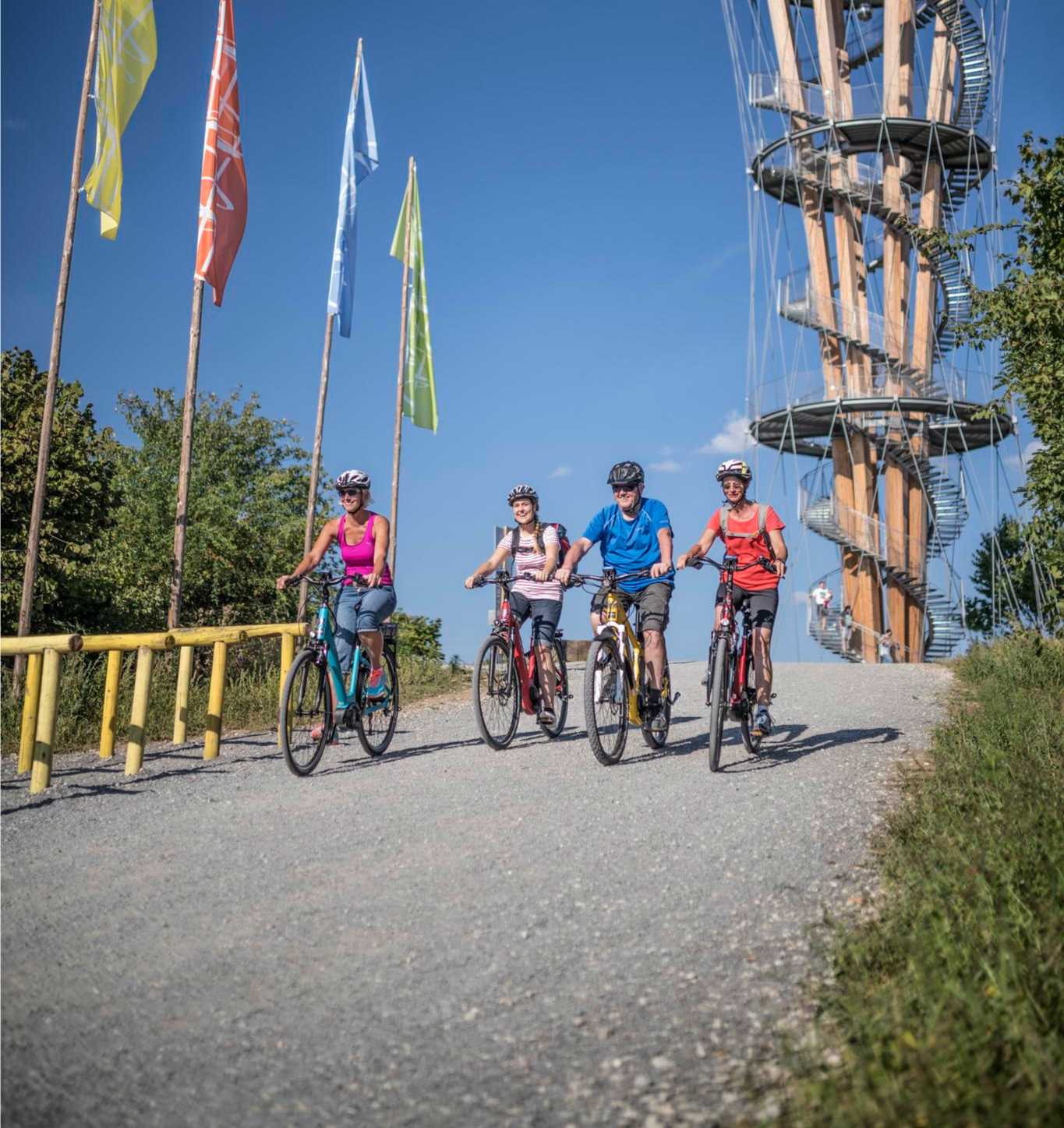
Discover Stuttgart's surroundings – main route of the Stuttgart E-Bike region
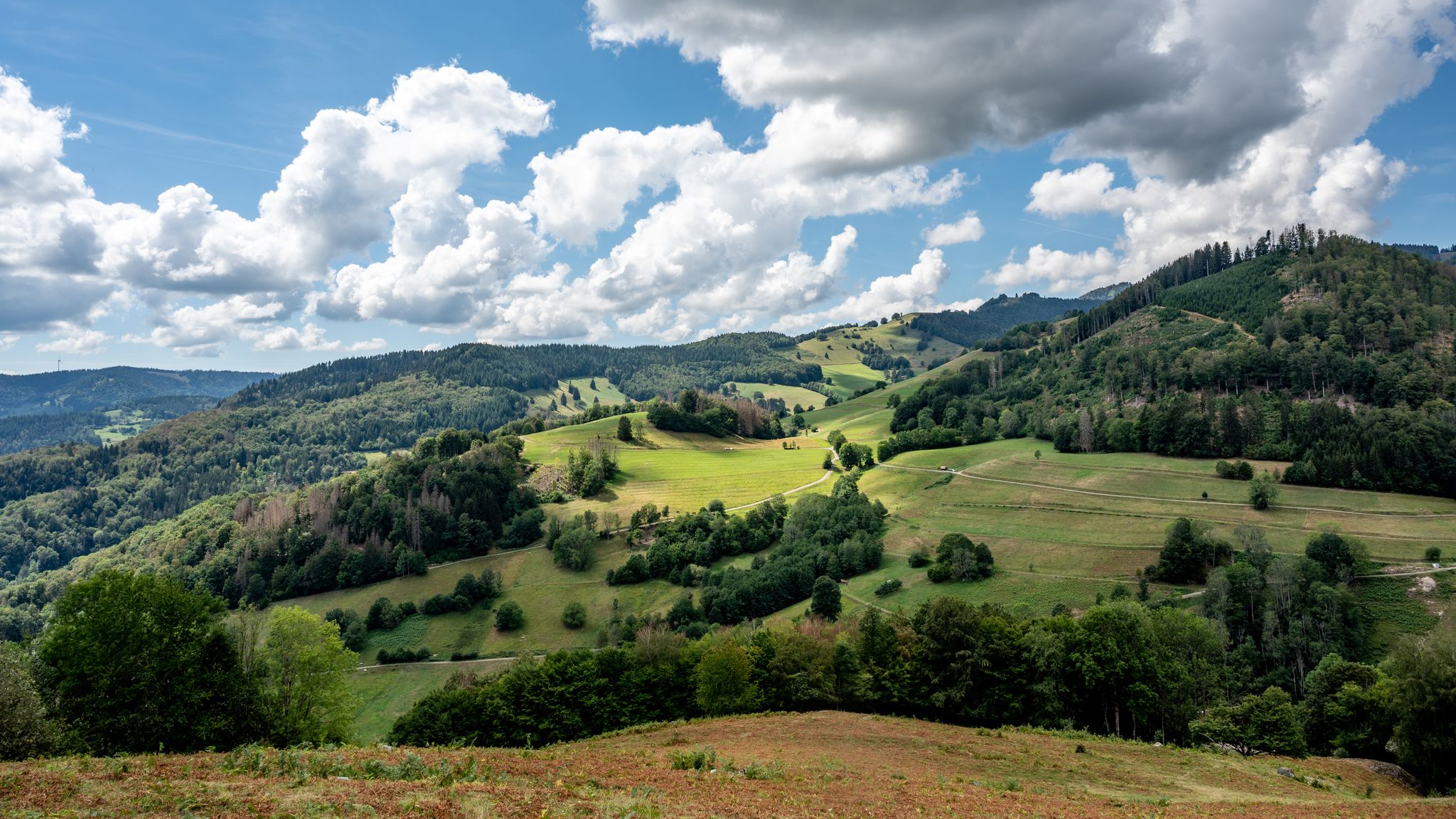
The National Natural Landscapes in Baden-Württemberg

Hiking in the Remstal – digital hiking badges for real adventures
Breathe in the mountain air – long-distance cycle paths in the Swabian Alb
Other adventures in Rems-Murr-Kreis


Tips from the Community

The Robber's Cave is located on the steep slope above the dried-up Maubach streambed. The cave is freely accessible but relatively short. Climbing up the steep slope is somewhat strenuous, and careful attention is required.
0
1

The Hohle Stein (Hollow Stone) is located in the middle of the Tobel Gorge. It was eroded over millennia and is now a monument to erosion. A small amount of water trickles down from the ceiling of the small grotto throughout the year.
5
0

While the Robbers' Cave itself isn't a particularly special attraction, the area surrounding it is very impressive. The Maubach stream, which simply disappears and then reappears, is particularly worth seeing! https://youtu.be/Z4c8KCfYrvI?si=EN4IyCCM-sPq2QzW
2
2

Hollowed out sandstones with a small trickle of water on the way to a gorge on a very natural path.
3
1

Interesting great mystical place
1
1


Great, varied path with always new challenges
1
0

Frequently Asked Questions
What are some notable caves and rock formations to explore in Rems-Murr-Kreis?
The region offers diverse geological formations. Beyond the well-known spots, you can visit the Gallengrotte, a deep grotto near Ebnisee, or the Räuberhöhle (Maubach Cave), which offers an adventurous climb. The Schiller Grotto, named after a son of the poet Friedrich von Schiller, is a horseshoe-shaped grotto with historical ties.
What kind of geological features can I expect to see in the Rems-Murr-Kreis caves?
The caves and grottoes in Rems-Murr-Kreis are primarily formed within Stubensandstein (Bunter Sandstone) formations. These consist of hard sandstone layers interspersed with softer claystone lenses, which erode more easily, creating distinctive niches and cave structures. You'll often find impressive rock formations, deep ravines, and evidence of water erosion, such as small waterfalls or dripping water, as seen at the Hohler Stein Erosion Natural Monument.
Are there family-friendly caves or trails suitable for children in the region?
Yes, several locations are suitable for families. The Jux Cave is listed as family-friendly, though its access is currently restricted. The "Hasenrundweg" near Alfdorf, which passes by the Hollow Stone Cave and Waterfall, is also highly recommended for families due to its varied paths and enchanting grottos.
What is the best time of year to visit the caves in Rems-Murr-Kreis?
Many caves and grottoes, like the Schiller Grotto, are particularly pleasant in summer due to their cool temperatures. However, the Hohler Stein Erosion Natural Monument is especially impressive in winter when adorned by meter-long icicles and the stream forms bizarre ice structures. Sturdy shoes are recommended year-round, especially in wet conditions.
Are there any caves with historical significance in Rems-Murr-Kreis?
Yes, the Schiller Grotto is named after a son of the poet Friedrich von Schiller, who served as head forester in Lorch. The Jux Cave was historically used for sandstone mining, adding a layer of industrial history to its natural appeal.
What kind of hiking experiences can I find near the caves?
Many caves are integrated into scenic hiking trails. For instance, the Geldmachersklinge Waterfall and Rock Grotto features an adventurous trail with steep stairs, ropes, and chains. The Hohler Stein Erosion Natural Monument is part of a natural hiking path, and the "Hasenrundweg" passes by the Hollow Stone Cave and Waterfall. For more hiking options, explore the various routes in the region on the Hiking in Rems-Murr-Kreis guide.
What are the accessibility considerations for exploring these caves?
While some paths are easily accessible, many cave locations involve rugged terrain. For example, the descent to the Geldmachersklinge Waterfall and Rock Grotto includes steep stairs with ropes and chains. The climb to the Räuberhöhle (Maubach Cave) can be arduous. Sturdy shoes are highly recommended, especially in wet conditions, due to potentially slippery and muddy paths.
Are there other outdoor activities available near the caves in Rems-Murr-Kreis?
Absolutely. The Rems-Murr-Kreis region offers a variety of outdoor activities. You can find numerous routes for Gravel biking, including challenging loops like the Kappelberg and Schurwald Forest Loop. For those who enjoy running, there are many Running Trails, such as the Hartwald – Kaiserallee loop. Many of these routes pass through the scenic forests and natural landscapes surrounding the cave areas.
What should I wear when visiting the caves and grottoes?
Given the rugged terrain and potential for slippery or muddy paths, especially after rain, sturdy, waterproof shoes with good grip are essential. Layered clothing is also advisable, as temperatures inside grottoes can be cooler than outside, even in summer.
Can I bring my dog to the caves in Rems-Murr-Kreis?
While specific dog-friendly policies vary by location, many natural outdoor areas and hiking trails in Rems-Murr-Kreis are generally accessible for dogs, provided they are kept on a leash. It's always best to check local signage or specific highlight details for any restrictions before your visit, especially for more challenging or sensitive natural monuments.
Where can I find parking when visiting the caves?
Parking availability varies by specific cave location. For instance, the Kesselgrotte is nestled in the forest between a popular Viadukt car park and an observatory, suggesting convenient parking nearby. For other locations, it's recommended to check the specific highlight details or local maps for designated parking areas near trailheads.
Are there any caves that are part of a larger educational trail?
Yes, the Kesselgrotte, considered the largest grotto in the Rems-Murr-Kreis, is part of the recently established Geo-Erlebnis-Pfad (Geo-Adventure Path). This path offers an educational experience, highlighting the geological features and natural history of the region.
Most popular routes in Rems-Murr-Kreis
Most popular attractions in Rems-Murr-Kreis

Get inspired with the komoot mobile app


Didn’t find what you were looking for?
Discover more caves in Rems-Murr-Kreis region by region:
Explore more
Extend your search for the best caves by checking out these guides of the top ones in Rems-Murr-Kreis:
