The best gravel rides around Gury
4.0
(2)
15
riders
4
rides
Gravel bike trails around Gury France are situated within the Oise-Pays de France Regional Natural Park, offering a varied terrain for outdoor activities. The region is characterized by vast forests, including Halatte, Chantilly, and Ermenonville, providing extensive shaded paths. Landscapes also encompass calcareous grasslands, moors, wetlands, and tree-covered hillsides, with some areas featuring sandy soil suitable for cycling. This diverse environment creates a network of trails for gravel biking.
Best gravel bike trails around Gury
- The most popular gravel bike…
Last updated: July 4, 2026
2
riders
37.8km
02:26
400m
390m
Moderate gravel ride. Good fitness required. Mostly paved surfaces. Suitable for all skill levels.
1
riders
26.8km
01:38
90m
100m
Easy gravel ride. Great for any fitness level. Mostly paved surfaces. Suitable for all skill levels.

Sign up for free
1
riders
Moderate gravel ride. Good fitness required. Mostly paved surfaces. Suitable for all skill levels.
4.0
(2)
2
riders
39.3km
02:36
450m
450m
Moderate gravel ride. Good fitness required. Mostly paved surfaces. Suitable for all skill levels.
Our route recommendations are based on thousands of hikes, rides, and runs completed by other people on komoot.
Start today with a free account
Your next adventure awaits.
Login or Signup
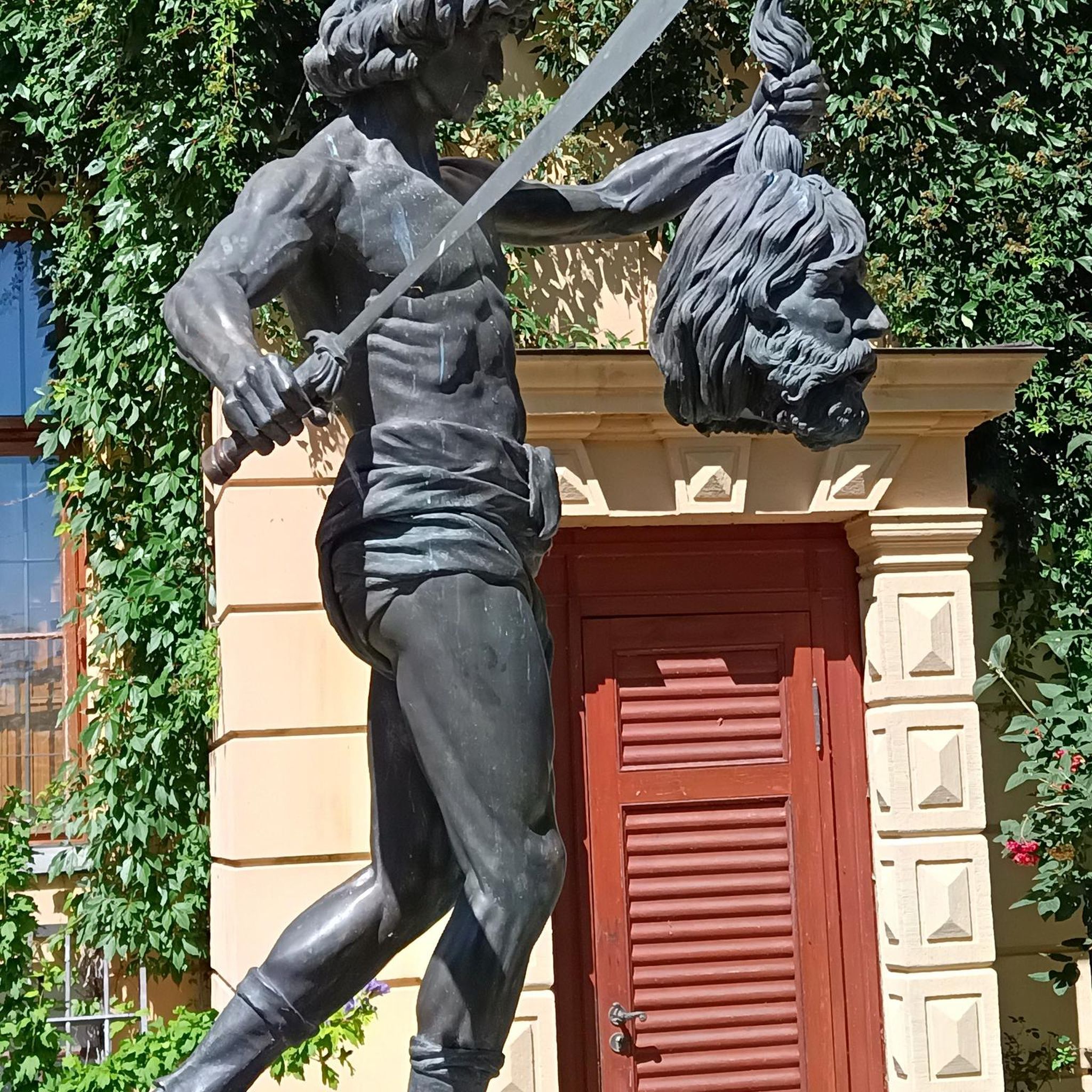
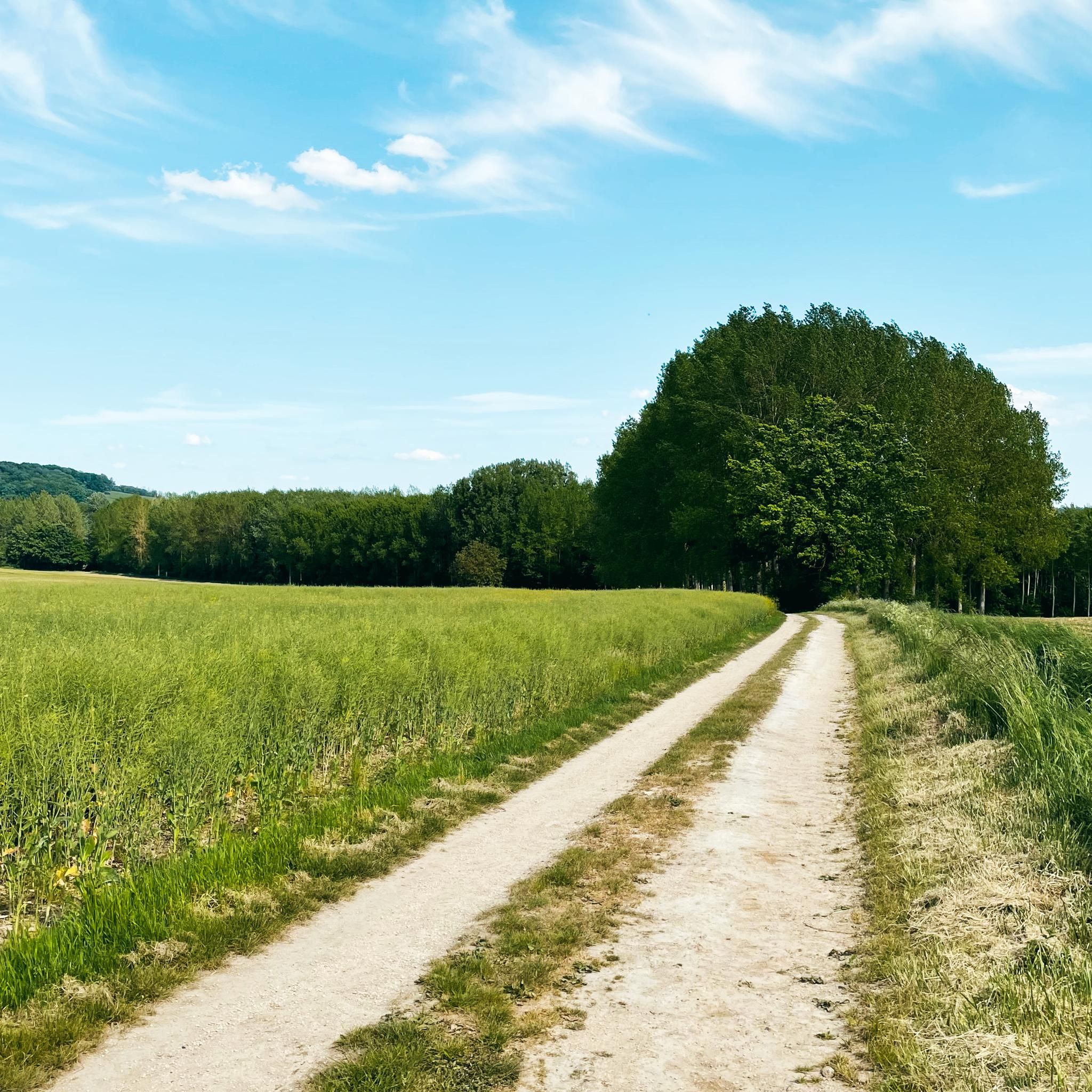
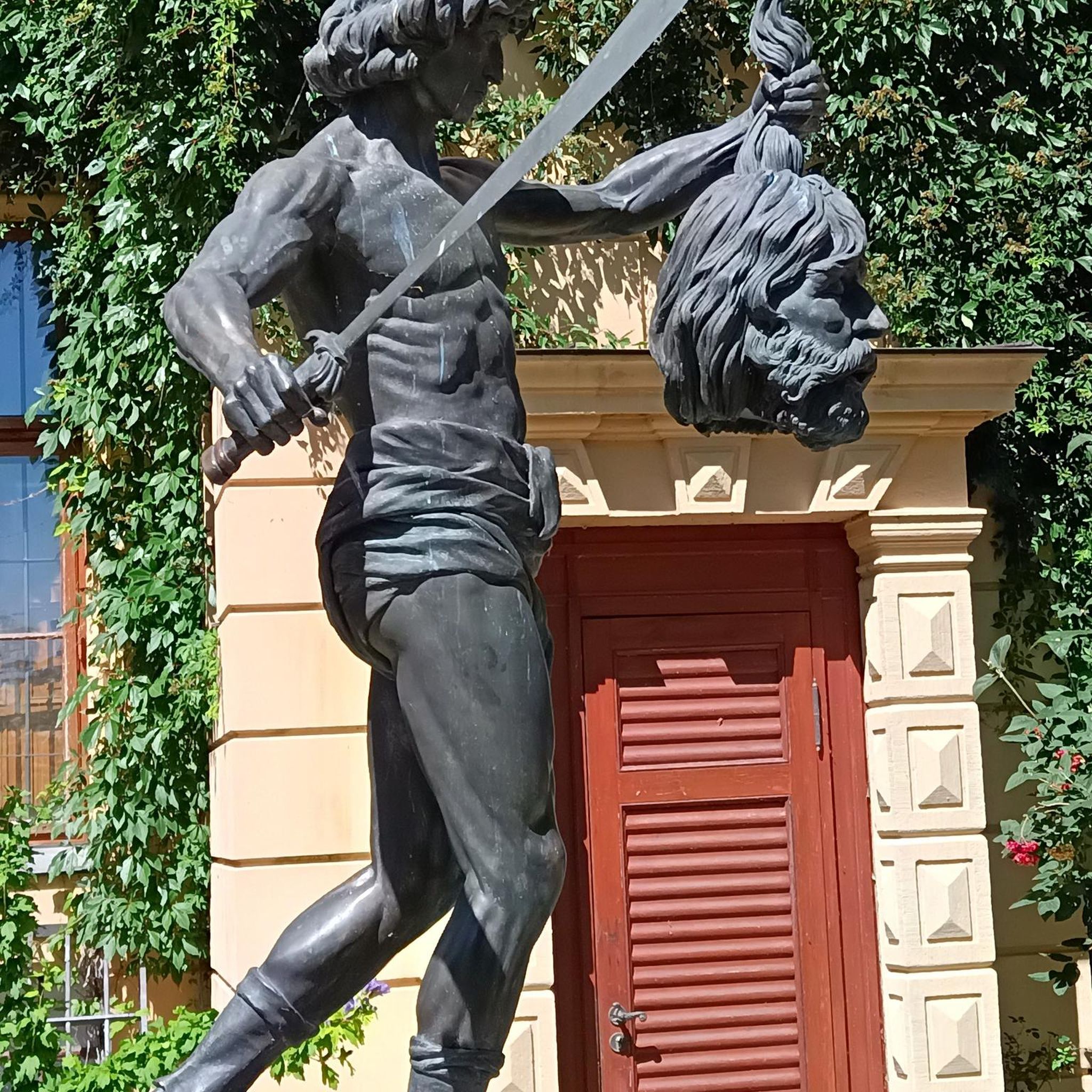

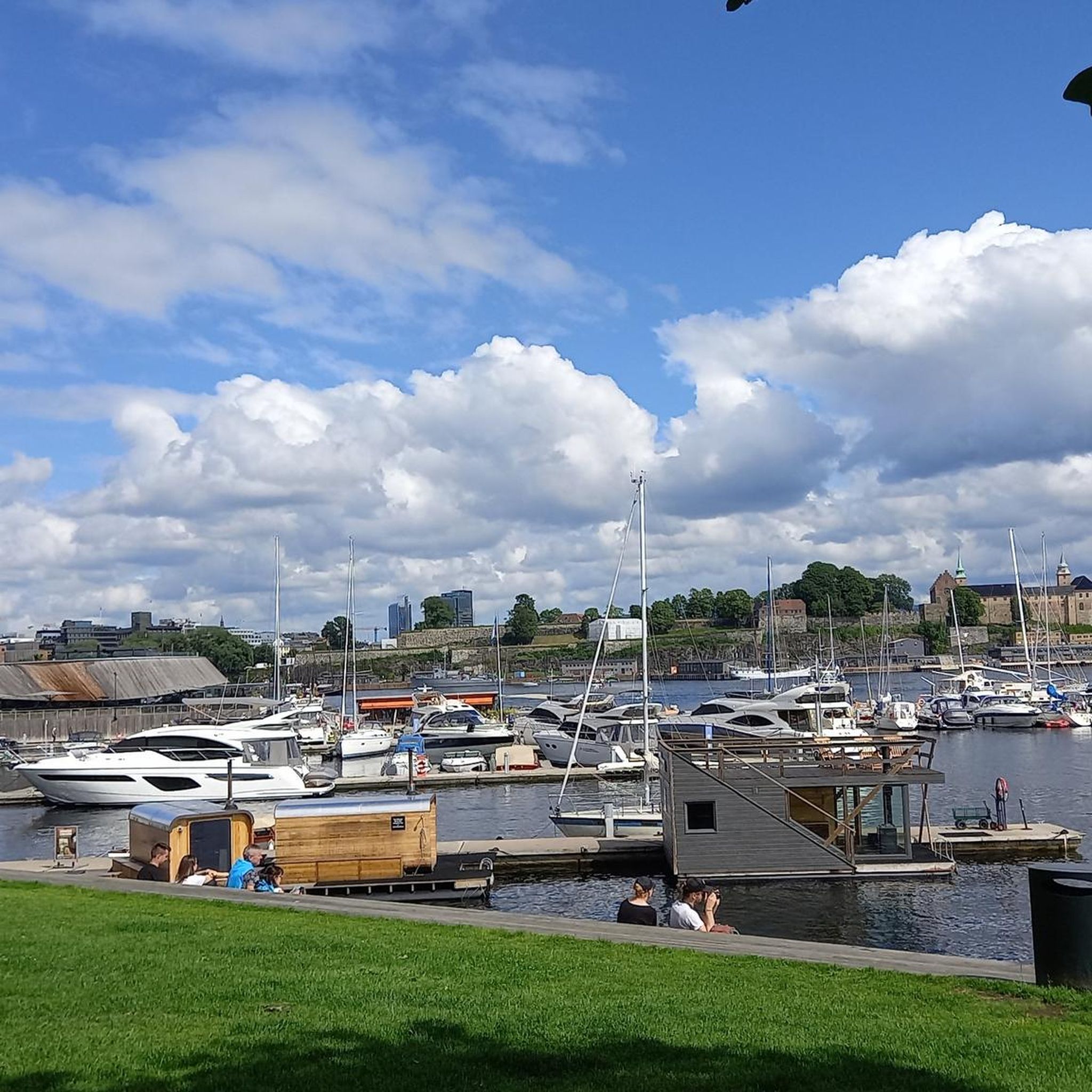
Tips from the Community

excellent journey
0
0

Created in 1919, the Méry-la-Bataille national necropolis contains the remains of 1,538 soldiers who died for France during the Battle of Matz in June 1918. Adjacent to the municipal cemetery, it brings together the bodies exhumed from various temporary cemeteries in the Oise, of which 1,286 are buried in individual graves and 254 in two ossuaries. This memorial pays tribute to the soldiers who fell during one of the decisive offensives of the First World War, which helped halt the German advance towards Paris.
0
0

This impressive cemetery was built in 1920-1921 on a site that was heavily contested during the First World War. It contains the remains of 1,258 French soldiers, 547 of whom are buried in two ossuaries. One French soldier from the Second World War is also buried here. Adjacent is a German military cemetery with the remains of 1,095 soldiers, 388 of whom are buried in collective graves, together with four British and two French soldiers. The necropolis is located in a region where the German advance towards Paris passed through in 1914, and where fierce fighting took place in 1918 during the Battle of Matz. Today it is a serene place of remembrance and reconciliation, in the middle of a landscape that was once the scene of devastating battles.
4
0
Each cross indicates the function of the warrior.
4
0
The Lassigny military cemetery is an impressive and sober memorial site where 1,777 German soldiers from the First World War are buried. The cemetery was created in 1919 by the French military authorities, initially as a Franco-German communal cemetery. Its origins lie in a mass grave from the summer of 1918, in which 55 unknown French soldiers were buried. In 1922, the French bodies were transferred to another cemetery, after which the site was converted into a German military cemetery. The fallen came from more than 27 municipalities in the region, up to 18 km away. In 1977, the cemetery took on its current form, with metal crosses bearing the names and dates of the fallen. A monolithic memorial marks the entrance to the site.
4
0
The Église Saint-Jean-Baptiste in Plessis-de-Roye is an exceptional example of reconstruction architecture with a deeply symbolic meaning. Originally built in the first half of the 15th century, the church was almost completely destroyed during the First World War. It was rebuilt between 1930 and 1932 by the architect André Collin, who deliberately chose to leave the nave unfinished. This gave the church the character of a small cloister — a powerful symbol of loss and remembrance of the devastation of war.
4
0
The village played an important role during the First World War. It was occupied on 30 August 1914 and was the scene of fierce fighting during the “Race to the Sea” and again during the Battle of Matz in June 1918. The village was badly damaged and was awarded the Croix de Guerre for its suffering and courage.
4
0
This sober memorial honours the people of Amy who lost their lives during the First World War. Their names are engraved in stone, as a lasting reminder of their sacrifice for France. Every year on 11 November, tribute is paid to their courage and sacrifice.
4
0
Frequently Asked Questions
How many gravel bike trails are available around Gury?
There are over 4 gravel bike trails around Gury, offering a variety of experiences within the Oise-Pays de France Regional Natural Park. These routes cater to different skill levels, from easy to difficult.
What kind of terrain can I expect on gravel bike trails near Gury?
The gravel bike trails around Gury traverse a diverse landscape within the Oise-Pays de France Regional Natural Park. You can expect to ride through vast forests, including Halatte, Chantilly, and Ermenonville, offering shaded paths. The terrain also features calcareous grasslands, moors, wetlands, and tree-covered hillsides, with some sections having sandy soil. This variety ensures an engaging gravel biking experience.
What do other gravel bikers say about the trails in Gury?
The gravel biking routes in Gury are highly rated by the komoot community, with an average score of 3.5 stars from 3 reviews. More than 10 gravel bikers have used komoot to explore the varied terrain, often praising the dense forests, white paths, and quiet small roads, sometimes passing by castles.
Are there gravel trails suitable for beginners or families in Gury?
Yes, there are gravel trails suitable for various skill levels. While most routes are moderate, there is at least one easy route available. For example, the 2 falls – Lock of Longueil Annel, loop from Cité du Champ Louvet is an easy 25.1 km trail that could be a good option for those looking for a less challenging ride.
Are there any circular gravel bike routes around Gury?
Yes, many of the gravel bike routes around Gury are designed as loops. For instance, the popular Le lavoir – The Wash House loop from Lassigny is a 37.8 km circular trail, and the The Wash House – Carrière Martin loop from Cuvilly is another circular option covering 39.3 km.
What interesting landmarks or attractions can I see along the gravel bike trails near Gury?
The region around Gury offers several points of interest. You might encounter historical sites like Château Mennechet or Château de Boulogne-la-Grasse. Other notable spots include Le lavoir and the Saint-Étienne Church of Braisnes-sur-Aronde. These attractions add cultural and historical context to your ride through the natural park.
What is the best time of year for gravel biking in Gury?
The Oise-Pays de France Regional Natural Park, which surrounds Gury, is ideal for outdoor activities throughout much of the year. Spring and autumn generally offer pleasant temperatures and beautiful scenery, with changing foliage in the vast forests. Summer can also be enjoyable, especially with the shaded paths provided by the dense woodlands. Always check local weather conditions before heading out.
How can I find more detailed information or navigate the trails in the Oise-Pays de France Regional Natural Park?
The Oise-Pays de France Regional Natural Park actively promotes cycling and offers resources to help you navigate. The “Rando Parc Oise” app provides geolocated routes that can be filtered by mode of travel, length, and difficulty, which can be very useful for gravel bikers. You can find more information about cycling in the park on the official website: parc-oise-paysdefrance.fr.
Are there any challenging gravel routes for experienced riders in Gury?
Yes, for experienced riders seeking a challenge, there is at least one difficult gravel route available. The The Wash House – Riverside Path Along the Oise loop from Lassigny is a longer and more demanding option, covering 57.5 km with significant elevation changes.
Are there options for longer gravel bike tours around Gury?
Yes, if you're looking for longer rides, the region offers routes that extend your gravel biking adventure. The The Wash House – Riverside Path Along the Oise loop from Lassigny is a substantial 57.5 km route. Another good option is the French Army Amx13 – Necropolis of Méry-la-Bataille loop from La Neuville-sur-Ressons, which is 43.8 km long.
Can I reach the gravel biking areas around Gury using public transport?
The Oise region, including the area around Gury, is promoted for accessible micro-adventures, often reachable by train from Paris. This suggests that public transport options are available to get to the general vicinity, making it possible to access trailheads. It's advisable to check specific local transport links to the starting points of individual routes.
Most popular attractions around Gury

Get inspired with the komoot mobile app


Explore more
Browse the best Gravel rides in other regions.
