The best walks and hikes around Venère
3.6
(6)
91
hikers
7
hikes
Hiking around Venère offers access to a network of trails through rural landscapes and forested areas. The region is characterized by gently rolling terrain with moderate elevation changes, making it suitable for various hiking experiences. Routes often pass through agricultural land and small villages, providing a blend of natural and cultural scenery.
Best hiking trails around Venère
- The most popular hiking route is Between forges and forests, a 12.3 miles (19.7 km) trail that takes 4 hours 9 minutes…
Last updated: July 3, 2026
19.7km
04:10
150m
150m
Moderate hike. Good fitness required. Easily-accessible paths. Suitable for all skill levels.
4.5
(2)
8
hikers
23.3km
06:01
120m
120m
Hard hike. Very good fitness required. Easily-accessible paths. Suitable for all skill levels.

Sign up for free
10
hikers
12.8km
03:34
250m
250m
Moderate hike. Good fitness required. Easily-accessible paths. Suitable for all skill levels.
6
hikers
12.8km
03:26
160m
160m
Moderate hike. Good fitness required. Easily-accessible paths. Suitable for all skill levels.
3
hikers
8.58km
02:17
90m
90m
Moderate hike. Good fitness required. Easily-accessible paths. Suitable for all skill levels.
Get access to more routes and recommendations from other explorers.
Sign up for free
Already have an account?
Our route recommendations are based on thousands of hikes, rides, and runs completed by other people on komoot.
Start today with a free account
Your next adventure awaits.
Login or Signup
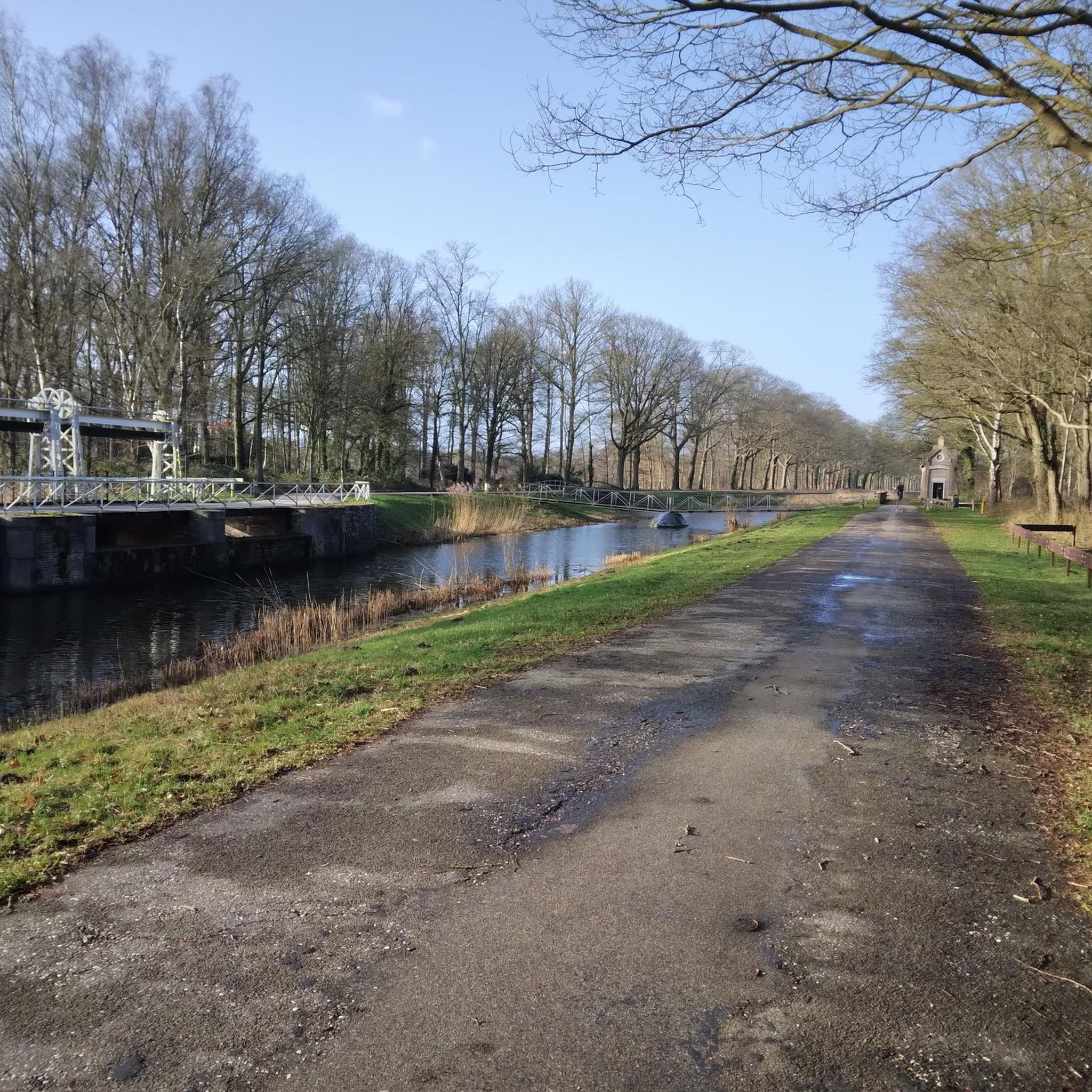


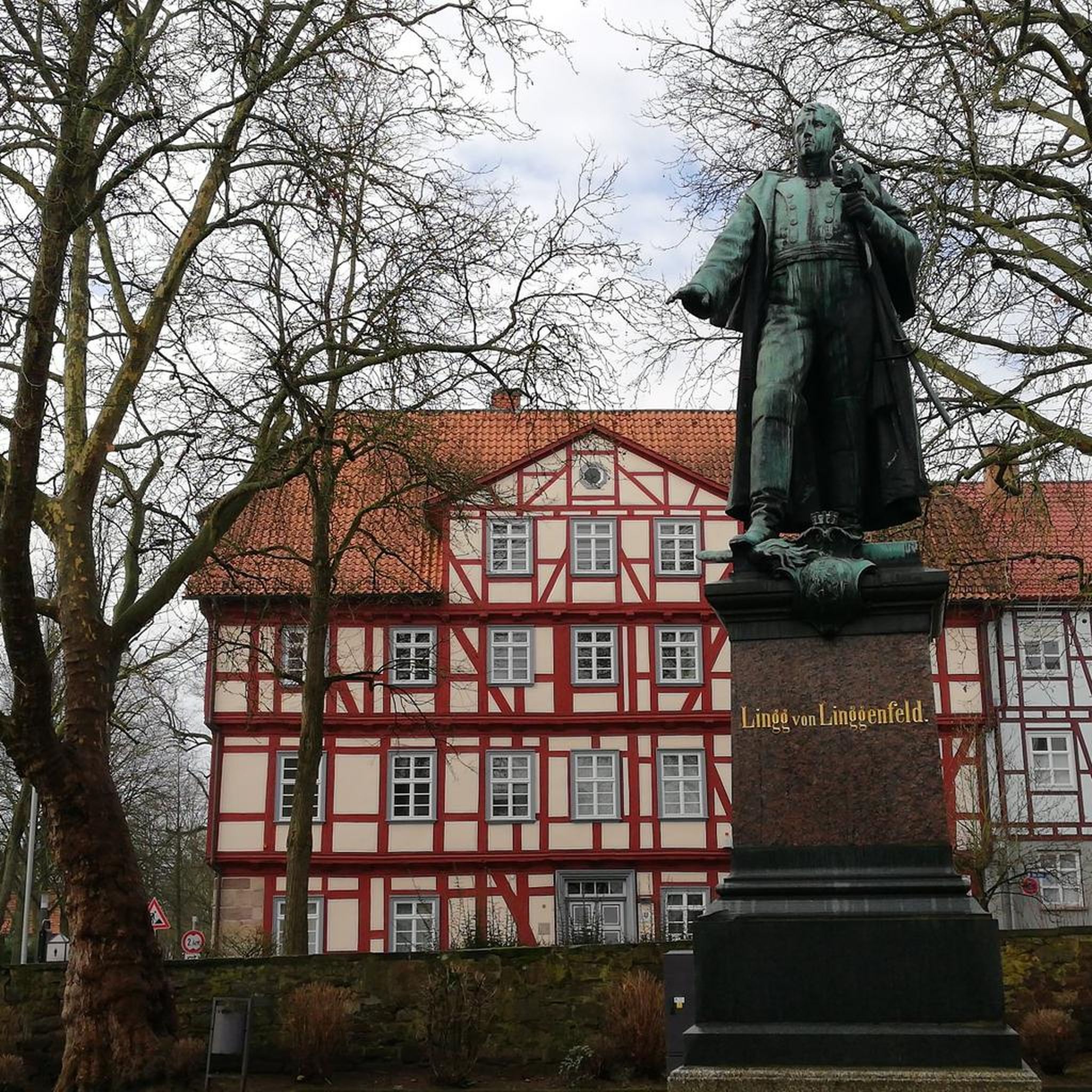
Tips from the Community

Valay – Did you know? The town's name comes from the Celtic words "Val," meaning iron, and "Aid," meaning abundance. Pieces made in Valay were used in the construction of the Grande Galerie at the 1889 Universal Exhibition. It's even rumored that Valay cast iron flows within the Eiffel Tower!
0
0
La Résie-Saint-Martin Wash House Fountain Small building constructed between 1860 and 1863 according to the plans of Christophe Colard, an architect from Gray
0
0
You can discover the remains of an old chapel with pointed arch windows. In the past, this place was a place of pilgrimage: visitors came to draw water from the nearby fountain, renowned for its beneficial properties which were said to cure blindness.
0
0

Marnay Castle, built from the 11th century onwards, was remodeled several times up until the 18th century. Formerly the residence of the lords of Marnay, it still has a medieval tower, Renaissance façades and a large wooded park.
0
0

A charming town in Franche-Comté, part of the Holy Roman Empire until the Treaty of 1678. Very prosperous in the Middle Ages, thanks to its trade and artisans. A cloth market was established there as early as the 14th century, after Joan of Burgundy, Countess of Franche-Comté and Queen of King Philip V the Long of France, brought weavers from Paris. From June 14, 1354, until the Revolution, the bourgeoisie of Marnay had a charter of emancipation that guaranteed them security and prosperity: "Whoever has a house and keeps a fire in the town will be a bourgeois." This charter allowed the inhabitants to administer the town themselves and thus build ramparts and create the individual gardens that can still be seen today.
0
0
The ruins of the Sainte-Cécile hermitage date back to the end of the 12th century. A former dependency of the Knights Templar, the site retains traces of its original architecture, such as ogival windows.
0
0
In La Résie-Saint-Martin, you can still see traditional houses, wash houses, and elements related to agricultural life. The village also preserves its pottery heritage.
0
0
Valay boasts a distinctive architectural heritage: stone farms, old workshops, and wash houses. The town was also home to a major pottery factory in the 19th century, some of whose remains still exist.
0
0
Frequently Asked Questions
How many hiking trails are available around Venère?
There are 8 hiking routes available around Venère, offering a variety of experiences through rural landscapes and forested areas.
Are there any easy hiking trails suitable for beginners in Venère?
While there are no routes explicitly graded as 'easy', the region features gently rolling terrain. Most of the 8 available routes are classified as moderate, making them accessible for hikers with a reasonable fitness level. For example, the Charcenne loop from Avrigney-Virey is a moderate 5.4-mile (8.7 km) trail that can be completed in about 2 hours 18 minutes.
What is the best time of year to go hiking in Venère?
The region's blend of natural and cultural scenery, with rural landscapes and forested areas, makes it enjoyable for hiking during spring, summer, and autumn. These seasons generally offer pleasant weather for exploring the trails. Winter hiking is possible, but conditions may vary.
Are there any circular hiking routes around Venère?
Yes, many of the trails around Venère are circular. For instance, the Charcenne – Saint-Symphorien Church of Gy loop from Charcenne is an 8.1-mile (13.0 km) circular route, and the Charcenne loop from Charcenne is another circular option covering 7.3 miles (11.7 km).
What kind of landmarks or attractions can I see along the hiking trails?
Hiking routes often pass through small villages and offer glimpses of historical sites. You can explore the Historic Center of Marnay, visit the serene Acey Abbey, or discover the Notre-Dame du Calvaire Chapel. Some trails also incorporate parts of The Old Railway Line.
Are there any challenging hikes for experienced hikers?
Yes, for experienced hikers looking for a challenge, the Château de Marnay – Marnay loop from Sornay is a difficult 13.8-mile (22.2 km) path. This route features historical châteaux and open countryside, requiring approximately 5 hours 43 minutes to complete.
What is the typical length and duration of hikes in Venère?
Hikes around Venère vary in length and duration. The shortest routes are around 5.4 miles (8.7 km) and take about 2 hours 18 minutes, while longer and more challenging trails, like the Between forges and forests, can be up to 12.3 miles (19.7 km) and take over 4 hours.
What do other hikers enjoy most about hiking in Venère?
The area is highly rated by the komoot community, with an average score of 3.5 stars from over 5 reviews. Hikers often praise the varied terrain, which includes woodlands, rural landscapes, and historical sites, offering a blend of natural beauty and cultural interest.
Are the hiking trails in Venère suitable for families?
The region's gently rolling terrain and moderate elevation changes make many of the trails suitable for families. While there are no specific 'easy' graded routes, the moderate paths offer an enjoyable experience for families with some hiking experience. Consider shorter moderate loops for a family-friendly outing.
Are there any hikes accessible by public transport?
Information on specific public transport access points for each trailhead is not detailed in the route descriptions. However, many routes start and end in or near villages, which may have local bus services. It is advisable to check local public transport schedules for the specific starting points of your chosen hike.
Are dogs allowed on the hiking trails around Venère?
Generally, dogs are welcome on hiking trails in rural areas of France, provided they are kept under control, especially when passing through agricultural land or near livestock. It's always a good idea to keep your dog on a leash and carry waste bags. Specific restrictions might apply in certain protected natural areas, so check local signage.
Most popular attractions around Venère

Get inspired with the komoot mobile app


Explore more
Browse the best Hikes in other regions.
