The 3 Most Amazing Peaks around Sobremunt
Best mountain peaks around Sobremunt are primarily found within the Serra de Tramuntana mountain range in Mallorca. Sobremunt itself is a prominent ascent known for its challenging gradients, particularly for cyclists. The area also features distinct peaks like Fita del Ram, which offers hiking opportunities and historical elements. These locations provide diverse experiences, from demanding climbs to scenic trails with panoramic views.
Best mountain peaks around Sobremunt
- The most popular mountain peaks is Ermita de Sant Sebastià, a religious…
Last updated: August 22, 2026
Sanctuary of Mare de Déu dels Munts
Highlight • Religious Site
Tip by

Santa Llúcia Hermitage, Sobremunt
Highlight • Religious Site
Translated by Google •
Tip by

Sign up now to discover places like this
Get recommendations on the best single tracks, peaks, & plenty of other exciting outdoor places.
Sign up for free
Els Munts Summit and Sanctuary
Highlight • Summit
Translated by Google •
Tip by

Ermita de Sant Sebastià
Highlight • Religious Site
Translated by Google •
Tip by

Gurb Cross
Highlight • Monument
Translated by Google •
Tip by

Start today with a free account
Your next adventure awaits.
Login or Signup
Tips from the Community

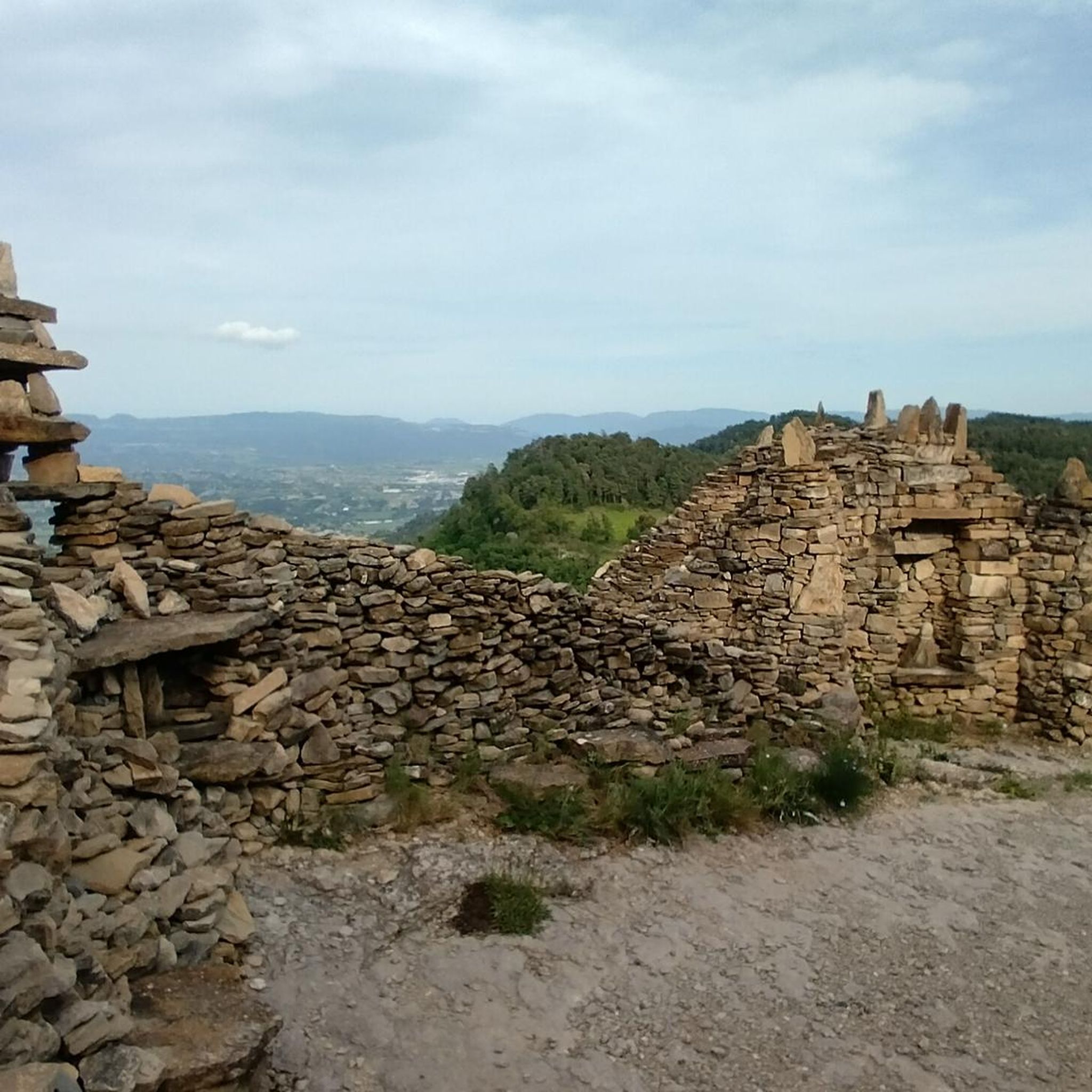
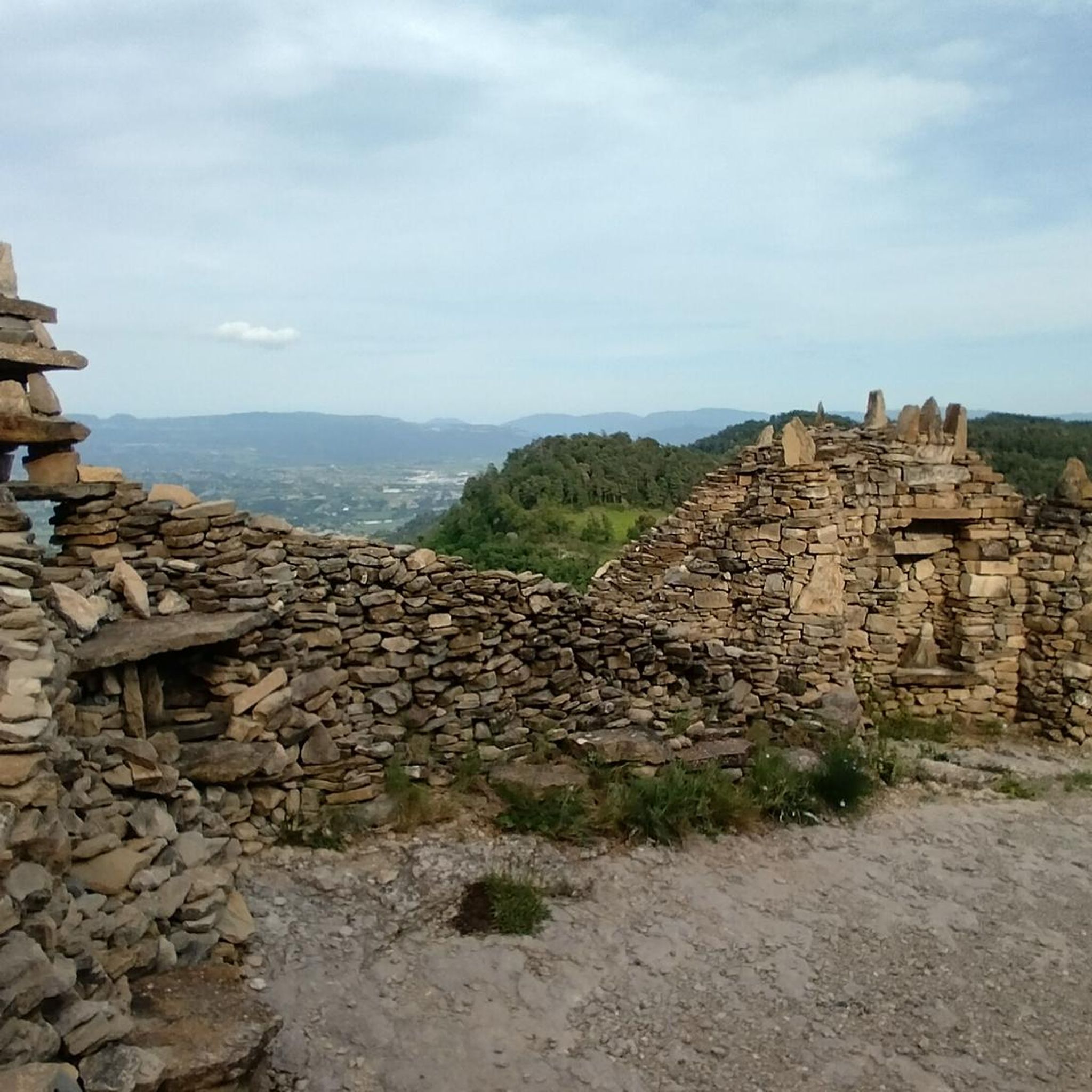
Religious building facing west and located at the highest point of the Sobremunt mountain range (957 meters above sea level). It was erected in 1407, under the patronage of Saint Lucia and St. Quiteria.[1] It is surrounded by a stone wall and is accessed through a porch with a rounded vault. Above the portal, there is a stone engraving and the date 1720, the year in which it was completely renovated.[1] The Bell Tower is a tower with a hipped roof and the bell is preserved. The chapel is completely renovated and a large millstone forms the altar. In the left corner there is a body formed by three successive extensions. On the lintel of the portal it reads: SANTA LLUCIA ORA PRO NOBIS YEAR 1718
0
0

Cozy little medieval church, located on a nice spot with views
1
0

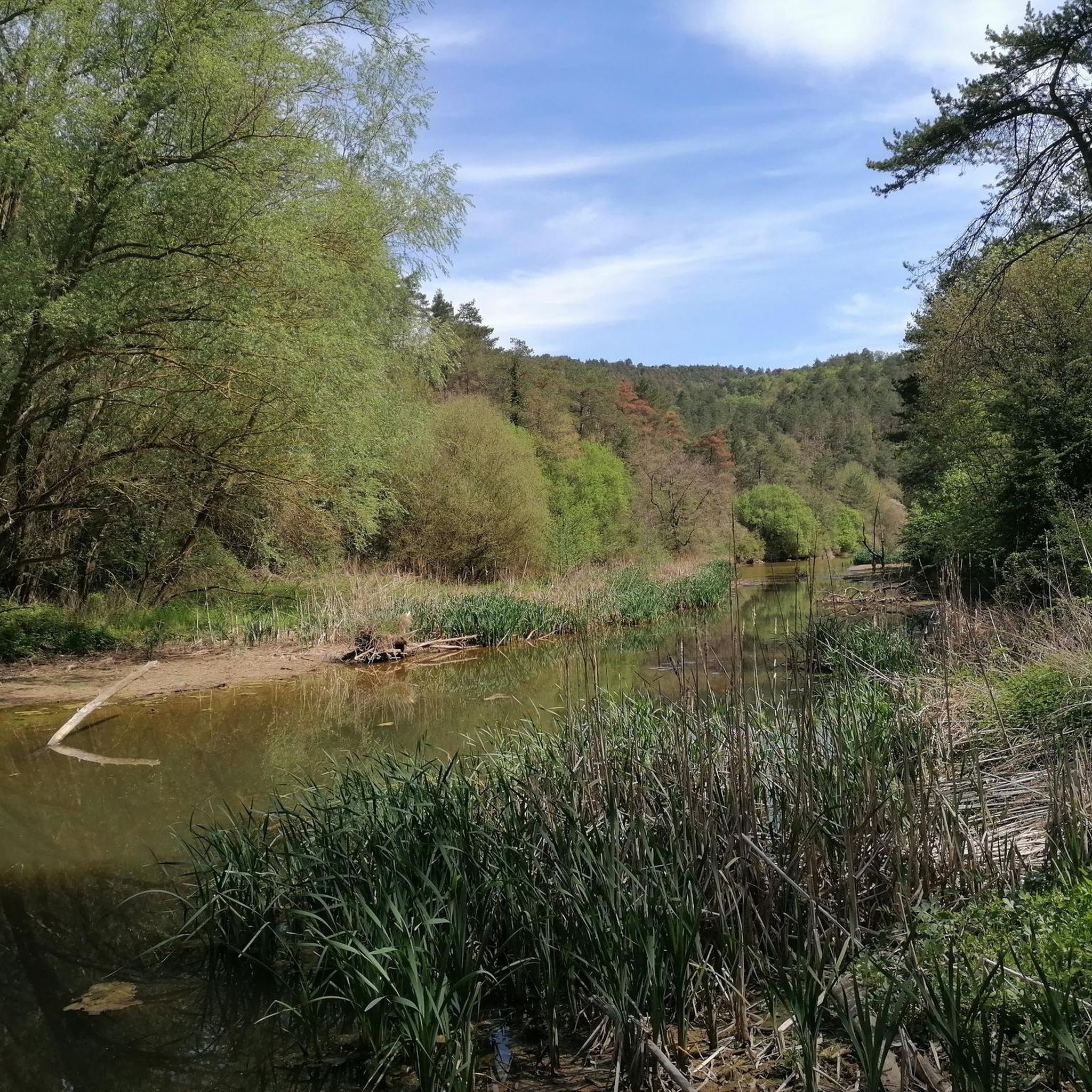
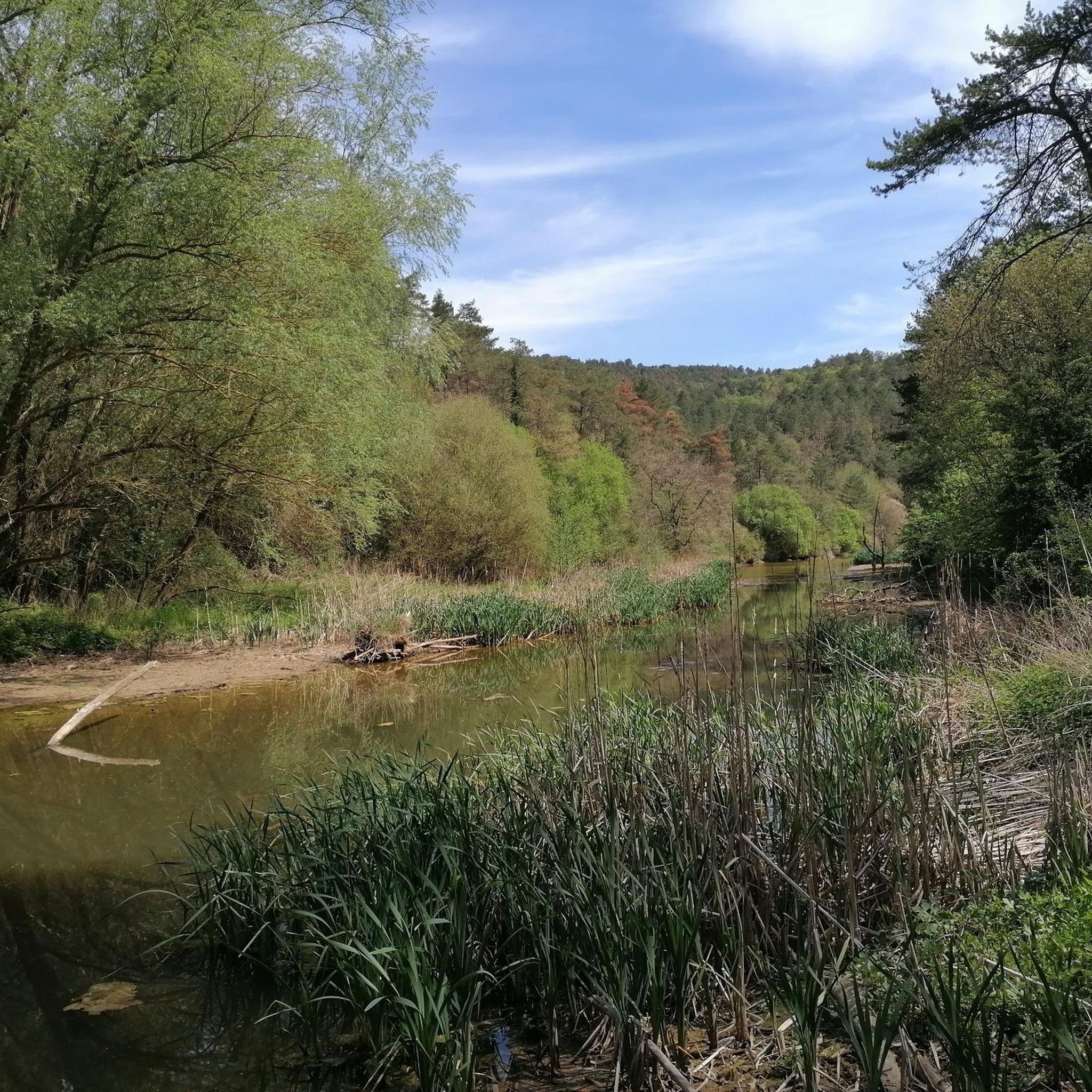
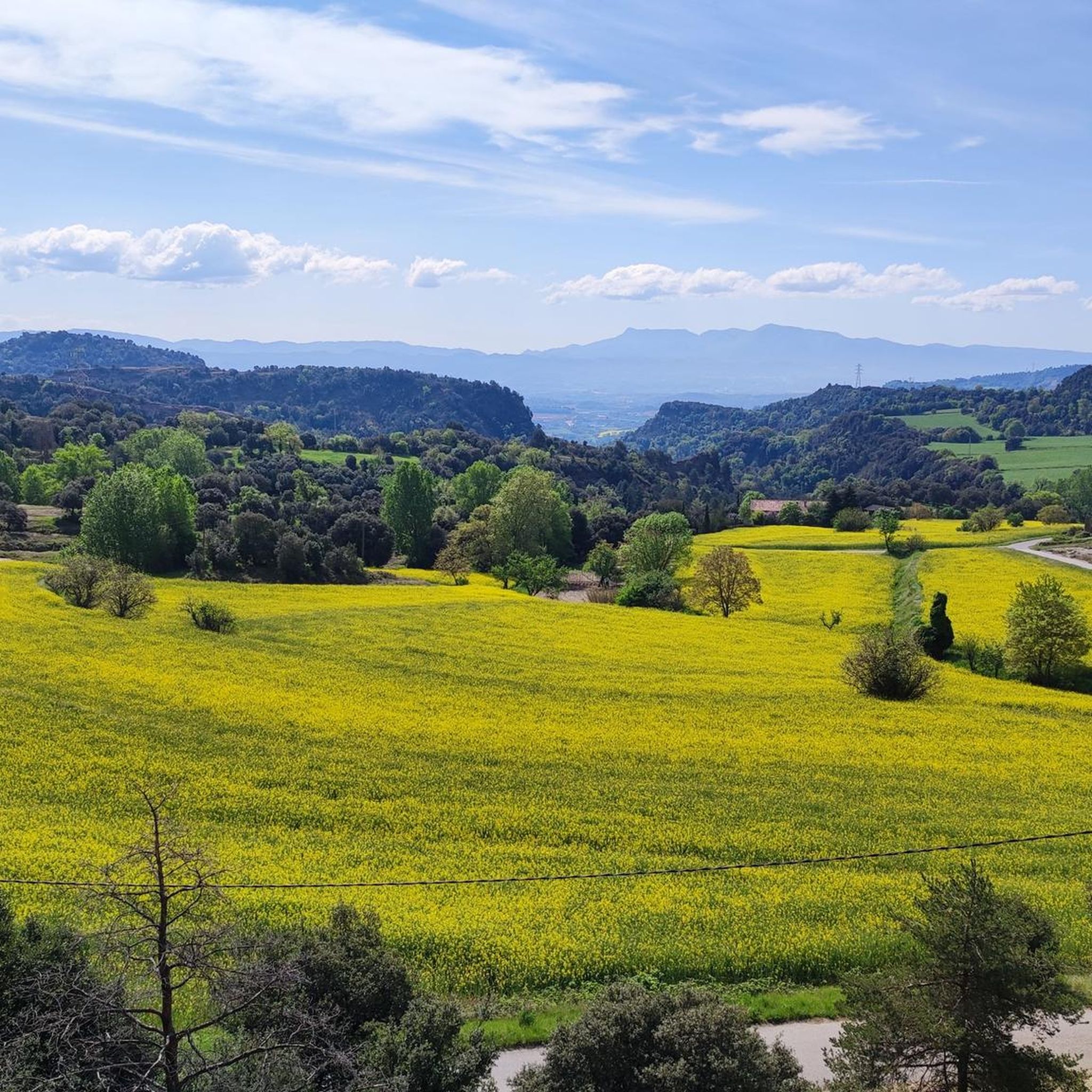
The cross is from the year 1900. There are great views from here over the Plana de Vic and its surroundings. Gurb preserves an agricultural and livestock tradition with a significant number of farmhouses and farms.
2
1

Recommended in addition to its history for its views across the plain of Vic
1
0
Santa Llúcia de Sobremunt is located at the north-eastern end of the municipal district, dominating a wide panorama of the Plana de Vic and the Pyrenees. The church, documented in the 14th century, preserves Romanesque remains at the base of the temple. The current church (18th century) has a rectangular floor plan; it consists of a single nave, separated from the presbytery by a grate, and simply decorated in Baroque style. It has a bell tower with a gabled roof, and the west façade consists of a terraced atrium with two large semicircular arch openings (west and south). The access portal is interesting, framed with jambs and a molded stone lintel and has the date 1720, with an ashlar where a cross is inscribed. Above the cross is a rather damaged Gothic ashlar with a scene of the crucifixion, sculpted in bas-relief, in which four characters are distinguished and the crucified Christ, quite mutilated. The hermitage of Santa Llúcia, initially dedicated to Santa Llúcia and Santa Quitèria, was not documented until 1370; the Romanesque remains at the base of the temple, but indicate that either the chapel existed long before or there may have been a military watchtower in this place. The devotion to Santa Quiteria disappeared in modern times, leaving Santa Llúcia, the lawyer of the sight, as the only patron saint. It was formerly known as Santa Llúcia de Dalt in contrast to Santa Llúcia de Baix, located in Taradell, which was the focus of devotion in the southern sector of the Plana de Vic. we; in 1720 it was already done. In 1748 the house of the hermits was extended, attached to the temple. https://turisme.llucanes.cat/visiteu/esglesia-santa-llucia-sobremunt/
1
0

The sanctuary of the Virgen dels Munts is located in the Lluçanès sub-region at the junction of Osona and Ripollès. The building consists of the church and the inn. The church is a single nave covered with a transept vault, dated to the lintel of the entrance door in 1700. On the left side of the façade there is a bell tower, which can be accessed from from inside the church. The front door is protected by a porch that communicates with the inn, a rectangular building. Inside there is the very restored Romanesque image of the Virgen dels Munts, from the 13th century. You can get there by car by detouring along the BP-4653, before reaching Sant Agustí de Lluçanès. Next to the inn, now a restaurant, there are two wooden tables that we find in the recreation areas.
0
1
Els Munts is a mountain of 1,057 meters that is located between the municipalities of Sant Agustí de Lluçanès and Sora, in the region of Osona. At the top you can find a geodesic vertex (reference 289093001),[2] next to which is the Sanctuary of Our Lady of the Mountains, and its inn which is currently a restaurant. This peak is included in the list of the 100 peaks of the FEEC Els Munts is located between the counties of Osona, Ripollès, Lluçanès and Berguedà. From the north-west of this lookout you can see the Cadi, the Pedraforca and the Encija. Looking southwest Montserrat. To the east we see Puigsacalm, the Serra del Milany and Puig Cubell, Cabrera and Aiats, to the south-east you can see a large part of Osona and Montseny. Finally, in the north-east it can be seen from the Pyrenees of Núria to Canigó, with the prominent presence of the Puigmal peak. Panoramic views to the northwest from Els Munts From near the summit, the various ramifications that make up the Sobremunt, Sant Salvador de Bellver and Bescanó mountain ranges start. All of them die at the foot of the river Ter, between Sant Quirze de Besora and El Santuari de la Gleva. In the middle of the summit there are maps that indicate the most relevant places and help to identify all these places
0
1

From here a complicated path descends.
2
0
Frequently Asked Questions
What are the most popular mountain peaks and viewpoints around Sobremunt?
Visitors frequently enjoy Ermita de Sant Sebastià, a beautiful hermitage offering views over the plain of Vic. Another popular spot is Gurb Cross, which provides great views of the Plana de Vic. The Sanctuary of Mare de Déu dels Munts is also highly regarded for its rewarding views after a demanding climb.
Are there family-friendly mountain peaks or viewpoints in the Sobremunt area?
Yes, Ermita de Sant Sebastià is considered family-friendly and offers beautiful views from its hilltop location. It's an accessible option for a pleasant outing with historical interest.
What historical sites can I visit on the mountain peaks near Sobremunt?
The region is rich in history. You can visit the Sanctuary of Mare de Déu dels Munts, a Baroque church and historical site. Also, Ermita de Sant Sebastià is a beautiful hermitage with historical significance. Additionally, Santa Llúcia Hermitage, Sobremunt, documented since the 14th century, preserves Romanesque remains and offers insights into the area's past.
What kind of views can I expect from the mountain peaks in the Sobremunt area?
From various peaks and viewpoints, you can expect magnificent panoramic views. For instance, Sobremunt itself offers rewarding views of Palma and its bay from the top. From Els Munts Summit and Sanctuary, you can see the Cadi, Pedraforca, Montserrat, and a large part of Osona and Montseny. Other spots like Ermita de Sant Sebastià and Gurb Cross provide expansive views over the Plana de Vic and its surroundings.
Are there hiking opportunities around Sobremunt, specifically for Fita del Ram?
Yes, Fita del Ram is a popular destination for hiking, with accessible paths from towns like Esporles. It offers a rewarding experience through peaceful holm oak forests, and hikers can enjoy magnificent views of Esporles and the surrounding mountains. Some sections may require sure-footedness and moderate fitness.
What are the best routes for cycling near Sobremunt?
The Sobremunt area is well-known for cycling. You can find various routes, including challenging ones like the Sobremunt climb itself, which is considered the toughest cycling climb in Mallorca. For more options, explore the Cycling around Sobremunt guide, which features routes like the 'Ruta del Ter and Savassona Loop' and the 'Start of the Bellmunt Ascent – Bellmunt Sanctuary loop'.
Are there options for gravel biking around Sobremunt?
Absolutely. The region offers excellent gravel biking opportunities. You can find routes such as 'Ter Promenade, Manlleu – Santuario de Puig-agut loop' and 'Serratosa Pass Viewpoint – La Trona Road loop'. For a comprehensive list of routes, check out the Gravel biking around Sobremunt guide.
What running trails are available in the Sobremunt region?
For runners, there are several trails to explore. Options include the 'Aguait d'observació d'ocells loop' and the 'Bassot de Baulenes – la Casa Nova de Dalt loop'. You can find more detailed running routes in the Running Trails around Sobremunt guide.
What natural features can I expect to see while exploring the mountain peaks?
The area is characterized by diverse natural landscapes. Fita del Ram, for example, features dense holm oak forests. The challenging Sobremunt cycling climb is predominantly in woodland, offering limited views until the very top. The region provides a mix of forested paths and open vistas, especially at higher elevations.
What makes Sobremunt a notable area for outdoor enthusiasts?
Sobremunt is notable for its diverse outdoor offerings. It's renowned among experienced cyclists for its extremely challenging gradients, making it one of Mallorca's toughest climbs. For hikers, peaks like Fita del Ram offer rewarding trails through peaceful forests with historical elements and breathtaking views. The area provides a quieter, more demanding experience compared to more frequented spots.
Are there any challenging climbs for experienced cyclists in the Sobremunt area?
Yes, Sobremunt itself is widely considered the toughest cycling climb in Mallorca. It features sustained steep sections with gradients reaching up to 19% and even a steepest segment of 22.2%. The road conditions in the upper sections are poor, adding to the challenge. It's classified as a first-category climb, comparable to challenging ascents in major cycling tours.
Can I find places to eat or rest near the mountain peaks?
Yes, some locations offer amenities. For instance, the Sanctuary of Mare de Déu dels Munts and Els Munts Summit and Sanctuary both have restaurants, providing a place to rest and refuel after your activities.
Most popular routes around Sobremunt
Most popular attractions around Sobremunt

Get inspired with the komoot mobile app


Explore more
See even more amazing summits around Sobremunt with these guides:
