Top 20 Natural Monuments around Houthalen-Helchteren
Best natural monuments around Houthalen-Helchteren are found in a region characterized by diverse landscapes. This area features heathland, forests, sand dunes, ponds, and fens. These natural environments provide opportunities for recreation and nature observation. The landscape is part of the expansive De Wijers pond area in Limburg, Belgium.
Best natural monuments around Houthalen-Helchteren
- The most popular natural monument is Oudsberg Dune, a natural monument that features land dunes surrounded by forest and fens. A panorama awaits at the top,…
Last updated: August 20, 2026
De Boom In by Will Beckers
Highlight • Monument
Translated by Google •
Tip by

De Teut and Tenhaagdoornheide Nature Reserve
Highlight • Natural
Translated by Google •
Tip by

Sign up now to discover places like this
Get recommendations on the best single tracks, peaks, & plenty of other exciting outdoor places.
Sign up for free
De Platwijers-Wijvenheide Nature Reserve
Highlight • Lake
Translated by Google •
Tip by

Herkenrode Abbey Site
Highlight • Historical Site
Translated by Google •
Tip by

Oudsberg Dune
Highlight • Natural Monument
Translated by Google •
Tip by

Sign up for free to discover even more natural monuments around Houthalen-Helchteren.
Sign up for free
Already have an account?
Start today with a free account
Your next adventure awaits.
Login or Signup
Popular around Houthalen-Helchteren
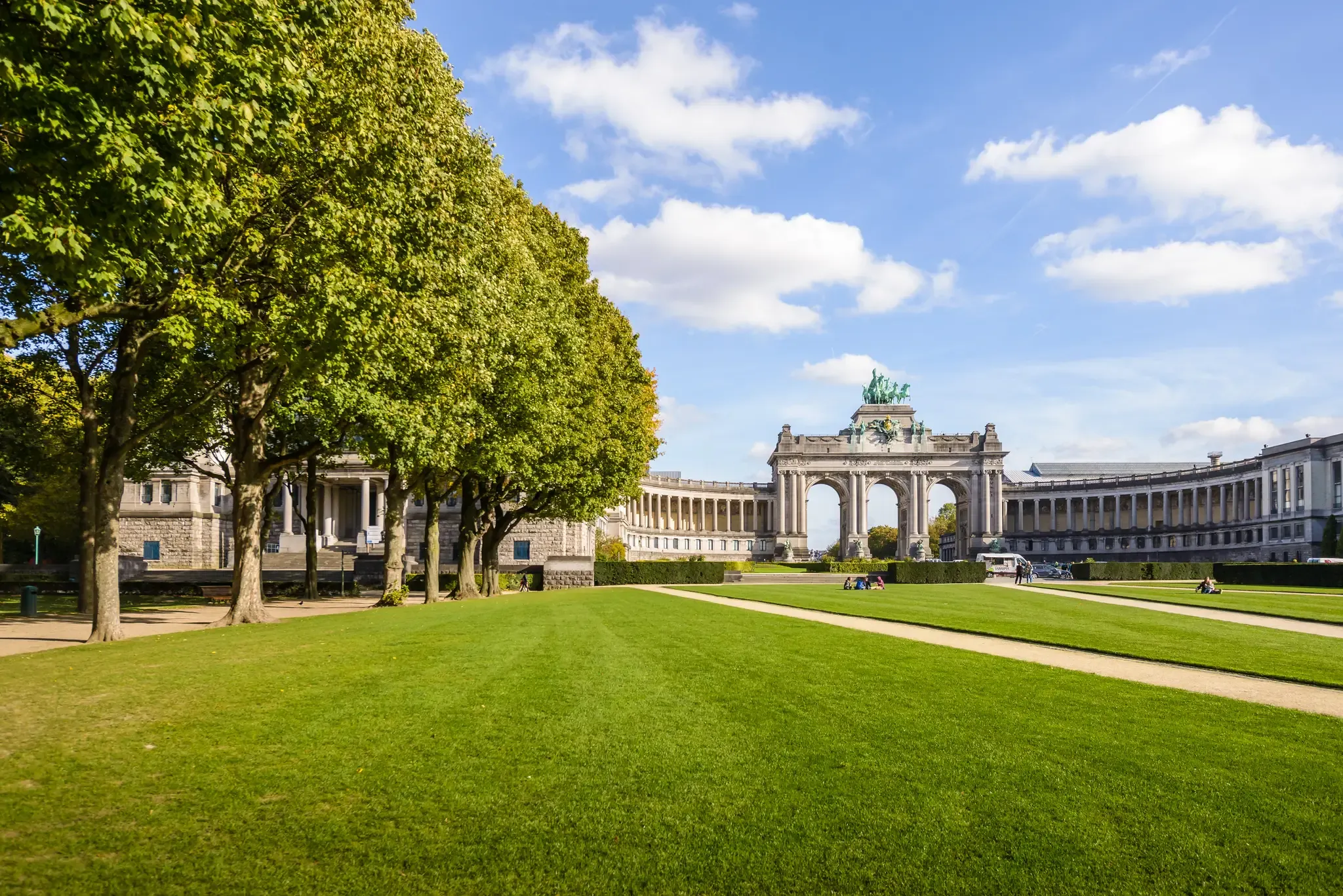
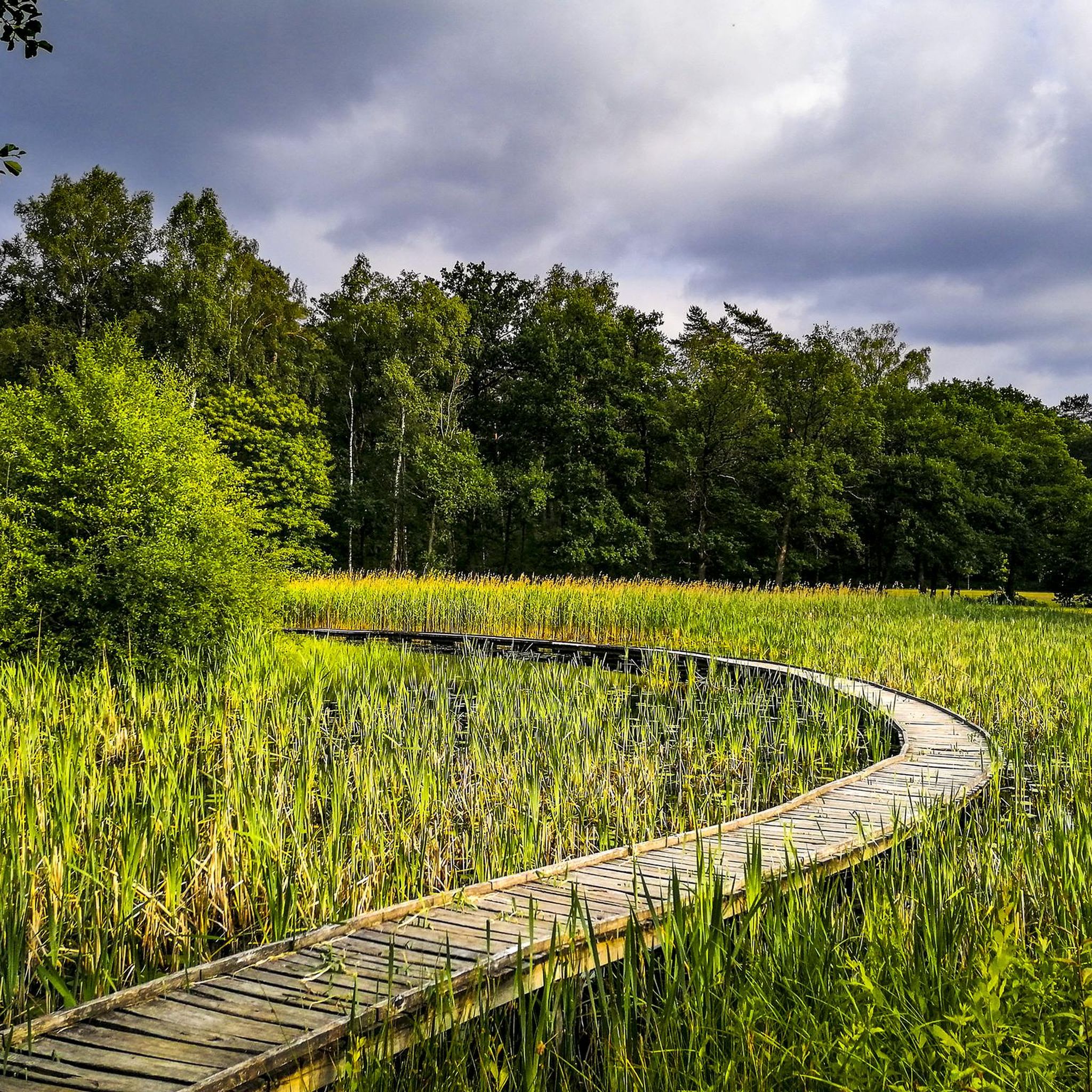
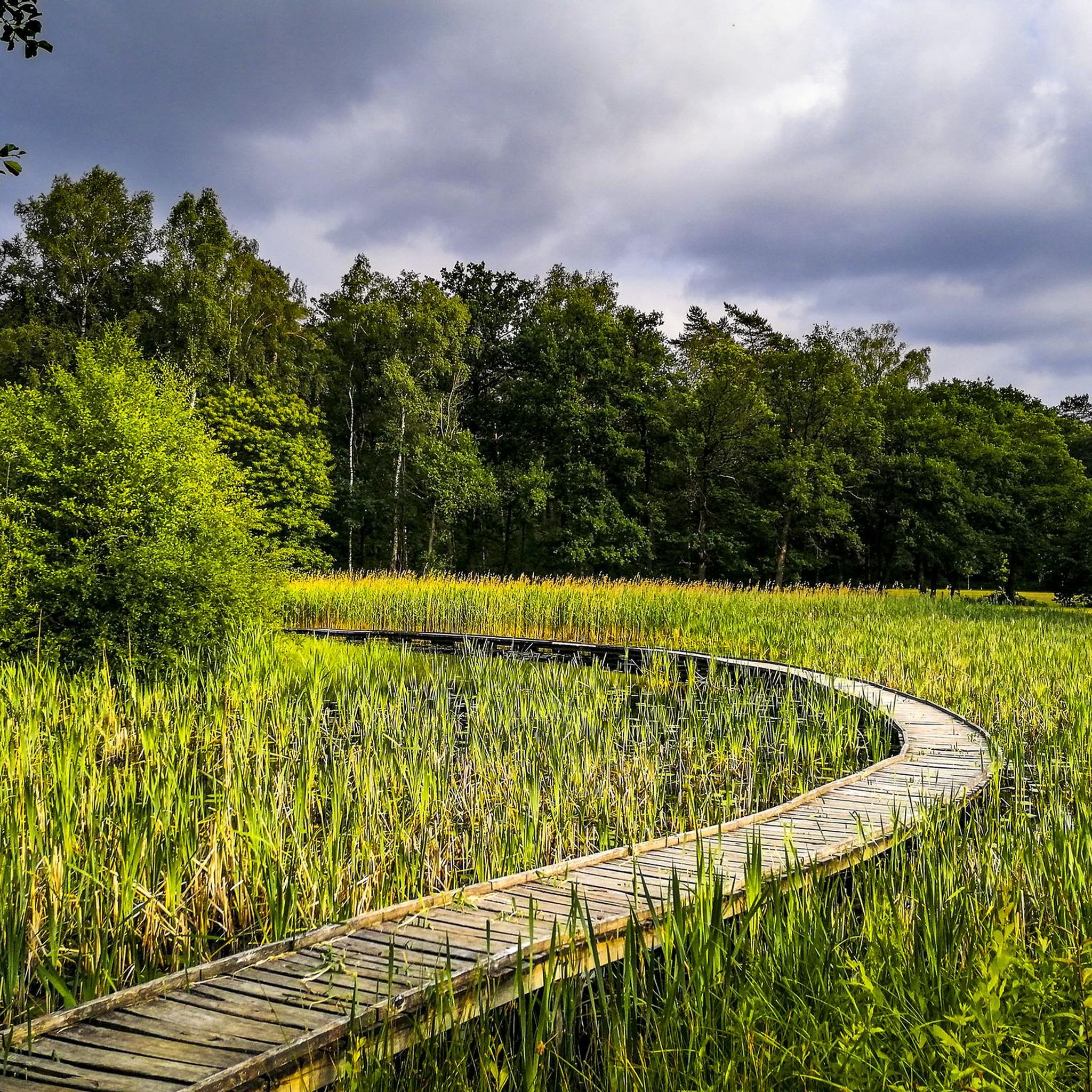
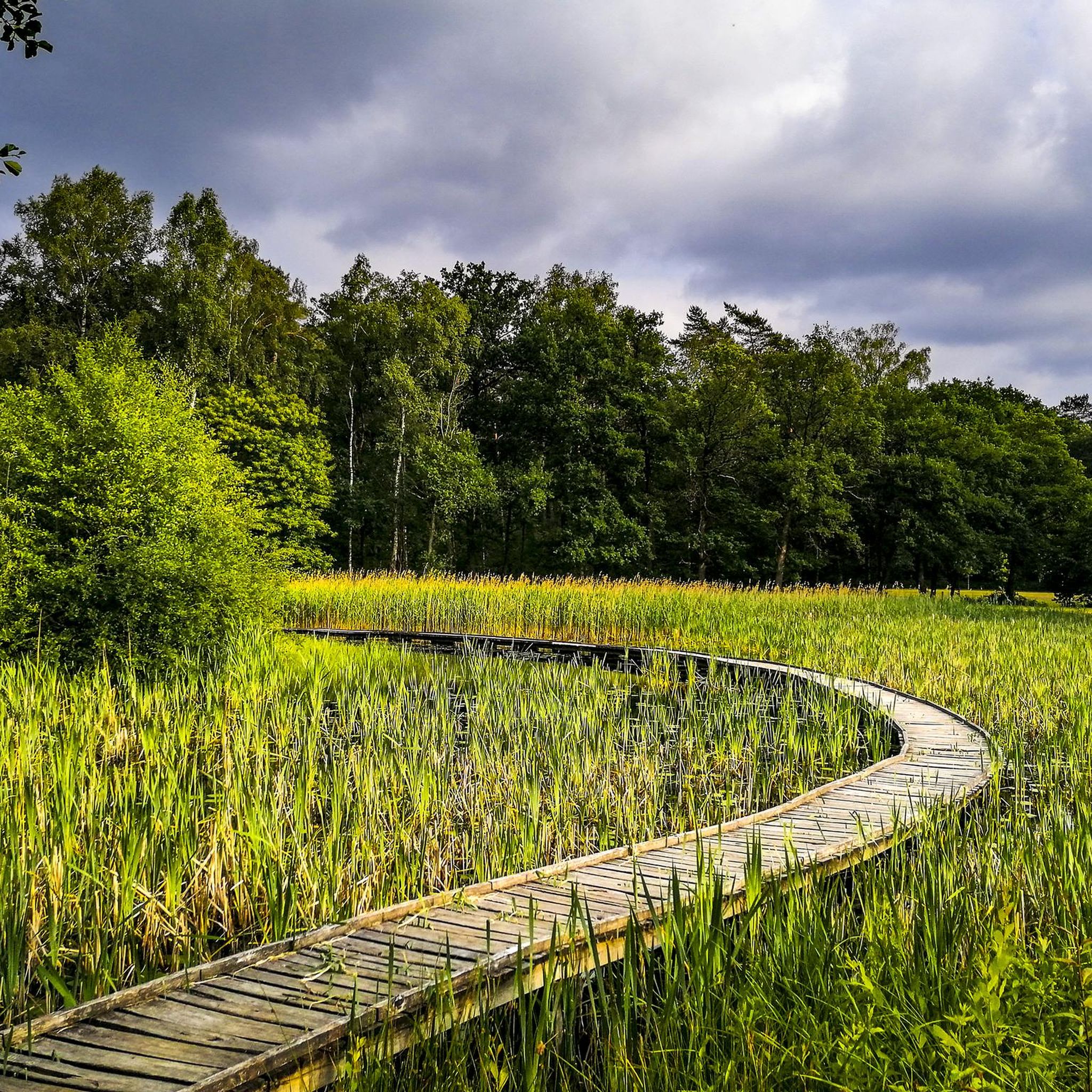

Other adventures around Houthalen-Helchteren

Tips from the Community

The Teut gives you colorful fun...
5
0

The Herkenrode Abbey site is an interesting combination of culture, history, nature and an ideal starting point for walks.
10
0

The main entrance to the abbey is located to the south of the complex. It is a late Gothic gatehouse, built in 1531 by order of Abbess Mechtildis of Lechy. There are two storeys under two intersecting slate saddle roofs with a spire with a pear-shaped crowning at the intersection, dated 1531 (coat of arms on the rear facade) and restored in 1907 (architect G. Rypens) and 1973. Inventory of Immovable Heritage: Herkenrode Abbey, https://id.erfgoed.net/erfgoedobjecten/22246
8
0
The Herkenrode abbey site is located in the Demer valley, in a transitional area between the Lage Kempen and Haspengouw, south of the village centre of Stokrooi (Hasselt). It is an extensive historical domain that dates back to the former abbey complex of the Cistercian nuns. To the north of the Demer are the meadows, to the south the old abbey with its appurtenances, the farmyard, the eastern castle park and the other, higher agricultural lands. In addition to unirrigated hay and pasture land, there were also large flood meadows here until the 20th century. The latter were supplied with water via the Tuilterdemer. The abbey was founded in 1182, when Geeraard, Count of Loon, donated his estate Herkenrode to a certain brother Henricus to build a monastery for women. In 1271 the monastic community joined the order of Cîteaux. It became a flourishing enterprise that over the years acquired numerous possessions. The religious purpose came to an end with the departure of the sisters in 1796. At the beginning of the 19th century, the new abbess wing, built in 1768 to the south of the old abbess quarters, was converted into a castle. In the same period, an English garden was laid out on the east side and a front garden on the west side. The 14th-century church burned down in 1826 and was demolished together with the monastery building and the convent buildings in 1843. The buildings and the surrounding grounds formed a single differentiated whole for a long time. Over time, however, they fell into the hands of different owners. In 1972, 11 ha of the former abbey site became the property of the canonesses of the Holy Sepulchre. The property includes the actual remaining abbey buildings with the sisters' quarters, the old abbess quarters, the sacristy, the infirmary, the 18th-century abbess wing and the adjoining landscaped park. Inventory of Immovable Heritage: Herkenrode Abbey Site, https://id.erfgoed.net/erfgoedobjecten/135252
10
0
At the end of June 2024, it was announced that architects Arnout Van Vaerenbergh and Pieter-Jan Gijs will resurrect the church and other disappeared buildings on the Herkenrode site. Not quite as fully-fledged buildings, but with the interplay of lines that they are known for and that many have already seen in their see-through church in Borgloon. It should bring the total experience of Herkenrode more closely into line with historical reality and should work perfectly with the buildings that are still there today, making Herkenrode already a tourist attraction. This should be ready in 2026 and you can discover more about it at https://www.vrt.be/vrtnws/nl/2024/06/27/clausura-herkenrode/
11
0

Beautiful art made from natural materials.
5
0

Will Beckers is somewhat of Bosland's 'house artist'. You can find his works in Hechtel-Eksel, Pelt and Lommel. Next year (2023) he will create a total experience artwork in Lommel that will function as a gateway to Bosland in the Sahara nature reserve. Will Beckers looks at Bosland with an artist's eye. This provides interesting insights. A look that also reveals a lot of passion.
7
0
The Oudsberg nature reserve belongs to a dune belt that used to stretch from Hechtel to Maaseik. 15,000 years ago, after the last ice ages, the Kempen Plateau experienced enormous sand drifts. Deep, empty depressions formed in which fens arose. High sand deposits rose above the landscape like dune ridges. As the climate warmed, birch and oak forests developed. In the Middle Ages, the soil southwest of De Oudsberg became impoverished due to intensive extraction. As a result, only heather could survive. Local overgrazing of sheep again caused sand drift, which shaped the current dune landscape. Today the land dunes are still in full evolution. The Oudsberg was once 95 meters high, but in recent decades it has shrunk by at least 7 meters. More at https://www.natuurenbos.be/natuurbanden/oudsberg
6
0
Frequently Asked Questions
What natural features can I expect to see in Houthalen-Helchteren?
Houthalen-Helchteren is characterized by a rich variety of natural landscapes. You can explore extensive heathlands, dense forests, unique sand dunes, tranquil ponds, and fens. These diverse environments are part of the larger De Wijers pond area, offering a mosaic of ecosystems.
When is the best time to visit the natural monuments in Houthalen-Helchteren?
For a particularly vibrant experience, consider visiting between mid-August and mid-September. During this period, the heath in areas like De Teut and Tenhaagdoornheide Nature Reserve blooms, transforming the landscape with stunning purple hues. However, the region offers beautiful walking and cycling opportunities year-round.
Are there family-friendly natural monuments in Houthalen-Helchteren?
Yes, several natural monuments are ideal for families. Oudsberg Dune offers a panorama and is surrounded by forests, while Duinenpark Molenheide features play dunes for children. Domein Kelchterhoef provides a refreshing swimming pond with a sandy beach during summer, alongside walking routes and historical elements. The Bezoekerscentrum Hengelhoef also serves as an excellent starting point for family outings with marked walking routes.
What unique natural monuments can I explore in Houthalen-Helchteren?
Beyond the well-known spots, you can discover unique areas like the Oudsberg Dune, which features land dunes surrounded by forest and fens, offering panoramic views. The Laambroekvijvers, a former mining area, has been transformed into a peaceful natural spot with ponds and wet grasslands, rich in biodiversity. The Mangelbeekvallei, influenced by past mining, presents soggy areas, moist grasslands, and unique flora and fauna.
Where can I observe wildlife in Houthalen-Helchteren's natural areas?
The De Platwijers-Wijvenheide Nature Reserve is particularly renowned for its abundance of birds, making it a paradise for birdwatchers. The Mangelbeekvallei also boasts characteristic fauna and flora in its soggy areas, moist grasslands, and wooded edges. Keep an eye out for sheep involved in nature management in areas like Natuurgebied Ten Haagdoorn.
Are there historical sites integrated with the natural monuments?
Yes, the region beautifully blends nature with history. The Herkenrode Abbey Site, an over 800-year-old former Cistercian abbey, is surrounded by a nature reserve and botanical garden. Domein Kelchterhoef also features ancient trees and historical elements alongside its natural beauty. The Bezoekerscentrum Hengelhoef offers insights into historical life on the heath, with routes passing a forest chapel.
What outdoor activities can I do near these natural monuments?
The natural monuments around Houthalen-Helchteren offer a wide array of outdoor activities. You can enjoy extensive hiking, cycling, and mountain biking trails. For example, there are numerous hiking routes around Houthalen-Helchteren, including moderate trails like 'De Wijers: Kelchterhoef - Ten Haagdoorn' or easier options like 'Kelchterhoef - Orange hiking trail'. Cyclists can explore routes such as 'Along the railway line – Herkenrode Abbey loop'. Mountain bikers have challenging options like 'Forest Path – Boskant Forest Trail loop'. You can find more details on these activities in the hiking, cycling, and MTB guides for Houthalen-Helchteren.
Are there specific hiking trails near the natural monuments?
Absolutely. Many natural monuments serve as starting points for marked hiking routes. For instance, the Bezoekerscentrum Hengelhoef offers various marked routes of different lengths (2.1 km, 4.9 km, 5.5 km) through diverse landscapes. The Mangelbeekvallei also has well-marked hiking routes departing from the hamlet of Laak. You can find more hiking options in the hiking guide for Houthalen-Helchteren.
What do visitors enjoy most about the natural monuments in Houthalen-Helchteren?
Visitors frequently appreciate the tranquility and natural beauty of the diverse landscapes, from the panoramic views at Oudsberg Dune to the rich birdlife at De Platwijers-Wijvenheide Nature Reserve. The well-maintained walking and cycling routes, the opportunity to observe native birds, and the unique blend of heath, forests, and sand dunes are often highlighted as key attractions. The region's efforts to enhance biodiversity also contribute to a rewarding experience.
Can I find places to eat or drink near the natural monuments?
Yes, some natural areas offer dining options. For example, within Domein Kelchterhoef, you can find Hoeve Jan or Abdijhoeve for meals. While specific cafes or pubs are not universally adjacent to every monument, the region of Houthalen-Helchteren generally provides amenities for visitors. For broader information on the area, you might find details on the Visit Limburg website.
Are there opportunities for swimming or water sports?
Yes, during the summer months, Domein Kelchterhoef offers 'De Plas', a refreshing swimming pond with a sandy beach. More adventurous visitors can also engage in activities like sailing, surfing, or diving at this location, making it a great spot for water-based recreation.
What is the significance of the De Wijers pond area?
Houthalen-Helchteren is situated within the expansive De Wijers pond area, which is a significant natural landscape in Limburg, Belgium. This area is characterized by its numerous ponds, wetlands, and diverse ecosystems, making it a crucial habitat for various bird species and other wildlife. De Platwijers-Wijvenheide Nature Reserve forms the heart of this large contiguous pond area.
Most popular routes around Houthalen-Helchteren
Most popular attractions around Houthalen-Helchteren

Get inspired with the komoot mobile app


Explore more
Extend your search for the best caves by checking out these guides of the top ones around Houthalen-Helchteren:
