Top 5 Castles around Aschau am Inn
Best castles around Aschau am Inn are situated in the Priental, a valley leading into the Chiemgau region. This area is characterized by its historical significance and natural landscapes, with the Inn River shaping much of its geography. Many castles are strategically located on elevated positions, providing views of the surrounding terrain. The region's rich past is evident in its diverse architectural heritage.
Best castles around Aschau am Inn
- The most popular castles is St. Georg Chapel on Schlossberg, Kraiburg…
Last updated: July 5, 2026
Schwindegg Moated Castle
Highlight • Castle
Translated by Google •
Tip by

St. Georg Chapel on Schlossberg, Kraiburg
Highlight • Religious Site
Do not let the garden door stop you. It is closed …
Translated by Google •
Tip by
Sign up now to discover places like this
Get recommendations on the best single tracks, peaks, & plenty of other exciting outdoor places.
Sign up for free
Stampfl Castle (Megling Castle)
Highlight • Castle
Translated by Google •
Tip by
Jettenbach Brewery and Castle Complex
Highlight • Castle
Translated by Google •
Tip by

Königswart Castle Ruins on the Inn
Highlight • Castle
Translated by Google •
Tip by

Start today with a free account
Your next adventure awaits.
Login or Signup

Tips from the Community

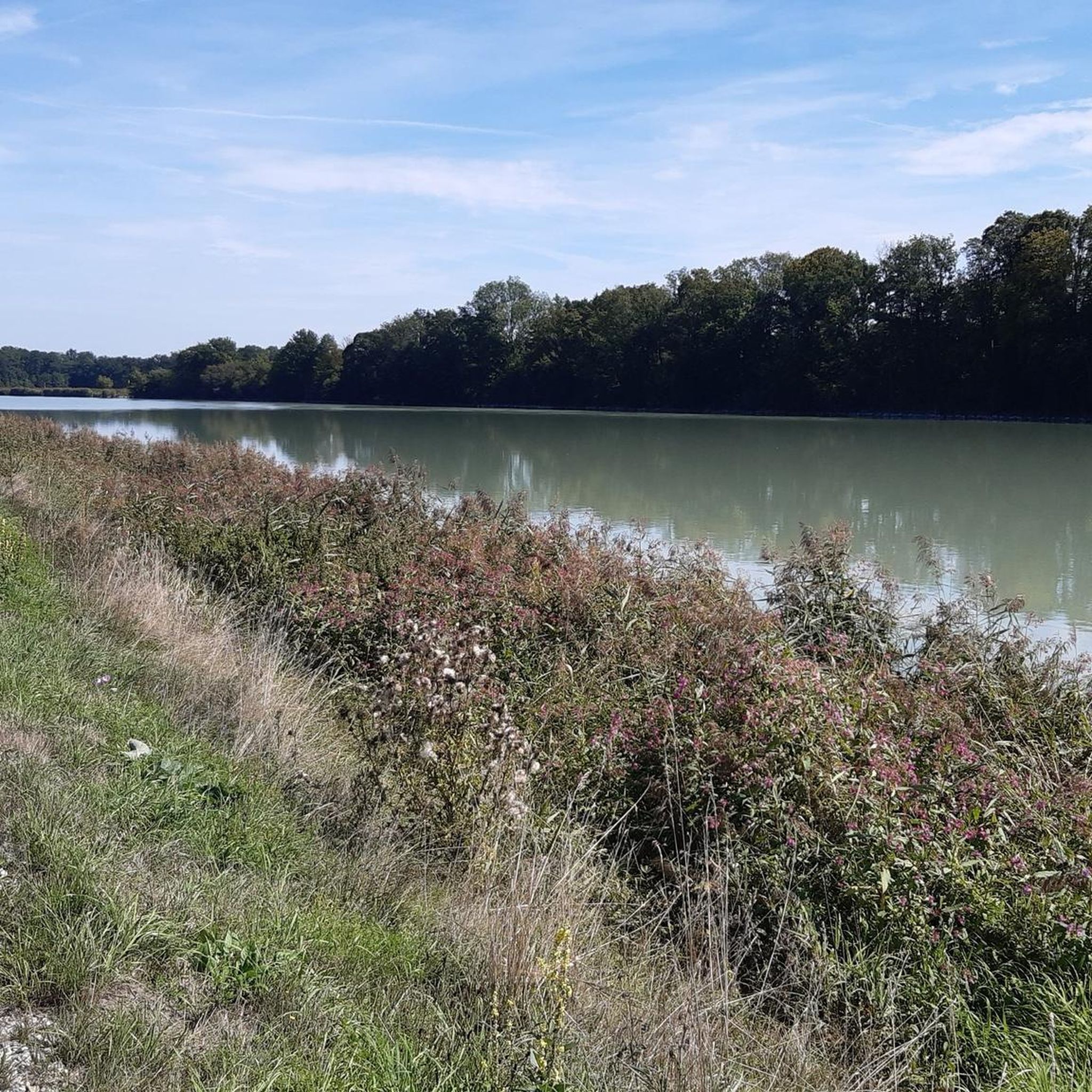
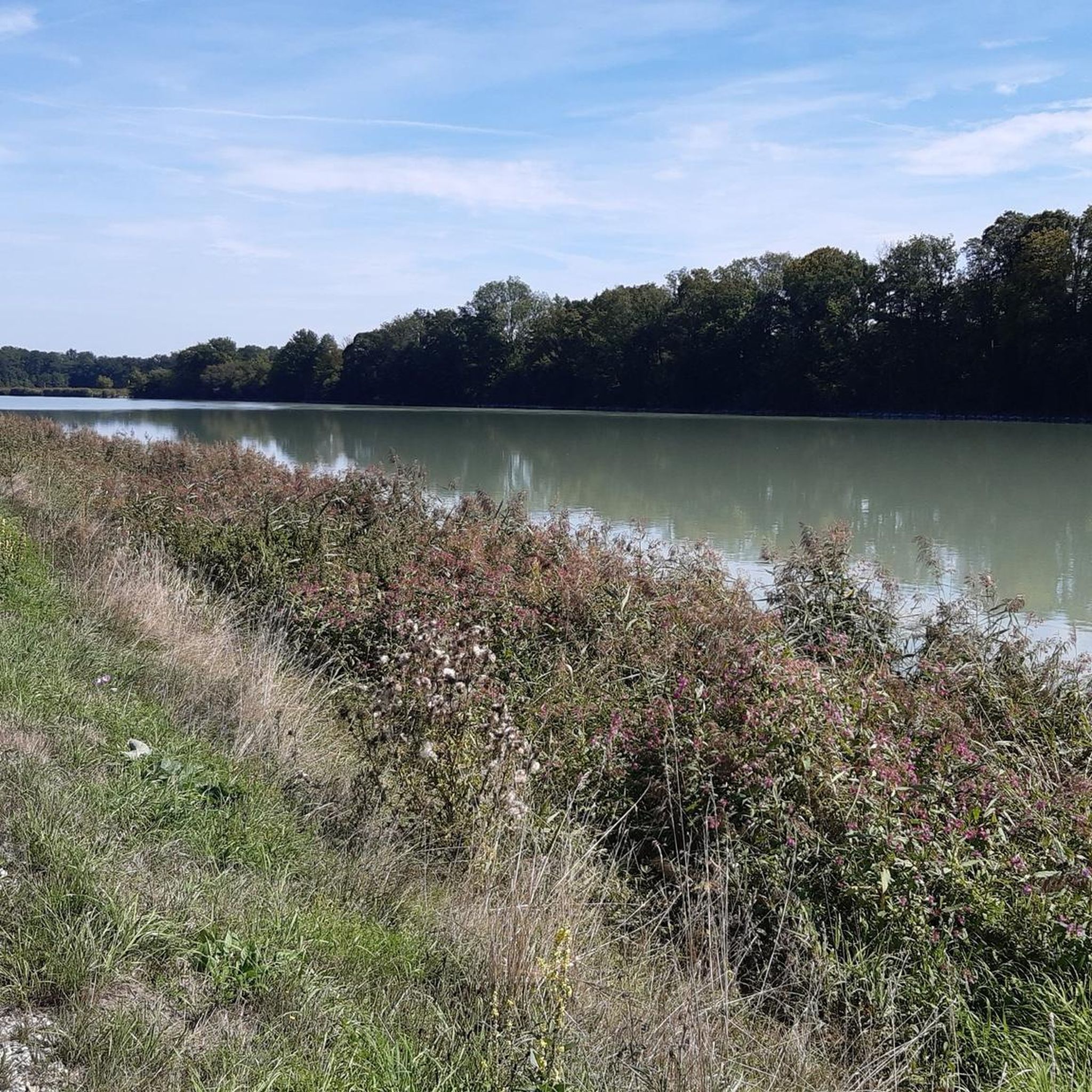
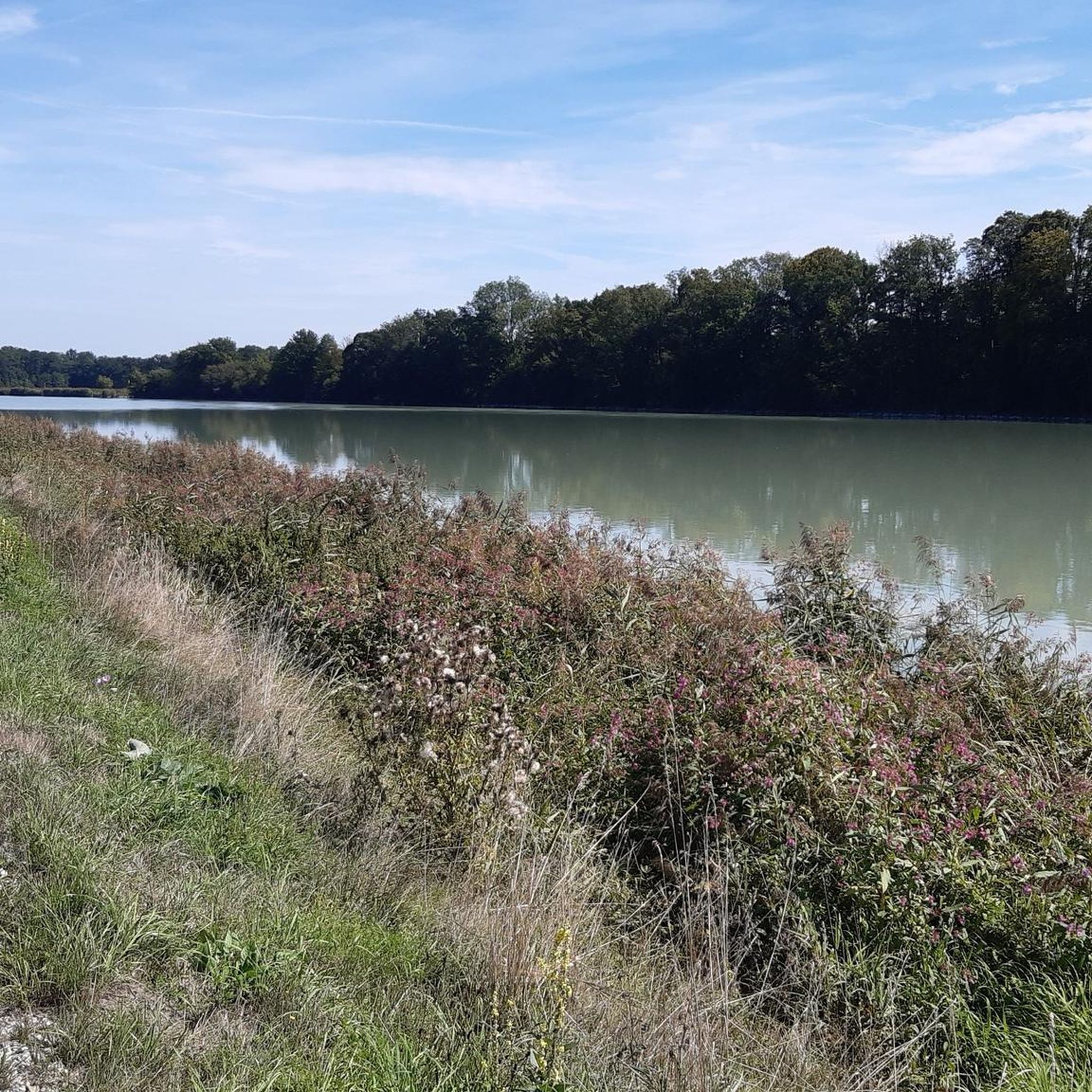
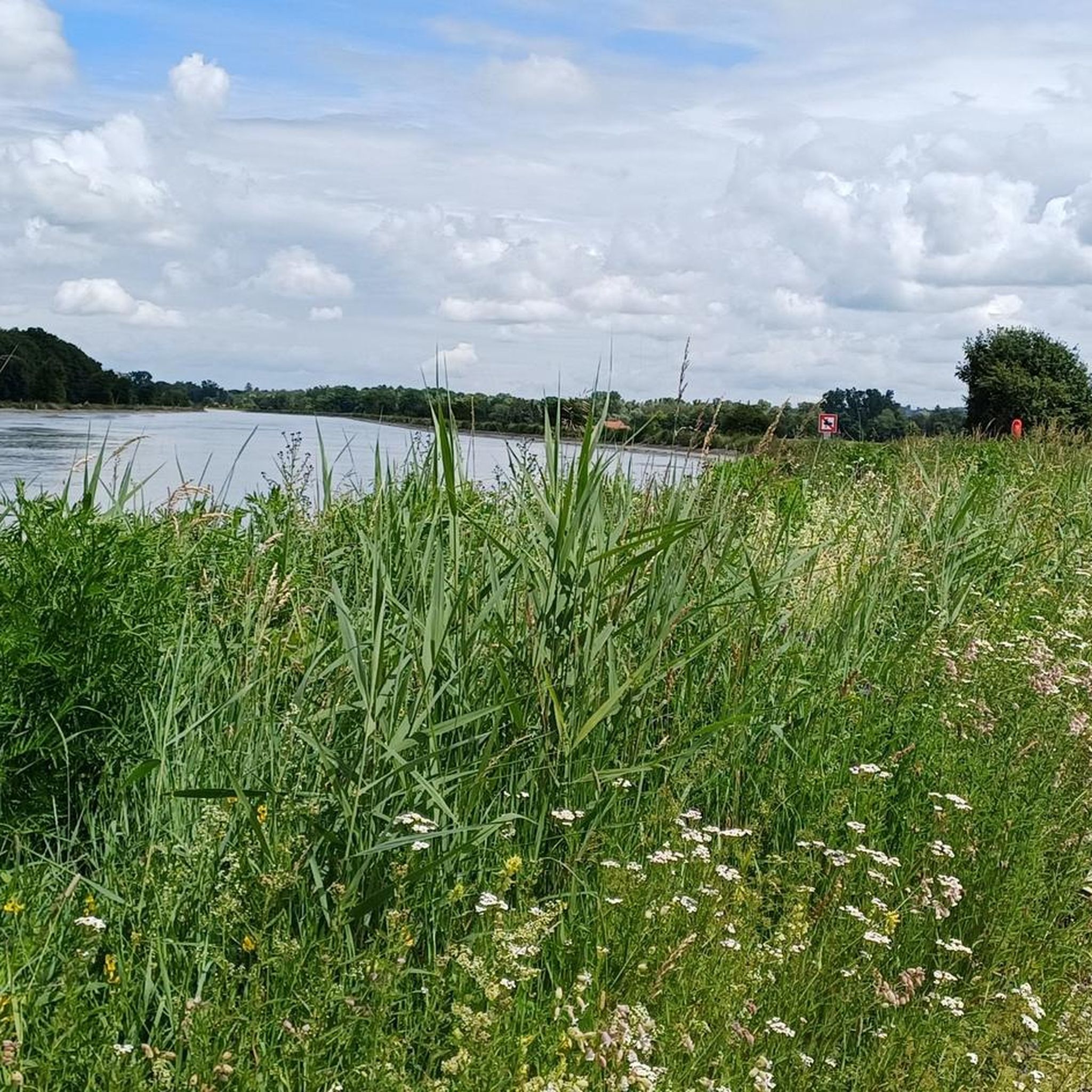
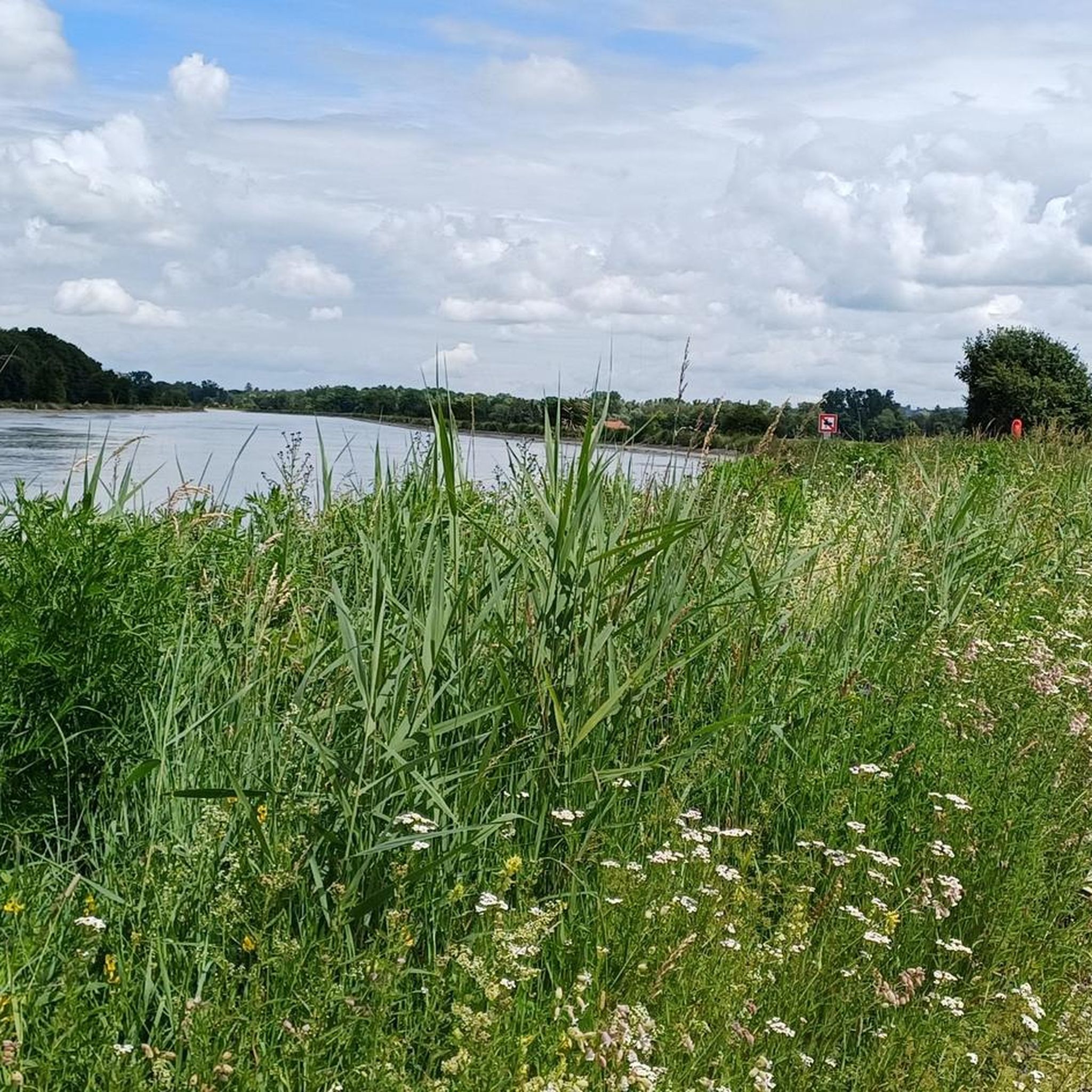
Königswart Castle stood where the Nasenbach flows into the Inn River. It was a subsidiary castle of the Hohenburg lordship. Based on its name and location, Königswart was probably a royal toll castle. According to legend, during the time of the emperor's absence (1056-1059), a robber baron robbed ships here. The emperor's widow, Agnes, promised as much land as he could ride around in one day to anyone who could put an end to the roguery. "Kuno Maier" then set out from Altdorf near Haag, defeated the band of robbers, and rode around the territory of the County of Haag on a white horse, which he subsequently acquired. In 1202, Königswart, like Hohenburg, was owned by the Counts of Megling (Stampfl), 7 km downstream. In 1226, Königswart passed to the Bishopric of Regensburg and came under Haag administration in 1304. However, the old castle was only used for military purposes. By 1550, Königswart was a ruin. Today, only the foundations of the once proud complex remain. The castle was 125 meters long and 65 meters wide. To the north, at the mouth of the stream, there was an approximately 125-meter-long defensive structure consisting of earthworks and ditches. Access to the castle was from the south via a wide, deep moat, in front of which was a raised area measuring 125x125 meters. A Romanesque capital belonging to the castle was walled into a small chapel in the 19th century. This capital is the oldest secular work in the County of Hague. (Source: R. Münch)
0
0

Great view from the Schlossberg and an interesting history of the Schlossberg Chapel.
0
0

A beautiful castle, picturesquely situated in a park-like setting and surrounded by moats, which gives it the name "water castle". It is a Renaissance building, built in the 16th century. The architecture of the castle as well as the surrounding landscape make it a popular destination for visitors interested in history and architecture.
0
0

A romantic place with a view
0
0

The closed four-winged building with corner towers and gate tower was built between 1594 and 1620 by Sebastian and his heir Ferdinand von Haunsperg on medieval foundations. The castle includes the so-called Vorschloss (former farm) with two stable wings from around 1750 and the castle park from the 19th century. https://de.wikipedia.org/wiki/Schloss_Schwindegg
2
0

From the small castle there is a nice descent to the Au monastery.
0
0

The Schloßberg with its chapel can be seen from afar. And when you are up there you have a great view. The story of the chapel is also very interesting. A landmark of Kraiburg.
1
1

Already visible from afar, the landmark of Kraiburg, the Schlossberg with its small St. Georg chapel, rises above the town. The chapel stands today in place of a demolished castle, which the Kraiburg counts - after the Wittelsbachers, the most respected aristocratic family in Bavaria - built on the strategically favorable mountain cone in the Middle Ages. An ascent to the Schlossberg is worthwhile for the delightful view of the Inn Valley alone. The somewhat steep ascent over the Floriansteig begins directly behind the St. Bartholomäus market church in Kraiburg. Those who want to take it easy can start at the market square in a south-westerly direction to the so-called “Kirschwegerl”. From there it goes slightly uphill on a crossroad to the Schlossberg. On the way you come across grazing sheep and goats. They are used for landscape maintenance as "natural lawnmowers" to keep trees and bushes growing short. There are also many valuable biotopes on the Schlossberg, which makes Kraiburg's landmark a special biological feature. The alluvial forests with their backwaters and the natural deciduous forests on the bank slopes, the lines that end at the Schlossberg, are among the last remnants of the "wild river landscape of the Inn" in Bavaria. That is why one of the 50 stamp stations of the ecotourism initiative "Naturatlas Bayern Arche" stands on the Kraiburger Schlossberg.
3
0
Frequently Asked Questions
What are some unique historical castles to visit around Aschau am Inn?
The region offers a variety of historical castles. Schwindegg Moated Castle is a notable four-wing building with corner towers, constructed between 1594 and 1620 on medieval foundations. Another significant site is St. Georg Chapel on Schlossberg, Kraiburg, which stands on the site of a demolished medieval castle and offers views of the Inn Valley.
What is the history behind Schloss Hohenaschau?
Schloss Hohenaschau, located in Aschau am Inn, is a significant historical castle with origins in the late 12th century. It was built by Konrad and Arnold von Hirnsberg and served as a strategic base. Over centuries, it underwent extensive renovations, including Renaissance and High Baroque additions. Today, it functions primarily as a vacation home for employees of the Federal Finance Administration, but offers guided tours providing insight into its seven-century history.
How can I reach Schloss Hohenaschau and is it accessible?
Schloss Hohenaschau is perched on a rock formation above the valley. While the castle hill is closed to vehicles, visitors can park at the Festhalle in Aschau am Inn and walk approximately 15-20 minutes to reach the castle. Guided tours are available from May to October, including options for individual, group, and children's tours.
What are the main attractions or features of Schloss Hohenaschau?
Schloss Hohenaschau offers a rich historical insight with beautifully hand-painted frescoes and wood-covered walls. Key features include a baroque castle chapel, an ancestral hall, and the Priental Museum, which preserves local history. The castle also provides breathtaking panoramic views of the surrounding Bavarian landscape and the Chiemgau region. From April to October, bird of prey shows are held at the castle.
Are there any castle ruins to explore in the area?
Yes, you can explore the Königswart Castle Ruins on the Inn. This site, where the Nasenbach flows into the Inn River, was once a subsidiary castle of the Hohenburg lordship. By 1550, it was a ruin, and today only the foundations of the once proud complex remain, offering a glimpse into its past as a potential royal toll castle.
Which castles are family-friendly around Aschau am Inn?
Schwindegg Moated Castle is categorized as family-friendly. While specific family activities are not detailed for all castles, historical sites like Schloss Hohenaschau offer children's tours, making them suitable for families interested in history and architecture.
Are there hiking opportunities near the castles?
Yes, the region around Aschau am Inn offers various hiking trails. For example, you can find routes like the 'Forest Trail loop from Aschau am Inn' or the 'Inn Riverside Path at Fraham loop from Aschau am Inn'. You can explore more hiking options on the Hiking around Aschau am Inn guide.
What other outdoor activities are available in the Aschau am Inn region?
Beyond visiting castles, the area is excellent for various outdoor activities. You can enjoy gravel biking with routes like the 'Inn River near Mühldorf – Kapellplatz, Altötting loop from Ampfing' found in the Gravel biking around Aschau am Inn guide. Road cycling is also popular, with routes such as 'Wasserburg am Inn — Old Town – Soyener See loop from Aschau am Inn' available in the Road Cycling Routes around Aschau am Inn guide.
What can I expect when visiting Schwindegg Moated Castle?
Schwindegg Moated Castle is a historical four-wing building with corner towers and a gate tower, built on medieval foundations. It's a picturesque spot on the Isen river, offering opportunities for a rest or a walk. The castle itself is privately owned, but the exterior and surrounding area are worth seeing. There's also a town house next door that occasionally hosts coffee and cake events.
Are there any castles with viewpoints offering scenic vistas?
Yes, several castles and castle sites offer excellent views. St. Georg Chapel on Schlossberg, Kraiburg provides delightful views of the Inn Valley. Similarly, Stampfl Castle (Megling Castle), located above Au am Inn, offers a unique view of the Au monastery and the Inn loop.
What do visitors enjoy most about the castles around Aschau am Inn?
Visitors appreciate the historical significance and architectural beauty of the castles. Many enjoy the panoramic views offered from elevated castle sites like Schloss Hohenaschau and Schlossberg in Kraiburg. The opportunity to explore ancient foundations, moated castles, and religious buildings that stand on former castle grounds is also a highlight for the komoot community, as evidenced by over 350 upvotes and 110 photos shared.
Most popular routes around Aschau am Inn
Most popular attractions around Aschau am Inn

Get inspired with the komoot mobile app


Explore more
Looking for the best castles somewhere else? Discover other guides around Aschau am Inn:
