Attractions and Places To See around Ręczno - Top 15
Attractions and places to see around Ręczno include a mix of historical sites and natural features within Poland's Łódź Voivodeship. The region encompasses parts of the Sulejów Landscape Park and features geographical points like Czartoryja Hill. Visitors can explore various cultural heritage monuments and natural landscapes, including reservoirs and rivers. It offers opportunities for recreation and experiencing local heritage.
Best attractions and places to see around Ręczno
- The most popular attractions is Cieszanowice Reservoir, a lake that is a…
Last updated: June 24, 2026
Cieszanowice Reservoir
Highlight • Lake
Translated by Google •
Tip by

St. Alexius Roman Catholic Church in Przedbórz
Highlight • Religious Site
Translated by Google •
Tip by

Sign up now to discover places like this
Get recommendations on the best single tracks, peaks, & plenty of other exciting outdoor places.
Sign up for free
Małpi Most (Monkey Bridge) over the Pilica River
Highlight • Bridge
Translated by Google •
Tip by

St. Florian and St. Leonard Church in Sulejów
Highlight • Religious Site
Translated by Google •
Tip by

Czarna River
Highlight • River
Translated by Google •
Tip by

Sign up for free to discover even more attractions around Ręczno.
Sign up for free
Already have an account?
Start today with a free account
Your next adventure awaits.
Login or Signup

Tips from the Community

It is better to arrive from Stobnica, because from the east you have to cross a long section of forest sand.
0
0

You can test your skills and cross the rope bridge to the other side of the Pilica River... with your bike.
0
0

Crossing this structure by bike can make your legs shake. There is a ford nearby - water up to your knees
0
0

To the church either by large stairs or by the driveway. Nicely situated, nice atmosphere of the place🙃
0
0

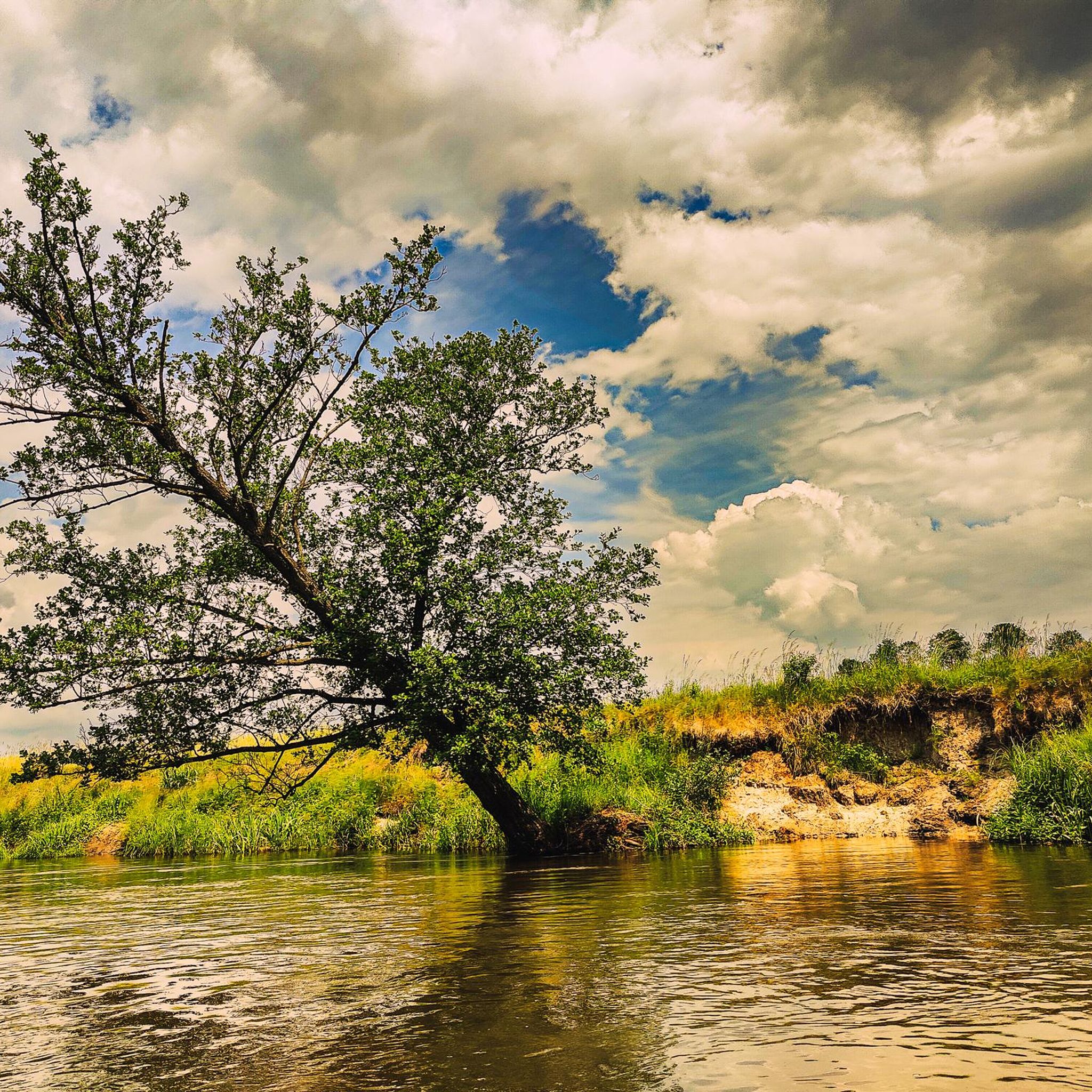
It is worth stopping at this bridge to admire the Czarna River, especially beautiful from this point. Just behind Taraska-Młyn and easily accessible.
0
0

A dam reservoir on the Luciąża River, the second largest reservoir in Piotrków County with a water surface area of 217 ha and a capacity of 7.34 million m³. Located in Piotrków County in the communes of Łęki Szlacheckie (70% of the coastline), Rozprza and Gorzkowice. In the 1960s, a comprehensive plan for irrigation and meadow management in the Luciąża River valley was developed. Its construction began in 1986 and it was put into service in 1998. During construction, the inhabitants of the villages of Kuźnica Żerechowska, Łęgoń, Wygoda, Trzciniec and Borowiec were relocated, after which a chapel protruding from the water surface remained. The purpose of the reservoir was from the beginning to irrigate meadows for milk production and to serve as a water retention facility. Currently, it is a popular place of recreation and relaxation in Piotrków County. It is also appreciated by anglers who catch pike, crucian carp, roach, carp, bream and many other species of fish. The maximum depth of water near the dam is 12 meters. In the reservoir, during the season, water equipment rentals are available: boats, kayaks, water bikes. There are numerous camping sites and camping houses around the reservoir.
0
0

The first mentions of Sulejów date back to 1145, when the settlement belonged to the Habdanków family from Kraków. At that time, their small princely stronghold was located on the hill where the parish church is currently located. Shortly afterwards, in 1176, Casimir the Just founded a Cistercian abbey on the other bank of the Pilica River. It was then that the Habdanków stronghold also received its own church. It was the Cistercians who built the first wooden church here and established a parish in Sulejów. It was established in 1184 by the Archbishop of Gniezno, Zdzisław of the Koźle Rogi coat of arms, and later Casimir the Just, with the help of Bishop Idzi of Modena, brought the relics of St. Florian to the church. The current church was built in the years 1901-1903, and the main building material was already red brick and ashlar stone. The church was built in the neo-Gothic style, and the design was created by Feliks Nowicki - the same one who designed the Piotrków villa "Wanda" (read more - here), the Piotrków court building (read more - here), as well as the Church of the Holy Apostles Peter and Paul in Kamieńsk and the Church of the Descent of the Holy Spirit in Bęczkowice in the Łęki Szlacheckie commune. The construction was completed in 1905, and three years later the church was consecrated by the Bishop of Kujawy and Kalisz, Stanisław Kazimierz Zdzitowiecki. During the ceremony, the church was renamed St. Florian the Martyr and St. Leonard the Confessor, and the relics of St. Serenus and St. Caste were placed in the main altar. https://epiotrkow.pl/news/Odkrytamy-znane-i-nieznane--Kosciol-sw-Floriana-w-Sulejowie,46983
3
0
Monkey Bridge... With a bike in my hand and SPD shoes - my ass wrinkles a bit, but after crossing and recording this fact, what a SATISFACTION!!!
0
0
Frequently Asked Questions
What natural attractions can I explore around Ręczno?
The region offers several natural highlights. You can visit the Cieszanowice Reservoir, a large dam reservoir on the Luciąża River, popular for recreation and relaxation. The Czarna River is also a scenic spot, particularly beautiful from certain bridges. Additionally, a significant portion of the Sulejów Landscape Park lies within Gmina Ręczno, providing protected natural areas to discover.
Are there any historical or cultural sites to visit in the Ręczno area?
Yes, Ręczno and its surroundings are home to several historical and cultural sites. Notable religious buildings include the St. Alexius Roman Catholic Church in Przedbórz, which has roots dating back to 1278, and the St. Florian and St. Leonard Church in Sulejów, built in the neo-Gothic style. The region also features cultural heritage monuments like the Cemetery in Ręczno, the Holy Trinity Church in Bąkowa Góra, and the ruins of a castle in Bąkowa Góra, as well as a castle in Majkowice.
Where can I find hiking trails near Ręczno?
There are various hiking opportunities around Ręczno. You can explore routes like the 'Taraska - Mouth of the Czarna to the Pilica Walking Path' or choose from several loops starting from Kawęczyn, Taraska, Klew, or Rezerwat Jaksonek. For more detailed information and route options, refer to the Hiking around Ręczno guide.
Are there family-friendly attractions around Ręczno?
The Cieszanowice Reservoir is considered a family-friendly destination. It offers opportunities for recreation and relaxation, with water equipment rentals like boats, kayaks, and water bikes available during the season. There are also numerous camping sites and houses around the reservoir, making it suitable for family outings.
What is a unique outdoor experience near Ręczno?
A unique experience is crossing the Małpi Most (Monkey Bridge) over the Pilica River. While the bridge itself is often damaged, visitors frequently cross the river at a ford next to it. The water is typically knee-deep with a clean, sandy bottom, offering an adventurous way to traverse the Pilica.
What kind of cycling routes are available in the Ręczno area?
Cyclists can find a variety of routes around Ręczno, ranging from easy to difficult. Options include the 'Wapienniki Lake – Przedbórz Market Square loop' or the 'Czarna River – Old Pilica Riverbed loop'. For a comprehensive list of routes and their difficulty levels, check the Cycling around Ręczno guide.
What do visitors enjoy most about the attractions around Ręczno?
Visitors appreciate the blend of historical significance and natural beauty. The Cieszanowice Reservoir is valued for its recreational potential, despite some areas needing attention. The Małpi Most offers a sense of adventure, with many finding satisfaction in successfully crossing the Pilica River. Historical churches like St. Florian and St. Leonard Church in Sulejów are noted for their nice atmosphere and historical context.
Are there opportunities for running or jogging near Ręczno?
Yes, there are several running trails in the vicinity of Ręczno. You can find moderate loops starting from Przedbórz, Jabłonna, or Dębowa Góra, as well as a shorter loop from Krupa. For longer and more challenging runs, consider the 'Kozłowa Góra – Fajna Ryba loop'. Detailed routes are available in the Running Trails around Ręczno guide.
What is the significance of Czartoryja Hill in Ręczno?
Wzgórze Czartoryja (Czartoryja Hill) is a geographical feature identified within the Gmina Ręczno. While specific visitor activities are not detailed, such hills often offer scenic views or potential opportunities for local walks and enjoying the natural landscape of the area.
Can I find any ancient ruins or castles in the Ręczno region?
Yes, the region has historical remnants. You can find the ruins of a castle in Bąkowa Góra, which serves as a historical landmark. Additionally, the Castle in Majkowice is recognized as a cultural heritage monument, offering a glimpse into the area's past.
What kind of fish can be found in the Cieszanowice Reservoir?
The Cieszanowice Reservoir is appreciated by anglers. Common fish species caught there include pike, crucian carp, roach, carp, and bream, among many others. The maximum depth near the dam is 12 meters.
Is there any information about the history of the St. Alexius Roman Catholic Church in Przedbórz?
The St. Alexius Roman Catholic Church in Przedbórz has a rich history. A chapel was likely built around 1278. After a major fire in 1341, Casimir the Great renovated Przedbórz and added a red sandstone tower to the temple. The parish was transferred to Przedbórz in the same year, and the church has undergone various changes and events, including another fire in 1683.
Most popular routes around Ręczno

Get inspired with the komoot mobile app


Explore more
Still not found the Highlight you’re looking for? See guides of the top attractions in other regions:
