Top 5 Castles around Saint-Jean-Pla-De-Corts
Best castles around Saint-Jean-Pla-De-Corts offer a journey through the region's history, from medieval fortifications to 19th-century châteaux. Located in the Pyrenees-Orientales, this area provides a backdrop of varied landscapes, from the Albères mountains to the plains. The historical sites reflect centuries of strategic importance and architectural evolution. Exploring these structures provides insight into the cultural heritage of the French-Spanish borderland.
Best castles around Saint-Jean-Pla-De-Corts
- The most popular castles is Fort de Bellegarde, a viewpoint that was designed by the…
Last updated: June 29, 2026
Fort de Bellegarde
Highlight • Viewpoint
The main purpose of the Fort de Bellegarde was to control and protect the strategic passage through the Pyrenees between France and Spain. For centuries, this region was disputed …
Translated by Google •
Tip by

Panissars Ruins
Highlight • Historical Site
If the site retains such strong historical interest, it is because General Pompey had his trophy built …
Translated by Google •
Tip by

Sign up now to discover places like this
Get recommendations on the best single tracks, peaks, & plenty of other exciting outdoor places.
Sign up for free
Laroque-des-Albères Castle Tower
Highlight • Castle
Translated by Google •
Tip by

Montesquieu Castle
Highlight • Castle
Translated by Google •
Tip by

View of Château d'Aubiry
Highlight • Castle
Translated by Google •
Tip by
Sign up for free to discover even more castles around Saint-Jean-Pla-De-Corts.
Sign up for free
Already have an account?
Start today with a free account
Your next adventure awaits.
Login or Signup
Tips from the Community

Although the castle is private and not always accessible to the public, the interior is known to be richly decorated with luxurious details such as high ceilings, ornate fireplaces, and grand staircases. The halls and bedrooms reflect the opulent style of the Belle Époque.
2
0
The castle is surrounded by extensive gardens designed in a formal French style, with fountains, ponds, and tree-lined walks. These gardens were carefully designed to complement the grandeur of the main building.
1
0
The Château d'Aubiry was built between 1893 and 1900 by the Danish architect Viggo Dorph-Petersen, who was very active in the Pyrénées-Orientales region. It was commissioned by Justin Bardou-Job, a wealthy tobacco industrialist, as a family residence.
2
0
Throughout its history, Fort de Bellegarde was the scene of numerous conflicts and battles, including the wars between France and Spain, as well as the Napoleonic Wars. However, over time and with changes in political and military circumstances, its strategic importance diminished. Today, Fort de Bellegarde is a historic and tourist site. Visitors can explore its imposing walls, towers and passageways, and learn about its fascinating history through exhibits and guided tours. The fortress offers stunning views of the surrounding landscape and remains a tangible reminder of the importance of border defence in European history.
1
0
@Marcus. It's very sad that you resort to editing and cropping photos that were not taken by you and pretending that you had been there in order to get points and become the leader of a region (Ceret).
0
0
It was built by the Lords of Saint Cristau, who later took the name of Montesquieu. The keep forms an imposing building with a width of 16 metres and a length of 22 metres. The castle was protected by a wall 12 m high. From the top you have a great view of the plains of the region.
1
1

You should climb up and enjoy the view. The bike path only shows the tower from below, nothing else.
0
0
You can only visit it on foot or by Jeep, they do not allow entry with your bicycle. The visit costs 5e on foot and 16 by Jeep and the duration is 1 hour and 1.39 minutes by vehicle since they take you down to the water tank of the fortress and you have a guide who explains it to you. It is currently military property
3
0
Frequently Asked Questions
What is the historical significance of castles around Saint-Jean-Pla-De-Corts?
The castles in this region, including the 12th-century Castle of Saint-Jean-Pla-De-Corts, reflect centuries of strategic importance and architectural evolution. They served as royal residences, like for the Kings of Majorca, and defensive structures controlling passages between France and Spain. Sites like Fort de Bellegarde, designed by Vauban, highlight the military history, while others like Château d'Aubiry showcase 19th-century grandeur.
Are there any medieval castles to visit in the immediate area of Saint-Jean-Pla-De-Corts?
Yes, the village of Saint-Jean-Pla-De-Corts itself is home to a historical castle dating back to the 12th century, which served as a royal residence. While undergoing restoration, its ancient origins and chapel with a 15th-century bell are notable. Additionally, Montesquieu Castle, first mentioned in 1080, features an imposing keep and offers historical insights.
What kind of historical sites can I explore besides castles?
Beyond castles, you can visit Panissars Ruins, a historical site with vestiges of an ancient village. This location is significant as General Pompey had his trophy built there, marking an old border between Gaul and Hispania.
Can I combine a castle visit with outdoor activities like hiking or biking?
Absolutely. The region around Saint-Jean-Pla-De-Corts offers numerous opportunities for outdoor activities. You can find various hiking routes, gravel biking trails, and MTB trails that often pass by or offer views of these historical sites. For detailed routes, explore the hiking guide, gravel biking guide, or MTB trails guide for the area.
Are there hiking trails near the castles?
Yes, several hiking trails are available. For instance, you can find routes like 'Start hiking – Puig de les Gantes loop from Saint-Jean-Pla-de-Corts' or 'Rivier Le Tech – View of the Lake loop from Saint-Jean-Pla-de-Corts' which allow you to explore the natural surroundings. Many trails offer views of the castles and the plains of the region. Check the hiking guide for more options.
What natural features or views can I expect from these castles?
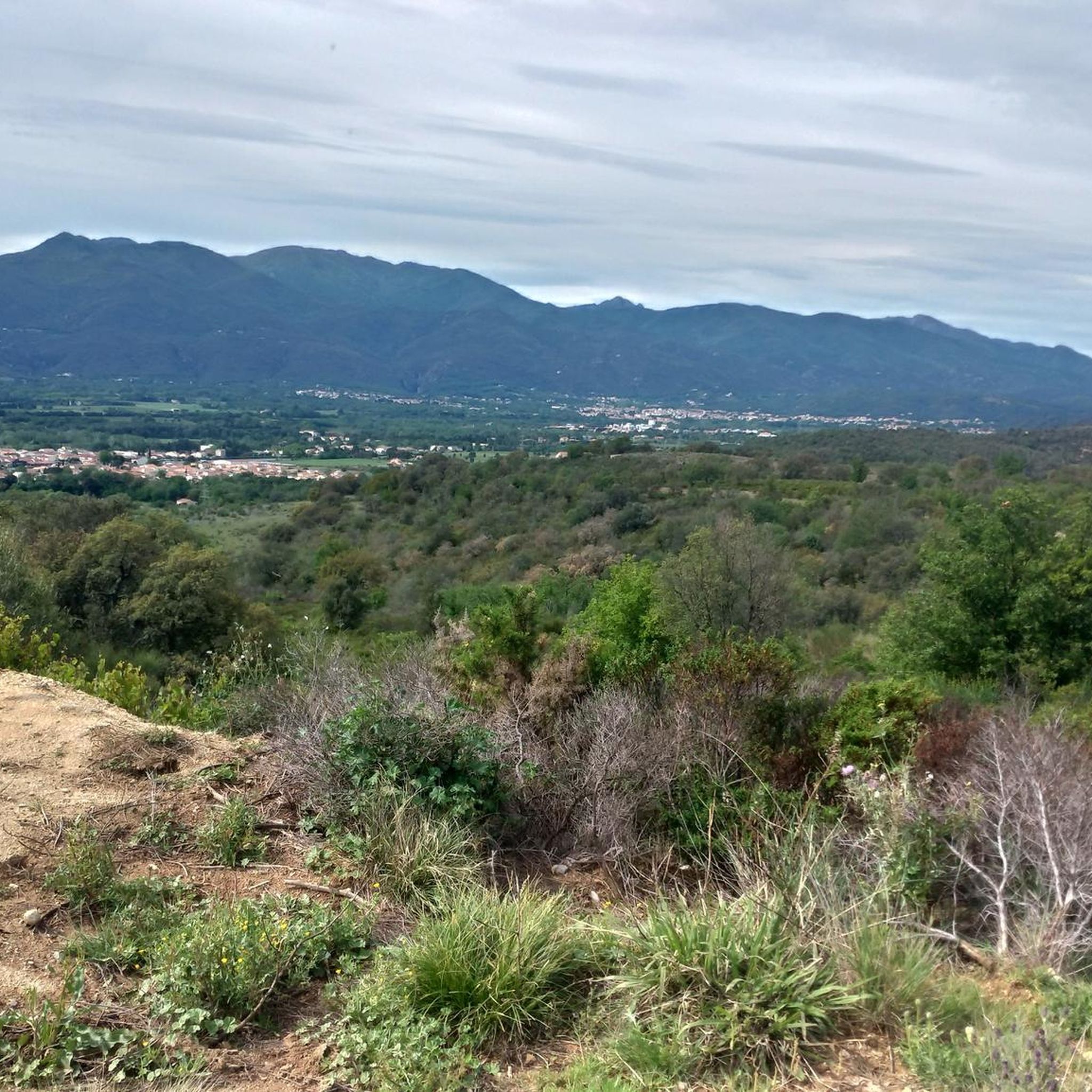
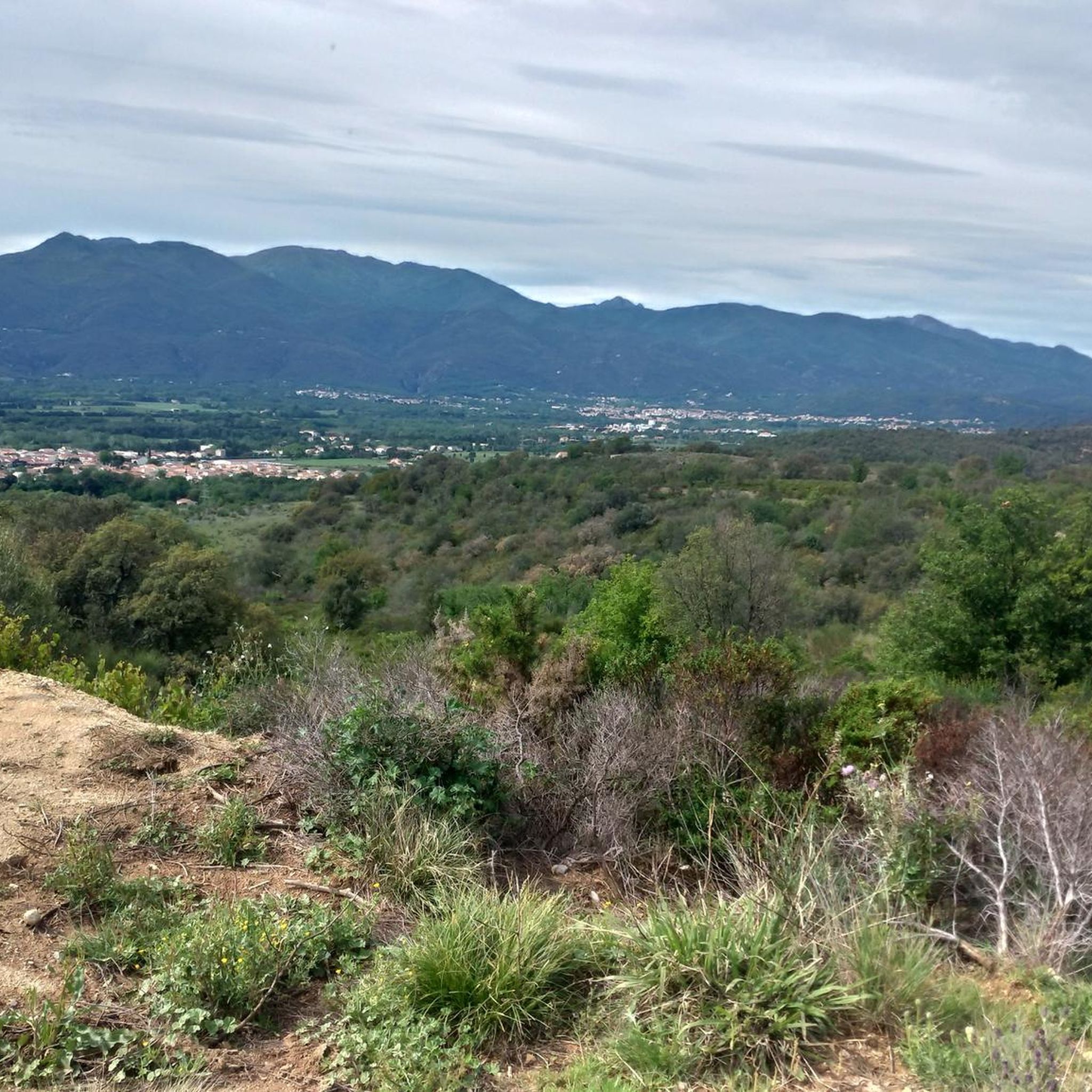
Many castles in the area, such as Fort de Bellegarde and Montesquieu Castle, are strategically located on hilltops, offering expansive views of the surrounding plains and the Pyrenees-Orientales landscape. From Laroque-des-Albères Castle Tower, you can enjoy a beautiful panorama over the roofs of the old houses and the Albères mountains.
Are there family-friendly castles to visit near Saint-Jean-Pla-De-Corts?
While specific 'family-friendly' categorizations aren't always available, the variety of castles, from medieval ruins to grand châteaux, offers different experiences. Exploring the grounds of Château d'Aubiry with its extensive gardens can be enjoyable for families. The historical context of sites like the Castle of Saint-Jean-Pla-De-Corts can also be engaging for older children.
What is the best time of year to visit the castles around Saint-Jean-Pla-De-Corts?
The region generally enjoys pleasant weather, making spring and autumn ideal for visiting, as temperatures are mild and the landscapes are vibrant. Summer can be warm, but still suitable, especially for castles with shaded areas or those combined with early morning or late afternoon visits. Winter offers a quieter experience, though some sites might have reduced opening hours.
Are there any lesser-known or 'hidden gem' castles worth exploring?
The Castle of Saint-Jean-Pla-De-Corts itself, with its ongoing restoration and deep historical roots as a royal residence, could be considered a local gem. Another is the Laroque-des-Albères Castle Tower, which offers picturesque views over the village and mountains, providing a charming, less-crowded experience.
What do visitors particularly enjoy about the castles in this region?
Visitors frequently appreciate the rich history and the stunning views offered by these castles. Sites like Fort de Bellegarde are praised for their strategic location and fantastic borderland views. The architectural diversity, from medieval fortifications to grand 19th-century châteaux, also receives positive feedback, with many photos shared by the komoot community.
Are there guided tours available for these castles?
Availability of guided tours varies by site. The Castle of Saint-Jean-Pla-De-Corts, for example, has plans to offer guided tours and events once its restoration is completed. For other specific castles like Château d'Aubiry or Montesquieu Castle, it's best to check their official websites or local tourist information for current tour schedules and booking requirements.
Where can I find cafes or restaurants near the castles?
Many of the castles are located near or within charming villages. For instance, in Laroque-des-Albères, you can find cafes at the Place de République right next to the church, close to the Laroque-des-Albères Castle Tower. Larger towns like Céret or Le Boulou, which are close to sites like Château d'Aubiry, offer a wider selection of dining options.
Most popular routes around Saint-Jean-Pla-De-Corts
Most popular attractions around Saint-Jean-Pla-De-Corts

Get inspired with the komoot mobile app


Explore more
Looking for the best castles somewhere else? Discover other guides around Saint-Jean-Pla-De-Corts:
