Top 20 Lakes around Tienen
Lakes around Tienen offer diverse natural and historical landscapes. While Tienen itself does not feature large natural lakes, the surrounding region provides several notable aquatic destinations. These include Flanders' only natural inland lake, as well as historical estates with significant water features. The area combines opportunities for nature observation, walking, and family-friendly recreation.
Best lakes around Tienen
- The most popular lakes is Horst Castle, a castle that is an idyllic moated castle from the 13th century. It is surrounded…
Last updated: June 21, 2026
Horst Castle
Highlight • Castle
Translated by Google •
Tip by

Lake Het Vinne
Highlight • Lake
Translated by Google •
Tip by

Sign up now to discover places like this
Get recommendations on the best single tracks, peaks, & plenty of other exciting outdoor places.
Sign up for free
Boardwalk Through Het Vinnemeer
Highlight • Trail
Translated by Google •
Tip by
Hélécine Estate
Highlight • Parking
Translated by Google •
Tip by
Rozendaalbeekvallei Pond
Highlight • Lake
Translated by Google •
Tip by
Sign up for free to discover even more lakes around Tienen.
Sign up for free
Already have an account?
Start today with a free account
Your next adventure awaits.
Login or Signup
Popular around Tienen



Tips from the Community

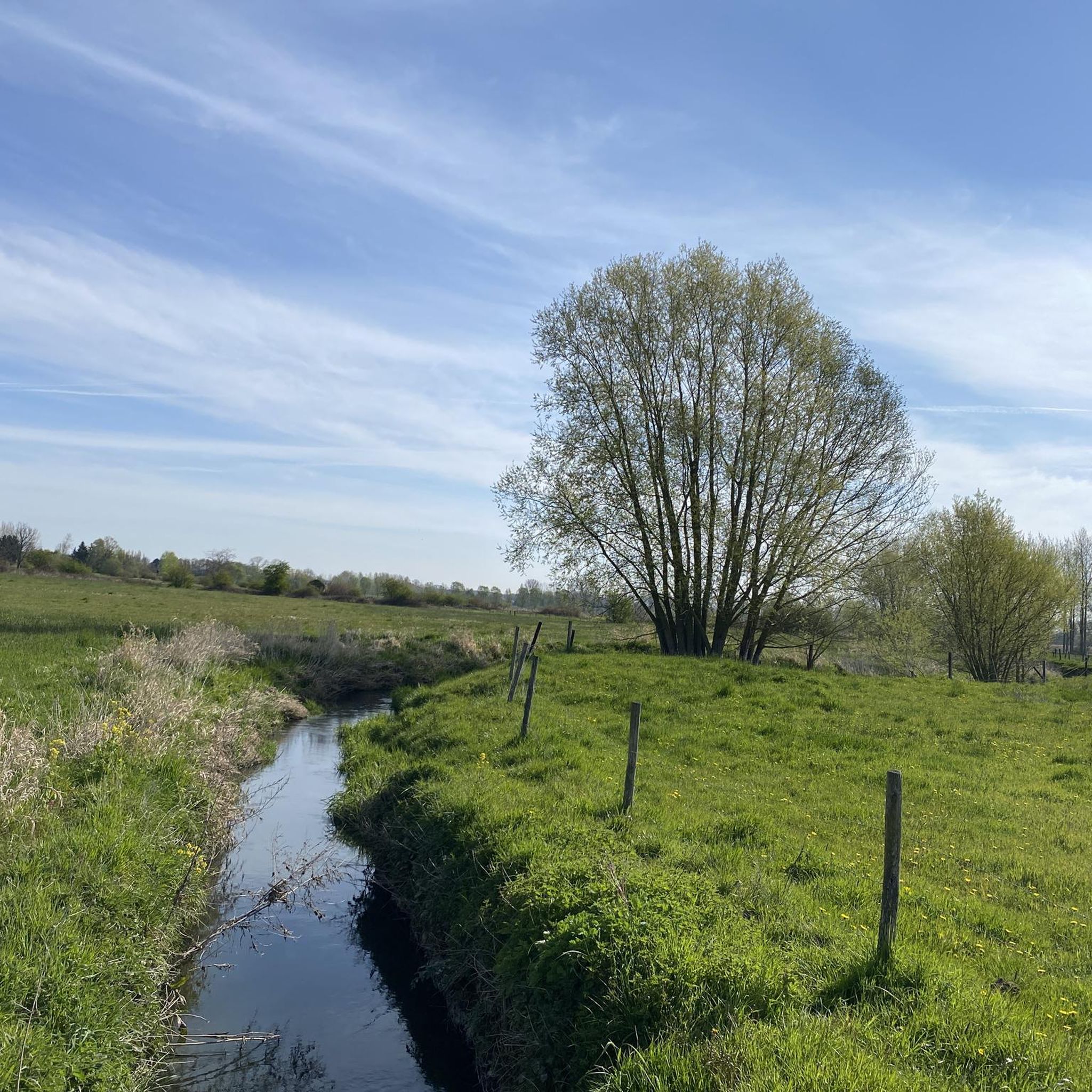
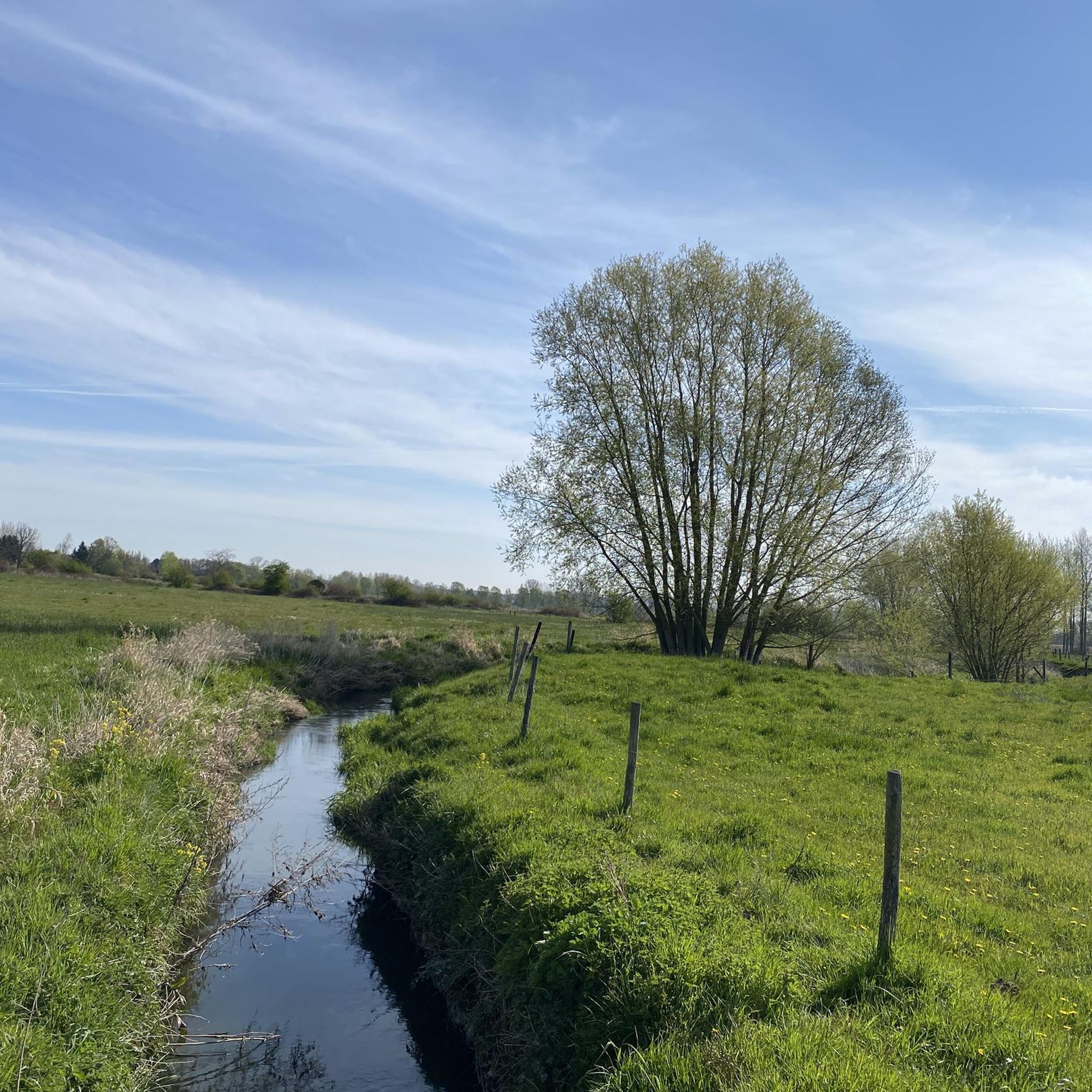
The pond, which has been there for years, has a small wooden platform for those who are interested, and is located near the small bridge over the stream once you've descended the paths leading to the higher village center. You are now at the same altitude as the road to Aarschot and can walk around the pond, which is connected to the meadows by the path. The Rozendaalbeek is a tiny stream that rises just outside Tienen on the northwest side in two amphitheater-shaped slopes. After just a few hundred meters, the two separate branches meet and together form the Roosdaalbeek, which is indicated on maps as the "Vlietende beek" (Flying Brook). Typical of the Rozendaalbeekvallei nature reserve is its secluded location between the two parishes of Vissenaken. Yet, you hardly notice this as you walk through the valley. The wet grasslands furthest downstream between Metselstraat and Hymelinusstraat, which were purchased first, are the most visible. The other plots are less well-known because they offer less visibility. Source and much more at http://www.velpe-mene.be/tienen/rozendaalbeekvallei.htm
3
0

Where water and reeds feel connected...
4
0

The description is very accurate. Thank you.
1
0

Very relaxing, beautiful well-maintained paths.
0
0
The core of Horst Castle probably dates back to the 13th century and is characterised by a square keep. The keep probably belonged to the oldest core that was further expanded into a fortified castle in the 15th century. During the troubles under Maximilian of Austria in 1489, the castle of Horst was taken by the people of Leuven and set on fire. According to literary sources, only the keep, part of the entrance gate and a defensive wall remained standing. The residential and east wing were renovated and expanded in the 16th century. The round tower also dates from this period. The outer wall was provided with a rectangular bay window. The castle lost its military character and became more of a pleasant residential area with a view of the moat, the ponds and the inner courtyard. Brick construction with sandstone layers characterise these buildings. In 1587, however, the castle was set on fire again during the raids of the Geuzen. It was not until the beginning of the 17th century that restoration work began. It is difficult to deduce from the available sources to what extent this involved restoration or an embellishing conversion of the castle complex. Presumably nothing changed in the internal structure, but only after the structurally necessary repairs were the interiors completely refinished. Maria-Anna Van den Tympel had a new chapel built against the keep in the 17th century. At the beginning of the 19th century, the complex must have been damaged by plundering and neglect, and it is possible that it also suffered from plundering during the Brabant Revolution of 1830. Around 1850, the castle must have been habitable again, but the castle buildings only served as a farm. In the land registry, the site around the castle is called "De Notelaren Boomgaerd". Around that time, the most dilapidated part must have been demolished, namely the southern part and the superstructure of the gate. The rest of the complex was probably restored with reused demolition material and in traditional style. The castle was divided in 1880, with one part being registered as a school house. In 1897, a further division followed, with two plots being designated as houses. Several restoration campaigns followed in the 20th century. Inventory of Immovable Heritage: Horst Castle, https://id.erfgoed.net/erfgoedobjecten/43619
6
0
Since December, there has been a spire on the castle again after the unstable spire was removed more than four years ago and could be viewed on a wooden platform in the pond. Now it is back. And the other works are also progressing quickly. More about the replaced spire on https://www.vrt.be/vrtnws/nl/2024/12/10/torenspits-staat-weer-op-kasteel-van-horst-holsbeek/
6
0

beautiful pond, surrounded by willows and reeds
2
0
beautiful pond, surrounded by willows and reeds
2
0
Frequently Asked Questions
What are the most popular lakes and water features to visit near Tienen?
Visitors frequently enjoy Horst Castle, an idyllic 13th-century moated castle. Another highly rated spot is Lake Het Vinne, Flanders' only natural inland lake, known for its unique ecosystem. The Hélécine Estate, with its 28-hectare park and multiple ponds, is also a favorite.
Are there family-friendly lakes or water features around Tienen?
Yes, several locations are great for families. Lake Het Vinne offers a landscape playground, a sensory experience path, a play forest, and GPS-based treasure hunts. The Hélécine Estate also features two playgrounds, an educational pond, and mini-golf. Horst Castle is also considered family-friendly, though access inside the castle can be difficult for buggies.
What kind of natural features can I expect to see at the lakes near Tienen?
The region offers diverse natural features. At Lake Het Vinne, you'll find a unique natural inland lake, reed beds, open plains, and opportunities for birdwatching from observation towers and huts. The area is home to various flora and fauna, including migratory birds. The Boardwalk through Het Vinne allows you to walk directly over the water, observing water lilies and the surrounding nature.
Are there historical sites or landmarks near the lakes?
Absolutely. Horst Castle is a significant historical landmark, an idyllic 13th-century moated castle. The Hélécine Estate also features a historic castle and a 19th-century icehouse within its park.
What outdoor activities can I do near the lakes around Tienen?
Beyond enjoying the lakes themselves, you can find various outdoor activities. For cycling, there are routes like the 'KU Leuven Library – Park Abbey loop' or the 'Racour Railway Station – RAVeL L142 Cycle Path loop'. Gravel biking options include the 'Park Abbey – Steenveld Street loop'. You can explore more cycling routes in the Cycling around Tienen guide, Road Cycling Routes around Tienen guide, and Gravel biking around Tienen guide.
Are there hiking trails around the lakes near Tienen?
Yes, Lake Het Vinne offers four signposted nature walks that traverse water, reed beds, and open plains. The Boardwalk through Het Vinne is a popular part of these trails, offering unique views. Sturdy walking shoes are recommended, especially in wet weather.
Is Provinciedomein Het Vinne accessible for people with disabilities or strollers?
Yes, Provinciedomein Het Vinne is designed with accessibility in mind. The domain offers all-terrain wheelchairs and baby carriers free of charge for visitors. While Horst Castle itself can be difficult for wheelchair users and buggies, its grounds are generally accessible.
What is the best time to visit the lakes around Tienen?
The lakes are generally accessible year-round. Provinciedomein Het Vinne is open daily from sunrise to sunset. Spring and summer offer lush greenery and active wildlife, while autumn provides beautiful colors. During wet weather, sturdy walking shoes or boots are recommended for trails like those at Het Vinne.
Are dogs allowed at the lakes and estates?
At Horst Castle, dogs are allowed on the castle grounds but not inside the castle itself. For other locations, it's advisable to check specific regulations, but generally, dogs on a leash are permitted in most public outdoor areas.
Where can I observe wildlife, especially birds, near Tienen?
Lake Het Vinne is an excellent spot for wildlife observation. It features observation towers and bird-watching huts, such as the Birdwatching Hut on the Lake, which offers panoramic views and opportunities to see water birds like cormorants. The area is also ideal for migratory birds.
Are there places to eat or have a picnic near the lakes?
Yes, at Horst Castle, the Brasserie Wagenhuis is available for a stop. The Hélécine Estate is a perfect place for a picnic, with designated lawn areas and a beautiful picnic spot at the back of the park. Many sections of the boardwalk at Het Vinne also have shelters with picnic tables.
What makes Lake Het Vinne unique?
Lake Het Vinne is unique because it is Flanders' only natural inland lake. Restored to its natural state in 2005, it offers a distinct landscape not commonly found elsewhere in Europe, making it a significant ecological site and a haven for nature lovers and birdwatchers.
Most popular attractions around Tienen

Get inspired with the komoot mobile app


Explore more
Still not found your perfect lake around Tienen? Check out the guides of these regions to see even more beautiful places.
