Top 20 Natural Monuments around Oud-Heverlee
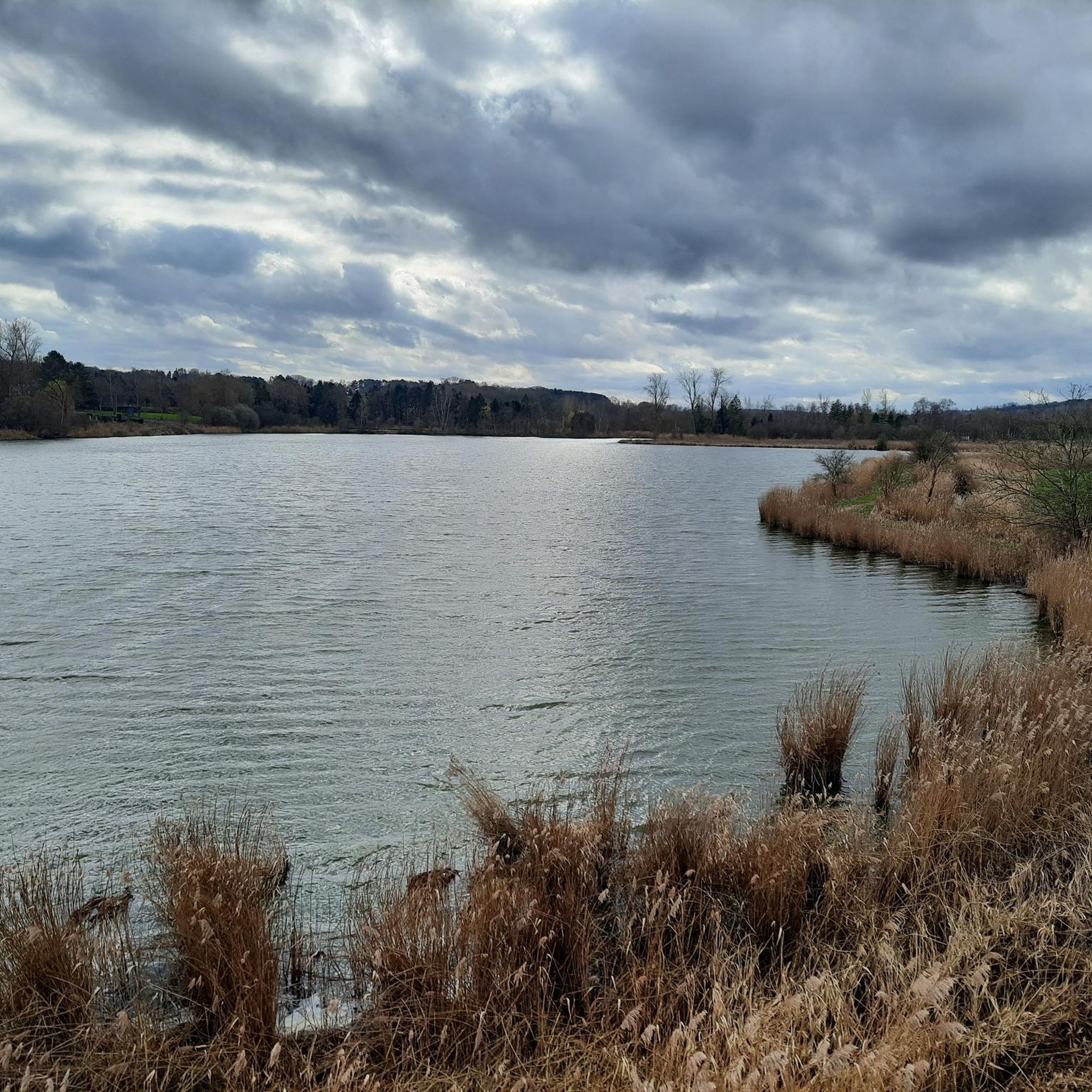
Best natural monuments around Oud-Heverlee are located within the Brabantse Wouden, offering diverse natural experiences. The region features expansive forests, meandering rivers, and tranquil ponds, characterized by rich biodiversity. Visitors can explore a variety of landscapes, from dense woodlands to wetland ecosystems. The area provides opportunities for outdoor activities amidst its natural features.
Best natural monuments around Oud-Heverlee
- The most popular natural monuments is Geographic Arboretum of Tervuren, a forest that features over 400 tree species from around the…
Last updated: October 13, 2026
Geographic Arboretum of Tervuren
Highlight • Forest
Translated by Google •
Tip by

Chapel of Our Lady of Steenbergen and the Minnebron
Highlight • Religious Site
Translated by Google •
Tip by

Sign up now to discover places like this
Get recommendations on the best single tracks, peaks, & plenty of other exciting outdoor places.
Dolmen Stone of Duisburg (Zevenster, Sonian Forest)
Highlight • Natural Monument
Translated by Google •
Tip by
Meerdaal Forest and Heverlee Forest
Highlight • Forest
Translated by Google •
Tip by

Kruidtuin Leuven (Leuven Botanical Garden)
Highlight • Natural Monument
Translated by Google •
Tip by

Sign up for free to discover even more natural monuments around Oud-Heverlee.
Already have an account?
Start today with a free account
Your next adventure awaits.
Popular around Oud-Heverlee
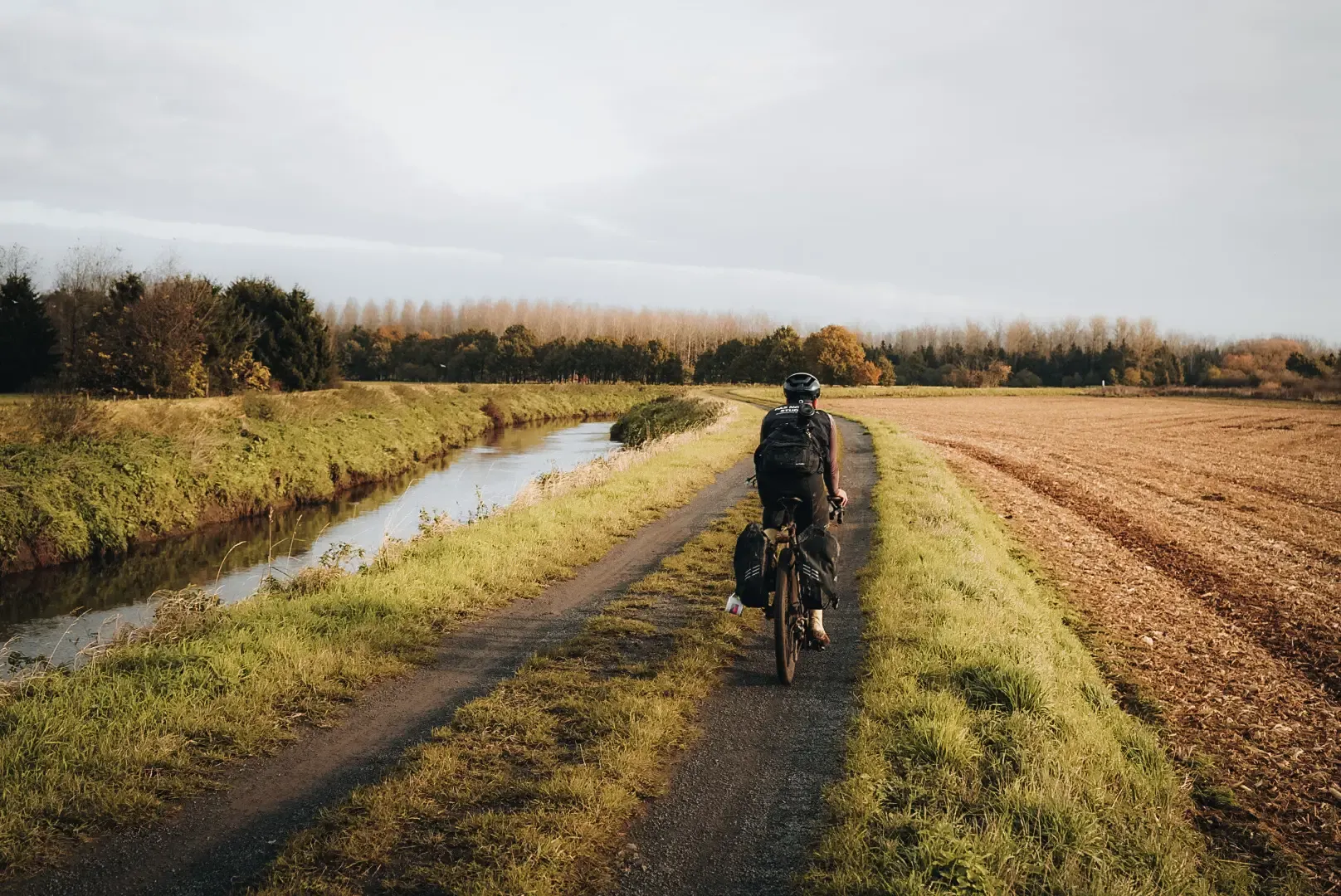
Flanders Divide - Across Flanders
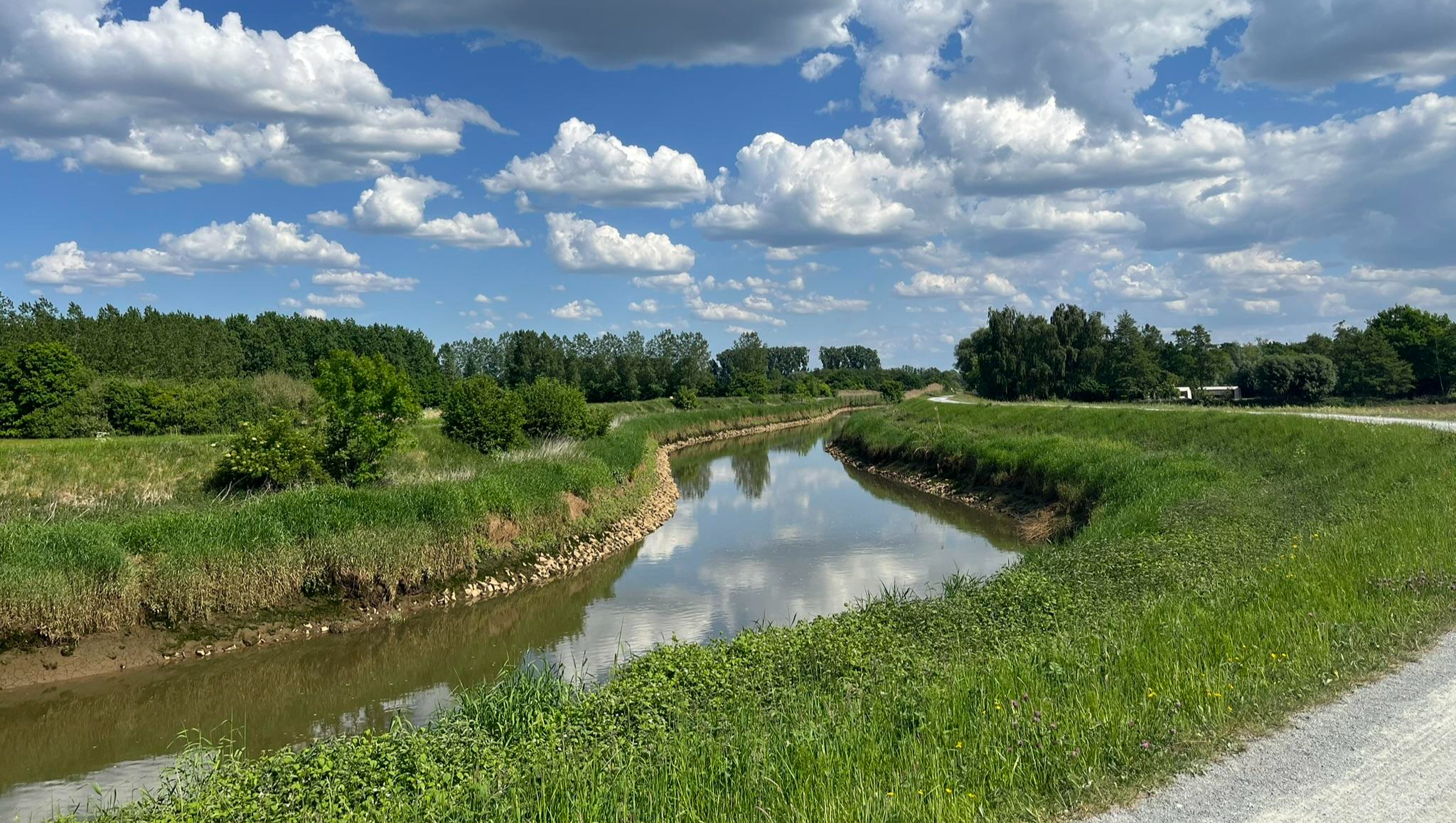
Through the valley of the Dijle – Streek-GR Dijleland
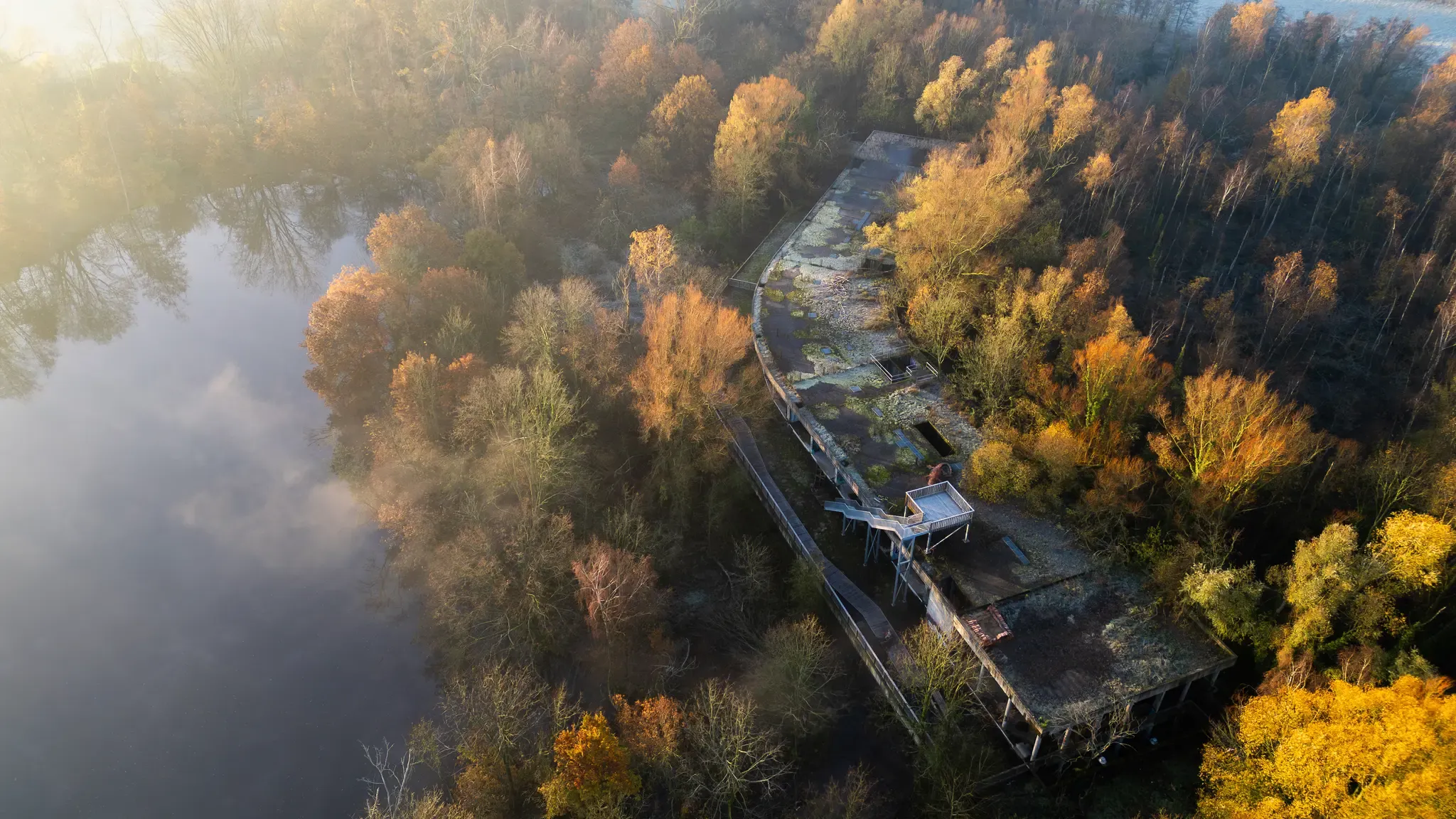
Treinstappers – from station to station in Flanders
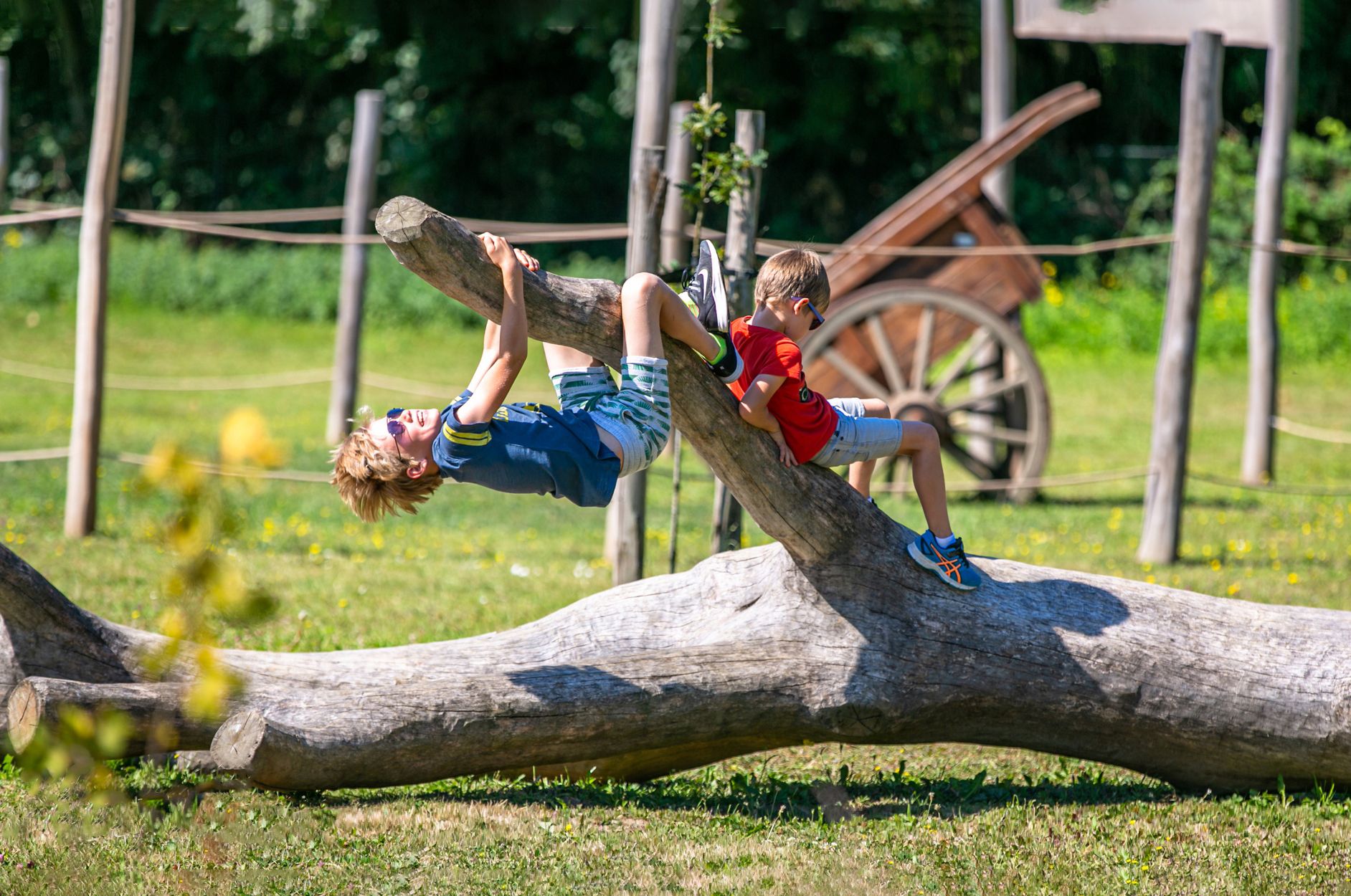
Tours for little adventurers and heroes in Flanders
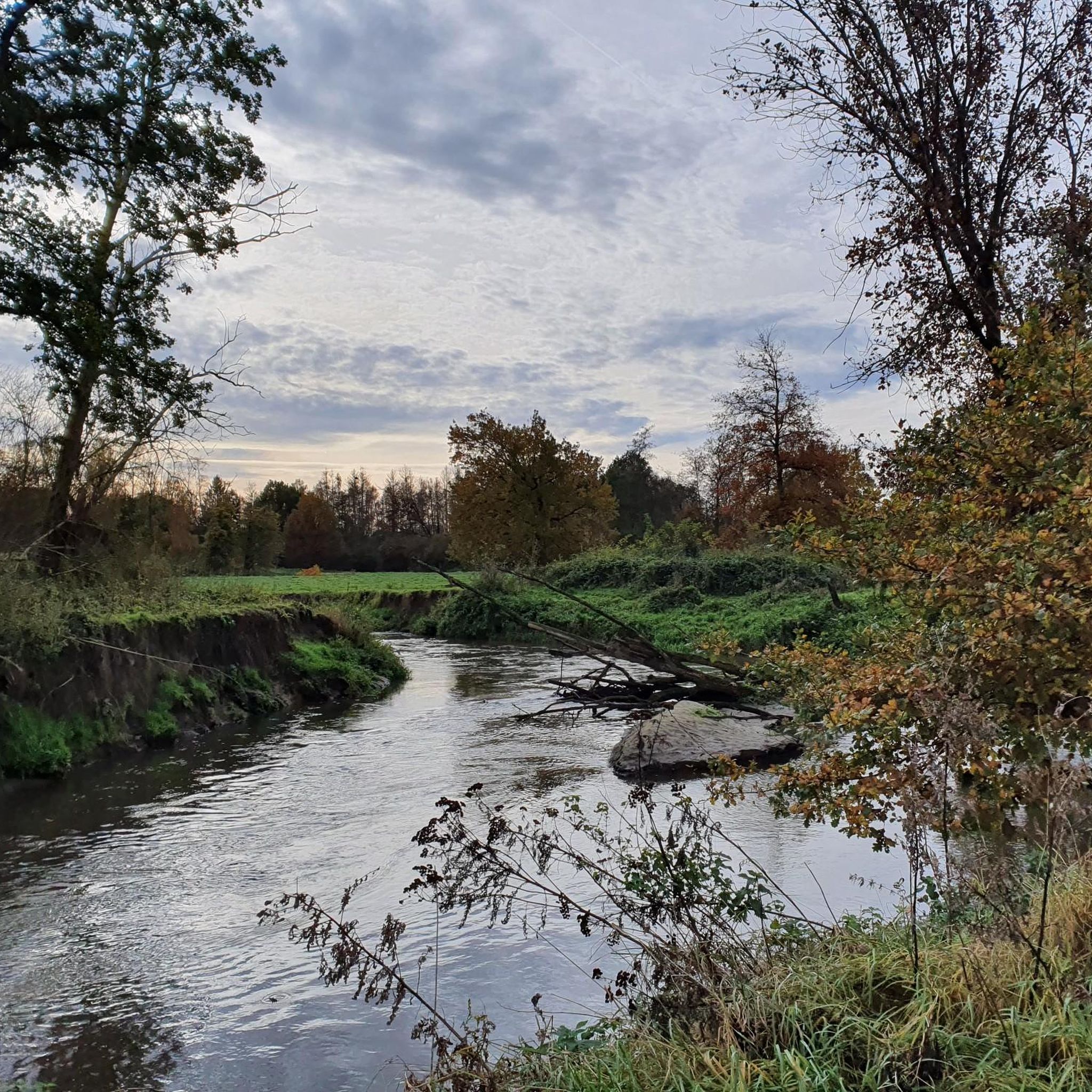
Hiking around Oud-Heverlee
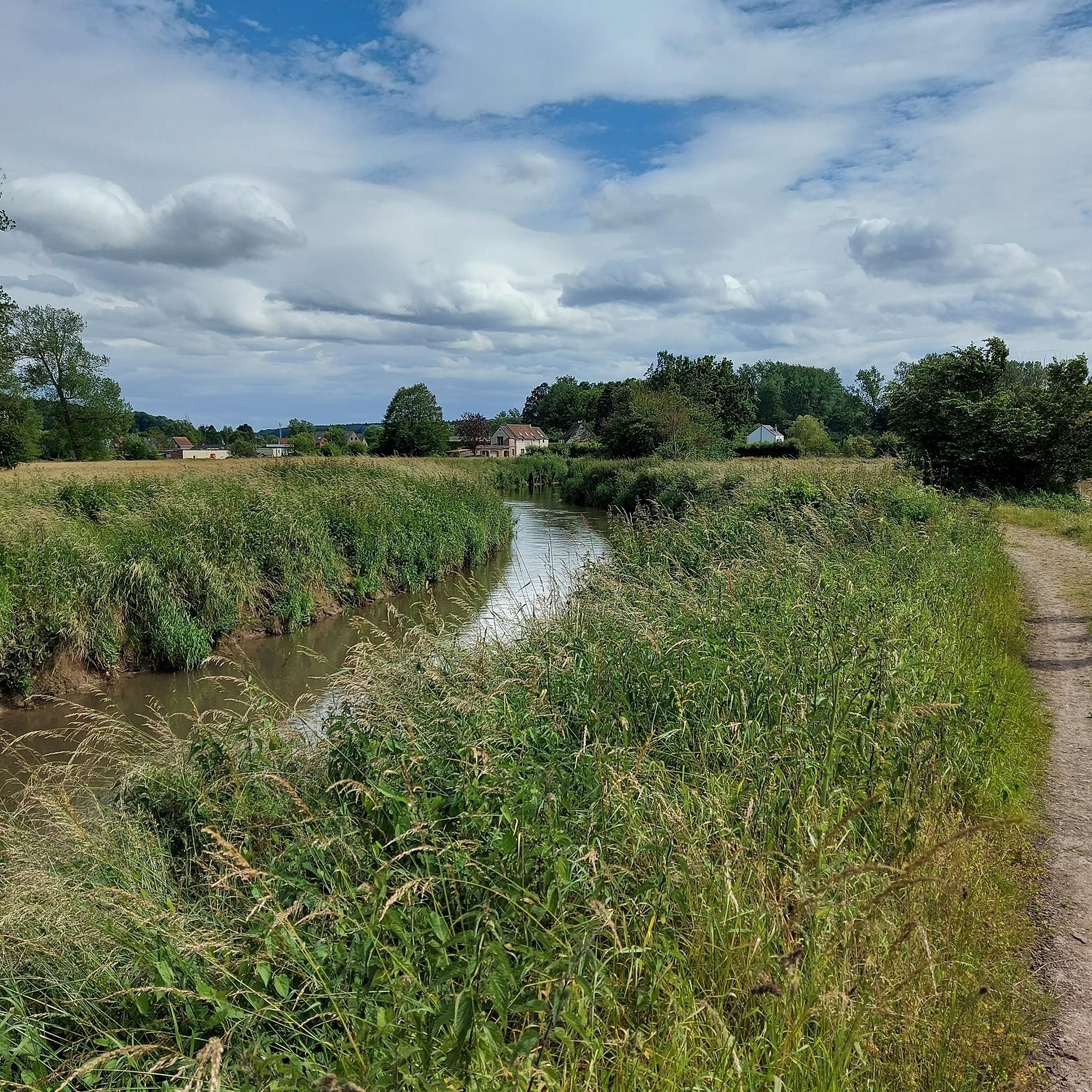
Running Trails around Oud-Heverlee
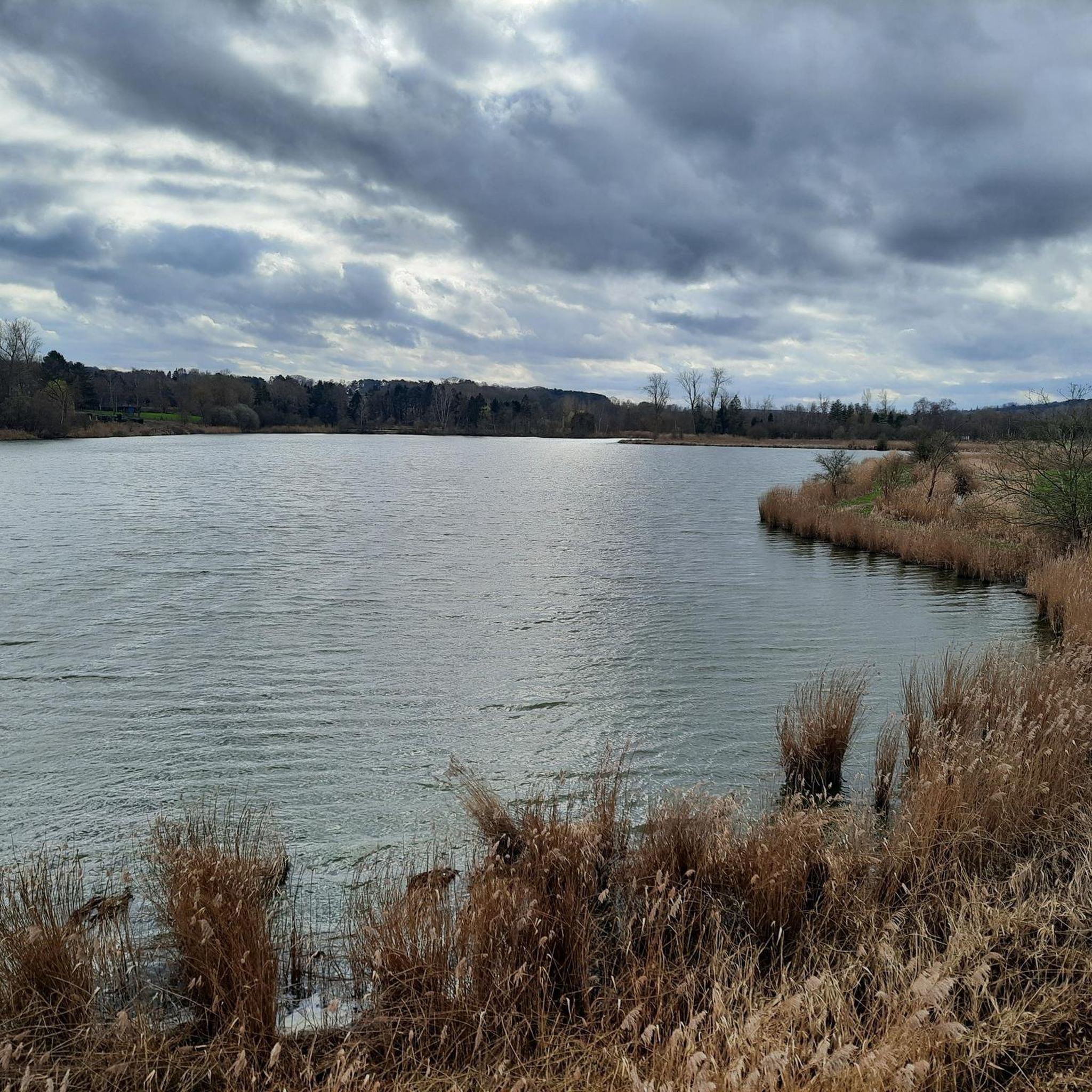
MTB Trails around Oud-Heverlee
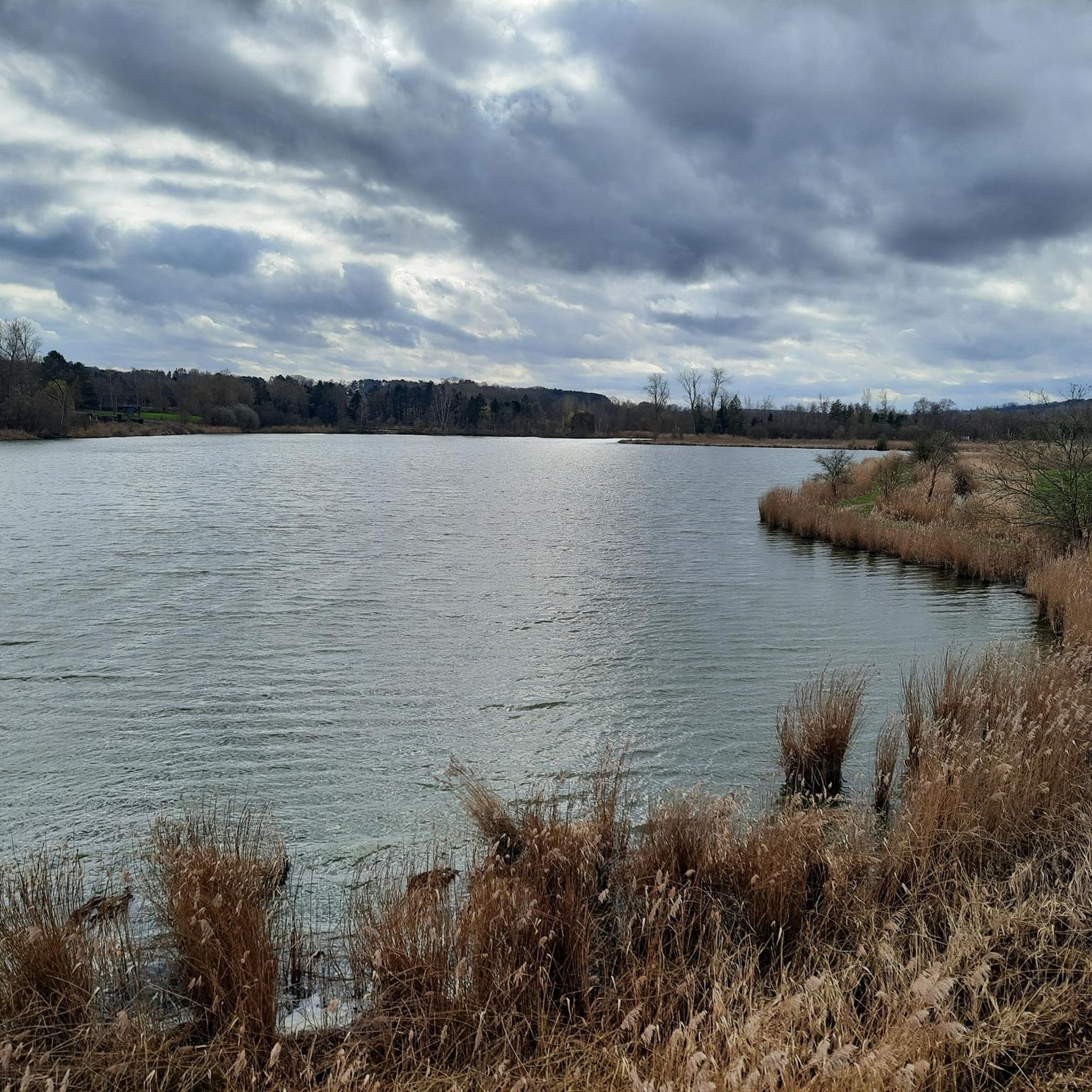
Cycling around Oud-Heverlee
Road Cycling Routes around Oud-Heverlee

Gravel biking around Oud-Heverlee
Other adventures around Oud-Heverlee


Tips from the Community

Blissful bike route in warm weather
0
0

Nearby is the spring where apparently very healthy water can be tapped.
1
0
Look carefully which path you take. With this roundabout, you can go in any direction.
0
0

The Duisburg Dolmen Stone is a large historical erratic boulder in Duisburg (a district of Tervuren). It is often associated with prehistoric rituals and may have been part of an ancient burial monument (dolmen), although this has not been proven with certainty. The stone is primarily considered a local archaeological and folklore monument, commemorating the very early settlement of the region.
3
0

The first botanical garden of Leuven (a "pharmaceutical plant garden") was built from 1738 onwards under the impetus of Professor Hendrik Rega (1690-1754) on a site between the Dijle and the Voer rivers, where municipal school for girls number 3 was later built. The only thing you can still see of it (Minderbroedersstraat number 50): the gate. The second botanical garden—and the current one—was created by the Leuven landscape architect Guillaume Rosseels (1769-1832), under the direction of the German botanist Professor J.F. Adelman. Based on a design by Charles Vander Straeten (1771-1834), court architect to the Prince of Orange. From 1821 to 1823, the gatehouse with the gardener's cottage, the orangery with greenhouses, and a surrounding wall were built in a strict classical style. In 1835, the state university ceded the botanical garden to the city of Leuven, which has since been called the "Municipal Botanical Garden." The garden's layout was already modified in 1838 to allow for greater plant diversity; the symmetry of the flowerbeds at the foot of the orangery partially disappeared. The orangery itself was also repeatedly renovated. In In 1984, the tropical greenhouse (1880) east of the orangery was replaced by a larger one, allowing it to better accommodate the garden's evolving function: from a scientific herb garden to a recreational botanical garden. In the same vein, the botanical garden was recently expanded to include an area behind the former Marollen Monastery (Kapuchijnenvoer 32), where an orchard and a sunken garden with a Victorian greenhouse were created. Inventory of Immovable Heritage: Urban botanical garden, https://id.erfgoed.net/erfgoedobjecten/42252
7
0

A change of scenery guaranteed...but also a sad observation...global warming is causing terrible damage to certain species of trees...visit this arboretum quickly before many trees die 😩😩😩
1
0

Nice location because you can imagine yourself in different parts of the world by the large number of exotic trees that were planted here sorted by their habitat. This allows you to walk from the West Coast of America to China through the different forests that were planted to imitate nature there as closely as possible.
1
0

In 1652, in the middle of the Meerdaalwoud, Lord van Steenbergen had a chapel built on the site where there had previously been a miraculous statue of Mary who cured people suffering from marsh fever.
3
0
Frequently Asked Questions
What are some of the most popular natural monuments to visit in Oud-Heverlee?
Oud-Heverlee offers a variety of natural monuments. Highly appreciated by visitors are the Geographic Arboretum of Tervuren, known for its diverse tree species from around the world, and De Doode Bemde Nature Reserve, a unique wetland area along the Dijle River. Another notable site is the Dolmen Stone of Duisburg (Zevenster, Sonian Forest), which holds historical significance.
Are there family-friendly natural monuments in Oud-Heverlee?
Yes, several natural monuments in Oud-Heverlee are suitable for families. The Geographic Arboretum of Tervuren and Tervuren Park offer open spaces and diverse nature for exploration. The Dolmen Stone of Duisburg also provides an interesting historical stop within the Sonian Forest that families can enjoy.
What kind of outdoor activities can I do near the natural monuments?
The natural monuments in Oud-Heverlee are excellent starting points for various outdoor activities. You can find extensive networks of paths for hiking, running, and cycling. For instance, the Meerdaalwoud and Heverleebos complex offers numerous trails. You can explore running trails, mountain biking routes, and gravel biking tours throughout the region.
Are there specific walking or hiking trails within the natural monuments?
Absolutely. Within the Meerdaalwoud, you can find notable trails like the 'Dikke beukenwandeling' (Thick Beech Walk), showcasing impressive beech trees. De Doode Bemde Nature Reserve offers two dedicated walking loops totaling 8 km, allowing you to explore its unique floodplain ecosystem. These areas provide excellent opportunities for long walks amidst beautiful natural scenery.
What natural features can I expect to see in Oud-Heverlee?
Oud-Heverlee is characterized by diverse natural features. You'll encounter expansive beech forests, such as those in Meerdaalwoud and Heverleebos. The Dijle River meanders through areas like De Doode Bemde Nature Reserve, creating rich wetland biotopes. The region also features tranquil ponds, notably at Zoet Water and within Tervuren Park, and historical natural springs like the Minnebron near the Chapel of Our Lady of Steenbergen.
Can I bring my dog to the natural monuments?
Yes, dogs are generally welcome in many natural areas around Oud-Heverlee. For example, in De Doode Bemde Nature Reserve, dogs are permitted on a leash. It's always advisable to keep your dog on a leash to protect wildlife and ensure a pleasant experience for all visitors.
What is the best time of year to visit the natural monuments in Oud-Heverlee?
The natural monuments in Oud-Heverlee offer different experiences throughout the year. Spring brings blooming flora and vibrant greenery, while autumn transforms the forests with stunning fall colors. Summer is ideal for longer walks and outdoor activities, and even winter offers tranquil, picturesque landscapes for walks, especially in the extensive forest complexes like Meerdaalwoud and Heverleebos.
Are there any historical or cultural sites integrated with the natural monuments?
Yes, the region blends natural beauty with historical significance. The Chapel of Our Lady of Steenbergen, a 17th-century baroque building, is located near the ancient Minnebron spring. Additionally, the Dolmen Stone of Duisburg offers a glimpse into ancient history within the Sonian Forest, and the Meerdaalwoud itself holds traces of ancient burial mounds.
Is the <a href="https://www.komoot.com/highlight/1293663" target="_blank" rel="noopener">Geographic Arboretum of Tervuren</a> easily accessible?
The Geographic Arboretum of Tervuren is freely accessible to the public from sunrise to sunset. It is designed for visitors to explore diverse tree species and forest ecosystems from around the globe, making it a unique and accessible botanical journey.
What kind of wildlife can be spotted in the nature reserves?
The diverse ecosystems in Oud-Heverlee support a variety of wildlife. In De Doode Bemde Nature Reserve, for instance, the varied vegetation and dedicated spawning grounds make it a vital area for water plants, fish, and amphibians. You might also spot various bird species, and traces of beavers have been observed shaping the landscape.
Are there any viewpoints or scenic spots within the natural monuments?
While not explicitly designated as 'viewpoints' in all cases, areas like the Dolmen Stone of Duisburg within the Sonian Forest offer a unique point of interest. The extensive forest complexes and riverside paths, particularly along the Dijle River in De Doode Bemde, provide picturesque scenery and tranquil spots to appreciate nature.
How long should I plan for a visit to the natural monuments?
The duration of your visit depends on the specific natural monument and your planned activities. For a leisurely stroll around Zoet Water or a quick visit to the Chapel of Our Lady of Steenbergen and the Minnebron, an hour or two might suffice. Exploring the extensive trails of Meerdaalwoud and Heverleebos or the 8 km loops in De Doode Bemde Nature Reserve could easily take half a day or more.
Most popular routes around Oud-Heverlee
Most popular attractions around Oud-Heverlee

Get inspired with the komoot mobile app


Explore more
Extend your search for the best caves by checking out these guides of the top ones around Oud-Heverlee:
