The best walks and hikes around the Dniester
5.0
(4)
20
hikers
4
hikes
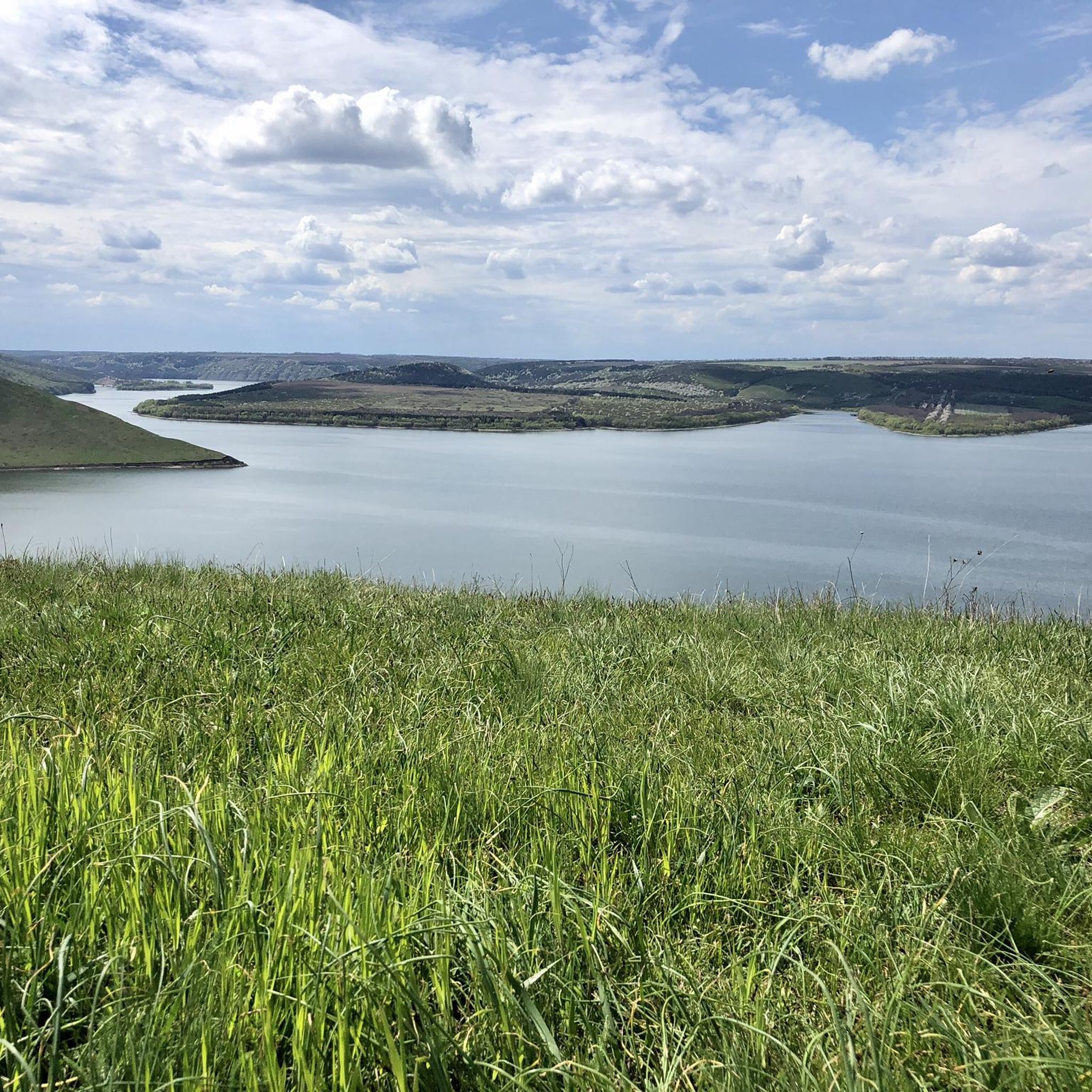
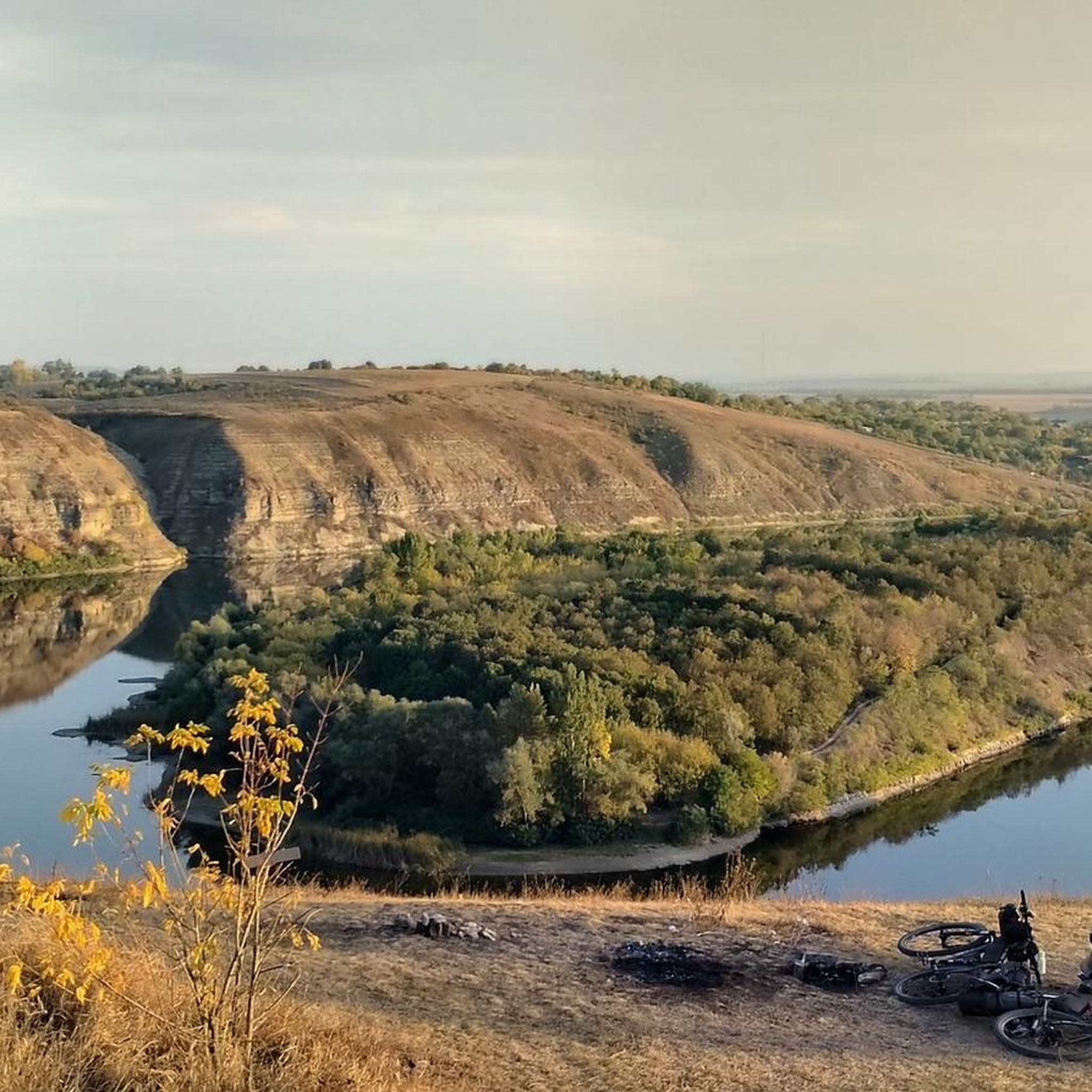
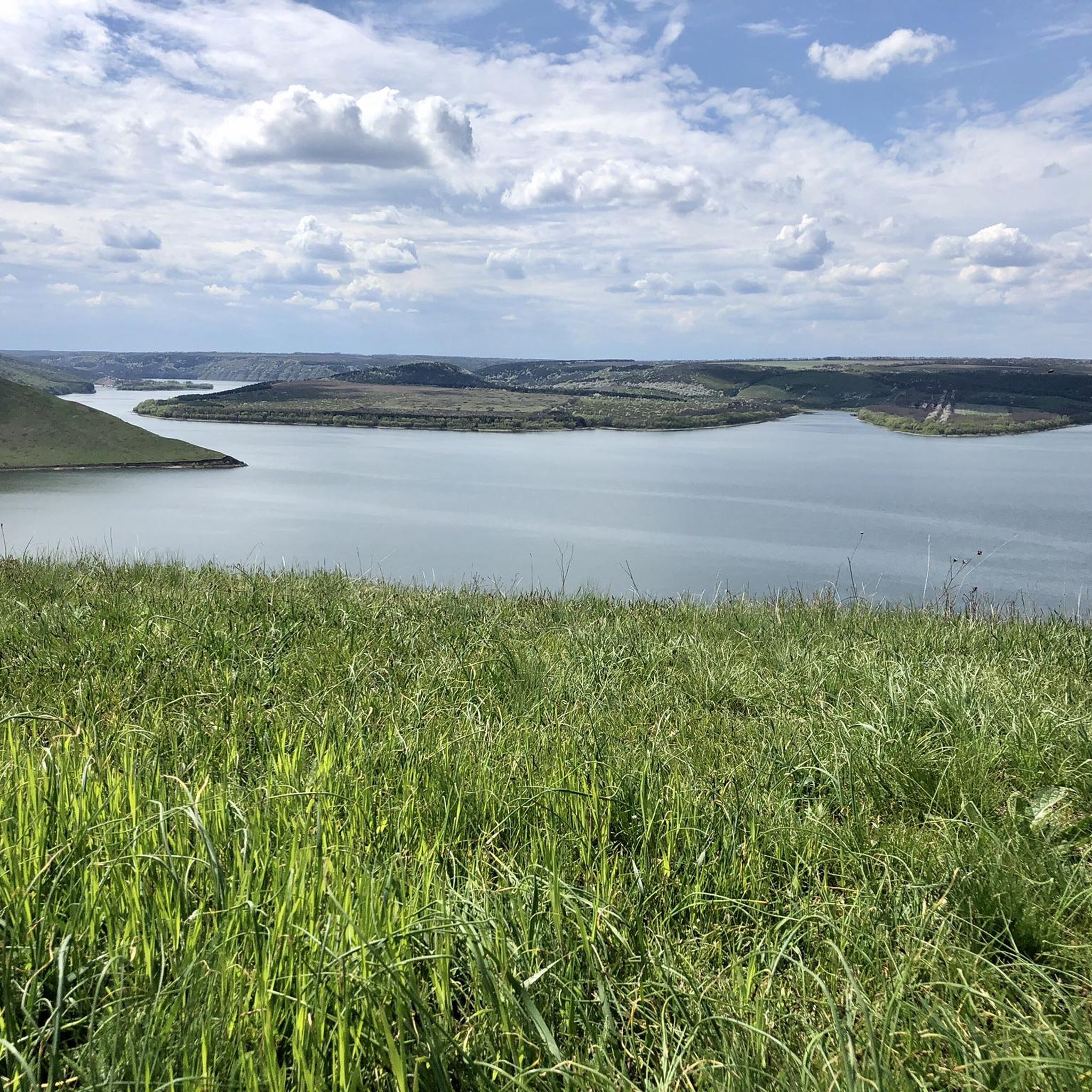
Hiking around the Dniester reveals a landscape dominated by the Dniester Canyon, one of Europe's longest ravines, featuring steep slopes and unique geological formations. The region's diverse ecosystems include oak forests, rock-steppe plants, and numerous waterfalls. A distinct microclimate contributes to its varied natural environment, offering a range of terrain for outdoor activities. The Dniester River carves through ancient rock deposits, creating a dramatic setting for exploration.
Best hiking trails around the Dniester
- The most popular hiking route is Orheiul…
Last updated: July 1, 2026
5.0
(2)
4
hikers
Easy hike. Great for any fitness level. Easily-accessible paths. Suitable for all skill levels.
5.0
(1)
10
hikers
Moderate hike. Good fitness required. Easily-accessible paths. Suitable for all skill levels.

Sign up for free
5.0
(1)
2
hikers
8.53km
02:42
320m
320m
Moderate hike. Good fitness required. Easily-accessible paths. Suitable for all skill levels.
2
hikers
10.2km
03:14
380m
380m
Moderate hike. Good fitness required. Easily-accessible paths. Suitable for all skill levels.
2
hikers
6.63km
01:51
130m
130m
Easy hike. Great for any fitness level. Easily-accessible paths. Suitable for all skill levels.
Our route recommendations are based on thousands of hikes, rides, and runs completed by other people on komoot.
Start today with a free account
Your next adventure awaits.
Login or Signup
Tips from the Community


Closest parking place to the Monastery. There are seating areas where you can have a picnic, there are toilets as well and there is a museum here which you can visit.
1
0
Beautiful viewpoint! On summer days, it is quite hot.
0
0

A beautifully situated church on the ridge in Butuceni. A magnificently landscaped monastery garden awaits you, through which you can reach the church for a short rest.
1
0

As I took my first steps toward Orheiul Vechi, the ancient city, I felt like I was strolling through the pages of a history book come to life. This place, nestled in the protected area of the Parcul Național Orhei, is a time capsule carefully guarded by nature. With each step along the winding paths, I felt the modern world behind me shrinking and I delving deeper into the past. The landscape around me was breathtaking - a harmonious interplay of natural beauty and the traces of ancient civilizations. The earth itself seemed to tell stories, from the Paleolithic to the Eneolithic to the Iron Age. I couldn't help but wonder what secrets lay hidden here, beneath my feet. As I reached the site that once housed the Geto-Dacian Fortress, I scanned the ruins and tried to imagine what life might have been like here thousands of years ago. The remains of the earthen and wooden fortresses that once proudly dominated the landscape spoke of a time so far away and yet tangibly close. My journey continued to Mănăstirea Peştera, the cave monastery, which nestled in the landscape like a hidden jewel. The sight of the hermitage carved into the rock was simply magical. It was as if time stood still here, a sacred place of peace and reflection that has been attracting pilgrims and hikers alike since the 14th century. I sat down on one of the rocks and let my gaze wander over the vastness of the landscape. From up here I could see the remains of the Golden Horde fortress and the Moldovan town of Orheiul Vechi. The history of this place is multi-layered and complex, a mosaic of different civilizations that have left their mark.
1
1

Jaworniki (908 m above sea level) is the highest peak of the Sanocko-Turczańskie Mountains on the Polish side. It is included in the Diadem of Polish Mountains. You can reach the peak via the green tourist path from Żłobek or the orange horse trail from the pass above Żłobek. You can also combine these two routes and make a loop starting at the pass. The peak is forested.
3
0
The past and nature combine
1
0

European watershed - Baltic Sea / Black Sea
0
0
Frequently Asked Questions
What kind of terrain can I expect on hiking trails in the Dniester region?
The Dniester region offers a diverse range of terrain, primarily characterized by the dramatic Dniester Canyon with its steep, often vertical slopes. You'll find paths winding through oak and beech forests, alongside river curves, and across rock-steppe areas. Trails vary from easy, relatively flat paths to moderate routes with notable elevation changes, providing options for different fitness levels.
Are there any family-friendly hiking options in the Dniester region?
Yes, the Dniester region has family-friendly options. For instance, the Orheiul Vechi Cave Monastery – Bell Tower of Orheiul Vechi loop from Butuceni is an easy 6.3 km trail that explores cultural and historical sites, suitable for families. There are also other easy routes like the Грот Прийма loop from Veryn, which is 6.6 km long.
Can I bring my dog on the hiking trails in the Dniester area?
While many natural areas in the Dniester region are generally welcoming to dogs, specific regulations can vary within national parks like the Dniester Canyon National Nature Park or Lower Dniester National Park. It's always best to check the official park guidelines for leash requirements and restricted areas before heading out with your pet. Generally, keeping dogs on a leash is recommended to protect local wildlife and ensure a pleasant experience for all hikers.
Are there any notable waterfalls to see while hiking in the Dniester region?
Absolutely! The Dniester region is home to impressive waterfalls. You can find the Rusyliv cascade, which features 14 waterfalls, with the largest reaching 12 meters. Another significant natural wonder is the 16-meter-tall Dzhurynskyi waterfall, considered Ukraine's largest. You might also encounter smaller cascades like the Waterfall Amid Greenery, offering picturesque spots along your hike.
What historical or cultural sites can I explore on hikes around the Dniester?
The Dniester region is rich in history and culture. You can hike to the Orheiul Vechi Cave Monastery, an ancient monastic complex. Other notable sites include the historic Bender Fortress, and various ancient temples and remnants of medieval palaces. The area also features unique attractions like the Lenin Monument in Front of the Government House and Katherine Park Entrance, Tiraspol, offering a blend of natural beauty and historical exploration.
Are there circular hiking routes available in the Dniester region?
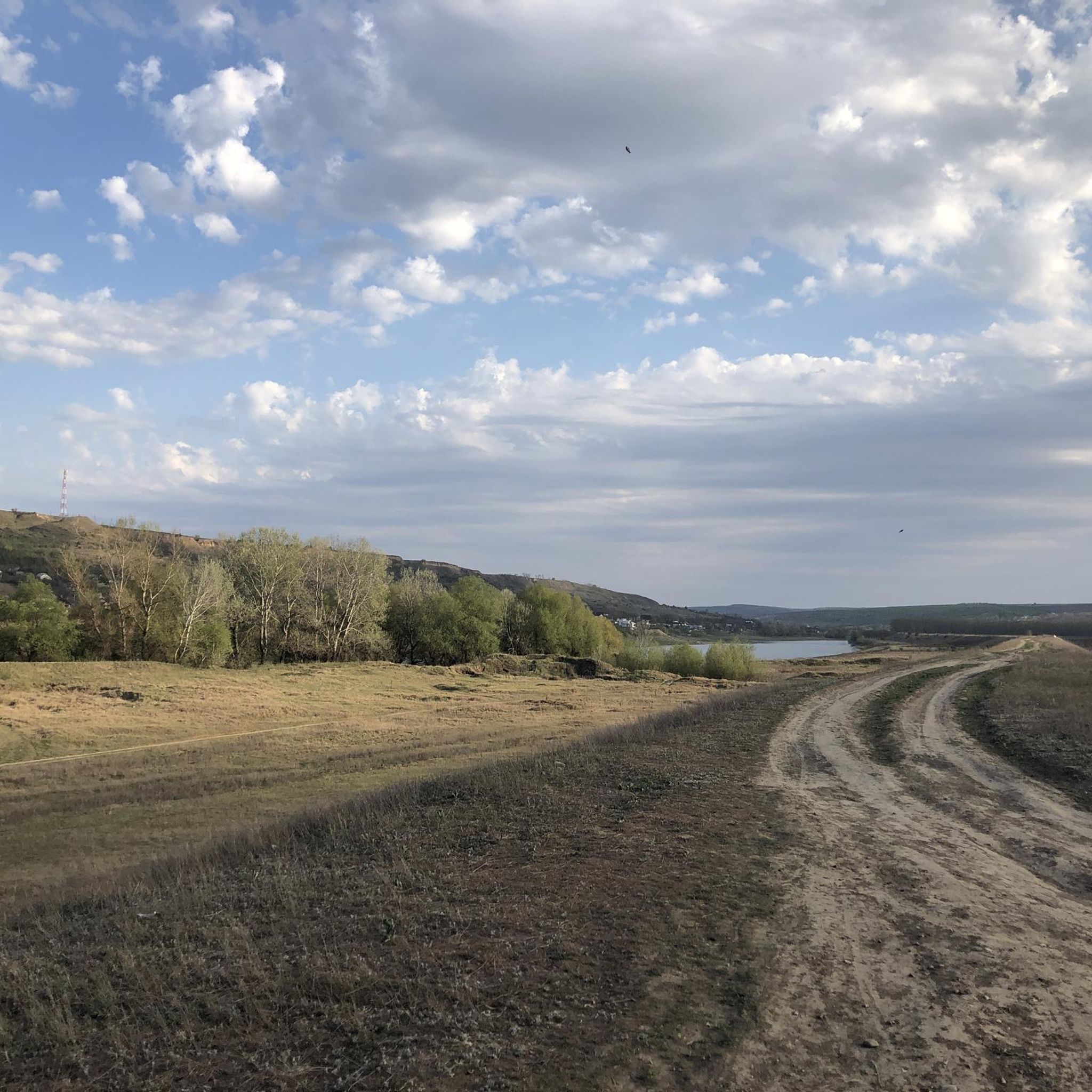
Yes, there are several circular hiking routes in the Dniester region. For example, the Orheiul Vechi Cave Monastery – Bell Tower of Orheiul Vechi loop from Butuceni is a popular easy loop. For a moderate challenge, consider the Dirt Path Through Grassy Field – European Watershed Viewpoint loop from Michniowiec, which offers scenic views. Another moderate option is the Jaworniki loop from Bystre, known for its varied terrain.
What is the best time of year to go hiking in the Dniester region?
The Dniester region benefits from a unique microclimate, often called the 'Galych subtropics,' which means nature awakens earlier than in surrounding western regions. While hiking is possible for much of the year, spring and autumn generally offer the most pleasant conditions with mild temperatures and vibrant scenery. Summer can be warm with minimal rainfall, making early mornings or late afternoons ideal for hikes. Always check local weather forecasts before your trip.
How accessible are the Dniester hiking trails by public transport?
Accessibility by public transport varies across the Dniester region. Major towns and villages near national parks like Dniester Canyon National Nature Park or Lower Dniester National Park may have bus connections. However, reaching specific trailheads, especially those in more remote canyon areas, might require private transport or local taxis. It's advisable to research specific routes and their proximity to public transport stops in advance.
Where can I find parking for hiking trails in the Dniester region?
Parking availability depends on the specific trailhead. Designated parking areas are typically found near visitor centers of national parks, popular attractions like the Orheiul Vechi Cave Monastery, or at the start of well-known trails. In more rural areas, roadside parking might be an option, but always ensure you are parking legally and safely without obstructing local traffic or access. Check local signage for any parking fees or restrictions.
What unique natural features, like caves or geological formations, can be found along the Dniester trails?
The Dniester Canyon is a geological marvel, featuring unique outcrops from the Jurassic and Silurian periods, including 500-million-year-old fossilized remains. The area also boasts over 50 significant caves within the Dniester Canyon National Nature Park, some of which are among the world's longest, like Ozerna and Optymistychna. Hikers can also discover ancient cult caves and early Christian cave churches, adding a fascinating historical layer to the natural landscape.
What kind of wildlife might I encounter while hiking in the Dniester area?
The Dniester region is rich in biodiversity, particularly within the 'Lower Dniester' National Park. Hikers might spot a variety of bird species, as the park hosts 288 different types. Mammals, including 54 species, also inhabit the area. The diverse flora, with 950 plant species, includes rare ones listed in the Red Book. Keep an eye out for fish in the river and various insects and amphibians, especially near water sources.
What do other hikers say about their experience in the Dniester region?
The Dniester region is highly rated by the komoot community, with an average score of 5.0 stars from over 4 reviews. Hikers often praise the dramatic canyon landscapes, the diverse ecosystems, and the unique geological formations. Many appreciate the variety of routes available, catering to different ability levels, from easy walks to more challenging moderate trails, making it a rewarding destination for outdoor enthusiasts.
Are there any long-distance hiking opportunities in the Dniester region?
While specific named long-distance trails might not be as widely publicized as shorter loops, the Dniester Canyon itself stretches for 250 kilometers, offering the potential for extended multi-day treks. You can link various shorter routes or explore sections of the Dniester Canyon National Nature Park to create longer hiking experiences, immersing yourself in the dramatic scenery and diverse ecosystems.
Most popular routes around the Dniester
Most popular attractions around the Dniester

Get inspired with the komoot mobile app


